




Rice Water for Hair: Preparation, Uses, and Side Effects
By Dr. Raina N. Nahar +2 more

Medically reviewed by Dr. Raina N. Nahar
Last updated: Sep 15, 2026 Published on: Jul 20, 2023


Get,

to manage your symptom
Get your,

4 Cr+ families
benefitted

OTP sent to 9988776655



You’ve successfully subscribed to receive
doctor-approved tips on
Whatsapp

Get ready to feel your best.


Register to Avail the Offer
Send OTPBy continuing, you agree with our Privacy Policy and Terms and Conditions
Hi There,
Sign up on PharmEasy now!!


Trusted by 4 crore+ families

OTP sent to 9988776655
You have unlocked 25% off on medicines


Code: NU25

By Dr. Raina N. Nahar +2 more
Table of Contents
Are you looking for a way to get healthier hair? If so, let us tell you an old secret. We are talking about rice water.
What is rice water? It is a simple hair care recipe that is often overlooked but is right in our home kitchens. Come along as we explore the history, benefits, and ways to make and use rice water.
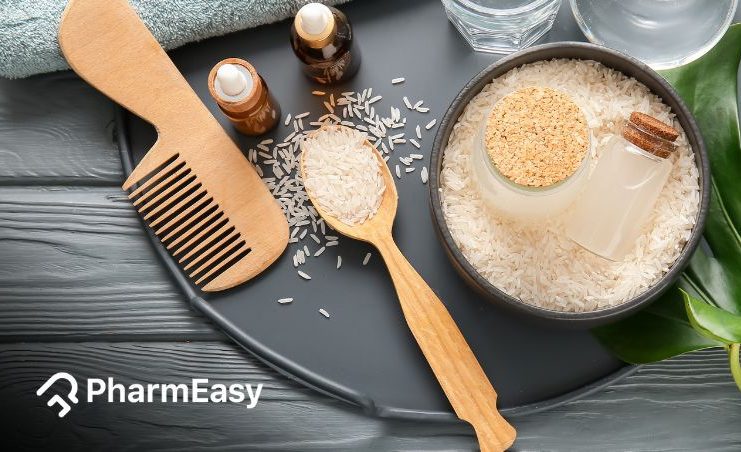
Rice water may just look like milky liquid from rinsing or cooking rice. Yet, it was held in very high regard in the past.
Ancient Japanese court ladies of the Heian period (794 to 1185 CE) used rice water to wash their floor-length hair1.
In China, the Yao ethnic group of women used rice water2. They believed it kept their hair robust and healthy and slowed greying. Their hair care practices got them recognition in the “Guinness Book of World Records” for having the world’s longest hair2.
Before exploring how rice water may improve hair health, let us look at what it actually contains.
Rice water contains antioxidants, amino acids, B vitamins, vitamin E, minerals, and “inositol,” a carbohydrate2,3.
The nutrients in rice water are believed to have the following effects on the body and hair:
Research on rice water’s effects on hair is limited. Yet, notable data comes from GH Beauty Lab’s study. Soaking hair in rice water for 15 minutes helped strengthen it and improve elasticity.
Keen to make your mix of rice water? Here are a few easy ways to make rice water.
This recipe is easy all you need is rice and water.
All rice types white, brown, long-grain, short-grain, jasmine, basmati, etc. will work fine for making rice water.
You can make rice water using any of the following three methods:
From what I’ve seen, the water that is remaining after washing rice, which is usually considered waste water and thrown away, actually contains valuable minerals and other nutrients. This water can be utilised to water both indoor and outdoor plants. By using rice water in your garden or plant care, you can provide essential nutrients to your plants, leading to better growth and vitality9.
Dr. Rajeev Singh, BAMS
Made your own rice water? Ready to try it out? Let’s see how to use it:
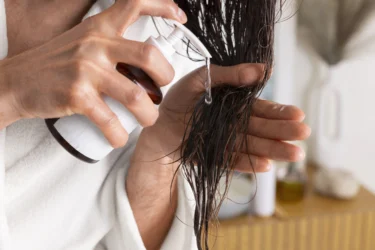
After shampooing, pour some rice water on your hair and massage well.
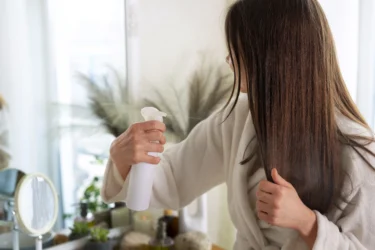

Rice water is not just hair food. Made too much rice water for one session? Don’t worry! You can still use it.
Based on my experience, rice water has been found to possess antioxidant activity that helps boost the free-radical fighting capacity of the skin. This means rice water could potentially be a valuable ingredient for anti-ageing purposes in skincare products. By incorporating rice water into your skincare routine, you may benefit from its antioxidant properties, which can help protect your skin from oxidative stress and promote a more youthful appearance8.
Dr. Siddharth Gupta, B.A.M.S, M.D (Ayu)
Every beauty tip has guidelines and rice water is no different.
From the ancient salons of Japan to today’s beauty chat rooms, rice water is believed to be a formidable force for hair health and care. A natural, affordable, and easy-to-make option, rice water offers an array of benefits. Some people may find rice water helpful for improving hair manageability or shine. It is important to use rice water in moderation, maintain proper hair hygiene, and discontinue use if any irritation or dryness occurs.
You can use rice water as a pre-shampoo treatment or post-shampoo rinse. Let it sit in your hair for a few minutes before rinsing it with warm water and shampoo.
No, there is no scientific evidence to support the claim that rice water can grow facial hair. Rice water is rich in nutrients beneficial for skin and hair health, but it does not have properties that promote facial hair growth.
Rice water is believed to help thicken hair. It contains inositol, a carbohydrate that can strengthen hair, improve its elasticity, reduce frizz, and improve overall hair health, leading to thicker and more robust hair strands.
Rice water can last up to a week when stored in the refrigerator. For best results, it should be kept in an airtight container to maintain its freshness and prevent spoilage.
Yes, you can drink rice water. It is safe and can be beneficial, as it contains vitamins and minerals that aid in digestion, improve energy levels, and support overall health. However, it is best to consume it in moderation.
Yes, rice water can be beneficial for low porosity hair. Its nutrients help improve hair strength and shine, but it’s important to use it in moderation to avoid protein buildup, which low porosity hair is more prone to.
Rice water may cause dandruff if not rinsed out properly or if used too frequently. The excess starch and protein can build up on the scalp, leading to dryness and flaking.
While rice water is beneficial for hair health, there is no scientific evidence that it can regrow hair. It can improve hair strength, shine, and manageability, which may support overall hair health but does not directly promote hair regrowth.
Disclaimer: The information provided here is for educational/awareness purposes only and is not intended to be a substitute for medical treatment by a healthcare professional and should not be relied upon to diagnose or treat any medical condition. The reader should consult a registered medical practitioner to determine the appropriateness of the information and before consuming any medication. PharmEasy does not provide any guarantee or warranty (express or implied) regarding the accuracy, adequacy, completeness, legality, reliability or usefulness of the information; and disclaims any liability arising thereof.
Links and product recommendations in the information provided here are advertisements of third-party products available on the website. PharmEasy does not make any representation on the accuracy or suitability of such products/services. Advertisements do not influence the editorial decisions or content. The information in this blog is subject to change without notice. The authors and administrators reserve the right to modify, add, or remove content without notification. It is your responsibility to review this disclaimer regularly for any changes.
 20
20  1
1Comments

Leave your comment...
You may also like






















Comments