



Why Does Alcohol Make You Pee? Here’s The Science Behind It
By Dr. Shubham Pandey +2 more

Medically reviewed by Dr. Shubham Pandey
Last updated: Jan 22, 2026 Published on: Dec 26, 2023


Get,

to manage your symptom
Get your,

4 Cr+ families
benefitted

OTP sent to 9988776655



You’ve successfully subscribed to receive
doctor-approved tips on
Whatsapp

Get ready to feel your best.


Register to Avail the Offer
Send OTPBy continuing, you agree with our Privacy Policy and Terms and Conditions
Hi There,
Sign up on PharmEasy now!!


Trusted by 4 crore+ families

OTP sent to 9988776655
You have unlocked 25% off on medicines


Code: NU25

By Dr. Shubham Pandey +2 more
Table of Contents
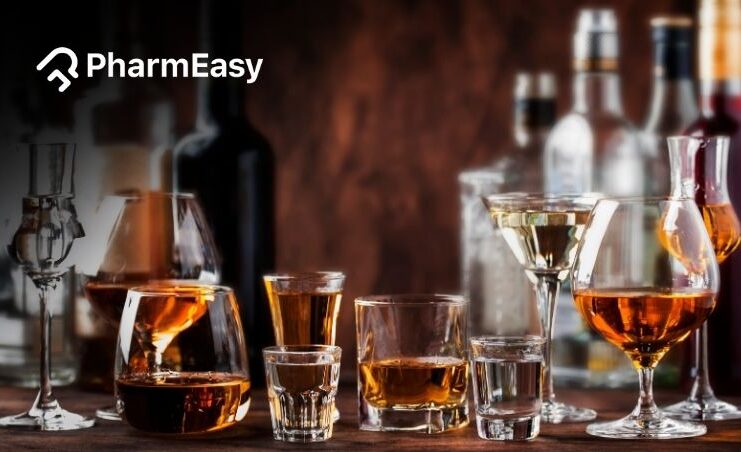
Alcohol consumption is a common practice in social gatherings, celebrations, and for relaxation. While having a drink or two might not seem like a big deal, it can have a noticeable impact on our body’s functions, particularly when it comes to urination. Many people have noticed that they need to urinate more often when they drink alcohol1.
In this article, we’ll explore the connection between alcohol and increased urination. We’ll also debunk some common myths about “breaking the seal” and discuss the impact of alcohol on hydration and various factors affecting the diuretic effect of alcohol. Finally, we will provide some practical tips on managing the urge to urinate while drinking alcohol and the importance of moderation in alcohol consumption. Lastly, we will answer a few frequently asked questions regarding this topic.
Did you know?
Our kidneys are key in keeping fluid balance in check. They filter our blood and make urine. This urine then moves to the bladder through tubes called ureters. When the bladder gets full, there is an urge to urinate2. Anti-Diuretic Hormone (ADH) has a big part in controlling how much urine is made in the body. It is released when there is a lack of water in our body or a higher-than-normal solute-fluid ratio in our blood3. This signal tells the kidneys to hold more water back in the body and reduce urine production.
Drugs that increase urine production are called diuretics or diuretic drugs. Some other substances may also do the same, that is, they can exert a diuretic action. Alcohol is one such substance4. The association of increased urination with alcohol intake can be attributed majorly to its effect on the kidneys and antidiuretic hormone action.
ADH production is slashed when alcohol is present in your bloodstream. This can disrupt our body’s fluid balance resulting in increased urine production. Thus, when you consume a drink, the alcohol halts the release of ADH and there is no signal for reducing urine formation, so too much urine gets made5.
● Alcohol disrupts fluid particle balance
Alcohol in your blood can throw off the stable control of acid-base balance and causes dehydration. This can change the number of particles per fluid amount in your blood, which in turn signals your kidneys to make more urine6. Increased drinking leads to increased urination1.
Researchers have found that regular consumption of alcohol may double the risk of kidney disease or kidney damage, even without excessive drinking. If you are experiencing signs like swelling of the feet and legs due to fluid retention, numbness or tingling in the fingers or toes, loss of appetite and a metallic taste in the mouth, I suggest it’s best to consult a doctor12.
Dr. Smita Barode, BAMS
Though alcohol has diuretic effects, some factors can affect how much it makes you urinate.
I recently read a study13 which says that alcohol functions as a diuretic, leading to increased urinary frequency. The diuretic effect varies among alcoholic beverages, with those higher in alcohol content contributing to a more significant increase in urine output compared to nonalcoholic drinks.
Dr. Siddharth Gupta, BAMS, MD (Ayu)
Many would have heard the phrase “breaking the seal”. It is the idea that once you urinate after your first drink, it has set the stage for more urinating episodes to follow and you are doomed to urinate often for the rest of the night. Well, this is a myth and there is no scientific basis to this claim.
Bedwetting may happen if you drink over the limit. Let us delve into the reasons why this may happen.
Drinking till you drop disrupts regular body functions. For instance, you may not wake up when your bladder is full, letting bedwetting happen8.
Bedwetting risk factors after drinking include having a lot of alcohol, having a sleep disorder, or a urinary tract infection9.
To avoid waking up in a wet bed, drink responsibly and stay hydrated. Keep these tips in mind for a dry night’s sleep.
To my knowledge, when someone consistently consumes alcohol, their body may develop a tolerance to its diuretic effects. This means that over time, with regular drinking, the body might become less sensitive to the diuretic impact of alcohol, resulting in decreased urinary frequency despite alcohol consumption13.
Dr. Rajeev Singh, BAMS
The term ‘Moderate’ means having a drink or two in a day that does not harm health.
Although it’s ideal to completely avoid alcohol for keeping healthy, following are the maximum recommended limits if you choose to consume:
One regular drink equals11:
Drinking moderately may help avoid fluid imbalance, high blood pressure, and cause less damage to the liver.
By understanding the factors that lead to lots of urination after drinking, we may help ourselves lessen the urge to urinate.
Some tips that may help reduce the urge to urinate include:
Understanding why alcohol makes you urinate more may help you decide how much to drink. Whether it is for a good time out or just for that buzz, keep in mind, that nothing is better than plain water for keeping you hydrated. Try to stick to moderate drinking and stay hydrated before and after drinking.
Mixing alcoholic and non-alcoholic drinks and drinking water along with alcohol can help you keep hydrated.
Yes, spirits and wines tend to increase your urination frequency more than beer because of their higher alcohol content.
Holding off urine too often increases urinary tract infection risk. So, you should urinate whenever you feel like it.
Yes, heavy drinking can heighten kidney disease risk by two-fold. That’s why it’s wise to drink moderately.
Nope, urinating doesn’t sober you up faster. Your body takes care of processing alcohol naturally over time. But urinating doesn’t speed up alcohol’s exit from your bloodstream.
Disclaimer: The information provided here is for educational/awareness purposes only and is not intended to be a substitute for medical treatment by a healthcare professional and should not be relied upon to diagnose or treat any medical condition. The reader should consult a registered medical practitioner to determine the appropriateness of the information and before consuming any medication. PharmEasy does not provide any guarantee or warranty (express or implied) regarding the accuracy, adequacy, completeness, legality, reliability or usefulness of the information; and disclaims any liability arising thereof.
Links and product recommendations in the information provided here are advertisements of third-party products available on the website. PharmEasy does not make any representation on the accuracy or suitability of such products/services. Advertisements do not influence the editorial decisions or content. The information in this blog is subject to change without notice. The authors and administrators reserve the right to modify, add, or remove content without notification. It is your responsibility to review this disclaimer regularly for any changes.
 1
1 
Comments

Leave your comment...
You may also like
















Comments