
Have you been feeling unusually tired, low on energy, mentally unclear or confused? While these symptoms can have many causes, one possibility worth considering is a deficiency in vitamin B12.
Vitamin B12, also known as cobalamin, is an essential nutrient involved in red blood cell production, nerve function, and DNA synthesis. While it is often overlooked, adequate B12 level is essential for maintaining energy levels and supporting cognitive and neurological health of the body.
Your body cannot produce B12 on its own, so it must be obtained through foods high in vitamin B12 or supplements. Animal-based foods such as meat, dairy, and eggs are the primary sources of vitamin B12. Thus, if you follow a vegetarian or vegan diet, you may need B12 supplements to meet your daily requirement for the vitamin1,2.
In this article, we will explore vitamin B12 rich foods to help you maintain optimal vitamin B12 level and support your overall health, in a way that is both enjoyable and practical.
Vitamin B12 (also called cobalamin) is a nutrient your body needs to stay healthy2. It plays a key role in:
The recommended dietary allowance (RDA) of vitamin B12, which is sufficient for the nutrient needs of adults, is approximately 2.4 mcg per day2.
Individuals following a vegan or vegetarian diet are at increased risk of having low vitamin B12 levels, as B12 is mostly found in animal foods.
People with health conditions that interfere with vitamin B12 absorption also may be at risk of deficiency, even if they consume enough through food. Since vitamin B12 absorption is a complex, multi-step process, any disruption can affect how much the body absorbs.
You are more likely to have low B12 if you3:
Good to know: Unlike foods high in vitamin B12, B12 from supplements or fortified foods (like some cereals or plant-based milks) does not need to go through all these steps. It is already in a form your body can absorb more easily. Therefore, these alternate options could be helpful for people who have trouble absorbing B12 from food.
Signs of a vitamin B12 deficiency can appear slowly and may include3:
If these sound familiar, talk to your doctor about testing for vitamin B12 levels.
Predominately vegan and vegetarian consumers are at higher risk of vitamin B12 deficiency. If you are considering supplementation, do so following a thorough examination by your registered medical doctor.
Dr. Nayana Shetty, MBBS, MD
Vitamin B12 plays a key role in keeping your energy levels up, your nerves healthy, and your blood cells functioning properly2. Since your body cannot make it on its own, getting enough from foods high in vitamin B12 (or supplements) is essential.
Most vitamin B12 comes from animal-based foods, but there are some excellent fortified plant-based options for vegetarians and vegans2,3. Let’s explore some of the top vitamin B12 rich foods to help you meet your daily needs and stay energised and healthy:

Milk is an easy and reliable source of B12. It also gives you calcium and vitamin D, which help build strong bones and support your immune system1.
Tip: For vegans, fortified plant-based options like soy milk can offer up to 45% of your B12 RDA. Check the label to be sure.

Yoghurt is not just good for your gut; it is a solid B12 source1.
Tip: Choose low-fat, unsweetened yoghurt to avoid added sugar while still getting protein, calcium, and gut-friendly probiotics.

Cheese adds flavour and nutrients to your meals2.
Note: Cheese is nutritious but also high in saturated fat; therefore, enjoy it in moderation.

Eggs are packed with high-quality protein, healthy fats, and B vitamins1.
Tip: Include eggs a few times a week as a simple, nutrient-rich choice.

Fish is one of the richest natural sources of vitamin B12. It also provides omega-3 fats for heart and brain health1.
Here is how much B12 you get from these portions:
Bonus: A serving of salmon also gives you around 40g of protein, which is great for muscle health.

Poultry is a lean and healthy protein source that also provides B121.
Bonus: It is great for those who prefer lean meats.

Shellfish are B12 superfoods as they provide high levels of vitamin B122.
Bonus: Even small portions of these superfoods provide way more than your daily need and they are also rich in zinc and iron!

A favourite among vegans, nutritional yeast has a cheesy flavour and is often fortified with B121.
Bonus: Great served on popcorn, in soups, or stirred into sauces. Always check the label to make sure it is fortified.

Fortified cereals have vitamin B12 added during processing, making them easy to absorb for vegetarians and vegans1.
Tip: Pair with fortified plant milk for a double B12 boost. Check the nutrition label for specifics.

Beef is a powerful source of B12, especially organ meats like liver2.
Caution: Although liver is a great vitamin-rich option for those who eat it, make sure you cook it in healthy oils.
If someone is diagnosed to have pernicious anaemia, oral supplementation of vitamin B12 won’t work sufficiently due to lack of intrinsic factor which is needed for the absorption of vitamin B12 that comes from the diet. In these individuals’ usually vitamin B12 injections (IM) are prescribed. But some small studies have hinted that vitamin B12 oral supplements (1000 mcg) may be a fruitful alternative to injections, this is probably due to some passive absorption, but the overall consensus is that it is insufficient16.
Dr. Nayana Shetty, MBBS, MD
Most people can get enough vitamin B12 from vitamin B12 food sources, especially if they eat animal-based foods like meat, dairy, or eggs. But for some groups, it can be harder to absorb or get enough from food alone. In these cases, a vitamin B12 supplement can be very helpful, and sometimes even necessary.
Here are some groups who may benefit from B12 supplementation3:
Since B12 is found mainly in animal products, people on plant-based diets may not get enough from food alone. A daily B12 supplement or fortified foods can help fill the gap.
As we age, our stomach produces less acid, which can affect how well we absorb B12 from food. Many older adults benefit from B12 in supplement form, which is easier to absorb.
Conditions like Crohn’s disease, celiac disease, or those who have had intestinal or stomach surgery (including weight-loss surgery) can make it harder to absorb B12 properly. Supplements, sometimes in higher doses or by injection, may be needed for these individuals.
This is an autoimmune condition that prevents the body from absorbing B12 naturally. If you have this, your doctor may recommend regular B12 shots or high-dose supplements to keep your levels up.
GI tract surgery, such as a gastric bypass, can reduce your body’s ability to absorb vitamin B12, increasing the risk of deficiency.
Medications like metformin or acid blockers can impair the body’s ability to absorb B12 properly, therefore, individuals who take such medicines may need vitamin B12 supplementation.
Both oral and injectable (IM) vitamin B12 are effective for replacement, but an injection causes more rapid improvement and is considered in severe deficiency or when neurologic symptoms appear15.
Dr. Nayana Shetty, MBBS, MD
Symptoms like fatigue, memory issues, dizziness, numbness or tingling in the hands and feet, and pale skin can indicate a vitamin B12 deficiency. If you have these symptoms, you should visit a doctor.
Your doctor will ask about your symptoms and may also check your reflexes, balance, and sensation since B12 affects the nerves. To confirm whether you are deficient, your doctor will order some blood tests. These help catch problems early, guide treatment, and prevent serious complications like anaemia and nerve damage.
Also Read: How To Increase Platelet Count Naturally
Also Read: 11 Healthy Foods That Can Help You to Gain Weight
Sometimes, if the cause of B12 deficiency is unclear, your doctor might recommend further testing:
Testing and treating vitamin B12 deficiency is simple, but crucial. Left untreated, low B12 levels can lead to permanent nerve damage, anaemia, and memory issues. If you are experiencing symptoms or are in a higher-risk group (like older adults, vegans, or people with gut issues) it is important to get checked.
Also Read: 10 Iron Rich Foods to Add to Your Diet
Making sure you get enough vitamin B12 from vitamin B12 food sources is an important part of staying healthy. This is because it supports your energy levels, nervous system, and red blood cell production.
Vitamin B12 deficiency often develops slowly, and sometimes the symptoms can be easily overlooked, like fatigue, brain fog, or tingling in the hands and feet. For most people, eating a well-balanced diet that includes animal-based foods like dairy, eggs, fish, or meat is enough to maintain healthy B12 levels. However, if you are vegetarian, vegan, over the age of 50 years, or have a digestive condition that affects nutrient absorption, a quick blood test can give you peace of mind and help you stay ahead of any health issues.
Taking small steps now, like including vitamin B12-rich foods in your diet, can make a significant difference in your long-term energy, memory, and well-being.
Also Read: Vegetarian Foods High In Vitamin B12
Since vitamin B12 is found naturally in animal-based foods (like meat, fish, dairy, and eggs), vegetarians and especially vegans may struggle to get enough from food alone. However, there are some great alternatives, such as fortified foods (like cereals, nutritional yeast, and plant-based milks). Vegans, in particular, should consider taking B12 supplements after consulting with a doctor to ensure they are getting enough to maintain healthy levels.
The recommended dietary allowance (RDA) for adults is about 2.4 micrograms (mcg) per day. However, this can vary slightly based on age, pregnancy, and health conditions. If you are unsure about your specific needs, it is always best to consult with a healthcare provider.
A vitamin B12 deficiency can lead to a variety of symptoms, including fatigue, weakness, memory problems, and nerve damage. Over time, not getting enough B12 can lead to anaemia (low red blood cells), and in more serious cases, it can cause neurological problems like difficulty walking, numbness, or even memory loss. It is essential to get enough B12 either from your diet or supplements (if recommended) to avoid these issues.
Vitamin B12 is a water-soluble vitamin, which means that any extra amount your body does not need is usually excreted in urine. Because of this, it is generally considered safe to take more than the recommended daily amount. However, high doses of B12, especially through supplements, should be discussed with your doctor, particularly if you have any underlying health conditions.
Yes, cooking can affect the vitamin B12 content in food. High temperatures and prolonged cooking times can break down some of the B12 in foods. To minimise loss, try using gentler cooking methods like steaming or poaching instead of frying or grilling at very high temperatures.
Physician’s comment:
“While cooking can reduce the B12 content in foods, it is usually not enough to cause a deficiency on its own (unless your diet already lacks B12-rich foods). If you are worried about this, focusing on a variety of vitamin B12 sources, including fortified foods and supplements, if necessary, will help ensure adequate intake.”
15. Langan RC, Goodbred AJ. Vitamin B12 deficiency: recognition and management. Am Fam Physician. 2017 Sep 15;96(6):384-389. Available from: https://www.aafp.org/pubs/afp/issues/2017/0915/p384.html
16. Langan RC, Goodbred AJ. Oral vitamin B12 supplementation in pernicious anemia: a prospective cohort study. Am J Clin Nutr. 2024 Jul;120(1):217-224. Available from: https://pernicious-anaemia-society.org/pernicious-anaemia-society/oral-treatment/
Disclaimer: The information provided here is for educational/awareness purposes only and is not intended to be a substitute for medical treatment by a healthcare professional and should not be relied upon to diagnose or treat any medical condition. The reader should consult a registered medical practitioner to determine the appropriateness of the information and before consuming any medication. PharmEasy does not provide any guarantee or warranty (express or implied) regarding the accuracy, adequacy, completeness, legality, reliability or usefulness of the information; and disclaims any liability arising thereof.
Links and product recommendations in the information provided here are advertisements of third-party products available on the website. PharmEasy does not make any representation on the accuracy or suitability of such products/services. Advertisements do not influence the editorial decisions or content. The information in this blog is subject to change without notice. The authors and administrators reserve the right to modify, add, or remove content without notification. It is your responsibility to review this disclaimer regularly for any changes.
 1
1 
विटामिन बी 12 टेस्ट खून में विटामिन बी 12 के स्तर का पता लगाता है। यह विटामिन बी 12 की कमी वाले एनीमिया या मेगालोब्लास्टिक एनीमिया और मैक्रोसाइटिक एनीमिया का निदान करने में मदद करता है।
विटामिन बी 12 टेस्ट आपके खुुन का नमूना लेकर किया जाता है। आप इस परीक्षण को अपने नियमित परीक्षणों के साथ या एक अलग खून परीक्षण के रूप में प्राप्त कर सकते हैं।
आपकी स्वास्थ्य स्थिति और पूर्वानुमान के आधार पर, आपको परीक्षण को दोहराना पड़ सकता है। आपका डॉक्टर आपको अपने लक्षणों के आधार पर हर 3-6 महीने में इसे दोहराने के लिए कह सकता है। उपचार और खुराक तदनुसार बदल दिया जाएगा।
विटामिन बी 12 टेस्ट के अन्य नामः
यह भी पढ़ें: कैल्शियम टेस्ट (Calcium Test): क्या है, खर्च, नॉर्मल रेंज, कैसे होता है, क्यों और कब करना चाहिए?
विटामिन बी 12 टेस्ट रिपोर्ट में आपके शरीर में केवल विटामिन बी 12 के स्तर शामिल हैं।
विटामिन बी 12 टेस्ट क्या पता लगाता है / मापता है और यह किसके लिए निर्धारित है?
विटामिन बी 12 टेस्ट आपके शरीर में पानी में घुलनशील (water soluble) विटामिन बी 12 (vitamin B12) के स्तर का पता लगाता है। विटामिन बी 12 एक पानी में घुलनशील विटामिन है जो आपके खून कोशिकाओं और तंत्रिका कोशिकाओं के उचित कामकाज के लिए आवश्यक है। विटामिन बी 12 के अभाव में आपकी लाल खून कोशिकाएं (red blood cells) सामान्य रूप से काम करना बंद कर देती हैं और आप एनीमिया (anemia) से पीड़ित हो जाते हैं। तंत्रिका कोशिकाएं भी असामान्य रूप से काम करती हैं, जिसके परिणामस्वरूप तंत्रिका तंत्र से संबंधित लक्षण जैसे झुनझुनी, सुन्नता, भ्रम और हाथों में पैरों में दर्द आदि हो सकते हैं।
विटामिन बी 12 और फोलेट दो विटामिन हैं जो विटामिन बी कॉम्प्लेक्स का एक हिस्सा बनाते हैं। विटामिन बी 12 और फोलेट आपके शरीर में नए प्रोटीन बनाने के लिए विटामिन सी के साथ मिलकर काम करते हैं। ये सामान्य लाल खून कोशिकाओं और श्वेत खून कोशिकाओं, ऊतक और कोशिका मरम्मत और डीएनए के गठन के लिए आवश्यक हैं।
विटामिन बी 12 टेस्ट सभी आयु वर्ग और लिंगों के लिए निर्धारित है। यह उन लोगों को सलाह दी जाती है जो निम्नलिखित लक्षणों का अनुभव करते हैं –
क्योंकि विटामिन बी 12 एक पानी घुलनशील विटामिन (water soluble) है जो मुख्य रूप से पशु स्रोतों में मौजूद होता है, सख़्त शाकाहारी लोगों की एक विशिष्ट श्रेणी है जो विटामिन बी 12 की कमी विकसित करने का खतरा है।
विटामिन बी 12 परीक्षण को आम तौर पर निम्नलिखित श्रेणी के लोगों के लिए सलाह दी जाती है –
यदि आपके विटामिन बी 12 का स्तर कम है, तो आप विटामिन बी 12 की कमी के लक्षणों का अनुभव करेंगे। इन लक्षणों में कमजोरी, थकान, संतुलन खोना,चलते चलते लड़खड़ा जाना या गिर जाना, हाथों और पैरों की झुनझुनी, सुन्नता, मुंह के छाले, भ्रम, गले में खराश और लाल जीभ, और याददाश्त की कमी जैसी समस्याएं शामिल हैं।
क्योंकि विटामिन B12 एक पानी में घुलनशील विटामिन (water soluble) है, विटामिन का उच्च स्तर मूत्र यानी यूरिन के माध्यम से शरीर से निकल जाती है |
बी 12 की कमी के पहले लक्षणों के रूप में आपको कमजोरी, थकान, पीली त्वचा, धड़कन और सांस की तकलीफ, हल्कापन, एक चिकनी जीभ और दृष्टि हानि का अनुभव हो सकता है।
आप दिन में या रात में किसी भी समय विटामिन बी 12 टैबलेट का सेवन कर सकते हैं। हालांकि बेहतरीन नतीजों के लिए अपने डॉक्टर की सलाह उनके अनुसार विटामिन B12 की गोली या इंजेक्शन ले।
फल विटामिन बी 12 के प्रचुर स्रोत नहीं हैं।
विटामिन बी 12 सप्लीमेंट्स लेने के बाद एक सकारात्मक प्रतिक्रिया 48 से 72 घंटों के भीतर देखी जाती है। इंजेक्शन के रूप में विटामिन बी 12 सप्लीमेंट्स गोलियों की तुलना में तेजी से काम करने के लिए जाना जाता है।
ऐसी दवाएं जिन्हें आपके विटामिन बी 12 गोलियों के साथ नहीं लिया जाना चाहिएः
मेटफॉर्मिन
विस्तारित-रिलीज पोटेशियम उत्पाद
निओमाइसिन, जेंटामाइसिन और टोब्रामाइसिन जैसे एंटीबायोटिक्स
फेनिटोइन, फेनोबार्बिटल, प्राइमिडोन जैसी जब्त विरोधी दवाएं
H2 ब्लॉकर्स की तरह हार्टबर्न के लिए इस्तेमाल की जाने वाली दवाएं
अगर आपको विटामिन B12 सप्लीमेंट्स लेने की आवश्यकता पड़ती है तो अपने डॉक्टर से अन्य चल रही दवाओं के बारे में अवश्य बताएं।
Disclaimer: The information provided here is for educational/awareness purposes only and is not intended to be a substitute for medical treatment by a healthcare professional and should not be relied upon to diagnose or treat any medical condition. The reader should consult a registered medical practitioner to determine the appropriateness of the information and before consuming any medication. PharmEasy does not provide any guarantee or warranty (express or implied) regarding the accuracy, adequacy, completeness, legality, reliability or usefulness of the information; and disclaims any liability arising thereof.
Links and product recommendations in the information provided here are advertisements of third-party products available on the website. PharmEasy does not make any representation on the accuracy or suitability of such products/services. Advertisements do not influence the editorial decisions or content. The information in this blog is subject to change without notice. The authors and administrators reserve the right to modify, add, or remove content without notification. It is your responsibility to review this disclaimer regularly for any changes.
68
7When we discuss ways to improve our health, we mostly talk about lifestyle changes and the need to exercise regularly. Although these approaches can help transform your health, we often forget how important a special group of nutrients is. We are referring to vitamins!
Vitamins are absolutely crucial for growth and maintaining good health. They function like minerals, with the main difference being that minerals are inorganic matter that we source from the earth and water, while vitamins are organic compounds found naturally in plants and animals1.
The word ‘vitamin’ is derived from two Latin words, ‘vita’ (meaning ‘life’) and ‘amine’ (referring to ‘amino acids’). Fun fact: Initially, vitamins were incorrectly thought to be amino acids.
Vitamin H, more commonly known as biotin, is part of the B complex group of vitamins. Vitamin H is needed for healthy skin, hair, and nails. It also helps the nervous system function properly.
Dr. M.G. Kartheeka, MBBS, MD(Pediatrics)
There are 13 crucial vitamins, A, C, D, E, K, B1, B2, B3, B5, B6, B7, B9, and B12. They can be classified into two main types, as follows:
Let’s learn the food sources, functions, and deficiency symptoms of the 13 vitamins mentioned above.



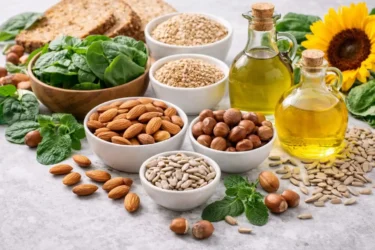
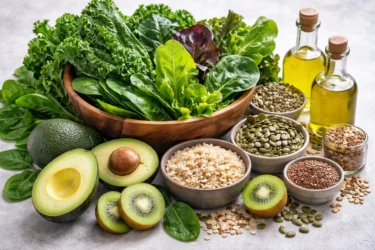
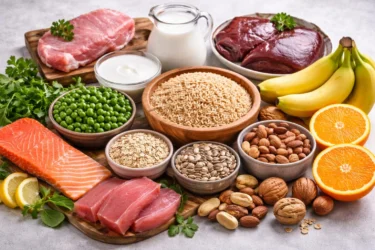
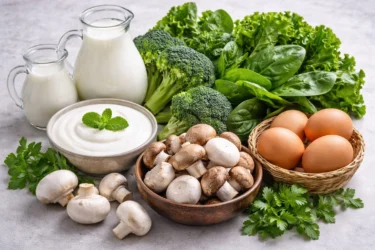
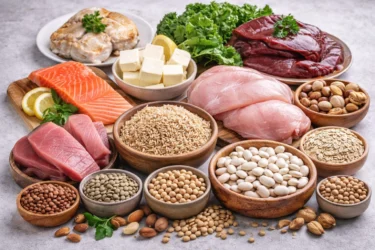
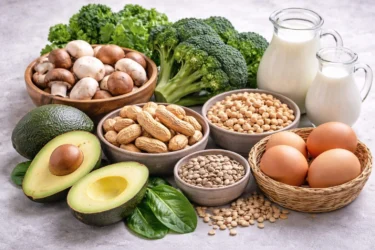
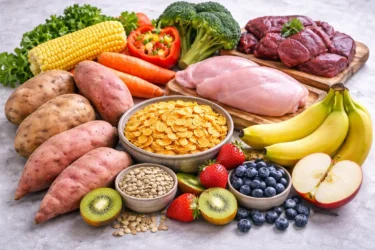
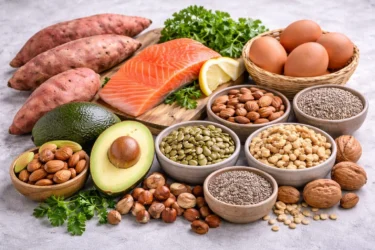

There are two more compounds that resemble vitamins and function like them without being labelled as vitamins:
People may fall short of getting adequate amounts of all essential vitamins due to a combination of dietary, lifestyle, and individual health factors. These factors include:
In such situations, vitamin supplements may help support the body’s specific nutritional needs. However, you should consult a doctor before starting any vitamin supplements.
Vitamins B6, C and E along with micronutrients like zinc, selenium, iron and copper are important for maintaining a healthy immune system in an individual, repeated infections could be a warning sign of deficiency of these vitamins and micronutrients.
Dr. Ashish Bajaj, M.B.B.S., M.D. in Clinical Pharmacology and Toxicology
Taking multivitamins should always be done after consulting your doctor or nutritionist. Sometimes, vitamin supplements can cause side effects when consumed in excess or even if your body reacts adversely to the ingredients of a particular supplement. Constipation and stomach pain may occur initially (usually it resolves after a few days). Excess vitamin intake can also cause severe toxicity2. Read the ingredient list for any supplement you take to ensure that you are not allergic to anything in it. Also, if you have any pre-existing medical condition, you should inform your doctor before starting any new multivitamin supplement.
If you think you may be experiencing symptoms of vitamin deficiency and are wondering how to check vitamin levels, these tests may need to be done after consulting your doctor:
Identifying whether you have normal levels of vitamins is simple because your test results usually show columns for normal levels of vitamins and the levels in your system at the time of the test. This can help you identify if your vitamin levels are lower, higher or at par with the normal level.
For further clarity, you can ask your doctor to go over the reports.
Sometimes vitamin deficiency symptoms do not show up until very late, and a test can work like a preventive healthcare check. It will let you know which vitamin you need to supplement with. Therefore, it is important to check your vitamin levels whether you are taking supplements or not.
Similarly, even if you are taking vitamin supplements, vitamin level checks are just as important to ensure that there isn’t too much of a particular vitamin in your system as that may lead to toxicity.
Also Read: Best Vegetable Sources of Vitamin A
The strategies for managing vitamin deficiencies are essentially the same:
Also Read: 5 Everyday Foods That Are Good for Brain Health!
Vitamins are vital for good health and proper functioning of the body, as they support growth, immunity, metabolism, and overall well-being. Maintaining a balanced diet rich in fruits, vegetables, whole grains, and protein sources along with healthy lifestyle habits can help avoid or manage most vitamin deficiencies. In some cases, regular monitoring of vitamin levels and taking vitamin supplements may be necessary. however, these steps should always be taken after consulting a doctor to avoid toxicity or side effects.
Also Read: Top Vitamin B12 Foods to Include in Your Diet Today!
Symptoms such as persistent fatigue, frequent infections, hair loss, brittle nails, muscle pain, or mood changes can be early warning signs of vitamin deficiencies. However, these symptoms alone aren’t reliable, and blood tests should be done to give a clearer picture of your health.
Taking multivitamin supplements without consulting your doctor may not be advisable. If you eat a well-balanced diet, supplementation may not be needed and could even cause toxicity over time, especially with fat-soluble vitamins like vitamins A, D, E, and K.
Vitamin D and vitamin B12 deficiencies are extremely common these days due to indoor lifestyles and dietary patterns. Folate and vitamin C deficiencies may also occur with poor dietary variety.
Whole foods provide fibre, antioxidants and multiple nutrients that work together for better absorption. Supplements should ideally fill gaps and not replace a healthy diet.
For generally healthy individuals, testing once a year is usually sufficient. People on supplements or with diagnosed deficiencies may need more frequent monitoring as advised by a doctor.
Disclaimer: The information provided here is for educational/awareness purposes only and is not intended to be a substitute for medical treatment by a healthcare professional and should not be relied upon to diagnose or treat any medical condition. The reader should consult a registered medical practitioner to determine the appropriateness of the information and before consuming any medication. PharmEasy does not provide any guarantee or warranty (express or implied) regarding the accuracy, adequacy, completeness, legality, reliability or usefulness of the information; and disclaims any liability arising thereof.
Links and product recommendations in the information provided here are advertisements of third-party products available on the website. PharmEasy does not make any representation on the accuracy or suitability of such products/services. Advertisements do not influence the editorial decisions or content. The information in this blog is subject to change without notice. The authors and administrators reserve the right to modify, add, or remove content without notification. It is your responsibility to review this disclaimer regularly for any changes.
4


