
Diabetes mellitus is a chronic condition caused by the lack of insulin in our bodies1. It affects the utilisation of sugar produced from the food we eat. Although positive life changes are necessary for the body’s overall health, people with diabetes need medical help to manage the issue. Most patients tend to reach out to Allopathic treatment. However, due to the possible adverse side effects of conventional medicines, many show interest in homeopathy for diabetes.
This article will help you learn how homeopathy treatment works. We’ll explore some homeopathic medications that can be helpful in diabetes and in what forms a homeopathic doctor may prescribe them.
Homeopathy uses a holistic approach to treating a patient. It targets the whole body instead of just the body part with the condition and works on the principle of “let like be cured by likes”. In homeopathy, minute amounts of substances are administered to patients displaying disease symptoms in order to promote their body’s natural healing process and restore as well as maintain health2.
The homeopathic practitioners ask questions based on the patient’s diet, lifestyle, other possible symptoms, history of diseases in the family, the environment, work, stress levels, basic behaviour, habits, and more. They then form a detailed profile of the patient based on the answers and prescribe the treatment.
The treatment is tailored based on each patient’s needs and so even patients with the same condition may not get the same treatment. Homeopathic treatment, thus, is relatively a more time-consuming process than conventional medicine, and the patient might need multiple sessions with their practitioner.
Homeopathic medicines are extracted from plants, minerals, or animals3. The medicine is diluted to the level that only trace amounts of the original substance are left. Since only a trace amount is present in the actual dosage, homeopathic medicines pose little to no side effects.
Homeopathy treatment for diabetics includes treating the symptoms caused due to high sugar levels in the blood. The symptoms common to most diabetics include1:
Homeopathy manages diabetes by treating the aberrations caused in patients’ bodies due to the imbalances in the life forces. It aims to manage symptoms and prevent complications of diabetes.
The most common medicines used in Homeopathic treatment for diabetes, prescribed mostly to deal with symptoms and control complications posed by high blood sugar, are as follows:
Also Read: 8 Effective Herbs To Lower Blood Sugar Levels!
Homeopathy medicines for diabetes come in different forms, namely
The patient must always consult the doctor before administering the medication.
A few points to keep in mind are4:
Patients may take homeopathic treatment for diabetes along with other medications, but it’s important to inform both your allopathic and homeopathic doctors about the medications you are taking to avoid any adverse effects.
Also Read: HOMA-IR Test – A Test That Can Predict Diabetes
Homeopathy is a complementary medicine technique that can help with many ailments. Homeopathic medications like phosphorus, indica, hemlock, calendula, mur etc, can be helpful in controlling the symptoms and complications of diabetes. On the other hand, allopathic treatments for diabetes work on the underlying mechanisms causing this condition and remain the cornerstone for treating it especially in advanced cases. However, homeopathy can be tried alongside to better manage the symptoms but always inform your doctors about the treatments you’re already taking.
Also Read: 45 Food Items That May Help To Control Blood Sugar!
Homeopathic medicines are highly diluted and contain only a trace amount of medicine. Therefore, they are usually considered safe. But they must always be taken under a homeopathic practitioner’s guidance
Some mineral-basedhomeopathic medicines for diabeticscontain heavy metals in highly trace to non-detectable amounts. These medicines should only be administered after consulting your doctor.
Some medicines are unsuitable during periods. Always consult your doctor.
In homeopathy, patients are advised to avoid eating excessively sour, unripe fruits, fish or other kinds of seafood. Alcohol and smoking also should be avoided while on homeopathic treatment.
Disclaimer: The information provided here is for educational/awareness purposes only and is not intended to be a substitute for medical treatment by a healthcare professional and should not be relied upon to diagnose or treat any medical condition. The reader should consult a registered medical practitioner to determine the appropriateness of the information and before consuming any medication. PharmEasy does not provide any guarantee or warranty (express or implied) regarding the accuracy, adequacy, completeness, legality, reliability or usefulness of the information; and disclaims any liability arising thereof.
 21
21
 2
2
Indigestion (dyspepsia) is slight discomfort in the upper abdomen or belly. It frequently happens during or immediately after eating1. Indigestion, sometimes known as a sour stomach, can occur occasionally or frequently. It may produce pain or a burning sensation in the abdomen2.
The efficiency of your digestion is determined by the power of your digestive fire (Agni). Suppose your food intake is large and heavy, very liquid, or quite dense in quality. This is opposite to digestive fire properties and can inhibit the normal function of the digestive fire, resulting in indigestion3.
Did you know?
The most common causes of indigestion include
Other causes of indigestion are
Functional dyspepsia is relapsing and remitting. Population studies have shown that 15% to 20% of patients have persistent symptoms during extended follow-up, while 50% have complete resolution of symptoms. Dietary hygiene remains the best treatment.
Dr. M.G. Kartheeka, MBBS, MD(Pediatrics)
Symptoms of indigestion may include:
Changing eating habits, such as giving adequate time for meals, avoiding disputes during meals, avoiding exercise immediately after a meal, chewing food properly and completely, relaxing, and getting enough rest if indigestion is caused by stress, can help to reduce indigestion. You may require medications to manage indigestion based on your condition1.
You can follow these home remedies that will help to cure indigestion in a safe and natural way.
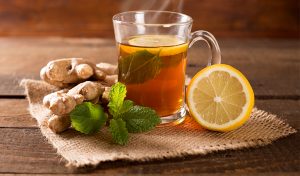

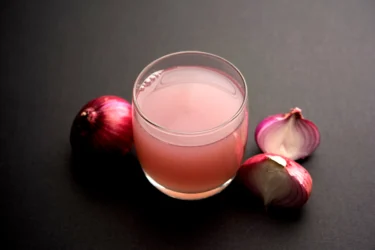
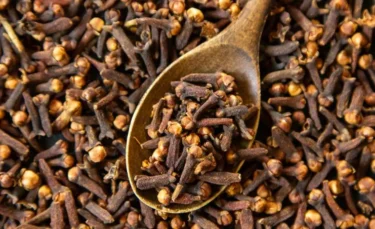



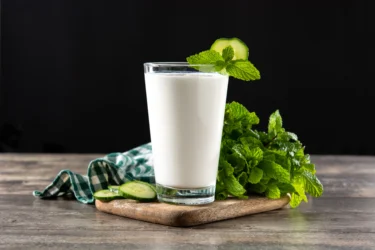
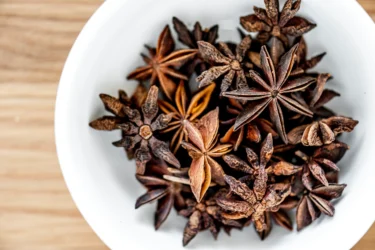

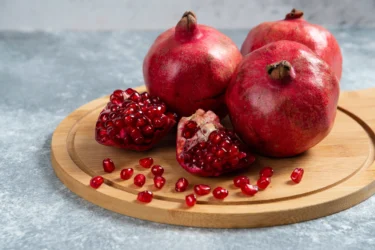

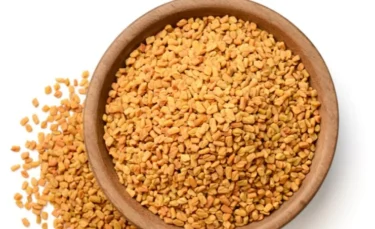

Those who suffer from indigestion should adhere to specified food guidelines. These include not eating and drinking simultaneously, never rushing through a meal, never eating on an empty stomach, never sitting down to a meal when anxious, tired, excited, or in a bad mood, and not eating if your appetite is lacking4.
Also Read: Natural Home Remedies for Loose Motion
It is common to have stomach pain now and then. However, frequent stomach issues can prevent you from eating, sleeping, or working well. If indigestion is impacting your quality of life, it’s time to contact a doctor. Several professionals can assist you. Consult a doctor and a dietician for the treatment. You should consult a doctor if you experience any of the following symptoms2.
A doctor will review your medical history, symptoms, and lifestyle. They will conduct a physical examination to examine your abdomen for swelling or pain with a stethoscope2.
Also Read: 5 Instant Home Remedies For Gastric Problem
Indigestion (dyspepsia) refers to a slight stomach discomfort that occurs in the upper abdomen or belly. It often occurs at the time of eating or immediately after eating. It may cause abdominal pain or a burning sensation2. It may be caused due to eating too much or too fast, eating spicy or acidic foods, high-fibre foods, drinking too many caffeinated beverages, alcohol, experiencing stress or anxiety, taking certain medications such as aspirin on an empty stomach, smoking or chewing tobacco1,2. Simple home remedies that may help with indigestion include consuming mint juice with honey, drinking bay leaf tea with a pinch of cardamom, taking thin buttermilk mixed with pepper powder and cumin powder, etc3. If you have frequent or bloody vomiting, chest pain, black stools, difficulty in breathing, jaundice, unexplained weight loss, and severe belly pain, you should see a doctor for proper treatment2.
Also Read: Simple Home Remedies For Bloating
Indigestion is slight discomfort in the upper abdomen or belly that frequently happens during or immediately after eating1.
Yes, simple home remedies that may help with indigestion include consuming onion juice with honey, drinking bay leaf tea, chewing grated ginger with lime juice and salt, etc3.
Eating too much or too fast, high-fibre food, spicy or acidic foods, drinking too many caffeinated beverages, alcohol, experiencing stress or anxiety, taking certain medications such as aspirin on an empty stomach and smoking or chewing tobacco are the common causes of indigestion1.
Abdominal bloating, gas, burping, acidic taste in the mouth, nausea, vomiting, burning pain in the stomach or upper abdomen and gurgling sound in the stomach are the symptoms of indigestion2.
When you modify your diet and habits, you may notice a significant reduction in indigestion. If you must take medication for indigestion, do so only with your doctor’s permission. Long-term side effects are possible with several drugs. These could include a higher risk of infections or a deficiency in essential nutrients2.
Disclaimer: The information provided here is for educational/awareness purposes only and is not intended to be a substitute for medical treatment by a healthcare professional and should not be relied upon to diagnose or treat any medical condition. The reader should consult a registered medical practitioner to determine the appropriateness of the information and before consuming any medication. PharmEasy does not provide any guarantee or warranty (express or implied) regarding the accuracy, adequacy, completeness, legality, reliability or usefulness of the information; and disclaims any liability arising thereof.
Links and product recommendations in the information provided here are advertisements of third-party products available on the website. PharmEasy does not make any representation on the accuracy or suitability of such products/services. Advertisements do not influence the editorial decisions or content. The information in this blog is subject to change without notice. The authors and administrators reserve the right to modify, add, or remove content without notification. It is your responsibility to review this disclaimer regularly for any changes.
6
1
Many individuals commonly experience under-eye dark circles. When it occurs, we feel self-conscious. But don’t worry, you are not the only one who is faced with this problem. Many well-known individuals in the world have encountered this problem at some point in their lives and have had to resort to make-up and concealers to hide these dark circles.
Since the skin around the eyes is sensitive, it’s best to opt for natural remedies for the dark circles rather than using chemical-based products. So, here’s a list of simple and easily doable home remedies for dark circles that may help revitalise your under-eye skin.
Before we learn how to manage dark circles, let’s understand why they occur. The causes of dark circles include1:
Dark circles may also be caused by fat reduction around the eyes, touching or rubbing the eyes often, smoking, hangover, sudden and extreme weight loss, and darker skin.
Dark circles are a common beauty concern. Dark circles are of different types and each type is linked to specific causes.
Knowing the exact kind of dark circles you have is important for using the right solutions. Customised treatments, like using special creams or changing daily habits, may help to reduce and improve dark circles based on their cause.
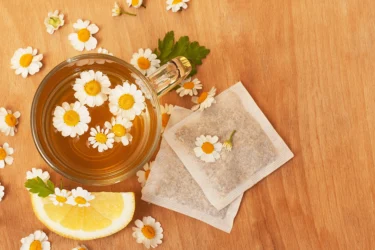
One of the most commonly used and easy ways to reduce dark under-eye circles is to use cold tea bags. Green tea or chamomile tea bags are recommended for faster relief. It is thought that the residual caffeine in tea bags helps to constrict blood vessels, which reduces blood flow to that area, helping to provide some relief from dark circles2.
How to Use Cold Tea Bags?
Let the tea bags soak in water, cool them in the fridge, and then rest them over your eyes for about 10 to 15 minutes. Repeat regularly.

If you are wondering how to remove dark circles, then this is, by far, one of the most commonly used home remedies for dark circles. Grated potatoes and cucumbers also aid in reducing the puffiness around the eyes. The vitamins and antioxidants in these cooling veggies and their anti-inflammatory nature helps to reduce inflammation around the eyes while also helping to stave off darkening2.
How to Use Grated Potatoes and Cucumbers?

Cold milk is a natural cleanser for the eyes and is known to help remove dark circles under the eyes while soothing the sensitive under-eye skin. The lactic acid in cold milk may reduce swelling and brighten the skin tone. Additionally, potassium in milk allows the skin to stay better moisturised, leaving you with soft and supple skin3.
How to Use Cold Milk?

The way we sleep also affects the area surrounding our eyes. You may be able to prevent fluid buildup under the eyes that can cause puffiness and swelling by elevating your head with a few extra pillows. This simple change can help improve dark circles and may lead to overall improvement in the appearance of the area surrounding the eyes4.
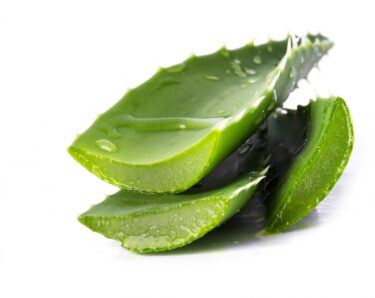
Moisturised skin is less likely to sag and will stay healthy longer. Aloe Vera, which is an effective moisturiser, may help reduce dark circles, nourish the skin, and prevent premature ageing5.
How to Use Aloe Vera?
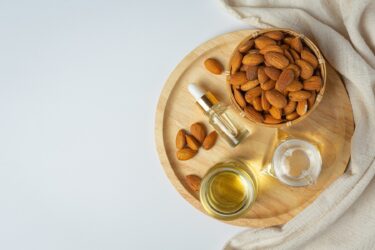
A popular remedy involves blending almond oil with lemon juice. The vitamin E and antioxidants in almond oil may help address dark circles. Lemon juice’s active component is ascorbic acid and other nutrients. This remedy may also aid in decreasing water retention that causes puffiness around the eyes. It also has a mild skin lightening effect; however, when used undiluted, it can have the opposite effect and cause damage to the skin, so always use caution6.
How to Use Almond Oil & Lemon Juice?

This one can surely be termed as a traditional secret dark circles home remedy! Rosewater is refreshing, rejuvenating and may be used on almost all skin types and for all skin-related issues. It’s a mild astringent and can be used as an effective skin toner too7.
How to Use Rosewater?

Tomatoes naturally help lighten the skin. They also contain antioxidants that help to lighten the discolouration around the eyes6.
How to Use Tomatoes for Dark Circles?

Stress, low mood, and irregular routines are often linked to the appearance of dark circles. Thus, one of the most prudent ways to deal with dark circles is to stay calm and composed. But as stress is an integral part of our life, this is not always possible. Hence, it is beneficial to make Yoga and Meditation an everyday ritual!
Yoga not only calms the mind but also helps to regulate the body clock and, most importantly, it addresses most body problems from the core8.

Arguably, one of the most important factors to consider when you’re trying to get rid of under-eye dark circles permanently at home is getting enough sleep on a regular basis. Regular sleep ensures that your body (and thus, your skin) has enough time to rest, repair and regenerate. This improves the appearance of your skin as well as your overall health. One of the first things that reveal our internal health is poor skin condition. Proper sleep on a regular basis can be your biggest weapon against preventing and reducing dark circles in the long term9.
In my opinion, to avoid fluid accumulating below the eyes at night, elevate the head with an additional pillow. This might work as an easy remedy for dark circles by constricting the dilated blood vessels and reducing the darkness around the eye. It may also aid in reducing the puffiness around the eyes.
Dr. Siddharth Gupta, B.A.M.S, M.D (Ayu)
Also Read: Natural Home Remedies for Tooth Decay
Apart from the above natural treatments for dark circles under the eyes, there are a number of other home remedies. Here is a quick list of some great alternative options10:
Studies have found that cool spoons placed over your eyes can assist in constricting the dilated blood vessels that result in darkness around the eyes. This may lessen the look of dark circles.
Dr. Rajeev Singh, BAMS
Also Read: Natural Home Remedies For Dark Neck
Dark circles are quite common, and they don’t have to be the end of the world. The best way to keep them in control is naturally. Follow these simple guidelines and you should be able to manage your dark circles very well.
Also Read: Effective Home Remedies for Anti-Ageing
Dark circles can be attributed to various factors such as genetics, lack of sleep, dehydration, allergies, stress, smoking, excessive alcohol consumption, and ageing. This is often worsened by thin skin and prominent blood vessels around the eyes.
Aloe vera is a tropical plant that is often used as a natural remedy for dark circles. While more human studies are required, aloe vera is believed to hydrate the skin, soothe inflammation, and possibly reduce the appearance of dark circles.
Applying a cold compress may ease swelling and reduce the size of enlarged blood vessels under the eyes. Applying a cold compress can also help reduce the puffiness that causes dark circles. All you need to do is wrap ice cubes in a clean cloth and rub them gently around the eyes.
Dark circles may result from genetic, lifestyle, or age-related causes, and are often not permanent. While some may fade with improved sleep and skincare, others may require targeted treatments for a more lasting solution.
Yes, dark circles can be genetic, with hereditary factors influencing the thinness of the skin and the tendency to develop pigmentation around the eyes. While genetics do play a role in developing dark circles, lifestyle changes and skincare can still help manage and reduce their appearance.
While dark circles may not be completely resolved, various treatments and lifestyle changes, such as proper sleep, hydration, and skincare, can significantly reduce their appearance. Targeted interventions, like topical creams and medical procedures, can also provide effective solutions for managing and minimising dark circles.
It’s entirely normal for many people to experience dark circles from time to time. Factors like genetics, ageing, lack of sleep, and allergies can contribute to their appearance.
Dark circles can be related to liver issues. Liver dysfunction may lead to the accumulation of toxins in the body, affecting blood circulation and causing dark circles under the eyes. However, various factors contribute to dark circles, and consultation with a healthcare professional is advisable for a comprehensive assessment.
Yes, retinol may be effective for dark circles as it promotes collagen production and improves skin texture. Its exfoliating properties may help reduce pigmentation, but consistent use and patience are key for noticeable results.
While some people claim that castor oil can reduce dark circles due to its moisturising properties, scientific evidence supporting its effectiveness is limited. Individual responses may vary, and it’s advisable to consult with a dermatologist for personalised advice on addressing dark circles.
The caffeine in coffee has vasoconstrictive properties that may temporarily reduce puffiness and improve the appearance of dark circles. However, its effects are often short-term, and long-term solutions may require a combination of lifestyle changes and skincare practices.
While some people find coconut oil moisturising, scientific evidence on its efficacy for dark circles is limited. Individual responses vary, so it’s advisable to explore a range of skincare options and consult with a dermatologist for personalised advice.
Vitamin C may be beneficial for dark circles as it helps brighten the skin and reduce pigmentation. Its antioxidant properties also support collagen production, enhancing skin elasticity and reducing the appearance of dark circles.
Vitamin E’s antioxidant properties can contribute to reducing dark circles by promoting skin hydration and protecting against damage. Adding vitamin E to your skincare regimen may support the health and appearance of the delicate under-eye skin.
Yes, anaemia, characterised by low levels of red blood cells or haemoglobin, may lead to dark circles under the eyes due to reduced oxygen delivery to the tissues. Addressing anaemia through proper medical treatment may help alleviate the appearance of dark circles.
Yes, stress can contribute to the development of dark circles by affecting sleep quality, blood circulation, and skin health. Managing stress through relaxation techniques and self-care may help reduce the appearance of dark circles.
While the complete removal of dark circles may be challenging, natural remedies like proper sleep, hydration, and topical treatments such as cucumber slices or cold tea bags may help reduce the appearance of dark circles. Consistent care and a healthy lifestyle can contribute to a natural improvement in the skin around the eyes.
Laser treatments may be effective in reducing the appearance of dark circles by targeting pigmentation and promoting collagen production. However, results vary, and consultation with a dermatologist is recommended to determine the most suitable approach based on individual needs.
Yes, smoking can contribute to dark circles by constricting blood vessels and reducing oxygen flow to the skin, leading to a tired and dull complexion. Giving up smoking and following a consistent skincare routine may help reduce visible dark circles.
Yes, certain eye creams formulated with ingredients like vitamin C, retinol, and peptides can help reduce the appearance of dark circles by improving skin texture and promoting collagen production. However, individual responses vary, and consistent use over time is often necessary for noticeable results.
To naturally reduce dark circles under the eyes quickly, ensure adequate sleep, stay hydrated, and apply soothing remedies like cold compresses or cucumber slices to reduce puffiness. Additionally, incorporating a balanced diet rich in vitamins, especially vitamin C and K and antioxidants can promote skin health and diminish the appearance of dark circles.
Dark circles may be reversible through lifestyle changes, adequate sleep, and skincare routines. However, genetic factors and certain medical conditions in some individuals may influence the results in some individuals.
Disclaimer: The information provided here is for educational/awareness purposes only and is not intended to be a substitute for medical treatment by a healthcare professional and should not be relied upon to diagnose or treat any medical condition. The reader should consult a registered medical practitioner to determine the appropriateness of the information and before consuming any medication. PharmEasy does not provide any guarantee or warranty (express or implied) regarding the accuracy, adequacy, completeness, legality, reliability or usefulness of the information; and disclaims any liability arising thereof.
1309
11
Tonsils are lumps of tissues present at the back of the throat. There are two of them present on each side of the throat. Tonsils are part of the immune system and are responsible for making antibodies and white blood cells to attack the germs inside the mouth. Tonsilitis is a condition characterised by inflammation (swelling) of the tonsils due to infection from either bacteria or viruses. It can occur in individuals of all age groups1. It is most common in children above two years of age. Adults can also get tonsilitis, but it is not very common.
Tonsillitis is not contagious, but the viruses or bacteria that cause it can be. Washing hands frequently can help prevent the spread of infection2.
Did you know?
Tonsilitis is caused due to bacterial or viral infection. The two types of tonsilitis are
Commonly presented as a sore throat, difficulty swallowing and painful lymph nodes, tonsillitis may subside on its own within a week or so after the symptoms arise with lots of fluids and rest. If not, it might require some intervention.
Dr Ashish Bajaj, M.B.B.S, M.D. in Clinical Pharmacology and Toxicology
People may experience slightly different symptoms of tonsilitis, but the most common symptoms of tonsilitis include:
Peritonsillar abscess (collection of pus around the tonsils) is a complication of tonsillitis and can present the following symptoms
The symptoms of tonsilitis may be similar to other health problems; consult your doctor for a diagnosis4.
Here are some home remedies for alleviating the symptoms:

Sipping on warm drinks like tea and chicken soups can soothe the back of your throat. You can also try cold liquids like ice water or popsicles. The choice is subjective to what works best for your throat. You can try both warm and cold liquids and see what suits you the best5.

You can mix salt or baking soda in a glass of warm water. Gargle with this liquid as and when required. Avoid swallowing it. Salt is beneficial in reducing the swelling and irritation in the throat. Baking soda soothes the throat5.

Antihistamine (antiallergic) drugs can help reduce or relieve throat pain and prevent the worsening of sore throat. In addition, pain medications like ibuprofen and acetaminophen can help manage the pain5.

Inhaling steam can help clear the throat. Steam can also moisturize and soothe a sore throat. You can start by taking a hot shower, and when it gets steamy, you can breathe in the steam5.
Take sufficient rest by elevating the bed or sitting straight in a chair to alleviate the pain and discomfort. Avoid lying down flat as it can cause swelling due to increased pressure at the back of your neck5.
Honey has natural antibacterial properties, due to which it acts as a wound-healing agent. In addition, it offers pain relief and reduces swelling. Honey can also help fight off viral infections6.

You can mix lemon juice with a glass of warm water and drink this liquid for pain relief. Lemon juice can help break the mucus and provide pain relief. In addition, lemon juice contains vitamin C, which can boost the immune system and help the body in fighting off infection6.

There are different types of teas that can provide relief from a sore throat. Clove tea and green tea have antibacterial and anti-inflammatory benefits that help in fighting infections and provide relief. Raspberry, peppermint, and chamomile teas are great options for reducing inflammation (swelling) and pain. Peppermint tea can alleviate pain6.
Honey, thyme or lemon are often used by patients and are considered to be effective for tonsilitis. These remedies have very few side effects and we therefore propose to include them in the range of treatments that can be proposed as treatment for tonsillitis.
Dr. M.G. Kartheeka, MBBS, MD(Pediatrics)
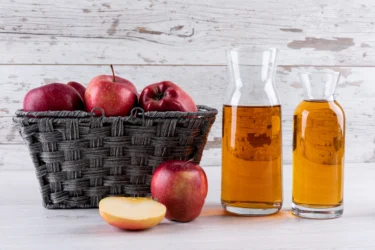
Apple cider vinegar has some antibacterial properties, but it is not beneficial for sore throat and throat infections.

Please avoid using any essential oils to alleviate your symptoms as there is a lack of data to prove their efficacy and safety5.


Though there are studies that show the benefits of the given herbs and home remedies in this condition, these are insufficient and there is a need for further studies to establish the true extent of the benefits of these herbs and home remedies on human health. Thus, these should be only taken under the guidance and supervision of your Ayurvedic physician.
You must not rely on home remedies for the treatment of this condition you should consult a qualified doctor for any advice for the condition.
Also Read: Doctor Approved Home Remedies For Vertigo
Inflammation of the tonsils (tonsillitis) can occur at any age throughout the lifetime but is less common in adults. Tonsillitis is the result of either a bacterial or viral infection, depending on which the treatment is initiated. Children are more likely to get tonsillitis and should receive timely help to relieve the symptoms. Many home remedies such as consuming honey with warm water, lemon with warm water and herbal teas provide relief from the symptoms of sore throat and tonsillitis and also help fight off the infection. But if your tonsillitis is painful and intervening with your daily activities, seek medical help.
Also Read: Home Remedies For Vomiting
Tonsillitis is most common in children out of all age groups. But it rarely occurs in children below the age of three3.
Tonsillitis does not cause any lasting or severe health problems. But there can be other complications like difficulty in breathing and abscess in the area of the tonsils3.
Most cases of viral tonsillitis can get cured on their own with fluids and rest. However, antibiotics are required to treat bacterial tonsillitis (strep throat)3. If your tonsillitis is not improving and causing problems, seek medical help.
Tonsillitis is not contagious, but the bacteria and viruses that cause it are highly contagious. Wash your hands frequently to prevent the spread of infection2.
Bacterial tonsillitis is also called strep throat. It is characterised by swelling of the tonsils due to a bacteria called Streptococcus3. You need to consult a doctor for the right diagnosis.
Viral tonsillitis may get cured on its own with plenty of rest and fluid intake, but strep throat or bacterial tonsillitis requires antibiotics for treatment. Consult with a doctor to get a proper diagnosis and treatment3.
Disclaimer: The information provided here is for educational/awareness purposes only and is not intended to be a substitute for medical treatment by a healthcare professional and should not be relied upon to diagnose or treat any medical condition. The reader should consult a registered medical practitioner to determine the appropriateness of the information and before consuming any medication. PharmEasy does not provide any guarantee or warranty (express or implied) regarding the accuracy, adequacy, completeness, legality, reliability or usefulness of the information; and disclaims any liability arising thereof.
Links and product recommendations in the information provided here are advertisements of third-party products available on the website. PharmEasy does not make any representation on the accuracy or suitability of such products/services. Advertisements do not influence the editorial decisions or content. The information in this blog is subject to change without notice. The authors and administrators reserve the right to modify, add, or remove content without notification. It is your responsibility to review this disclaimer regularly for any changes.
17
1
Gas is a substance that has no fixed size or shape. The gas present inside the digestive tract comprises air and other gases1. Gas is a topic that people find difficult to discuss, but everybody has gas in the intestine. Gas can affect the daily life of people by causing a sense of fullness (bloating), abdominal cramps, belching (burping) and flatulence (accumulation of gas in the stomach). Some people are more sensitive to gas and develop the above symptoms to even normal amounts of gas2. Gas in the intestine is a natural consequence of food digestion; anyone can feel gassy now and then. On average, a person passes gas up to 21 times a day3.
Causes of gas in the intestine include:
The large intestine normally contains many bacteria, some fungi, and viruses. These microorganisms help in digestion. The bacteria in the large intestine break down carbohydrates and create gas in the process4.
The small intestine lacks enzymes to digest some carbohydrates present in sweet and fibrous foods. The undigested food passes into the large intestine, where it is broken down by the bacteria. This breakdown forms hydrogen and carbon dioxide gas. In some people, methane gas is also formed3.
People swallow air (containing nitrogen, oxygen, and carbon dioxide) without noticing whenever they eat, drink, chew, or smoke. People with loose dentures may also swallow too much air. Most of this swallowed air is expelled through the mouth by burping. But the intestine may absorb some air, which is removed when people pass gas3.
You swallow more air when you:
Temporary discomfort and bloating is a common occurrence in abdominal gas build up when this is associated with severe abdominal pain, nausea, vomiting, it should be attended by a physician to diagnose the exact cause.
Dr. Ashish Bajaj, M.B.B.S., M.D. in Clinical Pharmacology and Toxicology
The symptoms associated with gas vary from person to person. However, some common symptoms of gas in the intestine are belching, bloating and distension (enlarging due to pressure) and flatulence (passing gas). Having some of these symptoms is natural, especially during or after meals. But these symptoms may become a problem if they occur frequently or affect daily activities4.

Belching is the release of gas from the stomach by the mouth. A person burps up to 30 times a day. Some people may burp more than others. In such cases, people burp a lot because they swallow too much air and release that air before it reaches the stomach4.
Long-term belching may indicate an upper gastrointestinal disorder like peptic ulcer disease, gastritis, and gastroesophageal reflux disease5.
Also Read: Effective Home Remedies for Burping

Bloating is characterised by the feeling of fullness or swelling in the stomach. When the abdomen becomes larger than usual, the doctors call it distension. Some people may feel abdominal pain or discomfort because of bloating4.
Also Read: Simple Home Remedies For Bloating

Flatulence is passing gas through the anus. The gas that passes is called flatus. Some people may pass gas more often. Experts suggest passing gas up to 25 times a day to be normal. People who have a problem with flatulence may feel they pass too much gas or that the gas has an unpleasant odour. This odour may be due to the presence of sulphur in the flatus4.
Chronic gastritis remains a relatively common disease in developing countries. The prevalence of H. pylori infection in children in the Western population is approximately 10%, but about 50% in developing countries. Treatment of this by appropriate antibiotics by consulting a gastroenterologist is must.
Dr. M.G. Kartheeka, MBBS, MD(Pediatrics)
Following are some home remedies for gas:
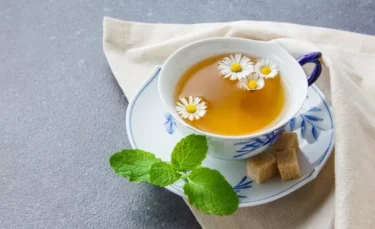
You can drink chamomile tea to aid in digestion. Drinking chamomile tea promotes digestive health and helps to manage stomach ailments like gas6.
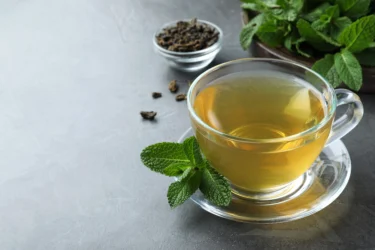
Drinking peppermint tea is beneficial for many digestive issues. You can add peppermint tea to your diet to get relief from gas6.
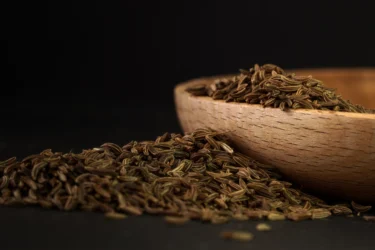
Caraway fruits help the digestive system by getting rid of the gas accumulated in the stomach and relieving abdominal pain7.
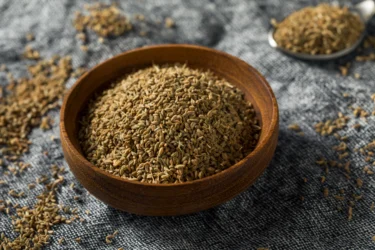
Ajwain can be found throughout India and possesses gas relieving activity. It is an important remedy to manage flatulence and abdominal pain8.
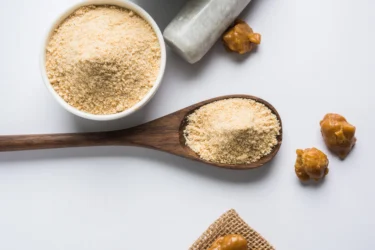
Heeng is used as a digestive aid in foods. It possesses gas releasing activity by helping to remove acuminated gas from the stomach9.

Eating amla or Indian gooseberry aids in digestion and helps get rid of the gas accumulated in the stomach10.
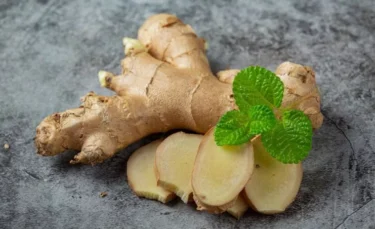
Ginger has essential digestive properties. It reduces intestinal cramps and bloating and prevents flatulence and dyspepsia (indigestion). It also possesses gas-relieving effects and helps manage the problem of gas11.
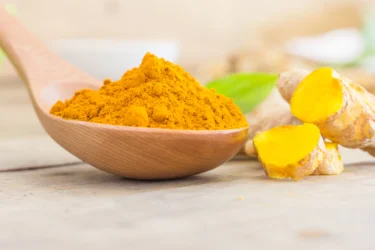
Haldi has many health benefits for humans. It is beneficial for many digestive tract problems. It has gas-relieving properties and helps manage the problem of gas12.
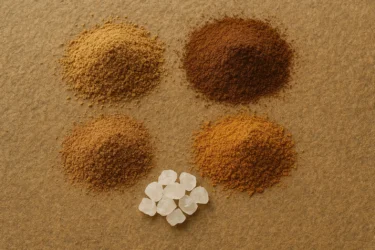
Powder of ajwain, anise, caraway and cumin with little rock candy can be used daily to aid digestion and manage gas7.

You can make the following changes in your eating habits to avoid or relieve gas.
You can make the following changes in your day-to-day life to manage the issue of gas:

You can make the following changes in your diet to deal with the problem of gas:
Also Read: Simple Home Remedies For Indigestion
Though there are studies that show the benefits of the given herbs and home remedies in this condition, these are insufficient, and there is a need for further studies to establish the true extent of the benefits of these herbs and home remedies on human health. Thus, these should be only taken under the guidance and supervision of your ayurvedic physician.
You should contact a healthcare provider if you have gas along with these symptoms:
You must not rely on home remedies for the treatment of this condition you should consult a qualified doctor for any advice for the condition.
Gas in the intestines is a normal occurrence. Still, it can affect the day-to-day life of people by causing a sense of fullness, bloating and flatulence. Involving certain seeds and spices in the diet can help manage gas and aid in digestion. However, gas can sometimes be a symptom of a more serious health problem. If the symptoms get more frequent or interfere with your daily activities, consult your health care provider.
Also Read: 8 Best Home Remedies for Upset Stomach
Yes, gas can lead to abdominal pain4.
You can drink peppermint or chamomile tea at home for easing the symptoms of gas. You can also add certain seeds and spices to your diet like ajwain, caraway, heeng, amla and ginger6,11.
Eating seeds like ajwain and caraway can relieve abdominal pain due to gas. Ginger is also helpful in getting rid of pain due to gas6.
Herbs like chamomile, peppermint, fennel, coriander, ajwain and caraway can be used for dealing with gas6.
Increasing meal frequency by dividing one meal into smaller ones, eating after shorter intervals of time, and avoiding foodstuffs that cause gas are some of the changes you should make to prevent gas formation in your stomach. Quitting smoking will also help in avoiding gas13.
Avoid foods rich in lactose, sucrose, or fibre. Avoid chewing gums and sucking on hard candies as well. Some people may experience more gas symptoms after consuming certain foodstuffs, like broccoli, kale, cauliflower, collard greens, and legumes like lentils, beans, and peas. Avoiding or eating less of these foods helps avoid gas13. Before taking extreme diet changes, it is important to consult a dietician or a doctor to prevent any adverse health effects.
Disclaimer: The information provided here is for educational/awareness purposes only and is not intended to be a substitute for medical treatment by a healthcare professional and should not be relied upon to diagnose or treat any medical condition. The reader should consult a registered medical practitioner to determine the appropriateness of the information and before consuming any medication. PharmEasy does not provide any guarantee or warranty (express or implied) regarding the accuracy, adequacy, completeness, legality, reliability or usefulness of the information; and disclaims any liability arising thereof.
Links and product recommendations in the information provided here are advertisements of third-party products available on the website. PharmEasy does not make any representation on the accuracy or suitability of such products/services. Advertisements do not influence the editorial decisions or content. The information in this blog is subject to change without notice. The authors and administrators reserve the right to modify, add, or remove content without notification. It is your responsibility to review this disclaimer regularly for any changes.
2
Our lips appear pink because they have thin skin and more blood vessels which are seen through the skin. Lips also have lesser melanin (natural skin pigment) due to which they have a natural pink colour. Pink lips are aesthetically pleasing and considered a sign of beauty; thus, everybody wants their lips to be naturally pink. However, lips can lose colour due to several reasons ranging from excessive sun exposure to even medical issues1.
While there are some medical and cosmetic options available for lightening lip colour, people are usually more inclined towards natural products for dealing with this issue. So, in this blog, we will discuss why our lips can appear darker and explore some simple home remedies that can be used to achieve attractive pink lips.
While lip colour may naturally vary between individuals owing to genetic factors, certain other causes can also lead to discoloration of lips. These include2,3:
A clinically important condition associated with discoloured lips is that sometimes an associated black spot on the lip may also be a type of cancer. With shiny black spots that look like scars, bleeding, or black sores that don’t heal, it’s important to see your doctor soon for an evaluation.
Dr Ashish Bajaj, M.B.B.S, M.D. in Clinical Pharmacology and Toxicology
Symptoms of discoloured lips include:
Following are some home Remedies to get pink lips:

You can use lemon to improve your lip colour. It has been used for a long time in traditional practise. Studies3 have shown that lemon peel extracts can effectively stop melanin production. Lemon is rich in vitamin C and antioxidants. Due to its skin whitening, anti-inflammatory and antimicrobial properties, lemon extracts can help rejuvenate the skin and keep the skin glowing.
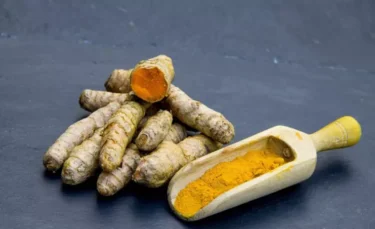
Excessive ultraviolet exposure can cause overproduction of melanin. In a study4 done in 2009, turmeric was found to prevent UV associated skin damage and lower skin inflammation as well as melanin production. These can help in reducing hyperpigmentation and keeping your skin healthy. Therefore, turmeric might help achieve pink lips.
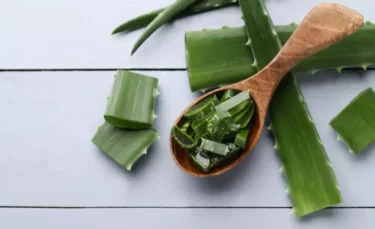
Aloe-vera is found to have skin-whitening effect by reducing melanin production. It may also help by forming a layer on the skin that avoids damage from UV rays. Moreover, aloe vera has healing, anti-inflammatory and moisturising properties also that are all great for the skin5. Therefore, applying aloe vera to the lips might be beneficial.

Pomegranate can be used as a potential skin-lightening agent. In an animal study, pomegranate extract was found to reduce skin pigmentation by preventing proliferation of melanocytes (cells containing melanin) and lowering melanin production6. Therefore, pomegranate might be beneficial for dark lips.
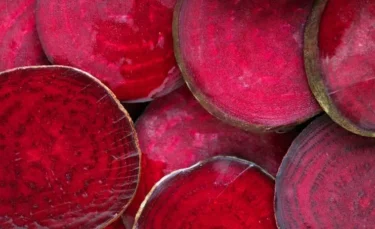
Beetroot contains vitamins A and C, nutrients like iron, and betanin (dye obtained from beetroot) that are responsible for its moisturising and colouring effect. Hence, beetroot infused balms might leave a natural pigment to the lips and can be used for giving a pink appearance to lips.
While studies7 have shown that these home remedies can reduce melanin production, further long-term human trials are needed to confirm if they can help reducing lip discoloration. Yet, trying them out in moderation can be a good option to lighten your lip colour naturally at home.
Eating lots of berries like bearberry (Arctostaphylos uva-ursi), blueberry, cranberry, and pear trees which contain arbutin which inhibits tyrosinase activity, an enzyme required for melanin production is very effective for lightening lips.
Dr. M.G. Kartheeka, MBBS, MD(Pediatrics)
You can seek medical help if you notice:
If home remedies don’t work for you or in case of above-mentioned conditions, do consult your doctor. They will help diagnose if an underlying condition or medicine is causing darkening of your lips. If so, they will treat the underlying cause, advise medicine alternatives or suggest cosmetic procedures that may help you get pink lips. More so, you will be assured that there’s nothing to worry.
Dr Ashish Bajaj, M.B.B.S, M.D. in Clinical Pharmacology and Toxicology
Also Read: Dark Lips: Causes, Home Remedies, Treatment & More
Generally, the lip skin has significantly less melanin as compared to the rest of the face. Discoloured or dark lips might be caused due to various reasons. Several home remedies like lemon, turmeric, aloe vera, etc., might be helpful for managing dark lips and attaining pink lips. Usually, dark lips are common, but if you feel that there is a persistent darkening of the skin and it is worrying you, or you notice any lesion that changes colour, size, and shape, you must seek medical help.
Also Read: Best Home Remedies For Dry Lips
There are a few home remedies for pink lips, including lemon, aloe vera, turmeric, beetroot, and pomegranate. Studies have shown that they have melanin blocking and antioxidant properties which might be helpful to get desired pink lips. However, consistency in use is important and results may vary based on individual factors.
Although dark lips are common, if you notice unexplained, persistent skin darkening, or any lesion that changes colour, size, and shape, then you must visit a doctor.
The lip skin has more blood vessels that appear through the skin due to very less melanin in the lip skin. This is the reason why the lips appear pink in colour1.
Yes, the sun can affect the colour of your lips. The sun’s UV rays reach the skin and cause more melanin production, which can further cause hyperpigmentation that might darken your lips.
Disclaimer: The information provided here is for educational/awareness purposes only and is not intended to be a substitute for medical treatment by a healthcare professional and should not be relied upon to diagnose or treat any medical condition. The reader should consult a registered medical practitioner to determine the appropriateness of the information and before consuming any medication. PharmEasy does not provide any guarantee or warranty (express or implied) regarding the accuracy, adequacy, completeness, legality, reliability or usefulness of the information; and disclaims any liability arising thereof.
109
3
People who have experienced mouth ulcers know the discomfort and pain that this condition can cause. Eating becomes next to impossible, and whatever little you try to ingest goes down very painfully. Stress has a big role to play in these ulcers appearing inside the mouth, along with malnutrition. The exact causes of mouth ulcers vary from person to person. Some of the common causes of mouth ulcers include:
Friendly Reminder: The information shared here is for educational purposes only and the reader should consult a registered medical practitioner before implementing any changes to their health routine.
Did You Know?
There are several drugs and medications available in the market that can provide temporary relief from the condition. It is important to consult a doctor for the correct diagnosis and treatment of oral ulcers. Simple home remedies may help in addition to the prescribed treatment. Here is a list of home remedies that are popular for mouth ulcers.

Honey has many beneficial properties. However, you may be unaware of the fact that it can also be effective for mouth ulcers. Apply honey to the ulcers and let it remain. Since the ulcers are inside the mouth, you can accidentally ingest the applied honey along with your saliva. However, it is essential that you keep applying honey to the ulcer spots after every few hours1.
Honey has antimicrobial properties and can aid in repairing any open wound quickly. Aside from reducing the ulcer, the honey also protects the area from infections.
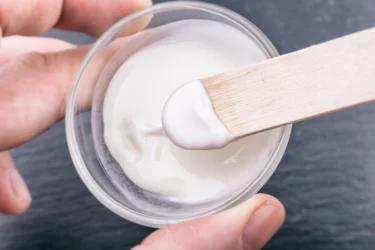
Take equal amounts of baking soda and water. Mix them to create a thick paste. Apply this paste to the mouth ulcer and let it dry out. Once the mixture has dried, rinse your mouth with water and gargle as well. This should be done three times a day.
Baking soda is actually a chemical compound named sodium bicarbonate. This compound is used in many home-cleaning solutions. It also acts as one of the best mouth ulcer cures, as it can reduce the pain significantly2. The baking soda neutralizes the acid formed by the ulcer, which eventually treats the condition.
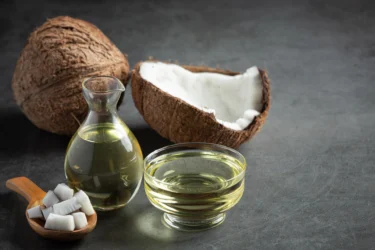
Coconut oil is used in a wide variety of activities across most of India. However, very few people are aware of its healing properties when it comes to mouth ulcers. Simply apply a bit of coconut oil to the surface of the ulcer and let it stay on. You can also apply it while going to sleep at night. Similar to honey, coconut oil includes antimicrobial properties that help to reduce ulcers naturally. The same compound also acts as an anti-inflammatory and analgesic treatment for your mouth ulcers. Applying the oil can reduce the pain caused by mouth ulcers.
Oil pulling where you swish oil in your mouth for several minutes might also help in healing mouth ulcers. Though it can be done with any oil, studies11 have shown that oil pulling especially with sesame oil might be more effective at reducing harmful bacteria in the mouth than chemical mouthwashes. It might also be effective in decreasing plaque and gum inflammation making it a great home remedy for better oral health.
Dr. Nayana Shetty, MBBS, MD
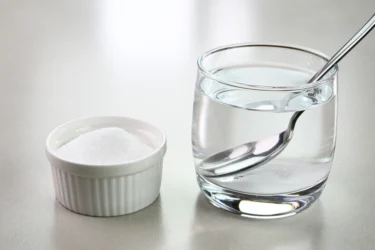
Mix a tablespoon of salt in a glass of lukewarm water. Now gargle thoroughly using this liquid. Once you are done, you can gargle with plain water to remove the salty taste from your mouth. Using this procedure, you can soothe some of the pain and discomfort that you experience during the mouth ulcer4. The antiseptic properties of salt are well known.
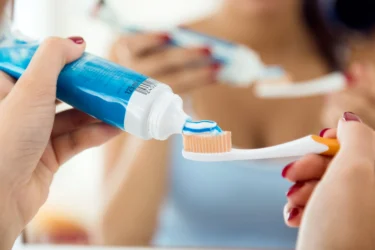
Who knew that simple toothpaste can help against mouth ulcers as well? However, any good toothpaste contains antimicrobial properties that can reduce the swelling and pain of mouth ulcers.
Apply the toothpaste using a Q-tip. Ensure that you cover the entire ulcer region with toothpaste. Leave the paste on for a few minutes before rinsing it off. You can keep applying the toothpaste each day until you see the whiteness disappear from the ulcer9. However, applying toothpaste to the ulcer can be quite painful. This pain can be offset by applying aloe vera gel on the spot.

Orange is a great source of Vitamin C, which can prevent and aid mouth ulcers. However, consuming a whole orange may be difficult when you are suffering from these ulcers. A great remedy for mouth ulcers is to drink two glasses of freshly squeezed orange juice every day.
Research has shown that Vitamin C deficiency can lead to mouth ulcers. Apart from this, Vitamin C is known to boost the immunity of a person, allowing their body to fight against all kinds of infections and diseases.
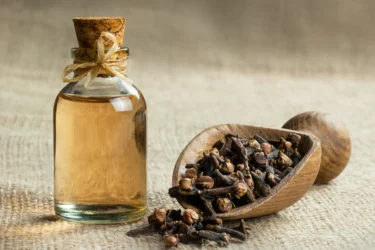
Clove is an essential part of one of the most used spice mixes in India, Garam Masala. Clove oil is extracted from the flower bud. This extract is used in a wide range of natural remedies, including toothache and mouth ulcers. In case of mouth ulcers, take a small piece of cotton and apply the oil directly to the ulcer. Wait till the ulcer tissue absorbs the oil.
Remember to rinse your mouth with warm water prior to the application of the clove oil. This will clean up the surface of the ulcer region. Clove contains eugenol and antimicrobial properties that help deal with all oral issues. The pain and inflammation are also treated by the application of this oil10.
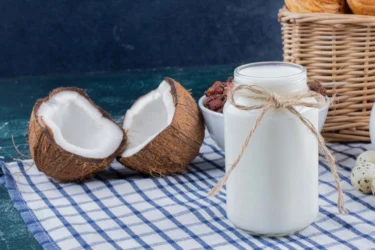
Use coconut milk to gargle when you are suffering from mouth ulcers. This is one of the best remedies for a mouth ulcer. When repeated three to four times each day, you are likely to feel a soothing effect and also reduced pain emanating from your ulcers5.
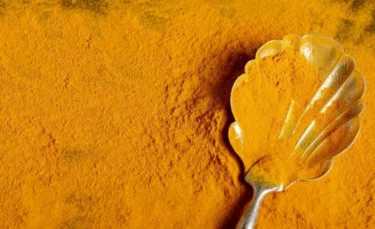
Turmeric is an antiseptic, which is used in almost all Indian dishes. Along with fighting infections, turmeric is also effective in battling against the inflammation and pain from mouth ulcers6. The product has antimicrobial properties as well.
Take a bit of turmeric powder and some water. Mix to form a thick paste. Apply this paste on the ulcers every morning and evening. Leave it on for a few minutes and then rinse it off properly. You should start noticing the difference immediately.
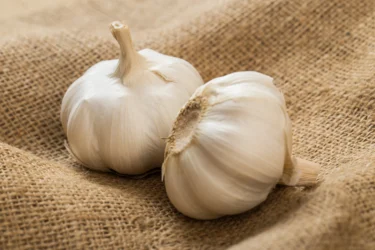
Garlic is another common item in every Indian kitchen. While it is commonly used to flavour curries and dals, garlic can also act as a great remedy for mouth ulcers. The Allisin compound present in garlic makes it antimicrobial, which helps against a range of infections7.
To use garlic, cut a clove in half and dab it on the ulcer spot for a minute or two. After this is done, rinse your mouth properly to remove the raw garlic odour from your breath. You can repeat this twice or even thrice each day.
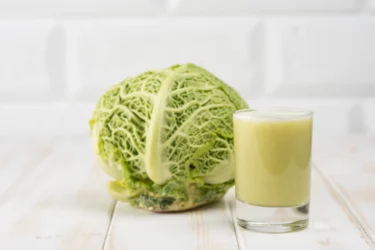
Boil a raw cabbage and puree it once after it is sufficiently boiled. Drink this juice three to four times each day to receive the needed benefits. Cabbage possesses anti-inflammatory properties that can reduce the pain in your mouth, allowing you to consume solid foods easily, even though you may be suffering from severe mouth ulcers.
Also Read: Easy Home Remedies for Bleeding Gums
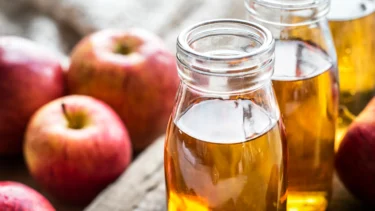
Next time you are at the grocer’s, pick up a bottle of apple cider vinegar. Take a tablespoon of this and mix it with half a cup of warm water. Take this solution inside your mouth and rinse with it. Keep repeating for a minute or two. Once this is done, rinse your mouth thoroughly with plain water. You can keep repeating this every morning and evening, till the time that the ulcer heals.
Apple cider vinegar has anti-bacterial properties that will kill the germs which caused the ulcer in the first place. It will also speed up your recovery.
These are some of the home remedies that will likely improve mouth ulcers. However, there are several kinds of mouth ulcers, each with a different cause and treatment. Some mouth ulcers where bleeding occurs may be more severe than normal ulcers. Try out these hacks and see whether you receive any benefits from them. If you do not notice any improvement, you should visit the doctor immediately.
It is important to understand that oral ulcer cure depends on the type and cause of the ulcer. A doctor can best advise you on this. Above mentioned remedies are popular but lack scientific evidence and may not be effective for everyone.
Capsicum found in chillies and bell peppers, is not just a spice but may also act as a natural remedy for mouth ulcers. Its anti-inflammatory properties may help reduce pain and promote the healing of mouth ulcers, making it a useful addition to your home treatment options.
Dr. Nayana Shetty, MBBS, MD
If you already have a mouth ulcer, avoid some food and drinks to prevent the condition from deteriorating further. You can avoid the following food in order to heal the mouth ulcer faster.
At any rate, most mouth ulcers take around 7 to 10 days to be completely cured. You should have no issue with it once a couple of weeks pass by.
Papaya, specially its fruit and latex (papain) may help with treating mouth ulcers. This fruit is rich in vitamins and papain has natural anti-inflammatory properties that may help in soothing irritation caused by mouth ulcers. Simply applying fresh papaya or papain directly to the affected area may provide relief.
Dr. Nayana Shetty, MBBS, MD
Also Read: Best Home Remedies for Wisdom Tooth Pain
As effective as home remedies may be, you must also have a backup plan in case the home remedies for mouth ulcers fail:
Some other telling signs that can indicate that your mouth ulcer is not just a normal ulcer but could maybe even be mouth cancer are if you smoke products containing tobacco if you drink alcohol quite frequently, and if are infected with human papillomavirus (HPV).
For the best result, follow the medications and home remedies advised by a doctor. The best way to avoid mouth ulcers, however, is to avoid overstressing yourself, maintain proper oral hygiene and follow a balanced diet.
Also Read: Home Remedies For Teeth Whitening By Dr. Siddharth Gupta
Most mouth ulcers are caused by things you can try to avoid, such as biting the inside of your cheek. Braces, badly fitting dentures, rough fillings or a sharp tooth are also responsible for mouth ulcers. Cuts or burns while eating or drinking, for example, hard food or hot drinks can aggravate mouth ulcer causes3, 4.
The combination of salt and hydrogen peroxide will help the sore caused by mouth ulcers heal faster. Sometimes the simplest remedy is the best. You can also add some salt to warm water and rinse for about 30 seconds to get relief.
Aphthous ulcers, also called canker sore, are small painful sores inside the mouth. They are oval-shaped ulcers with a yellow-grey centre that a red ring surrounds. Canker sores typically last 1–2 weeks8.
A mouth ulcer typically appears as a round or oval sore inside the mouth. It is often white, yellow, or gray in color, surrounded by redness, and can be painful or sensitive to touch8.
Yes, bananas can be beneficial for mouth ulcers due to their soft texture and high content of vitamins B6 and C, which can help in healing. They are also gentle on the irritated area and can provide relief from discomfort.
Mouth ulcers are not contagious. They are typically caused by factors such as minor injuries, stress, or certain foods, and cannot be transmitted from one person to another through direct contact or sharing utensils8.
Mouth ulcers can sometimes be a symptom of oral cancer, especially if they do not heal within a few weeks, are accompanied by other symptoms like persistent pain or changes in the mouth’s lining, or if there are risk factors such as tobacco use. It’s important to consult a healthcare professional for proper evaluation and diagnosis3.
B complex vitamins, especially B1 (thiamine), B2 (riboflavin), B6 (pyridoxine), and B12 (cobalamin), are beneficial for mouth ulcers as they support the health of mucous membranes and aid in wound healing. Taking B complex supplements or consuming foods rich in these vitamins can help reduce the frequency and severity of mouth ulcers3.
A mouth ulcer appears white due to the layer of dead cells and fibrin that form over the ulcerated area during the healing process. This white coating is part of the natural response of the body to protect the underlying tissue and aid in healing8.
It is not advisable to pop or burst a mouth ulcer. Doing so can increase pain, delay healing, and potentially lead to infection. It’s best to let mouth ulcers heal naturally and manage discomfort with appropriate oral care or medications as recommended by a healthcare provider.
Yes, a severe or persistent mouth ulcer can sometimes cause nearby lymph nodes to swell as part of the body’s immune response. This reaction typically occurs when the ulcer is inflamed or infected, prompting the lymph nodes to react and become swollen in an effort to combat the underlying issue.
Yes, mouth ulcers can cause referred pain to nearby areas such as the teeth, ears, or jaw. The discomfort may radiate due to shared nerve pathways or inflammation affecting adjacent tissues. Treating the underlying cause of the mouth ulcer can often alleviate these associated pains.
Mouth ulcers typically do not cause fever. However, if a mouth ulcer is severe, infected, or part of a larger systemic issue, it may occasionally be accompanied by a low-grade fever. In such cases, it’s advisable to consult a healthcare professional for proper evaluation and treatment.
Are mouth ulcers caused by stress?
Mouth ulcers themselves are not indicative of HIV (Human Immunodeficiency Virus) infection alone. However, persistent or recurring mouth ulcers can be a symptom of HIV/AIDS in conjunction with other signs like swollen lymph nodes, fatigue, and weight loss. Testing for HIV is necessary for accurate diagnosis if there is concern.
Yes, paracetamol can help alleviate the pain associated with mouth ulcers. It is an analgesic that can reduce discomfort, making it easier to eat and drink. However, it is important to follow the recommended dosage and consult a healthcare provider for persistent or severe pain.
Yes, rinsing with a saltwater solution can help alleviate pain and promote healing of mouth ulcers. The saltwater solution has antimicrobial properties that can reduce inflammation and prevent infection in the ulcerated area4.
Mouth ulcers themselves typically do not cause headaches directly. However, the discomfort or pain associated with severe mouth ulcers, especially if they are large or located in sensitive areas, may contribute to a headache due to increased stress or discomfort.
Smoking can contribute to the development of mouth ulcers. The chemicals in tobacco smoke irritate the delicate tissues of the mouth and throat, leading to increased susceptibility to ulcers. Additionally, smoking can impair the immune system’s ability to heal existing ulcers, prolonging their duration.
Yes, mouth ulcers can contribute to bad breath. The presence of an ulcerated area in the mouth can harbor bacteria and food debris, leading to an unpleasant odor. Additionally, the discomfort caused by mouth ulcers may reduce the effectiveness of regular oral hygiene practices, further exacerbating bad breath8.
Mouth ulcers themselves do not typically cause dry mouth. However, certain conditions that may lead to mouth ulcers, such as stress or certain medications, can also cause dry mouth as a separate symptom. A dry mouth can contribute to discomfort and may affect the healing process of mouth ulcers.
Disclaimer: The information provided here is for educational/awareness purposes only and is not intended to be a substitute for medical treatment by a healthcare professional and should not be relied upon to diagnose or treat any medical condition. The reader should consult a registered medical practitioner to determine the appropriateness of the information and before consuming any medication. PharmEasy does not provide any guarantee or warranty (express or implied) regarding the accuracy, adequacy, completeness, legality, reliability or usefulness of the information; and disclaims any liability arising thereof.
Links and product recommendations in the information provided here are advertisements of third-party products available on the website. PharmEasy does not make any representation on the accuracy or suitability of such products/services. Advertisements do not influence the editorial decisions or content. The information in this blog is subject to change without notice. The authors and administrators reserve the right to modify, add, or remove content without notification. It is your responsibility to review this disclaimer regularly for any changes.
352
18
Ashwagandha (Withania somnifera) is a popular herb in the Ayurvedic system of medicine. It is a small shrub that belongs to the Solanaceae family. It might be useful for different diseases and mostly as a nervine tonic (has a soothing effect on nerves). Ashwagandha is commonly called Indian Ginseng or Indian winter cherry. Ashwagandha is known for its rasayana (tonic) property. Rasayana is a herbal or metallic formulation that stimulates a youthful physical and mental state of health as well as happiness1.
Ashwagandha is cultivated in dry regions of South Asia, Africa, and Central Asia. More than 50 chemical constituents have been isolated from different parts of the ashwagandha plant1.
Did you know?
In 100 grams of ashwagandha, the nutrients found are:
The potential properties of ashwagandha are2:
Ashwagandha is also called an ‘adaptogenic’ herb or a ‘royal’ herb since it helps reduce stress and helps your body adapt to changes. It rejuvenates various body systems like the immune, reproductive and endocrine systems9.
Dr. Siddharth Gupta, B.A.M.S, M.D (Ayu)
The potential uses of ashwagandha for human health are as follows:

Ashwagandha might have anxiolytic (anxiety-relieving) properties that are similar to that of the drug lorazepam. Both ashwagandha and lorazepam showed to help reduce anxiety in animal models. Ashwagandha might also exhibit potential antidepressant properties. This indicates that Ashwagandha might help with depression and anxiety1. However, more research is required. Anxiety and depression may need serious attention and one should seek medical help from a professional for it.

Ashwagandha might have potential anti-arthritic properties that may be widely accepted and reported. Ashwagandha might help relieve pain by soothing the nervous system. In an experimental study6, patients were given a formula containing ashwagandha. This herbal formulation showed the potential to reduce the severity of pain and disability1,4. However, arthritis is a serious condition and must be diagnosed and treated by a doctor.

Ashwagandha is a popular Ayurvedic rasayana and belongs to medhyarasayanas, a subgroup of rasayanas. Medhya means mental/intellectual ability. Ashwagandha might help enhance memory and intelligence. This potential of ashwagandha for cognition was seen in children with compromised memory and old age as anecdotal evidence1. However, such claims lack scientific backup. Therefore, more research is required.

The circulatory system and cardiovascular health are adversely affected due to mental stress. Stress also affects the body’s antioxidant defence system7. Ashwagandha might help the body adapt to stress. It may also be effective in improving mental and physical health5. However, more research is required to ascertain such claims.

In a study8, treatment with an aqueous extract of ashwagandha showed potential to increase the pain threshold (a point beyond which a trigger produces pain) compared to that of placebo, showing that ashwagandha might be an analgesic agent. However, further research is required to state these as concrete facts.

Ashwagandha might help deal with problems related to sleep and may contain sleep-inducing properties. It might also help one fall asleep faster and have an improved sleep quality7.
Though there are studies that show the potential uses of ashwagandha in various conditions, these are insufficient and there is a need for further studies to establish the true extent of the benefits of ashwagandha on human health.
Ashwagandha may be helpful in combating hair loss and promoting hair growth. Hair loss usually occurs due to stress. The lactones present in ashwagandha can reduce the levels of cortisol hormone in the body, which relieves stress10.
Dr. Anuja Bodhare, B.A.M.S, M.D (Ayu)
The important formulations of ashwagandha include:
It is also available in the form of tea, pills, gummies, or tincture. The roots, seeds, leaves, and flowers of ashwagandha can be used for medicinal purposes.
You must consult a qualified doctor before taking any herbal supplements. Do not discontinue or replace an ongoing treatment of modern medicine with an ayurvedic/herbal preparation without consulting a qualified doctor.
Did you know ashwagandha contains high levels of polyphenols, mainly catechin, which is responsible for its antioxidant actions? All the parts of ashwagandha, including the roots, leaves and fruits, are rich in catechin, which provides potential health benefits12.
Dr. Smita Barode, B.A.M.S, M.S.
The safety of the long-term use of ashwagandha has not been fully documented. However, the most common side effects of ashwagandha are:
The less common side effects are:
Also Read: Shilajit: Uses, Benefits & Side Effects By Dr. Anuja Bodhare
Ashwagandha might also cause liver damage. It is essential to call your healthcare provider when you experience any side effects, particularly those consistent with liver damage like itchy skin or jaundice7. Therefore, kindly consult an Ayurvedic physician before using ashwagandha. They will tailor the prescription according to your health needs.
Ashwagandha may be helpful in improving the performance of swimmers as it boosts stamina. It is possible that the duration that can be covered by swimmers taking ashwagandha is longer than those not taking it1.
Dr. Ashok Pal, B.A.M.S.
Ashwagandha must be avoided in some conditions like:
Kindly do not self-medicate, alter, replace, or discontinue any ongoing treatment. Please consult a doctor.
Ashwagandha is derived from two words: ashwa, meaning ‘horse’ and gandha, meaning ‘smell’. It is named so because the fresh roots of ashwagandha emit the smell of a horse. It is believed to boost vitality and strength in your body, comparable to a horse11.
Dr. Rajeev Singh, BAMS
It is essential to take precautions when using ashwagandha with:
To make sure that ashwagandha does not interfere with other medications, it is essential to consult your physician4.
Also Read: Arrowroot Powder: Uses, Benefits, Side Effects By Dr. Smita Barode
Ashwagandha is a well-known herb used in Ayurvedic medicine. Its common names include winter cherry and Indian ginseng. It is obtained from a small evergreen shrub known as Withania somnifera. Ashwagandha might be helpful for a wide variety of ailments7.
In India, ashwagandha is cultivated in Uttar Pradesh, Gujarat, Rajasthan, Punjab and Madhya Pradesh4.
The decoction of the roots of ashwagandha might be helpful for colds and chills. The root bark might be helpful for asthma4. Kindly do not self-medicate. Consult a doctor before taking ashwagandha for the common cold.
In Ayurvedic medicine, the root of ashwagandha is used as an anti-inflammatory agent by an Ayurvedic physician for dealing with tumours, swellings, scrofula (a type of tuberculosis), and rheumatoid arthritis (a condition affecting joints and bones)4. However, you are advised not to use ashwagandha for the above-mentioned conditions by yourself. Kindly consult an Ayurvedic physician for the same.
Ashwagandha is indicated in conditions like syncope (temporary loss of consciousness associated with insufficient blood flow to the brain), piles, tumours, cervical lymphadenitis (enlargement of neck lymph nodes), gout (a type of arthritis), diseases of the skin, vitiligo (a disorder that causes the skin to lose color), lockjaw, heart failure, abscesses (a painful collection of pus), stiffness of the knee, cachexia (muscle and weight loss), bone fracture and diabetic carbuncle (cluster of painful boils)4. Kindly consult a doctor. Do not self-medicate.
Ashwagandha, an adaptogenic herb, is known to reduce stress, boost immunity, improve cognitive function, and enhance overall vitality. Its active compounds may help regulate cortisol levels, promote relaxation, and support physical endurance, making it a popular choice in traditional medicine and wellness practices.
The recommended dosage of ashwagandha typically ranges from 300 mg to 600 mg per day for most adults, divided into two or three doses. However, it’s crucial to consult with a healthcare professional to determine the appropriate dosage based on individual health factors and specific needs.
While ashwagandha is generally not associated with weight gain, some studies suggest it may support weight management by reducing stress-related overeating and regulating cortisol levels. However, individual responses may vary, and it’s advisable to consult with a healthcare provider before incorporating ashwagandha into a weight management regimen.
Ashwagandha has been studied for its potential to increase testosterone levels in men with low levels or infertility issues, attributed to its ability to reduce stress and improve overall hormonal balance. While research shows promising results, individual responses may vary, and consulting with a healthcare professional is advisable before using ashwagandha for this purpose.
Disclaimer: The information provided here is for educational/awareness purposes only and is not intended to be a substitute for medical treatment by a healthcare professional and should not be relied upon to diagnose or treat any medical condition. The reader should consult a registered medical practitioner to determine the appropriateness of the information and before consuming any medication. PharmEasy does not provide any guarantee or warranty (express or implied) regarding the accuracy, adequacy, completeness, legality, reliability or usefulness of the information; and disclaims any liability arising thereof.
13
1
Noticing a white patch on your skin can be concerning, but it is important to seek medical advice right away. White patches can be of two types: hypopigmentation (lightening of the skin) or depigmentation (complete loss of pigmentation cells). The severity of the condition depends on how quickly the patches spread and which areas are affected[8].
Avoid self-medication or waiting too long to see if it improves, as this may worsen the condition. If you spot any white patches or spots, whether hypo-pigmented or de-pigmented, make sure to consult a dermatologist as soon as possible[5].
Friendly Reminder: The information shared here is for educational purposes only and the reader should consult a registered medical practitioner before implementing any changes to their health routine.
White patches, caused by the complete loss of melanocytes (skin pigmentation cells) due to an autoimmune reaction within the skin, are seen in vitiligo. Commonly referred to as “kodh” in Hindi , vitiligo is a chronic autoimmune disorder[1] that leads to discolouration of skin, ranging from small patches to generalised (all over the body) areas. In many cases, this condition also affects hair colour as well.
Researchers say that lack of melanin, a skin pigment, is what causes vitiligo[10]. Melanin, which gives your skin its colour, is produced by skin cells called melanocytes. Destruction of melanocytes and lack of functioning melanocytes does not allow your skin to produce enough melanin when you have vitiligo. Your skin may start to develop white patches as a result.
Dr. Siddharth Gupta, B.A.M.S, M.D (Ayu)
Here are some other conditions that may present as whitish patches (lesions) on the skin due to certain reasons.
This is a self-limiting skin condition that commonly affects children. It typically appears on the face but can affect other areas of the body as well. Along with hypopigmented patches, it may also cause dryness and itching[6]. Proper moisturising and a balanced, nutritious diet can help treat and prevent Pityriasis Alba[3]. This condition may indicate skin sensitivity and a tendency to develop allergies.
Sunspots are white patches that form when the skin loses its tone, typically due to an allergic reaction to sun exposure. These spots usually appear on areas exposed to the sun, like the face, forearms, and the back of the neck. To prevent sun spots, it’s important to use sunscreen whenever exposed to sunlight. One can also use umbrellas, hats, goggles, and gloves to reduce sun exposure. This condition is medically known as “polymorphic light eruption.”
Leprosy is often confused with vitiligo due to the appearance of white patches, but it is a bacterial infection, not an autoimmune disorder. Leprosy, known as “raktpitt” in Hindi, causes white patches on the skin with sensory loss. Unlike vitiligo, which only affects the skin, leprosy can impact the skin, nerves, muscles, cartilage, respiratory tract, and even bones in extreme cases. It is crucial to differentiate between vitiligo and leprosy for proper treatment.
Here are some signs of skin discolouration in vitiligo to watch for:
Vitiligo can affect the skin in different ways. These are the types of vitiligo based on their appearance:
A dermatologist can evaluate the condition and suggest the best treatment depending on the type.
While the dermatologist will prescribe medication tailored to your condition, there are a few home remedies that can help alongside the prescribed treatment:
Also Read: 16 Simple Home Remedies for Glowing Skin!
If you notice a white patch on your skin, it’s important to consult a dermatologist immediately. You should seek professional help if:
It’s important to note that while vitiligo has no cure, the treatment focuses on slowing down the spread of white patches and restoring skin colour through cosmetic procedures when possible.
Also Read: Effective Home Remedies for Scabies
White patches on the skin can have various causes. We’ve covered the causes, symptoms, and management of vitiligo in detail. Vitiligo is not just a cosmetic concern it often signals underlying autoimmune activity, which may be linked to other autoimmune disorders like autoimmune thyroiditis, IBS, and more. Hence it’s important to consult a doctor.
Additionally, counselling and family therapy can be beneficial in helping individuals with vitiligo accept their condition and build self-esteem. Raising awareness about vitiligo and educating society, especially in rural areas, is equally important for fostering better understanding and support.
Also Read: Beauty Benefits of Using Ice Cubes On The Skin
White patches, also medically termed as vitiligo, may not be cured completely in all cases but they can be managed. The treatment plan aims to stop the disease from spreading further.
It is a common myth and nothing more than that. Some people believe that the condition is caused by drinking milk or eating sour food such as lemons and oranges. The fact remains that Vitiligo is an auto-immune disease that has no direct relation to food and it is not caused by eating any specific food. The treatment is never aimed at avoiding any food, but yes, healthy eating habits are important for people with vitiligo.
Eczema, Seborrheic dermatitis and Psoriasis are some of the common causes of dry white patches on the skin, but they are different from vitiligo.
Disclaimer: The information provided here is for educational/awareness purposes only and is not intended to be a substitute for medical treatment by a healthcare professional and should not be relied upon to diagnose or treat any medical condition. The reader should consult a registered medical practitioner to determine the appropriateness of the information and before consuming any medication. PharmEasy does not provide any guarantee or warranty (express or implied) regarding the accuracy, adequacy, completeness, legality, reliability or usefulness of the information; and disclaims any liability arising thereof.
679
6
Many individuals frequently experiment with various diets to maintain an ideal body weight. For those who struggle with restrictive or complicated plans, simple, home-based dietary practices using commonly available ingredients may offer supportive benefits. These methods, when adopted sensibly and under guidance, can complement a healthy lifestyle without depending on expensive supplements or extreme regimens.
While achieving and maintaining a healthy weight is important for individuals who are overweight or obese, it is equally essential to ensure that the diet remains nutritionally balanced. Some diets excessively restrict macronutrients like fats and carbohydrates, which may adversely affect metabolism and overall physiological functions. A sustainable plan should aim for moderation rather than elimination, supporting long-term health goals
So, which diet should you follow? What home remedies can help you to control your weight? What are the best supplements for weight loss? Read on to find the answers –
Lemon and honey are widely used household ingredients and are often included in morning routines. A warm glass of lemon water with a small amount of honey may support hydration, aid digestion, and provide a refreshing start to the day. While these ingredients have traditional uses and some health benefits, there is limited scientific evidence to suggest that they directly lead to fat loss. However, when incorporated into a balanced diet and healthy lifestyle, they may support general well-being1.
Many traditional Indian spices such as fenugreek seeds (methi), carom seeds (ajwain), and black cumin seeds (kali jeera) have been used in Ayurvedic and folk practices for digestive and metabolic support. Some preliminary studies suggest that these spices may help improve digestion and support metabolic health, which can indirectly aid in weight management. However, their role in directly reducing fat—especially in specific areas like the belly, is not conclusively proven.
A practical way to incorporate these spices is by dry roasting equal parts of fenugreek, carom, and black cumin seeds, grinding them into a fine powder, and consuming a small amount with warm water once daily. While this may help in improving digestion and metabolic support, sustainable weight loss primarily depends on balanced nutrition, physical activity, and overall lifestyle modifications.

Cinnamon (Dalchini) is a commonly used spice in Indian cooking, known for its distinct aroma and flavor. Some studies suggest that cinnamon may help improve insulin sensitivity and reduce blood sugar spikes, which could indirectly support weight management. However, it should be considered a supportive addition rather than a standalone solution for weight loss2.
A traditional method to include cinnamon in your routine is by preparing a simple infusion. Warm a glass of water, add 1–2 small cinnamon sticks, and let it steep. Once lukewarm, add a teaspoon of honey, mix, and strain. Consuming this on an empty stomach may offer digestive and metabolic support. However, this should complement a healthy diet and lifestyle, not replace them.
Garlic, a common kitchen ingredient, is well-known for its antimicrobial and anti-inflammatory properties. Some traditional practices suggest that consuming 1–2 raw cloves of garlic in the morning may support metabolism and overall health, which could indirectly aid in weight management. Although the strong flavor and smell may be challenging at first, regular use can become tolerable over time. It’s advisable to rinse your mouth afterward to reduce lingering odour3.
The sugars naturally found in fruits and vegetables are generally healthier than added or refined sugars. If your goal is weight loss, it is advisable to minimise your intake of processed sugars found in sweets, ice creams, and sugary beverages. Instead, focus on whole fruits and vegetables to satisfy your sweet cravings, as they come with the added benefit of fiber, vitamins, and minerals.
For example, vegetables like onions release a mild natural sweetness when sautéed slowly. This can enhance the flavour of your dishes without needing to add refined sugar. Similarly, carrots and certain types of pumpkin also contain naturally occurring sugars that contribute to a subtle sweetness. Using these ingredients creatively can help reduce your reliance on added sugars in cooking.

Drinking an adequate amount of water each day is a simple yet important factor in supporting healthy weight management. Many people do not consume enough water because they may not be aware of the recommended amounts or only drink when they feel thirsty4.

Getting adequate sleep is more of a lifestyle choice than a home remedy, but it is a simple and important step that everyone can adopt with some effort. Despite busy schedules and competing priorities, aim for at least 8 hours of sleep each night. Adequate sleep is as essential as maintaining a balanced diet for effective weight management5.
Sleep plays a critical role in regulating bodily functions, including hormone balance and digestive health. It helps maintain a healthy metabolic rate, which is important for reducing excess body fat and supporting overall weight loss.

Psychological factors play a significant role in shaping our lifestyle choices, including eating habits. The way our brain perceives our environment affects how much food we consume. For example, the size of the plate can influence portion size using a large plate may increase the risk of overeating.
This occurs because the brain associates plate size with the amount of food required. Larger plates tend to encourage larger portions, while smaller plates promote smaller servings. Eating from a smaller plate may help you feel satisfied with less food. Therefore, switching to a smaller plate can be a simple and effective strategy to support weight management6.

This eating pattern has been supported by research globally. Instead of consuming three large meals, breakfast, lunch, and dinner, try eating smaller, lighter meals every 3 to 4 hours. Consuming six lighter meals throughout the day helps prevent your stomach from being empty for long periods, which can support better digestion and energy levels7.
Eating frequent smaller meals can help prevent overeating. Long gaps between meals, such as between breakfast and lunch, can lead to excessive hunger and result in consuming larger portions. Having a small snack between meals reduces hunger and makes it easier to control portion sizes during main meals.
Meat, chicken and poultry should always be consumed only after proper cooking. However, some vegetables such as tomatoes, lettuce, spinach, carrots, and corn provide added nutritional benefits when eaten raw. Consider making a salad with these vegetables daily. Raw vegetables are an excellent source of fibre, which promotes healthy digestion. Efficient digestion is essential for the breakdown of fats and supports weight loss.
When consuming raw vegetables, it is advisable to choose organically grown produce whenever possible. Organic vegetables are free from insecticides and pesticides, which can be harmful when ingested raw. Incorporating raw organic vegetables into your diet is an effective natural strategy to support weight loss. Always ensure vegetables are thoroughly washed before consumption.
Also Read: Effective Home Remedies for Lice Removal

Proper chewing is essential for good digestion and helps prevent overeating. Studies show that people who eat slowly and chew their food thoroughly tend to consume fewer calories compared to those who eat quickly without chewing properly9.
Chewing breaks down food into smaller pieces and mixes it with saliva, which helps initiate digestion. When food is not chewed properly, the stomach takes longer to digest it, which may contribute to digestive problems and potential weight gain.
Additionally, eating slowly increases the likelihood of feeling full after consuming smaller portions.
Grains are a staple food in India, consumed daily either in whole form or as flours. Whole grains offer the most health benefits. In contrast, refined grains or flours like maida are less healthy and may contribute to weight gain because they consist mainly of simple carbohydrates10. This is because the refined flours are made out of simple carbohydrates.
Whole grain flour (atta) is more beneficial as it contains a good amount of fibre along with carbohydrates. This fibre supports healthy digestion and bowel regularity. For rice, it is better to choose brown rice over white rice for the same reasons.
While this is not strictly a home remedy, quitting smoking is an important step if you want to lose weight. Smoking negatively impacts your health and can hinder your efforts to reduce excess weight. To support your weight loss and overall health, consider quitting smoking11.
Nicotine and other chemicals in cigarettes harm your body and can reduce your motivation and ability to exercise regularly. Quitting smoking can improve your overall health and make it easier to adopt an active lifestyle. Try to replace smoking with healthy habits such as a morning walk or jog.

Stress and tension are common in today’s fast-paced world, where many people juggle multiple responsibilities. While work and income are important, it is equally essential to take time to enjoy life’s simple pleasures. Studies show that individuals experiencing high stress levels may find it harder to lose weight compared to those who are more relaxed.
One effective approach is to practice meditation and breathing exercises regularly. These techniques can promote relaxation and support your weight management efforts. Breathing exercises also improve oxygen intake, which can enhance overall well-being12.
Another effective way to reduce stress is to plan family outings or vacations. Taking regular breaks throughout the year can help you feel rejuvenated and improve your overall happiness.
Yoghurt, a common ingredient in Indian kitchens, can be homemade or purchased from stores. It is most beneficial when consumed plain, without added sugar or flavoring. Made by fermenting milk, yoghurt contains beneficial probiotics that support gut health, along with essential nutrients found in milk13.
Yoghurt can be eaten on its own or used as a dressing for salads. It promotes the growth of healthy gut bacteria, which aid digestion. Additionally, yoghurt helps increase feelings of fullness, supporting appetite control without adding excessive calories.
In my experience of all the remedies for weight loss, Intermittent fasting for 16 hrs a day often gives good results in people who are otherwise healthy. But people with underlying conditions like diabetes, heart disease and kidney disease should not try fasting without consulting their doctor.
Dr. M.G. Kartheeka, MBBS, MD(Pediatrics)
Also Read: How To Lose Face Fat At Home Naturally

Natural fruit and vegetable juices can be a helpful way to meet your body’s nutritional needs without consuming excessive calories. These beverages are typically low in added sugars and fats, which may assist in managing your overall intake of high-calorie foods. It is important to note, however, that while such drinks are often marketed as ‘juice cleanses for weight loss’, they do not cleanse the body in a medical sense. Rather, their benefits are generally linked to reduced calorie intake and the provision of essential vitamins and minerals, which may be especially useful when following a calorie-controlled diet14.

Crash diets are extreme eating plans that often involve prolonged fasting or the exclusive consumption of fruit juices. Such approaches can be harmful, as they may lead the body to break down muscle tissue in addition to fat. Moreover, research suggests that any weight loss achieved through these methods is frequently temporary, with individuals often regaining the lost weight over time. As a result, these diets typically do not offer sustainable or long-term health benefits15.
Rather than following extreme diets, it is advisable to consume regular meals prepared with minimal oil, sugar, and salt. Incorporate a variety of vegetables and fruits into your daily routine, along with sources of protein such as eggs, poultry, or lean meats. Adopting and maintaining this kind of balanced eating pattern, alongside a healthy lifestyle, can support overall well-being and may contribute to gradual and sustainable weight management.
Also Read: Best Exercises to Lose Belly Fat That You Should Try
Consider trying these home-based suggestions and take note of how they work for you. If adopting all of them at once feels overwhelming, begin with just a few and focus on gradually integrating them into your daily routine. Consistent, steady efforts often lead to meaningful and lasting results. To make the process easier, establish a simple daily schedule that accommodates these practices without demanding too much of your time. As these tips are intended to be practical and manageable, they should fit well even within a busy lifestyle.
Also Read: Ajwain: Uses, Benefits, Side Effects, and More!
The most effective way to manage weight at home involves a combination of a calorie-controlled diet, regular physical activity, and adequate sleep. The suggestions provided throughout this article are intended to support this holistic approach. When implemented consistently, these practices can contribute to improved overall health and gradual, sustainable weight management.
Yes, a protein-rich diet would be low in fats and would contribute to increased muscle mass and fat reduction. Individuals can have a protein-rich diet to lose weight (by reducing fat consumption) and to gain weight (by increasing muscle mass).
Rapid weight loss is generally not advisable, as it often involves extreme dietary practices such as prolonged fasting or the elimination of essential macronutrients. These methods can be detrimental to your overall health and may not result in sustainable weight loss. In many cases, any weight lost through such approaches is quickly regained once the restrictive diet is discontinued. A gradual, balanced approach is far more beneficial in the long term.
Disclaimer: The information provided here is for educational/awareness purposes only and is not intended to be a substitute for medical treatment by a healthcare professional and should not be relied upon to diagnose or treat any medical condition. The reader should consult a registered medical practitioner to determine the appropriateness of the information and before consuming any medication. PharmEasy does not provide any guarantee or warranty (express or implied) regarding the accuracy, adequacy, completeness, legality, reliability or usefulness of the information; and disclaims any liability arising thereof.
149
9


