
Arjunarishta, also known as Parthadyarishta, is a hydroalcoholic formulation of the herb Terminalia arjuna belonging to the Combretaceae family1. It is consumed as a herbal decoction. Arjunarishta is made up of fresh stem bark of Arjuna (Terminalia arjuna), Madhuka (Madhuka indica), Draksha (Vitis vinifera), Dhataki (Woodfordia fruticosa), and Jaggery (Saccharum officinarum). Among these, Arjuna constitutes the highest proportion. It is formulated via a fermentation process that generates alcohol. This alcohol acts as a preservative as well as a solvent2.
Arjuna bark contains many phytochemicals, triterpenoids, glycosides, flavonoids, tannins, beta-sitosterol, minerals, and trace elements6.
Also Read: Dashmularishta: Uses, Benefits, Side Effects & More!
Various phytochemicals present in Arjunarishta may provide many health benefits. Phytochemicals like flavonoids, glycosides, phenolic acids, and triterpenoids possess antioxidant effects and free radical scavenging ability that can reduce inflammation.



However, more research is needed to understand their efficacy in treating cancer in humans.
Traditional uses of Arjunarishta are obtained mainly from its bark. The renowned ancient physician Chakradatta advised administering it as a bark decoction with milk or as a ghrita. It has been observed that consuming a decoction of bark might help in reducing headaches, earache and heart ailments. Dried bark powder mixed with rice water might help in reducing blood in the urine1.
Dr. Rajeev Singh, BAMS
As per the Ayurvedic Pharmacopoeia of India, Arjunarishta is to be taken after meals with water1. Dosage should be prescribed by an Ayurvedic physician based on individual health needs.
Also Read: Drumstick (Sahjan): Uses, Benefits, Side Effects and More!
Mentioned in ancient Indian medicinal texts like Charaka Samhita, Sushruta Samhita and Ashtanga Hridayam, Arjunarishta might hold ultimate medical value in managing cardiovascular diseases. Vagabhatta was the one who originally suggested using stem bark powder for heart conditions1.
Dr. Siddharth Gupta, B.A.M.S M.D (Ayu)
Also Read: Atibala: Benefits, Side Effects, Precautions & More
There is a lack of data regarding the interaction of Arjunarishta with other drugs. Therefore, patients are advised to talk to a doctor about its usage if they are already using any other medication or supplement.
Arjunarishta is a hydroalcoholic formulation of the herb Terminalia arjuna belonging to the Combretaceae family. Arjunarishta is composed of fresh stem bark of Arjuna, Madhuka (Madhuka indica), Draksha (Vitis vinifera), Dhataki (Woodfordia fruticosa) and Jaggery (Saccharum officinarum).
Arjunarishta contains many phytochemicals that act as antioxidants. Phytochemicals like flavonoids, glycosides, phenolic acids, and triterpenoids show antioxidant effects and free radical scavenging ability. Arjunarishta is used in hypertension. Other therapeutic uses of Arjunarishta are in lung disorders, heart diseases, azoospermia, loss of strength, and immunity.
Arjunarishta is known to contain alcohol, which is self-generated during the fermentation process.
There are no safety studies pertaining to its usage in children. Arjunarishta is known to contain alcohol, which is self-generated during the fermentation process. Thus, it should be used in children only after clear consultation with an Ayurvedic physician.
Arjunarishta is an Ayurvedic formulation made from the fresh stem bark of Arjuna (Terminalia arjuna), Madhuka (Madhuka indica), Draksha (Vitis vinifera), Dhataki (Woodfordia fruticosa), and Jaggery (Saccharum officinarum).
Consumption of arjuna is associated with mild side effects like body aches, headaches, gastritis, and nausea. Consuming arjuna plant extract, which is the key component of Arjunarishta, may lead to liver toxicity and hypothyroidism if consumed in excess without proper guidance.
Arujunarishta nourishes and strengthens the muscles of the heart. It promotes heart functioning by regulating blood cholesterol and blood pressure. The chief constituent of Arjunarishta, Arjuna, is beneficial in relieving angina pain, in the treatment of coronary heart disease and heart failure.
There are no safety studies pertaining to its usage in pregnant and breastfeeding women. Therefore, it should be used with the doctor’s advice and supervision.
There are no safety studies about its usage in pregnant and breastfeeding women. Therefore, it should be used with the doctor’s advice and supervision. There are no safety studies about its usage in children. Arjunarishta is known to contain alcohol, which is self-generated during the fermentation process.
Arujunarishta nourishes and strengthens the muscles of the heart. It promotes heart functioning by regulating blood cholesterol and blood pressure. The chief constituent of Arjunarishta, Arjuna is beneficial in relieving angina pain, in the treatment of coronary heart disease and heart failure.
Arjunarishta shows benefits in improving heart health, but it should not be used as a cure for any heart disease without consultation of a qualified doctor, or as an alternative to conventional medicines.
1. Dwivedi S, Chopra D. Revisiting Terminalia arjuna – An Ancient Cardiovascular Drug. Journal of traditional and complementary medicine [Internet]. 2014 Oct 1 [cited 2022 Feb 17];4(4):224–31. Available from: https://pubmed.ncbi.nlm.nih.gov/25379463/
2. Effect of Terminalia arjuna stem bark on antioxidant status in liver and kidney of alloxan diabetic rats – PubMed [Internet]. [cited 2022 Feb 17]. Available from: https://pubmed.ncbi.nlm.nih.gov/17051732/
3. Sivalokanathan S, Vijayababu MR, Balasubramanian MP. Effects of Terminalia arjuna bark extract on apoptosis of human hepatoma cell line HepG2. World J Gastroenterol. 2006 Feb 21;12(7):1018-24. doi:10.3748/wjg.v12.i7.1018. PMID: 16534840; PMCID: PMC4087891. Available from: https://www.ncbi.nlm.nih.gov/pmc/articles/PMC4087891/
4. Grace Nirmala J, Evangeline Celsia S, Swaminathan A, Narendhirakannan RT, Chatterjee S. Cytotoxicity and apoptotic cell death induced by Vitis vinifera peel and seed extracts in A431 skin cancer cells. Cytotechnology [Internet]. 2018 Apr 1 [cited 2022 Feb 22];70(2):537–54. Available from: https://pubmed.ncbi.nlm.nih.gov/28983752/
5. Shengule SA, Mishra S, Joshi K, Apte K, Patil D, Kale P, et al. Anti-hyperglycemic and anti-hyperlipidaemic effect of Arjunarishta in high-fat fed animals. J Ayurveda Integr Med. 2018 Jan-Mar;9(1):45-52. doi:10.1016/j.jaim.2017.07.004. PMID: 29249636; PMCID: PMC5884182. Available from: https://www.ncbi.nlm.nih.gov/pmc/articles/PMC5884182/
6. Amalraj A, Gopi S. Medicinal properties of Terminalia arjuna (Roxb.) Wight & Arn.: A review. J Tradit Complement Med. 2016 Mar 20;7(1):65-78. doi:10.1016/j.jtcme.2016.02.003. PMID: 28053890; PMCID: PMC5198828. Available from: https://www.ncbi.nlm.nih.gov/pmc/articles/PMC5198828/
Disclaimer: The information provided here is for educational/awareness purposes only and is not intended to be a substitute for medical treatment by a healthcare professional and should not be relied upon to diagnose or treat any medical condition. The reader should consult a registered medical practitioner to determine the appropriateness of the information before consuming any medication. PharmEasy does not provide any guarantee or warranty (express or implied) regarding the accuracy, adequacy, completeness, legality, reliability or usefulness of the information; and disclaims any liability arising thereof.
 33
33
 1
1
Three medicinal herbs make up Triphala (in Sanskrit, “tri” means “three” and “phala” means “fruits”). It is an antioxidant-rich herbal preparation described as a Rasayana (rejuvenator) medicine by Ayurvedic practitioners. Combining the three fruits is said to be responsible for Triphala’s numerous health benefits1.
Triphala is made from the dried fruits of:
The spring-harvested fruits of Terminalia chebula are high in tannins such as gallic acid, ellagic acid, chebulic acid, chebulinic acid, chebulagic acid, neochebulinic acid, corilagin, terchebin, punicalagin, terfavin, flavonoids (rutins, luteolin and quercetin), starches, amino acids (glutamic acid, aspartic acid, lysine, arginine and proline), β-sitosterol, succinic acid, fructose and fatty acids2.
The fruits of Terminalia bellerica consist of proteins and oils that include omega-3 and omega-6 fatty acids (linoleic acid). Because of its high fatty acid content, this plant can impact cholesterol levels, increasing high-density lipoprotein levels (good cholesterol) while decreasing low-density lipoprotein levels (bad cholesterol), making it effective in treating coronary artery disease.
Phyllanthus emblica (amla) fruits are high in ascorbic acid, i.e. vitamin C2. The high density of tannins may contribute to the overall bitterness of amla. These fruits also include punicafolin and phyllanemblinin A, phyllemblin, and other polyphenols such as gallic acid, ellagic acid, flavonoids and kaempferol2.
Based on my experience, I have come across evidence suggesting that Amalaki, which is a component of Triphala, may possess properties to manage diseases of the sense organs and enhance memory. It is believed that the active compounds present in Amalaki exert beneficial effects on the central nervous system, potentially improving sensory function and memory.
Dr. Siddharth Gupta, B.A.M.S, M.D (Ayu)
Triphala is described as a tridoshic Rasayana in Ayurveda, capable of balancing and rejuvenating the three doshas that regulate human life: Vata, Pitta and Kapha. It is widely used in several disease conditions owing to its following properties1,3:
Triphala is used to treat fatigue, oxidative stress, and infectious disorders like tuberculosis, pneumonia, AIDS and periodontal disease, among others. It’s also used for headaches, dyspepsia, ascites and leukorrhea3.
In my experience, I have observed that Triphala, a herbal formulation, may have the ability to increase the number of red blood cells and improve haemoglobin content in the body, making it potentially beneficial for managing anaemia. The active compounds in Triphala are believed to stimulate the production of red blood cells, leading to an increase in haemoglobin levels and overall improvement in anaemic conditions.
Dr. Rajeev Singh, BAMS
Over the years, I have observed that Triphala, a herbal formulation, might have growth inhibitory activities against certain bacterial strains commonly found in HIV-infected patients. Studies have indicated that the aqueous and ethanolic extracts of Triphala, as well as its individual plant components, have shown potential antibacterial effects against these bacterial isolates.
Dr. Smita Barode, B.A.M.S, M.S.
Also Read: Atibala: Benefits, Side Effects, Precautions & More
Haritaki, bibitaki, and amlaki are powdered to make Triphala churna (powder). As per research, it is advisable to take it with ghee, honey, or milk1.
It is made by combining the powder with water and boiling it. The decoction is then filtered through a clean cloth, and the filtrate can be used to treat skin conditions like erysipelas, eruptions, scrotal enlargement, colic pain, worm infestation, and urinary diseases. It is applied directly to open wounds and eyes, as well as gargled during pharyngitis1.
It is made by boiling Triphala powder with oil. It is used as a gargle, snuff, an enema, and orally to treat obesity and itching1.
It’s made by heating Triphala powder for a long time at a low temperature in a controlled setting. Mashi/Masi is an intermediate product containing organic and inorganic ingredients. The mashi is black and has a high carbon and oxide content. Triphala Mashi, when mixed with honey, can be used to treat soft chancres and wounds1.
It is made by cooking the paste of Triphala, trikatu (a herbal compound of Indian Long Pepper (Piper longum), Black Pepper (Piper nigrum), and Ginger (Zingiber officinale) in ghee and milk, as well as grapes (Vitis vinifera), Yestamadhu (Glycyrrhiza glabra), Kutki (Picrorhiza korroa), and cardamom (Elettaria cardamom). It is frequently used to treat eye conditions like conjunctivitis, blindness, and cataracts. Triphala gritha is also used to treat jaundice, leucorrhoea, tumours, greying, and hair loss1.
Also Read: Jowar: Uses, Benefits, Side Effects By Dr. Smita Barode
Terminalia chebula: It should not be used if you have an acute cough, diarrhoea, or early-stage dysentery5.
Also Read: Dashmularishta: Uses, Benefits, Side Effects & More!
Triphala is an ayurvedic herbal formulation made up of dried fruits from three different plants: Terminalia chebula (black myrobalan), Terminalia bellerica (bastard myrobalan), and Phyllantus emblica (emblic myrobalan)2.
It is suggested that Triphala churna can be taken with ghee, honey, or milk1.
Yes, we can take Triphala churna with milk1.
The Triphala gritha is made by boiling the Triphala paste in ghee and milk. It is frequently used to treat eye conditions like conjunctivitis, blindness, and cataracts1.
Triphala churna has analgesic, antibacterial, anti-arthritic, hypoglycemic, antiaging, antiviral and anti-inflammatory properties. It helps with headaches, dyspepsia, fatigue, oxidative stress reduction, and infectious disorders like tuberculosis and periodontal disease3. It is also used for eye problems such as infections, blindness, myopia, and cataractogenesis1.
Yes, Triphala is good for the liver as it reduces pro-inflammatory chemicals, restores the levels of antioxidant enzymes, and reduces liver damage, as seen by lower serum enzyme values1.
It is made by grinding haritaki, bibitaki, and amlaki1.
Triphala is an ayurvedic herbal formulation made up of dried fruits from three different plants: Terminalia chebula (black myrobalan), Terminalia bellerica (bastard myrobalan), and Phyllantus emblica (emblic myrobalan or Indian gooseberry)2.
Triphala restores antioxidant enzyme levels in experimental animals, resulting in an 80% reduction in cataract formation1. Thus, it might be helpful in improving eyesight in humans, but more studies are needed to prove the same.
Yes, Triphala is good for hair. It is considered to help with hair greying and hair loss1.
Disclaimer: The information provided here is for educational/awareness purposes only and is not intended to be a substitute for medical treatment by a healthcare professional and should not be relied upon to diagnose or treat any medical condition. The reader should consult a registered medical practitioner to determine the appropriateness of the information and before consuming any medication. PharmEasy does not provide any guarantee or warranty (express or implied) regarding the accuracy, adequacy, completeness, legality, reliability or usefulness of the information; and disclaims any liability arising thereof.
204
9
For many years, dietary fat has been viewed with caution. However, evolving research14 suggests that not all fats are the same, and certain types may actually support overall health when consumed in moderation as part of a balanced diet.
Monounsaturated and polyunsaturated fats are naturally present in foods like nuts, seeds, avocados, and certain oils, may offer properties that support heart health and help maintain stable energy levels. These fats are also a source of essential nutrients and may contribute to general well-being.
On the other hand, saturated fats and trans fats often listed as “hydrogenated oils” on food packaging, are commonly found in processed or packaged foods. When consumed in excess, these types of fats may be linked to less favourable health outcomes and are best limited in the daily diet.
Choosing the right types of fats and consuming them in appropriate amounts may be a valuable part of maintaining a healthy lifestyle. However, it is important to speak with a healthcare professional before making any significant dietary changes, especially if you have existing health conditions or are on medication.
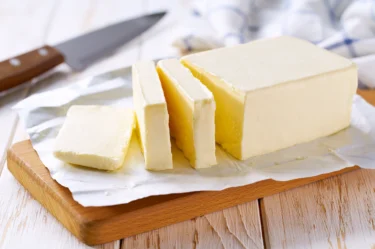
Contrary to popular belief, butter may be suitable for consumption when included in moderation. It contains fat-soluble vitamins such as Vitamin D and also provides certain polyunsaturated fats like omega-6. Butter may help support the absorption of nutrients from other foods as part of a balanced diet1.
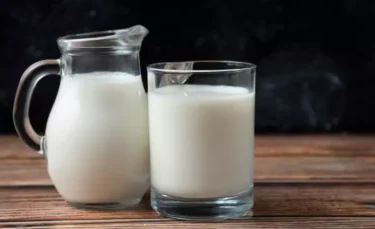
Full-fat dairy is once again gaining attention. While it is nutritionally similar to low-fat and skimmed varieties, full-fat milk and its products may offer fat-soluble vitamins such as Vitamin A and D in notable amounts2.
Although controversial, dairy products are often termed ‘superfoods’ as most of them contain probiotics. Among them, fermented dairy products like yoghurt may have beneficial effects on cardiovascular health11.
Dr. Siddharth Gupta, B.A.M.S, M.D (Ayu)
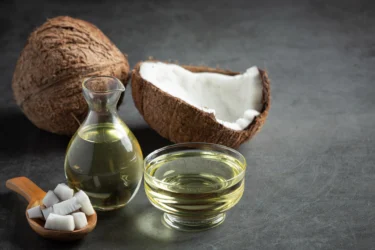
Coconut contains saturated fats, which are often viewed with caution. However, research3 suggests that the fatty acids in coconut and its products may be metabolised differently, as they are directed to the liver for processing. Some studies3 indicate that coconut may support satiety and may have an effect on metabolic activity.

Dark chocolates are abundant in antioxidants, which helps in lowering blood pressure and is good for the heart. It may also improve brain function and may help protect against skin damage4.
Did you know dark chocolate may have antitussive properties that might help to relieve cough in some people? Some studies12 suggest that eating dark chocolate may help suppress the urge to cough and may have soothing effects.
Dr. Rajeev Singh, BAMS
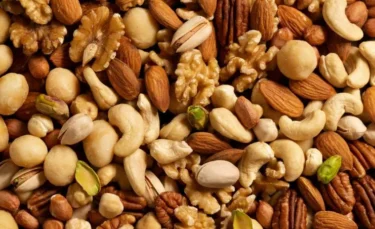
Nuts are full of fibre and nutrients like vitamin E, magnesium, and protein. They may be beneficial in supporting metabolism and heart health. Almonds and walnuts, in particular, may provide unique advantages compared to other types of nuts5.
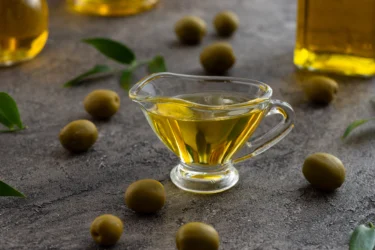
Olives are the cornerstone of the Mediterranean diet, and olive oil, derived from them, may offer numerous benefits. Rich in antioxidants and vitamins E and K, olive oil may support heart health and may help maintain healthy blood pressure levels6.

Egg yolk is known for being rich in fats and cholesterol; however, research7 suggests that this may not have a significant effect on the body’s cholesterol levels. Eggs are a good source of nutrients that may support brain function and heart health. Additionally, they may play a role in supporting weight management when included in a balanced diet7.
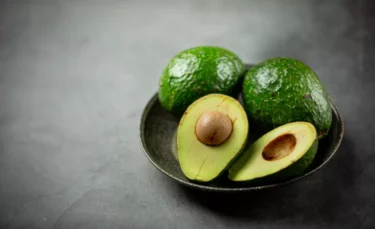
Avocados are rich in fat, but they are also an excellent source of fibre, monounsaturated fats, and heart-healthy cholesterol. Avocados may support overall health and may have potential benefits in managing weight when included as part of a balanced diet8.
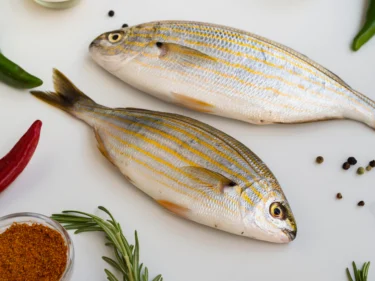
Salmon, tuna, trout, sardines, and mackerel are rich in protein and may offer benefits for cardiovascular health. When included as part of a balanced diet, fish may provide unique advantages over other types of meat9.
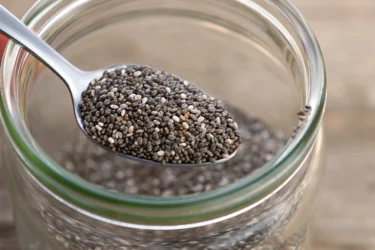
Chia seeds might not be the first food that comes to mind when thinking of fatty foods, but they are actually a dense source of healthy fats. Chia seeds may offer potential benefits in supporting healthy waist size and blood pressure when included in a balanced diet. They are also a great source of fibre, which makes up a significant portion of their carbohydrate content. An alternative with similar benefits is flax seeds10.
In addition to healthy fats, chia seeds are a rich source of protein, carbohydrates, and dietary fibre. They also contain various vitamins, minerals, phytochemicals, and antioxidants. These nutrients may contribute to overall health when included as part of a balanced diet13.
Dr. Smita Barode, B.A.M.S, M.S.
Also Read: High Dietary Fiber Foods That You Should Eat Every Day!
For a long time, fats in foods have been viewed negatively, with many people believing that low-fat equals healthy. However, our bodies need fats to function properly, as they are one of the three essential macronutrients (along with carbohydrates and proteins). The concern lies in the modern diet, which is often high in saturated and trans fats, both of which are linked to less favourable health outcomes, particularly trans fats.
Monounsaturated and polyunsaturated fats, on the other hand, are generally regarded as healthier fats. These fats are linked to improved cholesterol levels (particularly lowering bad cholesterol, or LDL) and may help maintain balanced insulin levels. Foods rich in healthy fats typically contain higher levels of monounsaturated and polyunsaturated fats and lower or no amounts of trans or saturated fats3.
Also Read: 15 Amazing Health Benefits of Ghee
Incorporating healthy fats into a balanced diet is essential for overall well-being. While it is important to limit saturated and trans fats, adding monounsaturated and polyunsaturated fats to your diet may offer a range of health benefits, including supporting heart health and helping to maintain balanced cholesterol and insulin levels. By choosing foods rich in these healthy fats, such as avocados, nuts, and fish, and consulting with a healthcare professional, you can make informed choices that promote long-term health.
Also Read: Best Summer Foods to Keep Your Body Cool
Disclaimer: The information provided here is for educational/awareness purposes only and is not intended to be a substitute for medical treatment by a healthcare professional and should not be relied upon to diagnose or treat any medical condition. The reader should consult a registered medical practitioner to determine the appropriateness of the information and before consuming any medication. PharmEasy does not provide any guarantee or warranty (express or implied) regarding the accuracy, adequacy, completeness, legality, reliability or usefulness of the information; and disclaims any liability arising thereof.
133
13
Insulin-resistance is a growing concern and is linked to conditions, such as type 2 diabetes. Although both conditions share similar symptoms, insulin resistance develops earlier and may be reversed with timely lifestyle changes. Let’s understand what insulin resistance is, and how it can be managed effectively.
Insulin is a hormone secreted by the pancreas that helps the cells of the body absorb glucose and use it for metabolism. Insulin resistance is a condition where cells are not able to use the insulin circulating in the body effectively, as they become less responsive to insulin. This leads to difficulty in absorbing glucose from the bloodstream and the accumulation of sugar in the blood. Many people who have insulin resistance have slightly elevated blood sugar levels, known as prediabetes1. This stage is known as the prediabetes stage.
It is not known exactly why one develops insulin resistance; however, overweight or obesity are risk factors for developing this condition. Other factors that may also cause insulin resistance are genetic and lifestyle factors1.
Insulin resistance can be temporary or chronic and can be manageable in some cases. Exercise is one of the fastest and the most effective ways to manage insulin resistance apart from oral anti-diabetes and anti-obesity medications, which may be prescribed by your physician to manage the condition.
Dr. Ashish Bajaj, M.B.B.S. M.D. in Clinical Pharmacology and Toxicology
Insulin resistance initially does not trigger any symptoms. You may be insulin resistant and may not even realise it. A routine blood glucose test alone may not be able to confirm insulin resistance2.
The earliest symptom of insulin resistance is weight gain, particularly around the waistline, known as central obesity. This weight gain typically appears as a fat waistline, a large belly, a fat and thick neck, a double chin, and a fatty hump at the back of the neck, with relatively thin arms and legs2.
Another symptom that people with insulin resistance have is “acanthosis nigricans”. This condition causes dark, thick skin patches in the skin folds like the groin area, armpits, and neck3.
Insulin resistance increases your risk of heart disease, stroke, and type 2 diabetes4,5.
The classic symptoms of diabetes include3:
Central obesity is the major cause of insulin resistance. It can further lead to high blood pressure, prediabetes, etc. (known as metabolic syndrome). Lifestyle changes can help avoid metabolic syndrome and further avoid any chronic lifestyle diseases.
Dr. Nikhil Yadav, MBBS MD, CCEBDM
The exact cause of insulin resistance is not known; however, it has primarily been linked to obesity and overweight. Excess fat accumulation around the belly leads to an inflammatory reaction, which starts insulin resistance6,7.
Insulin resistance is identified as an impaired biologic response to insulin stimulation of target tissues, primarily the liver, muscle, and adipose tissue. Insulin resistance impairs glucose disposal, resulting in a compensatory increase in beta-cell insulin production and hyperinsulinemia. The most common causes include obesity and overweight.
Dr. M.G. Kartheeka, MBBS, MD(Pediatrics)
Losing weight can help reduce the severity of insulin resistance and, thereby, improve glucose metabolism in the body. This includes a radical shift in dietary and lifestyle habits. The onset of insulin resistance is only a warning sign as it may be reversed by adopting healthy lifestyle habits8.
Living with insulin resistance can be rather difficult but it is not altogether impossible. Management of insulin resistance begins at home by altering your lifestyle habits, such as:

Exercise is a universally recommended lifestyle habit for all people. An exercise routine of 30-60 minutes daily can be the solution for many health problems in the world, including insulin resistance.
Resistance training done with the help of resistance bands, dumbbells, or kettlebells may be effective against insulin resistance.
A combination of resistance training and aerobic training may help reduce your insulin resistance significantly, especially when tracked over a 3-month period10.

Sleep is a highly compromised lifestyle element but a very important one in determining your overall health. Lack of sleep or poor quality of sleep can make you susceptible to health complications such as type 2 diabetes, heart diseases, and an array of infections over time. Many studies have been able to successfully establish a connection between increased insulin resistance and low levels of sleep11.

Stress is another silent killer responsible for aggravating many health conditions in people around the world. Not only does chronic stress mess up your mental health but it also takes a toll on your physical health.
Stress prompts the body to go into fight or flight mode and triggers the release of the hormones catecholamines and glucocorticoids into the body12.
Ongoing stress will keep your body on alert, leading to disturbance in glucose homeostasis, eventually leading to insulin resistance and diabetes. It is crucial that you try to keep your stress levels to a minimum by following these tips12:
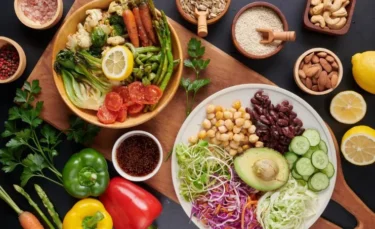
Maintaining a nutritious and filling diet is important for a healthy lifestyle and keeping your insulin levels under check. Here are a few tips for changing your diet13,14:
Incorporate insoluble fibre in your diet to bulk up your stools and soluble fibre to curb hunger pangs and reduce cholesterol. Foods that provide fibre include oatmeal, legumes, oranges and flaxseeds.

When you have insulin resistance, irrespective of whether you have type 2 diabetes or not, you need to focus on losing a few pounds for your own health benefit. When starting on your weight loss journey, focus on belly fat reduction, which has been found to be directly linked with insulin resistance.
Also Read: 8 Sign & Symptoms Of Diabetes In Men
Insulin plays an important role in maintaining healthy blood sugar levels. When your body becomes resistant to it, your risk of diabetes and other health issues increases. Fortunately, insulin resistance can managed through healthy lifestyle changes such as regular exercise, a balanced diet, adequate sleep, and stress management. Early detection and regular monitoring with your doctor can help you stay in control and prevent complications.
Also Read: A Complete Guide on Insulin Resistance Diet for Weight Loss
Disclaimer: The information provided here is for educational/awareness purposes only and is not intended to be a substitute for medical treatment by a healthcare professional and should not be relied upon to diagnose or treat any medical condition. The reader should consult a registered medical practitioner to determine the appropriateness of the information and before consuming any medication. PharmEasy does not provide any guarantee or warranty (express or implied) regarding the accuracy, adequacy, completeness, legality, reliability or usefulness of the information; and disclaims any liability arising thereof.
Links and product recommendations in the information provided here are advertisements of third-party products available on the website. PharmEasy does not make any representation on the accuracy or suitability of such products/services. Advertisements do not influence the editorial decisions or content. The information in this blog is subject to change without notice. The authors and administrators reserve the right to modify, add, or remove content without notification. It is your responsibility to review this disclaimer regularly for any changes.
3
1
Punarnavadi Mandoor is a polyherbal formulation that is rich in iron. It is an effective iron supplement mentioned in Ayurvedic Samhitas. Punarnava Mandoor is generally available in tablets and is mainly used to treat iron deficiency anaemia. The principal constituent of the formulation is Punarnava itself, a herb named Boerhavia Diffusa, with immense medicinal qualities1. Sixteen different herbal ingredients are used to prepare Punarnavadi Mandoor namely, mandoor, iron oxide (ferric oxide) and gomutra (cow’s urine). The herbs that are used in the preparation are punarnava, trivrut, shunti, vidanga, devdaru, chitrak, kustha, haridra, amalaki, bibhitaki, haritaki, danti, chavya, kutaki, musta, and pippalimula1.
Did you Know?
Punarnavadi Mandoor has been in use since the inception of the Ayurvedic traditions. Ayurvedic medicine is one of the world’s oldest comprehensive therapies. Ayurvedic formulations are prescribed for various ailments to either manage their symptoms or improve health quality. Some of the significant properties of the formulation are its anti-inflammatory, diuretic, blood purifying, haematogenic and haematinic activities1,2.
Some of the qualities of the ingredients of the Punarnavadi Mandoor are:
Punarnavadi mandoor is one of the Kharaliya Rasayan. Kharaliya Rasayan is known to have a long shelf life with increased treatment efficacy, decreased dose and duration in which it is used. Punarnavadi mandoor is an Ayurvedic medicine that is useful for multiple health conditions. It helps in decreasing cholesterol, creatinine and urea, improves blood quality and count, and removes toxins from the blood8.
Dr. Siddharth Gupta, B.A.M.S, M.D (Ayu)



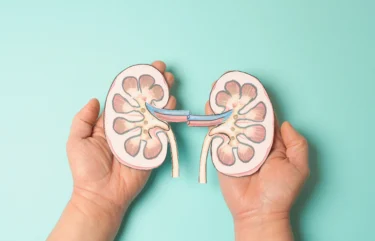



Punarnavadi mandoor is famous in Unani medicine too. It is used as an appetizer, as a reliever in joint pain and ophthalmia, keeps infections away, is an expectorant, relieves flatulence and is a reliable blood purifier9.
Dr. Rajeev Singh, BAMS
Punarnavadi Mandoor is usually prescribed to be taken orally by your Ayurvedic physician.
Your Ayurvedic physician will prescribe you the form and dosage as per your health condition.
One of the documented side effects of Punarnavadi Mandoor is
Also Read: Medohar Guggulu: Uses, Benefits, Side Effects & More
Also Read: Trayodashang Guggulu: Uses, Benefits and Side Effects By Dr. Smita Barode
Punarnavadi Mandoor is not documented for use in weight loss. However, it does act as a diuretic to remove excess fluid from the body. It removes excess fluid without losing electrolytes by increasing urine production. So, this property may be helpful in weight loss1.
Optic Atrophy is the degeneration of the optic nerve. Punarnavadi Mandoor is one of the medications used in its therapy. Punarnavadi Mandoor belongs to the Thalam treatment, which is one of the Ayurvedic procedures used for primary optic therapy7.
Punarnavadi Mandoor is found to be very effective in soothing symptoms of gout, an inflammation of joints caused due to excess uric acid2.
No, there is no documented evidence of Punarnavadi Mandoor’s efficacy in PCOS.
Varicose Veins is the swelling and tortuosity of veins of the legs. Punarnavadi Mandoor is beneficial in managing deep vein thrombosis (DVT) symptoms, which is a complication of untreated varicose veins,by reducing inflammation and purifying the blood5.
No, there is no documented evidence of Punarnavadi Mandoor in hair growth.
Disclaimer: The information provided here is for educational/awareness purposes only and is not intended to be a substitute for medical treatment by a healthcare professional and should not be relied upon to diagnose or treat any medical condition. The reader should consult a registered medical practitioner to determine the appropriateness of the information and before consuming any medication. PharmEasy does not provide any guarantee or warranty (express or implied) regarding the accuracy, adequacy, completeness, legality, reliability or usefulness of the information; and disclaims any liability arising thereof.
Links and product recommendations in the information provided here are advertisements of third-party products available on the website. PharmEasy does not make any representation on the accuracy or suitability of such products/services. Advertisements do not influence the editorial decisions or content. The information in this blog is subject to change without notice. The authors and administrators reserve the right to modify, add, or remove content without notification. It is your responsibility to review this disclaimer regularly for any changes.
21
1
Triphala Guggulu is a traditional polyherbal formulation as per the Ayurvedic system of medicine. It is composed of resin of guggul (Commiphora wightii), long pepper (Piper longum), and Triphala (fruits of Phyllanthus emblica L., Terminalia chebula Retz, and Terminalia bellirica)1. Triphala is a well-recognized polyherbal medicine classified as the tridoshic rasayan.
The Triphala formulation contains the fruits Amalaki or the Indian Gooseberry, Bibhitaki, and Haritaki of the three plants2. Triphala Guggulu is one of the most widely used among the other Guggulu formulations3. Phytochemical screening of Triphala Guggulu shows the presence of glycosides, alkaloids, saponins, flavonoids, tannins, and steroids4.
Apart from various phytochemicals, phytochemical screening showed the presence of carbohydrates, proteins, and amino acids in Triphala Guggulu4.
Did you know?
The uses of Triphala Guggulu are as follows:
Did you know Triphala Guggulu might aid in dental problems as well? Due to its anti-bacterial nature, Triphala Guggulu may be used for dental diseases such as swollen gums, cavities, and bleeding gums9.
Dr. Siddharth Gupta, B.A.M.S, M.D (Ayu)


Triphala found in Triphala Guggulu helps in facilitating bowel movements and relieving constipation7.


Triphala Guggulu might be used as an useful remedy of choice for cancer! This herbal medicine might offer a natural solution for cancer with its antioxidant nature10.
Dr. Rajeev Singh, BAMS
Triphala Guggulu can be taken with warm water. However, it should be used on the advice of an Ayurvedic doctor. The Ayurvedic doctor will prescribe you the dose and form based on the diagnosis.
Also Read: Ashwagandha – Uses, Benefits, Side Effects & Precautions
You should keep the following points in mind:
Other than its anti-inflammatory nature, Triphala Guggulu has anti-oxidant characteristics as well. This makes Triphala Guggulu a potential medicine of choice for diseases like Atherosclerosis, Alzheimer’s disease, stroke and diabetes10.
Dr. Smita Barode, B.A.M.S, M.S.
Also Read: Cardamom (Elaichi): Uses, Benefits, Side Effects and More!
There is a lack of sufficient data regarding the interaction of Triphala Guggulu with other drugs. Therefore, you must talk to a doctor about its usage if you are using any other medication or supplement.
Exploring the Potential of Triphala Guggulu in ear discharge treatment. It is believed that due to its anti-inflammatory properties, Triphala Guggulu may aid in the treatment of ear discharge (medically known as Chronic Suppurative Otitis Media)11.
Dr. Anuja Bodhare, B.A.M.S, M.D (Ayu)
Also Read: Chitrakadi Vati – Benefits, Precautions & Side Effects
Triphala Guggulu is an Ayurvedic formulation composed of Triphala and Guggulu1.
Triphala Guggulu is composed of resin of guggulu (Commiphora wightii), long pepper (Piper longum) and Triphala (fruits of Phyllanthus emblica L., Terminalia chebula Retz, and Terminalia bellirica)1.
Triphala Guggulu has uses in managing inflammatory conditions, oxidative stress hyperglycemia, and hypolipidemia5. Triphala Guggulu is widely used to manage Vatarakta (gout), Bhagandar (fistula), Gandamala (goitre), Vranaropana (wound healing), Kushtha (leprosy), Pakvavidradhi (abscess), and Asthibhagna (fractures)4.
Triphala Guggulu is beneficial in piles as it has anti-inflammatory properties. It helps in healing the inflammation of the fistula. Triphala is beneficial in relieving constipation, a problem associated with haemorrhoids. Piper longum aids in the digestion and assimilation of food nutrients7. Though there are benefits associated with the use of Triphala Guggulu, it should not be used as an alternative to conventional therapy.
Triphala Guggulu is not to be used during pregnancy. Consult your doctor if you feel the need to use Triphala Guggulu. They will suggest an alternative based on your condition.
Triphala Guggulu is not to be used during pregnancy and in chronic and recurrent diarrhoea. There is a lack of sufficient data to support the use of Triphala Guggulu during the breastfeeding period, so it should be avoided. Use it after consulting an Ayurvedic physician.
Triphala Guggulu can be used with warm water. However, it should be used on the advice of an Ayurvedic doctor. The Ayurvedic doctor will prescribe you the form and dose based on the diagnosis.
Yes, the consumption of Triphala Guggulu is beneficial in wound healing. It also helps by reducing the pain associated with the wound6. It can be used as an aid in wound healing, not as a replacement for conventional treatment.
Triphala Guggulu is a Guggulu-based formulation beneficial in managing acute arthritis. The anti-arthritic benefit of Triphala Guggulu is attributed to its anti-inflammatory activity. It also acts by inhibiting the enzymes that get activated in arthritis, which are hyaluronidase and collagenase8. Triphala Guggulu is not to be used as a means to replace the conventional treatment for arthritis.
Triphala Guggulu can be beneficial in managing hyperglycemia, but it should not be used to treat diabetes5. There are no studies proving its efficacy in managing diabetes. Consult your doctor before starting any new medicines, as self-medication might worsen the situation.
1. Babu Ks, Muguli G, Rao Vadaparthi P, Ramesh B, Gowda V, Paramesh R, et al. A novel high-performance liquid chromatography-electron spray ionization-mass spectrometry method for simultaneous determination of guggulsterones, piperine and gallic acid in Triphala guggulu. Pharmacognosy magazine [Internet]. 2015 [cited 2022 Feb 17];11(Suppl 1):66. Available from: https://pubmed.ncbi.nlm.nih.gov/26109777/
2. Peterson CT, Denniston K, Chopra D. Therapeutic Uses of Triphala in Ayurvedic Medicine. Journal of alternative and complementary medicine (New York, NY) [Internet]. 2017 [cited 2022 Feb 17];23(8):607–14. Available from: https://pubmed.ncbi.nlm.nih.gov/28696777/
3. CLINICAL EFFECTS OF TRIPHALA GUGGULU ON DIABETIC MACULAR EDEMA | Semantic Scholar [Internet]. [cited 2022 Feb 21]. Available from: https://www.semanticscholar.org/paper/CLINICAL-EFFECTS-OF-TRIPHALA-GUGGULU-ON-DIABETIC-Gautam-Chaurasiya/ac7e53abe58490244727071328d8490a4e13ae01
4. Bhushan D Mhaiskar BPCB. Management of non-healing infected wound by external application of and Hinsradya Taila Triphala Guggulu Case Report [Internet]. 2017 [cited 2022 Feb 21]. p. 132–4. Available from: https://www.researchgate.net/publication/320111273_Management_of_non-healing_infected_wound_by_external_application_of_and_Hinsradya_Taila_Triphala_Guggulu_Case_Report
5. Mehra R, Vyas N, Makhija R. A clinical study on the role of Ksara Vasti and Triphala Guggulu in Raktarsha (Bleeding piles). Ayu [Internet]. 2011 [cited 2022 Feb 21];32(2):192. Available from: https://pubmed.ncbi.nlm.nih.gov/22408301/
6. Sumantran VN, Kulkarni AA, Harsulkar A, Wele A, Koppikar SJ, Chandwaskar R, et al. Hyaluronidase and collagenase inhibitory activities of the herbal formulation Triphala guggulu. Journal of Biosciences 2007 32:4 [Internet]. 2007 Jul 9 [cited 2022 Feb 21];32(4):755–61. Available from: https://link.springer.com/article/10.1007/s12038-007-0075-3
7. Essential Drugs List(EDL)_Ayurveda. Department of Ayush Ministry of Health and Family Welfare. Government of India. Available from: https://namayush.gov.in/sites/all/themes/webcms/images/essential_drugs/Ayurveda_EDL_list_final.pdf
8. Sumantran VN, Kulkarni AA, Harsulkar A, Wele A, Koppikar SJ, Chandwaskar R, Gaire V, Dalvi M, Wagh UV. Hyaluronidase and collagenase inhibitory activities of the herbal formulation Triphala guggulu. J Biosci. 2007 Jun;32(4):755-61. doi: 10.1007/s12038-007-0075-3. PMID: 17762148. Available from: https://pubmed.ncbi.nlm.nih.gov/17762148/
9. Prakash S, Shelke AU. Role of Triphala in dentistry. J Indian Soc Periodontol. 2014 Mar;18(2):132-5. doi: 10.4103/0972-124X.131299. PMID: 24872616; PMCID: PMC4033874. Available from: https://pmc.ncbi.nlm.nih.gov/articles/PMC4033874/
10. Verma P, Singh B, Kumar A, Sharma R, Kumar V. In-vitro anti-inflammatory and antioxidant potential of Triphala guggul tablets. J Med Herbs Ethnomedicine. 2020;6:45–47. doi:10.25081/jmhe.2020.v6.6238. Available from: https://pdfs.semanticscholar.org/180b/2dd40e458eac41ebaaa155ee02ab51e7583d.pdf
11. Nath S, Jadhav S, Mulik S, Nangare N, Mulik S, Lathwal N. A conceptual study of Triphala Guggul in Karnasrava (C.S.O.M). J Pharm Negative Results. 2023;14(Suppl 01):367–370. doi:10.47750/pnr.2023.14.S01.40. Available from: https://www.pnrjournal.com/index.php/home/article/view/6469
Disclaimer: The information provided here is for educational/awareness purposes only and is not intended to be a substitute for medical treatment by a healthcare professional and should not be relied upon to diagnose or treat any medical condition. The reader should consult a registered medical practitioner to determine the appropriateness of the information before consuming any medication. PharmEasy does not provide any guarantee or warranty (express or implied) regarding the accuracy, adequacy, completeness, legality, reliability or usefulness of the information; and disclaims any liability arising thereof.
Links and product recommendations in the information provided here are advertisements of third-party products available on the website. PharmEasy does not make any representation on the accuracy or suitability of such products/services. Advertisements do not influence the editorial decisions or content. The information in this blog is subject to change without notice. The authors and administrators reserve the right to modify, add, or remove content without notification. It is your responsibility to review this disclaimer regularly for any changes.
22
Chitrakadi vati is well recognised as an Ayurvedic preparation1. It is a polyherbal formulation containing nine ingredients of herbal origin: Chitraka (Plumbago zeylanica), maricha (Piper nigrum), pippali (Piper longum fruit), pippalimoola (Piper longum root), Chavya (Piper chaba), ginger (Zingiber officinale), hing (Ferula foetida/Ferula asafoetida), ajmoda (Apium leptophyllum), yava ksara (Hordeum vulgare) and panchalavana (Samudra, Sauvarchala, Saindhava, Vida, Audbhida)2.
The uses of Chitrakadi Vati are as follows:
According to Ayurveda, Chitrakadi vati might be useful in decreasing mouth dryness caused due to increased levels of vatta and pitta levels and decreased kapha levels in the body. Chitrakadi vati might stimulate saliva secretion13.
Dr. Siddharth Gupta, MD, B.A.M.S, M.D (Ayu)




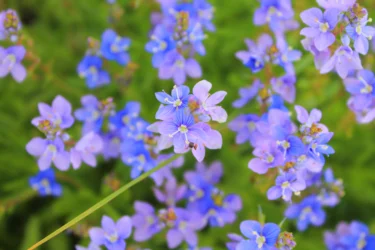

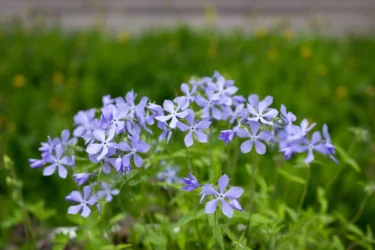
The extracts of chavya considerably boost lymphocyte proliferation, implying an immunomodulatory action, mainly through lymphocyte proliferation and natural killer cell activity activation9.
In Ayurveda, Chitrakadi vati might help in reducing oedema in the legs and hands (extremities) caused due to ama dosha13.
Dr. Rajeev Singh, BAMS
Chitrakadi vati can be used as:
Also Read: Custard Apple: Uses, Benefits, Side Effects and More!
Some side effects are observed due to the following constituents of Chitrakadi vati:
Generally, according to Ayurveda, ama and vatta doshas can create joint pain. In such cases, Chitrakadi vati might be useful in reducing joint pain13.
Dr. Smita Barode, BAMS
Also Read: Green Chilli: Uses, Benefits, Side Effects and More!
You should keep the following points in mind:
Also Read: Abhayarishta: Uses, Benefits & How to Use It
Chitrakadi vati is an Ayurvedic preparation of Chitraka (Plumbago zeylanica), maricha (Piper nigrum), pippali (Piper longum fruit), pippalimoola (Piper longum root), Chavya (Piper chaba), ginger (Zingiber officinale), hing (Ferula foetida), ajmoda (Apium leptophyllum), yava ksara (Hordeum vulgare) and panchalavana (Samudra, Sauvarchala, Saindhava, Vida, Audbhida)1,2.
It is commonly used to manage irritable bowel syndrome, rheumatoid arthritis, and appetite loss. It is also used as a digestive tonic and carminative. Chitrak stimulates digestion and appetite and aids to deal with leprosy, fever, oedema, and scabies1,2.
It is used in the form of Chitrakadi vati extract and Chitrakadi dutika (pills)1,10.
Yes, it is good for the liver. The consumption of Chitrakadi gutika and buttermilk was found to be effective in managing the non-alcoholic fatty liver disease by returning the fatty infiltration of the liver to a normal level4.
Disclaimer: The information provided here is for educational/awareness purposes only and is not intended to be a substitute for medical treatment by a healthcare professional and should not be relied upon to diagnose or treat any medical condition. The reader should consult a registered medical practitioner to determine the appropriateness of the information and before consuming any medication. PharmEasy does not provide any guarantee or warranty (express or implied) regarding the accuracy, adequacy, completeness, legality, reliability or usefulness of the information; and disclaims any liability arising thereof.
Links and product recommendations in the information provided here are advertisements of third-party products available on the website. PharmEasy does not make any representation on the accuracy or suitability of such products/services. Advertisements do not influence the editorial decisions or content. The information in this blog is subject to change without notice. The authors and administrators reserve the right to modify, add, or remove content without notification. It is your responsibility to review this disclaimer regularly for any changes.
14
0
Shallaki is one of the ancient herbs in Ayurveda. It is significantly valued. Shallaki (Sanskrit) is also called Boswellia serrata, in botanical terms. It belongs to the Burseraceae family. It is a moderate-large-sized branching tree. The plant grows in the hilly region of India, the Middle East, and Northern Africa1.
In India, it is found in the dry hilly forests of Gujarat, Madhya Pradesh, Bihar, Rajasthan, Orissa, Assam, and central peninsular regions of Assam and Andhra Pradesh.
The oleo gum resin of Shallaki is used in various Ayurvedic and Unani preparations. Generally, it is used in making incense powder and sticks2.
The extract of Shallaki contains sugars, essential oil, volatile oil, terpenoids, and several pentacyclic triterpene acids like β-boswellic acid4.
Shallaki contains marked anti-inflammatory and anti-arthritic activity. It has antiseptic and astringent properties that might be beneficial in managing dysentery, piles, diarrhoea, ulcers, skin diseases, tumours, and genitourinary disorders. The oleo-gum resin of Shallaki contains boswellic acid that has analgesic, antitumor, and sedative properties3.



According to animal studies2, alcoholic extract of Shallaki exhibited anti-cancer activity by inhibiting the growth of tumours via the inhibition of cell proliferation and cell growth by interfering with the biosynthesis of protein, ribonucleic acid, and deoxyribonucleic acid.


The essential oil from the bark of Shallaki was studied against gram-positive and gram-negative bacteria.
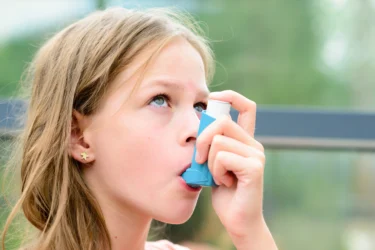
The alcoholic extract of Shallaki improved the physical symptoms of dyspnoea, increase in stimulation of mitogen-activated protein kinase, number of attacks, and mobilisation of intracellular calcium in 70% of the patients with a prolonged history of asthma2.

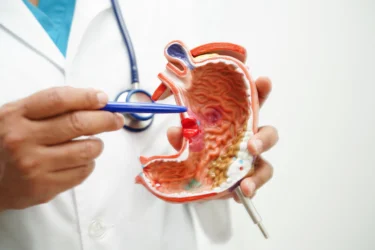

I stumbled upon an interesting study that suggests Shallaki might be a fantastic natural option for tackling pain and inflammation. They conducted the study on rats and tested various extracts of Shallaki. And you know what they found? It turns out that Shallaki might have some impressive anti-inflammatory and analgesic effects8.
Dr. Siddharth Gupta, B.A.M.S, M.D (Ayu)
Also Read: Safed Musli – Uses, Benefits & Precautions
Generally, Shallaki is consumed as:
It is advisable to consult your physician before consuming Shallaki.
I found something fascinating about Shallaki. It appears that the resin extract from Shallaki might have shown some powerful properties in rats. It may act as both an anti-inflammatory and an antioxidant agent. But here’s the really exciting part: it might offer protection to certain neurons in the brain and may also improve motor impairments in Parkinson’s disease. These findings hint at the potential of Shallaki as a natural remedy for Parkinson’s disease9.
Dr. Rajeev Singh, BAMS
There are a few side effects observed with the utilisation of Shallaki. These are mostly mild and transient gastrointestinal symptoms like diarrhoea, nausea, or constipation4.
Also Read: Black Salt – Uses, Benefits & Side Effects
Keep the following points in mind:
I would recommend Shallaki if you’re dealing with cervical spondylosis. It might be a game-changer for you. A study was done on a group of people with cervical spondylosis, and they were given Shallaki capsules. Surprisingly, they experienced significant improvements. Their pain reduced, their flexibility increased, and even symptoms like headaches and numbness got better. The best part is that Shallaki was well-tolerated, with no reported side effects10.
Dr. Smita Barode, B.A.M.S, M.S.
Shallaki (Boswellia serrata) might interact with anti-neoplastic agents and leukotriene inhibitors6.
Also Read: Masoor Dal – Uses, Benefits & Precautions
Shallaki can be consumed as a capsule, tablet, or bark decoction1.
There is not sufficient data to support its use during breastfeeding; therefore, it is advisable to consult your doctor before consuming it.
Yes, Shallaki can be helpful for managing wounds as it exhibits wound-healing activity7.
Yes, it is safe to consume Shallaki due to its benefits, but patients consuming leukotriene inhibitors and anti-neoplastic agents should avoid consuming Shallaki6. Hence, it is advisable to consult a physician before taking Shallaki.
There is no sufficient data to support its safe use during pregnancy; therefore, it is advisable to consult your doctor before consuming it.
Shallaki has several benefits and is used to deal with diarrhoea, dysentery, piles, ulcers, skin diseases, tumours, and genitourinary disorders3.
Yes, it can be useful for managing arthritis as it was found to exhibit anti-arthritic effect in an animal model2.
Shallaki is also known as Salai, Kundur, Indian Olibanum, Frankincense, Dhup, Gugali, Saambraani, Phirangi, Parangi, Chitta, and Guguladhuph1,3.
Yes, Shallaki has been found to interact with leukotriene inhibitors and anti-neoplastic agents6.
Yes, Shallaki was found to improve the physical symptoms of dyspnoea, increase in stimulation of mitogen-activated protein kinase, number of attacks, and mobilisation of intracellular calcium in the patients with a prolonged history of asthma2.
Side effects of Shallaki include gastrointestinal symptoms like diarrhoea, nausea, or constipation4.
1. Siddiqui MZ. Boswellia Serrata, A Potential Antiinflammatory Agent: An Overview. Indian J Pharm Sci [Internet]. 2011 May [cited 2022 Feb 17];73(3):255. Available from: https://pubmed.ncbi.nlm.nih.gov/22457547/
2. Upaganlawar A, Ghule B. Pharmacological Activities of Boswellia serrata Roxb.-Mini Review. Ethnobot Leafl. 2009;13:766–74. Available from: https://www.researchgate.net/publication/200126782_Pharmacological_Activities_of_Boswellia_serrata_Roxb
3. Boswellia serrata — Vikaspedia. No Title [Internet]. Available from: https://vikaspedia.in/agriculture/crop-production/package-of-practices/medicinal-and-aromatic-plants/boswellia-serrata
4. Boswellia Serrata Herbal and Dietary Supplements. 2020;(Md). Available from: https://www.ncbi.nlm.nih.gov/books/NBK563692/
5. Vuddanda PR, Singh S, Velaga S. Boswellic acid – Medicinal use of an ancient herbal remedy. J Herb Med [Internet]. 2016;6(4):163–70. Available from: http://dx.doi.org/10.1016/j.hermed.2016.08.002
6. Posadzki P, Watson L, Ernst E. Herb-drug interactions: An overview of systematic reviews. Br J Clin Pharmacol. 2013;75(3):603–18. Available from: https://www.researchgate.net/publication/225274961_Herb drug_interactions_An_overview_of_systematic_reviews
7. Ghodela NK, Prasad P, Kumar V, Dudhamal T. Wound healing potential of gums & oleo-gum-resins: a brief review. Glob J Res Med Plants Indig Med [Internet]. 2017;6(January 2018):89–94. Available from: https://www.researchgate.net/publication/322717048_WOUND_HEALING_POTENTIAL_OF_GUMS_OLEO-GUM-RESINS_A_BRIEF_REVIEW
8. Sharma A, Bhatia S, Kharya MD, Gajbhiye V, Ganesh N, Namdeo AG, Mahadik KR. Anti-inflammatory and analgesic activity of different fractions of Boswellia serrata. Int J Phytomed. 2010;2(1):94-9. Available from: https://www.researchgate.net/publication/242721376_Anti-inflammatory_and_analgesic_activity_of_different_fractions_of_Boswellia_serrata
9. Doaee P, Rajaei Z, Roghani M, Alaei H, Kamalinejad M. Effects of Boswellia serrata resin extract on motor dysfunction and brain oxidative stress in an experimental model of Parkinson’s disease. Avicenna J Phytomed. 2019 May-Jun;9(3):281-290. PMID: 31143695; PMCID: PMC6526039. Available from: https://pmc.ncbi.nlm.nih.gov/articles/PMC6526039/
10. Pandey S, Kumar Y, Sharma A. Clinical evaluation of Shallaki Niryas (Boswellia serrata) in the management of Grivaasthi Sandhi Gata Vata (cervical spondylosis). Int Ayurvedic Med J. 2013;1(2):March-April. Available from: https://www.iamj.in/public/article/doi/4.pdf
Disclaimer: The information provided here is for educational/awareness purposes only and is not intended to be a substitute for medical treatment by a healthcare professional and should not be relied upon to diagnose or treat any medical condition. The reader should consult a registered medical practitioner to determine the appropriateness of the information and before consuming any medication. PharmEasy does not provide any guarantee or warranty (express or implied) regarding the accuracy, adequacy, completeness, legality, reliability or usefulness of the information; and disclaims any liability arising thereof.
Links and product recommendations in the information provided here are advertisements of third-party products available on the website. PharmEasy does not make any representation on the accuracy or suitability of such products/services. Advertisements do not influence the editorial decisions or content. The information in this blog is subject to change without notice. The authors and administrators reserve the right to modify, add, or remove content without notification. It is your responsibility to review this disclaimer regularly for any changes.
24
1
Diabetes is a metabolic disorder that affects the manner in which the body processes blood sugar. It is a chronic disease and cannot be cured. Our genes contribute a lot towards our susceptibility to suffering from diabetes but so does our lifestyle. Unhealthy food habits coupled with a sedentary routine can increase the odds of suffering from this disease.
While anyone can get it irrespective of gender, age or social strata, the number of men suffering is high1. One has to seek immediate medical treatment for this disease as a delay in getting medical help might adversely affect your heart, eyes, blood vessels, nerves and kidneys. There are many early warning signs and symptoms of diabetes in men. In any case, consult a doctor and never take medicines on your own, as it might lead to severe complications.

Since the level of blood sugar is high, it extracts fluids from the cells making the patient feel excessively thirsty. People suffering from diabetes feel hungry frequently because of the body’s inability to efficiently utilize blood sugar to be converted to energy. If you find yourself drinking gallons of water or gorging on food suddenly, talk to your doctor2.

People who suffer from diabetes start using the washroom frequently. Excessive thirst leads to frequent urination. Most men suffer from broken sleep at night. Older patients may even experience bed-wetting. The body tries to expel the extra glucose in the blood through urine. That is another reason for frequent urination2.

If you have generally been feeling low-key and suffering from tiredness and lethargy without any obvious reasons, you may have diabetes. Unexplained fatigue and listlessness are due to inefficient usage of energy. A glucose test will provide you with clarity so get one done immediately3.
Read More: 10 Foods to Fight Fatigue
Men suffering from diabetes often present with unintentional weight loss. The body is unable to use blood sugar to transform it into energy. This leads to sudden weight loss. If you have lost weight without any reason, please consult your doctor2.

Due to high sugar levels in the blood, men suffering from diabetes fall prey to skin infections very often. This could be genital itching or even thrush. The high sugar proves to be a perfect breeding ground for fungus which causes these infections4.
Adding to the symptoms mentioned in the blog burning pain in the legs and feet are also a symptom of diabetes. Regular blood sugar screening is recommended if you are experiencing any of the above.
Dr. M.G. Kartheeka, MBBS, MD(Pediatric)

Men suffering from undiagnosed diabetes may experience blurred vision and rarely loss of eyesight. The high glucose levels in the body are harmful for most organs ,at times the eyes are the first to suffer. Seek treatment immediately if you have a sudden dip in your eyesight2.
Men who suffer from diabetes find that their cuts and wounds take longer to heal. High blood sugar reduces immunity and affects the body’s ability to heal itself. Since the situation can exacerbate gangrene and even can lead to amputation, if you have a wound that is not healing, seek expert medical guidance5.

Men suffering from diabetes experience erectile dysfunction. There are several mechanisms responsible for such kind of Erectile Dysfunction in diabetes. To name a few, impaired function of nerves, hindrance with the blood flow and psychological issues associated with diabetes are the common ones. It is important to be aware of false advertisements of many supplements and medicines that claim to cure ED. One must avoid self-medicating and always consult a doctor beforehand6.
Diabetes especially type 2 is commonly related to erectile dysfunction as high blood sugar over long periods of time can damage nerves and blood vessels causing problems with getting or keeping an erection firm enough.
Dr. Ashish Bajaj, MBBS, MD in Clinical Pharmacology and Toxicology
Want to manage your diabetes effectively? Book your free diabetes consultation from our experts!
Many factors contribute to or increase your chances for diabetes and its related complications, some of them include:
Quitting or reducing daily smoking, engaging in some amount of daily physical activity, maintaining a well-balanced diet and keeping a check on your weight are good measures to reduce the risk of diabetes. Keeping a constant check at intervals on your blood glucose level also helps.
If you have a family history of diabetes and already have been diagnosed with borderline diabetes, certain changes in lifestyle can benefit your physical and mental well-being while also keeping your diabetes in check. Balancing your meals by putting in enough protein, vitamins and leafy vegetables will improve your bodily health. An even mixture of starch, fruits, vegetables, healthy fats and protein comprises a good, balanced and well-made meal.
Avoiding excess sugar, like carbonated drinks, fizzy sugary juices, sodas, candies and sweets is the key to keeping your diabetes level low. You can indulge in one or two sugary treats once in a while, however, consuming them in moderation is important.
Also Read: Diabetes: The Silent Killer Sweeping Across India
Disclaimer: The information provided here is for educational/awareness purposes only and is not intended to be a substitute for medical treatment by a healthcare professional and should not be relied upon to diagnose or treat any medical condition. The reader should consult a registered medical practitioner to determine the appropriateness of the information and before consuming any medication. PharmEasy does not provide any guarantee or warranty (express or implied) regarding the accuracy, adequacy, completeness, legality, reliability or usefulness of the information; and disclaims any liability arising thereof.
Links and product recommendations in the information provided here are advertisements of third-party products available on the website. PharmEasy does not make any representation on the accuracy or suitability of such products/services. Advertisements do not influence the editorial decisions or content. The information in this blog is subject to change without notice. The authors and administrators reserve the right to modify, add, or remove content without notification. It is your responsibility to review this
33
1
Avocado is the most trending fruit when it comes to healthy eating! We are drooling on avocado toasts and flaunting over trendy avocado smoothies, but do we even know what and why avocado is celebrated as a superfood. Let’s explore what makes this fruit stand out in the world of nutrition.
Avocado is a rich, creamy, and single-seeded fruit with a mild flavor. Scientifically, it is known as Persea Americana and belongs to the family of Lauraceae. There are dozens of varieties of avocados, ranging in size, color, and texture. All are native to tropical climates, and when harvested, the flesh softens to a buttery texture that has become extremely popular. It is also called “Makhan phal” in India. Avocados are also known by other names such as “alligator pear” and “butter pear.” In Spanish-speaking regions, they are called aguacate or palta, while in Portuguese, the word is abacate. In Indonesian, it’s known as alpukat, and in the original Nahuatl language, it was called ahuacatl.
Avocados are known to be nutrient-dense foods. They are a powerhouse of nutrients such as

Avocados are rich in anti-inflammatory properties that help to reduce body’s internal inflammation. It is a great source of omega-3 fatty acids, phytosterols, and plant hormones such as beta-sitosterol and stigmasterol. These act as antioxidants and help keep inflammation at bay, providing relief from joint pains and even preventing blot clots2.

The most popular health benefit of avocado is that it helps to manage weight. It is used widely in weight loss diets due to the presence of dietary fibers. It controls your weight by keeping you full longer and making you eat fewer calories. Avocados are very low on carbs too, which also promotes weight loss. But do remember not to overdo the consumption as its also called as also has a high fat percentage that needs to be kept in mind.

Avocado fruit contains a natural plant sterol called beta-sitosterol. Regular consumption of beta-sitosterol and other plant sterols helps to maintain healthy cholesterol levels. This helps avoid plaque deposits in the arteries of your heart arteries and keep your heart healthy3.

Avocado is a good source of minerals, especially potassium and sodium, that keep your blood pressure stable. Stable blood pressure helps stave off the risk of heart attack or stroke4.
Avocado is an excellent source of potassium, with one serving of a medium avocado (half an avocado) containing even more potassium than a medium banana8.
Dr. Anuja Bodhare, B.A.M.S, M.D (Ayu)

Consuming avocado in your diet is also said to be healthy for your eyes. They are full of antioxidants and beta-carotene that are beneficial for the eyes. Avocado contains lutein and zeaxanthin-two phytochemicals that protect to help minimize damage, including that from ultraviolet light1. The high amount of vitamin A in it also helps reduce the risk of macular degeneration that develops with old age5.
The monounsaturated fatty acids in avocados help to absorb other fat-soluble nutrients such as beta-carotene. It may help to reduce the risk of developing age-related macular degeneration.
Avocados are full of digestive fibers to keep your gut system healthy. Fiber adds bulk to the stool, which facilitates bowel regularity, thereby enhancing digestion4. They help to prevent constipation, indigestion and may even lower the risk of colon cancer6.
Avocados are a delicious way to support your bones and blood health. Avocado is rich in vitamin K1, which helps your body form blood clots when necessary and also helps regulate calcium levels in your bones9.
Dr Rajeev Singh, BAMS

Avocados are a good source of folate. Pregnant women can include avocados in their diet as folate helps healthy fetal development and reduces the risk of miscarriage and neural tube defects. Although, its ideal to discuss with a gynecologist first.

The presence of folate in this fruit may help to reduce depression. It helps prevent the build-up of homocysteine, a substance that can impair circulation and delivery of nutrients to the brain. This way, it may help regulate sleep and mood patterns7.

Avocado is a powerhouse of various nutrients such as vitamins, minerals, antioxidants, and fatty acids. Hence, it can be great for your skin. It is mainly rich in vitamin C and vitamin E giving your skin a natural glow1.
Although studies have shown beneficial effects of avocado, further large-scale human research is needed to prove these benefits. Yet, avocados can prove to be a great addition to your diet. They are full of essential nutrients that make them a super-fruit!
Avocado may be a natural way to fight signs of aging. This superfood is packed with antioxidants like vitamins C and E9.
Dr. Smita Barode, B.A.M.S, M.S.
Also Read: Pneumonia Diet: What to Eat & Avoid During Recovery
Now that we know how avocado may benefit you, here are a few simple avocado recipes to add this amazing fruit to your regular diet:
With their creamy texture and mild flavor, avocados are versatile enough to be enjoyed in many ways—whether you add them to salads, spread them on toast, or blend them into smoothies, they are an excellent fruit in every term of diet.
Did you know that Avocado is a natural diuretic? It can help your body get rid of excess water and reduce bloating. Plus, Avocados are rich in potassium, which can help balance out the sodium in your diet and further reduce water10.
Dr. Siddharth Gupta, B.A.M.S, M.D (Ayu)
Also Read: List of Protein Rich Food for Vegetarians
Avocados are truly a remarkable fruit, offering a wide range of potential health benefits. They support heart health, aid digestion, and can enhance your skin’s appearance. Incorporating avocados into your diet can be both simple and delicious, making it easy to enjoy their numerous advantages. They are useful in different forms such as you can eat them with toast or make a tasty smoothie from them. However, remember while they’re healthy overall, moderation with consumption is key, especially considering their fat content. Also, if you have any medical conditions, consult your doctor before incorporating avocado or other natural product in your routine diet. Nonetheless, do give avocados a try and see how this superfruit can make a positive difference in your life.
Also Read: Jamun (Java Plum): Uses, Benefits & Side Effects
Disclaimer: The information provided here is for educational/awareness purposes only and is not intended to be a substitute for medical treatment by a healthcare professional and should not be relied upon to diagnose or treat any medical condition. The reader should consult a registered medical practitioner to determine the appropriateness of the information and before consuming any medication. PharmEasy does not provide any guarantee or warranty (express or implied) regarding the accuracy, adequacy, completeness, legality, reliability or usefulness of the information; and disclaims any liability arising thereof.
236
7


