
Andrographis paniculata (Burm.f.) Nees is known as kalmegh in Hindi. It is known to be an important native crop of India and Srilanka1.
Kalmegh is also called ‘BhuiNeem’ as it looks very similar to neem and, though smaller, has a bitter taste. Kalmegh is an erect herb that grows annually. It is used as a wonder drug in tribal medicine and in Indian Siddha, ayurvedic systems of medicine2,4.
Kalmegh is an important herb for its benefits for health, as it acts by inducing enzymes. Kalmegh’s potential beneficial properties are as follows1:
Indian systems of medicine, including Ayurveda, have been using the plant for its potential health benefits since ancient times. In countries like China, India, and other south-east Asian countries, kalmegh is traditionally used for various health conditions4. A variety of compounds that have been isolated from the plant may be used in medicinal formulations. The potential uses of kalmegh and its extracts are:
Kalmegh may not be a substitute for antibiotics, but it could have a complementary effect when used along with antibiotics for several infections. Some infections that may be helpful in are gastrointestinal tract infections, upper respiratory tract infections, throat infections, fever, and colds. It is, however, essential to consult your doctor before taking kalmegh for any infection3.
Kalmegh may act as a pain killer, and it may also reduce swelling and blood loss. The anti-inflammatory action of kalmagh may probably be mediated, in part, by its adrenal function. Moreover, for pain and inflammation2, consult your doctor for relief.
Kalmegh helps improve digestion due to its laxative properties; it aids in the elimination of faeces. It is also choleretic (helps in improving the properties of bile and causes a substantial increase in the flow of bile) and thus aids in digestion3.
Kalmegh may be effective against liver toxicity by producing a cleaning solvent and inhibiting the production of free radicals that destroy the cellular membranes that surround liver cells. Free radicals might cause liver cirrhosis. This can further result in coma and death. Studies5 have shown that kalmegh may be an effective solution for infectious hepatitis. In a study5, decoction obtained from the kalmegh plant demonstrates cleaning and purifying activity, especially of blood. Thus, it may be used to cure jaundice. Kalmegh may be helpful for the treatment of fatty liver, and it can reduce the risk of gallstone formation. Thus, it might also aid in fat digestion2. Moreover, for any conditions related to the liver, you must be diagnosed and treated by a doctor.
Kalmegh is believed to have a cancerolytic effect; it fights and may even kill cancer cells. Extract from kalmegh may have some effect on enhancing immune system functions. Studies6 show the potential of kalmegh as it activates dual responses, making it effective against a variety of infectious and cancer-causing agents.
Due to this ability, the National Cancer Institute terms kalmegh as a cytotoxic substance. It may also have lesser toxicity than most chemotherapeutic agents. While kalmegh shows potential in treatment for cancer, further research is needed to find which types of cancer respond to it.
Kalmegh extract demonstrated antiulcerogenic activity. It may reduce the development of ulcers as it significantly decreases stomach acidity without any major side effects7. However, more studies are needed to establish its effect on ulcers in humans. Consult a doctor to get better advice.
Kalmegh extracts may be effective in the treatment of filaria, in which there is obstruction of lymph channels leading to gross swelling termed elephantiasis8. It may show no apparent toxic effects. Though the exact effects of kalmegh on filaria are not known, thus you must consult a doctor.
Kalmegh extract comprises of antimalarial substance, which is known to show activity against Plasmodium berghei (malaria-transmitting parasite). Its effects were found to be even better than that of an antimalarial drug9. It may control the spread of parasites which causes the spread of malaria, thus being more effective. Further studies can establish this effect of kalmegh.
Researches10 show the anti-inflammatory activity of kalmegh; it was found to inhibit oedema. It may also treat chronic inflammation of the colon in combination with prescription drugs. Local bacterial infection causes kidney inflammation. Studies11 have shown kalmegh extracts to be effective in the treatment of this condition, and their performance was found to be comparable to the standard clinical drug used for the treatment. You should consult a doctor for proper diagnosis and treatment for such conditions, it may be dangerous to self-medicate using herbs without proper information of its impact on your condition.
Studies12 show that kalmegh has the potential to increase the time taken to clot clotting. It, may, therefore, reduce the risk of restenosis (closing of blood vessels) observed post-angioplasty. Contraction of blood vessels caused by injuries to the inner lining of blood vessels or by high cholesterol in the diet may also be reduced significantly by using kalmegh.
Reduced blood supply and oxygen availability to heart muscles may cause the heart tissues to die. Kalmegh was found to stimulate the natural process in the body called fibrinolysis that dissolves blood clots in studies. However, such effects need to be proved by further research. Moreover, it is essential to consult a doctor before using kalmegh for any apparent health benefits.
Kamegh may also help in maintaining the flow of blood and oxygen to the brain. It may therefore helpful in reducing the occurrence of memory loss, impaired mental performance, dizziness, headaches, depression, and ringing in the ears13. However, these effects need to be proved by further research and it is essential to consult a doctor before using kalmegh for any benefits.
Though there are studies that show the potential uses of kalmegh in various conditions, these are insufficient and there is a need for further studies to establish the true extent of the benefits of kalmegh on human health.
Based on some research14, I have found that andrographolide, present in Kalmegh, may have the potential in fighting HIV. Scientists created different versions of andrographolide and found that some derivatives were effective against HIV. Further research is needed, but these findings suggest that andrographolide derivatives might be useful in managing HIV.
Dr. Smita Barode, B.A.M.S, M.S.
Every part of the kalmegh plant body may be used to obtain active pharmacological compounds for its benefit.
Kindly refer to your doctor for advice, and consult a qualified doctor before taking any herbal supplements. Do not discontinue or replace an ongoing treatment of modern medicine with an ayurvedic/herbal preparation without consulting a qualified doctor.
Also Read: Bael (Aegle Marmelos): Uses, Benefits, Nutritional Value & Side Effects
When consumed in moderation kalmegh may be safe, but overuse of kalmegh may produce some side effects such as.
In case you experience such side effects you must consult your doctor for help they will prescribe a solution as per your condition.
Also Read: Noni Fruit Juice: Uses, Benefits, Side Effects By Dr. Rajeev Singh
It is advisable that, as a precaution, women may avoid kalmegh usage while they are pregnant. The safety of kalmegh in pregnant and breastfeeding women has not been fully studied. Likewise, no research has been done on the safety of kalmegh in children and elderly. Therefore, it should only be taken under the supervision and advice of a physician.
Also Read: Chandraprabha Vati (Chandraprabha Gulika): Uses, Benefits, Side Effects, Precautions & More!
There is not much information available on how kalmegh interacts with other medications. Hence, one should consult a doctor before taking barley if they take any other drug or supplement.
Pills prepared by mixing juice obtained from the leaves of the kalmegh plant and spices (cardamom, clove, and cinnamon) are prescribed to relieve infants from stomach aches and other stomach ailments. You should consult a doctor for proper diagnosis and treatment for such conditions, it may be dangerous to self-medicate using herbs without proper information of its impact on your condition.
It is shown that kalmegh demonstrates some sedative effects. It is rather a relaxing herb as it is not as effective as established herbal sedatives, you should consult a doctor for advice on consuming kalmegh for its relaxing effect.
Kamegh decoction on oral use may reduce blood glucose levels as it demonstrates a hypoglycemic effect stimulating the release of insulin from the pancreas, which is similar to that of other antidiabetic medicines. However, conditions like diabetes must be diagnosed and treated by a doctor. Kindly consult a doctor and do not self-medicate.
Studies14 have shown extracts from kalmegh to have potential hypolipidemic effects. Moreover, it protects our heart without causing any damage to the liver. It reduces bad cholesterol (low-density lipoprotein) and triglyceride levels in the blood. Kindly consult a doctor as the diseases of the heart must be properly diagnosed and treated by a specialist.
Disclaimer:The information provided here is for educational/awareness purposes only and is not intended to be a substitute for medical treatment by a healthcare professional and should not be relied upon to diagnose or treat any medical condition. The reader should consult a registered medical practitioner to determine the appropriateness of the information and before consuming any medication. PharmEasy does not provide any guarantee or warranty (express or implied) regarding the accuracy, adequacy, completeness, legality, reliability or usefulness of the information; and disclaims any liability arising thereof.
 39
39
 1
1
Chandraprabha Vati is made of two Sanskrit words: ‘Chandra’ means moon and ‘Prabha’ means glow1. Chandraprabha Vati contains 37 ingredients and it may be a helpful Ayurvedic formulation that can be used in obesity, diabetes, metabolic diseases, and other diseases related to the urinary and genital system.
This ancient remedy has value in various health-related conditions.
Chandraprabha may help to remove excess body fat and restore fat at the required places. It may be effective in cases of cellulite and obesity. It might help in improving stamina and strength and have a calming effect on the body. However, we need more studies to provide scientific evidence for these benefits of Chandraprabha Vati.
Chandraprabha Vati may help with the elimination of toxins like urea and creatinine from the body. It may be beneficial for kidney function and might help in the excretion of excess uric acid, thus helping with conditions like gout2. It is prescribed by ayurvedic doctors along with other herbal powders like Gokshuradi Vati and Guduchi Satva. However, this information is insufficient for humans as these studies are done on animals. Thus, more studies on humans are required to back this claim. Therefore, it is essential to first speak to your doctors and only use it if prescribed.
Chandraprabha Vati may have some effect in improving blood sugar levels. It may also decrease the frequency of urination in people who have diabetes3.
Microalbuminuria is a condition where there is protein loss in the urine. Microalbuminuria is an early indicator of kidney failure in diabetic patients. Chandraprabha Vati, when taken along with other herbal remedies, may be helpful for microalbuminuria.
Using Chandraprabha might have some effect on insulin resistance by stimulating the burning of glucose and promoting glucose absorption into the cells. These tablets can also be used in diabetic neuropathy. Diabetes is a serious health problem; hence, a proper diagnosis and treatment are needed. Please consult your doctor for proper advice.
Though there are studies that show the potential uses of Chandraprabha Vati in various conditions, these are insufficient and there is a need for further studies to establish the true extent of the benefits of Chandraprabha Vati on human health.
I would suggest Chandraprabha Vati as an excellent natural option for managing albuminuria. This condition is characterised by the presence of albumin (a protein) in the urine, which may indicate kidney damage. Studies5 have found that Chandraprabha Vati might reduce the amount of albumin. This means that it may help improve kidney function and promote better urinary health.
Dr. Rajeev Singh, BAMS
Also Read: Lady Finger (Bhindi): Uses, Benefits, Side Effects and More!
Chandraprabha is available in tablet (vati) form and can be taken with milk or water. Your Ayurvedic physician will prescribe you the form and dosage according to your health condition.
In addition, we advise you not to replace or quit your current medications with any herbal preparations made from cardamom without talking to a physician or an Ayurvedic doctor.
From what I have observed6, Chandraprabha Vati contains certain ingredients like Yavakshara and Svarjikakshara, which may have alkaline properties. These components might work in a gentle diuretic manner, meaning they may increase urine production. As a result, they help decrease the acidity of urine, providing relief from the discomfort of a burning sensation during urination.
Dr. Smita Barode, B.A.M.S, M.S.
Chandraprabha Vati does not produce any major side effects or serious adverse reactions when taken in recommended doses. It is essential to follow the dosage as prescribed by the Ayurvedic physician. However, every herb may react differently in every individual. Therefore, if you experience any of such side effects, seek immediate medical help from your doctor who has prescribed it to you. They will be the best guide for providing proper treatment to overcome side effects.
Also Read: Ashokarishta: Uses, Benefits, Side Effects, Precautions & More!
Chandraprabha Vati does not cause any side effects. Although, since the supplement contains iron, it should be avoided in conditions like:
Chandraprabha Vati should be avoided by pregnant women. One must take extra precautions while giving it to children and elderly adults might develop a few harmful reactions in the body. Without consulting a doctor, people should not use Chandrprabha Vati to self-medicate.
I would recommend Chandraprabhavati if you’re looking for a natural way to enhance your beauty. It contains a whopping 37 ingredients carefully selected to possibly promote youthful, wrinkle-free, and glowing skin4.
Dr. Siddharth Gupta, BAMS, MD (Ayu)
Also Read: Patharchatta: Uses, Benefits, Side Effects and More By Dr. Smita Barode
Your Ayurvedic physician will prescribe the dosage according to your health condition. Chandraprabha Vati can be taken with honey, milk, water, and herbal remedies like kwath and Guduchi.
Chandraprabha Vati can be used to restore the glow in a dull face.
Chandraprabha Vati may help in weight loss by eliminating fat from unwanted places and restoring fat elsewhere. But you should not take Chandraprabha Vati without consulting a doctor, to self-medicate.
Chandraprabha can be taken with herbal medications like Hajrulyahud Bhasma, Gokshuradi Gugul, and Punarnavadi Vati, which may have some benefits for the kidney stones. However, you must consult a qualified doctor for advice on medications for kidney stones. They will guide you as per your conditions.
Chandraprabha taken along with Triphala Guggulu and Abhayarishta may have some effects on haemorrhoids (piles). Further studies are needed to establish this claim and it is best to consult a doctor for advice.
Chandraprabha Vati can also be helpful in respiratory issues like asthma and difficulty in breathing. But the current studies available are not enough to understand the exact benefits of the herb.
Chandraprabha Vati is effective in decreasing cholesterol levels, blood pressure, and fat accumulation in the blood vessels. You must consult a doctor for any issues related to heart, as self-medication can worsen the condition.
Disclaimer- The information provided here is for educational/awareness purposes only and is not intended to be a substitute for medical treatment by a healthcare professional and should not be relied upon to diagnose or treat any medical condition. The reader should consult a registered medical practitioner to determine the appropriateness of the information and before consuming any medication. PharmEasy does not provide any guarantee or warranty (express or implied) regarding the accuracy, adequacy, completeness, legality, reliability or usefulness of the information; and disclaims any liability arising thereof.
93
7
Kiwi is scientifically known as Actinidia deliciosa. It is native to China and originated in the mountain ranges of Chang Kiang valley (Yang Tao) in northern China. Kiwi is also known by many other names, such as Mihoutau, Macaque peach Kiwi is scientifically known as Actinidia deliciosa. It is native to China and originated in the Chang Kiang valley (Yang Tao) mountain ranges in northern China. Kiwi is also known by many other names, such as Mihoutau, Macaque peach and the very popular Chinese gooseberry. Kiwi fruit is small in size and has a brown peel. It contains edible flesh, green in colour and black seeds, which are also edible. Some kiwi fruit seeds were introduced from China to New Zealand at the beginning of the 20th century. Since then, there has been a growth in its production in New Zealand, which currently hosts the best kiwi fruit industry in the world. In India, this fruit is successfully grown in Jammu and Kashmir, Meghalaya, Himachal Pradesh, Nagaland, Assam, Mizoram and the hills of Tripura1,2.
The nutritional value of raw kiwi fruit per 100 g is as follows3:
The potential properties of kiwi are the following:
Kiwi is abundant in vitamin C! Consumption of fruits rich in vitamin C has been linked to potential benefits for respiratory health. Studies indicate that even a modest intake of vitamin C-rich fruits, like kiwi, may help reduce wheezing symptoms in children9.
Dr. Rajeev Singh, BAMS
The potential uses of kiwi fruit might be as stated below.
Kiwi is a rich source of potassium, fibre and omega-3 fatty acids. Fibre might help reduce high cholesterol levels. Thus, it might help in lowering the risk of heart disease. Potassium is an essential component of the cells that helps regulate the heart rate. It has been found through many studies2 that foods rich in omega-3 fatty acids may have the capacity to decrease the risk of stroke and coronary heart disease. Folate, vitamin E, and magnesium present in the fruit might also help minimise the risk of heart disease. These properties may indicate the potential benefit of kiwi for the heart. However, you should consult your doctor for treatment and diagnosis of heart disease and never try to self-medicate.
Kiwi contains vitamins C and E that might help in hair fall reduction. This fruit also contains magnesium, phosphorus and zinc that may help with blood circulation; hence, it may affect hair growth. The seed oil of kiwi contains omega-3 fatty acids, which might help maintain the moisture of the hair. It also contains copper, which might be helpful for premature greying of hair, and it may also help with natural colour. The iron present in the fruit might promote blood circulation in the scalp; thereby, it might help to strengthen the hair from its roots and thus may give it proper nourishment2. However, more research will be required to prove the actual effects of kiwi on human hair.
Kiwi contains antioxidants, vitamins, carotenoids and fibres, which might help with cancer healing. According to studies2, dietary fibre in kiwi might help decrease the risk of colon cancer. It contains catechin that might help reduce the toxicity caused by anti-cancer agents and stimulate the proliferation of bone marrow. Kiwi also contains lutein, which might help with lung and prostate cancers2. However, extensive research will be required to back up such claims and estimate their benefits for humans. You must consult a specialist for severe conditions like cancer.
Kiwi has a high potassium content, which might help minimise the effects of sodium in the body, which otherwise can cause high blood pressure2. Kiwi is rich in fibre, which might help with the blood sugar levels in diabetic patients2. However, there is a need for more studies to prove the potential use of kiwi for high blood pressure and diabetes.
Kiwi is a natural source of vitamin C, which might act as an antioxidant and may help with the damage to the skin caused by the sun, may help with wrinkles, may help with skin vibrancy, youthfulness and texture of the skin. Vitamin C is also responsible for collagen formation, which might help repair the skin. It may also help the skin recover from cuts and wounds. It also contains vitamin E, which may help with the softness and moisture of the skin and may help protect it from degeneration2. However, there is insufficient evidence and a need for more research on this subject. You must consult a good skin doctor if you have any conditions related to skin.
Vitamin K in kiwi may play a role in the osteotropic activity, i.e., the formation of new bone cells; thereby, it may help in building bone mass. Vitamin E, folate and magnesium also have many health benefits that help form bones2. However, the potential use of kiwi for bones needs to be further explored and backed up by studies and research. You must consult an Ayurvedic physician for better advice.
Though studies show the potential uses of kiwi in various conditions, these are insufficient and there is a need for further studies to establish the true extent of the benefits of kiwi on human health.
Did you know that eating two kiwi fruits every day can do wonders for your tummy? It may increase the number of times you go to the bathroom, make your bowel movements smoother, and even reduce the time it takes for food to travel through your gut8.
Dr. Smita Barode, B.A.M.S, M.S.
Also Read: Mangosteen: Uses, Benefits, Side Effects and More!
Kiwi may be used in the following ways:
You should always consult your Ayurvedic physician before consuming kiwi for therapeutic uses2.
You must consult a qualified doctor before taking any herbal supplements. Do not discontinue or replace an ongoing treatment of modern medicine with an ayurvedic/herbal preparation without consulting a qualified doctor.
Green kiwifruit consumption has long been associated with aiding digestion, and this is attributed to the presence of the enzyme actinidin. Actinidin, found in kiwifruit, might break down proteins. Interestingly, studies have shown that kiwifruit extract might effectively digest proteins found in yoghurt, cheese, fish, and raw eggs, even without the presence of other digestive enzymes10.
Dr. Siddharth Gupta, B.A.M.S, M.D (Ayu)
The most common side effects of kiwi are:
Please do not self-medicate, alter, replace or discontinue any ongoing treatment.
Kiwi is a blessing for your gut! It’s packed with prebiotics, which are essentially the fuel to growth of gut-friendly bacteria and yeast in your tummy, called probiotics. These probiotics might help keep your gut in balance and support your overall digestive health7.
Dr. Anuja Bodhare, B.A.M.S, M.D (Ayu)
Ensure you always consult your doctor before consuming it during pregnancy and lactation, as their prescription is based on your medical history and condition. Also, consult your doctor before giving it to young children and older adults2. Never try to self-medicate, alter, replace or discontinue an ongoing treatment on your own.
Also Read: Jackfruit (Kathal): Uses, Benefits, Side Effects and More!
There is little evidence regarding the adverse drug reaction of kiwi with any other drug. However, it does not prove that it will not react with any other drug and is entirely safe for use. So, always consult your doctor and discuss your ongoing treatments before taking it along with any other drugs.
Also Read: Guava (Amrood) Juice: Uses, Benefits, Side Effects By Dr. Smita Barode
Kiwi is rich in vitamin K and potassium; therefore, it may have potential health uses for the heart and bone health, diabetes, anaemia, depression, kidney stones, etc2. However, more research is needed to prove the health claims of kiwi and consider it entirely safe for consumption.
Vitamin K in kiwi may help with an osteotropic activity of the bone, which might help in building bone mass2. More research is needed to be sure of these effects; it is best to take advice from your doctor.
Kiwi can be eaten as fresh, frozen or dried fruit. It can also be consumed in the form of juice, jam, marmalade, jelly, nectar, etc2. You must follow the instructions laid down by your ayurvedic physician for dosage and form.
There is not enough study to support its safe usage while breastfeeding. Always consult your doctor before consuming kiwi while breastfeeding.
Some people may show an allergic reaction to kiwi, characterised by mouth irritation or a severe allergic reaction. People allergic to kiwi may also develop swelling of the pancreas over a short period after consuming it4,6 . Ensure that you consult a doctor before using kiwi for your health.
Disclaimer: The information provided here is for educational/awareness purposes only and is not intended to be a substitute for medical treatment by a healthcare professional and should not be relied upon to diagnose or treat any medical condition. The reader should consult a registered medical practitioner to determine the appropriateness of the information and before consuming any medication. PharmEasy does not provide any guarantee or warranty (express or implied) regarding the accuracy, adequacy, completeness, legality, reliability or usefulness of the information; and disclaims any liability arising thereof.
Links and product recommendations in the information provided here are advertisements of third-party products available on the website. PharmEasy does not make any representation on the accuracy or suitability of such products/services. Advertisements do not influence the editorial decisions or content. The information in this blog is subject to change without notice. The authors and administrators reserve the right to modify, add, or remove content without notification. It is your responsibility to review this disclaimer regularly for any changes.
22
2
Saffron, the most expensive spice in the world, is a tiny part of a fragrant flower which smells like honey. Scientifically known as Crocus sativus, it belongs to the family Iridaceae. It is one of the oldest spices cultivated by the man since Saffron, the most expensive spice in the world, is a tiny part of a fragrant flower which smells like honey. Scientifically known as Crocus sativus, it belongs to the family Iridaceae. It is one of the oldest spices cultivated by man since 1600 to 1700 BC. It could have originated in Middle East areas and Central Asia or Southwest Greek islands. It is widely cultivated in many countries such as China, India and the Middle East regions. It is a perennial herb growing 10-25 cm tall and when autumn begins, it blooms into purple-coloured flowers. The vivid red-coloured three filament ‘stigma’ of this flower is dried to make the spice ‘saffron’1.
Saffron has a good source of nutritional components and vitamins that are given as follows:
Nutritional value of saffron per 100 grams2
Vitamins present in saffron per 100 grams2
Due to the good effectiveness of Saffron, it has captured the interest of researchers all over the world. It is said that Saffron may even replace some synthetic medicines3. The properties of Saffron are:
Various studies suggest the potential activity of saffron in nervous system disorders such as Alzheimer’s and Parkinson’s disease. However, more large-scale studies are needed to confirm these activities6.
Dr. Siddharth Gupta, B.A.M.S, M.D (Ayu)
Saffron has a range of benefits that are described as below.

Since ancient times, Saffron has been used for skin conditions. It may help improve complexion, decrease dark circles under the eyes, refresh the face and may help manage acne and infections of the superficial layer of the skin (erysipelas)1,4. It may also help absorb the skin-damaging UV rays of the sun and can be used as a natural sunscreen. Saffron may help prevent skin cancer1. It may help reduce the production of melanin pigment in the skin, helping in lightening the skin. It may also help manage melanoma (a kind of skin cancer that affects the cells that produce melanin)1. These benefits have been observed in lab studies, and more trials are required to support the use of saffron in human skin conditions. Therefore, you are advised to avoid using saffron for any skin condition without consulting your healthcare provider.

Saffron potentially reduces cholesterol levels in the blood, which reduces atherosclerosis (a condition in which cholesterol gets deposited on the arteries)1. These properties of saffron may help with blood cholesterol levels, but more studies are required to support its use. Therefore, if you are suffering from high blood cholesterol, you need to reach out to your doctor and get a consultation. Avoid using saffron to control blood cholesterol without consulting your doctor.

Saffron may act as a tonic for the digestive system. It may help curb the appetite and the formation of gases in the intestine. It also may help to manage amoebic dysentery1. Using saffron in the diet may help ease digestion, but it is better to get help from the doctor if you are experiencing any digestive issues.

Saffron may be used to manage various eye problems such as cataracts, diseases of the cornea, soreness of the eyes and eye diseases occurring due to ageing. It was used by females in a form of ‘Kohl’ to line their eyes, as a form of makeup, protecting them from eye infections1. It may also help reduce the destruction of photoreceptor cells in the eye that occurs due to exposure to light1,3. However, the eyes are sensitive organs and it is better to consult an eye specialist for any eye-related issues.

In animal studies, the alcohol extracts of Saffron have demonstrated properties to lower blood pressure. It may potentially play a key role in reducing the risk factors for causing heart disease like lipids as seen above4. If you or someone your know is suffering from high blood pressure, you need to strictly adhere to the doctor’s advice and avoid using any herbs without consulting with the doctor.

In animal studies, saffron could reduce the level of neurotransmitters in the brain, thereby improving mood. It has also studied for its ability to reduce depression and anxiety1,4. The extracts of Saffron could enhance memory and learning capabilities during lab studies. Clinical studies have shown that Saffron could improve memory in patients with Alzheimer’s disease who are suffering from dementia4. However, these studies are insufficient to understand the exact benefits for humans. If you’re suffering from depression or any other psychological issues, you need to consult your psychiatrist or doctor for advice. You are advised not to use any herbs or ingredients for psychological illnesses without consulting your doctor.
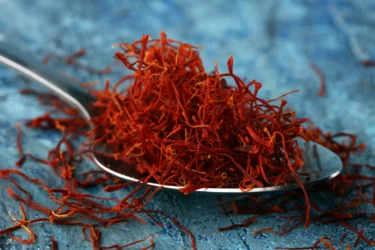
Several trials conducted in humans and animals suggest the antidepressant potential of saffron. However, more studies are awaited to consolidate its benefits6.
Dr. Rajeev Singh, BAMS
Saffron can be used in the following ways:
You should always consult your Ayurvedic physician before consuming Saffron for regular use. They will be the best person to prescribe you the correct form and dosage as per your health condition. Do not discontinue or replace an ongoing treatment of modern medicine with an ayurvedic preparation without consulting a qualified doctor.
In clinical studies, Saffron shows various side effects such as dryness of mouth, anxiety, numb sensation, tingling in hands, headache and a sensation of vomiting. A study documented that changes in hunger were also observed in the consumption of Saffron4. However, if you experience any adverse reactions to it, immediately contact your Ayurvedic physician who has prescribed it to you. They will be able to treat you appropriately.
Also Read: Vijaysar (Pterocarpus marsupium): Uses, Benefits, Side Effects and more!
Saffron is generally considered to be safe if it is taken in the recommended dosages. Consumption of Saffron less than 1.5 g per day is safe4. However, general precautions have to be followed while consuming Saffron:
If you are using saffron for its benefits or for any health issues, it is better to consult with a doctor and make well-informed choices. Avoid using any her as medicine without discussing it with your healthcare provider.
Also Read: Black Cardamom (Badi Elaichi): Uses, Benefits, Side Effects and More!
Adverse reactions of Saffron with any other medicinal drugs have not been reported. However, there is not enough data to report that Saffron is completely safe to use by children as well as adults. Therefore, it is best to follow the advice of your Ayurvedic physician who has prescribed you this herb.
Also Read: Sandalwood: Uses, Benefits, Side effects & More!
While Saffron can be taken with milk and is generally considered safe to be consumed daily, one must take care that the daily intake of Saffron should not be inhigh doses4.
Pregnant women should be extra cautious about the amount of Saffron they consume as more than 5 grams of saffron per day can cause uterine contractions5. Also, before you use saffron for any health condition, it is important to talk to your doctor.
Studies have shown benefits of saffron to reduce the melanin pigment in the skin, which is responsible for the pigmentation of the skin1. If you are suffering from hyperpigmentation, you need to consult with a skin doctor or specialist and get treated. Using herbs and ingredients for skin problems without consulting with a doctor may worsen the situation.
Saffron petals may have anti-inflammatory and pain-relieving properties which might make them useful in the management of short-term pain and long-term pain. Saffron petals are also effective in managing depression1. There are insufficient studies to establish the benefits of these properties of saffron in humans. You must always consult a qualified doctor or an ayurvedic physician before consuming any herb for its benefits.
The dye obtained from Saffron is golden yellow in colour and can be used as a natural dye in food. It is environment-friendly, less toxic, less likely to cause allergic reactions and can be disposed of in a better way as compared to artificial dyes. It can also be used to dye clothes and for painting1.
There are not enough studies that report that saffron has a positive role in reducing hair fall. If you are experiencing a hair fall, consult your Ayurvedic physician who will examine you and give you a suitable prescription.
Disclaimer: The information provided here is for educational/awareness purposes only and is not intended to be a substitute for medical treatment by a healthcare professional and should not be relied upon to diagnose or treat any medical condition. The reader should consult a registered medical practitioner to determine the appropriateness of the information and before consuming any medication. PharmEasy does not provide any guarantee or warranty (express or implied) regarding the accuracy, adequacy, completeness, legality, reliability or usefulness of the information; and disclaims any liability arising thereof.
Links and product recommendations in the information provided here are advertisements of third-party products available on the website. PharmEasy does not make any representation on the accuracy or suitability of such products/services. Advertisements do not influence the editorial decisions or content. The information in this blog is subject to change without notice. The authors and administrators reserve the right to modify, add, or remove content without notification. It is your responsibility to review this disclaimer regularly for any changes.
14
The jackfruit trees grow in abundance in countries like India, Bangladesh, Sri Lanka, and other countries in Southeast Asia1,2. The scientific name of Jackfruit is Artocarpus heterophyllus, and it belongs to the Moraceae family. It is a medium-sized tree that can be grown in all seasons2. The fruit is packed with numerous nutrients and vitamins, earning this giant fruit the title of superfood!
A jackfruit can weigh 3.5 kgs to 10 kgs on average and grow as big as 25kgs. The Jackfruit tree is a good source of wood for timber industries. Also, many parts of the jackfruit tree may be used in the preparation of medicines2. Jackfruit is yellowish-brown in colour, and its exterior is composed of hexagonal apices1.
Jackfruit is the source of many vitamins and nutrients. Below is the nutritional value of Jackfruit per 100grams3
Are you ready to discover a secret weapon in the battle against high blood pressure? Look no further than the incredible jackfruit! Packed with potassium, this tropical fruit may hold the key to lowering your blood pressure and restoring your heart and blood vessels to their optimal state1.
Dr. Siddharth Gupta, B.A.M.S M.D (Ayu)
Jackfruit contains phytochemicals like carotenoids, phenolic compounds, flavonoids, tannins, and sterols. These phytochemicals may show many properties1. Some of the properties of jackfruit are given below.
It’s time to unlock the power of jackfruit, enriched with two essential minerals: iron and copper. With their combined forces, they can help with anaemia, support proper blood circulation and optimize thyroid gland metabolism1.
Dr. Ashok Pal, BAMS
The antioxidant benefits of Jackfruit play a vital role in improving health and relieving various medical conditions, as discussed below. The potential uses of jackfruit are given below.
High amounts of lipids in the blood are the leading cause of coronary heart disease. This is characterized by high levels of bad cholesterol and low levels of good cholesterol. Vitamin B6 in jackfruit may help lower the levels of homocysteine, reducing the risk of heart disease and stroke. High blood pressure can lead to stroke and other heart diseases.
The compounds in Jackfruit may help lower blood pressure and help manage heart disease and stroke. The high potassium content of Jackfruit may help reduce blood pressure that affects the blood vessels and heart2. However, if you are suffering from any heart conditions, you need to talk to your healthcare provider. Do not use herbs or vegetables as an alternative to regular medicinal treatment.
Prolonged sun exposure harms human skin in multiple ways, such as sunburn, premature skin ageing, immune suppression, skin cancer and oxidative damage. Vitamin C is beneficial for the skin and is a potent antioxidant. Vitamin C in Jackfruit is vital for the skin as it may boost collagen production. Collagen is the protein that provides firmness, structure, and strength to the skin.
In addition, the antioxidant benefits of vitamin C may help combat oxidative stress from sun exposure. Jackfruit contains vitamin C in high amounts. It is a vitamin that is not produced inside our body, so we must obtain it from our diet, and jackfruit is a rich source of the same2. Also, if you are suffering from any skin conditions, you should reach out to your skin doctor for consultation. Avoid using any herb or vegetable without consulting with a doctor first.
A stomach ulcer or gastric ulcer is a type of peptic ulcer. An infection with bacteria called Helicobacter pylori causes stomach ulcers. Gastric ulcers result from continuous damage to the stomach lining due to such an infection or other causes. Jackfruits have been used traditionally to provide relief from gastric ulcers2.
With more human studies, we can identify how exactly jackfruit helps in managing gastric ulcers. However, until then, you are advised not to use jackfruit as a remedy for stomach ulcers without consulting your doctor first.
Jackfruit has a very high fibre content. High fibre has innumerable health benefits. It may help produce a smooth bowel movement and avoid problems like constipation. It may also help clear out cancer-causing toxins from the large bowel and protect the colon mucus membrane2. If you are suffering from digestive issues, you should consult your doctor.
Jackfruit has high magnesium content. Magnesium may be suitable for bone health. This mineral is vital for calcium absorption and may help strengthen the bones. It may also help manage bone disorders like osteoporosis2. However, more studies are required to support the use of jackfruit for bone health in humans. Therefore you are advised to avoid using jackfruit without consulting your doctor first.
Consumption of Jackfruit might show other potential uses as follows:
Though studies are showing the benefits of the jackfruit in various conditions, these are insufficient and there is a need for further studies to establish the true extent of the benefits of the jackfruit on human health.
Jackfruit is a delicious secret to share that may supercharge your energy levels, support nerve function, and aid in hormone synthesis. It’s packed with the essential nutrient niacin, which plays a vital role in keeping your body in top form. Niacin, also known as vitamin B3, acts as a catalyst for energy metabolism, helping your body convert food into usable energy1.
Dr. Smita Barode, B.A.M.S M.S.
The seeds as well as the fruits of Jackfruit are edible and delicious. There are several ways to use Jackfruit and enjoy it in your daily diet.
You must consult a qualified doctor before taking any herbal supplements. Do not discontinue or replace an ongoing treatment of modern medicine with an ayurvedic/herbal preparation without consulting a qualified doctor.
By incorporating jackfruit into your diet, you’re not only indulging in its delightful flavours but also giving your bones a fighting chance against age-related bone disorders. Jackfruit is packed with a generous dose of magnesium. Magnesium enhances the absorption of calcium in your body, ensuring that this essential mineral reaches your bones and contributes to their strength and density1.
Dr. Anuja Bodhare, B.A.M.S M.D (Ayu)
There is no information on the side effects of Jackfruit. Different people may react to the same things differently. So, if you experience any side effects after consuming jackfruit, contact your healthcare provider immediately.
Also, avoid taking jackfruits against any health condition or for any properties without consulting with your doctor first. It’ll help you avoid unwanted side effects.
Jackfruit may be an incredible ally in our fight against inflammation. Packed with potent flavonoids, this tropical gem might be the secret to inhibiting the release of inflammatory mediators from mast cells, neutrophils and macrophages—key players in the inflammatory process1.
Dr. Rajeev Singh, BAMS
Also Read: Aloe Vera Juice: Uses, Benefits, Side Effects and More!
Some of the precautions that you need to take while consuming jackfruits are
If you are suffering from any disease condition, or suffer from specific allergies, consult your doctor about what foods and vegetables to avoid. Also, avoid consuming jackfruits for any health condition without consulting with a doctor first.
Also Read: Guava (Amrood) Juice: Uses, Benefits, Side Effects By Dr. Smita Barode
There is no information on the interaction of Jackfruit with other drugs. There is a lack of sufficient evidence regarding
There is no information on the interaction of Jackfruit with other drugs. Therefore, there is a lack of sufficient evidence regarding the safety of Jackfruit with drugs. You can ask your doctor or healthcare professional for advice.
Also, suppose you are taking any medications. In that case, you need to consult with your doctor about the possible interactions of the drug with any vegetables or herbs. This will help you avoid possible interactions of medicines with any herb or vegetable.
Also Read: Water Apple: Uses, Benefits, Side Effects, And More!
Jackfruit has many potential uses. Jackfruits may be helpful for the skin, heart, stomach, and bone health. It may also help maintain the health of the thyroid gland. In addition, a high amount of iron in jackfruits may provide high iron in food. But before you use jackfruit for the benefits, you need to consult with a doctor or healthcare provider. Avoid using any herb or vegetable against disease conditions without consulting your doctor.
Jackfruit is packed with nutritional benefits. Jackfruit has nutrients like carbohydrates, protein, dietary fibre, and fats. It contains natural sugars like glucose, fructose, and sucrose. It also contains several vitamins and minerals. Vitamins like vitamin C, vitamin B6, riboflavin, and niacin. Jackfruit contains minerals like sodium, potassium, magnesium, calcium, iron, zinc and phosphorous. All these vitamins and nutrients are beneficial for human health3.
Jackfruit has plenty of vitamin C. Vitamin C has many benefits for the skin. Vitamin C can help boost the production of collagen, a protein responsible for giving firmness, strength, and structure to the skin2. However, if you are suffering from skin conditions, consultation with a skin doctor is necessary. Do not use jackfruit for any skin condition without talking to your skin doctor first.
Foods containing high fibre content can help you manage weight. A high-fibre diet can keep you full for an extended period. High fibre foods also provide fewer calories. Jackfruit contains plenty of fibre, which might help you manage your weight. If you want to manage weight, make sure you meet a nutritionist or dietician before making any changes to your diet. Making any changes to your diet without contacting your healthcare provider is not advised.
Eating more fibre may help slow down glucose absorption from the intestine into the blood. This may help reduce the surge of insulin in the blood. Jackfruits are full of fibre and natural sugar (low calories) and may be suitable for diabetic people. The fibre may also reduce the rate of absorption of glucose into the blood. All these aspects of Jackfruit make it a fruit that may be enjoyed by persons with diabetes. However, jackfruit or any herbal remedy should not be used as an alternative to regular treatment. Make sure you follow doctor’s advice properly.
1. Ranasinghe RASN, Maduwanthi SDT, Marapana RAUJ. Nutritional and Health Benefits of Jackfruit (Artocarpus heterophyllus Lam.): A Review. Int J Food Sci. 2019. Available from: https://pubmed.ncbi.nlm.nih.gov/30723733/
2. Swami SB, Thakor NJ, Haldankar PM, Kalse SB. Jackfruit and Its Many Functional Components as Related to Human Health: A Review. Comprehensive Reviews in Food Science and Food Safety 2012 Nov 1;11(6):565–76. Available from: https://onlinelibrary.wiley.com/doi/full/10.1111/j.1541-4337.2012.00210.x
3. PFAF Plant Database. Artocarpus heterophyllus Jackfruit [Internet]. [cited 2022 May 24]. Available from: https://pfaf.org/user/Plant.aspx?LatinName=Artocarpus+heterophyllus
4. Cleveland Clinic. What Is Jackfruit – and Is it Healthy? [Internet]. [cited 2022 May 24]. Available from: https://health.clevelandclinic.org/what-is-jackfruit-and-is-it-healthy/
Disclaimer: The information provided here is for educational/awareness purposes only and is not intended to be a substitute for medical treatment by a healthcare professional and should not be relied upon to diagnose or treat any medical condition. The reader should consult a registered medical practitioner to determine the appropriateness of the information and before consuming any medication. PharmEasy does not provide any guarantee or warranty (express or implied) regarding the accuracy, adequacy, completeness, legality, reliability or usefulness of the information; and disclaims any liability arising thereof.
Links and product recommendations in the information provided here are advertisements of third-party products available on the website. PharmEasy does not make any representation on the accuracy or suitability of such products/services. Advertisements do not influence the editorial decisions or content. The information in this blog is subject to change without notice. The authors and administrators reserve the right to modify, add, or remove content without notification. It is your responsibility to review this disclaimer regularly for any changes.
18
3
Ladyfinger, popularly known as bhindi in India, is rich in nutrients. It is a good source of carbohydrates, proteins, vitamins, enzymes, calcium, potassium, and several other nutrients. Its botanical name is Abelmoschus esculentus, and it belongs to the Malvaceae family. Ladyfinger is cultivated in warm, tropical, and subtropical regions across the world1.
It is known by several other names globally. In English, it is referred to as okra, edible hibiscus, or ladies’ finger; in Sanskrit, as pitali, tindisha, and gandamula; in Farsi, Arabic, and Turkish, as bamia; in Bosnian, as bamveh; in Swedish, as okra; and in Italian and French, as gombo.
Here are the nutrients present in ladyfinger per 100 grams2
Based on my experience, I have observed that lady finger mucilage might have medicinal applications as a plasma replacement or blood volume expander. It is believed that the mucilage in lady finger has the potential to bind cholesterol and bile acids, aiding in the removal of toxins from the body. Lady finger mucilage could play a role in supporting cholesterol management and liver health.
Dr. Siddharth Gupta, B.A.M.S, M.D (Ayu)
The properties of ladyfinger are:
Due to its rich nutrient content and beneficial compounds lady finger may have several potential uses:
The seeds and peels of ladyfinger may help lower blood sugar levels and help manage type 2 diabetes. It may help block the enzyme that breaks down carbohydrates and improve insulin sensitivity. Ladyfinger has shown insulin-like properties in lab studies4, due to which it may be effective in managing blood sugar level. However, if you are suffering from diabetes, you need to consult your healthcare provider first before using lady finger or any other herb to help with your symptoms.
Ladyfinger has a rich amount of fibre and may act as an intestinal tract cleaner, mainly in the colon and large intestine, which may help lower the risk of colon cancer5. It also has antioxidants that may have some beneficial effect on the immune system, and it may help cells against mutation (alteration in the genetic material of the cell). if you are suffering from any form of cancer, you need to strictly follow your doctor’s advice and treatment. Before using ladyfinger or any other vegetable for its properties, make sure to consult with your doctor.
Regular consumption of ladyfinger (raw or cooked) may help manage obesity. Lady fingers have a minimal calorie content and high fibre content, which may give you a feeling of fullness without overeating. Obesity is not only caused by eating calorific and fatty food items, but can also be caused by nutrient deficiency. Eating ladyfinger along with a healthy lifestyle and eating habits may also help you manage obesity. If you want to lose weight, make sure to talk to your doctor or nutritionist before making any changes to your diet. They will be able to guide you better about the positives and limitations of each diet.
Ladyfinger contains probiotics (good bacteria) that are stomach bacteria’s friends. Ladyfinger may show positive effects on the microbiome (community of good bacteria) in the intestine, as it helps in vitamin B complex biosynthesis. Ladyfinger may produce the same effects as yoghurt in the small intestine. Before you use lady finger or any vegetable for stomach conditions, make sure to consult your healthcare provider.
Lady fingers have vitamin C and are rich in fibre. The fibre may help remove toxic waste, and vitamin C may help with skin pigmentation, repair body tissues, and aid in managing conditions like psoriasis, acne, and other skin diseases. Skin conditions require you to consult a skin doctor. You should consult your dermatologist before using ladyfinger for any skin condition.
Ladyfinger may help manage cholesterol levels. A study6 revealed that supplementation with ladyfinger altered cholesterol absorption and lowered its level in the body. Ladyfinger contains pectin (a type of fibre) that may aid in reducing bad cholesterol. It may also promote the degradation of cholesterol and block fat production in the body. It may also help lower the total cholesterol and triglycerides and promote bile acid excretion in stools. Ladyfingers may alter the production of bile in the intestine and remove deposited cholesterol, which eliminates bad cholesterol. If you are suffering from high blood cholesterol, you need to adhere to your doctor’s advice and treatment. Also, if you want to use ladyfingers for their properties, make sure to consult your doctor.
The flowers and leaves of ladyfinger may help with conditions like bronchitis and pneumonia7. You may get the helpful properties by boiling the flowers and leaves in water. The slimy stuff in ladyfinger may be the secret to soothing and managing flu and common colds. However, if you feel like you are suffering from a lung condition, you should speak to your doctor immediately and get treated. Avoid using ladyfingers or any herbal remedy without a doctor’s consultation.
Ladyfinger contains vitamin K, which is essential for blood clotting, and it may help restore bone density and aid in managing osteoporosis. A study8 suggested that vitamin K may alter the metabolism of bone and positively influence the calcium balance. Osteoporosis is a serious condition that requires proper diagnosis and treatment. Before you start using ladyfinger for osteoporosis, make sure you have consulted with your doctor.
Ladyfinger contains vitamin K, folate, and iron. These are considered some of the natural nutrients that may help manage anaemia. It may also facilitate the production of haemoglobin, red blood cells and blood clotting. All these actions may protect against anaemia. However, avoid using lady finger for anaemia without consulting your doctor.
The mucilaginous, slimy substance in ladyfingers may help with proper water absorption along the digestive tract and bulk up the faeces, making them neither hard nor soft to pass. This slimy substance and fibre may bind with toxins and lubricate the large intestine, facilitating normal and effortless bowel movements due to its potential natural laxative property. However, if your symptoms don’t improve, contact your healthcare provider immediately. Also, if you are experiencing constipation, you should talk to your doctor first before you use any vegetables on your own.
A study9 has reported that ladyfinger may protect the function of the brain and improve memory and learning due to the presence of flavonoids that have brain-protective activity. Therefore, ladyfinger may be used to enhance memory. However, if you are experiencing any brain-related condition, it is better to consult with a doctor before using any herbal remedy.
Ladyfinger (Bhindi) is known to be helpful for the liver10. The slimy substance in lady fingers contains substances that may bind with cholesterol and bile acids, helping to detoxify the liver. Lady fingers contain an antioxidant that may help fight harmful bacteria and germs, protecting the body. However, if you are suffering from any liver ailment, you need to be careful with your choices. Avoid using ladyfinger without talking to your healthcare provider first.
Lad yfinger has a rich amount of vitamin A, B, and C, along with elements like calcium and zinc, making it may be considered an ideal vegetable to consume during pregnancy. It also contains fibre and vitamin B9 (folic acid/folate). Also, it may have some beneficial effects in the development of the nervous system of the foetus. During pregnancy, make sure you have consulted with your doctor before using any herb or vegetable for its benefits.
Though there are studies that show the benefits of the ladyfinger in various conditions, but these are insufficient, and there is a need for further studies to establish the true extent of the benefits of ladyfinger on human health.
Over the years, I have observed that lady finger seeds are a valuable source of high-quality protein, containing essential amino acids that are important for our body’s functions. This means that incorporating okra seeds into your diet can provide you with the necessary building blocks for growth, repair and overall health. Including lady finger seeds in your meals can help ensure an adequate intake of protein and support your body’s nutritional needs.
Dr. Smita Barode, B.A.M.S, M.S.
Also Read: Toor Dal: Uses, Benefits, Side Effects & More!
You can eat the following parts of the ladyfinger plant:
You must consult a qualified doctor before taking any herbal supplements. Do not discontinue or replace an ongoing treatment of modern medicine with an ayurvedic/herbal preparation without consulting a qualified doctor.
Also Read: Methi (Fenugreek): Uses, Benefits, Side Effects, and More!
There are no side effects of ladyfinger. However, some people might be allergic to ladyfinger. There are no studies that report any major side effects of ladyfinger. However, some people might be allergic to ladyfinger.If you notice any side effects, report them to your doctor.
Also, avoid using ladyfinger against any disease condition or its benefits without consulting your doctor. It will help you make well-informed choices and prevent any possible side effects.
Including lady finger seeds or incorporating okra seed oil into your diet can be a beneficial way to obtain essential fats and support your overall health. Lady finger seeds contain a significant amount of oil, ranging from about 20 to 40%. This oil can provide essential fatty acids that are important for various bodily functions, including maintaining healthy cell membranes, supporting hormone production, and promoting overall well-being.
Dr. Anuja Bodhare, B.A.M.S, M.D (Ayu)
Some people develop allergic reactions to picking and eating ladyfinger. Avoid eating ladyfinger if you are allergic to it. Some people develop allergic reactions to picking and eating ladyfinger. Avoid eating ladyfinger if you are allergic to it. Also, if you experience any allergic reaction after eating lady fingers, you should consult your doctor.
Also Read: Raw Papaya: Uses, Benefits, Side Effects and More!
There is insufficient information available about the interaction of lady fingers with other medicines. However, if you notice any signs and symptoms, you must report them to your physician.
Also, if you are taking medication for any health condition, make sure to consult your doctor about possible interactions between the medicine and any herbs or vegetables.
Did you know that roasted and ground lady finger seeds can be used as a caffeine-free substitute for coffee? By roasting and grinding the seeds, you can create a coffee-like beverage without the stimulating effects of caffeine. It might be an interesting alternative for those who prefer to avoid or reduce their caffeine intake while still enjoying a warm and flavorful drink.
Dr. Rajeev Singh, BAMS
Ladyfinger/okra may help manage various disease conditions, including diabetes, ulcers, anaemia, sunstroke, glaucoma, cataracts, osteoporosis, constipation, asthma, bronchitis, pneumonia, genital diseases, and obesity. Also, it may show positive effects on the brain, lungs, liver, digestive tract, etc. However, you must avoid using ladyfinger for any disease conditions or properties without prior consultation with your doctor.
Usually, there are no side effects of ladyfinger. Yet, some people might be allergic to ladyfinger. If you observe any signs and symptoms, you must report them to your doctor. Also, avoid using ladyfinger for any disease condition without consulting your doctor first.
Ladyfinger may be consumed during pregnancy; it may have many positive effects. It contains vitamins A, B, B9, C, and elements like calcium and zinc, which might be helpful in pregnancy. Also, it may relieve constipation during pregnancy. If you are pregnant, avoid using ladyfinger for any condition before you have consulted with your doctor first.
Lady finger may have some effect on weight management. Regular consumption of ladyfinger, either raw or cooked, may help manage obesity. Lady fingers have a minimal calorie content and high fibre content, which may give you a feeling of fullness without eating too much food. Therefore, ladyfinger might be helpful in weight loss. However, avoid making any changes to your diet without consulting with your doctor or nutritionist.
The benefits of ladyfinger for diabetes have been studied. The seeds and peels of ladyfinger may help lower blood sugar levels and help manage type 2 diabetes. Ladyfinger/okra has also shown insulin-like properties during trials, due to which it may be effective in managing blood sugar.Therefore, you can use okra to manage diabetes. However, if you are suffering from diabetes, it is important that you consult with your doctor before taking any herb or vegetable as a remedy. Make sure to talk to your doctor first.
Disclaimer: The information provided here is for educational/awareness purposes only and is not intended to be a substitute for medical treatment by a healthcare professional and should not be relied upon to diagnose or treat any medical condition. The reader should consult a registered medical practitioner to determine the appropriateness of the information and before consuming any medication. PharmEasy does not provide any guarantee or warranty (express or implied) regarding the accuracy, adequacy, completeness, legality, reliability or usefulness of the information; and disclaims any liability arising thereof.
40
13
You might have heard your grandmother or other elderly family members rave about how good amla may be for your health. It is mentioned as a remedy for so many ailments in folk medicine that it almost feels like a myth. You might even doubt its real medical potential. But it may be true! Amla may be considered as a wonder herb and might be used for treating many problems. It may be regarded as a precious gift of mother nature to human health. Isn’t it astonishing to know that one herb might have numerous applications? Ancient Indian mythology seems to have similar beliefs it is believed that amla was the first tree to be created in the universe1.
Amla or Indian gooseberry is known as Embelica officinalis scientifically. It is native to India and can also be found in Sri Lanka, Southeast Asia, Pakistan, China, Uzbekistan and Malaysia, which are tropical and subtropical regions. There is wide use of amla in Ayurveda to treat many conditions as it is rich in various vitamins and minerals. Besides the fruit, the seeds, bark and leaves may also be used for multiple purposes1.
Amla is a good source of vitamin C and is also known for its high fibre content. There are other bioactive components present in amla too1. The nutrient profile of amla is as follows:
Nutritional profile of amla juice2
From my knowledge, as a matter of fact, amla contains phytonutrients and antioxidants that are believed to help with memory by combating free radicals, that are known to assault and destroy brain cells. I strongly recommend the consumption of amla juice in moderation for maximum benefits4.
Dr. Siddharth Gupta, B.A.M.S, M.D (Ayu)
Amla may have many properties. Some of the potential properties of amla juice are stated below:

It is hypothesised that oxidative stress might cause heart diseases to occur. In animal studies, it was found that amla juice might help lower the level of reactive oxygen species in the body and may help decrease oxidative stress, thereby it may be helpful for heart diseases. As the elements which might cause heart diseases might be potentially removed, it might be helpful for heart health. However, there is a need for studies on humans to state it as a fact1. Disease of the heart should be diagnosed and treated by a doctor, so ensure that you consult a doctor.

Amla has a high vitamin C content, which might contribute to its anti-diabetic property. Studies have shown that amla juice might have the potential to reduce blood sugar and it may promote the production of insulin. However, in animal studies, a herbal composition containing amla and other compounds like Guduchi (Tinospora cardifolia) and fenugreek (Trigonella foenum) did not cause much lowering of blood sugar. The use of other herbal preparations also showed only a small reduction in blood sugar levels. Therefore, though there are studies that might prove amla’s effectiveness in lowering blood sugar, the results are not consistent. So, there is a need for more human studies1. Diabetes is a serious condition and should be diagnosed and treated by a doctor. Kindly consult a doctor.

Amla juice might be helpful for cancers and might help to stop it from growing and spreading. It might have the potential to curb the growth of cancer cells in various cancers such as that of the breast, stomach, liver, uterus, and pancreas. It might help the cells against the harmful effects of chemotherapy and radiation therapy, owing to its potential antioxidant and radioprotective (protects our cells from harmful radiation) activity. Amla might be a valuable tool for cancer treatment in the future1. However, extensive research is required to prove the above-mentioned claims. Therefore, you should consult a doctor.

As amla is a natural source of vitamin C and contains a few components like gallic acid which might exhibit antioxidant properties. Owing to this property, amla might act as a scavenger for free radicals in the body and neutralise them, which might potentially cause a reduction of oxidative stress. Oxidative stress is a cause of many diseases. The potential use of amla for conditions that result due to increased oxidative stress (like diabetes, cancer, etc.) may be attributed to its antioxidant activity. Amla may also help with redox homeostasis i.e., the capacity of cells to deal with stress and toxic substances1. However, more research is required to state the potential use of amla juice for oxidative stress.
Amla might play a role in reducing blood cholesterol levels. It might potentially act in different ways:
These actions might be why consumption of amla may show a decrease in blood cholesterol, triglyceride and LDL (Low-Density Lipoprotein) levels1. However, more research is required to ascertain the potential use of amla juice for cholesterol. Please consult a doctor before using amla juice for its potential health uses.

Apparently, amla might give strength to the body and energise it. It might help with various infections and diseases. These are the factors that might contribute to the possible anti-ageing effect of amla. Amla may also have potential use for hair and skin health. Thus, amla might have some effect on youthfulness, staying healthy and full of energy1. However, more research is required to prove these claims.

Amla might help the liver from getting damaged by certain toxic substances. The possible liver-protective action of amla may be due to its action as an antioxidant as it may nullify free radicals that might cause inflammation. Animal studies have shown that amla juice might help the liver from getting damaged due to alcohol consumption. It may also help with the severity of liver fibrosis (hepatic fibrosis) caused by toxic substances. In addition to these effects, amla might also help in the proper functioning of the liver1.
However, more studies are required to prove such claims. Moreover, liver diseases can be serious and should be diagnosed and treated by a doctor. Kindly consult a doctor.

There are various other potential uses of amla juice. Some of them are:
Though there are studies that show the potential use of amla juice in various conditions, but these are insufficient and there is a need of further studies to establish the true extent of benefits of amla juice on human health.
Studies have revealed that amla’s high Vitamin C content may aid in the production of norepinephrine, a neurotransmitter which is thought to boost brain function in dementia patients. I suggest one dealing with dementia should consider consuming amla juice after discussing with their doctor4.
Dr. Rajeev Singh, BAMS
Amla juice is easily available in the market. Alternatively, you can extract fresh juice from the fruits of amla to reap maximum antioxidant benefit from it. However, a doctor must be consulted for use as a medicine for specific conditions. Your Ayurvedic physician will prescribe you the form and dosage as per your health condition.
You must consult a qualified doctor before taking any herbal supplements. Do not discontinue or replace an ongoing treatment of modern medicine with an ayurvedic/herbal preparation without consulting a qualified doctor.
There are no credible sources claiming the specific side effects of amla juice. However, if you notice any allergic reactions or other symptoms occurring because of consuming it, please seek medical advice. Though there have been no reports of anaphylaxis, in case you notice a swelling of the face, throat or any other body part and have trouble in breathing, it may be due to an acute allergic reaction called anaphylaxis.
You should immediately contact an ambulance and go to a doctor if you are ever in such a condition. Kindly do not self-medicate, replace, alter or discontinue any ongoing treatment on your own. Ensure that you consult a doctor.
Also Read: Blueberries: Uses, Benefits, Side Effects, And More!
General precautions need to be taken before drinking amla juice. You should follow the dosage and way of use as recommended by your doctor. However, you need to be more precautious if:
Ensure that you follow your doctor’s prescription and recommendations. Do not self-medicate, replace, alter or discontinue any ongoing treatment by yourself.
Also Read: Curry Leaves: Uses, Benefits, Side Effects and More!
Adverse reaction of amla juice with any other drug has not been reported. However, it may react with a few medications. So, make sure that you disclose all the medicines that have been prescribed to you for use when you consult an Ayurvedic physician. They will tailor their prescription to suit your health needs.
Also Read: Tamarind: Uses, Benefits, Side Effects and More!
Amla juice might be helpful for jaundice. Amla juice made along with munnakkas might be prescribed by your Ayurvedic physician as it is known to be beneficial for jaundice1. However, the choice of treatment is at the discretion of your doctor basis your consultation with them.
Amla juice might be helpful in the treatment of diseases. Amla juice is used widely to have potential uses for a range of diseases like diabetes, scurvy, cold, cough, ulcers, etc1. However, more research is required to prove such claims.
Amla juice might help with the symptoms of dysentery. Amla juice made by adding lemon juice and mishri can help with dysentery1. However, more research is required to prove the potential use of amla juice for dysentery. Moreover, you should consult a doctor before using amla juice as a medicine for human health.
Amla juice might be helpful for anaemia. It might help to absorb iron, which may be helpful for iron deficiency anaemia1. There is a need for more research on this subject. Please consult a doctor who will diagnose if you have anaemia and treat it. Do not self-medicate.
Amla juice might be good for hair as it might help with hair growth and may stop premature greying of hair1. However, more research is required on this subject.
Amla juice might help with piles1. However, more research is required to prove such claims. Piles can be a serious problem, so ensure that you consult a doctor. Kindly do not self-medicate, replace, alter or discontinue any ongoing treatment.
Disclaimer: The information provided here is for educational/awareness purposes only and is not intended to be a substitute for medical treatment by a healthcare professional and should not be relied upon to diagnose or treat any medical condition. The reader should consult a registered medical practitioner to determine the appropriateness of the information and before consuming any medication. PharmEasy does not provide any guarantee or warranty (express or implied) regarding the accuracy, adequacy, completeness, legality, reliability or usefulness of the information; and disclaims any liability arising thereof.
Links and product recommendations in the information provided here are advertisements of third-party products available on the website. PharmEasy does not make any representation on the accuracy or suitability of such products/services. Advertisements do not influence the editorial decisions or content. The information in this blog is subject to change without notice. The authors and administrators reserve the right to modify, add, or remove content without notification. It is your responsibility to review this disclaimer regularly for any changes.
1
1
You may have come across plant that looks prickly on the outside but contains a soft gel-like substance within. This plant is known as Aloe vera.
Aloe vera is a succulent plant that resembles a cactus1. It primarily grows in dry regions of Africa, America, Europe and Asia. In India, it is commonly cultivated in states such as Rajasthan, Gujarat, Andhra Pradesh, Tamil Nadu, and Maharashtra2.
The scientific name of aloe vera is Aloe barbadensis miller and it belongs to the Liliaceae family. Its leaves are fleshy with tiny thorns at the edges. While its flowers are like tubes and its fruits have lots of seeds.
Aloe vera has been valued in various cultures for centuries, particularly in the context of skincare and general wellness practices. Ancient Greek scholars referred to it as a “universal remedy”, and it has reportedly been used by notable historical figures such as Queen Cleopatra, Alexander the Great, and Christopher Columbus2.
The part of aloe vera that is most commonly used in aloe vera juice is its leaf. Each aloe vera leaf has three parts2:
The nutritional composition of 100g Aloe vera juice is as follows3:
The aloe vera plant has many medicinal properties. Some studies suggest that aloe vera gel might help in wound healing. It is believed that this gel help enhance collagen production, influence the composition of collagen, and support improved cross-linking of collagen fibres, all of which are important aspects of tissue repair12.
Dr. Siddharth Gupta, B.A.M.S, M.D (Ayu)
Aloe vera juice is made from the clear gel inside the plant’s leaves and contains naturally occurring active components. Often consumed in summer, it is traditionally used in various cultures and is being studied for its potential role in hydration, digestive comfort, and as a source of certain vitamins and antioxidants. However, any health-related use should be discussed with a qualified medical professional, as therapeutic claims require proper scientific validation.

Aloe vera has been used traditionally for the treatment of diabetes since a long time in different parts of the world. Studies done in animals and even on humans have shown that aloe vera might have a positive effect on the blood sugar level. In some studies4, aloe vera gel was administered alone, while in some studies it was mixed with a medicine prescribed for diabetes. All of them showed that the consumption of aloe vera might help in lowering blood glucose levels. This may indicate that aloe vera might be helpful for diabetes. However, further studies are needed to ascertain such claims. Moreover, diabetes is a serious condition and must be diagnosed and treated by a doctor. Kindly ensure that you consult a doctor.

Aloe vera gel might help in lowering cholesterol and triglycerides. In a clinical trial4 it was seen that the administration aloe vera gel leaf extract might apparently lower the serum cholesterol and other fats (triglycerides and low-density lipoproteins). Additionally, it has been proposed that the combined effects on blood sugar and cholesterol might potentially reduce the risk of heart disease in individuals with diabetes. However, further research in humans is needed to confirm these findings. Therefore, it is important to consult a qualified healthcare professional before using aloe vera for these purposes.

Aloe era contains bioactive compounds called anthraquinone glycosides, which may contribute to its laxative effects by promoting bowel movements. One study5 found that a preparation containing Aloe vera could potentially alleviate symptoms associated with chronic constipation. However, further research is needed to substantiate these claims. However, more studies are required to prove such claims.

Aloe vera has been studied for its potential role in supporting gastrointestinal health. Some early research6 suggests it may have a soothing effect on the stomach lining and could be explored for its possible benefits in conditions such as gastric ulcers and inflammatory bowel concerns7. Many studies have been conducted to prove the use of aloe vera gel in the form of juice for ulcerative colitis, and irritable bowel syndrome (IBS), but the results were not consistent5. There is a need for more research as significant proof for using aloe vera to treat stomach problems and you must consult your doctor before using aloe vera for your stomach problems.

Aloe vera juice might help in keeping the skin hydrated. As dehydration causes increased oil production from our skin leading to an acne breakout, aloe vera gel might help with such acne by keeping the skin moist and hydrated. Therefore, consuming aloe vera gel might be helpful for skin health and might give supple and wrinkle-free skin8. However, more research is required to prove such claims.

In a study9 done on sheep, aloe vera juice was orally fed to the sheep. Following this, hair growth was seen in areas on the sheep that were losing hair because of a condition known as alopecia. It was hypothesised that this activity may be due to the enzymes, mucopolysaccharides, and anthranols present in aloe vera plant and may be an indicator that aloe vera might have potential hair growth action. However, there is a need for further studies in humans to understand the effectiveness of aloe vera for hair growth.

Aloe vera juice has been studied10 in laboratory settings to explore its potential role in weight management. The research focused on its effect on pancreatic enzymes, which are involved in the absorption of fats in the intestine. Findings from these studies suggest that Aloe vera juice may help reduce the activity of these enzymes, and may also contribute to lowering levels of fats, triglycerides, and cholesterol. You must consult your nutritionist and do not make any changes in your diet on your own.

Aloe vera juice has been explored in preliminary studies5 for its potential effects on various health conditions. These include concerns such as congestive heart failure, varicose veins, haemorrhoids (piles), multiple sclerosis, glaucoma, and hepatitis.
Though there are studies that show the potential use of aloe vera juice in various conditions, these are insufficient and there is a need for further studies to establish the true extent of the benefits of aloe vera juice on human health.
Aloe vera possesses properties like anti-inflammatory, antiviral, and immunomodulatory. These properties might be beneficial in managing certain dental diseases like lichen planus, oral submucosal fibrosis, alveolar osteitis, periodontitis, and recurrent aphthous stomatitis13.
Dr. Rajeev Singh, BAMS
Aloe vera is is commercially available in the form of juice for consumption. It can also be prepared at home by carefully extracting the clear gel from the inner part of the leaves and blending it with water. Flavouring agents such as lemon, honey, or a small amount of salt may be added according to personal preference. However, before consuming Aloe vera juice, it is advisable to consult a qualified Ayurvedic physician. They can provide guidance on the appropriate method of preparation and dosage based on your individual health needs and body constitution. Always follow your doctor’s advice to ensure safe and effective use.
You must consult a qualified doctor before taking any herbal supplements. Do not discontinue or replace an ongoing treatment of modern medicine with an ayurvedic/herbal preparation without consulting a qualified doctor.
There might be a few side effects seen with the use of aloe vera1. The most common side effects that you might experience include2:
If you experience any side effects, seek immediate medical attention from your doctors who have prescribed it to you. They will be the best guide to provide you with proper treatment.
Also Read: Orange Juice: Uses, Benefits, Side Effects, and More!
For those considering Aloe vera juice for medicinal purposes, it is important to consult a qualified Ayurvedic physician or healthcare professional. However, it is not to be used in following circumstances2:
Also Read: Watermelon Juice: Uses, Benefits, Side Effects and More!
Before using Aloe vera juice, it is important to provide your Ayurvedic physician with complete details about your medical history and any medications you are currently taking. This helps ensure that appropriate precautions are taken, as Aloe vera may interact with certain medicines:
Also Read: Wheatgrass Juice: Uses, Benefits, Side Effects and More!
There is not enough evidence that supports the use of aloe vera juice for pregnant women and due to possible side effects, one must consult a doctor before using aloe vera juice during pregnancy.
An animal study9 has shown that aloe vera when taken orally might help with hair growth. Therefore, aloe vera juice may be good for hair growth but there is a need for further studies on humans to be certain.
No. There are no reports or scientific backing regarding the use of aloe vera juice for better eyesight. More evidence is required in the form of research to prove this benefit.
A study11 has shown that aloe vera juice might help in lowering blood sugar and it might also cause a lowering of cholesterol, triglyceride and low-density lipoproteins (LDL), which together might be helpful for people with diabetes and it may also reduce the risk of heart diseases in them. However, more research is required. Kindly ensure that you consult a doctor.
No. There is not enough evidence to prove that aloe vera juice can lower blood pressure.
Red urine is one of the side effects of aloe vera juice consumption. Consult a physician for appropriate medical advice.
Although the use of aloe vera juice for Alzheimer’s disease has been found in literature, there is a lack of enough evidence to support this benefit.
The use of aloe vera juice for various conditions like varicose veins, hepatitis, and depression have been stated, but there is no scientific evidence to these claims. So, the use of aloe vera juice for these conditions cannot be confirmed.
Aloe vera juice has been studied10 for its potential role in weight management. Some preliminary research suggests that it may influence the activity of certain pancreatic enzymes, possibly leading to reduced absorption of fats and calories. As a result, Aloe vera juice is being explored as a potential supportive agent in weight management. Therefore, aloe vera juice might be a potential weight loss agent. However, due to insufficient evidence such effects cannot be confirmed and requires a consultation with a doctor.
Drinking aloe vera juice is believed to offer several potential health benefits, as it contains naturally occurring compounds that may support general wellness. It is being explored for its possible role in weight management, hair care, blood sugar regulation, cholesterol balance, and skin health. However, more research is required to prove such claims and a doctor may be able to advise better on using aloe vera in the correct dosage and form to benefit for different conditions.
Disclaimer: The information provided here is for educational/awareness purposes only and is not intended to be a substitute for medical treatment by a healthcare professional and should not be relied upon to diagnose or treat any medical condition. The reader should consult a registered medical practitioner to determine the appropriateness of the information and before consuming any medication. PharmEasy does not provide any guarantee or warranty (express or implied) regarding the accuracy, adequacy, completeness, legality, reliability or usefulness of the information; and disclaims any liability arising thereof.
Links and product recommendations in the information provided here are advertisements of third-party products available on the website. PharmEasy does not make any representation on the accuracy or suitability of such products/services. Advertisements do not influence the editorial decisions or content. The information in this blog is subject to change without notice. The authors and administrators reserve the right to modify, add, or remove content without notification. It is your responsibility to review this disclaimer regularly for any changes.
9
3
Lychee isn’t just a sweet and juicy tropical delight. It’s a powerhouse of nutrients with many health benefits! Whether you want glowing skin, a strong immune system, or better digestion, this fruit will help you. In this blog, we’ll read about its amazing uses, health perks, and a few things to watch out for so you can enjoy lychee to the fullest!
Friendly Reminder: The information shared here is for educational purposes only and the reader should consult a registered medical practitioner before implementing any changes to their health routine.
The uses of lychee can be attributed to its nutrients like polyphenols and polysaccharides, which may possess many health benefits.

High blood pressure and atherosclerosis (build-up of fats in the blood vessels) are some common conditions related to heart problems that affect people in their middle and old age. Eating lychee pulp might help relieve atherosclerosis and high blood pressure. The phenolic compounds in lychee pulp may help reduce blood pressure by stopping an angiotensin-converting enzyme. This enzyme is responsible for modulating blood pressure[1].
In animal studies, Lychee pulp could reduce low-density lipoprotein cholesterol (bad cholesterol) and enhance high-density lipoprotein cholesterol (good cholesterol) levels. However, you should consult your healthcare provider if you have a heart condition.

Lychee might show brain-protective benefits, as indicated by several lab studies[1]. Lychee seed extract could help with Alzheimer’s disease due to its potential effect on brain damage in an animal trial. The saponin compounds in lychee seed extract may also improve cognitive functions[7]. Lychee seed extract might help with Alzheimer’s[4], but more studies are needed to verify the safety and toxicological aspects. Also, if you are facing problems related to brain functions, please reach out to your doctor.
Lychee seed extract might be helpful for obesity[1]. Obesity can also lead to high lipid levels in the blood and make you prone to other health risks. Lychee pulp extract could also help control obesity during a trial[3]. The pancreatic lipase enzyme is an enzyme that helps digest fats. Stopping the pancreatic lipase enzyme may help with managing obesity. Lychee seed extract contains a protein that could hinder pancreatic lipase enzymes. However, if you wish to lose or manage weight, consulting a dietician or doctor before making any diet changes is recommended.

The liver is an essential organ responsible for detoxification and regulation of the metabolism of nutrients. Polyphenols present in lychee extract may reduce the extent of liver damage[2]. Long-term and excessive usage of alcohol can lead to the accumulation of fats. Polyphenols might also prevent alcoholic fatty liver disease[6], characterised by excessive accumulation of fats in the liver. However, if you have any liver problems, consulting a doctor before consuming any fruit or herb is recommended as using herbal remedies without consulting your doctor may worsen your condition.

Immunity is an essential physiological function of the human body. Our immunity protects the body from pathogens and maintains overall health. Compounds like polysaccharides and flavonoids present in lychee may have immunomodulatory benefits. Both dried and fresh fruits of lychee may modify the functioning of the immune system[1].

Excessive production of free radicals in the body can lead to conditions like atherosclerosis and cancer. Antioxidants can protect the body from free radicals and may help prevent the development of chronic diseases. Lychee contains polyphenols and polysaccharides in abundance[2]. These compounds possess potent antioxidant activity, which may help with the damage caused by free radicals[1]. However, these studies are incomplete in confirming these claims.
Lychee is a sweet fruit that can be enjoyed fresh. It is also available in the form of juices and dried fruits.
You must consult a doctor before taking lychee or any herbal supplements. Do not discontinue or replace an ongoing medicine treatment with an ayurvedic/herbal preparation without consulting a competent doctor.
Consuming lychee in excessive amounts may lead to side effects, but in rare cases. Some people may develop adverse reactions like:
If you notice these side effects, contact your doctor for treatment.
Also Read: Jowar: Uses, Benefits, Side Effects By Dr. Smita Barode
Lychee is known to lower blood glucose levels. Therefore, people taking drugs that lower blood sugar, such as insulin, should exercise caution while eating lychee.
Taking lychee with certain drugs can increase the risk of bleeding. These drugs include aspirin, warfarin, heparin, clopidogrel, ibuprofen, and naproxen.
Lychee Can Also Interact with Drugs Like:
Also Read: 8 Health Benefits Of Cucumber That You Should Know
From supporting heart health and boosting immunity to enhancing skin health, lychee offers multiple benefits when consumed in moderation. However, like any other fruit, it’s essential to enjoy it mindfully, considering its natural sugar content and potential side effects. Whether you eat it fresh, blend it into smoothies, or add it to sweet dishes, lychee can be a delicious and healthy addition to your diet. Enjoy this juicy superfruit and its many benefits!
Also Read: Papaya (Papita): Uses, Benefits, Side Effects and More!
Lychee has a sweet and floral flavour with a hint of tartness. Its taste is often compared to a blend of grape and pear, with a slightly musky aroma. The flesh is juicy and delicate, making it a refreshing and exotic fruit.
Yes, lychee contains natural sugar, which contributes to its sweet taste. On average, a single lychee fruit has about 1.5 grams of sugar, and a cup of lychee contains approximately 29 grams of sugar.
Yes, lychee is rich in vitamin C. One cup of fresh lychee provides over 100% of the recommended daily take. It is a good source of this essential nutrient, which supports immune function[5], skin health, and overall wellness.
Yes, lychees contain potassium. A serving of fresh lychee provides moderate potassium, which is essential for maintaining proper muscle, nerve, and fluid balance in the body[8].
Lychee can make you sick if consumed in large quantities, especially on an empty stomach, due to the presence of hypoglycin A and methylene cyclopropyl glycine (MCPG), which can cause a sudden drop in blood sugar levels. Additionally, eating unripe or lychees contaminated with pesticides can have adverse effects. It is generally safe to consume lychees in moderation as part of a balanced diet.
No, lychee seeds should not be eaten. They contain toxic compounds, such as saponins, which can be harmful if ingested. The seeds are not edible and should be discarded, while the fruit’s juicy flesh is safe and nutritious.
Babies can eat lychee, but it should be introduced once they are at leas one year old to reduce the risk of choking and potential allergic reactions. Always ensure the fruit is peeled, deseeded, and cut into small, manageable pieces.
1. Zhao L, Wang K, Wang K, Zhu J, Hu Z. Nutrient components, health benefits, and safety of litchi (Litchi chinensis Sonn.): A review. Comprehensive Reviews in Food Science and Food Safety. 2020 Jul 1;19(4):2139–63. Available from: https://onlinelibrary.wiley.com/doi/full/10.1111/1541-4337.12590
2. Kilari EK, Putta S. Biological and Phytopharmacological Descriptions of Litchi Chinensis. Pharmacognosy Reviews. 2016 Jan 1;10(19):60. Available from: https://www.ncbi.nlm.nih.gov/pmc/articles/PMC4791990/
3. Zhao L, Wang K, Wang K, Zhu J, Hu Z. Nutrient components, health benefits, and safety of litchi (Litchi chinensis Sonn.): A review. Comprehensive Reviews in Food Science and Food Safety. 2020 Jun 18 [cited 2025 Feb 25]. Available from: https://pubmed.ncbi.nlm.nih.gov/33337091/
4. Hamid M, Mansoor S, Amber S, Zahid S. A quantitative meta-analysis of vitamin C in the pathophysiology of Alzheimer’s disease. Frontiers in Aging Neuroscience. 2022 Sep 7 [cited 2025 Feb 25]. Available from: https://www.frontiersin.org/journals/aging-neuroscience/articles/10.3389/fnagi.2022.970263/full
5. Office of Dietary Supplements. Vitamin C. Office of Dietary Supplements. 2023 [cited 2025 Feb 25]. Available from: https://ods.od.nih.gov/factsheets/VitaminC-HealthProfessional/
6. Jinato T, Chayanupatkul M, Dissayabutra T, Chutaputti A, Tangkijvanich P, Chuaypen N. Litchi-derived polyphenol alleviates liver steatosis and gut dysbiosis in patients with non-alcoholic fatty liver disease: A randomized double-blinded, placebo-controlled study. Nutrients. 2022 Jul 16 [cited 2025 Feb 25]. Available from: https://pmc.ncbi.nlm.nih.gov/articles/PMC9319370/
7. Wang X, Wu J, Yu C, Tang Y, Liu J, Chen H, et al. Lychee seed saponins improve cognitive function and prevent neuronal injury via inhibiting neuronal apoptosis in a rat model of Alzheimer’s disease. Nutrients. 2017 Feb 4 [cited 2025 Feb 25]. Available from: https://pmc.ncbi.nlm.nih.gov/articles/PMC5331536/
8. What are the health benefits of Lychee (Litchi) fruit? ResearchGate. 2023 [cited 2025 Feb 25]. Available from: https://www.researchgate.net/post/What_are_the_health_benefits_of_Lychee_Litchi_fruit
Disclaimer: The information provided here is for educational/awareness purposes only and is not intended to be a substitute for medical treatment by a healthcare professional and should not be relied upon to diagnose or treat any medical condition. The reader should consult a registered medical practitioner to determine the appropriateness of the information and before consuming any medication. PharmEasy does not provide any guarantee or warranty (express or implied) regarding the accuracy, adequacy, completeness, legality, reliability or usefulness of the information; and disclaims any liability arising thereof.
31
3
Curry leaves are a part of a small deciduous aromatic shrub, scientifically named Murraya koenigii, belonging to the family Rutaceae. It may be considered a natural medicinal plant. South Asia is home to this plant, and it is found in countries like Sri Lanka, Bangladesh, China and India. In India, it is found at the bottom of the Himalayas, in Maharashtra, Tamil Nadu, Kerala, and Assam[1].
The plant has vibrant leaves that grow throughout the spring, summer and monsoon and fall off in winter. There are references in Tamil and Kannada literature that describe Murraya koenigii as ‘Kari, ‘ which means ‘spiced sauce’ used as a flavouring agent for vegetables. It is recognised as the most popular spice and condiment in India. It is commonly called Kadipatta or Mitha neem in Hindi, Karuvepillei in Tamil, and Kariveppilee in Malayalam.
Both dried and fresh curry leaves possess good nutritional value and are beneficial for health. Nutritional value of curry leaves per 100 grams.
According to Ayurveda, curry leaves may have many beneficial properties:
The potential uses of curry leaves might be for various health conditions. The benefits of curry leaves found in several studies are as follows:
The efficacy of curry leaves in managing blood sugar was studied in an animal model by Dusane et al. 2012[2]. There was a significant reduction in blood sugar levels. This blood sugar-lowering property of the leaf extract might help with blood sugar levels. This effect may be an insulin like effect, which might reduce blood sugar either by increasing pancreatic insulin production or glucose uptake by the cells due to specific enzymes. This shows that curry leaves may be effective in managing Diabetes mellitus.
Diabetes is a major disease and must be adequately diagnosed. Unfortunately, the above information is insufficient due to the fact that these studies are not done on humans. However, more human trials are required to show the positive effect of curry leaves on managing blood sugar levels in the body. Hence, it is essential to consult with doctors and only have it as a medicine.
The benefit of curry leaves and their essential oil is that they may act against inflammatory cells. When applied to external superficial injuries like skin eruption, burns, and bruises, they might show wound healing activity. The essential oil from leaves may be used in creams and other formulations that might be effective for sun protection, skin lightening, glowing and moisturising rough skin. Curry leaf oil may also be helpful in dealing with skin problems such as boils, acne, pimples, itching, ringworm, athlete’s foot, etc[3].
There is a need for further studies to develop the beneficial effects of curry leaves to maintain skin health. Therefore, people should consult a doctor before taking any herbal preparations made from curry leaves. In addition, we advise you not to discontinue or replace ongoing medicines with an Ayurvedic or herbal preparation without consulting a doctor.
In an animal study[4] conducted by Xie et al. 2006, curry leaves significantly reduced the total cholesterol and triglyceride (fat) levels. This hypolipidemic (lipid-lowering) activity of curry leaves might be because of its antioxidant properties. It may help to reduce cholesterol and low-density lipids (bad cholesterol); this suggests it may have a potential role in lowering cholesterol and fat metabolism.
However, these studies are not sufficient to understand the effect on humans. We require more information on the benefits of curry leaves in managing cholesterol levels in the human body. Therefore, before using curry leaves for a cholesterol check, it is better to speak with a doctor.
Animal model studies[9] by Desai et al. 2012, revealed that the extract of the curry leaves significantly increased the activity of the liver enzymes that support the oxidation of lipids in the liver. The extract also showed liver-protecting activity that prevented liver damage.
The information mentioned above is insufficient as these studies are done on animals. However, more studies on humans are essential to know the benefits of curry leaves on human health. Hence, it is crucial to consult with your concerned doctors.
Though there are studies showing the benefits of curry leaves in several health conditions, these are insufficient, and there is a need for further studies to establish the true extent of the benefits of curry leaves on human health. Additionally, every person may respond differently to these herbs. Therefore, it is essential to take the advice of a doctor before using curry leaves for any medical condition.
Based on some studies[11], curry leaves might be as effective as chlorhexidine in treating gum inflammation (gingivitis) caused by plaque.
Dr. Rajeev Singh, BAMS
Curry leaves can be used in the following ways:
People need to consult a qualified doctor before taking any herbal supplements made from curry leaves. We recommend that you not replace or discontinue your current medicines with Ayurvedic or herbal preparations without consulting an Ayurvedic doctor.
Also Read: Sesame Seeds: Benefits, Uses, Side Effects and More!
There is no major study that recorded evidence that shows the side effects of curry leaves in humans. However, some studies[8] by Xie et al. 2006 in animal models showed localised gut irritation.
However, If you feel such irritation in the stomach, you should consult an Ayurvedic doctor and get treated immediately.
Based on some studies[10], consuming curry leaves might have a potential effect on the management of colon cancer with minimal toxicity.
Dr. Siddharth Gupta, B.A.M.S, M.D (Ayu)
In general, using curry leaves is safe. However, to avoid any problems, general precautions need to be taken.
You must follow general precautions and instructions given by your doctor while consuming curry leaves regularly, and you should never self-medicate even with natural fruits, vegetables and herbs.
Also Read: 8 Unknown Benefits of Mango Leaves
Therefore, it is essential to discuss your ongoing treatments with your doctors and follow their advice on the dosage and form of the herb. They will recommend the best way to have curry leaves based on your conditions.
Also Read: Betel Leaves: Uses, Benefits, Side Effects By Dr. Smita Barode
Curry leaves are bitter with a strong, pungent smell.
Finely ground leaves taken with buttermilk might be a good home remedy for upset stomach. However, people should not use curry leaves to self-medicate on their own. It is important to consult a doctor.
The calcium and zinc minerals and bioactive components like folic acid, beta carotene and riboflavin present in curry leaves might be good for oral health and used in mouthwash preparations. However, this information is not sufficient. More studies are required to support the benefits of curry leaves on oral health.
Curry leaf extract contains vitamin A (β-carotene) and vitamin C, which may be beneficial for overall hair health.
Curry leaves show anti-diarrhoeal activity due to their components, which may act against harmful intestinal bacteria. But, this information is insufficient, and we require more studies to support the true scope of curry leaves on human health.
Disclaimer: The information provided here is for educational/awareness purposes only and is not intended to be a substitute for medical treatment by a healthcare professional and should not be relied upon to diagnose or treat any medical condition. The reader should consult a registered medical practitioner to determine the appropriateness of the information and before consuming any medication. PharmEasy does not provide any guarantee or warranty (express or implied) regarding the accuracy, adequacy, completeness, legality, reliability or usefulness of the information; and disclaims any liability arising thereof.
39
5


