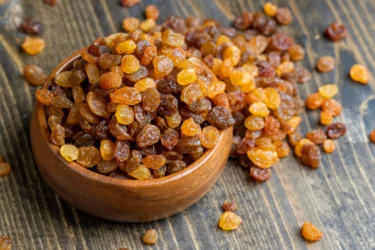
We often get sugar cravings where most of us reach for high-sugar foods like cookies, candies, a fun-size ice cream, or a chocolate bar despite knowing its bad effects. However, we bring you a nutritious and healthy snack which might help with your sugar cravings. Raisins are dried grapes and are considered a traditional dried fruit. Raisins are sweet, consisting of sugar, with high fibre and provide satiety. Raisins are made from Vitis vinifera grapes and are largely produced in the United States, followed by Turkey, China, Iran, Chile, Greece, and Australia. Varieties of raisins are available, which include Dark raisins made from Thompson seedless grapes, Golden raisins, Sultanas, and Zante currant raisins processed by sun-drying or dehydrating grapes1,2. Let us discuss the health benefits of eating raisins, their nutritional value and more.
Did you know?
Raisins are rich in sugar, fructose, and glucose. They have an abundance of dietary fibre and bioactive compounds like vitamins, minerals, polyphenols, anthocyanins, and flavonols. One hundred grams of raisins may provide 301 kcal of energy, and the water content is 14.9 g1,3. The nutrients of raisins include:
Here’s the information in pointer format:
Raisins may have health-benefitting properties like:
Let me share an interesting fact with you. Raisins, those little dried grapes, are packed with powerful antioxidants like polyphenols, tannins, and phenolic acids. In an animal study, researchers discovered that feeding ageing rats a diet rich in black raisins may lead to higher antioxidant levels in their bodies. The exciting part is that these antioxidants possibly had a positive impact on the rats’ spatial memory, cognitive function, and motor skills7.
Dr. Siddharth Gupta, B.A.M.S, M.D (Ayu)
Including raisins in a daily diet may provide favorable health benefits. The following may be the potential advantages of raisins:

Bad cholesterol may be a culprit for various heart diseases. Raisins are a good source of dietary fibre (fructans) and phytochemicals, which may have anti-inflammatory and antioxidant properties. Studies have found that the benefits of eating raisins with other foods might lower blood lipids (fats) and cholesterol levels in patients suffering from high cholesterol problems. Adding raisins to your diet might provide enough fibre and might reduce the risks of heart disease1,2,4. However, more studies are needed to suggest the advantages of raisins for fighting heart problems.

Raisins contain antioxidants, which might play an antibacterial role against oral bacteria. In addition, raisins may be low in sucrose concentration, limiting the formation of dental plaques. Hence, eating raisins may be beneficial for oral health. The phytochemicals present in raisins may act as antibacterial and may inhibit the growth of oral bacteria that cause dental diseases1. However, if you have a dental problem, visit a dentist and get a clean-up.

High blood pressure may cause hypertension. The benefits of eating raisins daily may provide enough potassium and dietary fibre, which may lower blood pressure. Furthermore, raisins may also contain polyphenols, which might release nitric oxide and may act to control high blood pressure1. However, more clinical studies are required to draw a firm conclusion about using raisins against blood pressure. Till then, take doctor’s consultations and do not use raisins to self-medicate.

Losing weight is challenging, and a fibre-rich diet may facilitate weight loss. Eating raisins may make you feel full and reduce hunger. The gut hormones might be altered, feeling satisfied and reducing energy intake. It might limit the absorption of fat and starch in the bowel. Thus, having raisins may lead to lesser absorption of complex carbohydrates, which might help in maintaining correct body weight and may aid weight loss1,4. So, adding raisins to your weight loss meal might help you lose weight. However, more studies are required to support the true scope of raisins health benefits on humans.

A high-fat diet may disturb the functions of the thyroid gland. An animal study5 (Ayuob et al., 2022) found that raisins may contain fibres, polyphenols, flavonoids, and phenolic acids, which may be powerful antioxidants. These nutrients might help modulate the levels of thyroid hormones. It may increase the production and action of thyroid-stimulating hormone (TSH) in the body5. However, this animal study is insufficient; more human studies are required to support the uses of raisins for thyroid imbalance. If you have thyroid problems, consult a doctor, and do not self-medicate.
Though studies show the potential uses of raisins in various conditions, these are insufficient, and there is a necessity for further studies to develop the true scope of the benefits of raisins on human health. In addition, each person may respond differently to these herbs. Additionally, it is essential to consult a doctor before using raisins for any medical condition.
I came across a fascinating study that revealed something truly amazing. Black raisins might just be a natural remedy against anaemia! In a study with rats, researchers found that providing anaemic rats with raisin extract potentially improved their blood count and made their red blood cells appear to be healthy and normal. So, if you’re looking for a delicious and nutritious way to boost your iron levels, adding black raisins to your diet might be a wise choice8.
Dr. Rajeev Singh, BAMS
Grapes were dried for storage and travel in prehistoric times. Since then, raisins have been produced as food. Raisins are cherished because of their sweet flavour and do not require refrigeration2. You may use raisins as
You should consult a qualified doctor before using raisins in large quantities. Do not discontinue or replace an ongoing modern medical treatment with an Ayurvedic/herbal preparation of raisins without consulting an Ayurvedic physician. They will guide you with its form and dosage per your health condition.
Eating raisins (Kishmish) might be safe. However, a few reports suggest raisin allergies in small children. Raisin allergy is rare and uncommon6. The raisins side effects might be observed as follows:
However, if any allergic reactions are encountered, you must immediately rush to the hospital and consult your doctor to get the proper treatment for your allergies.
Also Read: Mango (Aam): Uses, Benefits, Side Effects by Dr. Smita Barode
Eating raisins in small quantities might be safe. However, a few precautions are necessary:
Also Read: Hibiscus: Uses, Benefits, Side Effects and More!
More research and scientific data are needed to state the potential interaction between raisins and other drugs. Therefore, one must take medical consultations with Ayurvedic doctors, before using raisins in a regular diet.
Also Read: Gond Katira: Uses, Benefits, Side Effects & More
Raisins are a traditional dried fruit. Raisins are produced from sun-drying or dehydrating Vitis vinifera grapes variety. They are sweet-flavoured and consist of fibre, proteins and other phytochemicals which are beneficial for health1,2.
Different varieties of raisins include Dark raisins made from Thompson seedless grapes, Golden raisins made from Muscat grapes, Sultanas produced from seedless yellow grapes and Zante currants raisins from black Corinth grapes. Today, around 95% of raisins are produced from dried “Thompson seedless” grapes1,2.
Raisins contain antioxidants, which may have antibacterial activity against oral bacteria. They also have a low concentration of sucrose, which limits dental plaque formation. Hence, raisins may benefit oral health1. However, in case of dental issues, take the doctor’s advice and do not self-medicate.
The essential vitamins in raisins include vitamins E, C, K, B9, B6, B3, B2 and B13.
A few disadvantages of eating raisins may include allergic side effects such as nausea and itching of the mouth within a few minutes of having raisins6.
1. Olmo-Cunillera A, Escobar-Avello D, Pérez A, Marhuenda-Muñoz M, Lamuela-Raventós R, Vallverdú-Queralt A. Is Eating Raisins Healthy? Nutrients. 2020;12(54):1–17. Available from: https://www.ncbi.nlm.nih.gov/pmc/articles/PMC7019280/pdf/nutrients-12-00054.pdf
2. Williamson G, Carughi A. Polyphenol content and health benefits of raisins. Nutri Res. 2010;30(8):511–9. Available from: https://www.sciencedirect.com/science/article/abs/pii/S0271531710001375
3. FoodData Central. Raisins, golden, seedless [Internet]. U.S. Department of Agriculture. 2019 [cited 2022 Oct 6]. Available from: https://fdc.nal.usda.gov/fdc-app.html#/food-details/168164/nutrients
4. Bell S. A Review of Dietary Fiber and Health: Focus on Raisins. J of Med Food. 2011;14(9):877–83. Available from: https://www.liebertpub.com/doi/abs/10.1089/jmf.2010.0215
5. Ayuob N, Shaker S. Raisins preserve the function and structure of the thyroid gland. J of Micro and Ultras. 2022;10(2):55–62. Available from: https://www.ncbi.nlm.nih.gov/pmc/articles/PMC9272700/pdf/JMAU-10-55.pdf
6. Chibuluzo S, Pitt T. Raisin allergy in an 8-year-old patient. Aller, Asth and Clini Immu. 2014;10((Suppl 2): A6):23–6. Available from: https://www.ncbi.nlm.nih.gov/pmc/articles/PMC4304147/pdf/1710-1492-10-S2-A6.pdf
7. Ghorbanian D, Gol M, Pourghasem M, Faraji J, Pourghasem K, Soltanpour N. Spatial memory and antioxidant protective effects of raisin (currant) in aged rats. Prev Nutr Food Sci. 2018;23(3):196-205. doi:10.3746/pnf.2018.23.3.196. Available from: https://pmc.ncbi.nlm.nih.gov/articles/PMC6195892/
8. Abu Zaid FA, Abduljawad EA, Aljadani HM, Ali NM, Mohammedsaleh ZM, Ibrahim M, Ali SS, Abunasef SK, Ahmed OT, Amin HA, Al Jaouni SK. Black raisins improved experimentally induced iron deficiency anemia: biochemical and histological evidence. J Pharm Res Int. 2021;33(34A):188–201. doi: 10.9734/JPRI/2021/v33i34A31839. Available from: https://www.researchgate.net/publication/353005864_Black_Raisins_Improved_Experimentally_Induced_Iron_Deficiency_Anemia_Biochemical_and_Histological_Evidence
Disclaimer: The information provided here is for educational/awareness purposes only and is not intended to be a substitute for medical treatment by a healthcare professional and should not be relied upon to diagnose or treat any medical condition. The reader should consult a registered medical practitioner to determine the appropriateness of the information and before consuming any medication. PharmEasy does not provide any guarantee or warranty (express or implied) regarding the accuracy, adequacy, completeness, legality, reliability or usefulness of the information; and disclaims any liability arising thereof.
Links and product recommendations in the information provided here are advertisements of third-party products available on the website. PharmEasy does not make any representation on the accuracy or suitability of such products/services. Advertisements do not influence the editorial decisions or content. The information in this blog is subject to change without notice. The authors and administrators reserve the right to modify, add, or remove content without notification. It is your responsibility to review this disclaimer regularly for any changes.
 11
11
 1
1
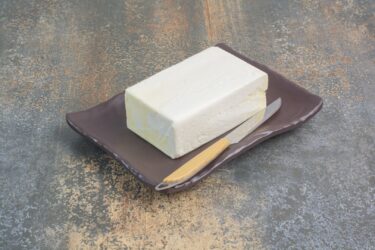
India is an agricultural land and is the largest milk-producing country in the world. Milk is an important component of a vegetarian diet as an essential source of protein. Various milk products are available, and one such important product is paneer. Paneer is a popular dairy product native to South Asia and India. Paneer is a soft cheese prepared by heating and coagulating buffalo or cow milk using citric acid (lemon juice), lactic acid, or sour milk. Good quality paneer appears in marble white, having a firm, spongy, and smooth texture with a sweet, acidic, and nutty flavor. Varieties of paneer may include conventional, low-fat, filled, and vegetable-impregnated paneer. Let us learn more about paneer benefits, nutritional value, properties, and more1,2.
Paneer is low in lactose and rich in fat, protein, calcium, vitamins, phosphorus, and minerals1. The nutritional value of paneer is described below:
Nutritional value of paneer per 100 grams3:
Paneer contains micronutrients that play major biological activities necessary for our healthy growth. The major properties of paneer include:
Paneer may have several health benefits when consumed in moderate quantities. The advantages of eating paneer are described below

Paneer may be a rich source of calcium. Adding paneer to your diet might provide sufficient nutrients to your bones, making them stronger. So, eating paneer might increase bone strength and may increase bone mineral density4. However, do not self-medicate; consult with your doctors first and have paneer if advised.

Paneer may provide adequate levels of nutrients, which might lower the chances of stone formation in the urinary bladder. Paneer may be a natural source of minerals which might stop the stone formation in the bladder and urinary system4. However, bladder stone is a serious health condition; therefore, consult a physician and get a proper diagnosis and treatment.

The benefits of eating paneer may help in maintaining a proper immune system. Paneer is a rich source of vitamins, proteins, and minerals. The presence of these compounds and biologically active compounds may help in acting against malnutrition in children and may act against asthma (respiratory-related problems). It may act as an antioxidant by scavenging free radicals. Based on these, Paneer may help boost immunity4.

Paneer is a rich source of protein and nutrition. It is full of mineral elements such as potassium, magnesium, and calcium. This may play a central role in regulating and lowering high blood pressure. A healthy, balanced diet with paneer containing these minerals and proteins might keep a check on your blood pressure4. However, in cases of high blood pressure, consult your doctor. Do not self-medicate.
Paneer may be loaded with healthy fats and proteins. It is also low in carbohydrates, which might be a healthy choice for people looking to lose weight. During weight loss, protein is crucial, and paneer might be an excellent vegetarian source of protein. Thus, adding paneer to your diet regime might help you lose body weight4. However, more research is needed to support the benefits of paneer for weight loss.
Though studies show the benefits of paneer in various conditions, these are insufficient, and there is a need for further studies to develop the scope of the benefits of eating paneer on human health. In addition, each person may respond differently to these herbs. Therefore, it is essential to consult a physician before using paneer for any medical condition.
Paneer is used for preparing various culinary dishes and snacks4.
However, the shelf life of paneer is less than other milk products. Paneer must be refrigerated at 10 °C and used within three days; otherwise, it loses its freshness. It gets easily spoiled due to contamination by microbes, which may be observed as a greenish-yellow slime with discolouration and off-flavour and smell.
People should consult a doctor before using paneer in large quantities. Further, we recommend not to replace or discontinue any ongoing treatment of medications with any ayurvedic or herbal preparations of paneer without taking the medical advice of a doctor. They will guide you with its form and dosage per your health condition.
Also Read: Kayam Churna: Uses, Benefits, Side Effects and More
No major study reports the side effects of paneer. However, paneer may contain a low level of lactose1. So, lactose-intolerant people might fall ill from digestive problems like diarrhoea, bloating, etc.
Also Read: Masoor Dal: Uses, Benefits, Nutritional Value & more!
Overindulging in paneer is not advised. Therefore, general precautions need to be followed:
Also Read: Kanchanar Guggulu: Benefits, Side Effects, Precautions & More!
More research is needed to suggest the interactions between paneer and other drugs. Therefore, you should take medical advice from your Ayurvedic doctors. They will direct you to a better way to have paneer.
Paneer has high nutritional value, making it an ideal food for growing children. Paneer may provide a good amount of calcium to fight against tooth decay in small children. Paneer is densely packed with fat, protein, vitamins, and minerals. Thus, paneer might fulfil the nutritional need of a child, benefiting against malnutrition4. In such cases, consult a doctor and do not self-medicate.
The essential vitamins in paneer may include vitamins A, B12, B9 (folate), B7 (biotin), B6, B5, B3 (niacin), B2 (riboflavin), and B1 (thiamine)3.
Paneer has a shorter shelf life and may be stored for only six days at an ambient temperature of 7°C to 10°C1.
Spoilage of paneer may occur due to the growth of microorganisms on its surface. You may notice a greenish-yellow slime formation on the surface of the paneer and a discolouration with an off flavour; it is a sign your paneer is spoiled1.
1. Kumar S, Rai D, Niranjan K, Bhat Z. Paneer-An Indian soft cheese variant: a review. J Food Sci Technol. 2014;51(5):821–31. Available from: https://www.ncbi.nlm.nih.gov/pmc/articles/PMC4008736/pdf/13197_2011_Article_567.pdf
2. Farkye N. Acid-Heat Coagulated Cheeses. In: McSweeney Paul, Fox Patrick, Cotter Paul, Everett David, editors. Cheese: Chemistry, Physics and Microbiology. 4th ed. Academic Press; 2017. p. 1111–5. Available from: https://www.sciencedirect.com/science/article/pii/B9780124170124000442
3. Paneer [Internet]. Nutrition Value. [cited 2022 Oct 8]. Available from: https://www.nutritionvalue.org/public_ingredient_7131.html
4. Pal M. Paneer: A Very Popular Milk Product in the Indian Sub-continent. Beverage & Food World. 2019;46(7):23–5. Available from: https://www.researchgate.net/publication/334592058
Disclaimer: The information provided here is for educational/awareness purposes only and is not intended to be a substitute for medical treatment by a healthcare professional and should not be relied upon to diagnose or treat any medical condition. The reader should consult a registered medical practitioner to determine the appropriateness of the information and before consuming any medication. PharmEasy does not provide any guarantee or warranty (express or implied) regarding the accuracy, adequacy, completeness, legality, reliability or usefulness of the information; and disclaims any liability arising thereof.
12
2
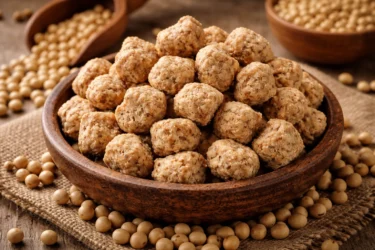
In the last few years, the vegetarian diet has been gaining popularity as many people are looking for alternatives to non-vegetarian foods. The animal diet contains protein, which is an essential part of one’s diet and crucial for human growth. However, vegetarians can’t consume meat. Alternatively, plant-based protein, like soya chunks, is now being utilised to meet the protein demand. Soya chunks are derived from soya bean which is scientifically known as Glycine max, belonging to the pea family (Fabaceae). Soybeans, part of the legume species, contain proteins. Glycinin and β-conglycinin. Along with proteins, they also contain lipids, dietary fibres, and moisture1. Let us learn more about the benefits of eating soya chunks.
Soya chunks contain 335 kcal of energy per 100g. The other nutrients present in soya chunks per 100gm are2:
Soya chunks are derived from soya beans, and the following are the properties of soya chunks:
The potential soya chunks benefits are:

Soya chunks may have low saturated fat compared to animal-based proteins. It may also have low-density lipoprotein (bad cholesterol) and triglycerides in low quantities. This may prevent the risk related to cardiovascular diseases like diabetes and obesity5. Based on this, soya chunks may be used against cardiovascular diseases. If you have heart-related issues, contact your doctor and do not self-medicate.

Soya chunks may reduce cholesterol levels. It contains protein and isoflavones (genistein and daidzein)6. A randomised controlled study7 showed that regular consumption of protein may decrease cholesterol levels. The soya chunks are less in carbohydrates and rich in protein sources, which may help in decreasing cholesterol levels. If you have cholesterol-related issues, consult your doctor and do not self-medicate.
Soya chunks benefits for females in hot flashes are a symptom of menopause and can be due to decreased estrogen levels. Isoflavones present in soybeans have a chemical structure similar to estrogen. Regular intake of soya chunks containing isoflavones may potentially give the same result. Isoflavones bind weakly to estrogen receptors and may give estrogen-like activity. This helps because ovaries stop producing estrogen during menopause. Therefore, when isoflavones might give estrogen-like activity, they may help reduce the symptoms5. If you have any of these symptoms, consult your doctor and do not self-medicate.

Bone loss is another condition associated with menopause. Soya chunks are rich in proteins as well as isoflavones and calcium. It may prevent the risk of osteoporosis and may improve brain health. A study5 reviewed that soya protein consumption may influence bone mineral density. In addition, a reduction in bone resorption turnover rate may be observed in many randomised controlled trials. Another study8 showed that women who consumed soya protein isolate may have lower markers of bone turnover when compared to placebo1. If you have any bone-related problems, consult your doctor and do not self-medicate.

Soya chunks may help in cancer elimination as they are rich in various nutrients. These nutrients may inhibit abnormal cell division and may serve as an anti-cancer inhibitor in various forms of cancer. The presence of genistein, an isoflavone, may block cancer tumours and may provide nourishment for proper growth9. If you have any cancer-related problems, consult your doctor and do not self-medicate.

Soya chunks are rich in protein and have fewer carbohydrates. The regular consumption of soya chunks may help in weight loss5. Soya protein may control hyperglycemia and hyperlipidemia, which indirectly may help in reducing weight. If you are obese and want to lose weight, consult your doctor. Do not self-medicate.
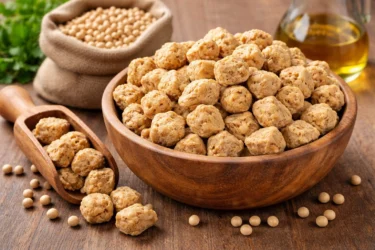
Another health benefit of soya chunks is that vegetarians and vegans who do not consume meat-based products can potentially get their source of daily protein from them. Soya chunks are rich in protein and are plant-based.
For instance, soya chunks are a good source of arginine and glycine, which are crucial nutrients in the urea cycle and collagen synthesis5.
Though there are studies that show the benefits of soya chunks in various conditions, these are insufficient and there is a need for further studies to establish the true extent of the benefits of soya chunks on human health.
Also Read: Brahmi: Uses, Benefits, Side Effects, and more!
You can incorporate soya chunks into your meals regularly. Soya chunks have to be boiled and then can be incorporated into many dishes. A few ways to do this are:
You must consult a qualified doctor before taking soya chunks or any herbal supplements. Do not discontinue or replace an ongoing treatment of modern medicine with an ayurvedic/herbal preparation without consulting a qualified doctor.
Also Read: Paneer: Uses, Benefits, Side Effects By Dr. Smita Barode
Anything consumed in excess can have a side effect. Eating soya chunks daily can have disadvantages. The most common side effects of consuming soya chunks are:
Also Read: Sabudana (Sago Pearls): Uses, Benefits, Side Effects & More!
Soya proteins are largely beneficial to humans; however, consumption over the recommended amount can cause adverse reactions like nephrotoxicity, hepatotoxicity, and allergic reactions. In a review, it was observed that soya proteins may have effects on endocrine glands, toxic effects on the kidney and liver, and may have carcinogenic effects on the pancreas, breast, and thyroid gland. Therefore, it is necessary to be very cautious while taking soya chunks in large quantities.
Also Read: Multani Mitti: Uses, Benefits, Side Effects & More!
Interaction with other medicines or compounds is rare but can occur. Thyroid hormone, iron, monoamine oxidase inhibitors, and warfarin can cause interaction.
Soya chunks are hypothesised to treat menopause symptoms like hot flashes because of their isoflavones, which have a similar structure to oestrogen. These may bind to oestrogen receptors and may reduce the symptoms
Soya chunks can be consumed by first boiling them and then incorporating them into several dishes like gravy, soup, and rice.
The potential benefits of consuming soya chunks are reduced risk of heart disease, reduced cholesterol levels, fighting against menopause, and managing weight. Another benefit of soya chunks is that they can be used as an alternative to animal-based protein products. If you have any mentioned symptoms or diseases, consult your doctor and do not self-medicate.
Disclaimer: The information provided here is for educational/awareness purposes only and is not intended to be a substitute for medical treatment by a healthcare professional and should not be relied upon to diagnose or treat any medical condition. The reader should consult a registered medical practitioner to determine the appropriateness of the information and before consuming any medication. PharmEasy does not provide any guarantee or warranty (express or implied) regarding the accuracy, adequacy, completeness, legality, reliability or usefulness of the information; and disclaims any liability arising thereof.
34
3
Singhara is one fruit that may not be your favorite, but you still see it in your house on multiple occasions. Along with the arrival of the winter season, this fruit starts to make a place in our houses and hearts! Some people use dried and powdered seeds as flour, while many like to consume them raw. The powder is also used in fasting meals.
So, if you are curious about the properties and benefits of eating singhara, you have come to the right place! Singhara in English is called water chestnuts and are fruits grown in ponds. Singhara are scientifically known as Trapa natans, belonging to the Lythraceae family. Some common names of this fruit are singhara or simkhata in Hindi, karimbolam or vankottakkaya in Malayalam, and water chestnuts in English1. Singhara is a commonly used fruit in India. In addition, Singhara has been cultivated commercially by countries like India, China, Korea, Japan, and North America2. Singhara has good nutritional value along with many beneficial properties.
The nutritional value of singhara per 100g of serving is given below.
The many properties of Singhara are given below.
Because of its good nutritional value and properties, Singhara may show potential use against many health conditions. However, more studies and research needed to consolidate the effectiveness of singhara in these conditions. That’s why you must consult your healthcare provider and get a proper diagnosis. Some of the potential uses of singhara are given below.

Involving optimal fibre in your diet can help you manage weight. Foods with high fibre content provide bulk, keeping you full for longer. High fibre is also known to delay the absorption of sugars and foods. All these benefits may contribute to healthy body weight5. However, if you want to reduce or manage weight, consult with a qualified dietician before making any significant changes to your diet.

A good amount of fibre might help keep the digestive system healthy. Singhara has plenty of fibre that enables you to meet daily requirements. In addition, having plenty of fibre is linked to a reduced risk of diseases like constipation and irritable bowel syndrome (IBS)5. It might also help maintain a good bowel movement. However, avoid eating singhara to cure or eliminate any digestive problems. If you have any digestive issues, you need to talk to your healthcare provider and get treated.
Based on my observations, water chestnuts or singhara have shown potential anti-ulcer properties. They may help restore the balance in the stomach by reducing acid-pepsin secretion and promoting mucus secretion, which can contribute to the management of stomach ulcers6.
Dr. Rajeev Singh, BAMS

Eating high fiber might help reduce the absorption of glucose from the stomach. This may help maintain blood glucose levels and help avoid surges in blood glucose. So, adding singhara to your diet might help manage the glucose levels in the blood5. However, if you have diabetes, you should adhere to the doctor’s advice and avoid using fruits or herbs on your own.
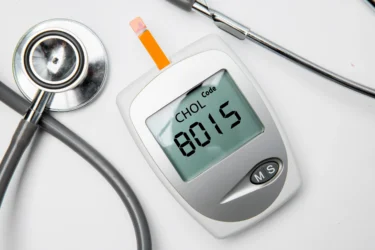
A high content of cholesterol in the blood can cause heart problems. This cholesterol can accumulate in the blood vessels and increase the risk of heart attacks. The high fibre content of singhara might help you lower your blood cholesterol and reduce the risk of heart problems5. However, more studies will be required to support the use of singhara for heart health. Therefore, in case of heart problems, reach out to your healthcare provider.

Singhara has plenty of gallic acids. Gallic acid is an effective anti-inflammatory agent, which may help reduce inflammation and swelling. This activity of singhara might help with inflammatory skin diseases. As per a study2 conducted by Kim et al. (2015), the singhara extract could reduce the skin damage caused by sodium lauryl sulphate (SLS), a popular ingredient in soaps and other products. However, more research and studies are required to support the use of singhara for skin problems. Therefore, if you are struggling with skin problems, talk to your skin doctor or dermatologist.
Though studies show the water chestnut benefits in various conditions, these are insufficient. More studies are needed to establish the true extent of the benefits of herbs on human health.
Based on my experience, I have observed that water chestnuts contain high levels of flavonoids, flavones, and phenols, which may constitue to their antioxidant properties. These antioxidants play a crucial role in protecting our cells from oxidative damage caused by harmful free radicals. Consuming water chestnuts may contribute to overall health and well-being6.
Dr. Siddharth Gupta, B.A.M.S, M.D (Ayu)
Singhara or water chestnut seeds are edible. However, make sure to peel the skin before use.
You must consult a qualified doctor before taking singhara or other herbal supplements. Do not discontinue or replace an ongoing treatment of modern medicine with an ayurvedic/herbal preparation without consulting a qualified doctor.
I recommend chestnut flour as a suitable option for patients with celiac disease. Chestnut flour is gluten-free, which means it does not contain the proteins that can trigger a reaction in individuals with celiac disease. Additionally, chestnut flour offers other health benefits, such as being a good source of fiber and nutrients, making it a valuable choice for those following a gluten-free diet6.
Dr. Smita Barode, B.A.M.S, M.S.
Because of its high fiber content, overeating water chestnuts might give you stomach problems. A sudden increase in dietary fibre may cause stomach pain and gas. Therefore, stick to moderate amounts and avoid overeating.
Also, before you use singhara for its effects against any condition, talk to your healthcare provider about the possible side effects associated with its use.
Also Read: Talmakhana: Uses, Benefits and Side Effects by Dr. Smita Barode
Before taking singhara for its health benefits, consult with a physician about the possible precautions associated with the use of singhara. It will help you make good choices about your health.
Also Read: Red Chilli: Uses, Benefits, Side Effects By Dr. Smita Barode
There is a lack of information on the interactions of singhara with other drugs and medicines. Therefore, consult your healthcare provider about possible medicine interactions if you are receiving treatment for any health condition.
Also Read: Apricot (Khubani): Uses, Benefits & Side Effects
Singhara might be helpful in weight management and digestion. Singhara may also be used against diseases like diabetes and skin and heart problems2,5. However, more research is required to support the use of singhara for its health benefits. Therefore if you are suffering from health issues, consult your healthcare provider and receive proper treatment.
Singhara is a rich source of fibre. Involving sufficient fibre in your diet might help you manage weight by giving a sense of fullness for a longer period. Fibre may also help reduce the absorption of glucose from the intestine5. All these factors combined may help you lower your food intake and help manage weight. However, talk to a dietician or healthcare provider if you want to lose or manage weight. They will be able to better guide you about each diet’s risks and benefits.
Eat singhara only after consulting with your doctor. Pregnant women should consult their healthcare provider before making any changes to their diet.
Singhara is high in fibre content. Suddenly increasing your fibre content excessively may give you stomach problems like abdominal pain and gas. Therefore, you should eat singhara in moderate amounts5. Also, before using Singhara for its health benefits, talk to your healthcare provider about the possible side effects associated with its use.
There are many ways to consume singhara. You can consume them raw (after peeling) or cooked. The powder of singhara seed kernel is often used as a flour substitute in cooking1. However, if you want to use singhara for its medicinal benefits, make sure you talk to a healthcare provider first before using any herbal remedy.
Disclaimer: The information provided here is for educational/awareness purposes only and is not intended to be a substitute for medical treatment by a healthcare professional and should not be relied upon to diagnose or treat any medical condition. The reader should consult a registered medical practitioner to determine the appropriateness of the information and before consuming any medication. PharmEasy does not provide any guarantee or warranty (express or implied) regarding the accuracy, adequacy, completeness, legality, reliability or usefulness of the information; and disclaims any liability arising thereof.
Links and product recommendations in the information provided here are advertisements of third-party products available on the website. PharmEasy does not make any representation on the accuracy or suitability of such products/services. Advertisements do not influence the editorial decisions or content. The information in this blog is subject to change without notice. The authors and administrators reserve the right to modify, add, or remove content without notification. It is your responsibility to review this disclaimer regularly for any changes.
10
2
Walnuts are essential for the body to obtain the vitamins and minerals it wants. It is scientifically known as Juglans regia L. and is a member of the Juglandaceae family. Walnut oil is prepared from dried and pressed walnut seeds by cold pressing extraction method. It is also termed ‘akhrot ka tel’ in Hindi. The Romans called it ‘Jovis Glans,’ which means ‘Jupiter’s King Fruit’. There are 18 species of walnut worldwide, but because of its size and sweetness, the Anatolian walnut (Iranian walnut or English walnut) is the most grown commercially. It is grown in India, China, Japan, the United States, Canada, and Central America1,2. Let’s read and find out more about walnut oil benefits and properties.
Did you know?
100ml of walnut oil possesses the following nutrients3
Vitamins present in the walnut oil2:
Walnut oil is a rich source of essential fatty acids, especially alpha-linolenic acid, oleic acid and linoleic acid. Walnut oil also contains proteins, polyphenols, ellagic, malic and gallic acid and phytonutrients like zinc, calcium, iron, potassium, magnesium, phosphorus, copper and selenium2.
Following are the walnut oil properties2:
Omega-3 fatty acids, which are frequently lacking in the diet, are abundant in walnut oil. However, I recommend its use sparingly, much like other cooking oils, to prevent putting too many extra calories in your diet and posing health hazards. For instance, walnuts have the potential to produce a serious allergic response in persons who are allergic to nuts. If they consume walnut oil, some people who are sensitive to peanuts might develop an allergic response7.
Dr. Rajeev Singh, BAMS
Following are the walnut oil uses:
Walnut oil contains monosaturated and polyunsaturated fatty acids and alpha-linolenic acid. It may balance insulin and act against diabetes. In a study4 by Nezhad et al., 2016 eating walnut oil for three months lowers fasting blood sugar and haemoglobin A1c (HbA1c) levels and maintains blood glucose levels. HbA1c is a blood sugar level measurement for the previous two or three months. This study also showed that lowered cardiovascular problems of type-2 diabetes without changing the weight or blood pressure. Thus, walnut oil may show an anti-diabetic effect4. However, diabetes is a serious condition; it can cause severe side effects. So, please consult the doctor for better health results.
Walnut oil contains plant sterols called phytosterols, omega-3 fatty acids and unsaturated fatty acids. These compounds in walnut oil may lower cholesterol absorption into the body. It may also lower blood triglyceride levels. As a result, it may lower total cholesterol levels and low-density lipoprotein (LDL) cholesterol. This way, it may help lower cholesterol in the body2. Even so, more research is required to determine the effect of walnut oil on cholesterol. Kindly consult the doctor and do not self-medicate.

Multiple sclerosis (MS) is an inflammatory disease related to the central nervous system (CNS). T cells are present in the body and kill the infection-causing cells in the body by releasing cytokines. These cells can cause inflammation and damage to the myelin. The covering that surrounds and protects the nerve fibres is myelin. In MS patients, T helper cells, such as Th1 and Th17 and their cytokines can initiate an attack on the CNS. Walnut oil contains anti-oxidant and anti-inflammatory properties, which may lower Th1 activity in MS patients. Walnut oil may help avoid damage to myelin and nerve fibres in the CNS. As a result, walnut oil may be effective in multiple sclerosis5. Because MS is a severe disorder, please consult a doctor for diagnosis and treatment. Do not attempt to self-medicate.

Walnut oil contains essential fatty acids such as linoleic and linolenic acids, which are necessary for normal skin function. It may have moisturising properties and also anti-oxidant properties. In addition, it may assist in regulating trans-epidermal water loss, which is the amount of water that evaporates from the skin. In this way, walnut oil might be beneficial for skin problems. Just like it may benefit dry skin, it may be useful for dry hair and dandruff-prone scalp. As a result, walnut oil may be used for sunburn, skin ulcers and itchy scalp2. However, you must consult a doctor before using walnut oil because it may cause side effects.

According to Liao6 et al., 2020 walnut oil regulates the activity of cholinergic receptors, which is related to regulating physiological activities like attention, memory, learning, and stress response in mice. It may reduce oxidative stress, which is generated by an imbalance between the creation and accumulation of reactive oxygen species (ROS) in cells. It is the ability to detoxify these reactive products. Another study found that eating walnut oil may lower the chance of age-related disorders. As a result, walnut oil might help reduce memory loss in Alzheimer’s patients6. However, walnut oil and its effects on Alzheimer’s disease require more research. Kindly consult the doctor, as Alzheimer’s disease is a serious condition. Do not try to self-medicate.
Phytonutrients and monounsaturated fats in walnut oil may reduce inflammation and help protect the heart. It may also benefit the cardiovascular system by lowering cholesterol and reducing inflammation. More research is in need to determine the effects of walnut oil on cardiovascular diseases2. As walnut oil may cause side effects, kindly consult a doctor for diagnosis and treatment. Do not self-medicate.

The omega-3 fatty acids (alpha-linolenic acid) in walnut oil may reduce inflammation and lower the risk of developing breast, colon and prostate cancer. More research is required to prove the effects of walnut oil on cancer2. As cancer is a severe condition, it may cause severe side effects. Please consult a doctor and do not self-medicate.
Though there are studies that show the benefits of walnut oil in various conditions, but these are insufficient and there is a need for further studies to establish the true extent of the benefits of walnut oil on human health.
There are many calories in walnut oil. To avoid unintended weight gain, I suggest you use walnut oil carefully whether you use it in your cooking, to pour it over salads, or blend it into a sauce. Obesity may lead to major medical concerns including cardiovascular disease, some kinds of cancer, and other health issues7.
Dr. Siddharth Gupta, BAMS, MD (Ayu)
Because of its numerous advantages, usage of vegetable oils is being replaced by walnut oil2. So, let’s look at how to use walnut oil:
You must consult a qualified doctor before taking any herbal supplements. Do not discontinue or replace an ongoing treatment of modern medicine with an ayurvedic/herbal preparation without consulting a qualified doctor.
Walnut oil might cause allergies in some individuals. Therefore, you must ensure that they are not allergic to walnut oil before eating and applying it5. However, if any negative side effects occur while using it, seek immediate treatment. Consult the ayurvedic physician who prescribed it to you; they will be able to identify and solve the problem.
There haven’t been any reports on walnut oil safety precautions. Also, there are no specific precautions to take before its application and consumption in pregnant women, children and the elderly. However, consult a physician before its usage in any form.
Also Read: Matki (moth beans): Uses, Benefits, Side Effects, and More By Dr. Smita Barode
There have been no known adverse drug interactions with walnut oil. However, additional research is necessary for this topic to ensure that it does not interfere with other medications and is safe for use. As a result, your ayurvedic physician’s advice must be carefully followed, as their prescription is based on your health condition.
Also Read: Canola Oil: Uses, Benefits, Side Effects by Dr. Smita Barode
Walnut oil contains phytonutrients such as selenium, phosphorus, magnesium, zinc, iron, and calcium. Those may help in the management of the diseases such as diabetes, cancer, heart disease, and hypertension. They may also act as precursors and catalysts for hormones in the body. In addition, it may improve metabolism, the nervous system, digestive and brain function, and energy production2. Even so, please consult the doctor as walnut oil may cause adverse effects.
No, but additional research is needed to determine the effect of walnut oil on migraine. Please consult a doctor for better health results.
No. However, more research is required to determine the benefits of walnut oil for the thyroid. Kindly consult a doctor for proper diagnosis and treatment.
Walnut oil may be topically applied for the treatment of dandruff and dry hair1. Although, more research on the effect of walnut oil on hair is required. Kindly consult a doctor.
Walnut oil may interact with drugs and change their activity. However, no such information is available. More research is needed on this topic. Please check with your doctor before consuming walnut oil, primarily if you are on any medication.
Disclaimer: The information provided here is for educational/awareness purposes only and is not intended to be a substitute for medical treatment by a healthcare professional and should not be relied upon to diagnose or treat any medical condition. The reader should consult a registered medical practitioner to determine the appropriateness of the information and before consuming any medication. PharmEasy does not provide any guarantee or warranty (express or implied) regarding the accuracy, adequacy, completeness, legality, reliability or usefulness of the information; and disclaims any liability arising thereof.
Links and product recommendations in the information provided here are advertisements of third-party products available on the website. PharmEasy does not make any representation on the accuracy or suitability of such products/services. Advertisements do not influence the editorial decisions or content. The information in this blog is subject to change without notice. The authors and administrators reserve the right to modify, add, or remove content without notification. It is your responsibility to review this disclaimer regularly for any changes.
5
The demand for vegetable oil has risen rapidly due to the awareness of vegetable oil as food and nutraceuticals (health-enhancing food). Cereals are an essential mode of a balanced nutrition. Some cereals like wheat (Triticum aestivum), commonly known as ghehu, have gained much popularity due to their ability to be grounded into flour. Wheat germ is a by product derived from wheat milling process. Wheat germ is used in the cosmetic, food and medical industry. Egypt is one of the largest producers of wheat germ. Wheat germ oil has a slightly nutty, pleasantly grainy, sweet flavour with several potential uses1. Let us look at some health benefits of wheat germ oil.
Did you know?
Wheat germ oil may contain several bioactive compounds like phytosterols, policosanol, lipids, sterols, triterpenols and many more2. Additionally, wheat germ oil3,4 may have the following nutrients:
Vitamins present in wheat germ oil:
Wheat germ oil contains many vitamins and minerals including vitamin E, Selenium, and Zinc? Vitamin E along with Selenium might aid in improving sperm motility. Additionally, zinc plays an important role in maintaining overall sperm health10.
Dr. Siddharth Gupta, B.A.M.S, M.D (Ayu)
Several studies show that wheat germ oil may possess the following properties:
Wheat germ oil is a great source of many nutrients needed for smooth functioning of the body? Vitamin E might help in improving symptoms of mild cognitive impairment in older patients. The presence of vitamin E can aid in improving cognitive function in older patients and patients with dementia and Alzheimer’s disease11.
Dr. Rajeev Singh, BAMS

Wheat germ oil may possess antibacterial properties. It may inhibit the growth of bacteria. Wheat germ oil may be more sensitive to gram-positive bacteria as compared to gram negative bacteria (categories based on bacteria that take up staining under the microscope)1. However, further studies are yet to be done to check the effect of wheat germ oil on bacterial infections. If you suspect any symptoms of bacterial infection, you must immediately consult your doctor.

Intake of wheat germ oil may be used to reduce swelling. A study conducted by Harrabi et al. in 2021 showed that bioactive compounds like octacosanol, β-sitosterol and α-linolenic acid might be responsible for the anti-inflammatory property of wheat germ oil. Wheat germ oil may inhibit cyclo-oxygenase (an enzyme that causes swelling)2. However, more studies are required to confirm if wheat germ oil can be used to reduce inflammation. You must consult your doctor if you experience any symptoms of inflammatory diseases.

Consumption of wheat germ oil may increase blood flow due to the presence of vitamin E. Increased blood flow in the scalp may help repair the cells in the hair bulb. Additionally, it may help reduce hair fall5. However, more studies are needed to check if wheat germ oil is good for hair. You should consult a doctor for proper treatment if you are facing hair related issues.
Consumption of wheat germ oil may increase the blood flow in the skin, resulting in better supply of nutrients to the skin. This may be attributed to its high vitamin E content. It may also have an anti-ageing effect on the skin due to the presence of a bioactive compound, ceramide. Vitamin E and ceramides may have a moisturising and soothing effect on the skin. In addition, wheat germ oil may cause skin thickening, which may further help decrease water loss from the skin5. However, more studies are yet to be done to check whether wheat germ oil may benefit the skin. You must consult your doctor if you see any abnormalities in your skin.
A study4 conducted by Emam et al. in 2022 on rats showed that wheat germ oil might be beneficial for breast cancer due to the presence of vitamin E and its ability to reduce oxidative stress. Oxidative stress is caused by harmful free radicals (molecular particles that harm the body). In addition, wheat germ oil may reduce tumour size6. However, this study was conducted on animals. Therefore, further studies are required to check the effect of wheat germ oil on cancer in the human body. Cancer is a dangerous disease; hence you must consult your doctor if you have been diagnosed with cancer instead of self-medicating.

Wheat germ oil may help to heal wounds. A study7 conducted by G.C. Türkoglu et al. in 2021 showed that wheat germ oil might have bioactive compounds that may have properties to work on the skin cells and enhance the wound healing process. Wheat germ oil may heal burns and wounds due to its high cellular activity and high fluid handling capacity. However, further studies are yet to be done to check if wheat germ oil may be used to heal wounds. Therefore, you must consult your doctor if you have a severe wound instead of self-medicating.
Antioxidants in wheat germ oil like phenolic acids, flavonoids, tocopherols and carotenoids may help reduce cholesterol levels. A study8 by Chadha et al. in 2015 showed that wheat germ oil might lower the bad cholesterol levels- total cholesterol and low-density lipoproteins (LDL). However, further studies are yet to be done to check if wheat germ oil may be beneficial for lowering cholesterol levels. Therefore, you must check your cholesterol levels regularly and consult your doctor in case of high cholesterol levels.
Though there are studies that show the benefits of wheat germ oil in various conditions, these are insufficient, and there is a need for further studies to establish the true extent of the benefits of wheat germ oil on human health.
Wheat germ oil can be added to various food items in the following way:
You must consult a qualified doctor before taking any herbal supplements. Likewise, do not discontinue or replace an ongoing modern medical treatment with an ayurvedic/herbal preparation without consulting a qualified doctor.
Side effects of wheat germ oil may be due to wheat allergy. Its symptoms may include:
You must immediately consult your doctor if you experience any side effects after consuming wheat germ oil.
Also Read: Flaxseed Oil: Uses, Benefits, Side Effects By Dr. Smita Barode
Wheat germ oil is generally considered safe; however, the following precautions shall still be taken:
If you have any pre-existing disorder, you must consult your doctor before consuming wheat germ oil.
Also Read: Grape Seed Oil: Uses, Benefits, Side Effects By Dr. Rajeev Singh
There are not enough studies on the interaction of wheat germ oil with other drugs. Further studies on the interaction of wheat germ oil are yet to be done. Therefore, you must consult your doctor if you are on any other medication before consuming wheat germ oil.
Also Read: Sesame Oil: Uses, Benefits, Side Effects By Dr. Rajeev Singh
Vitamin E in wheat germ oil may increase the blood flow in the skin, resulting in a better supply of nutrients to the skin. It may also have an anti-ageing effect on the skin due to the presence of a bioactive compound, ceramides. Vitamin E and ceramides may have a moisturising and soothing effect on the skin. In addition, wheat germ oil may cause the thickening of the skin, which may further help to decrease the loss of water from the skin5.
Due to the presence of vitamin E, wheat germ oil may increase blood flow. Wheat germ oil may increase the blood flow in the scalp and repair the cells in the hair bulb. Additionally, it may help to reduce hair fall5.
Consumption of wheat germ oil may cause irritation, swelling or itching in the mouth or throat, swelling of the skin, itchy rash, nasal congestion, headache, difficulty in breathing and may cause diarrhoea, nausea and vomiting9.
Wheat germ oil may contain vitamin A, B1, B2, B3, B5, B6, C, E, and K3,5.
Yes, wheat germ oil may be beneficial for cancer due to its antioxidant activity. Vitamin E may help to relieve the oxidative stress. It may also reduce the size of tumours6. However, cancer is a dangerous disease. Therefore, you must consult your doctor instead of self-medicating.
Disclaimer: The information provided here is for educational/awareness purposes only and is not intended to be a substitute for medical treatment by a healthcare professional and should not be relied upon to diagnose or treat any medical condition. The reader should consult a registered medical practitioner to determine the appropriateness of the information and before consuming any medication. PharmEasy does not provide any guarantee or warranty (express or implied) regarding the accuracy, adequacy, completeness, legality, reliability or usefulness of the information; and disclaims any liability arising thereof.
Links and product recommendations in the information provided here are advertisements of third-party products available on the website. PharmEasy does not make any representation on the accuracy or suitability of such products/services. Advertisements do not influence the editorial decisions or content. The information in this blog is subject to change without notice. The authors and administrators reserve the right to modify, add, or remove content without notification. It is your responsibility to review this disclaimer regularly for any changes.
11
1
Pomelo is a natural citrus fruit and highly nutritious and resembles grapefruit, but the size of pomelo is large. Pomelo has its origin in subtropical, tropical southeast Asia and is the most widely cultivated fruit crop in the world1,2. The scientific name of pomelo is Citrus grandis (L) which belongs to the Rutaceae family. Pomelo is also referred to as Pummelo, Chinese grapefruit, and Shaddock fruit2,3. The taste of pomelo is slightly acidic and sweet with a hint of bitterness, which makes it one of the five most consumed citrus fruit around the world. The data released by the Food and Agriculture Organization of the United Nation in 2019, stated that worldwide Pomelo production is around 9.3 million metric tons and the USA is the leading producer with approximately 5 million metric tons3.The important nutritional constituents like vitamin C, para insulin, folic acid, potassium, pectin, and chromium4. The composition of the fruit can vary with the conditions like fruit size, maturity, horticulture conditions, climate, and storage3. Let us discuss more beneficial properties of the Pomelo.
Did you know?
The nutrient value of pomelo is:
Nutritional value of pomelo per 100 grams5
You will feel fuller for a longer period because of the protein and fibre in pomelo. This may bring down your cravings, which eventually leads to calorie reduction through portion control. Pomelo has a low-calorie count per serving as well. I strongly recommend foods like pomelo that may help you boost your nutrition while lowering your calorie intake if you’re attempting to lose weight11.
Dr. Siddharth Gupta, B.A.M.S, M.D (Ayu)
The properties of Pomelo are given as follows:
From my perspective, consuming pomelos might be good for your heart by lowering your blood’s triglyceride and cholesterol levels. In one research, rats who were fed concentrated pomelo extract had lower triglyceride levels (by up to 21%) and LDL (or “bad”) cholesterol levels (by up to 41%). Pomelo may lower dangerous lipids in circulation by inhibiting their absorption during digestion, according to different researches11.
Dr. Rajeev Singh, BAMS
Pomelo may be a rich source of nutrients and some of the potential uses of Pomelo are:

Pomelo contains flavonoids like quercetin, hesperetin and naringin. The flavonoids in the pomelo may bind to starch leading to an increase in hepatic glycolysis (breakdown of glucose) and a decrease in gluconeogenesis (glucose formation). The study7 by Lin et al. 2021 showed that ethanolic extract of pomelo may reduce hyperglycemia by upregulating the insulin concentration. If you have diabetes consult your doctor and do not self-medicate7.

The collagenase and elastase enzymes are responsible for the breakdown of collagen, resulting in skin aging. The free radicals present in the body may increase the production of collagenase and elastase. An increase in the production of these enzymes can accelerate skin aging. The antioxidant property of pomelo may help in managing skin aging by scavenging free radicals. The study8 by Lukitaningsih et al. 2021, evaluated the physical and chemical stability parameters of the pomelo extract in the semisolid formulation and pomelo may show the free radical scavenging property. This may help in the anti-collagenase and anti-elastase activity of the pomelo extract8, If you have skin-related problems consult your doctor and do not self-medicate.
Pomelo peel extract may benefit the agriculture industry. Pomelo may be used to inhibit microbes that cause disease in the plant. Staphylococcus aureus is one such microbe that can contaminate food (fresh or packed). To control the contamination of food, Sawanit aichayawanich9 2013, produced a biodegradable film containing pomelo peel extract to inhibit Staphylococcus aureus. The essential oil in the pomelo peel extract may destroy the phospholipids layer of the microbe leading to leakage of cytoplasm and may also inhibit the essential enzyme of Staphylococcus aureus9.
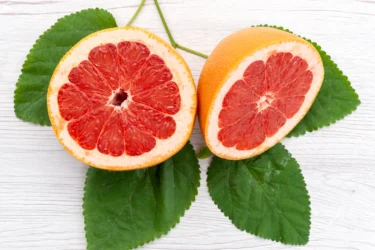
Pomelo may contain volatile oils that have the aroma of citrus which play an important role in the insecticidal, fragrance, and repellent properties. Terpenoids like Linalool, Neorl, geraniol, nootkatone, indole, and cadinene are important aromatic compounds that may be potential for flavor, cosmetic, insecticidal, repellent and fragrance industries. These compounds reach the maximum concentration level at maturation providing maximum benefits3.
Though studies show the benefits of Pomelo in various conditions, these are insufficient, and there is a need for further studies to establish the true extent of the benefits of Pomelo on human health.
Our cells are harmed by free radicals, especially if our surroundings are full of them. Antioxidants may aid in repairing that damage, lowering our chance of developing cancer. From my knowledge, Pomelos are well-known for containing significant amounts of vitamin C, a potent antioxidant, as well as other antioxidant chemicals such as naringenin and naringin, which are also frequently present in citrus fruits, and lycopene, commonly found in tomatoes11.
Dr. Smita Barode, BAMS, MS
Pomelo or Chinese grapefruit can be used in the following ways:
One should always consult an Ayurvedic physician before consuming pomelo in large quantities or for therapeutic benefits. They will be the best person to prescribe you the correct form and dosage as per your health condition.
Pomelo being a fruit does not have any side effects. However, children and elders should take precautions and consult an ayurvedic physician in case they are on medication, before consuming pomelo. Pharmacists and health professionals should create awareness among people and educate them about the potential side effects of the drug with fruit juices.
Also Read: Matki (moth beans): Uses, Benefits, Side Effects, and More By Dr. Smita Barode
Also Read: Kabab Chini: Uses, Benefits and Side Effects by Dr. Smita Barode
Consuming pomelo juice with sildenafil (which belongs to the phosphodiesterase5 medicine group) may reduce the bioavailability of sildenafil. The bioavailability of Cyclosporine may increase with the intake of pomelo juice. The increase in the blood level of tacrolimus is also reported after the consumption of 100gm of pomelo10. You should consult doctors or ayurvedic physicians before taking fruit juice with drugs.
Also Read: Eggs: Uses, Benefits, Side Effects By Dr. Smita Barode
Pomelo may help in anti-aging of the skin, decrease blood glucose levels, and reduce diabetes. However, more research is to be conducted to claim these effects of pomelo. If you have any of the mentioned problems consult your doctor and do not self-medicate.
Yes, pomelo may interact with some drugs like cyclosporine, sildenafil, and tacrolimus.
Adults and children especially those on medication should avoid fruit juices. Still, more research should be conducted on pomelo juice. Pomelo fruit or juice must be taken only after the doctor’s advice.
The flavonoids present in pomelo fruit may decrease the formation of glucose and increase the breakdown of glucose which may help in managing diabetes. If you have diabetes consult your doctor and do not self-medicate.
The antioxidant property of pomelo may help in scavenging the free radicals that are responsible for the increase in the production of enzymes that cause skin aging. The scavenging will decrease the production of these enzymes, thus delaying the aging process.
Disclaimer: The information provided here is for educational/awareness purposes only and is not intended to be a substitute for medical treatment by a healthcare professional and should not be relied upon to diagnose or treat any medical condition. The reader should consult a registered medical practitioner to determine the appropriateness of the information and before consuming any medication. PharmEasy does not provide any guarantee or warranty (express or implied) regarding the accuracy, adequacy, completeness, legality, reliability or usefulness of the information; and disclaims any liability arising thereof.
Links and product recommendations in the information provided here are advertisements of third-party products available on the website. PharmEasy does not make any representation on the accuracy or suitability of such products/services. Advertisements do not influence the editorial decisions or content. The information in this blog is subject to change without notice. The authors and administrators reserve the right to modify, add, or remove content without notification. It is your responsibility to review this disclaimer regularly for any changes.
3
1
Since ancient times, many plant species and their products have been used by humans as food or medicines to treat illnesses. Shea butter is one such fat extracted from the shea fruit’s kernel. It is obtained from the nuts of the Vitellaria paradoxa (formerly Butyrospermum paradoxa) and Vitellaria parkii trees belonging to the family sapotaceae. Butyrospermum, which means ‘butter seed’, explains that we can extract butter from seed after processing. The shea tree grows in Nigeria, Ghana and regions of West and East Africa. It is imported to India for its several benefits. Butter is solid at normal temperature but melts quickly at body temperature. It is utilised in cosmetics as well as in the food industry1,3. We can apply it as a cream or bath product like shampoo. Let’s keep reading to learn about shea butter and its potential uses.
Shea butter contains the following nutrients and their average content per 100g dry weight1:
Vitamins present in the shea butter are as follows:
Along with these, shea butter contains triglycerides, plant sterols, saponin and triterpenes1.
The following are the properties of shea butter:

Shea butter is a rich source of fatty acids and plant sterols such as linoleic, palmitic, and stearic acids, which may have healing properties. Due to its anti-inflammatory property, it may be applied as an ointment. Shea butter has a lower soap formation rate than other nut oils. It also includes vitamin A, which may treat skin sensitivities such as poison ivy and bug bites. It also contains Vitamin F, which might help rejuvenate rough or damaged skin. Furthermore, it may have a soothing effect. Raw and unrefined shea butter may benefit skin rashes, stretch marks, burns, bug bites, athlete’s foot, scars, frost bites, skin peeling after tannin and arthritis1. Fatty acids present in the shea butter may help in these conditions. However, shea butter alone may not be able to help you with this condition. So, please consult a physician for a diagnosis and treatment.

Shea butter may protect hair against harmful free radicals in the air, water and harsh weather conditions. Shea butter has a non-greasy texture, which allows it to spread easily on the scalp. Shea butter protects hair from heat after application. This protective function may be helpful for processed or coloured hair. When applied to the hair before swimming, Shea butter may protect it from salt and chlorine. Furthermore, it may be beneficial in softening and restoring damaged or dry hair and curly hair treatments1. However, shea butter may result in serious problems. So, please visit a doctor for better health results.

Shea butter contains triterpenes such as e-butyrospermol, lupeol, parkeol, etc. As a result, it may lower hypersensitivity reactions such as IgE-mediated allergy reactions, which are the antibodies that cause the allergic reaction. It may also be beneficial in patients with autoimmune responses in mammals1. Although, shea butter alone may not be able to help you with allergies. So, kindly consult a physician.

Shea butter may act as a sunscreen and moisturizing agent. Sunscreens work by absorbing or reflecting some of the sun’s ultraviolet (UV) light and blocking it from reaching the skin. According to a study5 done by Nahm in 2011 the cinnamate esters found in shea butter can absorb UV rays from the sun. Therefore, it may provide some sun protection. In addition, shea butter may add more moisture and nutrition to the skin in the winter and summer as it absorbs into the skin rapidly and has high water-binding characteristics, which may be helpful for skin care. Also, shea butter might protect the skin from sunburn, photo-ageing and erythema and reduce the risk of skin cancer. Nonetheless, please consult a doctor for proper diagnosis and treatment. Avoid trying self-medication because conditions could worsen.
Vitamin E is naturally abundant in shea butter making it one of the best skin moisturizing agent. Vitamin E is known for its antioxidant activity, that may protect against cellular deterioration and increase moisture in the skin7.
Dr. Rajeev Singh, BAMS

Protein metabolism may assist tissue repair and growth, allow metabolic reactions to occur and coordinate vital functions. Malachi, 2013 found that saponin in shea butter can form complexes with protein in the intestine. It may reduce protein concentrations in hepatic and renal organs, as well as in the blood. As a result, it may minimise protein metabolism in the body1. However, please visit a doctor. Self-medication with shea butter may result in serious complications.
Triterpenes in shea butter might help improve collagen and elastin function, which protects the skin and provide strength. This might help in slowing the ageing process. In the study by Tran done in 1986, it was shown that shea butter has anti-erythemic activity against UV, which is the skin redness caused by an allergic reaction1. This property may soften the skin and increase cell regeneration. There is a need for more research to explore the potentiality of shea butter as an anti-ageing agent. Kindly consult the doctor for better health results.
Anti-inflammatory compounds included in shea butter may reduce skin oedema and redness. I recommend people apply it to soothe any discomfort, including sunburns, chapped lips, and skin which is overexposed to acidic peels or washes7.
Dr. Siddharth Gupta, B.A.M.S, M.D (Ayu)
In a study6 by Akinwale et al., 2012 saponins and linoleic acid present in shea butter may lower LDL, total cholesterol, and high-density lipoprotein (HDL) in rats. In the same study, saponins in shea butter were found to form complexes with cholesterol and bile acids in the colon. As a result, rather than absorption, it produces cholesterol excretion. Furthermore, Masters et al. (2004) discovered that high levels of stearic acids in shea butter had antihypercholesterolemic properties, which may lower LDL and total cholesterol levels in the blood2. However, further research on this subject might be able to prove the effects of shea butter on cholesterol management. If you have high cholesterol levels, consult a doctor and do not self-medicate.

In a study4 by Amegah et al., 2019 consumption of shea butter may improve cardiovascular health and reduce hypertension. Oleic acid, linoleic acid and polyphenols in shea butter may help improve cardiovascular health. However, more studies are needed to prove the role of shea butter in cardiovascular health. As cardiovascular disease is a severe condition, please consult the doctor for the same.
Though there are studies that show the benefits of shea butter in various conditions, but these are insufficient and there is a need for further studies to establish the true extent of shea butter on human health.
You must consult a qualified doctor before taking any herbal supplements. Do not discontinue or replace an ongoing treatment of modern medicine with an ayurvedic/herbal preparation without consulting a qualified doctor.
Shea butter has no known side effects. Although, if an unpleasant reaction happens, get immediate medical help. First, consult the physician who prescribed it to you they will be able to diagnose and cure the problem.
It is important to take general safety precautions when taking any medication. It should be used cautiously, especially by pregnant women and breastfeeding mothers, and only when prescribed by your doctor. In addition, you should take caution while giving it to children and the elderly.
There were no adverse drug interactions reported between shea butter with other drugs. However, there is not enough information to say it doesn’t interact with other medicines and is entirely safe to use; further research is in need on this topic. As a result, you must follow your doctor’s advice carefully, as their prescription depends on your health situation.
No, however more research is required to determine the effect of shea butter on migraine.
Shea butter may be helpful in halting the process of photo-carcinogenesis which is related to tumour growth. UVB rays from the sun can cause it. These radiations have the potential to destroy cell DNA. So, shea butter might have a direct protective effect on DNA and may help in the management of skin cance1. Even so, cancer is a severe condition; please consult the doctor for diagnosis and treatment.
Shea butter includes vitamins A and E, which may be helpful as a hair moisturiser. Shea butter also has semi-solid properties and buttery consistency, which might make it a good moisturiser for the scalp and skin1. Kindly consult the doctor for better health results.
No. Although please consult the doctor for proper diagnosis and treatment, as diabetes is a severe condition.
Disclaimer: The information provided here is for educational/awareness purposes only and is not intended to be a substitute for medical treatment by a healthcare professional and should not be relied upon to diagnose or treat any medical condition. The reader should consult a registered medical practitioner to determine the appropriateness of the information and before consuming any medication. PharmEasy does not provide any guarantee or warranty (express or implied) regarding the accuracy, adequacy, completeness, legality, reliability or usefulness of the information; and disclaims any liability arising thereof.
Links and product recommendations in the information provided here are advertisements of third-party products available on the website. PharmEasy does not make any representation on the accuracy or suitability of such products/services. Advertisements do not influence the editorial decisions or content. The information in this blog is subject to change without notice. The authors and administrators reserve the right to modify, add, or remove content without notification. It is your responsibility to review this disclaimer regularly for any changes.
12
1
Grapes are one of the major fruits which we all consume, and wine production depends on the grapes. The scientific name of the grapes is Vitis vinifera L. and belongs to the family Vitaceae. Grape seed is a by-product of the wine and alcohol industries. This grape seed produces oil which is an alternative to cooking oil and has more benefits for humans. In the 14th century, the King of Castile and Leon Ferdinand IV developed grape seed oil and used it for skin problems. They named grape seed oil Royal oil or Oil of the Throne. It is produced mainly in Australia, Japan, the USA, Korea, Spain, France, and Italy. Grape seed oil is a rich source of linoleic acid, stearic acid, and palmitic acid1,3,5. Let us discuss more grape seed oil.
100ml of grape seed oil possesses the following nutrients4:
Along with these, grape seed oil contains Vitamin E, tannins, phenols, tocopherols, and omega fatty acids5.
The following are the properties of grape seed oil:
From what have seen, grape seed oil might provide beneficial effects due to its high antioxidant activity and the presence of vitamin E. These properties may contribute to its potential neuroprotective and antitumoral properties. As a result, grape seed oil has been suggested as a potential means to slow down the ageing process and potentially reduce the risk of certain chronic diseases7.
Dr. Siddharth Gupta, B.A.M.S, M.D (Ayu)
Grape seed oil is a rich source of phenolic and flavonoid compounds. It may also contain procyanidin and may act against diabetes. In a study conducted by Montagut et al., rats are given grape seed procyanidin. It showed that grape seed oil may balance insulin and glucagon which may maintain optimum glucose levels. The same study showed that grape seed oil may interact with insulin receptors which stimulate the uptake of glucose. This may help grape seed oil to reduce diabetes. Diabetes is a serious issue and if you have diabetes consult your doctor for proper treatment. Do not self-medicate.

The grape seed oil contains phenolic compounds that might show anticancer properties without affecting healthy cells. Cheah et al., 2014 showed that the presence of procyanidins in grape seed oil might be helpful against colon cancer. In addition, several experiments showed the efficacy of grape seed oil against head, neck, and prostate squamous cell carcinoma2,3. As cancer is a severe condition, kindly consult the doctor for proper treatment. Do not try to self-medicate.
In a study5 conducted by the University of Maryland Medical Center, consuming grape seed oil may raise the antioxidant levels in the blood. It might also help reduce dark circles under the eye and maintain the presence of collagen and elastin which may help in reducing the wrinkles on the face. By its antioxidant properties, it might be helpful in skin protection against UV radiation from the sun. It may also be used as a skin moisturizer as it is very light, soothes the skin, doesn’t leave oil residue, and reduces water loss. Even so, you must consult the doctor before using grape seed oil as it may cause side effects.
Grape seed oil may heal wounds and reduce scars in humans. In a study5, grape seed extract was administered to injuries on the skin of animals and humans. It showed that wounds treated with the grape seed oil extract healed faster than wounds that did not receive it. But kindly consult the doctor for better results, and do not self-medicate as it may cause pain.
Grape seed oil might help improve blood flow in the scalp region in the condition called androgenetic alopecia, which can cause hair loss in men, especially those over 50 years. In addition, essential oils such as rosemary and lavender, along with grape seed oil, may provide conditioning effects and shine to the hair. It may also improve hair’s texture and gives a pleasant aroma5. However, more research is needed on the impact of grape seed oil on hair. Kindly consult the doctor for better results.
Grape seed oil may lower cholesterol absorption in the intestine. As a result, it may lower plasma cholesterol levels. Kim et al., 2010 investigated the effects of grape seed oil in rats. The results showed a decrease in total cholesterol. However, more research is needed to demonstrate the effects of grape seed oil on human cholesterol levels1. So, please consult the doctor for diagnosis and treatment.

Alzheimer’s disease is a disease that affects brain cells and can cause memory loss and confusion. Berahmand et al. evaluated the efficacy of grape seed oil (GSO) on Alzheimer’s in male rats. It showed that grape seed oil might enhance antioxidant efficiency. In addition, it might stop the signals related to cell death and DNA damage, which might reduce Alzheimer’s disease6. However, kindly consult the neurologist for diagnosis and treatment. Furthermore, avoid using grape seed oil as self-medication, as there could be severe side effects.
Though there are studies that show the benefits of grape seed oil in various conditions, these are insufficient and there is a need for further studies to establish the true extent of grape seed oil herb on human health.
Based on my medical experience, I have observed that grape seed oil may exhibit antimicrobial properties and might have a toxic effect on certain pathogens. Studies have shown that the oil extracted from grape seeds may also have inhibitory effects on the growth of Staphylococcus aureus and Escherichia coli, suggesting its potential as an antimicrobial agent7.
Dr. Rajeev Singh, BAMS
Grape seed oil can be used as follows:
You must consult a qualified doctor before taking grape seed oil in large quantities or any herbal supplements. Do not discontinue or replace an ongoing treatment of modern medicine with an ayurvedic/herbal preparation without consulting a qualified doctor.
As a natural preparation, grape seed oil has no known side effects. However, if any unpleasant reaction occurs, seek immediate medical treatment. Consult the ayurvedic physician who prescribed it to you; they will be able to discover the problem and effectively treat it.
There have been no reports of precautions to be taken with grapeseed oil. Also, there are no special precautions to consider before giving grape seed oil to pregnant women, youngsters or the elderly. However, please consult a doctor before giving grape seed oil to pregnant women, children, or the elderly.
There are no adverse drug reactions with grape seed oil reported. However, more study is needed in this field to ensure that it does not interact with other drugs and is entirely safe for use. As a result, your Ayurveda physician’s advice must be carefully followed, as their prescription is based on your health condition.
Also Read: Avocado Oil: Uses, Benefits, Side Effects By Dr. Rajeev Singh
Grape seed oil may contain antioxidant properties that provide enough moisture and protect the skin from free radicals, which may be beneficial in lowering the ageing effect. It may also include procyanidins which may help in anti-ageing activity5. However, please consult the doctor, as grape seed oil may cause adverse effects.
Grape seed oil may possess anti-platelet, anti-microbial, anti-inflammatory, astringent, and antibacterial activities. However, these effects need to be confirmed by further research. Kindly consult the doctor for better health results.
The grape seed oil has no side effects. However, if you experience unpleasant symptoms, please visit a doctor for diagnosis and treatment.
No. However, more study is needed to prove the effects of grape seed oil on migraine.
Disclaimer: The information provided here is for educational/awareness purposes only and is not intended to be a substitute for medical treatment by a healthcare professional and should not be relied upon to diagnose or treat any medical condition. The reader should consult a registered medical practitioner to determine the appropriateness of the information and before consuming any medication. PharmEasy does not provide any guarantee or warranty (express or implied) regarding the accuracy, adequacy, completeness, legality, reliability or usefulness of the information; and disclaims any liability arising thereof.
Links and product recommendations in the information provided here are advertisements of third-party products available on the website. PharmEasy does not make any representation on the accuracy or suitability of such products/services. Advertisements do not influence the editorial decisions or content. The information in this blog is subject to change without notice. The authors and administrators reserve the right to modify, add, or remove content without notification. It is your responsibility to review this disclaimer regularly for any changes.
3
As children, when we went to the market with our mother to buy fruits and many of us were fascinated looking at the large spiky fruit. That fruit is none other than the king of fruits, the durian. The scientific name of durian is Durio zibethinus and belongs to the family Bombaceae. It is an exotic seasonal tropical fruit known for its unique taste and aroma. The word ‘durian’ is derived from the Malay word ‘Duri’, which signifies the thorns of the fruit. Durian has more than 200 varieties with distinct aromas, textures, and flavours. Durian is abundantly grown in Malaysia. It is also found in India, Indonesia, Sri Lanka, Vietnam, Philippines, Thailand, Malaysia, Madagascar, Hawaii, and Florida1. Let us look at some of the durian health benefits.
Durian may contain bioactive compounds like fatty acids, polyphenols, flavonoids, quercetin, apigenin, flavonols, anthocyanin, gallic acid, carotenoids, lutein, tannins, and ascorbic acid. Durian may have a high amount of energy compared to other tropical fruits2. Additionally, durian may contain the following nutritional components:
Several studies have shown that durian may have the following properties:
Based on my observations, the traditional uses suggest that durian fruit may have valuable health-promoting qualities. It is commonly associated with benefits such as immune system enhancement and promoting wound healing. However, further scientific study is required to back up such claims9.
Dr. Siddharth Gupta, B.A.M.S, M.D (Ayu)
Durian may possess antioxidant properties due to the presence of bioactive compounds like polyphenols and flavonoids. Durian may show its antioxidant potential by deactivating harmful free radicals. Free radicals are atoms that damage the cells to cause diseases1,2. However, further studies are required to check if durian can help to manage oxidative stress in the human body.

Durian may have a low glycemic index when compared to other tropical fruits. The glycemic index is a value to measure how much a particular food raises the blood sugar level. The fibres present in durian may slow down digestion, slow down the conversion of carbohydrates to glucose and may help in lowering the glycemic index of the food2. However, further studies are required to check the effect of durian on humans. You must consult your doctor in case of abnormal sugar levels. Do not self-medicate.
A study4 conducted on rats by Haurenkit et al. in 2007 showed a possible decrease in bad cholesterol levels and low-density lipoprotein (LDL)2. Additionally, esters like methyl propionate, ethyl propionate and propyl propionate may inhibit cholesterol synthesis. Further investigation is required to check the effect of durian on humans. However, you must check your cholesterol levels regularly and contact your doctor in case of high cholesterol levels.

Bioactive compounds like polyphenols present in durian may be beneficial for cancer due to their ability to relieve oxidative stress. In addition, these polyphenols may inhibit growth and kill cancer cells2. A study5 by Jayakumar et al. showed that durian might show its anti-proliferative effect (inhibit breast cancer cells) due to the presence of polyphenols. However, further studies are yet to be done on humans to check the effect of durian on humans. Therefore, you must seek medical help if you are diagnosed with cancer instead of self-medicating.
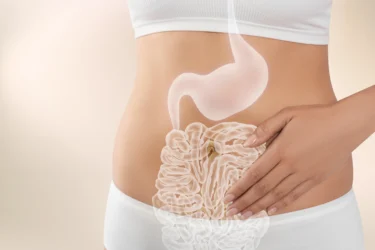
Durian may contain fibres which are beneficial for proper digestion. The fibre in durian is insoluble and it may help to control diarrhoea. Additionally, the fibres in durian may stimulate the peristaltic movement and the secretion of various enzymes required for digestion1. More studies are needed to check whether durian can help to enhance digestion. However, you must consult your doctor if you have any symptoms of digestive disorders.

The leaves and roots of durian may be used in case of malaria. It may lower the temperature of the body due to its antipyretic effect. Further, durian may relieve cold, jaundice and phlegm (mucous)1. However, more research is needed to check if durian may be beneficial for malaria and jaundice. Therefore, you must consult your doctor if you have malaria or jaundice instead of self-medicating.
Though studies show the benefits of durian in various conditions, these are insufficient, and there is a need for further studies to establish the true extent of the benefits of durian on human health.
From what I have seen over the years, durian fruit might be helpful for people who have difficulty sleeping. Thus, it may have potential benefits for individuals experiencing insomnia9.
Dr. Rajeev Singh, BAMS
Various parts of durian fruit can be consumed in the following way:
You must consult a qualified doctor before taking durian in large quantities or any herbal supplements. Do not discontinue or replace an ongoing treatment of modern medicine with an ayurvedic/herbal preparation without consulting a qualified doctor.
The side effects of durian may be as follows:
You must immediately consult your doctor if you experience any side effects after consuming durian.
The following precautions must be taken before consuming durian:
It is advised to consult your doctor before consuming durian if you have any pre-existing diseases.
Also Read: Bilimbi: Uses, Benefits and Side Effects By Dr. Rajeev Singh
Durian may interact with the following drugs:
You must consult your doctor before consuming durian if you are undergoing medical treatment.
Also Read: Singhara (Water Chestnut): Uses, Benefits, Side Effects By Dr. Smita Barode
Durian may act against diseases like diabetes, cancer, malaria, and jaundice. It may also improve digestion and reduce cholesterol levels1,2,4,5,6. However, you must consult your doctor if you are diagnosed with any disease instead of self-medicating.
Durian may cause hyperkalaemia and allergic reactions, leading to anaphylaxis (severe allergic reactions in the body)7,8. It may also cause urticaria (itchy skin), nasal congestion, rhinorrhea (runny nose), hoarseness and vomiting. You must consult your doctor if you experience any side effects.
Durian may contain bioactive compounds like fatty acids, polyphenols, flavonoids, quercitin, apigenin, anthocyanin, gallic acid, carotenoids, lutein, tannins, and ascorbic acid. It may contain carbohydrates, fibres, proteins, vitamins, and fats. It may also contain minerals like magnesium, calcium, potassium, phosphorous, and iron3.
Durian may have a low glycemic index when compared to other tropical fruits. The flavonoids, polyphenols and dietary fibres present may lower blood sugar levels. You must consult your doctor in case of abnormal sugar levels1,2.
Paracetamol and alcohol may interact with durian. When durian reacts with paracetamol, blood pressure may be reduced. Durian may inhibit the absorption of alcohol.
Disclaimer: The information provided here is for educational/awareness purposes only and is not intended to be a substitute for medical treatment by a healthcare professional and should not be relied upon to diagnose or treat any medical condition. The reader should consult a registered medical practitioner to determine the appropriateness of the information and before consuming any medication. PharmEasy does not provide any guarantee or warranty (express or implied) regarding the accuracy, adequacy, completeness, legality, reliability or usefulness of the information; and disclaims any liability arising thereof.
Links and product recommendations in the information provided here are advertisements of third-party products available on the website. PharmEasy does not make any representation on the accuracy or suitability of such products/services. Advertisements do not influence the editorial decisions or content. The information in this blog is subject to change without notice. The authors and administrators reserve the right to modify, add, or remove content without notification. It is your responsibility to review this disclaimer regularly for any changes.
3
0