
Ruby red-coloured hibiscus tea is often consumed as an alternative to regular tea and coffee. It is refreshing and has a tangy flavour. Hibiscus is found in several warm countries like India, Thailand, Vietnam, Mexico, Saudi Arabia, Malaysia, Sudan, Egypt, Philippines, and Indonesia. The scientific name of the hibiscus is Hibiscus sabdariffa, and it belongs to the family Malvaceae. Hibiscus is commonly known as ‘roselle’ or ‘red sorrel.’ The fleshy red calyx of hibiscus is often used to make hibiscus tea. Hibiscus is a caffeine-free herbal tea that tastes like berries1. Let us look at some hibiscus tea health benefits.
Brewed hibiscus tea nutrition is as follows2:
Furthermore, hibiscus has several bioactive compounds like anthocyanin, organic acids, triterpenoids, flavonoids, alkaloids, steroids, carotene, and many more1.
Several studies have shown that hibiscus tea properties may be as follows1:
Some of the potential hibiscus tea uses are:

A study3 by Jamrozik et al. in 2022 showed that the polyphenols in hibiscus tea might lower blood sugar levels by inhibiting enzymes like α-glucosidase and α-amylase. These enzymes are responsible for digesting carbohydrates and increasing glucose levels after consuming food. However, further studies on humans are required to check if hibiscus tea may help to lower blood sugar levels. Therefore, you must check your blood sugar levels regularly and immediately consult the doctor in case of abnormal sugar levels.

A study4 by McKay et al. in 2009 showed that flavonoids like delphinidin-3-sambubioside and cyanidin-3-sambubioside present in hibiscus tea might reduce blood pressure. Hibiscus is a vasorelaxant as it relaxes the tension on the walls of blood vessels; therefore, it may lower blood pressure. However, more studies on humans are required to check if hibiscus tea may lower blood pressure. Therefore, you must check your blood pressure and consult your doctor in case of abnormal blood pressure.

A study5 by Sanadheera et al. in 2021 showed that hibiscus tea might reduce bad cholesterol levels (total cholesterol, low-density lipoprotein, and very low-density lipoprotein). Additionally, it may elevate good cholesterol levels (high-density lipoprotein). This may be due to the antioxidant properties of hibiscus tea. However, more studies on humans are yet to be done to check if hibiscus tea may affect cholesterol levels. Therefore, you must check your cholesterol levels and consult your doctor if you have abnormal cholesterol levels.

A study6 by Raduan et al. in 2013 showed that saponins, flavonoids, and plant sterols might reduce inflammation. Hibiscus tea may inhibit cyclooxygenase. Cyclooxygenase is an enzyme that elevates the levels of prostaglandins (lipids responsible for inflammation). However, more studies on humans are yet to be done to check if hibiscus tea may reduce inflammation. You must consult your doctor if you suspect inflammation in your body.

A study7 by F.J. Alarcon-Aguilar et al. in 2007 on mice showed that anthocyanin, cyanidin, and delphinidin in hibiscus tea might reduce weight. Hibiscus tea may reduce weight by reducing the levels of cholesterol and by inhibiting the gastric and pancreatic lipases responsible for increasing the fat levels in the body7. However, this is the result of animal studies; more studies on humans are required. You must consult your dietitian before making any essential changes to your diet.

A study10 showed that hibiscus tea might possess antibacterial and antifungal activity. Hibiscus tea may possess activity against Streptococcus mutans, a bacterium from the oral cavity, Schistosoma mansoni, and Campylobacter species. In addition, hibiscus tea may reduce the formation of aflatoxin, a toxin produced by fungi. However, more studies on humans are required to check if hibiscus tea may be beneficial for microbial infections. Therefore, you must consult your doctor if you suspect a microbial infection.

A study8 by Lin et al. in 2011 showed that hibiscus tea might act against cancer. The polyphenols, like catechin, may be an antioxidants and act against free radicals. Additionally, the polyphenols may inhibit prostate tumours and deactivate the cancerous cells. However, more studies on humans are required to check the anti-cancer effect of hibiscus tea. Therefore, you must immediately consult your doctor if you suspect it instead of self-medicating.
Though studies show the benefits of hibiscus tea in various conditions, these are insufficient, and further studies are to establish the true extent of the benefits of hibiscus tea on human health.
Here’s a quick and easy hibiscus tea recipe to follow:
You must visit a doctor before taking hibiscus tea in large quantities or any herbal products. Do not discontinue or replace an ongoing treatment of modern medicine or herbal preparation without consulting a doctor.
Also Read: Instant Home Remedies for Digestive Problems
Studies1 have shown that hibiscus tea is considered safe when consumed adequately. A few hibiscus tea side effects may be gas, upset stomach, and constipation9. If you notice any reaction to consuming hibiscus tea, seek immediate medical attention. Consult your ayurvedic physician who has prescribed it to you.
Also Read: Natural Home Remedies For Grey Hair
The following precautions shall be taken before consuming hibiscus tea:
It is advised to consult your doctor before consuming hibiscus tea if you have any pre-existing diseases.
Hibiscus tea may interact with the following medicines
You must consult a doctor before taking hibiscus tea if you are undergoing medical treatment.
Also Read: Everyday Benefits of Jeera Water That You Should Know!
Hibiscus tea helps lower blood sugar levels, cholesterol, and blood pressure. It may reduce inflammation, help manage weight, and act against microbial infections. In addition, it may act as an antioxidant and reduce cancer risk. However, you must visit your doctor if you have any of the mentioned conditions instead of self-medicating.
Hibiscus tea contains various vitamins, including vitamin C, which contributes to immune support and skin health. Additionally, it provides traces of vitamin A and vitamin B, enhancing its nutritional profile.
Hibiscus tea boasts a rich antioxidant profile, featuring anthocyanins that contribute to its vibrant colour and help combat oxidative stress. These antioxidants may provide potential health benefits, such as supporting heart health and reducing inflammation.
Yes, hibiscus tea is slightly acidic due to its natural compounds. However, it’s generally considered safe for most people, but individuals with acid sensitivity may want to consume it in moderation.
Hibiscus tea benefits may include supporting kidney health, as it has been associated with lowering blood pressure and reducing oxidative stress. However, individuals with pre-existing kidney conditions should consult with a healthcare professional before incorporating it into their diet.
While some believe hibiscus tea may help relieve menstrual cramps and promote a healthy menstrual cycle due to its reported anti-inflammatory properties, scientific evidence is limited. Individuals seeking relief for period-related discomfort should consult with a healthcare professional for personalised advice.
Hibiscus tea might aggravate gastritis symptoms for some individuals due to its natural acidity. It’s advisable for those with gastritis to consult with a healthcare professional to determine whether hibiscus tea is suitable for their specific condition.
Hibiscus tea is caffeine-free, making it a suitable choice for individuals looking to avoid or limit caffeine intake. It offers a refreshing option for those seeking a beverage without the stimulating effects of caffeine.
Hibiscus tea may be beneficial for individuals with Polycystic Ovary Syndrome (PCOS) as it could potentially help regulate blood pressure and manage insulin resistance. However, individual responses vary, and consulting with a healthcare professional for personalised advice is recommended for those with PCOS.
While hibiscus tea is rich in antioxidants that may promote scalp health, scientific evidence on its direct impact on hair growth is limited. For optimal hair growth, it’s crucial to maintain a well-balanced diet and consider consulting with a healthcare professional for personalized advice.
Absolutely, you can enjoy hibiscus tea in the morning. Its caffeine-free nature makes it a refreshing and suitable beverage to start your day, offering a burst of flavour without the stimulating effects of caffeine.
While hibiscus tea is generally considered safe, breastfeeding individuals should consume it in moderation due to limited research on its effects during lactation. It’s advisable to consult with a healthcare professional before including hibiscus tea in your diet while breastfeeding.
Certainly, drinking hibiscus tea on an empty stomach is generally fine for most people. However, individual reactions vary, so it’s wise to monitor how your body responds. If you experience any discomfort, consider consulting with a healthcare professional for personalised advice.
Consuming hibiscus tea leaves is generally not recommended, as they can be tough and have a strong, concentrated flavour. If you’re considering incorporating hibiscus into your diet, it’s advisable to seek guidance from a healthcare professional to ensure safe and suitable consumption.
Yes, you can drink hibiscus tea while fasting. Its lack of calories and potential health benefits make it a suitable beverage during fasting periods. However, individual responses vary, so it’s advisable to consult with a healthcare professional, especially if you have specific health concerns or conditions.
Hibiscus tea may support gut health due to its anti-inflammatory and antioxidant properties. However, individual reactions vary, and it’s advisable to consult with a healthcare professional for personalised advice on incorporating hibiscus tea for gut health.
Hibiscus tea boasts a unique flavour profile characterised by its tart and slightly fruity notes. Its vibrant crimson hue complements its refreshing taste, offering a delightful balance of sweetness and acidity.
Hibiscus tea is considered beneficial for the skin due to its antioxidant-rich composition, potentially supporting a healthy complexion and combating free radicals. However, it’s essential to consult with a healthcare professional for personalised advice on integrating hibiscus tea into your skincare routine.
Hibiscus tea benefits may include supporting a fatty liver as it has been linked to liver health support and lipid metabolism. Nevertheless, it’s crucial to seek guidance from a healthcare professional for personalised advice tailored to individual health conditions and needs.
While hibiscus tea is generally considered safe, excessive consumption may interfere with thyroid function due to its iodine content. It’s crucial to consult with a healthcare professional for personalised advice, especially if you have thyroid issues, to ensure it aligns with your specific health needs.
Yes, hibiscus tea can be consumed at night. It is caffeine-free and may promote relaxation, making it a suitable choice before bedtime. However, individual responses may vary, so it’s advisable to monitor how your body reacts to it.
Hibiscus tea is mildly acidic and may potentially irritate the bladder in some individuals. If you have a history of bladder issues, it’s recommended to monitor your body’s response and consult with a healthcare professional for personalised advice.
Hibiscus tea is caffeine-free and contains compounds that may have a mild sedative effect, potentially promoting relaxation and aiding in sleep. However, individual responses vary, so it’s advisable to observe how your body reacts and consider consulting with a healthcare professional for personalised guidance.
While hibiscus tea is generally safe, it contains compounds that may have mild anticoagulant effects. Consuming large amounts could potentially contribute to bleeding issues, so individuals on blood-thinning medications or with bleeding disorders should consult with a healthcare professional before incorporating it into their diet.
To make hibiscus tea, take 2 teaspoons of dried hibiscus petals (or 2–3 fresh petals) in 1 cup of hot water for 5–10 minutes. Strain and enjoy warm or chilled.
Disclaimer: The information provided here is for educational/awareness purposes only and is not intended to be a substitute for medical treatment by a healthcare professional and should not be relied upon to diagnose or treat any medical condition. The reader should consult a registered medical practitioner to determine the appropriateness of the information and before consuming any medication. PharmEasy does not provide any guarantee or warranty (express or implied) regarding the accuracy, adequacy, completeness, legality, reliability or usefulness of the information; and disclaims any liability arising thereof.
 24
24
 1
1
Noni fruit juice is a tropical beverage derived from a fruit called Morinda citrifolia. The noni fruit tree grows in Southeast Asian countries, especially in French Polynesia. Noni fruit is a small-sized edible fruit with a bitter flavour, smells like bad cheese, and appears like a grenade. Although noni fruit juice originated in tropical regions, it has become popular globally. The Burmese used noni fruit to prepare curries; the Australians ate it during the cool-dry seasons. Noni fruit juice was the first whole food approved under the novel food regulations of the European Union in 1997. Noni juice can be prepared both by homemade and commercial methods. The homemade method provides 100% pure noni juice. Today, noni fruit juice is considered a safe, functional food that may enhance the body’s immunity. In addition, Noni fruit juice may be a perfect blend packed with potent antioxidants that may help provide several health benefits1,2. Let us discuss the noni fruit juice benefits, its nutritional value, potential uses, and much more.
Did you know?
A 15 ml pure noni fruit juice serving may provide 3.5 kcal of energy3. Nutritional value of Noni Fruit Juice per 15 ml is as follows:
In addition, other bioactive compounds like quercetin, gallic acid, ursolic acid, limonene, xeronine, alizarin, beta-carotene, citifolinoside, scopoletin, damnacanthal, and monoterpene may be present in noni fruit juice.
Noni Fruit Juice may have the following health-benefitting properties:
The following are the potential health benefits of noni fruit juice:

Noni fruit juice may have anti-cancer activity. Gastric cancer patients regularly took homemade noni fruit juice, and their condition improved. The effect of cancer reduction may be due to the Noni fruit juice2. However, despite several claims about noni juice being cancer-effective, no human trials exist to back this claim. Therefore, it is essential to consult doctors for cancer treatment and not use it for self-medication.

Noni fruit juice may have anti-inflammatory properties. In addition, it may help improve joint pain and aid in the flexibility and mobility of the joints. One of the traditional names of noni in the Caribbean was “pain killer.” However, in a clinical trial1, participants were given noni fruit juice. At the end of the trials, the patient’s pain intensity was significantly decreased, with complete relief of neck pain. Hence, noni juice may show certain benefits against arthritis. However, if you experience severe joint pain, consult your doctor and take appropriate treatment.

In multiple animal studies1, noni fruit juice has shown significant weight loss with a decrease in body fat. In a clinical study5 by Palu et al. 2011, it was found that when obese adults were given noni fruit juice, every participant experienced weight loss. This may help in managing body fat. However, the study could not determine how much noni juice contributed to weight loss. Hence, more clinical studies are needed to propose a firm conclusion about the uses of noni juice for weight loss.

The benefits of noni juice may include a lowering of blood sugar levels. In an animal study6 by Umezawa et al., 1992 was found that fermented noni fruit juice may significantly decrease fasting glucose levels. They suggested that noni fruit juice may act as insulin directly or increase peripheral tissue sensitivity to the storage of more insulin. However, this is an animal study; therefore, more human research is needed to suggest the potential uses of noni fruit juice for managing diabetes4.

Noni juice benefits the skin and may be associated with enhancing skin health. In a clinical trial7, West et al. 2012, found that a noni juice-based skin care regimen in women effectively reduced fine lines, facial wrinkles, and firmness when applied on the face. In addition, there was no report of any skin irritation during or after the trial. Hence, drinking noni fruit juice may help to increase skin health. However, if you have any skin-related issues, consult your doctor and do not self-medicate.

Though studies show the potential uses of noni-fruit juice in several conditions, these studies are insufficient, and there is a need for further research to develop the true scope of the benefits of noni-fruit juice on human health. Additionally, it is essential to consult a doctor before using noni fruit juice for any medical condition.
I would suggest noni juice if you’re looking for a natural way to support your bones and potentially protect your hearing. Noni juice might have some unexpected perks! In a study done among post-menopausal women, those who drank noni juice showed a possible increase in bone resorption (which can help with osteoporosis) and also experienced less hearing loss. Plus, their mental health and overall quality of life improved1.
Dr. Siddharth Gupta, B.A.M.S, M.D (Ayu)
Different types of Noni fruit juice are commercially available based on extraction techniques, such as traditional and non-traditional4. These include:
You should consult a qualified doctor before using noni fruit juice in large quantities. Do not discontinue or replace an ongoing modern medical treatment with an ayurvedic/herbal preparation of noni fruit juice without consulting an ayurvedic physician. They will guide you with its form and dosage based on your health condition.
In my opinion, sipping on some noni juice might help you go that extra mile or power through your workout with more energy. Human intervention studies have shown that noni juice may have a surprising benefit—it could boost physical endurance1!
Dr. Smita Barode, B.A.M.S, M.S.
Noni juice side effects may include:
Therefore, it is advised to limit the consumption of noni-fruit juice to avoid such side effects. If such side effects appear, consult your doctor and get proper treatment.
Also Read: Lauki Juice: Uses, Benefits, Side Effects and More!
Despite the various advantages of noni juice for good health, it is essential to follow certain precautions:
I recently came across a fascinating study involving heavy smokers and noni juice. After 30 days of consumption, participants who drank noni juice experienced a significant decrease in levels of superoxide anion radicals and lipid hydroperoxide, which are indicators of oxidative stress. This suggests that noni juice may have antioxidant benefits that are good for individuals exposed to tobacco smoke8.
Dr. Rajeev Singh, BAMS
Also Read: 13 Health Benefits of Watermelon and Recipes
More human research and scientific evidence must be conducted to study the possible interaction between noni fruit juice and other drugs. Therefore, people should not assume that there are no interactions at all. Therefore, medical consultations with Ayurvedic doctors are recommended before including noni juice in a diet.
Also Read: Top Health Benefits of Buttermilk
No, noni fruit juice is not suitable for pregnant women. It may interfere with foetal development and may create further complications. Therefore, pregnant women should take precautions and avoid having noni juice
The noni juice side effects may include nausea, irregular heartbeats, muscle weakness, and hyperkalemia (high amount of potassium in the blood). Therefore, if you observe such side effects, take proper treatment from your doctor.
Noni fruit juice contains vitamin C, vitamin B3, and vitamin B9.
The advantage of noni fruit juice for blood pressure is that it may help to lower systolic high blood pressure. However, consult your doctors if you have a high blood pressure problem, and do not self-medicate.
No major report has recorded the interaction of noni juice with other drugs. However, take medical consultations from your doctors and do not use noni juice to self-medicate unless advised.
Disclaimer: The information provided here is for educational/awareness purposes only and is not intended to be a substitute for medical treatment by a healthcare professional and should not be relied upon to diagnose or treat any medical condition. The reader should consult a registered medical practitioner to determine the appropriateness of the information and before consuming any medication. PharmEasy does not provide any guarantee or warranty (express or implied) regarding the accuracy, adequacy, completeness, legality, reliability or usefulness of the information; and disclaims any liability arising thereof.
62
3
Chocolates are the most commonly available food item; everyone likes them and desires to eat them. It is hard to find a single person who does not like chocolates. Dark chocolates are semisweet, with extra dark having a sweet and bitter taste. It is prepared from cocoa seeds. It is also called black chocolate and is prepared by adding fat and sugar to the roasted and ground cocoa with less milk. It has the highest percentage of cocoa, about 70% to 99%. Chocolate originated in Mexico. Where the Mayans and Aztecs cultivated the cacao tree, which is native to the American tropical rainforest. Due to its health benefits, chocolate drinks were considered “the drink of Gods.” The scientific name of the cocoa tree is Theobroma cacao1,3. Let us discuss the health benefits of dark chocolate, its nutritional value, potential uses, and many more.
One hundred grams of dark chocolate may have 598 kcal energy4. The nutrients of dark chocolate include:
Nutritional value of Dark Chocolate per 100 grams4.
Furthermore, other biologically active compounds like theobromine, phenylethylamine, N-acyl ethanolamines, tyramine, epicatechin, catechin, procyanidins, alkaloids, polyphenols, and theophylline may be present in it1,2.
When it comes to dark chocolate, remember that a little goes a long way. While it offers enticing flavours and potential health benefits, it’s important to be mindful of its calorie content. Dark chocolate can be quite calorie-dense, with around 150-170 calories per ounce8.
Dr. Siddharth Gupta, B.A.M.S M.D (Ayu)
The benefits of eating dark chocolate may include the following properties:
Regular consumption of dark chocolates might reduce inflammation by reducing the levels of C-reactive protein in the body. Additionally, the anti-inflammatory action of dark chocolates is due to the antioxidants and flavonoids in them10.
Dr. Anuja Bodhare, B.A.M.S M.D (Ayu)
Dark chocolate may be ideal for enhancing human health2. The following may be the potential uses of eating dark chocolate:

Dark chocolate contains antioxidants like flavonoids and cocoa-derived pentameric procyanidin, which might act against free radicals. These free radicals cause oxidative cell damage and may also lead to cancer. A study5 by Keen CL et al., 2005 suggested that eating dark chocolate may help defend the body from various types of cancer and slow down the signs of ageing. However, new studies are needed to suggest the potential uses of dark chocolate for fighting cancer. Cancer is a serious health condition. Therefore, proper diagnosis and treatment are needed, and do not self-medicate.

Dark chocolate has a theobromine compound, which might help harden the tooth enamel. It may help maintain proper dental hygiene and lower the risk of dental cavities. In addition, theobromine may suppress the function of the vagus nerve (a nerve that causes coughing) and may help reduce coughs1,2. However, if you have oral health issues, visit your dentist and get a proper check-up.

Dark chocolate contains magnesium and flavonoids that may potentially function against Type-2 diabetes. A study6 by Grassi D et al., 2005, suggests that it contains flavonoids which may help reduce insulin resistance. Flavonoids may help the cells work normally and restore the ability to use the body’s insulin. Dark chocolate may also have a low glycaemic index and may not cause huge spikes in blood sugar levels2. However, more human studies are required to suggest that dark chocolate acts against diabetes. Diabetes is a serious disease, and it is essential to have a doctor’s consultation.
Dark chocolate may have an antioxidant capacity. Additionally, it contains an epicatechin compound, which may help lower blood pressure and enhance endothelial functions. A study7 by Lakshmana Rao et al., 2014, suggested that epicatechin may reduce high blood pressure and end-organ damage in animal models. Furthermore, dark chocolate also contains flavanol, which might release nitric oxide and plays a key role in high blood pressure1. However, more human research is needed to suggest the use of dark chocolate against high blood pressure. Therefore, take the doctor’s advice and do not use dark chocolate to self-medicate.

The advantages of dark chocolate may be associated with reducing heart disorders. It contains minerals such as copper and potassium, which may help against stroke. Dark chocolate also has flavanols that may reduce the chances of atherosclerosis (hardening of arteries). Additionally, it may help the flexibility of arteries and reduce the white blood cells from sticking to the blood vessels2. However, there is a requirement for further studies to conclude the use of dark chocolate for heart diseases. If you have any issues related to the heart, consult your doctor and do not self-medicate.

Various data analyses have reported that eating dark chocolate may benefit blood flow to the brain and heart, enhancing cognitive (brain) functions. In addition, its chemical components, which have stimulant activity, may positively affect our mood and brain health. For example, dark chocolate may contain phenylethylamine, which may help release endorphins and increase alertness. It also contains caffeine, a mild stimulant, and may help with mood disorders 1,2. We need more research to develop its uses for human health. Suppose you have any problems related to the brain; consult your doctor and do not self-medicate.

Though studies show the potential uses of dark chocolate in various conditions, these are insufficient, and there is a necessity for further studies to develop the scope of the benefits of dark chocolate on human health.
When it comes to chocolate, opt for the dark side! Dark chocolate contains significantly higher amounts of flavanol-rich cocoa solids compared to milk chocolate, packing a powerful punch of health benefits. These flavanols work their magic by supporting the production of nitric oxide in the inner lining of our blood vessels, called the endothelium8.
Dr. Rajeev Singh, BAMS
Dark chocolate is in the form of liquid, paste, or block1,2. You may use dark chocolate as
You should consult a qualified doctor before eating dark chocolate in large quantities. Do not discontinue or replace an ongoing modern medical treatment with an Ayurvedic/herbal preparation of dark chocolate without consulting an Ayurvedic physician. They will guide you with their form and dosage based on your health condition.
When it comes to dark chocolate, aim for a minimum of 70% cocoa content or higher to maximize your intake of beneficial flavanols. These flavanols are key players in providing potential health advantages. However, do keep in mind that as the cocoa percentage increases, the flavour tends to become more bitter8.
Dr. Ashok Pal, BAMS
There are many advantages of dark chocolate. It may also cause caffeine-related side effects. However, below are a few dark chocolate side effects:
You must consult your doctors to get the proper treatment if you encounter such side effects.
Here’s a delightful secret to safeguarding your skin from the sun’s harmful rays: dark chocolate! The antioxidants found in dark chocolate, known as flavonols, come to the rescue by boosting blood flow to your skin and acting as a protective shield against damaging ultraviolet (UV) radiation9.
Dr. Smita Barode, B.A.M.S M.S.
Eating dark chocolate in small quantities might be safe. However, eating in larger amounts may be harmful. Therefore, a few precautions are necessary:
Also Read: Corn Flour: Uses, Benefits, Side Effects By Dr. Rajeev Singh
It may interfere with certain drugs/medicines, leading to drug interaction3.
Therefore, you should avoid eating dark chocolate with any medicine, and if any complications arise, consult with doctors.
Also Read: Cocoa Powder: Uses, Benefits, Side Effects By Dr. Smita Barode
Dark chocolate is a sweet, extra-dark food item with a bittersweet taste. Dark chocolate is made from Theobroma cacao seeds by adding cocoa butter (fat) and sugar to the roasted and ground cocoa with less or no milk1,2.
Dark chocolate contains caffeine which may affect pregnant women and the baby in the womb. Therefore, pregnant women are not recommended to have dark chocolate3.
The dark chocolate side effects may be associated with caffeine. It may cause sleeplessness, nervousness, increased urination, fast heartbeat, skin allergies, migraine and headache, nausea, and stomach problems like gas and constipation3.
Dark chocolate vitamins may include vitamins like A, K, E, B12, B6, B5, B3, B2 and B4.
Dark chocolate contains around 70-99% pure cocoa solids, butter, and sugar1.
1. “Dark chocolate: An overview of its biological activity, processing, and fortification approaches.” Current Research in Food Science. 2022 Oct 15;5:1916-1943. PMCID: PMC9589144. Available from: https://pmc.ncbi.nlm.nih.gov/articles/PMC9589144/
2. Patel N, Jayswal S, Maitreya B, Nirali Patel. Dark chocolate: Consumption for human health. Journal of Pharmacognosy and Phytochemistry. 2019;8(3):2887–90. Available from: https://www.phytojournal.com/archives/2019/vol8issue3/PartAO/8-2-565-157.pdf
3. Arakelyan H. Chocolate and Drugs Dangerous Interactions [Internet]. 2014 [cited 2022 Nov 26]. Available from: https://www.researchgate.net/publication/275584061_Chocolate_and_Drugs_Dangerous_Interactions
4. FoodData Central | Chocolate, dark, 70-85% cacao solids [Internet]. U.S. DEPARTMENT OF AGRICULTURE. 2019 [cited 2022 Nov 26]. Available from: https://fdc.nal.usda.gov/fdc-app.html#/food-details/170273/nutrients
5. Keen CL, Holt RR, Oteiza PI, Zeng H, Wang H, Gruber HE, et al. Cocoa antioxidants and cardiovascular health. Physiol Behav. 2006 Jul;88(3):189-97. PMID: 15640494. Available from: https://pubmed.ncbi.nlm.nih.gov/15640494/
6. Grassi D, Lippi C, Necozione S, Desideri G, Ferri C. Short-term administration of dark chocolate is followed by a significant increase in insulin sensitivity and a decrease in blood pressure in healthy persons. Am J Clin Nutr. 2005 Mar;81(3):611-4. doi:10.1093/ajcn/81.3.611. Available from: https://pubmed.ncbi.nlm.nih.gov/15755830/
7. Haritha K, Kalyani L, Lakshmana Rao A. Health Benefits of Dark Chocolate. J Adv Drug Deliv. 2014;1(4):184-95. Available from: https://www.scribd.com/document/733636778/1
8. Harvard T.H. Chan School of Public Health. Dark Chocolate [Internet]. The Nutrition Source; [cited 2025 Sep 18]. Available from: https://nutritionsource.hsph.harvard.edu/food-features/dark-chocolate/
9. Cleveland Clinic. Is dark chocolate good for you? 6 benefits [Internet]. Cleveland: Cleveland Clinic; 2025 Jul 30 [cited 2025 Sep 20]. Available from: https://health.clevelandclinic.org/dark-chocolate-health-benefits
10. Di Giuseppe R, Di Castelnuovo A, Centritto F, Zito F, De Curtis A, Costanzo S, Vohnout B, Sieri S, Krogh V, Donati MB, de Gaetano G, Iacoviello L. Regular consumption of dark chocolate is associated with low serum concentrations of C-reactive protein in a healthy Italian population. J Nutr. 2008 Oct;138(10):1939-45. PMID: 18806104. Available from: https://pubmed.ncbi.nlm.nih.gov/18806104/
Disclaimer: The information provided here is for educational/awareness purposes only and is not intended to be a substitute for medical treatment by a healthcare professional and should not be relied upon to diagnose or treat any medical condition. The reader should consult a registered medical practitioner to determine the appropriateness of the information and before consuming any medication. PharmEasy does not provide any guarantee or warranty (express or implied) regarding the accuracy, adequacy, completeness, legality, reliability or usefulness of the information; and disclaims any liability arising thereof.
Links and product recommendations in the information provided here are advertisements of third-party products available on the website. PharmEasy does not make any representation on the accuracy or suitability of such products/services. Advertisements do not influence the editorial decisions or content. The information in this blog is subject to change without notice. The authors and administrators reserve the right to modify, add, or remove content without notification. It is your responsibility to review this disclaimer regularly for any changes.
24
1
Are you also a green tea lover? Did you know apart from weight management, green tea may have several other benefits? Tea is one of the most popular drinks globally consumed. It is often consumed as black, Oolong, and green tea as well as the popular Chai. Among these, green tea is known to have significant health benefits. Green tea is obtained from the plant Camillia Sinensis which belongs to the family Theaceae. Green tea was brought to India from Japan in the 17th century. It is consumed mainly in Asia, the United States, Europe, and North Africa. About 2.5 million tons of tea is produced worldwide, of which 20% is green tea. Freshly harvested tea leaves are steamed and prevented from getting fermented to produce green tea. This process preserves the polyphenols which may be responsible for the biological activity of green tea1. Let us look at some benefits of drinking green tea.
100 g of brewed green tea may contain the following nutrients:
Several studies have shown that green tea may have the following properties1:
There may be several benefits of having green tea. Some of the potential uses of green tea are:

A study3 by Naito et al. in 2009 showed that green tea might reduce the risk of circulatory diseases like atherosclerosis. Atherosclerosis may be caused when white blood cells adhere to the cells found in the inner lining of arteries and veins. This adherence of white blood cells may be caused by oxidised bad cholesterol (low-density lipoprotein). The catechins in green tea may inhibit the oxidation of bad cholesterol and thereby reduce the risk of atherosclerosis3. However, more studies are required to confirm whether green tea is useful for atherosclerosis. Therefore, you must consult your doctor if you suspect any symptoms of heart disease.

A study4 by Yang et al. in 2010 showed that green tea might help reduce the risk of cancer due to bioactive compounds like catechins. Green tea may affect some signaling pathways, which may inhibit the growth of cancerous cells and cause the death of cancerous cells. However, these studies were conducted on animal models. More studies are required to confirm if green tea may be beneficial against cancer4. You must consult your doctor if you suspect cancer instead of self-medicating.

A study5 by Park et al. in 2014 showed that drinking green tea may be beneficial for type 2 diabetes. Catechins present in green tea may inhibit glucose from entering the cells and reduce blood glucose levels5. However, further studies on humans are required to check if green tea can reduce blood sugar. You must check your blood sugar levels regularly and consult your doctor in case of abnormalities.

A study6 by Reygaert et al. in 2018 showed that catechins in green tea might be beneficial against bacterial infections. Green tea catechins may bind to the cell membrane and damage it, leading to cell death. Green tea may act against bacteria like E. coli and Pseudomonas6. However, further studies are required to confirm if green tea may work for bacterial infections. You must immediately consult your doctor if you suspect bacterial infections.
Catechins, which are organic antioxidants found in green tea, may be beneficial for dental health. By limiting the development of oral bacteria, these catechins help lower the risk of tooth decay, gum disease, and bad breath. Additionally, green tea may lessen gum inflammation and improve all aspects of dental health14.
Dr. Siddharth Gupta, B.A.M.S, M.D (Ayu)
A study7 by Rothenberg et al. in 2018 showed that catechins in green tea might help reduce weight. Green tea catechins may inhibit digestive enzymes like pancreatic lipase, amylase and glucosidase. Therefore, there is a decrease in the absorption rates of sugar and fat. In addition, a reaction among microbes in the gut, residual carbohydrates and green tea catechins produce short-chain fatty acids, which may enhance fat metabolism. In these two ways, weight gain may be reduced7. However, more studies are required to ensure these claims. You must consult your dietician before making changes in your diet.

Inflammatory bowel disease (IBD) is caused as a result of inflammation in the digestive tract. Diarrhea, abdominal pain, fatigue and reduced appetite are the main symptoms. According to a study8 by Barbalho et al. in 2019, catechins and polyphenols in green tea might be beneficial for IBD. Polyphenols may lower inflammation by stimulating the antioxidant enzymes and reducing inflammatory cytokines (inflammatory pathway mediators)8. However, more studies are required to check if green tea may be beneficial for inflammatory bowel disease. Therefore, you must consult your doctor if you have any symptoms of digestive disorders.

A study9 by Kim et al. in 2019 showed that oral intake and topical application of green tea extract might be beneficial for acne. The catechins present in green tea may possess anti-inflammatory and anti-microbial properties. Hence, green tea may reduce the inflammatory cytokines and act against the microbe P.acne, which is responsible for acne9. However, further studies are required to check these findings. You must consult a skin specialist if you battle with acne.

A study by Ghanaei et al. in 2018 showed that polyphenols in green tea might reduce ALT (alanine, transaminase) and AST (aspartate transaminase) concentrations. High concentrations of these liver marker enzymes may indicate liver damage. Additionally, green tea may lower the levels of bad cholesterol. In these ways, the risk of the fatty liver may be reduced10. However, further studies on humans are yet to be done to check if green tea may improve liver function. Therefore, you must consult a doctor if you suspect any liver disease symptoms and take proper medications instead of self-medicating.
Though studies show the benefits of green tea in various conditions, these are insufficient, and there is a need for further studies to establish the true extent of the benefits of green tea on human health.
Catechins and flavonoids, which are antioxidants found in green tea, may protect the eyes. According to some research, these substances may help lower the chance of developing common eye diseases like glaucoma and cataracts. The anti-inflammatory qualities of green tea may also be advantageous for overall eye health15.
Dr. Rajeev Singh, BAMS
You can consume green tea in the following way:
First, boil some water, then add the tea leaves. You can brew the green tea leaves and steep them for a few minutes. Pour the green tea into a cup using a sieve and drink it hot. For more flavour, you can take flavored green tea like cinnamon, ginger, lemon, mint, chamomile, etc. It is best to serve green tea plain without additives to get the maximum health benefits. You can add a dash of vanilla or cinnamon for a sweet flavor11.
You must consult a qualified doctor before taking green tea in large quantities or any herbal supplements. Do not discontinue or replace an ongoing treatment of modern medicine with an ayurvedic/herbal preparation without consulting a qualified doctor
Green tea side effects, according to a study by Bedrood et al. in 2017 are reported as follows12:
You must immediately consult your doctor if you experience any side effects after consuming green tea.
The following precautions must be taken before consuming green tea13:
It is advised to consult your doctor before consuming green tea if you have any pre-existing diseases.
Green tea may show the following interactions:
You must consult your doctor before consuming green tea if you are undergoing medical treatment.
Also Read: Neera (Palm Nectar): Uses, Benefits, Side Effects & More
Studies suggest that green tea is good for health. Green tea may improve heart and liver health. It may be useful for cancer, inflammatory bowel disease, diabetes, bacterial infections and acne. Additionally, green tea may help manage weight3,10.
Green tea may contain carbohydrates and proteins. It may contain minerals like manganese, zinc, copper, etc. Additionally, green tea may contain vitamin B1, B2, B3 and B6, etc2.
Yes, green tea is good for the heart. It may reduce the risk of heart diseases like atherosclerosis due to the antioxidant properties of bioactive compounds like catechin3.
Green tea in excess may cause nervousness, anxiety, headaches, tremors, restlessness, insomnia and irritation in the digestive tract. Additionally, it may abnormally lower blood pressure12.
Yes, green tea may be beneficial for the liver. Polyphenols in green tea might reduce ALT and AST concentrations and lower bad cholesterol levels, thereby improving liver health10.
Disclaimer: The information provided here is for educational/awareness purposes only and is not intended to be a substitute for medical treatment by a healthcare professional and should not be relied upon to diagnose or treat any medical condition. The reader should consult a registered medical practitioner to determine the appropriateness of the information and before consuming any medication. PharmEasy does not provide any guarantee or warranty (express or implied) regarding the accuracy, adequacy, completeness, legality, reliability or usefulness of the information; and disclaims any liability arising thereof.
Links and product recommendations in the information provided here are advertisements of third-party products available on the website. PharmEasy does not make any representation on the accuracy or suitability of such products/services. Advertisements do not influence the editorial decisions or content. The information in this blog is subject to change without notice. The authors and administrators reserve the right to modify, add, or remove content without notification. It is your responsibility to review this disclaimer regularly for any changes.
12
I am edible. I am green. I am yellow. I am red. Sometimes you may find me in orange too! What may this colored food item be? Capsicum! Capsicum, with the scientific name Capsicum annuum, is a member of the Solanaceae family. Capsicums are known as bell peppers in America, Shimla mirch in India, and peppers in the United Kingdom. Capsicums originated from northern Latin America and Mexico and are available in various colors ranging from green, red, yellow, and orange. These varieties are not only delicious when eaten as a topping on a pizza or cooked as a veggie, but they are also very healthy. Let us find some interesting benefits of this vegetable1.
Capsicum (Shimla Mirch) contains various nutritional components that are given in the table below. It is rich in a variety of phytochemicals like vitamins, anthocyanins, flavonoids, phenolic acid, capsaicinoids, and carotenoids.
Literature has shown capsicum to have numerous properties as those mentioned below:
In my view, it’s fascinating how modern studies are now catching up with the facts some cultures have known for ages! Capsaicin, a compound found in capsicum, has been traditionally used to ease pain. While studies have shown promising results, it’s important to note that more research on humans is needed to fully confirm its pain-relieving benefits9.
Dr. Siddharth Gupta, B.A.M.S, M.D (Ayu)
Some of the potential benefits of capsicum are described as follows:
Dyslipidemia is characterized by a reduction in good cholesterol or high-density lipoprotein (HDL) and an increase in low-density lipoprotein (LDL), total cholesterol, and triglycerides. Studies have shown that red capsicum and one of its important constituents, capsaicin, may potentially control the altered parameters in dyslipidemia. Zafar et al. conducted a study3 in 2012 on male rats to assess the effect of an aqueous extract of red pepper on the lipid profile. Rats that were administered an aqueous extract of red pepper (200mg/kg) showed a reduction in total cholesterol, low-density lipoprotein (LDL), and triglycerides and an increase in high-density lipoprotein (HDL). This may indicate that the consumption of capsicum may help in managing dyslipidemia. However, more studies on humans are needed to support these claims.
Capsicum contains phytochemicals like capsaicin and capsiate (capsaicin analogue), which may exhibit a hypoglycaemic effect (reduction in blood glucose). Sanati et al. conducted a study4 in 2017 to assess the effect of capsaicin on blood glucose in rats with Type-I DM. The rats were administered 6mg/kg capsaicin and capsiate for 28 days. The study results showed that capsaicin and capsiate might help reduce blood glucose. This may indicate that the consumption of capsicum may help manage blood glucose. However, more studies are needed to confirm these results in humans.

Capsicum has a high amount of capsaicinoids, which may help improve metabolism5. Capsaicinoids are known to stimulate vasodilatation (increased blood flow) which increases thermogenesis (heat production). An increase in thermogenesis increases the rate of metabolism. This may indicate that the consumption of capsicum may help in improving metabolism. However, more studies are needed to support these claims.

Capsaicin is a bioactive phytochemical that is abundant in capsicum. A literature review by Chapa et al. conducted in 2016 states that capsaicin can alter gene expression in various stages of cancer cell survival, angiogenesis, and metastasis6. Therefore, there is a certainty that the consumption of capsicum may help manage cancers, but we need more human studies to support these claims.
Based on my observations, the application of intranasal capsaicin might help reduce nasal problems. In a study, people who received capsaicin experienced a possible decrease in nasal symptoms, such as runny nose and nasal blockage. They also showed improvement in sensitivity to cold dry air, which lasted for up to 9 months after the treatment. Thus, intranasal capsaicin might be safe and effective in reducing nasal symptoms11.
Dr. Smita Barode, B.A.M.S, M.S.

Capsicum contains phytochemicals like capsaicin and dihydrocapsaicin, traditionally used for wound healing. However, scientific evidence for this is limited. Ekom et al. conducted a study7 in rats in 2021 to assess the antibacterial potential of capsicum extract as a support to the wound healing process. The results of this study claimed the use of capsicum as an antibacterial ingredient. However, more studies are needed to confirm these claims in humans.

Capsicum is rich in Vitamin C, a biologically active phytochemical that can help strengthen the immune system. It may be possible that regular intake of capsicum may help boost immunity. However, scientific evidence supporting these claims is limited. Therefore, more studies are needed to support these claims in humans1.

Capsicum is a good source of Vitamin B6 and magnesium, both of which play an important role in maintaining the normal function of the nervous system. Thus, this can relieve anxiety and manage panic attacks. Additionally, magnesium in capsicum may help relieve muscle tension caused by anxiety. This indicates that the consumption of capsicum might positively impact anxiety. However, scientific evidence to support these claims is insufficient, and more studies are needed to support these claims in humans1.

Though there are studies that show the benefits of capsicum in various conditions, these are insufficient and there is a need for further studies to establish the true extent of the benefits of capsicum on human health.
In my perspective, capsaicin, found in capsicum has a superpower. Capsaicin in small amounts might help protect the stomach from damage caused by alcohol or certain drugs. It does this by possibly activating the sensory nerves, which helps in case of gastric injuries12.
Dr. Anuja Bodhare, B.A.M.S, M.D (Ayu)
Capsicum can be used in the following ways:
You must consult a qualified doctor before taking any herbal supplements. Do not discontinue or replace an ongoing treatment of modern medicine with an ayurvedic/herbal preparation without consulting a qualified doctor.
I would suggest adding capsicum to your diet if you’re looking to manage your food intake. Capsaicin, found in capsicum may have short-term effects on your body. When you consume capsaicin orally (like eating spicy foods), it might make you feel more satisfied, leading to a decrease in your food intake10.
Dr. Rajeev Singh, BAMS
A few side effects related to the consumption of capsicum include:
However, if you experience any adverse reactions to capsicum, immediately contact a doctor or your Ayurvedic physician who has prescribed it to you. They will be able to guide you appropriately for your symptoms.
Like every other fruit and vegetable, intake of capsicum is okay in moderate amounts. However, general precautions must be followed while consuming capsicum, the most important of which are:
Also Read: Sweet Potatoes (Shakarkandi): Uses, Benefits, Side Effects By Dr. Smita Barode
There is a lack of data regarding the interaction of capsicum with other drugs. However, you must always seek the advice of your Ayurvedic physician about the possible interaction of capsicum with other drugs, and follow the prescription thoroughly, as they will know your health condition and other medications you are taking.
Also Read: Red Chilli: Uses, Benefits, Side Effects By Dr. Smita Barode
Capsicum may help in managing blood glucose, dyslipidemia, cancers, and healing wounds. Additionally, it may help boost immunity, and metabolism, prevent cataracts, and may provide symptomatic relief in arthritis, Crohn’s disease, and yellow fever3,7.
Capsicum is scientifically known as Capsicum annuum.
When consumed in excess, capsicum can cause stomach pain, sweating, and allergies in allergy-prone individuals8.
Capsicum is rich in capsaicin, and although animal studies have shown consumption of capsicum has a positive impact on dyslipidemia, more studies are needed to support these claims. Therefore, it is recommended to consult a doctor for proper treatment3.
Literature studies support the use of capsicum for managing cancers. However, more studies are needed to confirm these results in humans. Therefore, it is recommended to consult a doctor for a proper treatment3.
Disclaimer: The information provided here is for educational/awareness purposes only and is not intended to be a substitute for medical treatment by a healthcare professional and should not be relied upon to diagnose or treat any medical condition. The reader should consult a registered medical practitioner to determine the appropriateness of the information and before consuming any medication. PharmEasy does not provide any guarantee or warranty (express or implied) regarding the accuracy, adequacy, completeness, legality, reliability or usefulness of the information; and disclaims any liability arising thereof.
Links and product recommendations in the information provided here are advertisements of third-party products available on the website. PharmEasy does not make any representation on the accuracy or suitability of such products/services. Advertisements do not influence the editorial decisions or content. The information in this blog is subject to change without notice. The authors and administrators reserve the right to modify, add, or remove content without notification. It is your responsibility to review this disclaimer regularly for any changes.
13
0
“An individual can consider himself happy when his food is also his medicine.” Pistachios are tiny little nutritional goldmines; the healthiest and best delight one can have instantly. They are the edible seeds of the Pistacia vera tree, which belongs to the family Anacardiaceae or the cashew family. Pistachios originated in the Middle East and Central Asia. In India, the production of pistachios is highest in Jammu and Kashmir, followed by Tamil Nadu, West Bengal and Punjab. This is because pistachio trees thrive in regions with long summers and winter seasons. Depending on the size and shape of these nuts, different varieties are available in the market, like Iranian round pistachio, Iranian jumbo pistachio, Iranian long pistachio, etc.
Pistachios are ranked among the top 10 expensive nuts globally and are of economic importance. These green-hued, sweet nuts are one of the oldest nuts, which have also been mentioned in the Old Testament of the Bible as a prized food source with a rich history. Let us discover some evidence-based benefits of pistachios and some considerations to add this superfood to your dietary routine1,2.
Pistachios are highly nutritious due to the presence of vitamins, minerals, proteins, phenolic compounds and carotenoids like zeaxanthin and lutein. The nutritional components that are found in pistachios are as follows.
Nutritional value of pistachios3
Pistachios show numerous scientifically proven properties; some of which are mentioned below:
Eating a handful of pistachios as a snack can offer various health benefits. It is not only tasty, but also packed with nutrients to keep you active through the day1.
Dr. Siddharth Gupta, B.A.M.S, M.D (Ayu)
Some of the potential benefits of pistachios are described as follows:
Nuts may help in managing hyperglycaemia due to the presence of mono-and polyunsaturated fatty acids. Parham et.al conducted a study4 in 2014 to assess the effect of pistachio nuts supplementation on Type II diabetes. 12-weeks of pistachio consumption by the subjects showed a beneficial effect on glycemic control in diabetes. This indicates that pistachios may have a positive impact on diabetes. However, more studies are needed to support these claims.
Literature Studies have reported that the consumption of nuts can have a favourable effect on lipid profile. Michael et al. conducted a study5 in 2007 to assess the effect of pistachio nut consumption on serum lipid levels. This study showed that the consumption of pistachio nuts helped reduce total cholesterol and increase high-density lipoprotein or good cholesterol. This indicates that the consumption of pistachio nuts may have a beneficial impact on lipid profile. However, we need more studies to support these claims.

The prevalence of neurodegenerative diseases, including several forms of dementia, is increasing. Among the causes of these diseases, obesity is a well-known risk factor. Literature reviews support the use of pistachios for the management of obesity-related dysfunctions like neurodegenerative diseases. Domenico et al. conducted a study6 in 2020 to assess the effect of pistachio nuts on the brain in obese mice. This study showed that regular intake of pistachio nuts might help manage obesity-related neurodegenerative diseases. This indicates that the consumption of pistachio nuts may have a favourable impact on neurodegenerative diseases. However, we need more studies to support these claims in humans.

Consumption of nuts may help reduce blood pressure. Omid et al. conducted a meta-analysis7 in 2021 to assess the effect of pistachio nut on blood pressure. Results showed that pistachio nuts consumption might help reduce systolic blood pressure. This indicates that the consumption of pistachio nuts can positively impact blood pressure, but we need more studies to support these claims.

Pistachios are packed with vitamins, minerals, tocopherols, polyphenols and dietary fibre, which may help reduce the risk of colon cancer. Michael et al. conducted a study8 in 2017 to assess the anti-cancer potential of pistachio nuts. This study showed that pistachio nuts had a favourable effect on colon cancer. This indicates that the consumption of pistachio nuts may help reduce the risk of colon cancer. However, scientific evidence for this finding is limited and we need more studies to support these claims.
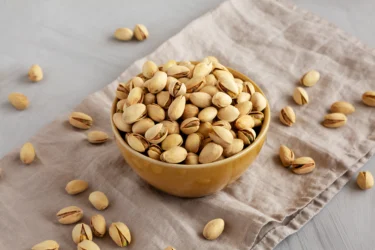
Though there are studies that show the benefits of Pistachios in various conditions, these are insufficient and there is a need for further studies to establish the true extent of the benefits of Pistachios on human health.
As per a study11, eating 3-4 pistachios everyday showed significant improvement in blood flow through the penis. This goes to show that eating pistachios may help with erectile dysfunction.
Dr. Rajeev Singh, BAMS
You must consult a qualified doctor before taking any herbal supplements. Do not discontinue or replace an ongoing treatment of modern medicine with an ayurvedic/herbal preparation without consulting a qualified doctor.
A few side effects related to the consumption of pistachios include:
However, if you experience any adverse reactions to pistachios, it is advised to discontinue its intake and immediately contact a doctor or your Ayurvedic physician who has prescribed it. They will be able to guide you appropriately for your symptoms.
Also Read: Amazing Health Benefits of the Avocado
Eating pistachios is okay if taken in moderate amounts. However, general precautions must be followed in the mentioned conditions10:
There is no significant interaction of pistachios with other drugs. However, you must always seek the advice of your Ayurvedic physician about the possible interaction of pistachios with other drugs and follow the prescription thoroughly, as they will know your health condition and other medications you are taking.
The scientific name of pistachios is Pistacia vera, which belongs to the family Anacardiaceae or the cashew family1.
Being a good source of fiber and protein, they may help in weight loss. However, more studies need to be done on humans to support these claims. Therefore, it is advised to consult a doctor for issues related to weight1.
Yes, pistachios may help manage diabetes as they have the potential to improve glycemic control. However, more studies need to be done in humans to support these claims. Therefore, it is advised to consult a doctor for better outcomes3.
Pistachios are rich in antioxidants like lutein and zeaxanthin, which may help improve vision. However, studies supporting these claims are limited and thus, it is advised to consult a doctor for a better assessment1.
Consumption of pistachios in excess can increase the risk of gout, impair the digestive process and kidney function. In allergy-prone individuals, pistachios can cause nut allergy8.
Disclaimer: The information provided here is for educational/awareness purposes only and is not intended to be a substitute for medical treatment by a healthcare professional and should not be relied upon to diagnose or treat any medical condition. The reader should consult a registered medical practitioner to determine the appropriateness of the information and before consuming any medication. PharmEasy does not provide any guarantee or warranty (express or implied) regarding the accuracy, adequacy, completeness, legality, reliability or usefulness of the information; and disclaims any liability arising thereof.
Links and product recommendations in the information provided here are advertisements of third-party products available on the website. PharmEasy does not make any representation on the accuracy or suitability of such products/services. Advertisements do not influence the editorial decisions or content. The information in this blog is subject to change without notice. The authors and administrators reserve the right to modify, add, or remove content without notification. It is your responsibility to review this disclaimer regularly for any changes.
1
3
Yoga, an invaluable gift from ancient India, embodies the unification of mind-body; thought and action, fulfillment and restraint; and is considered a holistic approach to human health and well-being. Yoga is about practicing asanas and discovering a sense of oneness within ourselves, the world and nature1. Sarpasana is the most versatile of all yoga asanas. Sarpasana, also known as the snake pose or the snake asana, is a yoga pose that is said to have many benefits.
If you are searching for an easy yoga pose that can help you improve your overall health and well-being, look no further than Sarpasana! Please keep reading to learn more about the benefits of this pose and how to do it.
Sarpasana is a backbend in the prone position. “Sarpa” in Sanskrit means snake and “asana” means pose. In English, this asana is known as snake pose yoga. The Sritattvanidhi (treatise written in Karnataka), which was written in the 19th century, mentions this pose as “Sarpasana”, whereas in Iyengar yoga (a book written by the foremost yoga guru; B.K.S.Iyengar) this pose is referred to as Bhujangasana or the cobra pose2.
Sarpasana’s aligning of the spine allows prana (life-force energy) to flow through the chakras. As a result, these chakras are opened and balanced. Following chakras/body centers are opened and balanced :
The best time to practice Yogasanas is the “Brahmamuhurta”; a Sanskrit word that refers to the time two hours before and including sunrise. It is always advised to practice any asana on an empty stomach. Avoid performing any asana until three-four hours have lapsed after meals. One may perform Sarpasana in the following manner:
In my experience, regular practice of Sarpasana along with other yoga asanas may aid in rheumatoid arthritis. For the benefit of people, this drug-free, readily adaptable, easily accessible, reasonably priced expensive, side-effect-free, and more natural alternative therapy for the management of Amavata (rheumatoid arthritis).
Dr. Rajeev Singh, BAMS
Some benefits of yoga Sarpasana are as follows:

Pushpika et al. conducted a study13 in 2010 to assess the efficacy of yoga intervention in individuals with lower back pain. The yogic treatment plan included several asanas like Sarpasana. At the end of the study, it was found that lower back pain can be managed in the majority of cases with the help of Yogasanas like Sarpasana. However, further studies are needed to support these results. Consequently, it is recommended to consult a doctor for proper treatment; do not rely on this asana alone. Additionally, one must perform this asana under the supervision of a qualified trainer5.

Diabetes is characterized by an increase in glucose in the blood. Malhotra et al. conducted a study12 in 2003 on Type II diabetic individuals to assess the effect of yoga intervention consisting of various asanas like Sarpasana on Type II Diabetes mellitus. The 40-day practice of asanas like Sarpasana showed a decrease in fasting and post-prandial blood glucose. Therefore, yogic postures like Sarpasana might help improve glycemic control. However, if you have an abnormal sugar level, you should consult a doctor and not rely on this asana alone to treat diabetes. Additionally, it is recommended to practice this asana under the guidance of a professional trainer6.

Musculoskeletal disorders (MSDs) are complex syndromes ranging from acute to chronic pain, disability or impaired physical function. Yogasanas like Sarpasana move the spine and the lower body through the complete range of motion and might help improve muscle activity. Thus, it may provide symptomatic relief from MSDs. However, limited studies are known in this area. So, in case you have any muscle disorders, it is recommended to consult a doctor and not rely on this asana alone. Additionally, it is advised to perform this asana under the guidance of a qualified trainer7.
Martale et al. conducted a study8 in 2014 to assess the effects of Pranayama on physiology. The result on biochemical variables revealed a reduction trend in the values of triglycerides, cholesterol and LDL (Low-density lipoprotein). The results of this study sustained the fact that Yogasanas like Sarpasana may help improve the lipid profile. However, it is recommended to consult a doctor if you have an abnormal lipid profile. Sarpasana should not be considered a substitute for modern medicine and should be performed under the supervision of a qualified trainer8.

Verma et al. conducted a study9 in 2017 to assess the effect of yoga practices on micronutrient absorption in 66 urban school children. The yoga intervention included several supine pose and prone pose asanas including Sarpasana. 12-weeks of yoga intervention showed improvement in micronutrient absorption. Therefore, asanas like Sarpasana may improve micronutrient absorption. However, more studies should be conducted to support these claims. It is recommended to not consider this asana as an alternative to modern medicine. Additionally, it is advised to perform this asana under a qualified trainer9.
Also Read: Benefits of Parsvakonasana (Side Angle Pose) and How to Do it By Dr. Ankit Sankhe
Yoga practice may help develop the mind and body; however, it is still not an alternative to modern medicine. Therefore, you must not rely on Yoga alone to treat any condition. Instead, please consult a qualified doctor who will be able to assess your condition correctly and advise accordingly. Moreover, it is necessary to practice and learn Yoga under the supervision of a trained yoga teacher to avoid any injuries.
From my knowledge, regular practice of Sarpasana may help to tone the abdomen and lessen the size of a bulging belly. It is believed to aid in the weight loss journey11.
Dr. Siddharth Gupta, B.A.M.S, M.D (Ayu)
Few conditions where Sarpasana is contraindicated are:
Also Read: Benefits of Pranam Asana (Prayer Pose) and How to Do it By Dr. Himani Bisht
Sarpasana is a backbend in a prone position. “Sarpa” in Sanskrit means snake, and “asana” means pose. In English, this asana is known as snake pose yoga. The Sritattvanidhi (treatise written in Karnataka), which was written in the 19th century, mentions this pose as “Sarpasana”, whereas in Iyengar yoga (a book written by the foremost yoga guru; B.K.S.Iyengar) this pose is referred to as Bhujangasana or the cobra pose. Practising Sarpasana may provide several benefits, which include improvement of diabetes, asthma, muscular flexibility, and lipid profile. Additionally, this asana may help promote appetite, relieve constipation, strengthen legs and shoulders and improve flexibility.
Also Read: Benefits of Mayurasana (Peacock Pose) and How to Do it By Dr. Ankit Sankhe
Sarpasana is known as the snake pose in yoga. “Sarpa” in Sanskrit means snake and “asana” means pose. In English, this translates to snake pose yoga.
Sarpasana may provide several benefits, which include improvement of diabetes, asthma, muscular flexibility and lipid profile. Additionally, this asana may help promote appetite, relieve constipation, strengthen legs and shoulders and improve flexibility.
Lie on your stomach with your legs straight, and your feet joined together. Place your chin on the floor. Next, interlock the fingers and place your hands on your buttocks. Push your hands back and try to raise your arms as much as possible. Imagine someone is pulling your arms from behind. Hold this position as long as it is comfortable. Next, slowly return to the initial position and relax your body. This completes one round of Sarpasana. Repeat and practice up to five rounds3.
People having cardiac disorders, vertebral and disc disorders, hernia, and ulcers should abstain from performing Sarpasana3.
No, Sarpasana is not a part of surya namaskar.
1. 21 June INTERNATIONAL DAY OF YOGA INTERNATIONAL DAY OF YOGA Common Yoga Protocol, Ministry of Ayurveda, Yoga & Naturopathy, Unani, Siddha and Homoeopathy (AYUSH) [Internet] 4th Revised Edition, May 2019. [Cited: 2022 Nov 06] Available from: https://mea.gov.in/images/pdf/common-yoga-protocol-english.pdf
2. N.E.Sjoman. Sarpasana. The Yoga tradition of the Mysore palace. Abhinav publications.1999;16,21,71,72. Available at: https://terebess.hu/english/Yoga-Tradition-of-the-Mysore-Palace.pdf
3. Swami Satyananda Saraswati. Asana Prayanama Mudra Bandha. Yoga Publication trust Bihar: India.1996;201-203. Available at: https://www.yogkulam.org/books/Asana.pdf
4. Swami Satyananda Saraswati. Kundalini Tantra. Awakening the chakras. Pg.53.Available at: https://www.yogkulam.org/books/Kundalini%20Tantra%20SwamiSatyananda%20Saraswati-.pdf
5. Pushpika et al. Clinical evaluation of selected Yogic procedures in individuals with low back pain.Ayujournal. April,2010. DOI:10.4103/0974-8520.72409. Available at: https://www.researchgate.net/publication/51844141_Clinical_evaluation_of_selected_Yogic_procedures_in_individuals_with_low_back_pain
6. Malhotra. V, Singh. S, Tandon OP, Sharma SB. (2005). The beneficial effect of yoga in diabetes. Nepal medical college Journal, 7(2), 145-47 Available at: https://pubmed.ncbi.nlm.nih.gov/16519085/
7. Mullerpatan RP, Agarwal BM, Shetty TV. Exploration of Muscle Activity Using Surface Electromyography While Performing Surya Namaskar. Int J Yoga. 2020 May-Aug;13(2):137-143. doi: 10.4103/ijoy.IJOY_72_19. Epub 2020 May 1. PMID: 32669768; PMCID: PMC7336940. Available at: https://www.ncbi.nlm.nih.gov/pmc/articles/PMC7336940/
8. Martale at al. The Effect of Pranayama on Physiological Aspects. Entire Research, Vol.- 6, Issue-II. 2014;66-70. Available at: https://www.ghrws.com/Entire%20Research/E.%20R.%202014/Volume-6,%20Issue-II,%20April%202014.pdf
9. Verma A, Shete S, Kulkarni D, Bhogal RS. Effect of yoga practices on micronutrient absorption in urban residential school children. J Phys Ther Sci. 2017 Jul;29(7):1254-1258. doi: 10.1589/jpts.29.1254. Epub 2017 Jul 15. PMID: 28744059; PMCID: PMC5509603. Available at: https://www.ncbi.nlm.nih.gov/pmc/articles/PMC5509603/
10. Pal Surbhi, Role of yoga therapy (Asana & Pranayama) in the Management of Menopausal Syndrome. Sangyaharan Shodh: International Peer Reviwed: Aug. 2022, Vol. 25, No.2/ ISSN 2278-8166. Available from: https://www.researchgate.net/publication/377724687_Role_of_yoga_therapy_Asana_Pranayama_in_the_Management_of_Menopausal_Syndrome
11. Joshi S (Deole), Deole YS, Vyas GH, Dash SC. Management of overweight and obesity through specific yogic procedures. AYU (An International Quarterly Journal of Research in Ayurveda). 2009 Oct–Dec;30(4):425–435 [cited 2025 Dec 20]. Available from: https://www.researchgate.net/profile/Yogesh-Deole/publication/265026464_Management_of_Overweight_and_Obesity_through_specific_Yogic_procedures/links/54f8124b0cf210398e940ed7/Management-of-Overweight-and-Obesity-through-specific-Yogic-procedures.pdf
12. Malhotra V, Singh S, Tandon OP, Madhu SV, Prasad A, Sharma SB. Effect of yoga asanas on nerve conduction in type 2 diabetes. Indian J Physiol Pharmacol. 2002 Jul;46(3):298–306. PMID:12613392. Available from: https://pubmed.ncbi.nlm.nih.gov/12613392/
13. Attanayake AMP, Somarathna KIWK, Vyas GH, Dash SC. Clinical evaluation of selected yogic procedures in individuals with low back pain. Ayu. 2010 Apr;31(2):245–250. doi:10.4103/0974-8520.72409. PMID:22131719; PMCID:PMC3215373. Available from: https://pubmed.ncbi.nlm.nih.gov/22131719/
Disclaimer: The information provided here is for educational/awareness purposes only and is not intended to be a substitute for medical treatment by a healthcare professional and should not be relied upon to diagnose or treat any medical condition. The reader should consult a registered medical practitioner to determine the appropriateness of the information and before consuming any medication. PharmEasy does not provide any guarantee or warranty (express or implied) regarding the accuracy, adequacy, completeness, legality, reliability or usefulness of the information; and disclaims any liability arising thereof.
Links and product recommendations in the information provided here are advertisements of third-party products available on the website. PharmEasy does not make any representation on the accuracy or suitability of such products/services. Advertisements do not influence the editorial decisions or content. The information in this blog is subject to change without notice. The authors and administrators reserve the right to modify, add, or remove content without notification. It is your responsibility to review this disclaimer regularly for any changes.
0
0
Canola is a yellow flowering plant that belongs to the family Brassicaceae. Three different species in this family are Brassica rapa, Brassica napus and Brassica juncea. B.napus, also known as rapeseed, was identified in 2000 B.C. originally in Northern Europe and the Mediterranean. Rapeseed is a crop high in erucic acid. It is known to contain >40% erucic acid (monounsaturated omega-9 fatty acid). Animal studies showed erucic acid was unhealthy for human use and used in small quantities for industrial use in North America.
In 1976, Canadian scientists were able to improve the quality of rapeseed. In 1979, Canada registered the word “canola” for the discovery of a new seed found to produce oil, which was low in erucic acid and glucosinolates. Canola oil has now become has become one of the major oilseed crops worldwide. After palm and soyabean oil, canola oil production ranks third largest vegetable oil by volume. Let us find more exciting benefits regarding canola oil1.
Canola oil contains no traces of cholesterol and is made up of unsaturated fats, this is the reason why it is considered healthier compared to other oils. The percent composition of canola oil is given below
Scientific literature has found that the consumption of canola oil shows numerous properties as mentioned below:
Let me share something really interesting about canola oil. It contains vitamin E, including gamma-tocopherol and alpha-tocopherol. Vitamin E might play an important role in keeping your cell membranes healthy, especially those in your mucus membranes and skin. It does so by acting as a potential shield against harmful oxygen-free radicals that might damage your cells8.
Dr. Rajeev Singh, BAMS
Some of the potential benefits of Canola oil are described as follows:
Hyperlipidemia is a risk factor for most cardiovascular diseases, which might be closely linked to plasma lipid levels. Vegetable oils like canola oil may help improve plasma lipids. Ghobadi et al. conducted a systematic review in 2019 to assess the effect of canola oil consumption on lipid profile3. The review showed that consumption of canola oil significantly reduced low-density lipoproteins (LDL) and total cholesterol (TC) and did not affect high-density lipoprotein (HDL) and triglycerides. This indicates that the consumption of canola oil may improve TC & LDL. However, more studies are required to confirm these claims.

Hepatic steatosis, or fatty liver disease causes prolonged fat accumulation in the liver. It impairs hepatic metabolism and can result in inflammation of the liver. Studies show that consumption of canola oil may have a positive impact on hepatic steatosis. Maryam et al. conducted a study4 in 2021 to assess the effect of canola oil consumption on hepatic steatosis in women suffering from PCOS (Polycystic Ovarian Syndrome). The intervention included the consumption of canola oil 25g/d for 12 weeks. Results showed that women who consumed canola oil showed a reducing trend in the fatty liver grade. This indicates that canola oil may help in treating hepatic steatosis. However, more studies are needed to claim these results.

Insulin resistance and oxidative stress play an important role in the pathophysiology of Type II DM. Atefi et al. conducted a study5 in 2018 to assess the effect of canola oil on insulin resistance, oxidative stress, and inflammation in women with Type II DM. The intervention included the consumption of 30g/d canola oil for 8 weeks. The study results concluded that consumption of canola oil in type II DM might help reduce oxidative stress and inflammation. This indicates that canola oil may help manage Type II DM. However, more studies are needed to support these claims.
Central obesity is the accumulation of visceral fat or excess weight around the body’s centre. Canola oil is a cholesterol-free oil that can help in managing obesity. Liu et al. conducted a study6 in 2016 to assess the effects of diets low in saturated fatty acids or high in polyunsaturated fatty acids/ monounsaturated fatty acids on body composition. This study showed that participants who received canola oil had a reduced fat mass, especially males. Therefore, there is a certainty that canola oil may help in reducing central obesity, but we need more studies to support these claims.

Though there are studies that show the benefits of canola oil in various conditions, these are insufficient and there is a need for further studies to establish the true extent of the benefits of canola oil on human health.
Judging from what I’ve witnessed, canola oil might be a safe choice for people with food allergies. This is because it doesn’t have the proteins that usually cause allergic reactions. So, you may use canola oil without any worries8.
Dr. Siddharth Gupta, B.A.M.S, M.D (Ayu)
Canola oil can be used in the following ways:
You must consult a qualified doctor before taking any herbal supplements. Do not discontinue or replace an ongoing treatment of modern medicine with an ayurvedic/herbal preparation without consulting a qualified doctor.
Also Read: 7 Incredible Benefits Of Chia Seed Oil
A few side effects related to the use of canola oil include:
However, if you experience any adverse reactions to canola oil, immediately contact a doctor or your Ayurvedic physician who has prescribed it to you. They will be able to guide you appropriately for your symptoms.
Canola oil, which has a high smoke point, might be ideal for deep frying, in my view. It might withstand high temperatures up to 246°C without smoking. This means that when you use canola oil for deep frying, the oil is less likely to be absorbed by the food. So, you may get deliciously crispy fried foods with less oil retention8.
Dr. Smita Barode, B.A.M.S, M.S.
The use of canola oil is contraindicated in the following conditions:
Also Read: Health Benefits of Coconut Oil for Skin and Hair
There is a lack of data regarding the interaction of canola oil with other drugs. If you’re taking blood thinners, kindly consult with your doctor. Additionally, you must always seek the advice of your Ayurvedic physician about the possible interaction of canola oil with other drugs, and follow the prescription thoroughly, as they will know your health condition and other medications you are taking.
Also Read: Almond Oil: Uses, Benefits, Side Effects By Dr. Rajeev Singh
Rapeseed is a crop high in erucic acid, known to contain >40% erucic acid (monounsaturated omega-9-fatty acid). Canola oil is the modified version of this plant, with improved quality1.
The canola oil plant is scientifically known as Brassica rapa.
The use of canola oil during pregnancy should be avoided, as it can lead to stunted growth of the infant. Kindly, consult your doctor for proper advice2.
Canola oil may show a reduction in total cholesterol and LDL. However, it is advised to consult a doctor for a proper treatment for hyperlipidemia and not consider canola oil as an alternative to modern medicine.
The use of canola oil may harm the heart and the liver due to the toxic mustard gas. Although present in small amounts, uric acid may hinder normal growth. As canola oil is partially hydrogenated, it may cause arterial inflammation and calcification. Additionally, it can impair memory and may prolong bleeding time2.
Disclaimer: The information provided here is for educational/awareness purposes only and is not intended to be a substitute for medical treatment by a healthcare professional and should not be relied upon to diagnose or treat any medical condition. The reader should consult a registered medical practitioner to determine the appropriateness of the information and before consuming any medication. PharmEasy does not provide any guarantee or warranty (express or implied) regarding the accuracy, adequacy, completeness, legality, reliability or usefulness of the information; and disclaims any liability arising thereof.
Links and product recommendations in the information provided here are advertisements of third-party products available on the website. PharmEasy does not make any representation on the accuracy or suitability of such products/services. Advertisements do not influence the editorial decisions or content. The information in this blog is subject to change without notice. The authors and administrators reserve the right to modify, add, or remove content without notification. It is your responsibility to review this disclaimer regularly for any changes.
4
1
Coconut is a simple fruit with multiple gifts to offer! It is also known as coco, nariyal, coco-da-bahia, etc. The scientific name of the coconut tree is Cocos nucifera (L.), and it belongs to the family Arecaceae. The plant originated from Southeast Asia and islands between the Pacific and Indian Ocean; it was brought to India and East Africa. The coconut palm is either utilized as a whole or in sections to produce milk, husk or the widely used coconut oil. Coconut oil is prepared by pressing dried coconut meat (copra) or fresh coconut meat. The oil prepared using fresh coconut meat is known as virgin coconut oil, and the one prepared using dried coconut meat (copra i.e. the dried brown covering) is called refined coconut oil. Coconut oil has benefits much more than you can expect. Here are a few benefits of virgin coconut oil and some special considerations to be kept in mind if you plan to include coconut oil in your diet1,2.
Coconut oil contains various nutritional components including bioactive compounds such as that are given below (Value per 100 g)3:
You can mix several oils with coconut oil to increase its efficacy when used for hair-related issues such as baldness, hair loss, dandruff, etc. Oils such as castor, amla, neem, and almond are great sources of various nutrients like vitamins, antioxidants, protein, etc. These properties add to the goodness of coconut oil12.
Dr. Siddharth Gupta, B.A.M.S, M.D (Ayu)
The consumption of coconut oil shows numerous scientifically proven properties. Some of these properties are mentioned below:
Some of the potential benefits of coconut oil are described as follows:

Coconut oil prevents damage to various hair types. Rele et al. conducted a review4 in 2003 to assess the effect of different treatments on hair. This study concluded that, among all other treatments, coconut oil was the only oil found to reduce protein loss for damaged and undamaged hair types. In addition, coconut oil is a triglyceride of lauric acid, has a high affinity for hair proteins, that can penetrate hair shafts due to its low molecular weight. This indicates that coconut oil may have a positive impact on hair. However, we need more studies to support these claims4.
Coconut oil is a medium-chain fatty acid known to have several benefits. Teng et al. conducted a systematic review5 in 2020 to assess the effects of coconut oil consumption on lipid profile. The summary estimate of 12 meta-analysis studies showed that consumption of coconut oil increased high-density lipoprotein (HDL- good cholesterol) and low-density lipoprotein or bad cholesterol. A better lipid profile is demonstrated with the use of virgin coconut oil. This indicates that using coconut oil may improve HDL but can also have a harmful effect by increasing low-density lipoprotein. Therefore, more studies are needed to support the use of coconut oil in humans, especially those focused on virgin coconut oil5.
Few studies support the anticancer role of coconut oil. Verma et al. conducted a study6 in 2019 to assess the in-vitro anticancer activity of virgin coconut oil in cancer cell lines in the liver. This study showed positive results for cancer cell lines treated with virgin coconut oil. In addition, the fatty acid component of coconut oil is known to target the liver by portal circulation directly. This indicates that using coconut oil may help manage liver cancers. However, more studies are needed to support these claims6.

Alzheimer’s disease is a prevalent neurodegenerative disease characterised by a decline in cognition. Jose et al. conducted a study7 in 2017 to assess the effect of coconut oil consumption in Alzheimer’s disease. The results of this study showed that the consumption of coconut oil had a positive impact on cognitive function. This suggests that coconut oil may help manage Alzheimer’s disease by improving cognition. However, more studies are needed to support these claims7.
The antiviral and antibacterial properties of coconut oil are attributed to the presence of lauric acid. Khairiyah et al. conducted a literature review8 in 2017 on the nutraceutical properties of coconut oil, which suggested that consumption of coconut oil can have a positive impact on gram positive bacterial infections. Imelda et al. conducted a study in 2021 to assess the effect of virgin coconut oil on Covid-19 patients. The results of this study support the use of virgin coconut oil by reducing C-reactive protein levels that may help manage viral infections like Covid-19. Additionally, the presence of caprylic acid and lauric acid may help in managing fungal infections. The above-mentioned studies indicate that consumption of coconut oil may help in managing bacterial, viral and fungal infections. However, more studies are needed to support these claims8,9.
Some studies show that coconut oil contains lauric acid that possesses antimicrobial activities. Because of these properties, using coconut oil to aid minor wounds might be beneficial13.
Dr. Rajeev Singh, BAMS
Though there are studies that show the benefits of coconut oil in various conditions, these are insufficient and there is a need for further studies to establish the true extent of the benefits of coconut oil on human health.
It can be used in the following ways:
You must consult a qualified doctor before taking coconut oil. Do not discontinue or replace an ongoing treatment of modern medicine with coconut oil without consulting a qualified doctor.
A few side effects related to the consumption of coconut oil include the following9:
However, if you experience any adverse reactions to coconut oil, it is advised to discontinue its intake and immediately contact a doctor or your Ayurvedic physician who has prescribed it to you. They will be able to guide you appropriately for your symptoms.
Eating coconut oil is okay if taken in moderate amounts. However, general precautions must be followed in the following conditions:
Also Read: Walnut Oil: Uses, Benefits, Side Effects By Dr. Smita Barode
There are no significant interactions of coconut oil with other drugs. However, you must always seek the advice of your Ayurvedic physician about the possible interaction of coconut oil with other drugs, and follow the prescription thoroughly, as they will know your health condition and other medications you are taking.
The scientific name of coconut is Cocos nucifera (L.), and it belongs to the family Arecacea1.
The oil prepared using fresh coconut meat is known as virgin coconut oil, and the one prepared using dried coconut meat (copra i.e., the dried brown covering) is called refined coconut oil2.
Studies show a positive result between the consumption of coconut oils and gingivitis, attributed to the presence of polyphenols which show an anti-inflammatory effect. However, more studies must be done to support this claim in humans. Therefore, it is advised to consult a doctor for proper treatment of gingivitis.
Yes, in-vitro studies show that consumption of coconut oil may have a positive impact on liver cancers; however, more studies are needed to ensure this. Therefore, it is advised to consult a doctor for a proper treatment of liver cancer and do not consider consumption of coconut oil as an alternative to modern medicine5.
Consuming coconut oil in excess can result in headaches, nausea, swollen glands, dizziness, chills and loose stools9.
Disclaimer: The information provided here is for educational/awareness purposes only and is not intended to be a substitute for medical treatment by a healthcare professional and should not be relied upon to diagnose or treat any medical condition. The reader should consult a registered medical practitioner to determine the appropriateness of the information and before consuming any medication. PharmEasy does not provide any guarantee or warranty (express or implied) regarding the accuracy, adequacy, completeness, legality, reliability or usefulness of the information; and disclaims any liability arising thereof.
Links and product recommendations in the information provided here are advertisements of third-party products available on the website. PharmEasy does not make any representation on the accuracy or suitability of such products/services. Advertisements do not influence the editorial decisions or content. The information in this blog is subject to change without notice. The authors and administrators reserve the right to modify, add, or remove content without notification. It is your responsibility to review this disclaimer regularly for any changes.
8
0
Cashew nuts or Kaju are technically not nuts but seeds. The scientific name of cashew nuts is Anacardium Occidentale L. and belongs to the family Anacardiaceae.
Cashew nuts grow on evergreen trees, which are native to Brazil and later expanded to South American countries. The Portuguese introduced cashew nuts in India and Africa in the 16th century.
A single-seeded nut in a hard grey shell grows at the bottom of the cashew apple (a soft and juicy fruit). There are 33 varieties of cashew nuts identified, out of which only 26 varieties are marketed. The W-180 variety is known as the “king of cashews”.
Cashew nuts are a popular ingredient known for its rich nutty flavour and is used in various Indian dishes and as a dairy alternatives like cream and cashew milk. As for the nutritional composition, cashew nuts are rich in tocopherols, phytosterols, phenolic lipids and several bioactive compounds, all of which have several benefits to human health1.
Cashew nuts provide a range of nutrients per 100g serving, as outlined below2:
Cashews have several vital nutrients such as vitamins like vitamin B (thiamine and folate), E, and K. Additionally, they are abundant in minerals like magnesium, phosphorus, copper, and zinc, which are crucial for several body processes11.
Dr. Siddharth Gupta, B.A.M.S, M.D (Ayu)
Scientific literature has found that cashew nuts show numerous properties as those mentioned below:
Some of the potential benefits of cashew nuts are described below.

Consumption of cashew nuts may exert a cardio-protective effect. A study5 conducted to assess the effects of cashew nut consumption on blood pressure and cardiovascular risk factors supported that consumption of cashew nuts may improve triglyceride levels and systolic and diastolic blood pressure. However, the same study did not find significant effects on other factors like HDL cholesterol or total cholesterol. While these findings are promising, further high-quality research is needed to confirm the potential benefits. Cashew nuts should be consumed in moderation as part of a varied and balanced diet.
Cashew nuts are rich in proanthocyanidins, a flavanol that is associated with cancer cell replication. Additionally, the presence of copper and other minerals may help reduce the risk of colon cancer. Thus, this may indicate consumption of cashew nuts may exert an anti-cancer effect. However, we need enough studies to support these claims6.

Proinflammatory cytokines like TNF-alpha and IL-6 are involved in the development of chronic pain. Cashew nuts have been found to exhibit anti-inflammatory and pain-relieving (analgesic) properties, potentially by reducing the production of these inflammatory molecules. They also possess antioxidant activity, which may help protect cells from damage caused by harmful free radicals. These properties suggest that including cashew nuts in the diet may help support the body’s natural response to inflammation and discomfort. However, further research in humans is needed to confirm these potential effects7.
Haemoglobin is a protein that enables red blood cells to carry oxygen. Iron and copper are essential micronutrients required for the production of haemoglobin. Cashew nuts are a source of iron and copper and thus may help in the formation of haemoglobin. Additionally, the consumption of cashew nuts may help in managing blood disorders. However, scientific evidence supporting these claims is limited, and we need more studies to confirm these findings6.

Cashew nuts contain zeaxanthin, an antioxidant known to protect the macula of the eyes from external damage and improve eyesight. This may indicate that the consumption of cashew nuts can help improve vision. However, scientific evidence supporting these claims is limited, and we need more studies to support these claims6.
Cashew nuts may help in improving brain function. Chemobrain is a term for the adverse effects of chemotherapy-induced brain deterioration. There are no drugs which are available to cure the weakening of the brain caused due to chemotherapy. A study8 conducted in 2022 to assess the effects of cashew nuts consumption on cisplatin-induced brain harm in rats showed that cashew nuts could be used as a functional food to manage cisplatin-induced neurotoxicity. This indicates that the consumption of cashew nuts may help improve brain function. However, we need more studies to confirm these claims7.

Cashe nuts may help in managing diabetes, supporting bone health, and improving brain function. Additionally, cashew nuts may contribute to healthy weight management and provide nourishment to the hair. Some evidence also suggests they may assist in the prevention of certain blood disorders9.
To my knowledge, cashew nuts offer multiple health benefits as they are packed with micro and macronutrients. They are believed to contain natural compounds that could contribute to immune function, exhibit antioxidant properties, and support general wellness. Some studies12 also suggest that they may also play a role in maintaining skin health and supporting iron intake.
Dr. Rajeev Singh, BAMS
Cashew nuts can be used in the following ways10:
You must consult a qualified doctor before taking any herbal supplements. Do not discontinue or replace an ongoing treatment of modern medicine with an ayurvedic/herbal preparation without consulting a qualified doctor.
A few side effects related to the consumption of cashew nuts include3:
However, if you experience any adverse reactions to cashew nuts, immediately contact a doctor or your Ayurvedic physician who has prescribed it to you. They will be able to guide you appropriately for your symptoms.
Also Read: List of Protein Rich Food for Vegetarians
Eating cashew nuts in moderation is generally considered safe for most people. However, it is important to follow certain precautions while consuming cashew nuts10:
Also Read: Chayote: Uses, Benefits, Side Effects & More
Cashew nuts show no significant drug interactions with medicines. However, it is always advisable to consult a healthcare professional before including cashew nuts regularly in your diet, especially if you are taking prescribed medication.
Also Read: Psyllium Husk (Isabgol): Uses, Benefits & Side Effects
Cashew nuts are a nutritious addition to the diet and may offer several potential health-supporting properties. However, they should be consumed in moderation and may not be suitable for everyone. Further studies are needed to confirm their effects on human health.
Also Read: Dried Dates: Uses, Benefits, Side Effects & More!
The scientific name of cashew nuts is Anacardium Occidentale L., and it belongs to the family Anacardiaceae.
Salted cashew nuts can be consumed as snacks occasionally, but they’re not nutritious. It is advised to consume cashew nuts raw, and unsalted without any oils.
Consumption of cashew nuts may help improve eyesight due to the presence of an antioxidant, zeaxanthin. However, there are no studies conducted yet to support these claims.
The symptoms of nut allergy include urticaria (red bumps on the skin), runny nose, swollen lips, and itchy skin.
Consuming cashew nuts in excess can result in constipation or weight gain. It may also trigger an allergic reaction in sensitive individuals.
Disclaimer: The information provided here is for educational/awareness purposes only and is not intended to be a substitute for medical treatment by a healthcare professional and should not be relied upon to diagnose or treat any medical condition. The reader should consult a registered medical practitioner to determine the appropriateness of the information and before consuming any medication. PharmEasy does not provide any guarantee or warranty (express or implied) regarding the accuracy, adequacy, completeness, legality, reliability or usefulness of the information; and disclaims any liability arising thereof.
Links and product recommendations in the information provided here are advertisements of third-party products available on the website. PharmEasy does not make any representation on the accuracy or suitability of such products/services. Advertisements do not influence the editorial decisions or content. The information in this blog is subject to change without notice. The authors and administrators reserve the right to modify, add, or remove content without notification. It is your responsibility to review this disclaimer regularly for any changes.
31
3


