What Happens When Your Potassium Levels Are Too High
Introduction
Potassium is the most abundant positively charged ion (cation) inside your cells1. It plays a crucial role in maintaining normal cell function2. This is especially important in tissues like the heart, nerves, and muscles, where potassium and sodium primarily regulate the resting membrane potential and action potentials that control nerve impulses and muscle contractions1,2.
Usually, a slight increase in potassium does not cause any noticeable symptoms. Even at a moderately high level, some patients may only have subtle electrocardiogram (ECG) changes. However, significantly high potassium level can be dangerous. It can disrupt the heart’s rhythm, potentially leading to life-threatening arrhythmias, as well as causing muscle weakness or even paralysis2.
Therefore, understanding the reasons for high potassium is essential for addressing this potentially serious condition. In this article, we will explore the causes, symptoms, diagnosis, treatment, and management of elevated potassium levels, helping you understand how to recognise and manage this condition.
What Is Potassium and Why Is It Important?
Potassium is a type of mineral and electrolyte that our body needs to function properly2. It’s found naturally in many foods, especially fruits and vegetables like bananas, oranges, spinach, and potatoes3.
Majority of potassium in our body is stored inside cells, particularly in muscles (around 98%). The remaining potassium (2%) lies in bones, and important organs like the liver, lungs, and brain. Only a small amount is found outside the cells, where it plays a critical role in keeping the cells healthy and maintaining their proper function3. Potassium helps regulate the body’s fluid balance, supports normal nerve signals, and ensures that muscles, including that of the heart, contract properly. It also helps maintain healthy blood pressure2,3.
What Is Considered a High Potassium Level?
Potassium levels in the blood are carefully regulated because they play a vital role in maintaining the normal electrical activity of cells, especially in the heart, muscles, and nerves.
Normal Range: In healthy individuals, the normal range of potassium in the blood (serum or plasma) is between 3.5 and 5.0 mmol/L1.
High Levels: When potassium levels rise above this range, typically above 5.0 to 5.5 mmol/L, it is considered hyperkalaemia, or high potassium2.
You may be wondering, what is the main cause of high potassium? This will be discussed in the next section.
What Causes High Potassium?
High potassium levels in the blood can occur when your body either retains too much potassium or releases too much of it from the cells into the bloodstream2. Normally, the kidneys work to keep potassium levels in balance, but several factors can interfere with this process1. Common high potassium levels causes include:
Kidney Problems: Since the kidneys are responsible for removing excess potassium, any condition that reduces kidney function, like chronic kidney disease, can lead to potassium buildup in the blood2.
Certain Medications: Some drugs can affect how the kidneys handle potassium, including Angiotensin converting enzyme (ACE) inhibitors, angiotensin receptor blockers (ARBs), potassium-sparing diuretics, and some nonsteroidal anti-inflammatory drugs (NSAIDs)4.
Excess Potassium Intake: Although excess potassium intake rarely causes hyperkalaemia in healthy individuals, it can raise potassium levels when kidney function is impaired or other risk factors are present2.
Tissue Damage: When cells are damaged, such as in rhabdomyolysis (breakdown of muscle cells), haemolysis (breakdown of blood cells), tumour lysis syndrome (breakdown of tumour cells), potassium can leak out of the cells and into the bloodstream causing a surge2,5.
Diabetes: Unregulated or poorly controlled diabetes can cause an extracellular shift of potassium (from inside the cells into the bloodstream) even if total body potassium levels are normal or low. This shift, often due to insulin deficiency or acidosis, may lead to a spike in blood potassium levels (hyperkalaemia)4,6.
Adrenal Disorders: Conditions such as Addison’s disease (adrenal insufficiency) can lead to reduced levels of aldosterone (hormones that help control potassium balance)5.This deficiency consequently impairs renal potassium excretion leading to hyperkalaemia.
Now that you are aware of the causes, you may be worried about what if potassium is high and how it could affect your health. Let’s move to the next sections to understand this better.
Symptoms of High Potassium
High potassium symptoms often develop gradually but may be absent in mild cases; however, sudden severe elevations can cause rapid symptoms2. These can range from mild to severe and may include:
Since some symptoms of hyperkalaemia can be subtle or mistaken for other conditions, it’s important to get medical attention if you’re at risk or experiencing any unusual signs, especially if you have a known kidney condition or are on medications that affect potassium levels.
Complications of Untreated High Potassium Levels
If high potassium levels are not identified and addressed in time, they might lead to serious complications4. Since potassium plays a vital role in nerve and muscle function, especially in the heart, excess potassium can disrupt normal body processes in dangerous ways. Key complications include:
Thus, it’s important to diagnose hyperkalaemia promptly and avoid complications, which may even become life-threatening.
How Is It Diagnosed?
Diagnosing high potassium in body usually begins with a review of your symptoms, medical history, and medications, especially if you have kidney disease or are taking drugs that affect potassium levels. After initial examination, routine tests are performed. Key diagnostic tests include:
1. Blood Tests
The most common and reliable way to diagnose hyperkalaemia is through a serum potassium test6.It is important to get tested at a reputable laboratory because proper blood sample handling is crucial. This is because haemolysis (damage to blood cells) during sample collection or processing can falsely elevate potassium levels, a phenomenon known as pseudohyperkalemia.
2. Urine Potassium Test
Measuring the amount of potassium in your urine can help doctors determine whether your body is excreting potassium properly. Tests such as the urine potassium-to-creatinine ratio or a 24-hour urine potassium collection are especially useful in distinguishing whether hyperkalaemia is caused by kidney or non-kidney related factors⁸.
3. Electrocardiogram (ECG or EKG)
Since high potassium can affect heart function, your doctor may perform an ECG to check for changes in your heart rhythm2.
Since the kidneys are responsible for filtering out excess potassium, tests such as serum creatinine and blood urea nitrogen (BUN) may be done to assess kidney health and determine whether kidney problems are contributing to high potassium9.
Blood potassium levels are also measured as a part of renal or kidney function tests to know if the kidneys are working properly for potassium excertion, along with other parameters tested.
Depending on your symptoms and health history, your doctor may also order tests for adrenal function, blood sugar levels, or acid-base balance, particularly if conditions like diabetes or adrenal disorders are suspected2.
Early diagnosis is key to avoiding complications. If you’re at risk due to kidney issues, medications, or chronic illnesses, regular blood tests, such as the Potassium (K+) Test, can help monitor your potassium levels and identify problems early on.
How to Manage High Potassium Levels
The severity of the problem and its cause will determine how high potassium levels are addressed. The intention is to deal with the root cause, protect the heart, and quickly bring potassium levels down to a safe range. Your doctor might recommend the following methods to accomplish this:
1. Dietary Changes
Limiting high-potassium foods, such as bananas, oranges, potatoes, tomatoes, and spinach, may be recommended, especially for individuals with kidney problems2.
2. Adjusting Medications
If a medication or supplement is contributing to high potassium levels, your doctor may adjust the dose or switch to an alternative. Common contributors to hyperkalaemia include potassium-sparing diuretics, NSAIDs, ACE inhibitors, ARBs, certain beta blockers, and potassium supplements2,4.
3. Potassium Removal
To remove excess potassium from the body, doctors may use:
Diuretic medication (Water Pills): These increase urine output and help the kidneys eliminate potassium from the body2.
Note: Loop and thiazide diuretics promote potassium excretion and can help lower potassium levels, whereas potassium-sparing diuretics may worsen hyperkalaemia.
Gastrointestinal cation exchangers: These bind potassium in the intestines so it can be removed from the body through the stool2.
Dialysis: In patients with kidney failure or when other options don’t work fast enough, dialysis may be needed to physically remove potassium from the blood10.
4. Emergency Treatment (for Severe Hyperkalaemia)
If potassium levels are dangerously high or if there are signs of heart involvement, emergency addressal is needed. This may include:
Calcium Gluconate: Given intravenously to protect the heart by stabilising its electrical activity10.However,it is important to note that these do not lower potassium levels.
Insulin with Glucose: Rapidly shifts potassium from the blood into the cells, lowering blood levels quickly. Glucose is given to avoid low blood sugar2.
Beta-2 Agonists: These medications, often used for asthma, can also help shift potassium into cells10.However, thesemay be less reliable when used alone.
Sodium Bicarbonate: Mainly useful if metabolic acidosis (low blood pH) is present, as it can help shift potassium intracellularly by correcting blood pH2.
Drug of choice for hyperkalaemia emergency is IV calcium. It is available as calcium gluconate or calcium chloride. Calcium gluconate is preferred because calcium chloride can cause tissue damage (tissue necrosis) if it leaks from the blood vessel (extravasation)12.
Finally, managing the root cause, like improving blood sugar control in diabetes or addressing adrenal gland issues, is essential to avoid hyperkalaemia from recurring.
How to Prevent High Potassium Levels
Avoiding high potassium levels involves a combination of lifestyle choices, regular monitoring, and medical management, especially for those at higher risk, such as people with kidney disease, diabetes, or those taking certain medications. Here are some effective ways to avoid potassium buildup:
1. Monitor Potassium Intake
While potassium is essential for health, people at risk of hyperkalaemia may need to limit foods that are high in potassium. This includes2,11:
Bananas, oranges, avocados
Potatoes, tomatoes, spinach
Beans, nuts, and dried fruits
Your doctor or a dietitian can help create a meal plan if needed.
2. Follow Medication Guidelines Carefully
Some medications can raise potassium levels. If you’re taking drugs like ACE inhibitors, ARBs, potassium-sparing diuretics, or potassium supplements, it’s important to take them exactly as prescribed6. Never adjust or stop medications without consulting your doctor.
3. Avoid Salt Substitutes with Potassium
Nowadays, many salt alternatives are available in the market that swap potassium chloride for sodium. While this may be healthy for some people, it can be dangerous for those at risk of hyperkalaemia4. Always check labels and consult your doctor before using salt alternatives.
4. Stay Hydrated
Drinking enough fluids, like water, helps support kidney function. This, in turn, helps your body naturally excrete excess potassium2.However, in patients with advanced kidney disease or heart failure, fluid intake may need to be restricted to prevent fluid overload, so hydration advice should be individualised by a healthcare professional.
5. Regular Blood Tests
Routine blood tests to check potassium levels are especially important if you have kidney disease, heart failure, or diabetes, or if you’re on medications that affect potassium balance. Early detection helps avoid serious complications.
6. Manage Chronic Conditions
Keeping conditions like diabetes, high blood pressure, and kidney disease under control reduces the risk of potassium imbalances. This may involve certain lifestyle changes or medications/supplements. Make sure to have regular follow ups with your doctor to address any underlying issues.
When to See a Doctor?
It’s important to seek medical attention if you suspect the effects of high potassium, especially if you have a condition that puts you at risk.
You have kidney disease, diabetes, or heart failure, and start noticing unusual symptoms
You’re taking medications that affect potassium levels, and notice new or worsening symptoms
You’ve received abnormal blood test results showing elevated potassium
You’re unsure whether your diet or supplements may be affecting your potassium levels
Conclusion
It’s critical to understand the significance of potassium balance for safeguarding general health, particularly for the optimal functioning of your heart, muscles, and nerve cells. While potassium is an essential nutrient, its excessive levels or hyperkalaemia can be harmful. These occur more commonly in individuals with kidney disease or taking certain medications which affect potassium excretion.
Symptoms of hyperkalaemia often develop late and may be nonspecific or even absent initially. Therefore, early detection of high potassium levels mainly relies on regular blood tests for individuals at risk, rather than symptom recognition alone. Taking proactive steps, such as managing chronic conditions, following medical advice, and monitoring potassium levels, can help control hyperkalaemia. With proper awareness and care, it is entirely possible to maintain healthy potassium levels and avoid potentially dangerous complications from imbalance.
Frequently Asked Questions (FAQs)
Can I feel normal and still have high potassium?
Yes, mildly elevated potassium levels often have no symptoms2.This is why regular blood tests are important for people at risk. As potassium levels rise, symptoms like fatigue, muscle weakness, or irregular heartbeat may appear.
Is it safe to take multivitamins or supplements with potassium?
Many multivitamins contain small amounts of potassium, but potassium supplements should only be taken if prescribed4. People with kidney disease or on potassium-affecting medications should avoid over-the-counter potassium supplements unless approved by their doctor.
Can stress affect potassium levels?
While stress doesn’t directly raise potassium levels, physical stress (such as illness, injury, or surgery) can impact hormonal balance and kidney function, potentially contributing to shifts in potassium levels, especially in people with underlying conditions2,6.
Is high potassium always a sign of a serious health problem?
No, not always. Sometimes, a false high reading can occur due to how the blood sample was handled (e.g., if red blood cells rupture during collection, which is called pseudohyperkalaemia)2. Your doctor could repeat the blood test to make sure whether your potassium levels are abnormally high.
References
Sevamontree C, Jintajirapan S, Phakdeekitcharoen P, Phakdeekitcharoen B. The Prevalence and Risk Factors of Hyperkalaemia in the Outpatient Setting. Int J Nephrol. 2024 Jan 22;2024:5694131. Available from: https://pmc.ncbi.nlm.nih.gov/articles/pmid/38292832/
Simon LV, Hashmi MF, Farrell MW. Hyperkalaemia [Internet]. StatPearls Publishing; 2025 Jan; [updated 2023 Sep 4; cited 2025 May 21]. Available from: https://www.ncbi.nlm.nih.gov/books/NBK470284/
National Institutes of Health, Office of Dietary Supplements. Potassium – Health Professional Fact Sheet [Internet]. National Institutes of Health; [updated 2023 Mar 24; cited 2025 May 21]. Available from: https://ods.od.nih.gov/factsheets/Potassium-HealthProfessional/
Dépret F, Peacock WF, Liu KD, Rafique Z, Rossignol P, Legrand M. Management of hyperkalaemia in the acutely ill patient. Ann Intensive Care. 2019 Feb 28;9(1):32. Available from: https://pmc.ncbi.nlm.nih.gov/articles/pmid/30820692/
Viera AJ, Wouk N. Potassium Disorders: Hypokalemia and Hyperkalaemia. Am Fam Physician. 2015 Sep 15;92(6):487-95. Available from: https://www.aafp.org/link_out?pmid=26371733
Mente A, Irvine EJ, Honey RJ, Logan AG. Urinary potassium is a clinically useful test to detect a poor quality diet. J Nutr. 2009 Apr;139(4):743-9. Available from: https://pubmed.ncbi.nlm.nih.gov/19211830/
Gounden V, Bhatt H, Jialal I. Renal function tests [Internet]. StatPearls Publishing; 2025 Jan; [updated 2024 Jul 27; cited 2025 May 21]. Available from: https://www.ncbi.nlm.nih.gov/books/NBK507821/
Sterns RH, Grieff M, Bernstein PL. Treatment of hyperkalaemia: something old, something new. Kidney Int. 2016 Mar;89(3):546-54. Available from: https://pubmed.ncbi.nlm.nih.gov/26880451/
Weinstein J, Girard LP, Lepage S, McKelvie RS, Tennankore K. Prevention and management of hyperkalaemia in patients treated with renin-angiotensin-aldosterone system inhibitors. CMAJ. 2021 Dec 6;193(48):E1836-E1841. Available from: https://pmc.ncbi.nlm.nih.gov/articles/PMC8648362/
12. Rafique Z, Peacock F, Armstead T, Bischof JJ, Hudson J, Weir MR, Neuenschwander J. Hyperkalemia management in the emergency department: An expert panel consensus. J Am Coll Emerg Physicians Open. 2021 Oct 1;2(5):e12572. doi: 10.1002/emp2.12572. PMID: 34632453; PMCID: PMC8485984. Available from: https://pmc.ncbi.nlm.nih.gov/articles/PMC8485984/
Disclaimer: The information provided here is for educational/awareness purposes only and is not intended to be a substitute for medical treatment by a healthcare professional and should not be relied upon to diagnose or treat any medical condition. The reader should consult a registered medical practitioner to determine the appropriateness of the information and before consuming any medication. PharmEasy does not provide any guarantee or warranty (express or implied) regarding the accuracy, adequacy, completeness, legality, reliability or usefulness of the information; and disclaims any liability arising thereof.
1
Top Vitamin B12 Foods to Include in Your Diet Today!
Introduction
Have you been feeling unusually tired, low on energy, mentally unclear or confused? While these symptoms can have many causes, one possibility worth considering is a deficiency in vitamin B12.
Vitamin B12, also known as cobalamin, is an essential nutrient involved in red blood cell production, nerve function, and DNA synthesis. While it is often overlooked, adequate B12 level is essential for maintaining energy levels and supporting cognitive and neurological health of the body.
Your body cannot produce B12 on its own, so it must be obtained through foods high in vitamin B12 or supplements. Animal-based foods such as meat, dairy, and eggs are the primary sources of vitamin B12. Thus, if you follow a vegetarian or vegan diet, you may need B12 supplements to meet your daily requirement for the vitamin1,2.
In this article, we will explore vitamin B12 rich foods to help you maintain optimal vitamin B12 level and support your overall health, in a way that is both enjoyable and practical.
Why Is Vitamin B12 Important for Your Health?
Vitamin B12 (also called cobalamin) is a nutrient your body needs to stay healthy2. It plays a key role in:
Nervous system health: Vitamin B12 helps build and maintain the protective covering (called myelin) around your nerves. Without enough B12, people can experience tingling in their hands and feet, poor balance, memory problems, or mood changes2,3.
Red blood cell formation: Vitamin B12 is needed to produce healthy red blood cells that help carry oxygen throughout your body.2 Vitamin B12 deficiency is associated with anaemia, which can cause symptoms like tiredness, weakness, and shortness of breath.3,4
Energy and cell repair: B12 contributes to the production of DNA (the genetic material in your cells), which is essential for the formation of new cells and keeping your tissues healthy2.
Heart health: B12 helps control levels of a substance in your blood called homocysteine. High levels of homocysteine have been linked to an increased risk of heart disease2,4.
The recommended dietary allowance (RDA) of vitamin B12, which is sufficient for the nutrient needs of adults, is approximately 2.4 mcg per day2.
Who is at Risk for Low Vitamin B12 Levels?
Individuals following a vegan or vegetarian diet are at increased risk of having low vitamin B12 levels, as B12 is mostly found in animal foods.
People with health conditions that interfere with vitamin B12 absorption also may be at risk of deficiency, even if they consume enough through food. Since vitamin B12 absorption is a complex, multi-step process, any disruption can affect how much the body absorbs.
Vitamin B12 Absorption Process:
In the mouth, a protein in the saliva (haptocorrin) binds to B12 from the food you eat.
In the stomach, acid and enzymes free the B12 from the food you have eaten, allowing it to bind to intrinsic factor.
In the ileum (the last part of the small intestine), B12 is finally absorbed in the body2.
Are over age 50 years (your stomach may not make enough acid to absorb B12)
Have pernicious anaemia or digestive issues like Crohn’s disease or celiac disease
Have had stomach surgery (like gastric bypass)
Take certain medications (like metformin or acid blockers)
Good to know: Unlike foods high in vitamin B12, B12 from supplements or fortified foods (like some cereals or plant-based milks) does not need to go through all these steps. It is already in a form your body can absorb more easily. Therefore, these alternate options could be helpful for people who have trouble absorbing B12 from food.
Vitamin B12 Deficiency Symptoms:
Signs of a vitamin B12 deficiency can appear slowly and may include3:
Feeling tired or weak
Numbness or tingling in your hands and feet
Trouble with balance
Mood changes, memory problems, or brain fog
Pale skin or shortness of breath
If these sound familiar, talk to your doctor about testing for vitamin B12 levels.
Predominately vegan and vegetarian consumers are at higher risk of vitamin B12 deficiency. If you are considering supplementation, do so following a thorough examination by your registered medical doctor.
Vitamin B12 plays a key role in keeping your energy levels up, your nerves healthy, and your blood cells functioning properly2. Since your body cannot make it on its own, getting enough from foods high in vitamin B12 (or supplements) is essential.
Most vitamin B12 comes from animal-based foods, but there are some excellent fortified plant-based options for vegetarians and vegans2,3. Let’s explore some of the top vitamin B12 rich foods to help you meet your daily needs and stay energised and healthy:
1. Milk
Milk is an easy and reliable source of B12. It also gives you calcium and vitamin D, which help build strong bones and support your immune system1.
One cup of milk (2% fat) provides about 54% of your B12 RDA2.
Tip: For vegans, fortified plant-based options like soy milk can offer up to 45% of your B12 RDA. Check the label to be sure.
2. Yoghurt
Yoghurt is not just good for your gut; it is a solid B12 source1.
A 170 g (about ¾ cup) serving of plain, fat-free yoghurt provides around 43% of your B12 RDA1,2.
Tip: Choose low-fat, unsweetened yoghurt to avoid added sugar while still getting protein, calcium, and gut-friendly probiotics.
Bonus: Even small portions of these superfoods provide way more than your daily need and they are also rich in zinc and iron!
8. Nutritional Yeast (Fortified)
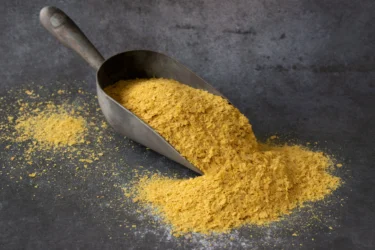
A favourite among vegans, nutritional yeast has a cheesy flavour and is often fortified with B121.
About ¼ cup of nutritional yeast can give you between 346% and 1,000% of your B12 RDA, depending on the brand2.
Bonus: Great served on popcorn, in soups, or stirred into sauces. Always check the label to make sure it is fortified.
9. Fortified Breakfast Cereals
Fortified cereals have vitamin B12 added during processing, making them easy to absorb for vegetarians and vegans1.
Depending on the brand, a single serving may offer 25 to 100% or more of your B12 RDA1,2.
Tip: Pair with fortified plant milk for a double B12 boost. Check the nutrition label for specifics.
10. Beef (Especially Liver)
Beef is a powerful source of B12, especially organ meats like liver2.
Cooked beef liver (85g / 3 oz) offers an incredible 2,944% of your B12 RDA2.
Ground beef (85g, 85% lean) offers about 100% of your B12 RDA2.
Caution: Althoughliver is a great vitamin-rich option for those who eat it, make sure you cook it in healthy oils.
If someone is diagnosed to have pernicious anaemia, oral supplementation of vitamin B12 won’t work sufficiently due to lack of intrinsic factor which is needed for the absorption of vitamin B12 that comes from the diet. In these individuals’ usually vitamin B12 injections (IM) are prescribed. But some small studies have hinted that vitamin B12 oral supplements (1000 mcg) may be a fruitful alternative to injections, this is probably due to some passive absorption, but the overall consensus is that it is insufficient16.
Most people can get enough vitamin B12 from vitamin B12 food sources, especially if they eat animal-based foods like meat, dairy, or eggs. But for some groups, it can be harder to absorb or get enough from food alone. In these cases, a vitamin B12 supplement can be very helpful, and sometimes even necessary.
Here are some groups who may benefit from B12 supplementation3:
1. Vegetarians and vegans:
Since B12 is found mainly in animal products, people on plant-based diets may not get enough from food alone. A daily B12 supplement or fortified foods can help fill the gap.
2. Adults over 50 years of age:
As we age, our stomach produces less acid, which can affect how well we absorb B12 from food. Many older adults benefit from B12 in supplement form, which is easier to absorb.
3. People with digestive or gut issues:
Conditions like Crohn’s disease, celiac disease, or those who have had intestinal or stomach surgery (including weight-loss surgery) can make it harder to absorb B12 properly. Supplements, sometimes in higher doses or by injection, may be needed for these individuals.
4. People with pernicious anaemia:
This is an autoimmune condition that prevents the body from absorbing B12 naturally. If you have this, your doctor may recommend regular B12 shots or high-dose supplements to keep your levels up.
5. Individuals who have had gastrointestinal (GI) tract surgery:
GI tract surgery, such as a gastric bypass, can reduce your body’s ability to absorb vitamin B12, increasing the risk of deficiency.
6. People who take certain medications:
Medications like metformin or acid blockers can impair the body’s ability to absorb B12 properly, therefore, individuals who take such medicines may need vitamin B12 supplementation.
Both oral and injectable (IM) vitamin B12 are effective for replacement, but an injection causes more rapid improvement and is considered in severe deficiency or when neurologic symptoms appear15.
Symptoms like fatigue, memory issues, dizziness, numbness or tingling in the hands and feet, and pale skin can indicate a vitamin B12 deficiency. If you have these symptoms, you should visit a doctor.
Your doctor will ask about your symptoms and may also check your reflexes, balance, and sensation since B12 affects the nerves. To confirm whether you are deficient, your doctor will order some blood tests. These help catch problems early, guide treatment, and prevent serious complications like anaemia and nerve damage.
Sometimes, if the cause of B12 deficiency is unclear, your doctor might recommend further testing:
1. Upper Endoscopy (EGD)
A thin camera is used to look at your stomach and small intestine. This helps detect ulcers, damage, or other issues that might affect nutrient absorption.
2. Bone Marrow Biopsy
Although a bone marrow biopsy is rarely needed, it can be helpful in complex or unexplained cases of anaemia.
Testing and treating vitamin B12 deficiency is simple, but crucial. Left untreated, low B12 levels can lead to permanent nerve damage, anaemia, and memory issues. If you are experiencing symptoms or are in a higher-risk group (like older adults, vegans, or people with gut issues) it is important to get checked.
Making sure you get enough vitamin B12 from vitamin B12 food sources is an important part of staying healthy. This is because it supports your energy levels, nervous system, and red blood cell production.
Vitamin B12 deficiency often develops slowly, and sometimes the symptoms can be easily overlooked, like fatigue, brain fog, or tingling in the hands and feet. For most people, eating a well-balanced diet that includes animal-based foods like dairy, eggs, fish, or meat is enough to maintain healthy B12 levels. However, if you are vegetarian, vegan, over the age of 50 years, or have a digestive condition that affects nutrient absorption, a quick blood test can give you peace of mind and help you stay ahead of any health issues.
Taking small steps now, like including vitamin B12-rich foods in your diet, can make a significant difference in your long-term energy, memory, and well-being.
Can vegetarians and vegans get enough vitamin B12 from food alone?
Since vitamin B12 is found naturally in animal-based foods (like meat, fish, dairy, and eggs), vegetarians and especially vegans may struggle to get enough from food alone. However, there are some great alternatives, such as fortified foods (like cereals, nutritional yeast, and plant-based milks). Vegans, in particular, should consider taking B12 supplements after consulting with a doctor to ensure they are getting enough to maintain healthy levels.
What is the recommended dietary allowance (RDA) of vitamin B12?
The recommended dietary allowance (RDA) for adults is about 2.4 micrograms (mcg) per day. However, this can vary slightly based on age, pregnancy, and health conditions. If you are unsure about your specific needs, it is always best to consult with a healthcare provider.
What happens if I do not get enough vitamin B12 in my diet?
A vitamin B12 deficiency can lead to a variety of symptoms, including fatigue, weakness, memory problems, and nerve damage. Over time, not getting enough B12 can lead to anaemia (low red blood cells), and in more serious cases, it can cause neurological problems like difficulty walking, numbness, or even memory loss. It is essential to get enough B12 either from your diet or supplements (if recommended) to avoid these issues.
What happens if I take more vitamin B12 than the daily recommended amount?
Vitamin B12 is a water-soluble vitamin, which means that any extra amount your body does not need is usually excreted in urine. Because of this, it is generally considered safe to take more than the recommended daily amount. However, high doses of B12, especially through supplements, should be discussed with your doctor, particularly if you have any underlying health conditions.
Does cooking affect the vitamin B12 content in food?
Yes, cooking can affect the vitamin B12 content in food. High temperatures and prolonged cooking times can break down some of the B12 in foods. To minimise loss, try using gentler cooking methods like steaming or poaching instead of frying or grilling at very high temperatures. Physician’s comment: “While cooking can reduce the B12 content in foods, it is usually not enough to cause a deficiency on its own (unless your diet already lacks B12-rich foods). If you are worried about this, focusing on a variety of vitamin B12 sources, including fortified foods and supplements, if necessary, will help ensure adequate intake.”
MedlinePlus. Vitamin B12 – Medical Encyclopedia [Internet]. U.S. National Library of Medicine; [updated 2024 Oct 19; cited 2025 Apr 18]. Available from: https://medlineplus.gov/ency/article/002403.htm
MedlinePlus. Vitamin B12 Deficiency Anemia [Internet]. U.S. National Library of Medicine; [updated 2024 Oct 19; cited 2025 Apr 18]. Available from: https://medlineplus.gov/ency/article/000574.htm
Seo IH, Lee YJ. Usefulness of Complete Blood Count (CBC) to Assess Cardiovascular and Metabolic Diseases in Clinical Settings: A Comprehensive Literature Review. Biomedicines. 2022 Oct 25;10(11):2697. Available from: https://pmc.ncbi.nlm.nih.gov/articles/PMC9687310/
Kwak MS, Kim D, Chung GE, Kang SJ, Park MJ, Kim YJ, Yoon JH, Lee HS. Serum bilirubin levels are inversely associated with nonalcoholic fatty liver disease. Clin Mol Hepatol. 2012 Dec;18(4):383-90. Available from: https://pmc.ncbi.nlm.nih.gov/articles/PMC3540375/
Johannsen P, Ostergaard K, Christensen JE, Worm M, Rasmussen K. Methylmalonic acid in serum from patients with neurological symptoms consistent with cobalamin deficiency. Eur J Neurol. 1995 Sep;2(4):357-62. Available from: https://doi.org/10.1111/j.1468-1331.1995.tb00139.x
Zhang J, Li Y, Zhou Y, Zhao Y, Xie H, Duan R, Yao Y, Gong Z, Teng J, Jia Y. Serum Homocysteine Level Is a Predictor of Relapse and Prognosis in Patients With First-Attack Neuromyelitis Optica Spectrum Disorders. Front Neurol. 2021 May 26;12:667651. Available from: https://pmc.ncbi.nlm.nih.gov/articles/PMC8187771/
Fraile L, Sopena A, Chávez CE, Font-Font M, Esquerda A. Autoantibodies to intrinsic factor can jeopardize pernicious anemia diagnosis: a case report. EJIFCC. 2023 Jul 10;34(2):181-187. Available from: https://pmc.ncbi.nlm.nih.gov/articles/PMC10349311/
Disclaimer: The information provided here is for educational/awareness purposes only and is not intended to be a substitute for medical treatment by a healthcare professional and should not be relied upon to diagnose or treat any medical condition. The reader should consult a registered medical practitioner to determine the appropriateness of the information and before consuming any medication. PharmEasy does not provide any guarantee or warranty (express or implied) regarding the accuracy, adequacy, completeness, legality, reliability or usefulness of the information; and disclaims any liability arising thereof.
1
Psyllium Husk (Isabgol): Uses, Benefits & Side Effects
Introduction
Psyllium husk or isabgol husk is a natural polymer1,2. It’s made from the outer layers of the seeds of Plantago ovata Forsk (P. ispaghula Roxb.). Isabgol is rich in fibre and mucilage. Mucilage is a colourless gelling agent capable of expanding in volume as it absorbs water up to 40 times its weight1. Dietary fibre obtained from psyllium husk may be used in processed foods, as an ingredient of foods, and in health supplements2.
Originating from Western Asia, isabgol is an annual herb.Indian Muslims introduced its medicinal properties from seeds collected firstly from some wild species3. India is presently the major producer and exporter of isabgul husk in the world4.
Nutritional Value of Isabgol
The nutrients present in psyllium husk are as follows2:
Protein: 0.94 %
Albumin: 35.8 %
Globulin: 23.9 %
Prolamin: 11.7 %
Total carbohydrates: 84.98 %
Benefits of Isabgol
Isabgol has several advantages for maintaining a healthy life. It is safe and effective for some conditions if taken in a recommended dose.
1. Gastrointestinal Issues & Bowel Diseases
Managing Constipation: Isabgol contributes to the ease of passage of the stools as it adds unfermented gel, which functions as an emollient and lubricant agent. Studies1 and clinical trials have shown that it significantly increased moisture in stools and both dry and wet stool weight in patients with gastrointestinal disease. Due to these properties, isabgol is used to manage constipation.
Managing Diarrhoea: Studies1 have shown that isabgol also helps slow down the colon transit and gastrointestinal emptying time; this property is beneficial to people suffering from diarrhoea or faecal incontinence from liquid stools.
Managing Bowel Diseases: Supplementing isabgol may help in the management of inflammatory bowel disease, irritable bowel disease and ulcerative colitis due to its anti-constipation activity. Anaerobic fermentation of isabgol fibre in the intestines results in a large production of metabolites, which have antioxidant and anti-inflammatory properties1.
2. Managing Colorectal Cancer
Isabgol may restrict butyric acid’s antineoplastic activity. Thus, it’s considered beneficial in preventing colorectal cancer5.
3. Supports Cholesterol Management
Isabgol fibres (soluble and insoluble) have significance in reducing total low-density lipoprotein and serum cholesterol. Thus, it helps reduce the risk of heart diseases5.
4. Managing Haemorrhoids
Supplementing isabgol in the diet is helpful in managing haemorrhoids. Since isabgol helps in dealing with both constipation and loose stools, it would also help in managing haemorrhoids. In a comparative study8, people treated with a placebo of B vitamins had no major difference, and those consuming isabgol had a reduction of bleeding.
5. Managing Type II Diabetes
Studies9 on a population with type II diabetes have shown that isabgol husk effectively improved glycaemic and lipid control after meals.
Including psyllium in your diet may help regulate your blood sugar levels and improve your overall metabolic health. Psyllium has the ability to enrich certain foods like breakfast cereals, pasta, bread, and some snacks, which can be beneficial for individuals with lipid and carbohydrate metabolism disorders, especially obese adolescents and children.
Isabgol should be taken with an adequate amount of water or some other fluid.
One must not consume isabgol if they have trouble swallowing or any throat problems.
You must seek immediate medical attention if, after consuming isabgol, you experience chest pain, breathing issues, difficulty in gulping, congestion, or vomiting.
Prescribed drugs are advised to be taken separately from isabgol to reduce the interaction possibilities.
Consuming isabgol husk in the long term can reduce the absorption of vitamin B12, zinc, iron, magnesium and copper. It may also affect calcium absorption.
It may reduce dietary carbohydrate absorption.
It is recommended to take drugs at separate administration times (preferably, one hour before) from isabgol husk as there may be possible interactions5.
Incorporating psyllium into your diet may be beneficial as psyllium husk might be a natural prebiotic. Psyllium husk contains about 15% fermentable fibre, which can support the growth of beneficial bacteria in your gut.
Some drugs may show reduced absorption if taken with isabgol husk or isabgol-containing products, as they may tend to slow down gastric emptying time5.
The levels of drugs given to reduce the risk of heart diseases may also be affected. Thus, it should be taken under medical supervision5.
Insulin doses must be reduced when insulin-dependent diabetics consume isabgol husk with meals5.
Medical supervision is needed to adjust the dose of thyroid hormones when taking isabgol husk simultaneously5.
Isabgol should be consumed under medical supervision with medicinal products that inhibit peristaltic movements (muscle contractions that move food through the digestive tract)5.
Yes, many researchers have investigated the potential health benefits of isabgol husk, particularly in weight loss and controlling obesity in children and adults4.
Can isabgol husk have an impact on the menstrual cycle?
Yes, some studies6 have shown that taking isabgol husk for weight loss may lead to menstrual disturbances like prolongation of the cycle by 7-10 days and irregular menstrual cycles.
Can I take isabgol while fasting?
No, you should avoid consuming isabgol while fasting due to potential reductions in blood sugar levels caused by isabgol2,5.
Can we take isabgol with milk?
Yes, isabgol should be taken with a sufficient amount of water or any other fluid like milk5.
Does isabgol have benefits in inflammation?
Yes, isabgol may help in relieving inflammation, as it has anti-inflammatory properties7.
Does isabgol have benefits in skin treatment?
No, there are no reported benefits of isabgol husk in skin treatment.
Hashem MA, Abd-Allah NA, Mahmoud EA, Amer SA, Alkafafy M. A preliminary study on the effect of Psyllium husk ethanolic extract on hyperlipidemia, hyperglycemia, and oxidative stress induced by Triton X-100 in ection in rats. Biology. 2021 Apr;10(4):335. Available from: https://www.mdpi.com/2079-7737/10/4/335
Anderson JW, Allgood LD, Turner J, Oeltgen PR, Daggy BP. Effects of psyllium on glucose and serum lipid responses in men with type 2 diabetes and hypercholesterolemia. Am J Clin Nutr. 1999 Oct;70(4):466–73. doi: 10.1093/ajcn/70.4.466. PMID: 10500014. Available from: https://pubmed.ncbi.nlm.nih.gov/10500014/
Oliver SD. The long-term safety and tolerability of ispaghula husk. J R Soc Promot Health. 2000 Jun;120(2):107–11. doi:10.1177/146642400012000208. PMID: 10944885. Available from: https://pubmed.ncbi.nlm.nih.gov/10944885/
Disclaimer: The information provided here is for educational/awareness purposes only and is not intended to be a substitute for medical treatment by a healthcare professional and should not be relied upon to diagnose or treat any medical condition. The reader should consult a registered medical practitioner to determine the appropriateness of the information and before consuming any medication. PharmEasy does not provide any guarantee or warranty (express or implied) regarding the accuracy, adequacy, completeness, legality, reliability or usefulness of the information; and disclaims any liability arising thereof.
5
2
Effective Uses & Benefits of Aloe Vera!
Introduction
Aloe Vera or Aloe barbadensis is a plant with a short stem that stores water in its leaves. It is also known as ‘Ghritkumari’ in Hindi. The leaves are greenish in colour with spiky edges. Aloe vera is excellent for our health. The gel present in the leaves can be consumed by making juice out of them. Aloe vera contains vitamin C, vitamin E, vitamin B9 and vitamin B12. It also contains minerals like calcium, copper, sodium, magnesium, potassium, selenium, manganese, zinc, etc.
Benefits & Uses of Aloe Vera
1. May Aid in Gastro-oesophageal Reflux Disease (GERD)
Patients with Gastro-oesophageal Reflux Disease experience symptoms like heartburn, flatulence, food regurgitation, nausea, vomiting, acid regurgitation, etc. Aloe vera syrup, when consumed, has shown a reduction in the frequency of most of the symptoms of GERD[1].
2. Supports Digestive Health
Aloe vera juice acts as a natural laxative, promoting regular bowel movements and aiding in the treatment of conditions like Irritable Bowel Syndrome (IBS).
3. Helps to Detox Our Body
The benefits of drinking aloe vera juice are numerous, but consuming it on an empty stomach helps in removing toxins from the body. It also cleans our digestive system. Thus, aloe vera helps in naturally detoxifying our body[2].
4. Good for Oral Health
Aloe vera-based mouthwashes can reduce dental plaque and soothe inflamed gums. The antimicrobial activity of aloe vera also helps fight off oral cavity infections[3].
5. Helps Regulate Blood Sugar Levels
Consuming aloe vera drink may be beneficial in reducing blood sugar levels.
Aloe Vera has been found to be useful in the management of type 2 diabetes mellitus[4].
6. Amazing for Our Skin
Aloe vera application on the skin helps to keep skin hydrated, improve elasticity and reduce the chances of developing wrinkles[5]. The aloe vera benefits extend further, keeping the skin glowing and soft while also acting as a preventive measure against acne. Applying a thin layer of aloe vera gel to the face can help alleviate sunburn, moisturise, and enhance the skin’s overall radiance.
Aloe Vera application on sunburns helps in faster healing.
Research[10] has established that aloe vera gel is highly effective against first and second-degree burns. The compound aloin in aloe was attributed as the reason for the anti-inflammatory action. Further, aloe vera helps to moisturise the skin and reduce flaking that sometimes occurs as an outcome of sunburn.
To use aloe vera for sunburn, you can either take out the gel from the aloe vera leaf from your garden plant or you can buy aloe vera gel from the pharmacy. Aloe vera plant benefits to get rid of tingling sensation from a sunburn, you can refrigerate the aloe vera gel for a couple of hours and then apply it several times throughout the day on the affected region.
Aloe has very potent anti ageing effects when applied topically. It stimulates fibroblasts that produce collagen and elastin, making the skin more elastic and less wrinkled. It also has cohesive effects on the superficial flaking epidermal cells by sticking them together, which softens the skin. The amino acids also soften hardened skin cells and zinc acts as an astringent to tighten pores.
Aloe vera gel keeps skin moisturised. It might also help to reduce redness and scaling in patients with psoriasis[6].
Use of topical and oral aloe vera gel should be done with caution as it may cause skin irritation, hives, cramping and other severe conditions which might require medical intervention.
Aloe vera gel for hair is very beneficial as it might make our hair strong, shiny and can also be used as hair gel for styling the hair. It increases blood circulation, thus improving the growth of hair.
Additionally, one of the notable benefits of aloe vera for hair care is its effectiveness in getting rid of dandruff. Aloe vera is used in many shampoos and conditioners as well.
There are also some side effects of aloe vera on hair, such as allergic reactions and dry scalp.
How to Use Aloe Vera on Hair:
For a nourishing hair treatment, mix aloe vera gel with a few drops of your preferred essential oil. Apply the mixture to damp hair, ensuring even coverage, and leave it on for approximately 30 minutes before washing. This natural concoction helps condition the hair and can contribute to reducing dandruff.
It is a powerful antioxidant and reduces inflammation.
It kills bacteria, viruses and fungi, thus protecting us from a variety of infections.
10. Promotes Wound Healing
Aloe vera shows effective wound-healing properties[8]. It increases blood circulation to the affected area.
It has been widely used to treat burns, cuts, insect bites, and eczema.
11. Helps in Weight Loss
Drinking aloe vera juice first thing in the morning might help to lose weight. It clears our body of toxins and cleanses our digestive system. Additionally, aloe vera juice benefits include keeping us full, thus preventing the intake of excessive calories.
Aloe vera also gives a boost to our metabolism, thus burning fat and promoting weight loss.
12. Increases Shelf Life
Aloe vera increases the shelf life of fruits and vegetables[9]. Coating certain fruits and vegetables with aloe vera gel was found to increase their shelf life. It prevented the growth of fungus and bacteria, thus protecting them from being spoiled.
13. Provides Relief from Anal Fissures
Some other very effective aloe vera gel uses include providing relief from anal fissures. An anal fissure is tearing on the anus or anal canal, around the lining. The anus is the point from which stool is eliminated from the body. An anal fissure can be a painful condition and if it is not addressed at the correct time, it can require surgery. To get relief from anal fissures without having to resort to expensive operative care, you can try using aloe vera gel as a home remedy. You extract aloe vera gel from the stem and apply it directly to the affected region a couple of times throughout the day. A study conducted by the National Library of Medicine found that using medicated creams that contain aloe vera as the active ingredient was found to be fast-reacting against healing anal fissures.
Aloe vera gel for skin has been found to be well-tolerated by people of different skin types. However, minor skin irritation and allergic reactions are not very uncommon. If you are hypersensitive to aloe vera, it is advised that you discontinue usage.
Experts recommend not to apply aloe vera gel directly to any severe burns or cuts unless it is a medication.
If you are already allergic to tulips and kitchen ingredients such as onion and garlic, refrain from using aloe vera gel.
Do not use aloe vera within a period of two weeks of any scheduled operation.
Children under the age of 12, pregnant and breastfeeding mothers, should not consume aloe vera orally.
When consuming aloe vera gel, give a gap of one week after every 2-3 months of continued consumption. Always purchase from reputed brands.
Aloe vera can lower the absorption capacity of other oral drugs. Consult with your doctor if you are on medications.
Aloe vera has laxative properties, which can cause abdominal cramps and diarrhoea, maintain caution when consuming aloe vera orally.
Do not consume aloe vera if you are suffering from the following conditions:
Kidney disorders
Haemorrhoids
Cardiac conditions
Renal disorders
Ulcerative colitis
Diabetes
Intestinal obstruction
Crohn’s disease
Some side effects that can be triggered by aloe vera are:
Aloe vera is a low-maintenance plant that’s easy to grow at home. The gel extracted from its stems can be used internally and externally for better health. However, if you are suffering from health complications, it is recommended that you consult with your physician before using this natural ingredient.
Yes, aloe vera is beneficial for oily skin as it helps control excess oil production, soothes inflammation, and provides hydration without clogging pores, promoting a balanced and healthier complexion.
Is aloe vera good for pimples?
Yes, aloe vera is effective for pimples due to its anti-inflammatory and antibacterial properties. Applying aloe vera gel on pimples helps soothe irritation, reduce redness, and accelerate the healing process.
Is aloe vera good for dandruff?
Absolutely, aloe vera is beneficial for dandruff as it possesses antimicrobial properties that can help alleviate scalp irritation and flakiness. Applying aloe vera gel to the scalp can soothe and moisturise, promoting a healthier environment for the hair.
Is aloe vera gel a moisturiser?
Yes, aloe vera gel can function as a moisturiser. Its lightweight texture and high water content make it an effective natural moisturiser that hydrates the skin without leaving a greasy feel, making it suitable for various skin types.
How can you use aloe vera on the face?
Begin by slicing a mature aloe vera leaf and extracting the gel. For facial use, apply a small amount of the gel to cleansed skin, gently massaging it in circular motions. Allow it to sit for 15-20 minutes before rinsing off, leaving your skin refreshed and moisturised.
Can you use aloe vera as lube?
While some people may use aloe vera as a natural lubricant, it’s essential to choose aloe vera gel that is specifically formulated for topical use and free from additives. However, it’s crucial to be cautious, as aloe vera may not be compatible with all types of intimate activities and may not provide long-lasting lubrication compared to purpose-made products.
Can aloe vera cause hair loss?
There is no evidence to suggest that aloe vera causes hair loss. In fact, aloe vera is often used to promote hair health, as it contains enzymes and nutrients that can nourish the scalp and strengthen hair strands.
Can aloe vera remove tan?
Yes, aloe vera is known for its skin-soothing properties and may help reduce tan. Applying aloe vera gel on the affected areas can moisturise the skin, promote healing, and gradually fade tan, leaving the skin refreshed.
Can dogs eat aloe vera?
No, it’s not safe for dogs to consume aloe vera. Aloe vera contains compounds that may be toxic to dogs and can cause gastrointestinal issues. It’s advisable to keep aloe vera products away from pets and consult a veterinarian if ingestion occurs.
Does aloe vera remove dark spots?
Aloe vera may help fade dark spots due to its skin-healing properties. Regular application of aloe vera gel can promote cell turnover, reduce pigmentation, and contribute to a more even skin tone over time.
Does aloe vera gel help in hair growth?
While aloe vera gel can improve the health of the scalp by reducing inflammation and providing essential nutrients, scientific evidence on its direct impact on hair growth is limited. However, it may contribute to overall hair health and condition, promoting a favourable environment for hair growth.
What is aloe vera good for?
Aloe vera is renowned for its versatile benefits. It is commonly used to soothe sunburn, moisturise the skin, promote wound healing, reduce inflammation, and can be applied to hair for hydration. Additionally, aloe vera is recognised for its potential in easing digestive issues when consumed.
Does aloe vera gel expire?
Yes, aloe vera gel has a shelf life and can expire. It is essential to check the product’s expiration date and store it according to the recommended conditions to ensure its effectiveness and safety for use on the skin.
How much aloe vera juice should you drink daily?
The recommended daily intake of aloe vera juice varies, but generally, it’s advised to start with a small amount, around 1-2 ounces per day, and gradually increase as tolerated. However, it’s crucial to consult with a healthcare professional to determine the appropriate dosage for individual health needs.
Is aloe vera toxic to cats?
Yes, aloe vera can be toxic to cats if ingested. It contains compounds that may cause gastrointestinal upset, including vomiting and diarrhoea. It’s important to keep aloe vera and products containing it out of reach of cats and seek veterinary attention if ingestion occurs.
How to make aloe vera juice?
To make aloe vera juice, extract the gel from a mature leaf, blend it with water in a 1:3 ratio, and optionally add a touch of citrus juice for flavour. Strain the mixture to remove pulp, refrigerate, and enjoy this hydrating and nutritious drink.
How to eat aloe vera?
To consume aloe vera, start by peeling the outer skin to reveal the gel. Rinse the gel to remove aloin, the bitter substance, and dice it into small, manageable pieces. Incorporate the gel into smoothies or salads for a nutritious boost, ensuring moderation due to its potential laxative effects.
Can you eat aloe vera?
While aloe vera gel is edible and contains beneficial nutrients, it’s crucial to consume it in moderation due to its potential laxative effects. Peel the outer skin, extract the gel, and incorporate it into smoothies or salads for a nutritious boost.
Is aloe vera juice good for you?
Aloe vera juice offers potential health benefits, including hydration, digestive aid, and a source of vitamins and antioxidants. However, it’s essential to consume it in moderation and consult with a healthcare professional, as excessive intake may lead to adverse effects.
Is aloe vera gel a toner?
No, aloe vera gel is not a traditional toner. While it has soothing properties and can hydrate the skin, it lacks the astringent qualities typically found in toners, which are designed to balance the skin’s pH and tighten pores.
Is aloe vera gel good for lips?
Yes, aloe vera gel can be beneficial for lips as it helps moisturise and soothe dry or chapped lips, providing relief and promoting overall lip health.
Can aloe vera gel remove dark circles?
While aloe vera gel has hydrating properties that may reduce puffiness, it is not specifically proven to effectively remove dark circles. Other remedies and lifestyle changes, such as adequate sleep and a balanced diet, may be more effective in addressing dark circles.
Does aloe vera darken skin?
No, aloe vera is generally not known to darken the skin. In fact, it is often used to soothe and lighten the skin, providing relief from issues such as sunburns or hyperpigmentation.
Surjushe A, Vasani R, Saple DG. Aloe vera: a short review. Indian J Dermatol. 2008;53(4):163–6. doi: 10.4103/0019-5154.44785. PMID: 19882025; PMCID: PMC2763764. Available from: https://pmc.ncbi.nlm.nih.gov/articles/PMC2763764/
Rahmani AH, Aldebasi YH, Srikar S, Khan AA, Aly SM. Aloe vera: Potential candidate in health management via modulation of biological activities. Pharmacogn Rev. 2015 Jul-Dec;9(18):120–6. doi: 10.4103/0973-7847.162118. PMID: 26392709; PMCID: PMC4557234. Available from: https://pmc.ncbi.nlm.nih.gov/articles/PMC4557234/
Sánchez M, González-Burgos E, Iglesias I, Gómez-Serranillos MP. Pharmacological update properties of Aloe vera and its major active constituents. Molecules. 2020 Mar 13;25(6):1324. doi: 10.3390/molecules25061324. PMID: 32183224; PMCID: PMC7144722. Available from: http://pmc.ncbi.nlm.nih.gov/articles/PMC7144722/
Hekmatpou D, Mehrabi F, Rahzani K, Aminiyan A. The effect of Aloe vera clinical trials on prevention and healing of skin wound: a systematic review. Iran J Med Sci. 2019 Jan;44(1):1-9. PMID: 30666070; PMCID: PMC6330525. Available from: https://pmc.ncbi.nlm.nih.gov/articles/PMC6330525/
Disclaimer: The information provided here is for educational/awareness purposes only and is not intended to be a substitute for medical treatment by a healthcare professional and should not be relied upon to diagnose or treat any medical condition. The reader should consult a registered medical practitioner to determine the appropriateness of the information and before consuming any medication. PharmEasy does not provide any guarantee or warranty (express or implied) regarding the accuracy, adequacy, completeness, legality, reliability or usefulness of the information; and disclaims any liability arising thereof.
5
1
Mustard Oil: Health Benefits, Nutrition, Uses & Side Effects
Introduction
Mustard oil is versatile and used in many parts of the world. It is popularly known as Sarson ka Tel in India and is a key ingredient found in every kitchen. Mustard oil has a strong flavour and enhances the taste of several dishes. Not only that, but it also has numerous health benefits.
But with the fear of cholesterol and an upswing in heart diseases, many people have now become cautious of the kind and quality of oil that they consume on a daily basis. This has led to a widespread increase in the sale of healthy oils such as Olive oil, Sunflower oil, Rice Bran oil and Grapeseed oil.
It is also worth noting that mustard is good for diabetes, owing to its anti-inflammatory properties. So, it is considered one of the ideal oils that can be used in recipes for diabetes.
Nutritional Value of Mustard Oil
Mustard oil has about 60% monounsaturated fatty acids(MUFA)(42% erucic acid and 12% oleic acid); it has about 21% polyunsaturated fats(PUFA) (6% omega-3 alpha-linolenic acid(ALA) and 15% omega-6 linoleic acid(LA)) and it has about 12% saturated fats1.
This optimum ratio of omega-3 and omega-6 fatty acids and low content of saturated fats makes mustard oil more beneficial and preferred over several other oils available in the market.
Mustard oil is reddish-brown or amber in colour and is known for its strong smell and pungent, sharp flavour. The pungency of mustard oil is due to the presence of allyl isothiocyanate. This fatty vegetable oil is obtained by pressing mustard seeds.
For now, let’s understand Mustard Oil and its benefits in detail.
The Health Benefits of Mustard Oil
1. Cardioprotective Effects
Image Source: freepik.com
Mustard oil is a healthy edible oil it is low in Saturated fatty acids (SFA), high in MUFA and PUFA, especially alpha-linolenic acid and has a good LA: ALA ratio (6:5).
In Myocardial infarction (MI) patients using mustard oil, there was a reduction in arrhythmias, heart failure and angina2. Thus, mustard oil is considered a healthy choice for patients with cardiovascular disorders.
N6 (linolenic acid) and N3 (alpha-linolenic acid) are essential fatty acids that have been proven to be beneficial for the body. N6 PUFA lowers LDL cholesterol but can also decrease HDL3, whereas N3 PUFA may lower triglycerides, blood pressure, inflammation, improve vascular function and sudden death.
2. Reduces Cough, Colds
Since ancient times, mustard oil has been used to soothe colds, coughs and other respiratory illnesses and allergies.
Inhaling steam containing mustard oil has been shown to clear respiratory congestion4. Also, a concoction made by heating mustard oil,a few cloves of garlic and 1 teaspoon of ajwain, when massaged on our feet and chest, provides relief from cold and cough. Mustard oil may also show positive effects in patients suffering from sinusitis4.
Glucosinolate, available in mustard oil, which accounts for antibiotic, fungicidal and cancer prevention qualities, serves as a therapeutic for human health. It thus protects us from colorectal and gastrointestinal cancers5.
Allyl isothiocyanate serves as an antifungal agent, which protects food from fungal growth and reduces infection5.
4. Strengthens Red Blood Cells
Mustard oil is a major source of all fats required by our body to perform diverse biological functions as components of plasma, cell lipids and cell membranes. Mustard oil reduces cholesterol and improves the membrane structure of red blood cells (RBC)6.
5. Acts as a Stimulant
Image Source: freepik.com
Mustard oil is a natural stimulant that is known to stimulate our sweat glands, thereby improving blood circulation throughout the body. By increasing blood circulation in the entire body, it also relieves and rejuvenates stressed and overworked muscles. It also helps to lower body temperature and remove toxins from the body7.
6. Relief from Joint Pain & Arthritis
A regular massage with mustard oil helps in relieving aching joints and muscles. Arthritis patients also experience relief and comfort after a massage with mustard oil, thanks to the presence of Omega-3 fatty acids that help to ease stiffness and pain caused due to arthritis8, 9.
7. Immunity Booster
The composition of mustard oil is based on our body’s requirements. This oil has <7% saturated fat, high amounts of monounsaturated fatty acids, ranging from 3.6-32.2%. It also contains a considerable amount of linoleic (18:2) and linolenic acids (18:3)6.
The optimum range of omega-3 and omega-6 fatty acids and vitamin E provides the required nutritional value and boosts our immune system6.
8. Reduces Diabetic Hazards
The amount of vitamin E in the alpha-tocopherol present in mustard oil has beneficial effects in controlling diabetic hazards5.
Trans fat is the major cause of insulin failure and high oxidation of fat.The absence of trans fat in mustard oil thus helps maintain insulin levels, which in turn regulates our blood sugar levels.
9. Boosts Appetite
Image Source: freepik.com
Mustard oil is extremely useful and can be consumed by people who are underweight. It makes you want to eat more by pumping your stomach and facilitates the secretion of gastric juices and bile, which is known to create the feeling of hunger10.
10. May Slow the Growth of Cancer Cells
Research suggests that mustard oil may also help in slowing down the growth and spread of certain types of cancer cells in your body11.
Other Uses of Mustard Oil
1. Effective Massage Oil
Image Source: freepik.com
Massage in infancy with mustard oil helps improve growth and post-massage sleep. Massage with mustard oil helps improve the weight, length and midarm and midleg circumferences as compared to infants without massage12.
2. Helps promote Oral Health
Mustard oil helps strengthen your gums and makes it easier to remove the plaque. Plaque is generally formed due to bacteria that are surrounded by fatty membranes. Swishing mustard oil in our mouth can help loosen the fat-soluble bacteria and further prevent gum bleeding.
3. Healthy Hair
Mustard oil contains alpha fatty acids that keep our hair hydrated and lively and help it to grow faster10. Mustard oil is also a rich source of antioxidants, minerals like iron, calcium and magnesium and vitamins like A, D, E and K, all of which are important for hair growth.
The antifungal properties of mustard oil also prevent the development of fungus and dandruff on our scalp7.
4. Good for our Skin
Mustard oil is rich in vitamin B complex, vitamin A, vitamin E, calcium, protein and omega 3 fatty acids. This helps reduce fine lines and wrinkles13. It also helps to remove tan from the skin. Mustard oil also works wonders if you have chapped lips.
The anti-bacterial and anti-fungal properties of this oil prevent the development of acne and keep our skin clean and glowing4.
In my experience, I have found that mustard oil has been traditionally used as a rubefacient and irritant due to its topical irritant effects. When applied to the skin, mustard oil can cause a warming sensation and increased blood flow to the area, which may help alleviate pain.
The pungent and strong smell of mustard oil makes it a natural mosquito repellent. Rub a few drops of mustard oil on the skin and drive mosquitoes away.
How to Use Mustard Oil?
Mustard oil can be used for cooking and frying food. In this way, it boosts immunity and is good for our heart and diabetics.
It acts as a preservative when added to pickles and chutneys.
To clear our respiratory system from congestion, inhale steam containing mustard oil.
Massage our feet and chest with a mixture of mustard oil, garlic and ajwain to get relief from cold and cough.
Consuming a teaspoon of mustard oil and honey helps in various respiratory problems.
Using mustard oil for oil pulling kills bacteria and prevents bleeding of the gums.
Rubbing a paste of mustard oil, turmeric and salt on our teeth and gums makes them healthy.
A mixture of mustard oil and coconut oil can be used to massage our entire body.
Mustard oil contains erucic acid. As per research14, Erucic acid has toxic effects on the heart at high enough doses. Consumption of mustard oil is thereby banned in the U.S.A.
Long-term topical application of mustard oil can have harmful effects on the skin. It can even cause minor to major skin blisters.
Excessive consumption of mustard oil can cause rhinitis, in which the mucous membrane tends to get inflamed14
Pregnant women should avoid the consumption of mustard oil as it contains a few chemical compounds that are harmful to them as well as the growing foetus.
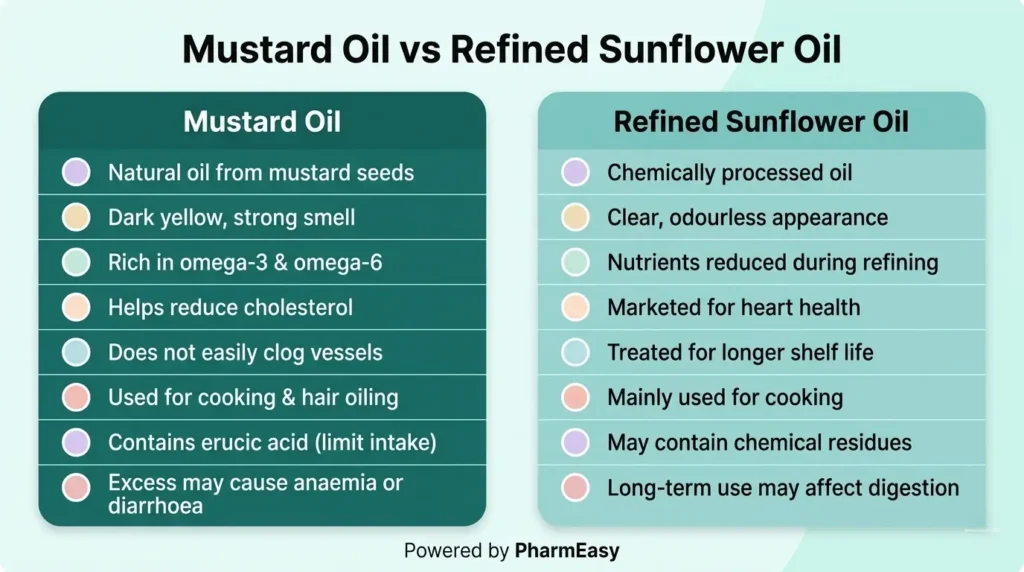
Mustard and sunflower oil are the two most used oils in India. The consumerist-oriented market has spoiled people with choices, with avocado, groundnut, and olive oil running the race as well. With being the two most popular cooking oils, the debate on which ranks higher in benefits has been going on for a long time.
Mustard oil, derived from mustard seeds, is dark yellow and has a pungent odour. Mustard oil is widely used as cooking oil in major Indian households, as it has the benefit of not accumulating in the blood vessels. It contains healthy fats like omega-3 and 6, along with helping reduce cholesterol levels. Mustard oil for hair oiling has been used for centuries. Consumption of mustard oil is recommended to be done in moderate amounts, as it contains considerable amounts of erucic acids. Too much mustard oil can cause anaemia or diarrhoea.
On the other hand, refined sunflower oil is a chemically-treated oil that has been made to look clearer by removing impurities, contaminants and odour. Not many benefits of refined oil besides the fact that it is made to cater to the customers’ needs, like refined oil for heart patients. The harmful effects of refined oil are based on the fact that it is chemically treated. The process of refining involves nickel, in addition to sodium hydroxide and preservatives, which are harmful to the digestive system in the long run.
Singh RB, Niaz MA, Sharma JP, Kumar R, Rastogi V, Moshiri M. Randomized, double-blind, placebo-controlled trial of fish oil and mustard oil in patients with suspected acute myocardial infarction: the Indian experiment of infarct survival–4. Cardiovascular Drugs and Therapy. 1997 [cited 2025 Apr 7]. Available from: https://pubmed.ncbi.nlm.nih.gov/9310278/
Agarwal R, Pathak N, Tiwari A, Khan MAA, Ram L, Raaz K, Maheshwari. Comprehensive appraisal concerning to potentially useful compounds occurring in mustard greens (leaves), seeds and oil: Evaluation of their nutritional benefits and toxicological perspective. Journal of Emerging Technologies and Innovative Research. 2022 [cited 2025 Apr 7]. Available from: https://www.jetir.org/papers/JETIR2205651.pdf
Kaur R, Sharma AK, Rani R, Mawlong I, Rai P. Medicinal qualities of mustard oil and its role in human health against chronic diseases: A review. Asian Journal of Dairy and Food Research. 2019 [cited 2025 Apr 7];38:98–104. Available from: https://www.cabidigitallibrary.org/doi/pdf/10.5555/20193361964
Lee YH, Bae SC, Song GG. Omega-3 polyunsaturated fatty acids and the treatment of rheumatoid arthritis: A meta-analysis. Archives of Medical Research. 2012 [cited 2025 Apr 7];43(5):356–62. Available from: https://pubmed.ncbi.nlm.nih.gov/22835600/
Goldberg RJ, Katz J. A meta-analysis of the analgesic effects of omega-3 polyunsaturated fatty acid supplementation for inflammatory joint pain. Pain. 2007 [cited 2025 Apr 7];129(1):210–23. Available from: https://pubmed.ncbi.nlm.nih.gov/17335973/
Effects of massage & use of oil on growth, blood flow & sleep pattern in infants. PubMed. 2000 [cited 2025 Apr 7]. Available from: https://pubmed.ncbi.nlm.nih.gov/11247199/
Ismail S, Ahmed-Farid OA, Metwally GF, Mansour D, Khattab A. Anti-aging effect of mustard and flax seed oils based nanoemulsion gel on aged rat skin through antioxidant and anti-inflammatory activity. Scientific African. 2024 [cited 2025 Apr 7];Sep 1:e02369. Available from: https://www.sciencedirect.com/science/article/pii/S2468227624003119
Thangavel V. Consequences of human consumption of refined edible oil, which is debatable and bad for health. Government obligation to offer appropriate education services: Research analysis. Neurology & Neurotherapy Open Access Journal. 2023 [cited 2025 Apr 7];8(2). Available from: https://doi.org/10.23880/nnoaj-16000185
Disclaimer: The information provided here is for educational/awareness purposes only and is not intended to be a substitute for medical treatment by a healthcare professional and should not be relied upon to diagnose or treat any medical condition. The reader should consult a registered medical practitioner to determine the appropriateness of the information and before consuming any medication. PharmEasy does not provide any guarantee or warranty (express or implied) regarding the accuracy, adequacy, completeness, legality, reliability or usefulness of the information; and disclaims any liability arising thereof.
151
7
How to Stop Constant Cough in Children: Expert Tips and Tricks
Introduction
A cough is the body’s way of getting rid of things that should not be in the airway. However, a constant cough in kids can disrupt their day-to-day lives, making them uncomfortable. Therefore, knowing the different types of coughs, their causes, and providing effective care is important. Healthcare professionals should also guide parents as they deal with these symptoms.
In this article, we will explore the types and causes of a constant cough, how to detect the cause, and steps to manage it effectively. We’ll also answer some common questions from parents regarding this topic.
Understanding the Types of Coughs in Children
There are two main types of coughs, which are as follows:
Dry Cough: A dry cough sounds like a tickle in the throat but does not bring up any mucus or phlegm1. Often, it’s because of irritation in the upper airways1,2.
Wet Cough: A wet cough is different. It produces mucus or phlegm. This suggests there is irritation in the lower airways or lungs1,2.
It’s crucial to find out what’s causing this type of cough for effective management.
Causes of Constant Cough in Children
To manage a constant cough in children effectively, we must first get a clear picture of what may be causing it. The following may be the causes of a constant cough in children.
1. Infections
Different types of viral or bacterial infections can cause a dry cough in children2,3.
Common Cold: This illness is caused by rhinoviruses and impacts the upper respiratory tract. It can give rise to symptoms like sneezing, a runny nose, and coughing2.
Influenza (flu): Flu is a contagious disease impacting the air passages, caused by the influenza virus. It can trigger symptoms like a cold, but more severe3.
Pneumonia: Pneumonia is the inflammation of the lungs, caused by either bacteria or viruses. It may give rise to rapid breathing, grunting or wheezing sounds, and a cough3.
COVID-19: The SARS-CoV-2 virus causes COVID-19. This illness can lead to mild to severe symptoms, including a dry, continuous cough. Depending on the severity of symptoms and the child’s overall health, it might need medical attention4.
Bronchiolitis: Bronchiolitis occurs when the tiny airways in the lungs, called bronchioles, get swollen because of a viral infection. The swelling and build-up of mucus can cause trouble while breathing and a cough3.
Pertussis (Whooping cough): Known also as whooping cough, pertussis is a bacterial infection of the airways. It leads to violent, hard-to-control coughing, which can make it difficult for a child to breathe3.
2. Allergies
Allergies occur when the immune system overreacts to an allergen. When this happens, the body releases a chemical called histamine, which can lead to symptoms in the airways, including a dry cough. Usual triggers for allergies include pollen, animal fur, certain foods, and medicines5.
3. Asthma
Kids suffering from asthma can have a constant dry cough caused by inflammation and narrowing of airways2. This can disrupt their day-to-day life. If your child has frequent bouts of coughing, shortness of breath, or wheezing, it’s crucial to consult a doctor about possible asthma.
4. Environmental Irritants
Things like air pollution, cigarette smoke, or strong chemicals can irritate a child’s throat and airways, leading to a cough5. Getting rid of these irritants may help stop the cough.
5. Inhaled or Swallowed Foreign Object
Children often put tiny toys or objects in their mouths. If swallowed or inhaled, these can get stuck in the airway and cause a cough as the body tries to remove them. Immediate medical attention is needed in such cases to avoid suffocation.
6. Gastroesophageal Reflux Disease (GERD)
In GERD, stomach acid flows back up into the food pipe, causing irritation and swelling2. Chronic coughing caused by GERD can be managed by lifestyle changes and medicines that tackle acid reflux.
7. Somatic or Habitual Cough
A somatic or behavior-linked cough is rare in children, typically presenting when there are no underlying physical reasons. This is more psychological in origin. Dealing with any mental issues may help stop this type of cough.
Diagnosing the Cause of Cough in Children
Getting a full picture of a child’s health history and doing a physical check-up can provide key insights into a child’s constant cough. To find the cause, your healthcare professional may recommend several tests, which are as follows.
Clinical Examination:A doctor will take notice of the child’s symptoms, breathing, and general health during a check-up. They will also ask questions about when the cough started, how long it has been going on, and if other symptoms accompany it.
Imaging Tests:Imaging tests like X-rays or CT scans can allow doctors to see if there are problems in the lungs (like pneumonia), infections in the sinuses, or foreign items in the airway.
Lung Function Tests:Tests of lung function, like spirometry, can measure airflow and the capacity of the lungs. This helps in diagnosing conditions like asthma or other issues with breathing.
Spirometry: Spirometry looks at the flow and volume of air in and out of the lungs and can help diagnose issues like asthma or chronic obstructive pulmonary disease (COPD).
Laboratory Tests:A healthcare professional may test a sample of the mucus to look for bacteria or other microbes causing an infection.
Interventional Tests:In some instances, interventional tests like bronchoscopy or rhinoscopy can provide a visual of the air passages and the nasal cavities to find potential culprits of the cough.
Professional Advice for Stopping Constant Cough in Children
There are many ways to ease a constant cough in children, depending on what’s causing the cough.
1. Cough Suppressants and Medications
A healthcare professional might suggest cough suppressants that can be bought over-the-counter (OTC), or those that need prescriptions, based on the child’s age and what’s causing the cough. Always follow the professional’s advice on giving the right medicine and dosage.
Over-the-counter (OTC) Medications: Some OTC cough medicines might be safe for kids over 6 years old. Always first discuss it with a doctor before giving your child any OTC medicine and always follow the instructions about the dose and how long to give it.
Prescription Medications: Depending on what’s causing the cough in your child, a doctor might suggest antibiotics for bacterial infections, antihistamines for allergies, or expectorants to loosen mucus7.
2. Lifestyle and Home Remedies
Trying remedies at home may often bring relief from cough symptoms. They also may support medical management.
Using Saline Nasal Drops: Saline nasal drops may help soften mucus and are safe for kids8. Use them as directed to ease congestion and coughs brought on by post-nasal drip.
Providing Adequate Fluids: Keeping a child with a cough well-hydrated is crucial. Water helps thin mucus in the airways, and helps soothe a sore throat. Make sure to keep offering fluids to your child regularly to make them feel better.
Offering Honey (for children over 1 year): Honey may help alleviate cough symptoms in children older than one year. It can help because it works against bacteria. Offer a spoonful of honey or mix it in warm water or milk to reduce throat irritation and coughing. But never offer honey to babies under 12 months old, as it can be harmful to them9.
Elevating the Child’s Head While Sleeping: Use pillows or a rolled-up towel to lift the head end of your child’s bed. This may reduce late-night bouts of coughing brought on by post-nasal drip or acid reflux. Always consult your healthcare professional before doing this, and don’t use pillows for babies younger than a year as it leads to SIDS.
Adding Moisture with a Humidifier or Vapouriser: Using a cool-mist humidifier or vapouriser adds moisture to the air. It keeps the child’s airways moist and brings down any irritation. Just remember to keep the appliance clean and to take care of it as the manufacturer suggests.
Using Essential Oils: Some essential oils may help soothe cough symptoms10. Always ask your healthcare professional before using them, particularly for small kids. There could be age restrictions, proper dosing guidelines, or safety issues to consider.
Giving the child warm chicken soup may help in soothing their cough. Some studies12 even showed that chicken soup may reduce inflammation. This anti-inflammatory effect might explain why it helps people during coughs. You can add both vegetables and chicken in the soup and serve it as a healthy snack.
Apart from easing the symptoms, managing the root cause of cough is vital.
Infection Management: Depending on the sort of infection, doctors might prescribe antimicrobial drugs. Make sure your child completes the full course of medicine as told.
Allergy Management: Proper control of allergies involves avoiding triggers, using OTC or prescription drugs as recommended by a doctor, and in some instances, undergoing immunotherapy (wherein the child is exposed to the allergen in small doses over a long period).
Asthma Control: Managing asthma needs ongoing management, regular monitoring, and a plan of action created by a healthcare professional. Devices like inhalers or nebulisers, along with other medicines, may help manage symptoms and avoid problems.
GERD Management: Managing GERD may need lifestyle changes, like changes to diet and sleep positions, or drugs to reduce stomach acid. In severe cases, surgery may be needed.
Somatic Cough Management: A somatic cough might need consultation with a therapist or psychiatrist who might suggest therapy or other steps to address the underlying mental issue.
Ginger might effectively reduce cough in children. It contains natural compounds that provide anti-inflammatory and antibacterial benefits, making it a safe and effective option for managing cough without side effects13.
Even though most coughs get better within 1-2 weeks, it’s important to know when your child should see a doctor.
Signs That Indicate the Need for a Doctor’s Appointment
If your child has a cough that has been going on for more than 2 to 3 weeks, a high fever that’s been there for more than three days, rapid breathing, breathlessness, chest pains, blood in the mucus, strangely colored mucus, signs of dehydration/low energy, irritability or cough leading to sleep problems, then you must seek immediate medical help2,11.
Preparing for Your Child’s Appointment
Be sure you are well-prepared to discuss your child’s cough with a doctor.
What You Should Do?
Write down your child’s symptoms, when they begin, and if there have been changes. Also, list any medicines, supplements, or therapies that your child is taking or has taken. It could also help to note any allergies or triggers for the cough.
What to Expect from Your Doctor?
The doctor will likely ask about your child’s symptoms, examine them, and inquire about their past health record. They may also recommend tests to find the cause of the cough and offer suitable management options.
Helping Your Child Reduce the Risk of Future Coughs
Reducing the risk of future coughs requires maintaining good health and hygiene practices.
Hygiene Practices: Encourage your child to wash their hands often, cover their mouth when they cough or sneeze, and keep them away from people who are sick to reduce the chance of getting a cold or infection.
Managing Allergies: Work with their healthcare professional to create a plan to manage allergies which could include avoiding triggers, using medications, and possibly immunotherapy.
Monitoring and Addressing Environmental Irritants: Identify and reduce exposure to irritants like tobacco smoke, air pollution, and strong smells. Make sure your child has a clean and healthy environment at home and school.
Tips for Strengthening Your Child’s Immune System: Keeping the immune system healthy is key to reducing the risk of future illnesses and coughs. Make sure your child has a balanced diet with fruits, vegetables, proteins, and whole grains. Encourage regular physical activity and good sleep each night.
A constant cough in children can be bothersome and stressful but understanding the various causes and management options can enable parents to take charge. Whether it’s a small change in lifestyle or seeking professional medical help, managing the root cause of a child’s cough is key to handling symptoms. Remember that acting early and making informed decisions are key parts of helping your child lead a happy and healthy life.
How do you stop an uncontrollable cough in a child?
Finding and managing the root cause, keeping your child well-hydrated, and trying soothing home remedies like saline nasal drops might help manage the child’s cough. Always check in with your healthcare professional for proper recommendations.
How can I help my child with a dry cough?
In these cases, make sure your child is getting enough fluids. Use saline nasal drops, elevate their heads and place a humidifier around them. Always get advice from your healthcare professional before giving any essential oils, drugs, or other management to make sure they are safe for your child.
When should I be concerned about my child’s cough?
If your child’s cough goes on for more than 2-3 weeks, breathing gets difficult, there’s a high fever for over three days, or any other worrying symptoms. Of course, in these cases make an appointment with a healthcare professional.
What is the best cough suppressant for kids?
The best cough suppressant will depend on what is causing the cough and your child’s age. Always ask your healthcare professional for advice on the best management options or medicines.
Should I take my child to the doctor for a dry cough?
If your child’s dry cough goes on for more than two weeks, gets worse with time, or there are other worrying symptoms along with it, check in with your healthcare professional to find the cause and plan for management.
References
Chung KF, Bolser D, Davenport P, Fontana G, Morice A, Widdicombe J. Semantics and types of cough. Pulm Pharmacol Ther. 2009 Apr;22(2):139-42. Available from: https://pmc.ncbi.nlm.nih.gov/articles/PMC2928552/
Liu L, Zhang L, Zhou P, Zhou W, Li L, Zeng L, Li N, Zhao R, Han T. Cough symptoms in children following COVID-19: a single-center retrospective study. Front Pediatr. 2024 Apr 5;12:1301571. Available from: https://pmc.ncbi.nlm.nih.gov/articles/PMC11026548/
InformedHealth.org. Overview: Allergies [Internet]. Institute for Quality and Efficiency in Health Care (IQWiG); [updated 2023 Aug 8; cited 2025 Oct 17]. Available from: https://www.ncbi.nlm.nih.gov/books/NBK447112/
Cabaillot A, Vorilhon P, Roca M, Boussageon R, Eschalier B, Pereirad B. Saline nasal irrigation for acute upper respiratory tract infections in infants and children: A systematic review and meta-analysis. Paediatr Respir Rev. 2020 Nov;36:151-158. Available from: https://pubmed.ncbi.nlm.nih.gov/32312677/
Horváth G, Ács K. Essential oils in the treatment of respiratory tract diseases highlighting their role in bacterial infections and their anti-inflammatory action: a review. Flavour Fragr J. 2015 Sep;30(5):331-341. Available from: https://pmc.ncbi.nlm.nih.gov/articles/PMC7163989/
Disclaimer: The information provided here is for educational/awareness purposes only and is not intended to be a substitute for medical treatment by a healthcare professional and should not be relied upon to diagnose or treat any medical condition. The reader should consult a registered medical practitioner to determine the appropriateness of the information and before consuming any medication. PharmEasy does not provide any guarantee or warranty (express or implied) regarding the accuracy, adequacy, completeness, legality, reliability or usefulness of the information; and disclaims any liability arising thereof.
Links and product recommendations in the informationprovided here are advertisements of third-party products available on the website. PharmEasy does not make any representation on the accuracy or suitability of such products/services. Advertisements do not influence the editorial decisions or content. The information in this blog is subject to change without notice. The authors and administrators reserve the right to modify, add, or remove content without notification. It is your responsibility to review this disclaimer regularly for any changes.
3
How to Get Rid of Baby Hiccups
Introduction
Hiccups are quite common in babies, and can be due to several reasons. While mostly harmless, they can be disturbing for the baby. Also, parents or caregivers may often get worried about their baby’s frequent hiccups. In this article, we will some share techniques and tips to manage hiccups in babies. Also, we will discuss about why babies get hiccups and share some tips on how to avoid them. We will also look at when it is time to see a doctor. And finally, we will debunk some myths related to hiccups.
Understanding Baby Hiccups
What Causes Hiccups in a Baby?
Hiccups in a baby mostly occur due to diaphragm contractions. The diaphragm is a muscle. It sits at the bottom of the lungs and is key for breathing. If it contracts suddenly and without warning, air rushes in. This causes hiccups1.
Other causes of hiccups include:
Spicy foods that may irritate diaphragm
Food aspiration in trachea
Some neurological conditions
Gastroesophageal reflux
Incomplete Swallowing
Are Hiccups in a Baby Normal?
Yes, hiccups are normal. No need for panic. They can start even before birth and can go on for a few months. Typically, a hiccup spell lasts for a few minutes and ends by itself1.
Interestingly, studies say hiccups might help in the baby’s growth. Especially in developing muscles needed for breathing. So, these small diaphragm contractions could be helping your baby grow2.
Techniques That May Help Stop Hiccups in a Baby
If your worried about your baby’s hiccups, try these simple measures to ease their discomfort:
1. Take a Break and Burp
Burping helps get rid of trapped gas. This in turn lowers pressure on the diaphragm. Hold your baby upright and pat their back gently. It helps release any trapped air3.
For bottle feeders, burp them every 2-3 ounces of milk4.While breastfeeding, try burping them when you switch sides. Keep trying different positions to see what suits your baby the best3.
2. Use Dummies
Using a dummy may ease hiccups1. The gentle sucking action can calm the diaphragm. It can lessen the jumpy movements that cause hiccups. However, when you pick a dummy, make sure it is age appropriate. And clean it often. Make sure it is made from safe, non-toxic materials. Do not make your own dummies at home from bottles or plastics5.
3. Try White Noise
White noise is a consistent sound with multiple audible frequencies usually played to help soothe babies. Something like a humming of fan, this sound can help distract your baby from hiccups and is likely to put them to sleep.
4. Let Them Stop on Their Own
If your baby’s hiccups are not bothering them, let it be. Hiccups usually last only a few minutes and stop by themselves.But if they last longer or make the baby uneasy, try one of the methods discussed above.
Keep an eye on your baby’s hiccups. Note how often they happen and their length. If you notice anything odd, contact your paediatrician1.
Gripe Water and Other Natural Remedies
What is Gripe Water?
It is a mix of herbs and water. It is often used to ease baby tummy issues. It has ingredients like ginger, fennel, and cinnamon. While there’s no science-backed evidence, some parents feel it eases stomach upset and hiccups6.
Potential Side Effects
While gripe water is safe for most, it’s not suggested to be used in babies less than six months old. It can be adulterated with potential risks of infection and liver and kidney issues7. Thus, before trying gripe water always check with your paediatrician. Never self-administrate to your baby.
Alternative Natural Remedies
Sips of cold water or giving babies some fruits to bite may help ease muscle spasm and hiccups. But these should be tried in babies above 6 months of age.
Gentle back and belly rubs might help too1,3. They may push out any trapped air and ease the diaphragm. Keep a light touch. Watch your baby’s response to make sure they are comfortable.
How to Prevent Hiccups in Babies
Feeding Techniques
Feed your baby upright1. It helps avoid hiccups by stopping air from getting trapped. Their head should be higher than their stomach as they feed3.
Avoid overfeeding. You may feed them often, but little. This helps to prevent excessive feeding and fast eating, both of which cause hiccups1. Burping your baby during feeding can also keep hiccups away4.
Encouraging Tummy Time
Tummy time is key for your baby’s growth. And you can start it once the umbilical cord stumps fall from body. Tummy time strengthens their neck, back, and arm muscles8.By making the diaphragm stronger, tummy time may help control hiccups better.
When to Seek Medical Help?
You baby needs medical attention if you notice the following:
Prolonged Hiccups: If hiccups are continuous, lasting more than 20-30 min, consult a paediatrician.
Breathing difficulties: Seek medical advice if there is any respiratory distress associated with hiccups1.
Interference with Feeding or Sleeping: If hiccups stop your baby from feeding or sleeping well, there could be a serious issue. If this happens, call your paediatrician.
A paediatrician can find any hidden health issues causing the hiccups. They can suggest managements based on your baby’s health and past medical records1.
Usually, baby hiccups are painless. However, if your baby is diagnosed with gastro-esophageal disease (GERD) they might experience discomfort from hiccups due to acid reflux, where stomach acid comes back up into the food pipe9. If your baby is coughing or spitting up while having hiccups, consult your doctor for advice and possible treatment options to reduce your baby’s discomfort10.
Hiccups are a normal part of baby growth. If you are hoping to find a magic remedy for hiccups, in reality, most kids grow out of regular hiccups as they get older. So, avoid trying these so-called hiccup remedies:
Stop trying old wives’ tips like scaring your baby or pulling on their tongue that don’t work or can even harm your baby.
Some herbal teas that are said to help with hiccups, such as chamomile, fennel, and peppermint, are not recommended to be used in babies. Stick to what your doctor says and always check with them if you want to try something new.
Your baby’s safety comes first in curing hiccups. Don’t use any method that could hurt your baby. It is crucial to follow only proven methods and to listen to your paediatrician.
In short, hiccups are a normal part of a baby’s growth. New parents may find them disturbing. Yet, most of them pass fast, needing no management. Use proven ways like burping, using a dummy, and feeding upright to handle hiccups. If you see any odd patterns or long-lasting hiccups, call your paediatrician. Knowing the common causes of hiccups and how to manage them may help you handle them well.
Frequently Asked Questions (FAQs)
Do all babies hiccup a lot?
Most young kids get hiccups often. It’s a normal part of growing up. If hiccups last long or occur often, see your paediatrician.
How do I stop my baby from hiccupping?
To stop baby hiccups, take breaks to burp them. Or give them a pacifier. Or you can simply wait for the hiccups to stop on their own without any help.
Can you lay a baby down while hiccupping?
While laying a baby down may not make hiccups worse, holding them upright is better. It helps get rid of air trapped in the stomach.
Does tummy time help with hiccups?
Yes, tummy time may help reduce hiccups. It strengthens muscles around the diaphragm, which controls hiccups. Always keep a close eye on your baby during tummy time.
How long should baby hiccups last?
Typically, baby hiccups last only a few minutes and stop by themselves. If hiccups last for over half an hour, see your paediatrician.
Disclaimer: The information provided here is for educational/awareness purposes only and is not intended to be a substitute for medical treatment by a healthcare professional and should not be relied upon to diagnose or treat any medical condition. The reader should consult a registered medical practitioner to determine the appropriateness of the information and before consuming any medication. PharmEasy does not provide any guarantee or warranty (express or implied) regarding the accuracy, adequacy, completeness, legality, reliability or usefulness of the information; and disclaims any liability arising thereof.
Links and product recommendations in the informationprovided here are advertisements of third-party products available on the website. PharmEasy does not make any representation on the accuracy or suitability of such products/services. Advertisements do not influence the editorial decisions or content. The information in this blog is subject to change without notice. The authors and administrators reserve the right to modify, add, or remove content without notification. It is your responsibility to review this disclaimer regularly for any changes.
1
Chamomile Tea: Benefits, Uses, Side Effects & More!
Introduction
Chamomile tea has been loved for its potential health benefits for many years. It comes from daisy-like flowers. The tea has a lovely smell that tea lovers all over the world enjoy. Its taste is just as delightful. Apart from being tasty, it’s also packed with nutrients.
In this article, we’ll take a closer look at the story behind chamomile tea and the different varieties available, each with its own unique qualities. We’ll also explore its nutritional profile and the potential health benefits it may offer; from promoting better sleep and supporting digestion to contributing to heart health. You’ll learn how to brew the perfect cup and understand the precautions to keep in mind. By the end, you’ll have a clearer idea of why chamomile tea has remained so popular and how it can gently support your overall well-being.
Drinking chamomile tea may help improve sleep quality and reduce insomnia.source: fdc.nal.usda.gov
Regular consumption of chamomile tea may help improve digestion and relieve gastrointestinal issues.source: fdc.nal.usda.gov
Research suggests that chamomile tea may have anti-cancer properties and help inhibit the growth of cancer cells.source: fdc.nal.usda.gov
History and Types of Chamomile Tea
The history of chamomile tea dates back to notable civilizations like Egypt, Greece, and Rome. Being a favoured natural remedy, its use became embedded in many cultural customs and traditions.
Cultural Significance
Chamomile holds high regard in many cultures in history. In ancient Egypt, it was used in paying tribute to the gods and in managing various health issues. The Romans and Greeks loved chamomile tea for its calming effects. It was their go-to natural remedy for many health concerns.
German Chamomile
German chamomile (Matricaria recutita) is one widely known type of chamomile. It’s often chosen by tea lovers because of its honey-sweet flavour and pleasing aroma. It’s native to Europe and Asia but can be found in different regions.
Roman Chamomile
Roman chamomile (Chamaemelum nobile) and German chamomile have some common traits, but they differ slightly in taste and smell. Although it is not that common, Roman chamomile has many potential health benefits too. Much like the German version, it serves as an effective natural remedy.
Nutritional Composition of Chamomile Tea
Chamomile tea is a rich source of important nutrients that lend to its various potential health benefits. These vital elements include vitamins, minerals, potent antioxidants, and essential oils.
Vitamins and Minerals: Chamomile tea is packed with key vitamins and minerals, such as calcium, magnesium, potassium, and trace amounts of vitamin B-complex and Vitamin A1. All these nutrients play key roles in our health, like maintaining strong bones, muscle function, clear vision, and a strong immune system.
Antioxidants: This tea is high in antioxidants which offer many potential health benefits. One of these antioxidants is a flavonoid called apigenin2. This is said to reduce swelling, fight cancer, and have a soothing effect.
Essential Oils and Compounds: Chamomile contains beneficial plant compounds and essential oils. They are responsible for its trademark aroma and beneficial properties. Compounds such as bisabolol and chamazulene are also found in this tea2. They work together with other components to promote its potential health benefits.
Recently, I read in a study that chamomile tea can help in healing after wisdom tooth extraction due to its natural anti-inflammatory and antibacterial properties. Drinking the tea or using it as a gentle rinse may soothe pain and reduce swelling, promoting quicker recovery. Just ensure to cool the tea before using it to avoid irritating the extraction site13,14.
A blend of essential oils, potent antioxidants, and nutrients makes chamomile tea an alternative remedy for various health concerns. These include improved sleep, better digestion, strong heart health, and reducing the risk of cancer.
1. Improving Sleep Quality
Image Source: freepik.com
Many studies suggest that chamomile tea improves sleep3,4. Specifically, it may help reduce the number of times people wake up at night and improve functioning in the daytime. This effect is particularly helpful for individuals suffering from insomnia or other sleep troubles. Chamomile tea is proposed to enhance sleep quality, due to the antioxidant apigenin. It is said to help soothe and to reduce insomnia4. But always remember not to overdo the consumption.
2. Reducing Anxiety and Stress
Besides improving sleep, this tea is proposed to help reduce anxiety and stress. It has been found that regular intake of chamomile tea may help deal with depression, leading to a better mood and decreased feelings of sadness5.
However, further research is required to compare the effects of tea with other management options available for sleep disorders, stress, and anxiety.
3. Promoting Digestive Health
Chamomile tea is said to be good for the gut. Its key features, like its ability to reduce inflammation, may help improve gut health by avoiding the growth of harmful gut bacteria and mitigate digestive issues like indigestion, diarrhoea, and flatulence6. It is also shown to be helpful in reducing the chances of stomach ulcer by balancing gastric acid secretion7, although studies are needed to further explore this benefit.
4. Protection against Cancer
Chamomile tea might help avoid the risk of certain cancers. It’s rich in antioxidants particularly apigenin which may help fight some types of cancer cells8.
In laboratory tests, the antioxidant apigenin in chamomile tea has been found to stop the growth of cancer cells. This highlights its potential as a natural cancer-risk-reducing agent. However, more research is needed to corroborate these findings.
5. Blood Sugar Control
Additionally, chamomile tea may aid in controlling blood sugar levels. This can make it a valuable addition to the diet plans of those with diabetes or who are at risk.
Studies suggest that this tea helps regulate insulin and balance blood sugar levels9. It does this by reducing inflammation and oxidative stress in the body. However, if you are a diabetic patient on medication, discuss with your doctor before incorporating this tea into your daily routine.
6. Heart Health
Image Source: freepik.com
This tea, thanks to its antioxidants and anti-inflammatory compounds, is thought to support heart health. Some studies have shown that it may help lower blood pressure and LDL cholesterol2,9. However, more research is required.
7. Additional Potential Benefits
It is proposed that chamomile tea may also relieve period symptoms and improve bone and skin health.
Menstrual Symptom Relief: For years, chamomile tea has been used to soothe menstrual issues like cramps and bloating. Due to its anti-inflammatory potential, it may also help calm down an overactive gut during this time10.
Improve Bone Health: Long-lasting inflammation can lead to problems like arthritis and autoimmune diseases. The anti-inflammatory abilities of chamomile tea may help with these issues. Moreover, an initial study found that chamomile extracts can help reduce the risk of bone demineralisation that causes osteoporosis, and help increase bone strength11.
Enhance Skin Health: When used topically, chamomile tea extracts may help improve the health of your skin. It may soothe inflamed skin and may even help against inflammatory skin issues like eczema2.
These are some suggested health benefits of chamomile tea based on initial studies. Further large-scale human studies are needed to confirm these benefits. So, it’s best to always discuss with your doctor before incorporating the tea into your daily routine.
Chamomile tea may help reduce inflammation and pain in rheumatoid arthritis (RA) patients. A study showed that drinking chamomile tea twice daily significantly lowered inflammation markers and reduced the number of tender joints. This suggests that chamomile tea might be a beneficial addition to traditional RA treatments, offering a natural way to ease symptoms12.
It’s important to know how to prepare and enjoy it the right way. You can follow these simple guidelines to get the most out of your chamomile tea.
Loose Leaf Tea vs. Tea Bags: When it comes to taste and quality, loose-leaf chamomile tea is deemed superior to teabags. However, for those looking for easy preparation, teabags are still very good.
Ideal Brewing Time and Temperature: The secret lies in the brewing time and temperature. Steep the chamomile in water heated to around 200°F (93°C) for 5–10 minutes. Remember that overstepping might make the tea too bitter.
Combining Chamomile Tea with Other Herbs: Try adding other herbs such as lemon balm, lavender, or peppermint to your chamomile tea. You’ll get to enjoy a unique flavour and additional potential health benefits.
Recommended Daily Intake: This depends on your unique needs and tastes. While 1-3 cups per day is generally safe and beneficial for most people, a doctor or nutritionist can suggest the right amount based on your needs and overall health condition.
Side Effects, Precautions, and Interactions
While chamomile tea is generally safe, some people may experience side effects and need to be extra careful.
1. Allergies and Anaphylaxis
If you are you allergic to plants from the daisy family such as ragweed or chrysanthemums. Chamomile tea can trigger allergies. Stop using it immediately if you notice any adverse reactions and seek medical help.
2. Pregnancy and Nursing
Pregnant women should be cautious with chamomile tea as there is limited data about its safety in pregnancy. Similarly, nursing mothers should avoid it and seek advice from a healthcare professional before consuming this tea.
3. Drug Interactions
Some drugs might interact negatively with chamomile tea. These include blood thinners, sedative medications, and diabetes medications. Always discuss with your healthcare professional before starting chamomile tea, especially if you have any medical conditions/are on any medications.
So, if you belong any of the following categories, it’s best to avoid chamomile tea due to the potential side effect:
Individuals allergic to plants from the daisy family.
Pregnant or breastfeeding women (unless advised otherwise).
People on certain medicines, like blood thinners or sedatives.
Conclusion
Chamomile tea has been loved for years and remains popular. It’s rich in health-promoting nutrients, antioxidants, and essential oils. By enjoying this soothing herbal tea, you’re not only sipping on a tasty drink but also nourishing your body and promoting general health. However, remember moderation in consumption is key and it’s ideal to take a heads up from your doctor before including it in your routine diet to be safe, just like any other natural remedy.
Generally, it is safe for most people to have chamomile tea daily. However, those with allergies to plants in the daisy family, pregnant, or breastfeeding women, and individuals using certain medications should avoid chamomile tea.
What is the best time to consume chamomile tea?
The best time to drink chamomile tea is any time you feel like it. However, thanks to its calming effect, many people prefer having it at night or before bed.
Does chamomile tea help detoxify the body?
Chamomile tea contains antioxidants that can help reduce oxidative stress. However, don’t count only on this tea for detoxification. Living a balanced diet and maintaining a regular exercise schedule helps.
Is chamomile tea effective for weight loss?
While there is no strong evidence that chamomile tea causes weight loss, it may be a healthy choice because it’s caffeine-free and low-calorie. This can make it a good alternative to sugary drinks as part of a balanced diet.
Can children consume chamomile tea safely?
Older children can generally drink chamomile tea safely. However, always introduce it cautiously to avoid potential allergies. The safety of chamomile tea has not been confirmed for pregnant women, nursing mothers, and individuals with liver or kidney problems. Always give it to children under the guidance of a healthcare professional. Never self-administrate.
2. Gupta. Chamomile: A herbal medicine of the past with a bright future (Review). Mol Med Rep. 2010;3(6). doi:10.3892/mmr.2010.377. Available from: https://pmc.ncbi.nlm.nih.gov/articles/PMC2995283/
3. Chang S, Chen C. Effects of an intervention with drinking chamomile tea on sleep quality and depression in sleep disturbed postnatal women: a randomized controlled trial. J Adv Nurs. 2016;72(2):306-315. doi:10.1111/jan.12836. Available from: https://pubmed.ncbi.nlm.nih.gov/26483209/
4. Zick SM, Wright BD, Sen A, Arnedt JT. Preliminary examination of the efficacy and safety of a standardized chamomile extract for chronic primary insomnia: a randomized placebo-controlled pilot study. BMC Complement Altern Med. 2011;11:78. doi:10.1186/1472-6882-11-78. Available from: https://pubmed.ncbi.nlm.nih.gov/21939549/
5. Amsterdam JD, Shults J, Soeller I, Mao JJ, Rockwell K, Newberg AB. Chamomile (Matricaria recutita) may provide antidepressant activity in anxious, depressed humans: an exploratory study. Altern Ther Health Med. 2012;18(5):44-49. Available from: https://pubmed.ncbi.nlm.nih.gov/22894890/
6. Sebai H, Jabri MA, Souli A, et al. Antidiarrheal and antioxidant activities of chamomile (Matricaria recutita L.) decoction extract in rats. J Ethnopharmacol. 2014;152(2):327-332. doi:10.1016/j.jep.2014.01.015. Available from: https://pubmed.ncbi.nlm.nih.gov/24463157/
7. Gohar AA, Zaki AA. Assessment of some Herbal Drugs for Prophylaxis of Peptic Ulcer. Iran J Pharm Res IJPR. 2014;13(3):1081-1086. Available from: https://pubmed.ncbi.nlm.nih.gov/25276211/
8. Shukla S, Gupta S. Apigenin: a promising molecule for cancer prevention. Pharm Res. 2010;27(6):962-978. doi:10.1007/s11095-010-0089-7. Available from: https://pubmed.ncbi.nlm.nih.gov/20306120/
9. Rafraf M, Zemestani M, Asghari-Jafarabadi M. Effectiveness of chamomile tea on glycemic control and serum lipid profile in patients with type 2 diabetes. J Endocrinol Invest. 2015;38(2):163-170. doi:10.1007/s40618-014-0170-x. Available from: https://pubmed.ncbi.nlm.nih.gov/25194428/
10. Khalesi ZB, Beiranvand SP, Bokaie M. Efficacy of Chamomile in the Treatment of Premenstrual Syndrome: A Systematic Review. J Pharmacopuncture. 2019;22(4):204-209. doi:10.3831/KPI.2019.22.028. Available from: https://pubmed.ncbi.nlm.nih.gov/31970017/
11. Raja A, Singh GP, Fadil SA, Elhady SS, Youssef FS, Ashour ML. Prophylactic Anti-Osteoporotic Effect of Matricaria chamomilla L. Flower Using Steroid-Induced Osteoporosis in Rat Model and Molecular Modelling Approaches. Antioxidants. 2022;11(7):1316. doi:10.3390/antiox11071316. Available from: https://pubmed.ncbi.nlm.nih.gov/35883807/
13. U.S. National Library of Medicine. Green tea and cardiovascular health. In: Tea and tea products: chemistry and health-promoting properties. Bethesda (MD): National Center for Biotechnology Information (US); 2015. Available from: https://www.ncbi.nlm.nih.gov/books/NBK279590/
Disclaimer: The information provided here is for educational/awareness purposes only and is not intended to be a substitute for medical treatment by a healthcare professional and should not be relied upon to diagnose or treat any medical condition. The reader should consult a registered medical practitioner to determine the appropriateness of the information and before consuming any medication. PharmEasy does not provide any guarantee or warranty (express or implied) regarding the accuracy, adequacy, completeness, legality, reliability or usefulness of the information; and disclaims any liability arising thereof.
Links and product recommendations in the informationprovided here are advertisements of third-party products available on the website. PharmEasy does not make any representation on the accuracy or suitability of such products/services. Advertisements do not influence the editorial decisions or content. The information in this blog is subject to change without notice. The authors and administrators reserve the right to modify, add, or remove content without notification. It is your responsibility to review this disclaimer regularly for any changes.
1
Right-Sided Abdominal Pain: Understanding Causes and Treatment Options
Introduction
Our abdomen is like a complex puzzle and contains many vital organs that help keep us healthy. It’s also common to experience pain in this area, especially on the right side. In this article, we’ll discuss what can cause such pain. We’ll also discuss ways to diagnose the cause, how to manage or relieve the pain, and when to visit the doctor. Lastly, we will answer some frequently asked questions regarding this topic.
In a survey of individuals with a history of abdominal pain, approximately 81% of individuals had some symptoms in the past week. source: Clin Gastroenterol Hepatol
Causes of Right-Sided Abdominal Pain
Knowing the potential causes of right-sided abdominal pain is essential, as they lead to an accurate diagnosis and better management outcomes.
1. Acute Causes
Acute causes are conditions in which pain onset is rapid. These conditions also sometimes occur along with vomiting, fever, nausea, and abdominal distension that needs instant medical help1. They include:
Appendicitis: This pain is caused by an inflamed appendix. It is often coupled with a high fever and nausea2.
Gallstones: Stones in the gallbladder or those moving towards the bile ducts, may sometimes lead to pain and also block the bile ducts3.
Kidney stones: Stones in the kidney lead to sudden intense pain. If the stones get stuck in the urinary tract, pain usually occurs with nausea4.
Ectopic pregnancy: This is a serious condition that may occur during the first trimester, where a fertilised egg implants outside the womb. It can cause vaginal bleeding and abdominal pain5.
Ovarian torsion: The ovary twists around the ligaments that hold it in place, cutting off its blood supply. The lack of blood flow to the ovary causes more intense pain6.
2. Chronic (Intermittent or Episodic) Causes
Chronic right-sided pain refers to pain that may come and go, may occur constantly, and last for more than 3 months. It often requires medical checkup and identifying the exact cause of the pain is challenging7. This type of pain may occur due to
Irritable Bowel Syndrome (IBS): This is a common disorder associated with abdominal pain that worsens during or after bowel movements. IBS may change the frequency and appearance of stools7.
Inflammatory Bowel Disease (IBD): IBD refers to conditions that cause chronic inflammation of the digestive tract, like Crohn’s disease and ulcerative colitis. Common IBD symptoms include bloody and loose stools, an urgent need to pass stools, difficulty controlling bowel movements, weight loss, and fever7.
Endometriosis: This is a painful condition in which tissue similar to the lining of the uterus grows outside the uterus and sometimes on other organs in the abdomen. It can cause pain, often accompanied by nausea, vomiting, and loose stools8.
Pelvic Inflammatory Disease (PID): An infection in the female reproductive organs, it often presents as chronic pain in the pelvic region, abnormal vaginal discharge or bleeding and pain during intercourse9.
3. Progressive Causes
Progressive causes of the pain in your right side are often conditions that get worse over time. They will likely need a doctor’s help.
Liver disorders: Liver issues like acute hepatitis, liver abscess, and perihepatitis that lead to right-sided pain1.
Kidney disorders: Conditions that affect the kidneys, like kidney infection or kidney cancer, can cause one-sided pain10.
Gastrointestinal issues: Issues like ulcers, gastritis, and acid reflux disease (GERD) may be linked to ongoing abdominal pain1.
Diagnosis of Right-Sided Abdominal Pain
Diagnosing right-sided abdominal pain accurately is the first important step for choosing the right management option.
1. Medical History
A detailed medical history can help doctors identify the possible causes of abdominal pain1. This includes checking for parameters such as:
Pain: Site, type, radiating or not, starting and ending time, and triggering and pain relieving factors such as food and/or position that relieves the pain1.
Other symptoms: Fever, nausea, vomiting, weight loss, cough, difficulty in breathing, chest pain, blood in urine and in stool, constipation, and loss of appetite1.
History of past disease or current health conditions: High blood pressure, heart disease, conditions related to the liver and gut, gastritis, and any past surgeries1.
Medications: Ongoing medication that may cause constipation, ulcer, or immunosuppression1.
Habits: Alcohol intake (it may lead to liver disease)1.
Travel history: To rule out infection or inflammation1.
Period and Pregnancy history: To rule out gynaecological or pregnancy causes in females of reproductive age11.
Other histories: Allergies, last food intake, and any trauma in the abdomen11.
2. Physical Examination
Physical examination can help doctors find the cause of pain and help in treatment decisions12. This may include:
Abdominal examination: The abdomen will be visually examined by checking for any visible swelling, skin changes, distention of the abdomen, signs of trauma, any foreign objects, and entry and exit wounds11.
Palpation: The doctor will gently press on different parts of the abdomen to check for tender spots, hardness, or swelling11.
Auscultation: The abdomen will be checked to assess internal sounds11.
3. Imaging Studies
Imaging studies provide detailed information about the internal structures of the abdomen and include:
Ultrasound: Useful for detecting blockages, and other abnormalities. Ultrasounds are considered the first line of investigation by doctors11.
Transvaginal sonography: This may help detect abnormalities in the female reproductive system11.
CT scan: Provides a slice-by-slice view of abdominal organs, allowing a detailed study of their structure and function. It is widely used for accurate diagnosis11.
MRI: It is used when additional investigation is required along with ultrasound to determine the cause of pain1.
4. Laboratory Tests
Laboratory tests may also be used to help diagnose the cause of right-sided pain. These include:
Complete blood count (CBC): This test evaluates blood cell levels to check for infection, inflammation, or other abnormalities11.
Urinalysis: This test checks for infections or other issues in the urinary tract or kidneys11.
Liver function tests: This set of tests helps rule out hepatitis, infections and any obstructions that affect the liver11.
Management Options for Right-sided Abdominal Pain
The management of pain depends on its root cause. Some individuals might get better with simple home remedies, while others need medical or surgical help.
1. Home Remedies
In minor cases of abdominal pain, the following home remedies may help:
Apply heat: Using a heating pad or warm compress on the affected area may help relax muscles and ease the pain.
Rest and relaxation: Adequate rest and calming practices like deep breathing exercises or meditation may help reduce stress and ease discomfort.
Hydration: Drink plenty of water to stay hydrated.
Modify food intake: Restrict solid foods temporarily if needed.
For vomiting: Avoid eating for at least 6 hours and then consume a very light diet.
After meals: Take antacids to help reduce the pain.
Avoid trigger foods: Limit the intake of foods like caffeine, citrus fruits, high-fat foods, tomato products, fried or greasy foods, alcohol, and carbonated beverages13.
2. Medical Interventions
More serious or persistent abdominal pain may need medical therapy, as follows.
Pain management: The doctor may prescribe medicines like ibuprofen, acetaminophen, or fentany depending on the intensity of pain1.
Antibiotic therapy: For abdominal pain due to infections, you may be prescribed antibiotics11.
Antacids and Antiemetic: To relieve pain related to gas or for vomiting, antacids and antiemetics may be prescribed11.
Hormonal therapy for endometriosis: For people with endometriosis, hormonal therapies (along with painkillers) can help balance hormone levels and reduce the pain8.
Remember to refrain from self-medication and always take medication only when and as prescribed by your doctor.
Hormonal imbalance may also contribute to abdominal pain. Hormones like serotonin and cholecystokinin can affect how food moves through your intestine and can influence symptoms of pain, fullness or nausea. If you’re experiencing abdominal pain, it’s helpful to consider how hormonal changes might play a role.
In situations where the right-sided pain doesn’t respond to conservative therapy, the doctor may recommend surgery.
Appendectomy: If appendicitis is causing the pain, surgery may be recommended to remove the appendix2.
Cholecystectomy (gallbladder removal): Gallstones or an infected gallbladder may need surgery to remove the gallbladder in some cases3.
Kidney stone removal: If a kidney stone is too large to pass naturally or is causing severe pain or complications, your doctor may recommend surgical intervention to remove it4.
When to Seek Medical Advice?
You must know when to get medical advice for right-sided abdominal pain. You should book an appointment with your doctor in the following cases.
Pain: When you have severe and sudden onset of pain, you should consult a doctor immediately1.
Associated Symptoms: When you have fever, vomiting, distention, and nausea along with pain, or unexplained weight loss, it is essential to seek a doctor for proper management of your condition1.
Management of Right-Sided Abdominal Pain and Strategies to Reduce Its Risk
Taking steps towards a healthy lifestyle may help avoid certain causes of right-sided pain.
Lifestyle Modifications
Diet and nutrition: Eating a balanced diet that includes fruits, adequate fibre, and vegetables may help reduce the risk of acute abdominal pain13.
Exercise and physical activity: Regular exercise has many health benefits. It helps maintain good digestion and may also help in reducing inflammation14.
Stress management: Studies suggest a link between stress and abdominal pain15. Stress reduction techniques like deep breathing exercises, yoga, and meditation may help with stress management and support overall mental well-being16.
Routine Health Screenings
Annual check-ups: Regular check-ups with your healthcare professional can help in the early detection and management of many health conditions17.
Conclusion
Right-sided abdominal pain can have multiple causes and may vary in severity. Understanding the causes, symptoms, and management options can help you make informed decisions about your healthcare. Moreover, maintaining a healthy lifestyle, reducing stress, and getting regular health check-ups may help avoid many health conditions.
What organs are located on the right side of the abdomen?
The right side of the abdomen has important organs like the liver, gallbladder, pancreas, appendix, right kidney, colon, duodenum, and small bowels. In women, the right ovary and fallopian tube are also located on the right abdomen.
What can cause sharp pain in the lower right abdomen?
Sharp pain in the lower right abdomen can have many causes. Acute conditions such as appendicitis, kidney stones, ectopic pregnancy, or ovarian torsion are some of them.
How do I know if my abdominal pain is serious?
If the abdominal pain is severe, persistent, or getting worse, or has other worrying signs like fever, nausea, vomiting, or weight loss, you should see a healthcare professional.
Can digestive issues cause right-sided abdominal pain?
Yes, gastrointestinal conditions like irritable bowel syndrome, inflammatory bowel disease, gas, indigestion, and gut ulcers can cause right-sided stomach pain.
When should I go to the emergency room for right-sided abdominal pain?
You need to visit the emergency room if the right-sided abdominal pain is sudden and really bad or accompanied by fever, persistent nausea and vomiting, or unexplained weight loss. Also, yellowing of the skin (jaundice) is a sign to get medical help right away.
References
Kopitnik NL, Kashyap S, Dominique E. Acute Abdomen. In: StatPearls [Internet]. Treasure Island (FL): StatPearls Publishing; 2025 Jan– [Updated 15 Feb 2025]. Available from: https://www.ncbi.nlm.nih.gov/books/NBK459328/
Lotfollahzadeh S, Lopez RA, Deppen J. Appendicitis. In: StatPearls [Internet]. Treasure Island (FL): StatPearls Publishing; 2025 Jan– [Updated 12 Feb 2024]. Available from: https://www.ncbi.nlm.nih.gov/books/NBK493193/
Jones MW, Weir CB, Marietta M. Gallstones (Cholelithiasis). In: StatPearls [Internet]. Treasure Island (FL): StatPearls Publishing; 2025 Jan– [Updated 2 Jun 2025]. Available from: https://www.ncbi.nlm.nih.gov/books/NBK459370/
Patti L, Leslie SW. Acute Renal Colic. 2024 Dec 23. In: StatPearls [Internet]. Treasure Island (FL): StatPearls Publishing; 2025 Jan–. Available from: https://www.ncbi.nlm.nih.gov/books/NBK431091/
Vadakekut ES, Gnugnoli DM. Ectopic Pregnancy. In: StatPearls [Internet]. Treasure Island (FL): StatPearls Publishing; 2025 Jan-. Updated 27 Mar 2025. Available from: https://www.ncbi.nlm.nih.gov/books/NBK539860/
Sabo CM, Grad S, Dumitrascu DL. Chronic Abdominal Pain in General Practice. Dig Dis. 2021;39(6):606-614. doi: 10.1159/000515433. Epub 2021 Feb 25. Available from: https://pubmed.ncbi.nlm.nih.gov/33631744/
InformedHealth.org [Internet]. Cologne, Germany: Institute for Quality and Efficiency in Health Care (IQWiG); 2006-. Overview: Endometriosis. [Updated 2025 Mar 25]. Available from: https://www.ncbi.nlm.nih.gov/books/NBK279501/
Jenkins SM, Vadakekut ES. Pelvic Inflammatory Disease. [Updated 2025 Jun 2]. In: StatPearls [Internet]. Treasure Island (FL): StatPearls Publishing; 2025 Jan-. Available from: https://www.ncbi.nlm.nih.gov/books/NBK499959/
Mealie CA, Manthey DE. Abdominal Examination. [Updated 2024 May 25]. In: StatPearls [Internet]. Treasure Island (FL): StatPearls Publishing; 2025 Jan-. Available from: https://www.ncbi.nlm.nih.gov/books/NBK459220/
MedlinePlus. Abdominal pain. In: MedlinePlus Medical Encyclopedia [Internet]. Bethesda (MD): National Library of Medicine (US); [updated 2024 Dec 11; cited 2025 Sep 19]. Available from: https://medlineplus.gov/ency/article/003120.htm
Severo JS, Silva ACAD, Santos BLBD, Reinaldo TS, Oliveira AM, Lima RSP, Torres-Leal FL, Santos AAD, Silva MTBD. Physical Exercise as a Therapeutic Approach in Gastrointestinal Diseases. J Clin Med. 2025 Mar 3;14(5):1708. doi: 10.3390/jcm14051708. Available from: https://pmc.ncbi.nlm.nih.gov/articles/PMC11899784/
Vork L, Keszthelyi D, van Kuijk SMJ, Quetglas EG, Törnblom H, Simrén M, Aziz Q, Corsetti M, Tack J, Mujagic Z, Leue C, Kruimel JW, Masclee AAM. Patient-Specific Stress-Abdominal Pain Interaction in Irritable Bowel Syndrome: An Exploratory Experience Sampling Method Study. Clin Transl Gastroenterol. 2020 Jul;11(7):e00209. doi: 10.14309/ctg.0000000000000209.Available from: https://pmc.ncbi.nlm.nih.gov/articles/PMC7386351/
Khajuria A, Kumar A, Joshi D, Kumaran SS. Reducing Stress with Yoga: A Systematic Review Based on Multimodal Biosignals. Int J Yoga. 2023 Sep-Dec;16(3):156-170. doi: 10.4103/ijoy.ijoy_218_23.Available from: https://pmc.ncbi.nlm.nih.gov/articles/PMC10919405/
Liss DT, Uchida T, Wilkes CL, Radakrishnan A, Linder JA. General Health Checks in Adult Primary Care: A Review. JAMA. 2021 Jun 8;325(22):2294-2306. doi: 10.1001/jama.2021.6524.Available from: https://pubmed.ncbi.nlm.nih.gov/34100866/
Disclaimer: The information provided here is for educational/awareness purposes only and is not intended to be a substitute for medical treatment by a healthcare professional and should not be relied upon to diagnose or treat any medical condition. The reader should consult a registered medical practitioner to determine the appropriateness of the information and before consuming any medication. PharmEasy does not provide any guarantee or warranty (express or implied) regarding the accuracy, adequacy, completeness, legality, reliability or usefulness of the information; and disclaims any liability arising thereof.
Links and product recommendations in the informationprovided here are advertisements of third-party products available on the website. PharmEasy does not make any representation on the accuracy or suitability of such products/services. Advertisements do not influence the editorial decisions or content. The information in this blog is subject to change without notice. The authors and administrators reserve the right to modify, add, or remove content without notification. It is your responsibility to review this disclaimer regularly for any changes.
2
Calf Strain: What It Is, Causes, Symptoms, and Recovery Tips
Introduction
Calf strains are a common injury experienced by athletes and non-athletes alike, often causing pain and discomfort in the back of the lower leg. With various grades of severity and multiple types of calf strains, it is crucial to recognize the symptoms and receive proper management to ensure a full recovery. In this article, we will discuss the different types of calf strains, their causes, and how they may present themselves. We will then delve into diagnosis, assessment, management, and methods to help you minimize the impact of calf strain in your daily life. Additionally, we will touch on other calf pain conditions to consider when evaluating your symptoms.
Did you know?
Gastrocnemius strain commonly occurs during maximal extension of the knee with the ankle in full dorsiflexion. source: NCBI
Patients with gastrocnemius strain may experience a sharp pain or a feeling like something struck them on their calf. source: NCBI
Physical therapy is important for promoting functional recovery and includes stretching, strengthening, and proprioceptive exercises. source: NCBI
Rest, ice packing, compressive wrapping, and elevation are common measures for managing calf strain. source: NCBI
Previous lower limb injuries, such as hamstring, quadriceps, adductor, and knee injuries, are associated with an increased risk of calf strain. source: PubMed
Types of Calf Strains
They mostly involve three key muscles. These are the gastrocnemius, soleus, and plantaris. Each type of strain links to the injured muscle. How they present depend on the affected muscle parts.
1. Gastrocnemius Strain
Relationships between calf strain and anatomy: The gastrocnemius muscle, found in your lower leg’s backaids in power-focused tasks and long-lasting activities. The fact that this muscle stretches over both the knee and the ankle joints can make it prone to strain injuries. This type is also the most common type of calf strain1.
2. Soleus Strain
Differences between gastrocnemius and soleus strains: The soleus muscle lies underneath the gastrocnemius10. As it does not stretch over the knee joint, it gets fewer strains than the gastrocnemius. Still, injuries to the soleus can happen. They often occur when tasks demand forceful and frequent ankle movements. These strains might cause confined pain in the mid-calf area.
3. Plantaris Strain
Rarity and differentiation from other calf strains: Plantaris strain is quite rare compared to strains in the other two mentioned muscles. The plantaris muscle is tiny and near the gastrocnemius and soleus muscles8. Because of this close tie-up, it might be tricky to pin this strain as the problem separate from other calf strains.
Causes of Calf Strains
Several things could lead to a calf strain. Muscle overload, poor warm-up, lack of flexibility, and tiring out could all be the cause.
1. Muscle Overload
Quick acceleration or sudden change in direction: A gastrocnemius strain can happen when the muscle is asked to work more than its ability. Both a quick increase in pace or a sudden turn can cause this. These quick moves could lead to small or big fiber tears in the muscles.
Pushing off during running or jumping: The extra force used when starting a run or jump can lead to a soleus strain12. This forceful and frequent ankle motion can cause minor injuries to the soleus muscle. This can result in a strain at this place.
2. Poor Warm-up and Flexibility
Importance of stretching exercises: Not warming up well and not being flexible can increase your odds of muscle strain13. Doing proper warm-up routines may help prepare your muscles for action. This may lower your chances of getting a calf strain.
3. Fatigue and Overuse
Effects of strenuous or prolonged physical activity: Doing intense or long-lasting activities can increase your chance of a calf strain. Tiredness can make your muscles weak. This can make them more prone to strains and tears.
In my experience, I have seen that wearing shoes that do not provide proper support or do not fit well can contribute to calf strains, especially during activities that involve running or jumping. Not wearing proper footwear can significantly increase the risk of injury, especially for elite athletes who put a lot of stress on their calves during intense physical activities14.
The signs you may notice if you have a calf strain can depend on how bad the strain is.
1. Pain
Sudden onset and severity: You might feel a sharp pain in the back of your lower leg all of a sudden. The amount of pain can depend on how bad the strain is. You may even think you felt a snap or were kicked in the leg.
2. Bruising and Swelling
Signs of injury severity: You might also note bruising and swelling if you have a calf strain. These signs are common in bad injuries. They show the harm caused to muscle fibers and blood vessels in the affected area.
3. Muscle Tightness and Weakness
Loss of strength or range of motion: After a calf strain, the muscle might get tight and weak. This can cause a drop in strength or make it hard to move the ankle and knee joints4. You may find it tough to do tasks like going up/down stairs.
It’s a lesser known fact that age and previous muscle injuries are significant risk factors for future calf muscle strains. As we age, our muscles and nerves undergo changes that can increase vulnerability to strains. Additionally, previous injuries can lead to lasting effects on muscle strength, nerve function, and tissue structure, making future injuries more likely15.
Your doctor will examine you, use scans, and grade the injury to diagnose a calf strain.
1. Medical Evaluation
Physical examination and patient history: During a check-up, your doctor will look for painful, swollen, or weak spots. They will ask you to tell them about when you got hurt. They will see if any changes in activity might have led to the strain.
2. Imaging Techniques
Ultrasound: Ultrasounds are good tools to detect calf strains. They can help show the size of muscle strain9. They can also show what type of calf strain it is. Also, they can rule out other causes of calf pain.
MRI: MRI scans can give a more detailed view of soft muscles and tendons. These are not always needed. But they might be useful if the injury extent is uncertain.
3. Grading Calf Strains
Grade 1: Mild: A grade 1 calf strain is when there are very small tears in the muscle fibers. The pain is mild, but you face little to no movement limits. People recover in about two weeks.
Grade 2: ModerateL: In a grade 2 strain, there is a part tear of muscle fibers. This causes moderate pain, swelling, and limits normal tasks. Recovery takes between five to eight weeks.
Grade 3: Severe: A grade 3 strain is a full tear or split of muscle fibers. The pain is strong, and it is not possible to walk. Recovery can take three to four months or more.
Ways to Manage Calf Strains
Managing calf strains often requires a mix of methods to lessen swelling and promote repair. Also, workouts to get your strength back are key.
Importance during the initial injury phase: Using the RICE method after injury is key to managing pain and swelling. Rest lets the hurt muscle repair. Ice helps reduce swelling. Wrapping the injured area stops fluid buildup and raising the leg lowers swelling1.
2. Pain Relief and Anti-inflammatory Medication
Image Source: freepik.com
Prescription or over-the-counter options: People with calf strains may need over-the-counter or doctor-prescribed painkillers. These can aid in managing pain and swelling. Always discuss with your healthcare provider for the best option for you.
3. Physical Therapy and Rehabilitation
Image Source: freepik.com
Massage and mobilization techniques: Physical therapy often plays a big role in reducing the strain. A physical therapist may use rub or mobilize methods to lower muscle tightness, max out blood flow, and boost muscle tissue health.
Strengthening and flexibility exercises: Good rehabilitation for calf strain must include workouts to get back muscle strength and movement11. Increasing no-load and load-bearing workouts plus stretches and balance tasks may aid recovery.
Gait retraining and functional movement progressions: As calf muscles recover and get stronger, a physical therapist may guide you through gait training and tailored functional movement steps11. This ensures that you return to daily life and sports safely.
4. Recovery Timeline and Factors
Image Source: freepik.com
Individual variability in repair time: Time taken for recovery can range widely depending on the strain’s seriousness and people’s age, overall health, and following a proper rehabilitation program. It is key to stay patient and follow healthcare professionals’ advice for a full and successful recovery.
Importance of adherence to the rehabilitation program: Following the given rehabilitation plan can majorly affect the recovery process. Going all in to stick to the physical therapy sessions and prescribed exercises may help a quicker and fuller return to pre-injury activity levels.
Tips to Avoid Calf-Strain
To avoid calf strains, you need good warm-ups, a slow increase in workout intensity, and frequent strength and flexibility workouts.
1. Proper Warm-up and Cool-down
Dynamic and static stretching techniques: Adding dynamic and static stretches into your warm-up/cool-down routines may help prepare your muscles and add to your flexibility. Dynamic stretches like leg swings and ankle circles boost blood flow and wake up the neuromuscular system. Static stretches target muscle groups to maintain and improve flexibility13 .
2. Progressing Exercise Intensity Gradually
Image Source: freepik.com
Avoiding sudden changes in the training load: To avoid calf strains, don’t suddenly pick up the workout load. Increasing exercise intensity slowly will help your body adjust and keep injuries away.
3. Regular Strength and Flexibility Training
Image Source: freepik.com
Calf-specific exercises: Consistent strength and movement training may keep away calf strains. Adding in calf-only workouts like calf raises, heel drops, and seated calf presses may help improve the calf muscle group’s health and toughness.
Addressing muscle imbalances: Fixing muscle weaknesses with targeted strengthening and stretching workouts may lower the risk of calf strains13. Focus on the gastrocnemius, soleus muscles and also the surrounding structures of the lower leg and ankle.
Other Calf Pain Conditions
Besides calf strains, other problems could cause calf pain are listed below.
Achilles Tendonitis: Inflammatory and pain in the Achilles tendon7
Sciatica: Annoyance of the sciatic nerve causing calf pain6
Deep Vein Thrombosis: Blood clot forming in the deep veins of the calf3
Compartment Syndrome: Pressure buildup in the calf muscles
Diabetic Peripheral Neuropathy: Nerve damage due to diabetes causing calf pain5
Blood Clot: A clot blocking blood flow and causing pain
Calf strains are a common leg injury and can cause pain in the back of your lower leg. Knowing its causes, signs, and management options can ensure full repair and stop future injuries. Always remember to do proper warm-ups and cool-downs and slowly increase your workout to lower the chance of calf strains. Finally, stay aware of other calf pain causes. If you are not sure what is causing the pain, always discuss it with your healthcare provider.
Frequently Asked Questions (FAQs)
How long does it take for a calf strain to recover?
Recovery of calf strain depends on how bad the strain is and factors like age. Minor (Grade 1) strains may recover in about two weeks. Worse (Grade 2 and 3) strains can take from 5 weeks to many months or more.
What does calf strain feel like?
Calf strain often feels like a sharp pain in the back of your lower leg. The pain intensity depends on how bad the strain is. In some cases, you may feel a snap or think you were kicked in the leg.
Can you walk with a calf strain?
You may walk with little pain or have great trouble walking if you have a calf strain. Always allow the hurt muscle to rest and repair properly. This will stop more damage.
How do you tell if calf muscle is torn or pulled?
A healthcare provider can tell if a calf muscle is torn or pulled. They do a check-up, assess pain and function, and use imaging tools like an ultrasound or MRI.
National Center for Biotechnology Information (NCBI). Peripheral Diabetic Neuropathy [Internet]. [cited 2024 Apr 12]. Available from:https://www.ncbi.nlm.nih.gov/books/NBK442009
National Center for Biotechnology Information (NCBI). The plantaris muscle: anatomy, injury, imaging, and treatment – PMC [Internet]. [cited 2024 Apr 12]. Available from: https://www.ncbi.nlm.nih.gov/pmc/articles/PMC1978447
National Center for Biotechnology Information (NCBI). US evaluation and diagnosis of rupture of the medial head of the gastrocnemius (tennis leg) – PMC [Internet]. [cited 2024 Apr 12]. Available from:https://www.ncbi.nlm.nih.gov/pmc/articles/PMC3553076
National Center for Biotechnology Information (NCBI). Gastrocnemius vs. soleus strain: how to differentiate and deal with calf muscle injuries – PMC [Internet]. [cited 2024 Apr 12]. Available from:https://www.ncbi.nlm.nih.gov/pmc/articles/PMC2697334
National Center for Biotechnology Information (NCBI). Diagnosis and rehabilitation of gastrocnemius muscle tear: a case report – PMC [Internet]. [cited 2024 Apr 12]. Available from: https://www.ncbi.nlm.nih.gov/pmc/articles/PMC3845475
PubMed. Local and Systemic Changes in Pain Sensitivity After 4 Weeks of Calf Muscle Stretching in a Nonpainful Population: A Randomized Trial [Internet]. [cited 2024 Apr 12]. Available from: https://pubmed.ncbi.nlm.nih.gov/26032407
Green B, McClelland JA, Semciw AI, Schache AG, McCall A, Pizzari T, et al. The assessment, management and prevention of calf muscle strain injuries: a qualitative study of the practices and perspectives of expert sports clinicians. Sports Med Open [Internet]. 2022 [cited 2026 Jan 29]; Available from: https://pmc.ncbi.nlm.nih.gov/articles/PMC8761182/
Disclaimer: The information provided here is for educational/awareness purposes only and is not intended to be a substitute for medical treatment by a healthcare professional and should not be relied upon to diagnose or treat any medical condition. The reader should consult a registered medical practitioner to determine the appropriateness of the information and before consuming any medication. PharmEasy does not provide any guarantee or warranty (express or implied) regarding the accuracy, adequacy, completeness, legality, reliability or usefulness of the information; and disclaims any liability arising thereof.
Links and product recommendations in the informationprovided here are advertisements of third-party products available on the website. PharmEasy does not make any representation on the accuracy or suitability of such products/services. Advertisements do not influence the editorial decisions or content. The information in this blog is subject to change without notice. The authors and administrators reserve the right to modify, add, or remove content without notification. It is your responsibility to review this disclaimer regularly for any changes.

 1
1