




Natural Home Remedies for Malaria
By Dr Siddharth Gupta +2 more

Medically reviewed by Dr. Avinav Gupta
Last updated: Aug 17, 2026 Published on: Sep 8, 2022


Get,

to manage your symptom
Get your,

4 Cr+ families
benefitted

OTP sent to 9988776655



You’ve successfully subscribed to receive
doctor-approved tips on
Whatsapp

Get ready to feel your best.


Register to Avail the Offer
Send OTPBy continuing, you agree with our Privacy Policy and Terms and Conditions
Hi There,
Sign up on PharmEasy now!!


Trusted by 4 crore+ families

OTP sent to 9988776655
You have unlocked 25% off on medicines


Code: NU25

By Dr Siddharth Gupta +2 more
Table of Contents
Malaria is a serious but common infection that is spread through the bite of an infected mosquito. It is mostly seen in hot and humid climates with the highest number of cases reported in Africa and South Asia. Unlike many other infections caused by viruses or bacteria, malaria is caused by a parasite. When an infected mosquito bites a person, it passes the parasite into the bloodstream. Malaria requires timely medical intervention. If not properly managed, it can lead to serious complications, such as seizures, breathing difficulties, organ failure, and even death1.
Some herbs and home remedies may help ease malaria symptoms; however, these should not be used as a substitute for proper medical care. It is recommended to talk to a doctor before using any herbal remedies, so you can make well-informed choices for managing malaria.
You or someone you know may have had malaria at least once in life. Continue reading to learn more about how this illness can be managed.
Malaria starts when the malarial parasite enters your body, usually through the bite of an infected mosquito. When a mosquito bites someone who has malaria, it becomes infected with the parasite. When that mosquito bites another person, it can pass the parasite to them2.
Other, less common ways malaria can spread include:
While home remedies help in recovery, all should consult a doctor. However, prevention of mosquito bites by mosquito nets, mosquito repellent creams and prevention of water stagnation is as important.
Dr. M.G. Kartheeka, MBBS, MD(Pediatrics)
Symptoms of malaria usually appear about 10 days to a month after a person is infected. If you have malaria, you may experience symptoms like:
Depending on the type of malarial parasite causing the infection, symptoms may be mild or severe. In some cases, you may experience worsening symptoms, including jaundice (yellowing of the skin and eyes) and anaemia1.
Also Read: Natural Home Remedies for Chest Congestion
Some herbs and home remedies may help ease certain symptoms of malaria and support your recovery. However, these herbs should not be used as a substitute for standard medical treatment. Always consult your doctor before taking any herbal or natural remedies for malaria.
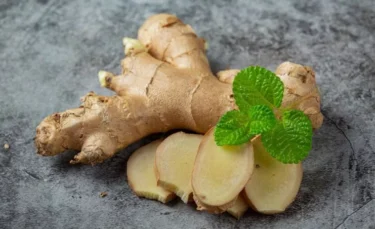
People with malaria often experience symptoms like nausea and vomiting. Several clinical studies4 suggest that ginger may help manage these symptoms. While ginger alone may not be able to manage malaria, it may provide relief from some symptoms when used along with prescribed medicine5. Clinical studies suggest that ginger may help reduce nausea and vomiting4, which are common symptoms of malaria. However, there is limited evidence that ginger can treat or eliminate malaria parasites, and it should only be used as a supportive measure.
Ginger tea is a commonly used home remedy to help manage certain conditions. To make ginger tea, you can boil some freshly crushed ginger in a glass of water. You may add a little lemon juice or a spoonful of honey for taste.
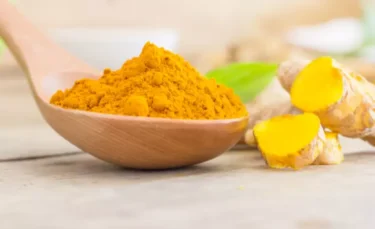
Curcumin, the active compound in turmeric, has shown antimalarial activity in some animal studies6. While turmeric is not a substitute for medical management, it can be used as a supportive remedy under your doctor’s guidance.
Turmeric can be added to your diet in several ways. You can mix a pinch of turmeric into a glass of warm milk or include it in everyday cooking, such as in dals, curries, or soups.
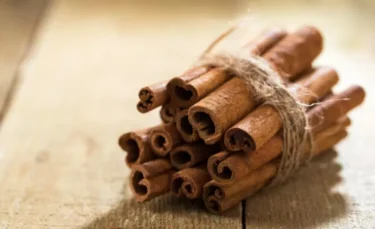
Cinnamon is a commonly used kitchen spice with many beneficial properties. Several studies7 suggest that cinnamon may have inhibitory effects against malaria-causing pathogens.
Cinnamon can be added to your routine in several ways. You can add cinnamon powder to your herbal teas or mix the powder in a glass of warm water. You can also combine it with a pinch of powdered black pepper and honey to enhance the taste.
Always speak with your doctor before trying cinnamon or other herbs alongside malaria treatment.
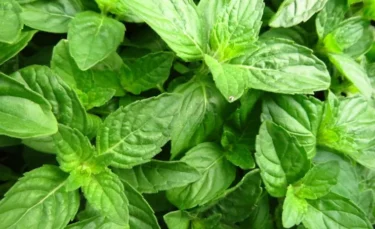
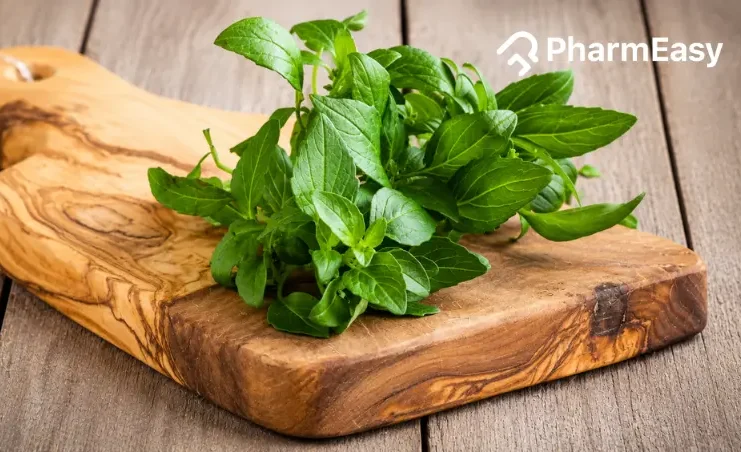
Tulsi is a well-known herb traditionally used in the Ayurvedic system of medicine. It is believed to support overall health and well-being. Many scientific studies suggest that tulsi may have antimalarial, antimicrobial and antioxidant properties that may support the body’s immune response against infective pathogens8.
You can make tulsi tea by boiling fresh tulsi leaves in water and straining the liquid into a cup. You can add a few drops of lemon juice or honey for additional taste.
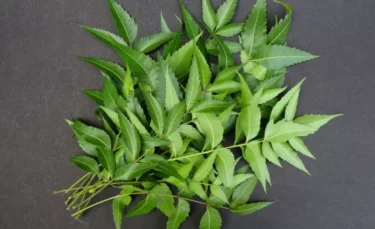
Neem has traditionally been used for managing malaria for centuries. The compounds found in neem have shown activity against malarial parasites. Neem may be useful in preventing malaria as well, as neem oil seems to be a good mosquito repellent. It is believed that neem may be able to lower fevers, stimulate the immune system, and support faster recovery from malaria9.
You can drink neem tea or chew fresh neem leaves. To make neem tea, boil a glass of water, add some neem leaves to it, and let it steep for a while. Strain the mixture into a cup and your tea is ready to serve. You can add a dash of honey for flavour.
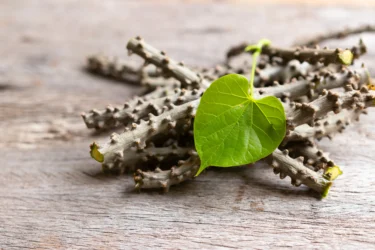
Guduchi is a well-known herb in traditional Indian medicine. Its juice may help boost immunity and help fight off infections. Studies10 suggest that guduchi may have anti-malarial properties and may be able to support better immunity.
You can make guduchi juice at home by peeling off the skin of fresh guduchi, chopping it into pieces, adding a glass of water, and blending it into a fine consistency. Strain it into a cup and your guduchi juice is ready to drink.

Coconut water has long been consumed for its refreshing taste and hydrating properties. It contains natural electrolytes that may help support fluid balance in the body. Some animal studies11 also suggest that it may have antimalarial properties.
Coconut water may help to maintain hydration and electrolyte balance, which may be beneficial in individuals experiencing fever, sweating, vomiting, or poor fluid intake. However, there is limited clinical evidence that coconut water treats malaria, and it should not be used as a substitute for appropriate medical care13. You can drink coconut water to prevent dehydration induced by vomiting during malaria.
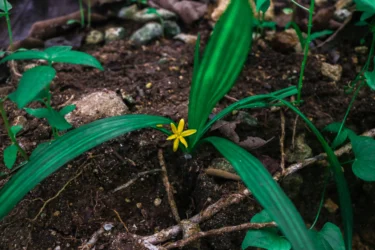
Krishna musali, also known as golden eye grass, is a medicinal herb with many beneficial properties. The dried rhizome of this plant is believed to support immune functions. Krishna musali powder, consumed with a glass of milk, may help in faster recovery. Though some studies12 suggest that Krishna musali and certain other herbal remedies may have some benefits for individuals recovering from malaria, current evidence is limited. There is a need for large-scale human studies to establish the true extent of their benefits in individuals with malaria. Therefore, such remedies should be used with caution and never as a replacement for medical treatment.
Also Read: Malaria: Types, Symptoms, Causes and Treatment
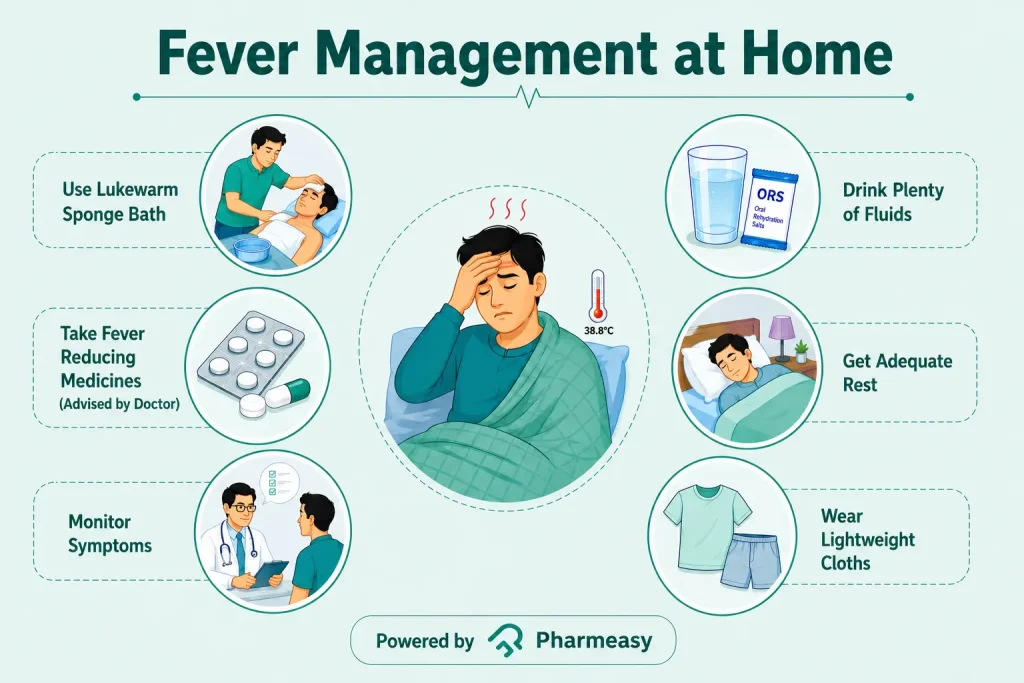
Fever is one of the most common symptoms of malaria14. While antimalarial medicines prescribed by a doctor are essential for treating the infection, certain measures at home may help improve comfort during recovery.
Children and pregnant women are among the groups most vulnerable to severe malaria and its complications.
Malaria during pregnancy can increase the risk of maternal anemia, miscarriage, premature birth, low birth weight, and other complications16. Pregnant women who develop a fever or suspect malaria should seek medical care immediately.
Children may become seriously ill within a short period of time. Seek medical attention immediately if a child shows the following symptoms:
Note: Do not give herbal remedies or over-the-counter medicines to children without consulting a healthcare professional.
Home remedies and supportive care may help to improve comfort but they are not sufficient for treating malaria, particularly in high-risk situations. Home care alone is unsafe if:
In these situations, urgent medical evaluation and treatment are required. Delaying appropriate care can lead to serious complications.
It is important to speak to a doctor as soon as you notice any symptoms that may be linked to malaria. Getting a timely diagnosis and appropriate treatment can support quicker recovery1.
Home remedies may offer some relief from mild symptoms, but they must not be used as a substitute for medical care. If symptoms do not improve or become worse, you should consult a qualified doctor without delay for proper evaluation and guidance.
Malaria is a common but potentially serious illness that requires timely medical care to reduce the risk of complications such as brain damage or, in severe cases, death. Some natural herbs and spices available in your kitchen, such as turmeric, cinnamon, tulsi, neem, and ginger, have been traditionally used to help ease certain symptoms. While these may offer some relief, they should never be used as a replacement for proper medical treatment.
If you suspect you have malaria, it is important to consult a qualified doctor for accurate diagnosis and treatment. Always speak to your doctor before trying any home remedies, especially during an active infection.
Also Read: What Is Hantavirus? Symptoms, Causes, & Effective Prevention
Some commonly used herbs such as tulsi, neem, ginger, cinnamon, turmeric, guduchi, and Krishna musali may help ease certain symptoms of malaria. However, these should not be used as a replacement for medical treatment. Always speak to a qualified doctor before using any home remedies.
While some home remedies may offer comfort or support recovery, malaria requires proper medical treatment. You must consult a doctor for an accurate diagnosis and appropriate care. Relying only on home remedies can delay recovery and may lead to complications1.
Yes, if left untreated or not managed properly, malaria can lead to serious complications such as brain damage, organ failure, or even death. Seeking prompt medical attention when symptoms appear is essential.
Neem is traditionally believed to have properties that may help reduce fever and support immune health. Some early studies suggest it might help manage certain symptoms. However, neem should never be used without medical advice, especially during an active infection. Always consult a doctor before using any herbs for malaria.
Disclaimer: The information provided here is for educational/awareness purposes only and is not intended to be a substitute for medical treatment by a healthcare professional and should not be relied upon to diagnose or treat any medical condition. The reader should consult a registered medical practitioner to determine the appropriateness of the information and before consuming any medication. PharmEasy does not provide any guarantee or warranty (express or implied) regarding the accuracy, adequacy, completeness, legality, reliability or usefulness of the information; and disclaims any liability arising thereof.
Links and product recommendations in the information provided here are advertisements of third-party products available on the website. PharmEasy does not make any representation on the accuracy or suitability of such products/services. Advertisements do not influence the editorial decisions or content. The information in this blog is subject to change without notice. The authors and administrators reserve the right to modify, add, or remove content without notification. It is your responsibility to review this disclaimer regularly for any changes.
 28
28  1
1Comments

Leave your comment...
You may also like



















Comments