




Neera (Palm Nectar): Uses, Benefits, Side Effects & More
By Dr. Mrunal Shirodkar +2 more

Medically reviewed by Dr. Mrunal Shirodkar
Last updated: Sep 4, 2026 Published on: May 6, 2026


Get,

to manage your symptom
Get your,

4 Cr+ families
benefitted

OTP sent to 9988776655



You’ve successfully subscribed to receive
doctor-approved tips on
Whatsapp

Get ready to feel your best.


Register to Avail the Offer
Send OTPBy continuing, you agree with our Privacy Policy and Terms and Conditions
Hi There,
Sign up on PharmEasy now!!


Trusted by 4 crore+ families

OTP sent to 9988776655
You have unlocked 25% off on medicines


Code: NU25

By Dr. Mrunal Shirodkar +2 more
Table of Contents
Neera, also called palm nectar, is a natural drink that comes from the sap of palm trees. It is collected from the flower part of the tree and is usually consumed fresh1. For many years, people in different parts of India have been drinking Neera as part of their daily routine. In Tamil Nadu, it is known as “Pathaneer” and is commonly used as a cooling drink during hot weather2.
Neera is known for its sweet taste and refreshing nature, which makes it a popular traditional beverage. It also contains important nutrients like vitamins, minerals, and amino acids that help support the body. Some studies suggest that it has a low glycaemic index and low calories, which may make it a better option compared to sugary drinks.
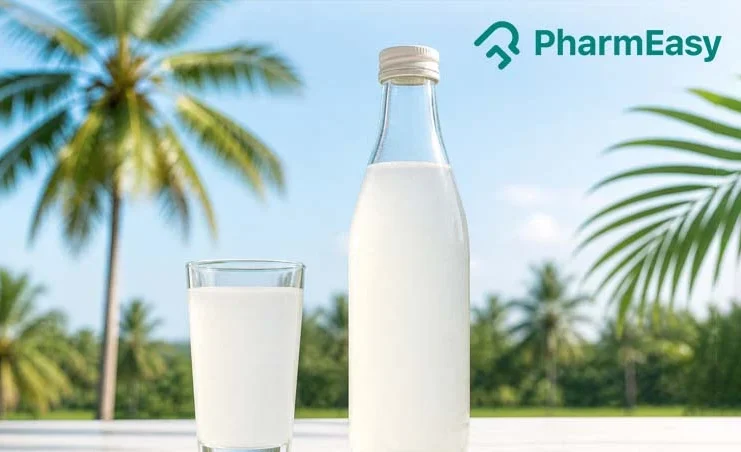
Because of these features, many people are now interested in learning more about Neera and its possible health benefits. At the same time, it is important to know that Neera can ferment quickly if not consumed fresh.
In this article, we will discuss in a simple and clear way about what is Neera, its nutritional value, possible health benefits, side effects, and precautions to be taken with Neera1.
Palm nectar, also known as palm sap or Neera, is the natural liquid collected from the flowering parts of the palmyra tree, whose scientific name is Borassus flabellifer. This tree is one of the oldest tree species found in India and grows in tropical regions of Asia and Africa. The palmyra tree is highly valued because it provides food, raw materials, and other useful products for local communities.
Neera is obtained from the sap of the palmyra tree through a traditional tapping process, where the sap is collected in containers. The freshly collected sap is called Neera, and it is sweet and non-alcoholic. When this sap is left for some time, it undergoes fermentation and becomes toddy, which is a different form of the drink. The sap is usually collected early in the morning and is known to be energising. It also provides a cooling sensation when consumed.
Neera is traditionally consumed as a refreshing and nutrient-rich beverage. It is also used to prepare products such as palm jaggery and palm syrup, which are used as natural substitutes for sugar2.
Fresh Neera (palm nectar) is nutritionally rich, containing natural sugars, vitamins, minerals, and bioactive compounds like phenolics. Its composition makes it a low-calorie, nutrient-dense drink that also supports digestion and overall health.
This table explains what is Neera made of:
| Nutrient Type | What it Contains | Amount (Approx.) |
| Sugars & Energy | Natural sugars | 10.8 – 14.5 g/100 mL |
| Carbohydrates | ~15 g | |
| Protein | Protein | 0.23 – 0.32 g/100 g (in minute amounts) |
| Vitamins | Vitamin C | 16 – 30 mg |
| Vitamin B group | B1, B2, B3, B6, B7, B9 | |
| Minerals | Potassium | 146 – 182 mg |
| Sodium | 69 – 117 mg | |
| Phosphorus | 2-6 mg | |
| Magnesium | 3mg | |
| Iron and Zinc | Small amounts | |
| Other Good Compounds | Phenolics (antioxidants) | Present |
| Antioxidant activity | Present | |
| Other Features | pH | Neutral (7.0–7.4) |
Fresh Neera contains vitamins and antioxidants that help protect body cells from damage and its natural sugar and potassium provide quick energy. However, if kept for too long, it starts fermenting, which reduces nutrients like vitamin C and increases acid and alcohol levels1.
Neera is known for its natural composition containing vitamins, minerals, and plant compounds that may support different body functions. Here are some important Neera benefits (palm nectar):

Neera in low in calories but contains natural sugars and minerals, making it a rich energy source. It also has a low glycaemic index of around 35, which means it releases sugar slowly into the blood. This helps prevent sudden spikes in blood sugar levels, making it a better option than other high-sugar drinks1.

Neera is rich in water, electrolytes, vitamins, and minerals, making it a good natural drink for hydration. It helps reduce tiredness, heat stress, and dehydration, especially in hot climates2.
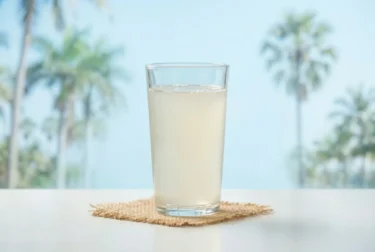
Neera contains antioxidants that help remove harmful free radicals from the body. These free radicals can damage cells and are linked to aging and diseases. By reducing this damage, antioxidants help protect the body at a cellular level1.

Neera has a high amount of potassium, which helps lower blood pressure. It also has a potassium-to-sodium ratio of about 4:1, which is good for heart function. In addition, vitamins A and C help reduce oxidative stress that can affect blood vessels and the heart1.

Neera contains flavonoids and phenolic compounds that help regulate the immune system and reduce inflammation. It also contains Vitamin C helps boost the immune function, adding to neera benefits1.

Neera helps improve gut microflora, which are the good bacteria in the digestive system. It has a soothing effect on the stomach and supports better digestion1. Neera is obtained from the palmyra palm and some palmyra-based foods also provide fibre, which further helps gut health2.

Neera helps remove harmful substances like acetaldehyde, which is formed after alcohol metabolism and can damage the liver. It also has diuretic properties, meaning it increases urine output and helps remove toxins and excess uric acid from the body1.

Neera contains iron, vitamin C, and vitamin K. Vitamin C helps the body absorb iron better, which is important for making haemoglobin in red blood cells. This supports oxygen transport in the body and helps reduce the risk of anaemia1.
Neera can be a promising addition to the diet because of its rich nutrient content and health-supporting properties. However, large-scale human research is still needed to confirm its health benefits, and thus, it should be used as a supportive drink and not as a cure for diseases.
Fresh palm sap contains about 12–15% natural sugars like sucrose, glucose, and fructose, which are rapidly broken down by natural yeast and bacteria present in it. These microorganisms convert the sugars into alcohol within a few hours, turning Neera into palm toddy through fermentation. During this process, alcohol and acids are formed, which can change its composition and affect its safety and quality3,4.
These are some Neera drink side effects, that may occur mostly when it is fermented or not consumed fresh:
Hence, its best to consume Neera in moderation and have it fresh to avoid fermentation, which can lead to alcohol formation and microbial growth, and may cause health issues.
Neera can be used in many ways, either as a fresh drink or as a base for several traditional food products with high nutritional value. Here are some ways you can consume to get Neera benefits:

Fresh Neera is consumed directly as a natural beverage. It is rich in B vitamins that support energy and hydration and is often taken in the morning for a refreshing effect.

Neera is boiled at high temperature to prepare palm jaggery, a natural sweetener without chemical processing. It retains natural sugars and minerals like calcium, iron, and potassium, providing instant energy.
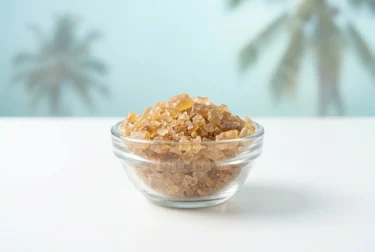
Through heating and crystallization, Neera is converted into palm sugar, which is minimally processed and free from additives. It contains minerals such as phosphorus, potassium, iron, and zinc and is considered a better alternative to refined sugar.
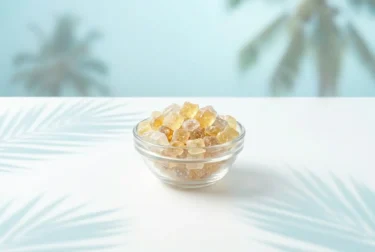
Neera is slowly boiled and crystallized to form palm candy, a traditional sweet used as an energy-rich food.
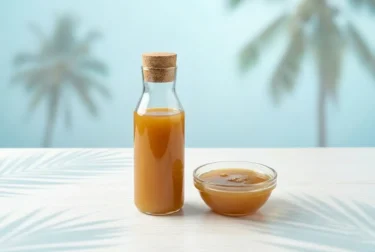
Neera is heated to form a thick syrup that can be used as a natural sweetener in foods and desserts.
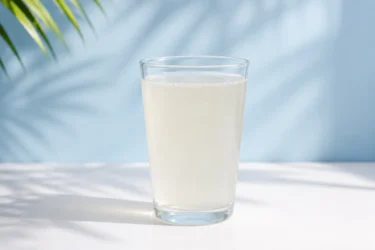
Neera naturally ferments due to yeast and microbes, forming toddy. While fresh Neera is non-alcoholic, fermentation turns it into an alcoholic beverage.
Neera is also used to produce many value-added products such as jaggery, sugar, syrup, candy, and sweets. These products retain high nutritional value and act as natural energy sources. They are widely used as healthier alternatives to refined sugar and processed sweeteners1,2.
Fresh Neera should be consumed carefully, as its quality and safety depend strongly on handling, storage, and source. Therefore, it is important to remember these precautions while consuming neera2,4:
Fresh Neera is naturally nutritious, but safe consumption depends mainly on freshness, hygiene, and proper handling to avoid contamination and spoilage and reduce neera drink side effects.
Neera may interact with some medicines when it is fermented, as it can form alcohol along with acids and other compounds. Because of this change, fermented Neera may affect how certain medicines work in the body. Alcohol-like substances are generally used with caution during treatment with medicines that act on the brain, such as sedatives (sleep or anxiety medicines), antidepressants, or strong pain medicines (opiods) and some antibiotics. The alcohol-like content may increase side effects such as drowsiness, dizziness, and reduced alertness, and may affect normal body functions7. Fresh Neera in small amounts is less likely to cause such interaction1.
Neera may also interact with diabetes medicines indirectly because it contains natural sugars like sucrose, glucose, and fructose. In people taking diabetes medicines, Neera may affect blood sugar control if taken frequently or in larger amounts, so diet control is important along with regular medication for better treatment response4,8.
Also Read: Badam Pisin (Almond Gum): Uses, Benefits, Side Effects & More
Neera is a traditional natural palm sap beverage with a mildly sweet taste that contains natural sugars and a lot of vitamins and minerals. When consumed fresh, it helps provide hydration and quick energy. There are multiple other neera benefits that can support general health, however, its important to consume neera fresh and in moderation. Its quality depends on freshness and hygienic handling, as it can ferment quickly and get contaminated if not stored correctly. Neera can prove to be a beneficial drink for most, yet individuals with medical conditions or on regular medications should consult a healthcare professional before use.
Also Read: Citronella: Uses, Benefits, Side Effects & More!
Fresh Neera does not contain alcohol when it is just collected. But after some time, natural yeast in it starts breaking down the sugar and slowly produces alcohol during fermentation. So fresh Neera is non-alcoholic, but fermented Neera can contain alcohol1.
No, Neera is the sweet sap collected from palm trees, while coconut water is the natural liquid inside a tender coconut. Neera is tapped and can ferment, but coconut water is naturally non-alcoholic and stable inside the fruit2,9.
Neera powder, made from coconut inflorescence sap, contains nutrients like sugars, vitamins, and minerals. It may help protect kidneys by reducing nephrotoxicity (kidney damage) and supporting recovery from kidney stress when used in proper medicinal doses1. However, more scientific evidence is needed to corroborate this.
Yes, Neera can be consumed daily in moderation. It is a fresh sap rich in vitamins (B-complex, C), minerals, and antioxidants. It helps with hydration, improves digestion, supports immunity, promotes urination, removes toxins, and has a low glycaemic index1,2. However, if you have any medical conditions or are on any medications, its best to discuss with your doctor first.
Neera may support weight loss as it is low in calories and nutrient-rich. It contains vitamins, minerals, antioxidants, and has a low glycaemic index, helping maintain blood sugar levels. Being a wholesome natural drink, it can be a better alternative to high-calorie aerated beverages1. But remember there is no magic drink which can replace regular exercise and a healthy diet for weight loss.
1. Meghwal M. An Update on Uses, Benefits and Potential Application of Neera. Auctores Publishing LLC, ed. Nutr Food Process. 2021;4(8):01-18. doi:10.31579/2637-8914/072 Available from: https://auctoresonline.org/article/an-update-on-uses-benefits-and-potential-application-of-neera
2. Vanitha K, Ragavan T, Gurusamy A, et al. Health benefits and neutracuticle properties of palmyra palm – A forgotten treasure. Plant Sci Today. Published online July 25, 2025. doi:10.14719/pst.7398 Available from: https://horizonepublishing.com/journals/index.php/PST/article/view/7398
3. Palmyra Palm (Borassus Flabellifer Linn) – A Celestial Tree. J Chem Health Risks. Published online 2024. doi:10.52783/jchr.v14.i4.5804 Available from: https://www.jchr.org/index.php/JCHR/article/view/5804
4. (PDF) A Review on the Effects of Fermented Palm Wine and the Liver Function. ResearchGate. Accessed April 27, 2026. Available from: https://www.researchgate.net/publication/395473438_A_Review_on_the_Effects_of_Fermented_Palm_Wine_and_the_Liver_Function
5. Bujanda L. The Effects of Alcohol Consumption Upon The Gastrointestinal Tract. Am J Gastroenterol. 2000;95(12):3374-3382. doi:10.1111/j.1572-0241.2000.03347.x Available from: https://www.scirp.org/reference/referencespapers?referenceid=510634
6. Kumar R, Jha AK. Association between local alcoholic beverages and amoebic liver abscess in the Indian subcontinent: Weird but true! JGH Open. 2019;3(3):266-267. doi:10.1002/jgh3.12137 Available from: https://pmc.ncbi.nlm.nih.gov/articles/PMC6586571/
7. Traccis F, Presciuttini R, Pani PP, Sinclair JMA, Leggio L, Agabio R. Alcohol-medication interactions: A systematic review and meta-analysis of placebo-controlled trials. Neurosci Biobehav Rev. 2022;132:519-541. doi:10.1016/j.neubiorev.2021.11.019 Available from: https://pubmed.ncbi.nlm.nih.gov/34826511/
8. Selvam J, Thangaraj P, Hemalatha K, Subbian P. Diet adherence and factors associated with nonadherence among Type 2 diabetics at an urban health center in Tamil Nadu, India. Int J Acad Med. 2023;9(1):25-30. doi:10.4103/ijam.ijam_10_22 Available from: https://journals.lww.com/ijam/fulltext/2023/09010/diet_adherence_and_factors_associated_with.5.aspx
9. Shi S, Wang W, Wang F, et al. Research Progress in Coconut Water: A Review of Nutritional Composition, Biological Activities, and Novel Processing Technologies. Foods. 2025;14(9):1503. doi:10.3390/foods14091503 Available from: https://pubmed.ncbi.nlm.nih.gov/40361585/
Disclaimer: The information provided here is for educational/awareness purposes only and is not intended to be a substitute for medical treatment by a healthcare professional and should not be relied upon to diagnose or treat any medical condition. The reader should consult a registered medical practitioner to determine the appropriateness of the information and before consuming any medication. PharmEasy does not provide any guarantee or warranty (express or implied) regarding the accuracy, adequacy, completeness, legality, reliability or usefulness of the information; and disclaims any liability arising thereof.
Links and product recommendations in the information provided here are advertisements of third-party products available on the website. PharmEasy does not make any representation on the accuracy or suitability of such products/services. Advertisements do not influence the editorial decisions or content. The information in this blog is subject to change without notice. The authors and administrators reserve the right to modify, add, or remove content without notification. It is your responsibility to review this disclaimer regularly for any changes.


Comments

Leave your comment...
You may also like






















Comments