
Hernias are caused when a weakness in the muscle or tissue of the body allows an internal part of the body to push through1. Typically, a hernia occurs between the chest and the hips. There are few or no symptoms initially. However, you may notice swelling or a lump in your belly (abdomen) or groin.
3 of the most common types of hernia are:
Exercise can be safe for some people with hernias. It may be safe to exercise with a hernia, but caution should be taken. To prevent additional stress on your hernia, focus on activities that won’t strain that area. It is not recommended to perform exercises or lift routines that strain or pull the abdominal area when suffering from abdominal hernias. Nevertheless, there are several exercises to avoid. Working out safely begins by knowing which exercises to avoid.
Furthermore, working out with a qualified personal trainer or an accredited physiotherapist is recommended. The trainer or physiotherapist can help you with safe exercises. Consult your doctor before exercising when you have been diagnosed with a hernia or are recovering after a hernia operation.
Some evidence is that exercise or yoga can help with or speed up the healing process after Hernia surgery. Exercise and yoga are recommended by physicians and physical therapists for a healthy lifestyle. Understanding the right exercises and the time to begin them from your doctor is important.

Use the thigh muscles during Pillow Squeeze. Begin by lying flat on the floor and bending your knees. Inhale deeply while holding a pillow between your knees. As you exhale, squeeze the pillow gently with both knees. Make sure to repeat this exercise 20 times daily.

Keeping your knees in the same position, exhale while sitting with a pillow between them. Lift your waist and rest your arms on the floor to provide support. Try to stay as straight as possible from your shoulders to your knees. Take in as much air as you can. Sit with a pillow between your knees and return to the initial position. Repeat 20 times daily.
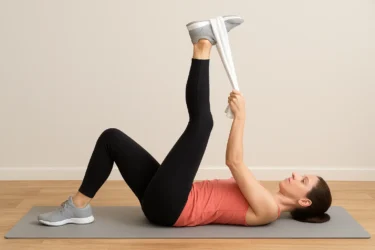
Bend your knees and lie down flat on the floor. Your head and chin should be at the same level. Then, raise one leg up, keeping the other leg bent. Try wrapping a towel around your foot and pulling the lifted leg towards yourself. Try to stretch your hamstring muscles until they feel a bit stretched. Hold that position for at least 30 seconds. Then go back to the starting position. Perform this exercise 10 times a day with each leg.

Keep your knees bent and inhale as you lie flat on the floor. As you exhale, open one knee sideways. Bring it as close to the floor as possible. Now bring the knee back. Proceed in the same manner with the other knee. Do this five times per day. Maintain a straight body position during the exercise.

Keeping your feet apart, bend your knees in the same position. Inhale as you hold your arms straight out in front of you. Inhale slowly as you roll over your hips on your right side. Bend both knees sideways. Do the same on the other side. Repeat this exercise ten times a day, then increase to 20.
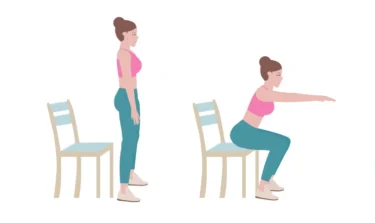
The pose helps strengthen the lower body and core. Keep your feet close together. Put your hands over your head while pressing your knees together. You should keep your thighs parallel to the floor by bending the knees as much as possible. Return to the starting position after holding the stretch as long as possible.
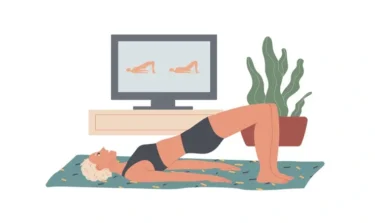
Strengthen the muscles in your stomach with this exercise. With both feet flat on the floor, lie on your back with the knees bent. Keep the shoulders down and lift the lower back off the floor. Remain in this position for as long as possible before returning to your starting position.
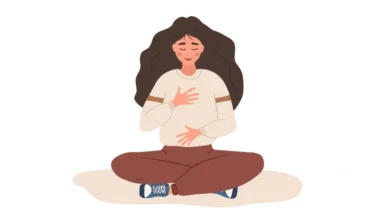
It strengthens the diaphragm and can benefit people affected by Hiatal hernias5. You can either sit up or lie down. One hand should go on the stomach, the other on the chest. Take a deep breath through your nose, focusing on your stomach as it rises. Focus on lowering the stomach as you breathe out through pursed lips. Repeat this a few times.
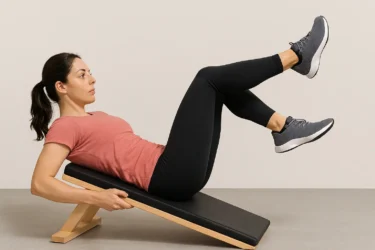
Strengthen your lower abdominal muscles by cycling your legs in the air. Lay on a slant board. You can remove excess pressure from your head and feet while exercising with slant boards. You can do bicycle leg exercises on your slant board by lifting your legs towards your chest. Stabilise yourself by holding your sides while pedalling your legs. Perform these exercises in 10 to 15-minute sessions three times every week.

It is vital to maintain a flexible abdomen to reduce the risk of hernias. Keep your knees straight while you lie flat on the floor. Keeping your back firmly on the ground, bend your legs on each side and try to touch the surface. Keep the posture in place for 5-10 seconds, then return to your starting position. Repeat the exercise on the opposite side. You should perform this stretch daily. Stretching your abdominal muscles increases their flexibility, making them less likely to weaken under pressure.
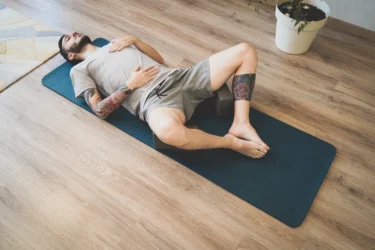
Any exercise should be performed with correct breathing. Take deep breaths from your abdomen rather than your chest. It helps release abdominal pressure by lifting the diaphragm. Your back should be on the ground. One hand should be placed on your chest, and the other on your belly. Let air enter your abdomen as you breathe through your nose. You should raise your lower hand instead of the hand on your chest as you breathe in.
To be done only after discussing with the surgeon:

In the aftermath of surgery, it is normal to feel some pain. In particular, after abdominal surgery, deep breathing can be quite painful, which makes people breathe very shallowly. Sometimes, the inability to expand the lungs properly can lead to infections in the bottom of the lungs. You should therefore take a few conscious deep breaths throughout the day. You should also use controlled coughing to rid yourself of phlegm or sputum. To aid in coughing and clearing the lungs properly, you can hold a pillow or towel near the surgical wound to provide some support.

Walking around after hernia surgery is a highly recommended exercise to enhance the speed of your recovery. By doing so, you encourage your circulation to run smoothly and encourage your gut to keep working. It is important for patients to walk a little after surgery and increase the distance after recovery. Walking helps speed up recovery and prevents infection and blood clots.
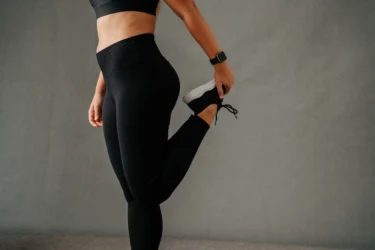
Leg exercises provide you with the strength to keep your legs mobile and prevent blood clots by keeping the circulation moving. Repeat each exercise several times to start with and increase repetitions as you get stronger.

Your core muscles will be strengthened, thus reducing the risk of hernias:
Also Read: Is It Possible to Increase Penis Size? Myths vs. Medical Facts
Certain exercises and activities should be avoided after your hernia surgery or if you have a hernia:
Also Read: 6 Best Yoga Poses & Exercises To Deal With Piles
When exercising with a hernia, keep certain tips in mind to make sure you remain safe. One of the most important steps is to avoid the exercises listed above. As part of your exercise routine, make sure that you include aerobic exercises, glute bridges and postural strengthening exercises.
Be sure not to overdo it. You should be gentle with yourself until your hernia has recovered. If you do it correctly, exercise will help you manage your hernia better and prepare you for surgery if necessary. After surgery, it is definitely an important part of your prevention plan
You always run the risk of worsening hernias when you begin exercising. Hence, patients must seek treatment for a hernia before participating in intense exercise. Every person is different therefore, it is mandatory to discuss with your doctor the right time to begin exercises and the type of exercise one should engage in.
Also Read: Food Choices for Hernia: What to Eat and Avoid
It is safe to exercise with a hernia, however, there may be risks to making your hernia worse. If done correctly, exercise can help you cope with your hernia better6. Ensure to be careful and not overdo your exercises or perform any strenuous exercises. Consult your doctor before doing any exercise.
The benefits of exercise may help you manage many chronic health conditions and alleviate the symptoms of a hernia. However, you must be careful, as some exercises can cause strain on your affected area and may worsen your hernia.
Core exercises such as crunches, planks, sit-ups and some pilates, in other words, exercises that are more advanced, should be avoided. Performing heavy lifting exercises, including deadlifts and squats, at a high intensity, can result in your hernia getting worse. In addition, avoid sports with high impact or contact. Avoid bending down and lifting anything heavy at home.
Yes, walking is a highly recommended exercise for a person suffering from a Hernia. You can go for short walks unless advised otherwise by your doctor.
Disclaimer: The information provided here is for educational/awareness purposes only and is not intended to be a substitute for medical treatment by a healthcare professional and should not be relied upon to diagnose or treat any medical condition. The reader should consult a registered medical practitioner to determine the appropriateness of the information and before consuming any medication. PharmEasy does not provide any guarantee or warranty (express or implied) regarding the accuracy, adequacy, completeness, legality, reliability or usefulness of the information; and disclaims any liability arising thereof.
 120
120  14
14Hernia is a condition that occurs when an internal organ or tissue pushes through a weak spot or region in the covering muscle or tissue that is supposed to contain it. For example, one of the most common types of hernias is when the intestines (internal organs) push through the lower abdominal muscle wall (surrounding tissue). This produces a bulge in the lower abdominal area1.
A hernia may not be serious immediately, but many hernias tend to worsen with time and will require surgical intervention. Anybody can get a hernia regardless of age or gender, although it may be more common in older adults and those who are overweight. Most hernias occur within the abdominal cavity, between the chest and the hip.
It produces a noticeable lump or bulge that can be pushed back in or that can disappear when lying down. Laughing, crying, coughing or straining during a bowel movement or physical activity may make the lump reappear after it has been pushed in. Speak with a doctor immediately for an appropriate diagnosis.
A hernia can be caused by several reasons. The weakening of the enveloping tissues or other muscles due to ageing, strain, obesity, or birth defects can make it easier for internal organs to push through1.
Risk factors for hernia may also include pregnancy, being overweight, straining when going to the toilet, forceful and regular coughing, or giving birth. Additionally, some hernias may be caused after a surgical procedure, while other hernias, such as hiatal hernias, do not have causes that are fully understood.
This is the most common hernia. The inguinal canal goes from the abdominal region to the lower groin. The weakening of tissues in this region may cause the intestines or tissue from inside to push through and create a bulge at the top of the inner thigh2.
A femoral hernia is a rare type of hernia in the groin region that occurs over the femoral canal in the upper thighs. This type of hernia is more likely in older women3.
When the tissues or muscles near the belly button (navel) become weakened, the internal tissue can push through and make a bump in that area. This is known as an umbilical hernia. If the hernia is detected above the navel but below the breastbone, it is known as an epigastric hernia. This hernia may be noticed more often in young children4.
Inside your body, your digestive organs, like the intestines, are kept separated from the upper chest cavity due to the diaphragm. The diaphragm is a muscle within your chest that keeps the organs separate and organised, but sometimes the diaphragm can become weakened, damaged or have defects from birth. This leads to parts of the stomach pushing through and entering your chest region, known as a hiatal hernia. In some people with severe defects, not only the stomach but multiple organs from the tummy region are free to push into the chest area. This is called a diaphragmatic hernia5.
Incisional hernias occur at the site of an incision or cut, usually made for surgical purposes. After the surgery, the body may not heal the muscle tissue properly, which may lead to a weak point developing. This makes it easier for a bulge to form and the internal organs to push through. Some types of incisional hernias are called ventral hernias6.
Avoiding too much straining of your abdominal muscles after abdominal surgery and allowing your muscles to heal completely goes a long way to prevent the development of a hernia.
Dr. Ashish Bajaj, M.B.B.S., M.D. in Clinical Pharmacology and Toxicology
A hernia can be easily noticed since they typically occur in common places and have similar symptoms. In most cases, you will need to speak with your doctor immediately after finding a hernia. Here are a few key signs to watch for:
Hernia home remedies do not cure a hernia. But they may help reduce the risk of hernia in some people. Consult a doctor for proper diagnosis and treatment of a hernia.
Do not try any exercise or home remedies without your doctor’s consent.

One of the main causes of hernia is strenuous exercise or overexertion. If you are engaged in heavy exercises, cut back and perform easy workouts. People who have suffered from hernia before should refrain from lifting heavy weights7. Some of the following exercises can help reduce the hernia:

Light cycling may be considered safe for people with smaller hernias and may also strengthen your muscles. If cycling is causing you more pain, then it should be avoided completely.

Walking is one of the most beneficial and simple exercises to perform and comes with many health benefits. Walking will generally not put additional strain on your hernia, depending on where it is.

Swimming can relieve a lot of pressure, strain, and pain due to the buoyancy of the water. Speak with your doctor and find out whether this exercise is appropriate for you. You will need to avoid strenuous laps and focus on gentle pool wading to get any benefit from this exercise.

Yoga may also support abdominal muscle strength, similar to the previously mentioned abdominal exercises. Avoid any yoga poses that increase your pain and discomfort, as this may worsen your hernia.

Smaller meals can be effective in decreasing the symptoms associated with hernias that involve the intestines. The less pressure you put on your stomach internally, the easier it is for you to digest your food. This will ensure that your digestive system is not under stress, which may benefit you by limiting your hernia pain.
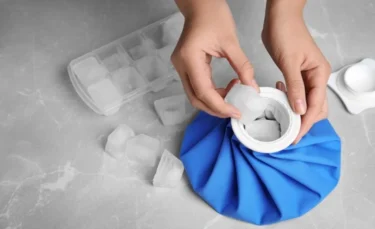
One of the simple natural remedies for hernia is using an ice pack8 as it act as a quick inflammation reliever when your hernia is causing too much discomfort. Always cover the ice with a soft cloth and do not leave it on for long periods.

With more fibre, your stools will be easier to pass and you won’t need to strain. Softer stools can also decrease the risk of constipation.

Obesity and being overweight may increase your risk of a hernia or worsen your condition if you already have one. The more you weigh, the more pressure is placed against your muscle walls. Speak with your doctor about safe ways to lose weight9. While some people may look for hernia treatment at home, it’s important to understand that such cases often require medical attention.
Home remedies for hernia only help in strengthening the muscles and preventing repeat herniation post-surgery. Surgery is the primary treatment for hernia.
Dr. M.G. Kartheeka, MBBS, MD(Pediatrics)
Also Read: Home Remedies for Jaundice By Dr. Siddharth Gupta
If your hernia is not causing you any symptoms like pain or bowel issues, your doctor may not immediately recommend surgery. However, in most cases, a hernia will be accompanied by several serious symptoms that require immediate medical attention. Consult a doctor if you notice the following:
Hernias usually become larger and more severe with time. A strangulated hernia is when the hernia bulge cannot be pushed back inside and becomes trapped within the muscles. This is a dangerous complication. Most hernias are surgically fixed by putting the internal organ back in its place and then strengthening the weak or damaged muscle tissue. Do not delay treatment.
Also Read: 8 Best Home Remedies For Piles
If you suspect that you might have a hernia, speak with your doctor immediately. Even if you do not yet have any hernia symptoms, your doctor will need to monitor your situation and plan for your future. Hernias can be extremely painful to manage and live with. Luckily, there are several surgical options available. Be sure to check with your doctor what instructions you need to follow to manage your hernia before and after surgery.
Also Read: Food Choices for Hernia: What to Eat and Avoid
Most hernias occur due to a combination of two factors occurring at the same time: internal pressure of the organs and tissues and the weakening or opening of muscles or other tissues. This leads to the internal tissue pushing through the outer protective layers and creating a bulge that is easily visible.
The first signs of a hernia are usually a bulge, swelling or bump in the belly, upper and inner thighs, or upper groin that is accompanied by sharp pain in some cases.
A hernia is usually a serious issue unless it is small. Even small hernias eventually turn into serious medical conditions; however, larger ones typically require urgent medical attention and will have more painful symptoms.
No, most hernias do not go away on their own and will require some kind of medical attention eventually.
Hernia often requires surgery to prevent complications such as strangulation or obstruction, but some cases can be managed non-surgically depending on the type, size, and symptoms. Consulting a healthcare professional is essential for an accurate diagnosis and treatment plan.
Yes, hernias can cause pain, especially when the affected area is under strain or pressure. The pain can vary from a dull ache to a sharp, intense discomfort, and it may worsen with activities like lifting, coughing, or bending.
Yes, hernias can cause constipation, particularly if they obstruct part of the intestine. This can lead to difficulty passing stool, abdominal bloating, and discomfort. If you experience these symptoms, it’s important to seek medical advice.
Yes, hernias can affect pregnancy. The increased pressure in the abdomen during pregnancy can exacerbate an existing hernia or contribute to the development of a new one. It is important for pregnant women with hernias to consult their healthcare provider for appropriate management and monitoring.
Hernias typically do not directly cause weight loss. However, if a hernia leads to complications such as intestinal obstruction or severe pain, it may result in reduced appetite or difficulty eating, which could contribute to weight loss. It’s important to seek medical advice if you experience unexplained weight loss along with hernia symptoms.
A hernia occurs when an internal organ or tissue pushes through a weak spot or tear in the surrounding muscle or connective tissue. This can be caused by factors such as heavy lifting, chronic coughing, obesity, or strain during bowel movements.
A hernia often feels like a noticeable lump or bulge in the affected area, which can be accompanied by discomfort or pain, especially when lifting, bending, or coughing. The pain can range from a dull ache to a sharp, severe sensation.
Hernias can sometimes be managed without surgery through lifestyle changes, such as avoiding heavy lifting and maintaining a healthy weight, or using supportive devices like trusses. However, surgery is often recommended to prevent complications and provide a definitive solution.
Yes, hernias can recur even after surgical repair. Factors such as the strength of the repaired area, the patient’s overall health, and postoperative activities can influence the likelihood of a hernia reoccurring.
Hernias themselves do not cause cancer. However, in some cases, a hernia may obscure an underlying tumour or cancerous growth, leading to delayed diagnosis. It’s important to consult a healthcare professional if you notice any unusual symptoms or changes in the area of a hernia.
While hernias themselves are not typically life-threatening, complications such as strangulation or obstruction, where blood supply to the herniated tissue is cut off, can be serious and even life-threatening if not treated promptly. Seeking medical attention for symptoms of a hernia is important to prevent complications.
There can be a genetic component to hernias, as certain inherited factors may predispose individuals to weakened abdominal muscles or connective tissues, increasing the risk of developing a hernia. However, lifestyle factors such as heavy lifting, obesity, and chronic coughing also play significant roles.
While hernias primarily manifest as a noticeable lump or bulge in the abdomen, they can sometimes cause referred pain, including back pain. This may occur if the herniated tissue presses on nerves in the abdomen or affects the alignment of the spine, leading to discomfort in the back or surrounding areas.
A hernia cannot be completely cured naturally, but certain lifestyle changes may help manage its symptoms and prevent it from worsening. Maintaining a healthy weight, avoiding heavy lifting, eating a fiber-rich diet, and practicing gentle exercises can reduce strain on the abdominal area. However, medical consultation is essential, as surgery is often the only effective treatment for a hernia.
1. InformedHealth.org [Internet]. Cologne, Germany: Institute for Quality and Efficiency in Health Care (IQWiG); 2006-. Overview: Hernias. [Updated 2023 Dec 13]. Available from: https://www.ncbi.nlm.nih.gov/books/NBK395554/
2. Hammoud M, Gerken J. Inguinal Hernia. [Updated 2023 Aug 8]. In: StatPearls [Internet]. Treasure Island (FL): StatPearls Publishing; 2025 Jan-. Available from: https://www.ncbi.nlm.nih.gov/books/NBK513332/
3. Goethals A, Azmat CE, Adams CT. Femoral Hernia. [Updated 2023 Jul 31]. In: StatPearls [Internet]. Treasure Island (FL): StatPearls Publishing; 2025 Jan-. Available from: https://www.ncbi.nlm.nih.gov/books/NBK535449/
4. Holt AC, Bamarni S, Leslie SW. Umbilical Hernia. [Updated 2024 Feb 27]. In: StatPearls [Internet]. Treasure Island (FL): StatPearls Publishing; 2025 Jan-. Available from: https://www.ncbi.nlm.nih.gov/books/NBK459312/
5. Smith RE, Sharma S, Shahjehan RD. Hiatal Hernia. [Updated 2024 Jul 17]. In: StatPearls [Internet]. Treasure Island (FL): StatPearls Publishing; 2025 Jan-. Available from: https://www.ncbi.nlm.nih.gov/books/NBK562200/
6. Hope WW, Tuma F. Incisional Hernia. [Updated 2023 Jun 12]. In: StatPearls [Internet]. Treasure Island (FL): StatPearls Publishing; 2025 Jan-. Available from: https://www.ncbi.nlm.nih.gov/books/NBK435995/
7. Pathak S, Poston GJ. It is highly unlikely that the development of an abdominal wall hernia can be attributable to a single strenuous event. Ann R Coll Surg Engl. 2006 Mar;88(2):168-71. doi:10.1308/003588406X95093. PMID: 16551411; PMCID: PMC1964073. Available from: https://www.ncbi.nlm.nih.gov/pmc/articles/PMC1964073/
8. Koç M, Tez M, Yoldaş O, Dizen H, Göçmen E. Cooling for the reduction of postoperative pain: prospective randomized study. Hernia. 2006 Apr;10(2):184-6. doi:10.1007/s10029-005-0062-2. Epub 2006 Jan 24. PMID: 16432641. Available from: https://pubmed.ncbi.nlm.nih.gov/16432641/
9. Dietz UA, Kudsi OY, Gokcal F, Bou-Ayash N, Pfefferkorn U, Rudofsky G, Baur J, Wiegering A. Excess body weight and abdominal hernia. Visc Med. 2021 Aug;37(4):246-253. doi:10.1159/000516047. Epub 2021 Apr 28. PMID: 34540939; PMCID: PMC8406351. Available from: https://www.ncbi.nlm.nih.gov/pmc/articles/PMC8406351/
Disclaimer: The information provided here is for educational/awareness purposes only and is not intended to be a substitute for medical treatment by a healthcare professional and should not be relied upon to diagnose or treat any medical condition. The reader should consult a registered medical practitioner to determine the appropriateness of the information and before consuming any medication. PharmEasy does not provide any guarantee or warranty (express or implied) regarding the accuracy, adequacy, completeness, legality, reliability or usefulness of the information; and disclaims any liability arising thereof.
266
13Cataracts may not be life-threatening, but they can impair your eyesight if not treated on time. It is a very common disorder and clarity of eyesight can easily be restored with a simple surgical procedure1. The good news is that there are natural methods that you can use to help reduce cataract risks. If you are looking for home remedies and natural ways to deal with your cataract better, you are at the right place. In this article, we will discuss some home remedies and lifestyle changes that can help lower the risks of cataracts as well as be helpful for a person with cataracts.
Age-related changes and other medical conditions cause proteins and fibers within the lenses to break down and clump together, which leads to clouding of the lenses of the eyes. In this condition, the opaque and cloudy lens partially blocks and scatters the light passing through it, leading to blurred vision. Although you can develop cataracts in both eyes, they usually do not develop at the same time. Cataracts are more common in older people2.
Common symptoms of cataracts include4:
Most people begin developing cataracts around the age of 40. Most people become aware of the symptoms after the age of 60. Cataracts are rarely seen at birth. Cataract development can, however, be influenced by certain factors:
There are no proven results of home remedies or natural ways to cure cataracts. However, according to studies, there are a number of home remedies and natural ways that can help with the symptoms of cataracts and may also reduce the risks of Cataracts. These home remedies promote good health of the eyes and can be helpful for you. Here are the top 10 home remedies to know for cataracts:
Home remedies can help in delaying the progression of cataract and help in preventing it. But once a cataract is developed it has to be treated surgically by an Ophthalmologist.
Dr. M.G. Kartheeka, MBBS, MD (Pediatrics)

The consumption of fruits and vegetables that are rich in antioxidants can help protect the eyes from cataract-causing oxidative stress4. Additionally, antioxidants help in protecting your eyes from the formation of cataracts by maintaining the enzymatic pathways. Add plenty of fresh fruits and vegetables to your diet.
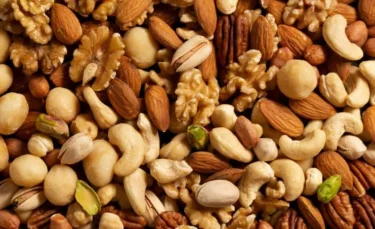
Vitamin E is an antioxidant found in nuts and seeds that protects the cells of the eye membranes from free radical damage. The health of your eyes can be improved by eating nuts such as almonds, walnuts, hazelnuts, peanuts, and sunflower seeds. These, along with fatty fish, are a good source of omega-3 fatty acids6.

Sun exposure can lead to a cataract developing in the eye if the eyes are exposed to harmful UV rays. The ultraviolet light can cause the proteins in the eye to oxidize. Sunlight’s UV rays increase the risk of cataracts the more your eyes are exposed to it. If you are outdoors, you should wear sunglasses in order to protect your eyes from ultraviolet light. A pair of sunglasses should block at least 99% of UVA and UVB radiation7. This can help with the risks of a cataract.

There are some lifestyle habits that can increase your risk of developing cataracts. Smoking and alcohol consumption both contribute to this risk. Alcohol consumption is associated with a moderate risk of cataracts, according to studies. Drinking more frequently tends to increase the risk. The risks of cataracts are also greater for smokers compared to nonsmokers. Cutting down on both smoking and alcohol can help with the risks of cataracts.

A dehydrated body can accumulate toxins, which can increase health problems. The body detoxifies and flushes out toxins when you drink enough water. Drinking enough water helps keep your body as well as your eye health safe.
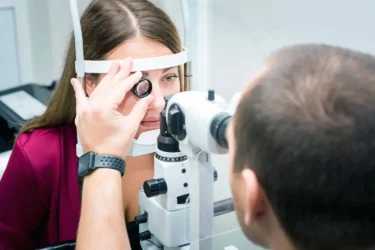
Even if you don’t have any symptoms, an eye examination at regular intervals is essential, especially after the age of 40. Your doctor can check for signs of cataracts, glaucoma, macular degeneration, and other vision disorders during routine visits. Consequently, early intervention can be instituted and eye health and vision problems can be addressed more effectively.

People with uncontrolled diabetes are at a higher risk of developing cataracts8. Take your medications on time and monitor your blood sugar regularly to reduce the risk of further complications.
There’s no right time to go for a cataract surgery, it all depends on the degree of blurred vision, lifestyle preferences, and personal choices. Sudden vision loss is an indicator to visit your ophthalmologist.
Dr. Ashish Bajaj, M.B.B.S., M.D. in Clinical Pharmacology and Toxicology
There are many ways that may help to reduce your risk of getting cataracts, but none of these guarantees 100% prevention. Maintaining a healthy diet and lifestyle can prove beneficial for your eyes and body. But regular health checkups play an equally important role in detecting cataracts early on. This can help your doctor address the underlying causes and help you manage the condition better.
A kitchen herb, saffron, is also known for helping with the symptoms of cataracts, along with fennel. Saffron may also help slow down eyesight degeneration among the elderly. This, however, depends on various other health factors of an individual and may not work similarly in every case.
Unfortunately, no. The only way to get rid of cataracts completely is through cataract surgery. However, there are some ways your doctor can tell you to slow down the progress of cataracts if needed.
Ans. In order to keep a healthy diet, it’s important to avoid processed foods, fried foods, sugary snacks, and soft drinks, all of which are linked to an increased risk of cataracts and other health problems like diabetes.
1. National Eye Institute. Cataracts [Internet]. Bethesda (MD): National Institutes of Health; c2024 Dec 10 [cited 2025 Nov 24]. Available from: https://www.nei.nih.gov/learn-about-eye-health/eye-conditions-and-diseases/cataracts
2. Nizami AA, Gurnani B, Gulani AC. Cataract. [Updated 2024 Feb 27]. In: StatPearls [Internet]. Treasure Island (FL): StatPearls Publishing; 2025 Jan-. Available from: https://www.ncbi.nlm.nih.gov/books/NBK539699/
3. National Eye Institute. Causes of Cataracts [Internet]. Bethesda (MD): National Institutes of Health; c 2024 Dec 5 [cited 2025 Nov 24]. Available from:https://www.nei.nih.gov/learn-about-eye-health/eye-conditions-and-diseases/cataracts/causes-cataracts
4. NHS. Cataracts in adults [Internet]. London: NHS; reviewed 12 March 2025 [cited 2025 Nov 24]. Available from:https://www.nhs.uk/conditions/cataracts/
5. Falkowska M, Młynarczyk M, Micun Z, Konopińska J, Socha K. Influence of Diet, Dietary Products and Vitamins on Age-Related Cataract Incidence: A Systematic Review. Nutrients. 2023 Oct 28;15(21):4585. doi: 10.3390/nu15214585. PMID: 37960238; PMCID: PMC10650191. Available from: https://pmc.ncbi.nlm.nih.gov/articles/PMC10650191/
6. Kaur A, Gupta V, Christopher AF, Malik MA, Bansal P. Nutraceuticals in prevention of cataract – An evidence based approach. Saudi J Ophthalmol. 2017 Jan-Mar;31(1):30-37. doi: 10.1016/j.sjopt.2016.12.001. Epub 2016 Dec 18. PMID: 28337060; PMCID: PMC5352946. Available from: https://pmc.ncbi.nlm.nih.gov/articles/PMC5352946/
7. Roberts JE. Ultraviolet radiation as a risk factor for cataract and macular degeneration. Eye Contact Lens. 2011 Jul;37(4):246-9. doi: 10.1097/ICL.0b013e31821cbcc9. PMID: 21617534. Available from: https://pubmed.ncbi.nlm.nih.gov/21617534/
8. Bixler JE. Cataracts and Their Treatment in People with Diabetes. In: Prevention and Management of Diabetes-Related Eye Disease. Arlington (VA): American Diabetes Association; 2019 May. Available from: https://www.ncbi.nlm.nih.gov/books/NBK544518/ doi: 10.2337/db20191-6
Disclaimer: The information provided here is for educational/awareness purposes only and is not intended to be a substitute for medical treatment by a healthcare professional and should not be relied upon to diagnose or treat any medical condition. The reader should consult a registered medical practitioner to determine the appropriateness of the information and before consuming any medication. PharmEasy does not provide any guarantee or warranty (express or implied) regarding the accuracy, adequacy, completeness, legality, reliability or usefulness of the information; and disclaims any liability arising thereof.
Links and product recommendations in the information provided here are advertisements of third-party products available on the website. PharmEasy does not make any representation on the accuracy or suitability of such products/services. Advertisements do not influence the editorial decisions or content. The information in this blog is subject to change without notice. The authors and administrators reserve the right to modify, add, or remove content without notification. It is your responsibility to review this disclaimer regularly for any change
39
9The hydrocele is an enlargement of the scrotum, the thin sac that contains the testicles. This occurs when too much fluid builds up in the sac. Usually, it occurs in newborns. However, it can also affect adults1.
It is usually not very threatening and might go on its own. However, you should still seek medical attention for it if it does not go away on its own.
Despite being more common in newborns, hydrocele can develop at any age. The development of these may be influenced by underlying injuries or even inflammation. A hydrocele is nothing more than a temporary and inconvenient condition for most people1.
Did you know?
An isolated testicular swelling is usually the only indication of a hydrocele. If you have hydrocele, you might notice symptoms such as redness, itching, soreness, etc. Hydroceles may cause discomfort in adult men due to the heaviness of a swollen scrotum. Generally, the pain increases with inflammation size. Most people with hydrocele do not feel any pain; they just complain of swelling in the scrotum. However, pain may appear along with these other symptoms in some situations. In some cases, the swelling might be smaller in the morning and larger in the afternoon1.
Over the years4, I have observed that based on traditional practices, applying a paste made from fresh corms of Grewia hirsuta (Kukurbijda) on the testicles at night may be used for hydrocele. It is believed that the application of this paste may provide some relief by potentially reducing inflammation or promoting healing in the affected area.
Dr. Siddharth Gupta, B.A.M.S, M.D (Ayu)
Hydrocele can be treated in many ways. However, you should also remember that your diet plays an important role in improving your symptoms. Our diet has a direct impact on our health. People with hydrocele should understand what foods can help improve the condition, as well as which foods can aggravate it. Here are lists of food items that you should and should not eat in this condition:
I have often come across people who get a hydrocele or have dealt with its care. They tend to use the tubers of Gloriosa superba L. (Colchicaceae) by cooking them with mustard oil for two hours. After cooling, the obtained lotion is applied externally on the hydrocele for two to three days. While the exact mechanism is not fully understood, it is believed that the application of this lotion may help reduce swelling and inflammation associated with hydrocele4.
Dr. Smita Barode, B.A.M.S, M.S.

Include fruits like apples, oranges, peaches, pineapple and grapes in your regular diet. Consume fresh, raw fruits and avoid tinned or canned fruits as much as possible. You can also include fresh homemade fruit salads and smoothies without any added sugar.

Include boiled or steamed vegetables in your regular diet. You can have a bowl of boiled vegetables served with your lunch and dinner. A healthy alternative would be to have a fresh vegetable salad every day.

Keeping yourself hydrated is very important. Keep a jug or a bottle of water with you always and make sure to drink water every 15-30 mins. Consuming water and other healthy fluids that will keep you hydrated and healthy is vital, more so for people dealing with hydrocele2.

Both black tea and ginger tea are known to have multiple benefits. Similarly, black tea and ginger tea can be beneficial for people dealing with hydrocele. Every day, a small cup of ginger tea may alleviate some pain and inflammation.

Fibrous food is very important for a good digestive system. Fibre-rich foods such as wheat, barley, rye, oats, methi, machine, jowar, bajra etc., can be beneficial for people dealing with hydrocele as it helps improve digestion3.

Adding antioxidants to your diet can be very healthy, especially beneficial for people suffering from hydrocele. Strawberries and other red and orange-coloured fruits and berries have high antioxidant content and can help detoxify your body.
Based on my experience, a hydrocele (Eksira) is commonly managed using rhizomes that are dried, powdered, and mixed with honey in a ratio of 1:2. This mixture is taken orally for a duration of two weeks. It is believed that the combination of dried rhizome powder and honey may have potential benefits in reducing the swelling and discomfort associated with hydrocele4.
Dr. Rajeev Singh, BAMS

Excess salt and sugar are found in processed foods. These foods can cause many health problems if consumed in large quantities. Furthermore, they lack fibre and vitamins, which are essential for health. The artificial ingredients in processed foods can also cause serious health problems. People suffering from hydrocele should avoid processed foods.

It is recommended to avoid preserved foods in case you have hydrocele. This is due to the fact that they contain a number of chemicals and artificial preservatives that are unhealthy. Complications and serious health issues can arise as a result of these preservatives. Among the most commonly used artificial preservatives are BHA and BHT, both of which are carcinogenic.

It is recommended that junk foods such as pizza, burgers, fries, etc., be avoided because of their low mineral, vitamin and fibre content. There are a number of problems caused by these and the condition of hydroceles may even worsen. In addition, junk foods are often heavy and contain a large amount of fat, which interferes with bowel movements. This results in constipation, which adds to the strain experienced during bowel movements, which can aggravate the hydrocele.
Also Read: Human Papillomavirus (HPV): What Is It, Causes, Symptoms, and Prevention

Spice intake should be reduced if you suffer from hydroceles. You should also avoid heavy and greasy foods. Heavy and greasy foods can be harmful to your health. A lot of discomforts can also be caused by such foods.

Drinks containing caffeine and pickles should be avoided by people with hydroceles. You may experience digestive problems if you consume excessive amounts of salt and oil in pickles. The consumption of large quantities of caffeine also has harmful effects on the digestive system, among other things.
Also Read: Home Remedies That Ease Your Hydrocele
The above-mentioned tips will be very helpful for people dealing with hydrocele to ease their pain and discomfort. Before following these tips, it is very important to first consult your doctor for proper treatment of hydrocele. Hydrocelectomy (a surgical procedure to remove or treat hydrocele) is an effective solution that may be advised by your doctor. Currently, laser-based surgery is used, which is minimally invasive and painless.
Also Read: Varicocele – Symptoms, Causes, Home Remedies
Among the foods that can be beneficial for anyone dealing with hydroceles are fibrous food, fruits and vegetables and plenty of water or any healthy fluid to keep yourself hydrated.
Yoga is highly recommended for hydrocele. Yoga asanas such as Vajrasana, Gomukhasana and Garudasana can be very beneficial.
Hydrocele in infants may heal naturally without any treatment, but in any case, one must consult a doctor for this condition. It is also important to address the cause of swelling and prevent any other complications by prompt treatment.
Hydroceles are more likely to develop in premature babies. An injury or inflammation of the scrotum may cause a hydrocele to appear later in life. Sexually transmitted infections may also cause hydrocele.
1. zaifa M, Moreno MA. Hydrocele. [Updated 2023 Jul 3]. In: StatPearls [Internet]. Treasure Island (FL): StatPearls Publishing; 2025 Jan-. Available from: https://www.ncbi.nlm.nih.gov/books/NBK559125/
2. Leslie SW, Rout P, Pandey J. Filarial Hydrocele. [Updated 2025 Aug 3]. In: StatPearls [Internet]. Treasure Island (FL): StatPearls Publishing; 2025 Jan-. Available from: https://www.ncbi.nlm.nih.gov/books/NBK560776/
3. Akbar A, Shreenath AP. High Fiber Diet. [Updated 2023 May 1]. In: StatPearls [Internet]. Treasure Island (FL): StatPearls Publishing; 2025 Jan-. Available from: https://www.ncbi.nlm.nih.gov/books/NBK559033/
4. Singh H. Traditional phytotherapy for the treatment of hydrocele in Odisha, India. Anc Sci Life. 2012 Jan;31(3):137-40. doi: 10.4103/0257-7941.103198. PMID: 23284221; PMCID: PMC3530339. https://pmc.ncbi.nlm.nih.gov/articles/PMC3530339/
Disclaimer: The information provided here is for educational/awareness purposes only and is not intended to be a substitute for medical treatment by a healthcare professional and should not be relied upon to diagnose or treat any medical condition. The reader should consult a registered medical practitioner to determine the appropriateness of the information and before consuming any medication. PharmEasy does not provide any guarantee or warranty (express or implied) regarding the accuracy, adequacy, completeness, legality, reliability or usefulness of the information; and disclaims any liability arising thereof.
Links and product recommendations in the information provided here are advertisements of third-party products available on the website. PharmEasy does not make any representation on the accuracy or suitability of such products/services. Advertisements do not influence the editorial decisions or content. The information in this blog is subject to change without notice. The authors and administrators reserve the right to modify, add, or remove content without notification. It is your responsibility to review this disclaimer regularly for any changes.
110
6Have you been experiencing an uncomfortable swelling around your testicles? Chances are that you may have developed a hydrocele. It may be difficult for you to understand what this could be, causing stress and panic. Therefore, knowledge about this condition, its symptoms and management can be extremely useful to take the next step. While surgery is a common management modality in modern medicine, traditional medicine has used phytotherapy (treatment using plant species) for managing hydrocele1.
In this blog, we will discuss about hydrocele and its symptoms and also share some home remedies that can help deal with this condition.
Did you know?
Medical terms such as hydrocele are most often beyond the knowledge of an average man; therefore, even if you may be experiencing symptoms, it could be challenging to assess what exactly it is. Hydrocele indicates swelling around the scrotum area which is more commonly observed in newborn babies and usually gets better after some time without any external treatment. However, in adolescent boys and older men, this condition is generally caused by an inflammatory agent or injury inside the scrotal sac. The accumulation of fluid in the scrotal sac causes swelling2.
Hydrocele usually is pain-free and doesn’t pose serious threats to the patient; however, it is always better to be on the safe side and consult with your doctor to get an expert advice on what is causing the swelling.
If you observe pain-free swelling in both or either one of your testicles, it is advised to check with your doctor.
Even though hydrocele under usual circumstances doesn’t result in pain, adult men may experience a feeling of heaviness or some amount of discomfort due to size fluctuation in the scrotum region. In some cases, the swollen area has visibly altered sizes which can cause increased pain and requires medical attention3.
Congenital hydroceles mostly resolve before two years of age. Therefore, parents of such patients should be properly counselled to curb their anxiety. In this regard, providers and nursing staff play a vital role. If hydrocele develops later in life, underlying pathology must be identified, as its prognosis is dependent on it.
Dr. M.G. Kartheeka, MBBS, MD(Pediatrics)
Hydrocele is generally considered a harmless condition. However, there may be various other factors contributing to the swelling of scrotal sac. It is always best to be aware of the potential health risks. You should not self-diagnose your condition or neglect the issue as it may worsen over time. A professional diagnosis renders essential information to take into account. A doctor’s thorough examination will help you establish whether what you are dealing with is entirely non-threatening or carries an underlying health issue that could cause more significant damage.
If you feel you might have an hydrocele, then consult your doctor for diagnosis and management of the condition. Along with medical management, adopting some home remedies may also help in easing the discomfort in your scrotum.
Here are some quick, simple, and effective home remedies you can try:

Our diet directly impacts our health. A diet rich in fruits like oranges, apples, pineapples, grapes and peaches can support the immune system and maintain overall health. Especially fruits rich in antioxidants such as strawberries may aid in the body’s detoxification and help dealing with hydrocele5.
However, if you do switch to a fruit-based diet, then it is essential to avoid canned fruits as they consist of high levels of preservatives and additives that can worsen your condition. Moreover, if you have medical conditions like diabetes, it’s best to discuss with your doctor which fruits you can safely take and in how much quantity.

As important as it is to eat your fruits, it is also essential to add a healthy amount of greens to your regular diet. Including lightly sauteed veggies and fresh vegetable salad in your everyday life can play a contributing role in upgrading your quality of life and helping deal with the symptoms of hydrocele5.

A healthy diet ensures a healthy mind and body. Eliminate the toxins from your body by hydrating yourself with loads of water and healthy fluids5.
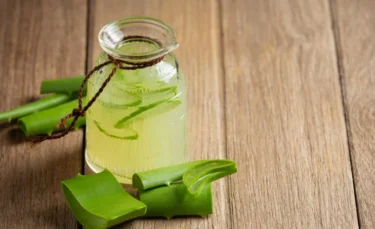
A concoction made of aloe vera and amla juice mixed in equal proportions and consumed every morning on an empty stomach can also be helpful. Their antioxidant and anti-inflammatory properties may help with itching, irritation and puffiness. But talk to a healthcare expert before trying anything new.
Using ice packs at least 2 to 3 times a week may help in easing the pain and soreness5.

Switching to healthier lifestyle alternatives and exercise may help reduce the size of swelling and uneasiness of scrotum6. And yoga may be the right and effective exercise in providing relief to the pain caused by hydrocele. However, it’s important to practice under the guidance of a trained yoga expert to avoid exercises and asanas that can put undue pressure on scrotal areas7.
Also Read: Best Home Remedies for Upset Stomach
Hydrocele or swelling in the scrotal sac can be worrisome if you don’t know about it. Understanding its symptoms can help in diagnosis and reduce panic associated with this condition. While home remedies may help manage mild hydrocele symptoms, these are not a substitute for medical management. If discomfort persists or worsens, it’s important to consult a healthcare professional for proper diagnosis and treatment.
Also Read: Why Is It Important To Exercise After Liposuction?
When occurring in newborns, the possibility of a hydrocele disappearing on its own within a year is 70%. Only if the hydrocele remains after two years will the operation be needed. Also, your doctor will evaluate the condition and give the best advice on the necessary treatment.
In an adult, when the hydrocele exhibits a medium to large size, surgery may be the best possible option. Leaving it untreated may cause it to expand in size over a time period causing inconvenience while partaking in daily activities along with constant itching, pain, discomfort and risks of potent infections.
Even though it is pretty uncommon for hydroceles to recur post operation, the possibility cannot be completely ruled out, significantly when the hydrocele has expanded massively.
Disclaimer: The information provided here is for educational/awareness purposes only and is not intended to be a substitute for medical treatment by a healthcare professional and should not be relied upon to diagnose or treat any medical condition. The reader should consult a registered medical practitioner to determine the appropriateness of the information and before consuming any medication. PharmEasy does not provide any guarantee or warranty (express or implied) regarding the accuracy, adequacy, completeness, legality, reliability or usefulness of the information; and disclaims any liability arising thereof.
49
9Right after birth, a baby begins to learn. From crying to smiling, speaking to walking, the first few years are the most crucial times for a baby’s growth and development. It is believed that eighty percent of a child’s brain develops between the age of zero to three and attains ninety percent growth until age five1. The child grows physically, learns immensely during this period, and develops new skills from thinking and speaking to social and emotional skills2. As parents, it is exciting to see a newborn grow and at the same time you may have several questions like, “When will they start walking?” or “When will they start talking?”
The baby growth milestones are a set of specific tasks or skills that average children achieve by a certain age2. These markers are looked at by parents, doctors, and teachers and can be matched with other kids of the same age to track growth. While it is true that some kids may be more advanced, some may be slow learners , if a child is majorly falling behind or missing out on important milestones, then the underlying cause must be addressed. Thus, it’s important to parents to know these milestones and understand when help may be needed. In this blog, we’ll discuss about a baby’s growth stages that you can expect during the first five years.

During this time the baby is just adjusting to the new surroundings. They begin to build upon their rooting, sucking, startling and grasping reflexes. They can hear sounds and are learning to use their eyes in coordination. They start to make ‘cooing’ sounds by about eight weeks and can recognise familiar faces by three months3.
In these months, the baby also learns about body movements, begins to notice their own hands, clench them into fists, and brings them to their mouth. They learn to control their head and hold it up for a few seconds with support and start kicking their legs3. Introducing tummy time (baby lying on their stomach, supervised by an adult) at this stage helps strengthen the baby’s neck, shoulders, back, and arms and helps in the later development of motor skills4.
Baby growth in 3rd month includes beginning to roll over, sitting up with support, reaching out for objects, bringing them to their mouths, and playing with toys and fingers. Babies also laugh, look at themselves in the mirror and recognize familiar faces and sounds. They may start with cooing and babbling (speech)5. Most babies start teething at around 6 months and the doctor may recommend you to start introducing top feed (food other than breast milk)- liquids, semi-solids, and later solid foods to your child.
This is the time span when children become increasingly mobile.. They learn to grasp and pull objects, can roll over, learn to sit without support and even begin to crawl. You will notice more facial expressions in babies during this time as they learn to imitate you. They look at you when you call their name and smile, and make a lot of different sounds6. By the time they are 7 or 8 months old, your child can eat a variety of foods including infant cereals, chicken or other proteins, fruits, vegetables, grains, yogurts, cheese and more7.
Most babies can pull themselves up to a seated position for a while at this age. They will try standing themselves by supporting their body onto a nearby furniture and some may even take their first steps during this phase. They also learn to pick objects, and roll using their hands and legs8. Apart from major growth milestones like standing up and walking, this is a significant period when a child develops more advanced fine motor skills.
During these months, the babies can learn to play a few games with you like peek-a-boo, waves bye-bye, start saying simple words like ”no” and call parents ”mama” or ”dada”8. The babies also start holding their own bottle and you may introduce drinking from a cup. Even though babies have completed an year, their physical and mental growth still continues at a fast pace.
During this growth stage, most kids can walk alone by themselves, climb off and on a couch or chair without help, walk up and down stairs and move and sway to the music. They also learn to pick things up while standing, colour by moving their entire arm, scribbling, turning knobs and handles, unscrewing bottle caps or building towers with blocks9. They can understand and respond to words, differentiate and sort objects, and can point out familiar objects and people in a picture book. They enjoy pretend play, start following simple instructions and combing words to communicate like “Mumma eat,” “need cookies”9. This is the time span when the babies are constantly learning through imitation and exploration but need supervision.
A toddler becomes very independent at this age, as they are now capable of so much10. He or she may even start pre-school and learn to sort various animals, shapes, numbers, stacking toys, respond to simple directions, draw a circle when you show how to, name and sound familiar objects, imitate more complex adult actions, say their own name, look and listen stories from a book, etc10,11. You may notice that they now recognize colours and can have a conversation well enough for others to understand as they start learning new words and can form some 2-3 word sentences11.
They start mingling with other kids but are less interested in sharing their toys. During this phase, constant attention from elders is what they seek most11.
3-year-olds observe the world around them, analyse and are curious about the things they see. They learn to question and begin to wonder how things work, and why12. At this age young children can be taught to ride a tricycle or scooter, they learn to go down a slide without help, throwing and catching a ball, walking in a straight line, building toy blocks, drawing a circle, and engaging in creative play with other kids. They can speak in sentences of 3 words, count 3 objects, can feed themselves and dress-up with some help12. Their cognitive skills are growing constantly and allow most of them to demonstrate understanding in regard to past and future events.
At this age, children are progressively growing and learning every day. They are better at using words, imitating actions, counting objects, and performing other basic activities13. Around this age, most children can rhyme words, identify many colours, and tell stories. They learn what is taught at school and can remember things they read and learn13.
A baby’s growth begins well before birth, in the mother’s womb. Once your baby is born, you must connect with them, develop a bond, and help them reach the crucial milestones.
These baby growth tips will help you raise a smart and healthy baby.
The first few years in a child’s life are critical for their physical, emotional, and cognitive development. Understanding their growth stages helps parents keep a track of milestones, know their child’s changing needs and respond to them with confidence. Although developmental timelines may vary from one child to the other, if you notice a potential delay, it’s ideal to consult your paediatrician for a correct diagnosis and timely intervention as early identification can help improve outcomes.
Disclaimer: The information provided here is for educational/awareness purposes only and is not intended to be a substitute for medical treatment by a healthcare professional and should not be relied upon to diagnose or treat any medical condition. The reader should consult a registered medical practitioner to determine the appropriateness of the information before consuming any medication. PharmEasy does not provide any guarantee or warranty (express or implied) regarding the accuracy, adequacy, completeness, legality, reliability, or usefulness of the information; and disclaims any liability arising thereof.
Links and product recommendations in the information provided here are advertisements of third-party products available on the website. PharmEasy does not make any representation of the accuracy or suitability of such products/services. Advertisements do not influence the editorial decisions or content. The information in this blog is subject to change without notice. The authors and administrators reserve the right to modify, add, or remove content without notification. It is your responsibility to review this disclaimer regularly for any changes.
2
Varicocele occurs when there is an enlargement in the veins of the scrotum, which is a thin pouch of skin that holds the testicles. These veins normally carry oxygen-poor blood from the testicles back to the heart. However, in varicoceles, the blood collects in the veins instead of flowing out properly, similar to varicose veins. Varicoceles often develop during puberty and may gradually worsen with time. Although they may cause discomfort and pain, symptoms may not be noticeable initially. Over time, varicoceles may affect the growth of the testicles, reduce sperm production, and may be linked to a higher risk of infertility. Symptoms of varicocele include:
If you experience any of these symptoms, you need to consult with your doctor as soon as you can. A timely and accurate diagnosis is important so that it does not cause any serious health problems later. The doctor may suggest surgery or recommend a few helpful exercises for your condition.
Regular movement and gentle exercise of the calf muscles may help provide temporary relief from varicocele-related discomfort. This is because physical activity helps improve blood circulation and reduces the risk of blood pooling in the veins. Aim to move regularly throughout the day and try to gently exercise both calf muscles every hour to support better blood flow. Maintaining a physically active routine is important for managing varicocele symptoms and overall health.
Did you know?
Here are some exercises that may help improve circulation and relieve the discomfort caused by varicocele:

This exercise boosts blood circulation and is great for alleviating the pain and discomfort of varicocele. You must begin by sitting right next to a wall, lying down in a comfortable position, and slowly lifting your legs on the wall. Maintain an angle of 90-120 degrees between your body and legs3,4.
You may rest your arms at your sides and breathe regularly. Hold this position for at least 5 minutes and repeat it every day. This is a very easy yoga posture that may help improve testosterone production.
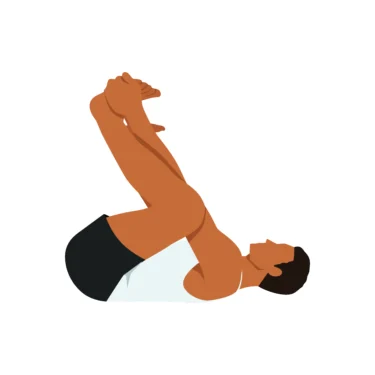
This is a very simple exercise that can be done in the comfort of your home. It promotes better blood circulation and stretches both the inner groin and pelvic regions, thereby temporarily easing the pain associated with varicoceles. It also supports better blood drainage from the testicles. First, lay on your back, bend your knees, and bring them to your chest. Try to hold your feet with your hands. Now, slowly try to draw your legs downwards while maintaining a flat position with your back against the ground, and continue doing this until you feel a mild stretch. Maintain the position for about 1 minute. Do this exercise regularly for positive results5.
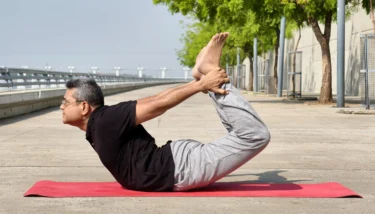
The regular practice of Dhanurasana may be involved in stimulating male reproductive organs and smoothening blood circulation across the entire body. It has several physical benefits, while also relieving stress and anxiety. Start by first lying down flat on your stomach while keeping your feet slightly apart and your arms at your sides. Next, raise your legs behind you and hold your ankles behind your back. Then, while inhaling, attempt to slowly raise your legs and chest away from the ground. Once you get in a comfortable position, breathe deeply and maintain the pose for about half a minute or less3,6.

Start by kneeling with both knees on the floor. You can use a yoga mat for added comfort. Keep your ankles and knees together and sit down on your heels. Make sure you sit straight with your buttocks resting on your heels. Meanwhile, your thighs should be resting on your calves as the big toes of both feet touch each other. Place your hands on top of your knees, keep your arms relaxed, head straight, and chin parallel to the ground. Focus on your breathing as you slowly inhale and exhale air. Hold in this pose for about 5 or 10 minutes and gradually increase the time to around 30 minutes per day7. This exercise has several benefits, including strengthening the sexual organs and pelvic muscles and alleviating varicocele pain. Vajrasana also promotes blood flow to the pelvic area, keeping the varicocele from worsening.

Walking at a regular pace every day has several health benefits, particularly for varicocele, as it helps improve blood circulation. Since poor blood circulation is thought to be the main cause of varicocele, regular walks can, to some extent, reduce the chance of developing them in the first place. Walking may also help ease the swelling and pain in the scrotum.
Along with the exercises given above, breathing exercises can help you feel relaxed, reduce stress, and provide relief from varicocele symptoms3. Make sure you consult a doctor before performing these exercises. It is important to perform yoga poses correctly and let your doctor know if you have any health conditions as all exercises may not be ideal for people with orthopedic issues, back pain, joint pain, and others.
Varicoceles are very common, don’t usually cause any complications and do not usually require any treatment unless they make a person very uncomfortable or if they cause clinical infertility.
Dr. Ashish Bajaj, MBBS, MD in Clinical Pharmacology and Toxicology
Also Read: Walking Backwards: Benefits, Precautions & How to Do It
While exercising can be very beneficial for your condition, you should avoid straining your body too much as it may aggravate the pain and inflammation. Strenuous physical activity may affect fertility in individuals with varicocele, as suggested by a research study involving athletes with this condition8. Avoid lifting weights as it increases the pressure on the veins in your legs, which can make your condition worse. You must also avoid doing squats and lunges as they add strain and excessive running is not recommended if you have varicocele. Use caution and speak with a doctor if you are planning to perform any exercises for varicocele.
Some believe that Kegel exercises can help in alleviating the symptoms of varicocele. These are easy-to-do pelvic exercises that, when done consistently, can improve and restore muscle tone and blood flow. They are thought to relieve issues like incontinence and varicoceles.
Dr. M.G. Kartheeka, MBBS, MD (Pediatrics)
Varicocele can be quite concerning as it may cause discomfort and affect your daily life. While some self-care measures may offer temporary relief, in certain cases, medical procedures such as surgery might be necessary. Regular exercise may help improve circulation and reduce discomfort, but it is important to speak with your doctor first to understand which exercises are safe for you and to explore suitable treatment options.
Also Read: 7 Best Exercises to Lose Weight at Home
Untreated varicoceles may cause fertility issues, low sperm quality or count, and affect your sexual life2,9.
Exercise can temporarily ease the pain of varicocele if you already have it. However, avoid strenuous exercise as it can aggravate varicocele symptoms.
The main self-care measures for varicocele include regular exercise, avoiding standing for long hours, maintaining your digestive health, and wearing comfortable underwear that offers testicular support, but is not too tight as it may restrict blood flow1.
Disclaimer: The information provided here is for educational/awareness purposes only and is not intended to be a substitute for medical treatment by a healthcare professional and should not be relied upon to diagnose or treat any medical condition. The reader should consult a registered medical practitioner to determine the appropriateness of the information and before consuming any medication. PharmEasy does not provide any guarantee or warranty (express or implied) regarding the accuracy, adequacy, completeness, legality, reliability or usefulness of the information; and disclaims any liability arising thereof.
876
7Varicocele is a condition that affects about 10%-20% of adult men with higher frequency in younger individuals1. It is a condition affecting the scrotum, which is a protective sac covering the testicles (part of male reproductive system). Sometimes, the veins in the scrotum get enlarged and twisted (just like varicose veins in the legs) causing varicocele.
Varicocele may not have any symptoms in many cases. However, some men may experience certain effects such as infertility and scrotum deformation due to persistent and untreated varicocele. Only a trained medical professional will be able to diagnose and treat varicocele. Therefore, if you suspect having a varicocele, it’s important to speak with your doctor immediately. Along with medical therapy, there are home-care measures also that can be followed to ease your discomfort and decrease the risk of varicocele getting worse. Scroll on to learn more about these options.
Varicocele has a simple root cause, just like varicose veins. The oxygen-rich blood gets pumped to all parts of the body through the arteries. After reaching all parts of the body, the oxygen is depleted, and this blood needs to return to the heart through your veins. The veins have one-way valves in them so that blood can only move back towards the heart. However, due to age, damage, or other medical conditions these valves may become weak or stop working correctly. This leads to blood flowing back into the veins instead of getting pushed towards the heart. The excess blood collecting within these blood vessels of the scrotum leads to the veins becoming larger and twisted. In many men, a varicocele may not show any symptoms of enlarged veins but in severe cases, it can be seen visibly2.
Varicocele is usually categorized according to how severe the condition is3:
Varicocele might be a cause for low sperm count, and poor motility, and may lead to an increase in the percentage of abnormal sperm, obtain an ultrasound to get an early diagnosis.
Dr Ashish Bajaj, M.B.B.S, M.D. in Clinical Pharmacology and Toxicology
A lot of men may not even be aware that they have varicocele since it often does not have any noticeable symptoms or effects on their health. Many men only discover varicocele when their doctors are trying to find the cause of infertility or during routine physical examinations. In severe cases, it can have symptoms and will require medical attention. These signs may include2,4:
The most common complication of varicocele is infertility (inability to have a child after 1 year of trying). Also, testosterone levels and sperm quality and quantity may be seen on testing in some cases2. But note that not all men with varicocele will experience infertility. You may or may not have these depending on your condition.
There are no effective medical treatments. If a varicocele is causing pain or discomfort, the use of analgesics and scrotal support can be used initially. When a varicocele is treated surgically, it is usually an outpatient procedure.
Dr. M.G. Kartheeka, MBBS, MD(Pediatrics)
It is important to consult a doctor for the diagnosis and treatment of varicocele. You may also discuss with your healthcare provider about trying these home remedies

Since varicocele is linked to blood circulation, any mild exercise that can improve blood flow will be beneficial for this condition. Regular walks, jogging, and swimming are great for strengthening your leg muscles and supporting your blood vessels. However, certain forms of exercise such as cycling, jumping, squats, and weight lifting may worsen your condition and put a strain on the blood vessels in the scrotum. These exercises should be limited or avoided.
A cold compress or ice pack can be applied to the scrotum region to ease swelling, pain and discomfort, especially after a tiring workout. Do not apply ice directly to the skin, always wrap it in a cloth.
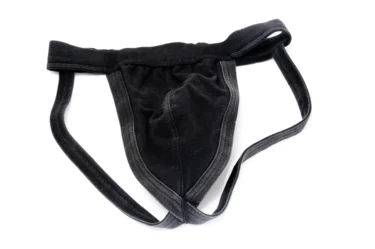
A jockstrap is a type of male underwear that provides extra support to the scrotum. It is often used when playing a variety of sports. You can also use a jockstrap during your regular routine to provide additional support if your job requires you to stand for long periods5.
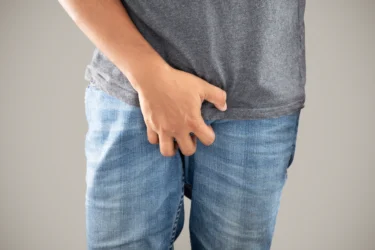
Tight underwear can put unnecessary strain on your scrotum and increase the pressure on your veins. This may worsen your varicocele.

Laying flat on your back can ease the pressure on the veins in your legs and scrotum. This may bring temporary relief from symptoms of pain and discomfort. If possible, try to keep your legs slightly raised when you lay.
A fibre-rich diet will ensure that your food is digested smoothly and that you do not need to strain when passing stools. If you strain too much during bowel movements, you end up adding to the pressure in your scrotum region. Any healthy food that supports smoother movements should be added to your diet, such as leafy greens, fruits, and whole grains6.

Antioxidants are important for fighting free radicals and dealing with damage to your cells caused by oxidative stress. Consuming vitamins with antioxidant properties -in diet or as supplements may lead to better overall health which can be helpful when you have a varicocele as well. However, always consult a doctor before taking supplements7.

Oily, fatty, sugary foods and beverages can interfere with smooth digestion and cause constipation. These items may also increase your blood pressure, which could make your varicocele worse6.

Kegel exercises involve the pelvic floor muscles, where you contract and relax these muscles regularly. Kegel exercises have benefits for incontinence and other issues and may support better blood flow in the scrotum.

Sometimes the pain may be too much to bear, for these cases, you should speak with your doctor regarding the best painkiller medication for you.
While these supportive measures may help deal with varicocele symptoms and avoid its progression, more research is needed to prove the actual benefits of these in varicocele. Therefore, these must always be considered after medical advice. You doctor can guide you best what is more suitable to you based on your needs and general health conditions.
If you suspect that you have symptoms and signs of varicocele, get examined by a physician since untreated varicocele may cause testicular failure, lower hormonal production and shrinking of the testes.
Dr Ashish Bajaj, M.B.B.S, M.D. in Clinical Pharmacology and Toxicology
Also Read: Best and Worst Foods for Erectile Dysfunction
Varicocele will require medical attention whenever you notice symptoms, whether mild or severe. You may need to change your routine (such as less strenuous exercises) or even undergo surgery if your condition is acute. Here are some signs that you need to consult a doctor immediately:
Depending on your condition, your doctor will recommend the appropriate treatments or surgery. Surgeries may include laser, laparoscopic, or open techniques to remove or tie up the affected vein8.
Also Read: Simple Home Remedies to Help Ease PCOS Symptoms
Varicocele is not something that you need to worry about, even if your varicocele is at one of the more severe grades. There are several techniques and medical options to manage this condition effectively. In many cases, your doctor may only recommend waiting and observing the varicocele rather than opting for surgery, especially if it does not have any symptoms. Speak with your doctor if you suspect a varicocele for a proper diagnosis and the right treatment plan for you.
Also Read: Home Remedies That Ease Your Hydrocele
Pain or a sensation of heaviness in the scrotum, a mass on the scrotum, enlarged scrotal veins, and infertility are some of the symptoms of varicocele, although in some cases, the condition may be symptomless.
Varicocele is caused when the veins present in the scrotum region become weak or damaged. These damaged veins are not able to properly send blood back to your heart, leading to excess blood collecting in the veins.
Generally, varicocele is only permanently fixed through surgical intervention. You may be able to decrease your symptoms by avoiding certain exercises. Therefore, do not delay in consulting a doctor for this problem.
Any healthy foods that are high in fibre can be good for people with varicocele. Poor fibre diets may result in extra strain and pressure when having a bowel movement, which can worsen your varicocele. Fibre-rich diets ensure smoother digestion and bowel movements.
Disclaimer: The information provided here is for educational/awareness purposes only and is not intended to be a substitute for medical treatment by a healthcare professional and should not be relied upon to diagnose or treat any medical condition. The reader should consult a registered medical practitioner to determine the appropriateness of the information before consuming any medication. PharmEasy does not provide any guarantee or warranty (express or implied) regarding the accuracy, adequacy, completeness, legality, reliability or usefulness of the information; and disclaims any liability arising thereof.
58
0Pilonidal Sinus is a skin abnormality that can occur near the tailbone, at the top of the buttocks. It usually forms a tunnel or a sac-like depression in the region. Pilonidal sinus is also known as a pilonidal cyst or pilonidal disease and is usually not a concern unless it gets infected1. Infected pilonidal cysts are called abscesses and can cause pain and discomfort, apart from other symptoms. The precise cause of pilonidal sinus is unknown, but it is thought to be associated with hair growing into the skin, as well as skin-to-skin friction.
People who sit for long periods for work (such as drivers, office workers, etc) may experience pilonidal sinus more often than others. Additionally, men are more likely to experience this condition than women, possibly due to males being hairier than women in general. If you suspect that you may have pilonidal sinus, you must speak with your doctor and get it checked. Only a doctor will be able to diagnose and treat this condition.
The exact cause of pilonidal sinus is unknown, but the presence of hair within the shallow depression near the tailbone area can indicate a possible link. It is thought that excessive sitting along with ingrown hair (when the hair grows back into the skin) may be causing the development of pilonidal sinus.
Excessive sweating may also cause pilonidal sinus since this can encourage the growth of certain bacteria. Bacteria can cause an infection within the hole, this may lead to various symptoms and require medical intervention. Here are some risk factors for pilonidal sinus:
There are two main types of pilonidal sinus – Infected pilonidal sinus and non-infected pilonidal sinus. Additionally, the severity of the condition may differ based on the size of the cyst or sinus as well as the symptoms associated with it.
Pilonidal sinus typically only causes symptoms when it becomes infected. Although not all of these tunnels will become infected, once you develop an infection in this hole or cyst, the following symptoms may appear-
Usually, pilonidal sinus will be detected by a doctor when he/she visibly examines the area and know about complaints of pain and tenderness in the region.
Pilonidal sinus can usually only be permanently fixed through surgery, but there are plenty of self-care methods you can do to ease your symptoms. Here are some basic activities and solutions for lowering your risk of pilonidal sinus as well as decreasing your discomfort if you already have it:
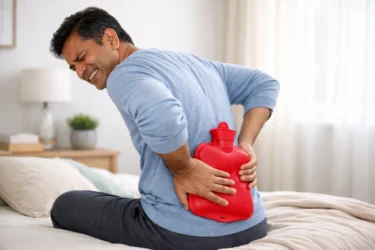
Using a hot wet compress can heat the region and provide some mild temporary relief. A hot compress may also allow the pus to drain from the sinus which could ease the pain and itchiness associated with this condition. Use a hot water bag or heated wet cloth to gently place it on the region for several minutes. Repeat the process as needed.

Although a Sitz bath is usually recommended for fistulas, it may also give some relief to those with pilonidal sinus3. In a shallow tub, add warm water and soak the region for several minutes. Repeat this procedure multiple times a day if it brings relief from the pain.

Ensure that the region between your buttocks is always clean and dry. Be gentle when cleaning the area and always pat yourself down with a dry towel. Moisture may increase the risk of bacterial growth so it is essential to maintain proper hygiene3.

Since ingrown hair is thought to play a major role in the development of infection in the pilonidal sinus, you can lower your risk by removing hair from the area3. Laser hair removal as well as traditional methods like shaving and hair removal creams may decrease your risk. Be sure to clean the area thoroughly after shaving since loose hair can also poke the skin and cause a cyst to form.

Avoid tight-fitting clothes as these may allow moisture and sweat to collect between your buttocks. If you have a history of pilonidal sinus or you are at a higher risk of developing one, you should consider cotton-only clothing options.

The increased weight comes with a higher risk of developing a pilonidal cyst, you can avoid this by lowering your weight3. If you already have a healthy BMI (Body Mass Index) then this may not be an option for you. However, if you are overweight or obese, speak with your doctor about a healthy weight loss plan.

Simple, light exercises like regular walks may allow you to deal with the issue of sitting for hours at your job. Sitting for long periods is linked with a higher risk of pilonidal sinus. Any quick, short and easy physical activity you can get during the day for a few minutes may lower your risk of this condition.
The pilonidal sinus will usually require medical attention when it gets infected and causes symptoms. The infection will usually not go away on its own, hence various minor surgical procedures4 may be required. Here are a few signs that you need to contact your doctor at the earliest:
Your doctor will make a decision based on your medical condition and recommend some of the following options:
Pilonidal sinus can be a painful condition to live with. Fortunately, there are a variety of self-care options to manage the symptoms at home as well as effective surgical options to choose from. Your doctor will observe and diagnose your condition before suggesting the best surgical procedure for your case. Surgical intervention is usually the only method to permanently get rid of the pilonidal sinus. Speak with your doctor to find out what your options are.
Pilonidal sinus is not a serious medical issue until it gets infected. Infected pilonidal sinuses will require some kind of medical intervention.
In some cases the swelling and pus leakage may temporarily decrease, however, it usually returns. For most infected pilonidal sinus cases the issue will not get fixed by itself.
You will notice pain, tenderness, swelling and redness in the area between your buttocks at the top. Pus may leak out of the cyst and you may notice more pain when you sit down. Hair may also be noticed from the pilonidal sinus.
No, pilonidal sinus surgery typically involves less pain than other procedures such as surgeries for fistulas and fissures. During the operation, local anesthesia will ensure that you feel no pain while pain after the procedure will be minimal.
Disclaimer: The information provided here is for educational/awareness purposes only and is not intended to be a substitute for medical treatment by a healthcare professional and should not be relied upon to diagnose or treat any medical condition. The reader should consult a registered medical practitioner to determine the appropriateness of the information and before consuming any medication. PharmEasy does not provide any guarantee or warranty (express or implied) regarding the accuracy, adequacy, completeness, legality, reliability or usefulness of the information; and disclaims any liability arising thereof.
Links and product recommendations in the information provided here are advertisements of third-party products available on the website. PharmEasy does not make any representation on the accuracy or suitability of such products/services. Advertisements do not influence the editorial decisions or content. The information in this blog is subject to change without notice. The authors and administrators reserve the right to modify, add, or remove content without notification. It is your responsibility to review this disclaimer regularly for any changes.
8
0Babies’ skin is softer than ours. So naturally, they need more care. Baby’s skin is sensitive and extremely gentle, which is why regular products cannot be used on them1. Some studies2 say that baby care products formulated with gentle, and natural handpicked ingredients may cater to the needs of babies. Keeping your baby well-groomed not only adds to their charm but is also an essential part of their health and hygiene.
Here are some ways to keep your baby’s skin soft, supple, gentle and moisturized all day long:

A gentle massage daily or every alternate day can have great benefits for your baby. Be it with baby oil or baby lotion, massaging the products ensures that it penetrates deep within the layers of the skin, keeping it hydrated and moisturized from within3. It is a great way to gain mobility faster by strengthening the muscles and bones4. Besides moisturizing the skin and strengthening muscles, regular massaging of the baby will also improve circulation and comfort the baby4.

Bathing the baby daily will ensure complete hygiene. You can start your baby’s day by giving him a nice bubble bath and cleaning him off the pee and poop gently. Generally, baby products are tear-free, and non-toxic and leave the baby’s skin soft and smooth. Using mild baby bathing products will gently cleanse, moisturise and nourish their delicate skin without stripping their natural body oils2. A gentle baby shampoo helps get rid of dirt and grime from your baby’s body as well as hair.

Keeping the baby directly in contact with a parents’ bare body provides warmth to the baby and also helps regulate baby’s heart rate and breathing. Feeling, hearing, and smelling your presence provides your baby with a sense of calm and security5,6.

Your baby’s face is super sensitive and needs extra care7. While investing in a good facial moisturiser for the baby, make sure it is free from parabens, sulphates, formaldehyde and fragrances, as these might harm your baby8,10. Only gentle, skin-protecting, and hydrating face cream should be put on your baby’s face after clearing their face.

Babies can often make a mess when it comes to feeding them. Always keep baby wipes in handy to clean them off and use zero alcohol wipes. These can keep your baby clean without making the skin too dry. This come super handy while changing a diaper as well11,12.
It is important to educate parents that after birth 1st stools should be passed within 48 hours and baby should pass 1st urine within 24 hours. If any delay should be brought to notice of Paediatrician.
Dr. M.G. Kartheeka, MBBS, MD

Baby’s skin is super delicate and prone to get infections and rashes easily1. Before massaging, moisturising or oiling your baby, always make it a point to wash your hands thoroughly and cut your nails properly to avoid risk of injury or infections8,12.

Do not sneeze or cough near the baby, use face mask around them14. Visitors should be avoided for first 6 weeks. Kissing the baby’s face should be done. Babies have a weak immune system yet to build up, so make sure to keep them away from infections13.
Also Read: Weaning for Babies: Meaning, Foods to Eat & When to Start

Breast Milk is the only essential nutrition your baby will need for the first 6 months. Solids and semi-solids can be introduced after 6 months while breastfeeding can continue for up to 2 years15. Do not start any top feed without talking to your doctor. For mothers who cannot breastfeed, doctors will recommend a suitable dose and type of formula feed to keep up with the nutritional requirements of the baby. Do not forget to help them burp after enough feed16.
Adequate nutrition during infancy and early childhood is essential to ensure the growth, health, and development of children to their full potential, it helps to stay healthy and imbibing good eating habits right from childhood.
Dr. Ashish Bajaj – M.B.B.S, M.D.

Talk to your baby’s doctor and set reminders about all the mandatory vaccinations that your baby requires. Maintain the immunization card (usually provided by hospitals) to keep a record of all vaccines that your baby has received.

Newborns require extra care and need to be held with adequate support on the neck and head. Till your child learns neck holding- be careful about neck support while holding the baby. Never shake the baby vigorously or lift up in the air at this stage17.
Also Read: Baby Diaper Rash: Causes, Types, Treatment & Home Remedies
Even though you may feel anxious about handling a newborn, in a few short weeks you’ll develop a routine and be parenting like a pro. If you have questions or concerns, seek your doctor’s help regarding the resources that can help you and your baby grow together. By keeping these points in mind, you will be able to take care of your baby better.
Also Read: Gripe Water for Babies: Benefits, Usage & Alternatives
To care for a baby’s skin, use gentle, fragrance-free cleansers and moisturizers, keep the skin dry and clean, and avoid exposure to harsh chemicals. Regularly change diapers to prevent rashes and dress the baby in soft, breathable fabrics to maintain healthy skin.
While parents can kiss a newborn baby, they should be cautious to avoid spreading infections. It’s important for anyone kissing the baby to ensure they are healthy and practice good hygiene, such as washing hands and avoiding kissing near the baby’s mouth or face if they have a cold sore or other contagious illness.
A baby can sleep on a parent’s chest while the parent is awake and alert to ensure the baby’s safety. However, it is not recommended for a baby to sleep on a parent’s chest if the parent might fall asleep, as this increases the risk of accidental suffocation and sudden infant death syndrome (SIDS). For safe sleep, it is best to place the baby on their back in a crib or bassinet.
No, it is not recommended for a baby to sleep on their side. The safest sleep position for a baby is on their back, as side-sleeping increases the risk of sudden infant death syndrome (SIDS) and accidental suffocation. Always place babies on their backs to sleep in a crib or bassinet with a firm mattress and no loose bedding.
Yes, babies can eat egg yolk but it should be cooked properly to avoid the risk of salmonella, typically starting around 8 months of age. Always introduce new foods one at a time and monitor for any signs of allergies.
Yes, parental stress can affect a baby. Maternal stress during pregnancy is linked to potential impacts on foetal development, including preterm birth and low birth weight. After birth, parental stress can influence a baby’s emotional and behavioural development, highlighting the importance of managing stress for the well-being of both the parent and the baby.
Disclaimer: The information provided here is for educational/awareness purposes only and is not intended to be a substitute for medical treatment by a healthcare professional and should not be relied upon to diagnose or treat any medical condition. The reader should consult a registered medical practitioner to determine the appropriateness of the information and before consuming any medication. PharmEasy does not provide any guarantee or warranty (express or implied) regarding the accuracy, adequacy, completeness, legality, reliability or usefulness of the information; and disclaims any liability arising thereof.
Links and product recommendations in the information provided here are advertisements of third-party products available on the website. PharmEasy does not make any representation on the accuracy or suitability of such products/services. Advertisements do not influence the editorial decisions or content. The information in this blog is subject to change without notice. The authors and administrators reserve the right to modify, add, or remove content without notification. It is your responsibility to review this disclaimer regularly for any changes.


