सी ए 19-9 टेस्ट एक सेरोलॉजिकल टेस्ट है जो खून में कैंसर एंटीजन 19-9 (CA 19-9) के स्तर को मापता है। यह अग्नाशय (pancreas) के कैंसर और यकृत सिरोसिस और पित्त पथरी जैसे अन्य गैर-कैंसर संबंधी विकारों का निदान करने में मदद करता है।
सी ए 19-9 टेस्ट के लिए आपके खून का सैंपल लेना जरूरी है। यह परीक्षण आमतौर पर अन्य नियमित परीक्षणों के साथ संयुक्त होता है।
आपका डॉक्टर आपके निदान और लक्षणों के आधार पर सी ए 19-9 टेस्ट को दोहरा सकता है। यदि आप अग्नाशय के कैंसर या अन्य कैंसर के लिए अपना इलाज शुरू करते हैं, तो सी ए19-9 टेस्ट हर 3-4 सप्ताह में दोहराया जा सकता है ताकि यह पता लगाया जा सके कि उपचार काम कर रहा है या नहीं। नियमित रूप से निगरानी और परीक्षण आपके डॉक्टर को आपकी बीमारी के पूर्वानुमान की जांच करने की अनुमति देता है और आप उपचार के लिए कैसे प्रतिक्रिया कर रहे हैं। इसके अलावा सी ए 19-9 टेस्ट के फॉलोअप टेस्ट से बीमारी की गंभीरता के बारे में विस्तृत जानकारी मिलती है और यह बीमारी समय के साथ कैसे आगे बढ़ी है, इसके बारे में भी जानकारी मिलती है।
यदि आपने अपना उपचार पूरा कर लिया है, तो आपका डॉक्टर कैंसर के पुनर्जीवन की जांच के लिए हर साल सी ए 19-9 टेस्ट दोहरा सकता है।
सी ए 19-9 टेस्ट में शामिल पैरामीटर खून में एक ट्यूमर मार्कर प्रोटीन सीए 19-9 के स्तर के उपाय हैं। यदि आपके डॉक्टर यकृत समारोह परीक्षण या हार्मोनल प्रोफाइल जैसे अन्य परीक्षणों के लिए सुजाव देते हैं, तो आपको अपने यकृत और अग्न्याशय के सभी पैरामीटर देखने को मिल सकते हैं।
सी ए 19-9 टेस्ट खून में कैंसर एंटीजन 19-9 या सीए 19-9 के स्तर को मापता है। सी ए 19-9 एक प्रोटीन है जो आपके शरीर में मौजूद होता है। यह प्रोटीन शरीर में कैंसर की प्रतिक्रिया के रूप में आपकी स्वस्थ कोशिकाओं के साथ-साथ कुछ प्रकार के कैंसर कोशिकाओं द्वारा उत्पादित किया जाता है।
सी ए 19-9 टेस्ट दोनों लिंगों के वयस्कों के लिए निर्धारित है। यह परीक्षण निम्नलिखित मामलों में निर्धारित है :
37 U/ml से अधिक का सी ए 19-9 स्तर उच्च माना जाता है। यह अग्नाशय के कैंसर, यकृत कैंसर, कोलन कैंसर, पेट के कैंसर, पित्ताशय के कैंसर या फेफड़ों के कैंसर जैसे कैंसर की उपस्थिति को इंगित करता है।
हां, यदि आपके सी ए 19-9 स्तर 37 U/ml से अधिक हैं। सी ए 19-9 एक ट्यूमर मार्कर है जो आपके शरीर में कैंसर के जवाब में कैंसर कोशिकाओं द्वारा या सामान्य कोशिकाओं द्वारा बनाए गए पदार्थों का पता लगाने में मदद करता है।
सी ए 19-9 के लिए सामान्य सीमा 0-37 यU/ml है।
हां, यदि आपके पास 37-75 U/mL के बीच CA 19-9 स्तर है, तो यह अग्नाशयशोथ, यकृत सिरोसिस और पित्त पथरी जैसी गैर-कैंसर की स्थिति का संकेत दे सकता है।
उचित चिकित्सा उपचार, एक स्वस्थ आहार खाने और अपने डॉक्टर द्वारा दी गई सभी सलाह का पालन करने से आपके सी ए 19-9 के स्तर को कम करने में मदद मिल सकती है।
सी ए 19-9 परीक्षण में 79-81% की संवेदनशीलता और अग्नाशय के कैंसर का निदान करने में 82-90% की विशिष्टता है।
Disclaimer: The information provided here is for educational/awareness purposes only and is not intended to be a substitute for medical treatment by a healthcare professional and should not be relied upon to diagnose or treat any medical condition. The reader should consult a registered medical practitioner to determine the appropriateness of the information and before consuming any medication. PharmEasy does not provide any guarantee or warranty (express or implied) regarding the accuracy, adequacy, completeness, legality, reliability or usefulness of the information; and disclaims any liability arising thereof.
Links and product recommendations in the information provided here are advertisements of third-party products available on the website. PharmEasy does not make any representation on the accuracy or suitability of such products/services. Advertisements do not influence the editorial decisions or content. The information in this blog is subject to change without notice. The authors and administrators reserve the right to modify, add, or remove content without notification. It is your responsibility to review this disclaimer regularly for any changes.
 21
21 
The mandarin orange species of the family Rutaceae includes the small, thin-skinned form of orange known as the tangerine (Citrus reticulata). Tangerine culture originated in Southeast Asia and travelled west through trade routes all the way to the Mediterranean1. The fruit is grown in both the Old World and the New World’s subtropical regions, mainly southern Europe and the southern United States. The pulp is soft, juicy and flavorful with plenty of vitamin C. Many flavourings and liqueurs use the oil derived from the tangerine’s fragrant skin as a distinctive ingredient.
A medium-sized tangerine with a diameter of around 2/12 inches weighs roughly 88 gm and contains the following2:
Tangerines provide the following health advantages:
Tangerines are a great source of dietary fibre for people and are packed with vitamin C.

Tangerines and their peels are abundant in flavonoids and vitamin C, two antioxidants that guard against a wide range of ailments3. By counteracting the harmful effects of oxidative stress, which is brought on by the buildup of free radicals, antioxidants defend your body against damage. These hazardous compounds contribute to the emergence of chronic diseases like cancer, arthritis and heart disease.
Tangerine is one of the citrus fruits like oranges, lemons, and grapefruits. Much like other members of its family, it is high in vitamin C. Vitamin C is a powerful antioxidant and might be beneficial for eye health. Thus, including citrus fruits in your diet regularly is highly recommended6.
Dr. Siddharth Gupta, B.A.M.S, M.D (Ayu)

Tangerine excellent status as a food high in antioxidants is one of the best things about tangerine fruit. Antioxidants are potent substances that work to counteract the harm done to the body by free radicals, lowering the risk of inflammation and chronic diseases like cancer, diabetes and heart disease. According to research4, tangerines are a great source of naringin, naringenin, nobiletin, narirutin and hesperidin, as well as other antioxidant components. Moreover, tangerines contain a lot of vitamin C, a water-soluble vitamin that functions as an antioxidant to shield cells from oxidative damage.

According to experts, persons with type 2 diabetes may benefit from the antioxidants found in citrus fruits like tangerines. Researchers of a study5 noted in a publication that people with type 2 diabetes have decreased levels of antioxidant vitamins and enzymes. Patients with type 2 diabetes and other inflammatory disorders may experience less oxidative stress by consuming antioxidant-rich fruits like tangerines or fruit extracts.

The high vitamin C concentration of tangerines, which delivers more than 25% of your daily needs in just one fruit, is responsible for the majority of your health advantages. In addition to aiding in the absorption of iron and warding off infections, vitamin C is a strong antioxidant that protects your cells from stress-related cellular damage and ageing.
Based on some studies7, Tangerine might aid in the improvement of sleep quality, mood enhancement and cognitive functions.
Dr. Rajeev Singh, BAMS
Tangerines is a juicy fruit with tremendous health benefits. They can be used as
Tangerines can be combined with chocolate and walnuts for a refreshing take on summer cakes. They are delicious and can be eaten as a dessert on sultry summer afternoons. Tangerines can also be coated or dipped in melted chocolate to make a sweet snack for kids. Tangerines also go really well with caramels, marshmallows and other sweet ingredients. Meat products like spiced ham can be marinated using the tangerine sauce for a juicy and refreshing flavour.
Also Read: 15 Amazing Benefits of Poppy Seeds (Khus Khus)
Despite the fact that tangerines are extremely healthy and advantageous, it is advisable to consume them in moderation. Tangerines have reportedly caused allergy reactions in some people under specific circumstances. Hence, inform your healthcare practitioner right away if you develop any of these side effects or any adverse responses after eating tangerines.
Also Read: Custard Apple: Uses, Benefits, Side Effects and More!
Abdominal pains and diarrhoea are two gastrointestinal problems that may result from overeating tangerines. They might also conflict with liver-related drugs. Despite being nutritious, eating more tangerines than advised could be harmful to your health. Before consuming tangerines, check with your doctor if you are taking medicine for your liver.
Also Read: Kulthi Dal: Uses, Benefits, Side Effects & More!
Oranges and tangerines are both fruits that belong to the citrus family. However, they are not the same. While oranges might provide more vitamin C and fibre per serving, tangerines seem to be a richer source of vitamin A. Although tangerines tend to be more reddish-orange than most orange varieties, they share a similar hue. Compared to tangerines, oranges are bigger and rounder. Either kind may have seeds or not. Tangerines are more reddish-orange than most orange kinds, which are typically yellowish-orange.
Tangerines have few calories and no fat, but they are a great source of fibre, vitamins and minerals. An average-sized tangerine has 50 calories and 13 grams of carbohydrates, 9 grams of which are natural sugars. Just under 50% of your daily vitamin C needs and approximately 10% of your daily fibre requirements are provided by one tangerine.
Tangerines have high levels of vitamin C, a powerful antioxidant that fights free radical damage and reduces inflammation. Tangerines allow your body to absorb iron from your diet. They can aid in the healing of small wounds and cuts. Pectin and hemicellulose, two fibres found in tangerines, limit the absorption of cholesterol in the intestine and reduce the risk of obesity. Tangerines’ fibre helps with constipation and enhances digestion. Vitamin A, which is abundant in tangerines and aids in tissue repair, may also lessen the appearance of age-related signs of ageing such as fine lines, wrinkles and dull skin.
In ancient native China and Japan, mandarins have been grown for more than three thousand years. They were given that name because orange-robed Chinese aristocrats wore them. The fruit was first transported to Europe and the Americas in the 1800s through Tangiers in Morocco, hence the name of the fruit.
Tangerines and oranges come in a variety of flavours, although each fruit’s flavour is mostly influenced by its type. Oranges and tangerines both come in sweet and sour varieties. The majority of tangerines, however, are sweeter and less tart than oranges. Additionally, tangerines typically have a shorter aftertaste and a more robust flavour profile than oranges.
1. Mabberley DJ. Citrus (Rutaceae): a review of recent advances in etymology, systematics and medical applications. Blumea. 2004;49(2‑3):481–498. doi:10.3767/000651904X484432. Available from: https://www.researchgate.net/publication/233545464_Citrus_Rutaceae_A_Review_of_Recent_Advances_in_Etymology_Systematics_and_Medical_Applications
2. U.S. Food and Drug Administration. Raw Fruits Poster — Fruits Nutrition Facts (Raw, Edible Weight Portion). Raw Fruits Poster (Text Version / Accessible Version) [Internet]. [cited 2025 Dec 04]. Available from: https://www.fda.gov/food/nutrition-food-labeling-and-critical-foods/raw-fruits-poster-text-version-accessible-version
3. Shi M, Guo Q, Xiao Z, Sarengaowa, Xiao Y, Feng K. Recent Advances in the Health Benefits and Application of Tangerine Peel (Citri Reticulatae Pericarpium): A Review. Foods. 2024 Jun 23;13(13):1978. doi: 10.3390/foods13131978. PMID: 38998484; PMCID: PMC11241192. Available from: https://pmc.ncbi.nlm.nih.gov/articles/PMC11241192/
4. Alam MA, Subhan N, Rahman MM, Uddin SJ, Reza HM, Sarker SD. Effect of citrus flavonoids, naringin and naringenin, on metabolic syndrome and their mechanisms of action. Adv Nutr. 2014 Jul 14;5(4):404-17. doi: 10.3945/an.113.005603. PMID: 25022990; PMCID: PMC4085189. Available from: https://pmc.ncbi.nlm.nih.gov/articles/PMC4085189/
5. Visvanathan R, Williamson G. Effect of citrus fruit and juice consumption on risk of developing type 2 diabetes: Evidence on polyphenols from epidemiological and intervention studies. Trends in Food Science & Technology. 2021;115:133‑146. doi:10.1016/j.tifs.2021.06.038. Available from: https://www.sciencedirect.com/science/article/pii/S092422442100412X
6. American Academy of Ophthalmology. Four Fantastic Foods to Keep Your Eyes Healthy. AAO Eye Health News [Internet]. 2012 May 03 [cited 2025 Dec 04]. Available from: https://www.aao.org/eye-health/news/four-fantastic-foods
7. Chandharakool S, Koomhin P, Sinlapasorn J, Suanjan S, Phungsai J, Suttipromma N, Songsamoe S, Matan N, Sattayakhom A. Effects of Tangerine Essential Oil on Brain Waves, Moods, and Sleep Onset Latency. Molecules. 2020 Oct 21;25(20):4865. doi: 10.3390/molecules25204865. PMID: 33096890; PMCID: PMC7587980. Available from: https://pmc.ncbi.nlm.nih.gov/articles/PMC7587980/
Disclaimer: The information provided here is for educational/awareness purposes only and is not intended to be a substitute for medical treatment by a healthcare professional and should not be relied upon to diagnose or treat any medical condition. The reader should consult a registered medical practitioner to determine the appropriateness of the information and before consuming any medication. PharmEasy does not provide any guarantee or warranty (express or implied) regarding the accuracy, adequacy, completeness, legality, reliability or usefulness of the information; and disclaims any liability arising thereof.
Links and product recommendations in the information provided here are advertisements of third-party products available on the website. PharmEasy does not make any representation on the accuracy or suitability of such products/services. Advertisements do not influence the editorial decisions or content. The information in this blog is subject to change without notice. The authors and administrators reserve the right to modify, add, or remove content without notification. It is your responsibility to review this disclaimer regularly for any changes.
14
1Cantaloupe is a summer-time, pulpy fruit which is also known as muskmelon or rock melon. These fruits have a hard outer skin, belong to the Cucurbitaceous family and are related to various other melons, squashes and cucumbers1. Cantaloupes of different varieties are grown all over the world; having a mild and sweet flavour with many important health benefits. In this article, you shall learn more about the health benefits of cantaloupe, its nutritional profile and potential side effects.
Cantaloupe has rich nutritional value comprising Vitamins A, B and C and minerals like sodium, magnesium and potassium. When considering cantaloupe calories, it’s worth noting that this fruit provides a tasty and low-calorie option for those seeking a nutritious addition to their diet. The fruit has zero cholesterol1 and listed below is the cantaloupe nutrition value per 1 cup of cantaloupe:
Did you know?
Due to its rich nutrient profile, Cantaloupe has several properties that can lead to a wide array of health benefits.
Cantaloupe or muskmelon is one of the fruits with high water content. Due to its high-water content, cantaloupe might be quite useful in regaining water loss while sweating after vigorous physical activity19.
Dr. Siddharth Gupta, B.A.M.S M.D (Ayu)
Cantaloupe is a tasty fruit, packed with nutrients. It is easily available and can potentially be beneficial for health when consumed in your routine diet.

Cantaloupe is rich in antioxidants and may help eliminate inflammation in the body. They fight off free radicals that are responsible for causing oxidative stress and cell damage, this helps lower the risk of developing serious health issues like diabetes, heart disease, arthritis and more. Cantaloupe has anti-inflammatory properties and can help relieve pain/discomfort in your joints and bones3,4.
While natural remedies can be helpful as adjunct, if you notice any symptoms of inflammation in the body, consult the doctor immediately for a timely diagnosis and treatment of the ailment.

Cantaloupes have vital nutrients to keep your heart healthy. Some initial studies7 have shown that melon extracts can help regulate heart beat and blood pressure by modulating nitrous-oxide mediated blood vessel contraction. They are rich in potassium which can also contribute to keeping the blood pressure in check8. Cantaloupes may also show some blood-thinning properties which are good for the heart. Plus, their fibre content helps to decrease “bad cholesterol” levels9.

Cantaloupe benefits the skin as it is loaded with vitamin A and vitamin C, these essential nutrients help in improving skin health. Vitamin A helps protect the skin from sun damage and vitamin C supports natural collagen production. Cantaloupe has high water content and keeps your skin healthy, imparting a youthful glow to your skin. It may help keep wrinkles at bay by maintaining skin elasticity, thus providing anti-ageing benefits. It can also help reduce the risk of UV induced damage to the skin, lower pigmentation and help with skin repair and regeneration10.

Cantaloupe fruit is a melon and is rich in beta carotenes which help in maintaining healthy vision. When absorbed by the body, these beta carotenes are converted into Vitamin A and are highly beneficial for the eyes. They help improve vision and play a role in lowing the risk of conditions like age-related macular degeneration and cataracts11,12. However, remember to always get your eyes checked by the doctor if you have vision problems.

Cantaloupe is beneficial for hair as it contains vitamins A and C, which play crucial roles in supporting overall hair health. Vitamin A aids in maintaining a healthy scalp, while vitamin C supports collagen production, contributing to hair strength. The hydrating properties of cantaloupe may help prevent dryness and promote a well-moisturised scalp. While more research is needed for conclusive evidence, incorporating cantaloupe into your diet as part of a nutrient-rich regimen could potentially benefit your hair13,14. Always consult with a healthcare or hair care professional for personalized advice.

Cantaloupe is said to offer significant health benefits during pregnancy. Rich in vitamins A, C and folate, it supports foetal development and boosts the immune system, crucial for the well-being of both the mother and baby15,16. The high-water content aids in hydration3, addressing a common concern during pregnancy. Additionally, cantaloupe’s natural sweetness provides a healthy alternative to satisfy pregnancy cravings. However, pregnant individuals should seek advice from healthcare professionals for personalised guidance on incorporating anything new in diet, including cantaloupes, to ensure optimal health for both mother and baby.
While initial studies have shown potential health benefits of cantaloupe, further large-scale human trials are needed to confirm these findings. Nonetheless, cantaloupe holds promising value as a delicious and nutrient-packed home remedy that can be great for your skin, hair and overall health.
Cantaloupes are delicious and can be used in many ways, including:
Cantaloupes are available throughout the year and you must consume them within 3 days of purchase for the freshest taste17. Adding cantaloupe to your daily diet will help you get all the nutrients required for the proper functioning of your body. Cantaloupes are loaded with vitamins, minerals and antioxidants, they are eaten by children and adults3.
However, before incorporating anything new into your routine diet, it is necessary to speak with a certified doctor, especially if you have a medical condition like diabetes or are on any medications. You must never discontinue or replace any ongoing medicine with an Ayurveda/herbal supplement without consulting a certified doctor.
Cantaloupe or muskmelon is a rich source of various nutrients like carbohydrates, proteins, vitamins, minerals, etc. As it is rich in various phytochemicals, it may exhibit anti-inflammatory and antioxidant properties that might be beneficial in various inflammatory diseases20.
Dr. Rajeev Singh, BAMS
In this section, let’s see how cantaloupe and muskmelon differ.


Cantaloupe is generally considered to be safe for consumption. Rarely only does it cause any allergy or side effects. However, you must avoid overconsumption of cantaloupe as it contains potassium and eating too much of it can harm your kidneys. Having too much potassium in your blood may also increase the risk of a heart attack18. Similarly, eating excess cantaloupe may not be good for your intestines and may cause diarrhoea, stomach cramps and other digestive problems. You must inform the doctor about any specific health problem before consuming cantaloupe. And also remember to not overdo the consumption for its benefits.
Also Read: Sonth: Uses, Benefits and Side effects by Dr. Smita Barode
You must avoid eating cantaloupe if it is unripe, keep it aside for a few more days and eat after it ripens. Always clean the cantaloupe properly before eating so that it has no harmful bacteria on it.
If you have any medical condition or are on any medication, you must consult your doctor before including cantaloupes in your routine diet. For instance:
If you suffer from an inflammatory condition of the gut or if you have undergone bowel surgery, you should monitor your fibre intake closely.
People with type 2 diabetes should also have this fruit with caution and consult the doctor to know the right serving size of cantaloupe for them.
Cantaloupe is a nutrient-dense “superfood” that supports almost everything from hydration and eye health to foetal development during pregnancy. While its high antioxidant and vitamin content promotes general wellness, moderation in consumption is key. Individuals with any medical concerns should always discuss with their doctor before regular consumption. Ultimately, when enjoyed as part of a balanced diet, this muskmelon can prove to be an effective and delicious health-booster.
Also Read: Khirni Fruit: Uses, Benefits and Side Effects by Dr. Smita Barode
Yes, eating cantaloupe every day will optimise its health benefits. However, it is advised to consult the doctor and discuss the benefits and risks of having cantaloupe every day. The health condition may vary from person to person, so you must know how much cantaloupe you should eat daily.
Yes, you may eat the seeds of a cantaloupe fruit. The crunchy seeds can be eaten raw or roasted, they must be dried and then you can roast them with salt, pepper and other seasonings. The seeds can also be added to blended drinks for more nutrition.
Cantaloupes can be stored as whole fruit or sliced. You can keep a cantaloupe in the fridge. To freeze cantaloupe best, you must wait until they are fully ripe. Once frozen, you may store the fruit in an airtight container in the freezer for up to three months.
Yes, cantaloupes are known for being especially easy to digest. They are mostly made up almost entirely of water and do not cause indigestion or any discomfort.
Cantaloupe is not typically considered keto-friendly as it contains a moderate amount of carbohydrates, which may impact ketosis. It’s advisable to consult with a healthcare professional or nutritionist for personalized advice on incorporating fruits into a ketogenic diet.
Cantaloupe can support weight loss due to its low-calorie and high-water content, promoting satiety. It’s essential to consult with a healthcare professional or nutritionist for personalized advice and to ensure it aligns with an individual’s overall dietary and health needs.
Cantaloupe contains natural sugars, but it is relatively low in overall sugar content compared to some other fruits. Individuals managing diabetes or concerned about sugar intake should consult with a healthcare professional to determine appropriate serving sizes and consider their overall dietary plan.
Yes, cut cantaloupe should be refrigerated to maintain its freshness and prevent bacterial growth. Store it in an airtight container or covered with plastic wrap to extend its shelf life.
Cantaloupe is generally well-tolerated, but some individuals may experience gas or bloating after consuming it due to its fibre content. If persistent issues arise, it’s advisable to consult a healthcare professional for personalized advice on dietary adjustments and potential underlying digestive concerns.
Yes, cantaloupe can be a good choice for diabetics as it is low in calories, rich in vitamins, and has a moderate glycaemic index, which means it has a gradual impact on blood sugar levels when consumed in moderation. However, individuals with diabetes should monitor their portion sizes and consult with a healthcare professional for personalized dietary advice.
Disclaimer: The information provided here is for educational/awareness purposes only and is not intended to be a substitute for medical treatment by a healthcare professional and should not be relied upon to diagnose or treat any medical condition. The reader should consult a registered medical practitioner to determine the appropriateness of the information and before consuming any medication. PharmEasy does not provide any guarantee or warranty (express or implied) regarding the accuracy, adequacy, completeness, legality, reliability or usefulness of the information; and disclaims any liability arising thereof.
Links and product recommendations in the information provided here are advertisements of third-party products available on the website. PharmEasy does not make any representation on the accuracy or suitability of such products/services. Advertisements do not influence the editorial decisions or content. The information in this blog is subject to change without notice. The authors and administrators reserve the right to modify, add, or remove content without notification. It is your responsibility to review this disclaimer regularly for any changes.
21
5Green beans are unripe, young fruits of the common bean (Phaseolus vulgaris). They are referred to by many names, such as French beans (French- haricot vert), snap beans or string beans (modern varieties happen to be stringless). In the Philippines, Green beans are known as Baguio beans/ habichuelas to differentiate them from yardlong beans.
Green beans are different from other varieties of beans because the green beans are consumed and harvested while the enclosing pods are still intact and the bean seeds haven’t yet fully matured within. Originally, green beans were found in South and Central America, where there has been evidence of cultivation in Peru and Mexico for many years. The three common types of green beans come under the species category Phaseolus vulgaris. These three are snap or string beans with a round, flat pod; French or stringless beans that lack a fibrous, tough string running along the side of the pod; runner beans belonging to the separate species, Phaseolus coccineus.
Looking at the nutritional profile of French beans, raw green beans contain 90% water, 2% protein, 7% carbohydrates and negligible fat. In a 100-gram quantity of French beans, one is provided 31 calories and a moderate amount of vitamin K, vitamin C, manganese and vitamin B with other micronutrients in low quantity. Green beans are also a good source of thiamin, folate, riboflavin, potassium and magnesium.
The above information indicates the nutritional breakdown of about 150 grams of snap bean2.
French beans may have the following uses for human health:

Green beans or French beans can contain significant amounts of chlorophyll2, which can impede the carcinogenic effects of the heterocyclic amines that are created when meat is grilled at high temperatures1. So, it is recommended that those who like to have their grilled meat a little bit charred should balance the negative effects of their meal with boiled French beans.

The body needs protein in order to maintain hair, healthy bones, muscles and organs. Protein is also key in order to maintaining a healthy immune system. Although plant proteins lack one of the amino acids needed by the body, when combined with other protein sources, they can turn out to become complete proteins and still prove to be beneficial for the body3.
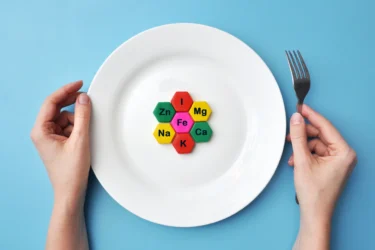
`French beans contain essential vitamins that include folate. A cup of raw green beans contains about 33 mcg of folate, which is almost 10% of the daily recommended dietary intake. Folate is a B vitamin that prevents birth defects and other neural tube defects.
A cup of raw green beans contains 12.2 mg of vitamin C, which is about 25% of the recommended daily intake. Vitamin C is an antioxidant that maintains the immune system and plays an integral role in collagen production, protecting the skin from oxidative stress.
A cup of raw French beans offers about 690 IU of vitamin A, which is a group of compounds referred to as retinoids. Vitamin A is important because it aids in healthy immunity, healthy vision and reproduction.
French beans are a good source of minerals such as manganese which has antioxidant properties and supports metabolism. Manganese also promotes the quick healing of wounds and supports bone health3.

One of the primary causes of depression is the imbalance of neurotransmitters and chemicals in the brain. Dopamine, serotonin and norepinephrine are essential for maintaining good brain health. At times, when their levels drop within the brain, it can lead to symptoms of depression. The chemical homocysteine hampers the production of norepinephrine and serotonin. French beans contain a decent amount of B9 or folate, which can help lower levels of homocysteine in the body. Thus, consuming French beans can be beneficial for brain health4.

Iron is an essential mineral required by the body in order to produce new red blood cells. The cells help in oxygen transportation in the body. A person suffering from anaemia or iron deficiency will feel fatigued most of the time, along with weakness and slow metabolism. So, someone suffering from anaemia can benefit from consuming French beans3. One hundred grams of French beans is equivalent to a person’s 25% of daily iron intake.
According to Harvard Medical School, increasing the amount of iron a woman of childbearing age consumes from plant sources including spinach, beans, pumpkin, and green beans may help with fertility. I read in an article and it said that, a woman’s degree of fertility and the amount of nutrients, particularly iron, she consumes, are related. Iron absorption can be enhanced by consuming foods high in vitamin C, such as tomatoes, bell peppers, or berries, together with meals high in iron2.
Dr. Siddharth Gupta, B.A.M.S, M.D (Ayu)

High cholesterol leads to a build-up of fat deposits within the arteries and decreases blood flow to the brain and heart, causing stroke or heart attack. French beans support good heart health because they don’t contain cholesterol. A cup of raw French beans contains 2.7 g of fibre, whereas the boiled variant contains 4.0 g of fibre along with soluble fibre. Soluble fibre can help reduce total cholesterol or bad cholesterol levels. French beans help to reduce inflammation and blood pressure, so consuming a cup of it daily can prove to be very healthy for you.
When fat builds up in the liver, it may result in fatty liver. It may emerge together with metabolic syndrome symptoms such as obesity, high cholesterol, high blood pressure, and others. Losing weight, managing blood sugar levels, and lowering blood levels of fats like triglycerides and low-density lipoprotein (LDL), or bad cholesterol are the mainstays of medical practitioners’ treatments for fatty liver disease. From my experience, beans are a wonderful alternative to animal proteins that are richer in fat for improving liver function2.
Dr. Rajeev Singh, BAMS
Also Read: Sonth: Uses, Benefits and Side effects by Dr. Smita Barode
French beans are extremely healthy, but there are certain side effects that people need to know about. Those who are on blood thinners should refrain from eating excessive French beans since they contain significant amounts of vitamin K. This vitamin can speed up the blood clotting process in wounds and counteract the effects of blood-thinning medications.
Excess consumption of French beans can give rise to digestive issues such as gas, flatulence and bloating. Aside from vitamin K, French beans also contain lectin, which can cause a number of gut-related problems. So, the ideal recommended daily intake for French beans is 1-2 cups daily.
Another factor is that French beans are best consumed cooked in some form. If you are buying canned French beans from the store, then cooking the French beans can also lower the sodium levels.
Also Read: Maple Syrup: Uses, Benefits, Side Effects By Dr. Smita Barode
While eating French beans, it is advised that you eat them cooked because raw beans contain lectin, which is a protein that acts as a natural insecticide or antifungal for plants. So, when French beans are consumed raw, the lectin present can bind to the surface cells of the digestive system and cause symptoms such as diarrhoea, vomiting, nausea and bloating.
If you do experience side effects, it is recommended that you consult a doctor.
Also Read: Jicama (Mexican Turnip): Uses, Benefits, Side Effects & More!
Consuming cooked French beans is always better than eating them raw. Although cooking the beans can decrease the nutritional value of some vitamins, it increases the levels of antioxidants such as isoflavones and carotenoids on the other hand. Cooking also inactivates the presence of harmful lectins that upset the digestive system.
French beans are highly nutritious with little fat and calorie content. Additionally, they have high dietary fibre and protein content, which helps one feel fuller for longer, negating the need to eat snacks in between meals.
Yes, French beans can be safely consumed by diabetics because they have a low glycemic index. They don’t increase the glucose levels in the blood and provide energy, nutrients and minerals while maintaining blood sugar.
A study conducted has revealed that French beans contain the molecule known as chlorophyll which lowers the risk of cancer. Chlorophyll imparts the green colour to French beans and contains anti-cancerous properties. It blocks carcinogens which are responsible for causing cancer.
Yes, French beans contain a good amount of vitamin B9 or folate, which is beneficial for pregnant women. It lowers the risk of developing congenital diseases in a foetus and reduces the chances of neural tube defects.
Disclaimer: The information provided here is for educational/awareness purposes only and is not intended to be a substitute for medical treatment by a healthcare professional and should not be relied upon to diagnose or treat any medical condition. The reader should consult a registered medical practitioner to determine the appropriateness of the information and before consuming any medication. PharmEasy does not provide any guarantee or warranty (express or implied) regarding the accuracy, adequacy, completeness, legality, reliability or usefulness of the information; and disclaims any liability arising thereof.
Links and product recommendations in the information provided here are advertisements of third-party products available on the website. PharmEasy does not make any representation on the accuracy or suitability of such products/services. Advertisements do not influence the editorial decisions or content. The information in this blog is subject to change without notice. The authors and administrators reserve the right to modify, add, or remove content without notification. It is your responsibility to review this disclaimer regularly for any changes.
14
एक परीक्षण जो टाइफाइड का एक अनुमानित निदान बनाने के लिए किया जाता है।
विडाल परीक्षण के लिए एक खून नमूना की आवश्यकता होती है जो एक फ्लेबोटॉमिस्ट हाथ की नसों से सिरिंज द्वारा निकालते हैं |
यह टेस्ट डॉक्टर की सलाह पर लेना चाहिए। यह दैनिक जांच नहीं है, इसलिए बार-बार परीक्षण करने की आवश्यकता नहीं है। मरीज में टाइफाइड या पैराटाइफाइड के लक्षण दिखने पर डॉक्टर की सलाह से यह जांच कराना उचित होता है।
विडाल परीक्षण बैक्टीरिया के O & H प्रतिजनों के खिलाफ खून के नमूने के भीतर एंटीबॉडी का पता लगाने के लिए किया जाता है। एग्ग्लुटिनेशन उचित परिस्थितियों की उपस्थिति में अपने एंटीबॉडी के साथ एक विशेष एंटीजन का जमाव है। स्लाइड एग्ग्लुटिनेशन और ट्यूब एग्ग्लुटिनेशन इस परीक्षण के दो तरीके हैं।
संक्रमण के पहले सप्ताह के बाद एक विडाल परीक्षण किया जाना चाहिए। इसका कारण यह है कि ओ और एच एंटीजन के खिलाफ एंटीबॉडी बुखार के पहले सप्ताह के चरम पर खून में दिखाई देने लगते हैं। 7 से 10 दिनों के अंतराल पर दो खून परीक्षण कराने की सलाह दी जाती है।
विडाल टेस्ट से टाइफाइड या पैराटाइफाइड संक्रमण का पता चलता है। निम्नलिखित लक्षण आपको एक विडाल परीक्षण के लिए निर्धारित करने के लिए परामर्श चिकित्सक को संकेत दे सकते हैंः
बिना इलाज के, आप ये लक्षण महसूस कर सकते है :
अन्य संभावित जटिलताओं में शामिल हैंः
इस दौरान मैं जीवन में कई बार जानलेवा जटिलताएं उत्पन्न हो जाती हैं। अगर आपको लगता है कि आपको टाइफाइड बुखार हो सकता है तो तुरंत डॉक्टर के पास जाएं।
साल्मोनेला टाइफी (Salmonella Typhi) के एच और ओ एंटीजन और साल्मोनेला पैराटाइफी (Salmonella Paratyphi) के एच एंटीजन परीक्षण करने के उद्देश्य से उपयोग किए जाने वाले एंटीजन हैं। एक तीव्र संक्रमण के मामले में, यह आम तौर पर देखा जाता है कि ओ एंटीबॉडी तेजी से दिखाई देने और बढ़ने लगती है, बाद में गिरती है और अक्सर कुछ महीनों के भीतर गायब हो जाती है।
एच एंटीबॉडी थोड़ी देर बाद दिखाई देता है लेकिन गायब होने में अधिक समय लगता है। राइजिंग ओ एंटीबॉडी टिटर (titre) आम तौर पर तीव्र संक्रमण का संकेत है, जबकि उठाया गया एच एंटीबॉडी आंतों के बुखार के प्रकार का निदान करने में मदद करता है।
विडाल टेस्ट संक्रमण के एक सप्ताह के बाद ही किया जाना चाहिए। बैक्टीरिया के ओ और एच प्रतिजनों के खिलाफ प्रतिरक्षी होने का तर्क बुखार के पहले सप्ताह के शीर्ष पर खून में दिखाई देना शुरू हो जाता है।
विडाल परीक्षण बैक्टीरिया के दो एंटीजन (O & H) के खिलाफ सीरम (खून नमूना) के भीतर एंटीबॉडी का पता लगाने के लिए एक खून परीक्षण है। एग्ग्लुटिनेशन (Agglutination) उचित परिस्थितियों की उपस्थिति में अपने एंटीबॉडी के साथ एक कण प्रतिजन का थक्का है। स्लाइड एग्ग्लुटिनेशन (agglutination) और ट्यूब एग्ग्लुटिनेशन (agglutination) इस परीक्षण के प्रशासन के दो तरीके हैं। टाइफाइड बेसिलस के एच और ओ एंटीजन और साल्मोनेला पैराटाइफी के एच एंटीजन परीक्षण में उपयोग किए गए एंटीजन हैं।
विडाल टेस्ट कई स्थितियों में फॉल्स पॉजिटिव भी आ सकता है। इसलिए जरूरी है कि डॉक्टर की सलाह से ही डायग्नोसिस और ट्रीटमेंट की जाए। टाइफाइड की कन्फर्म डायग्नोसिस के लिए विडाल के अलावा अन्य tests भी करवाए जा सकते हैं।
विडाल टेस्ट की कुछ सीमाएं हैं: यदि किसी व्यक्ति को पहले टाइफाइड के लिए टीका लगाया गया है, तो यह गैर-संक्रमित व्यक्तियों में एंटीबॉडी टाइटर्स में वृद्धि का परिणाम हो सकता है। कुछ मामलों में, गैर-एंटेरिक संक्रमण वाले रोगियों में झूठी सकारात्मक (false-positive) विडाल परीक्षण देखे गए हैं, उदाहरण के लिए, टाइफस, इम्यूनोलॉजिकल विकार, क्रोनिक यकृत रोग, मलेरिया, आदि।
रोगी द्वारा एंटीबायोटिक दवाओं का कोई भी पूर्व उपयोग, विडाल परीक्षण के दौरान एंटीबॉडी प्रतिक्रिया को प्रभावित कर सकता है, यहां तक कि बैक्टीरियोलॉजिकल रूप से पुष्टि किए गए टाइफाइड बुखार की उपस्थिति में भी कम टाईटर दे सकता है। विडाल एग्ग्लुटिनेशन टाइटर (titre) उस क्षेत्र में साल्मोनेला संक्रमण के इतिहास के आधार पर भौगोलिक स्थान के साथ देखा गया है। एक व्यक्ति में गलत सकारात्मक विडाल परीक्षण के लिए एक अन्य प्रमुख कारण सेरोटाइप टाइफी या किसी अन्य नॉनटाइफॉइडल बैक्टीरिया के साथ अतीत संक्रमण है।
यदि विडाल टेस्ट पॉजीटिव है, तो यह इंगित करता है कि व्यक्ति को साल्मोनेला एंटरिका सीरोवर टाइफी बैक्टीरियल संक्रमण है। एक सकारात्मक रिपोर्ट साल्मोनेला एंटरिका की उपस्थिति को इंगित करती है; ओ और एच एंटीजन टाइट्रेस दोनों मौजूद हैं। एस टाइपी हे सकारात्मक टाइफाइड के सक्रिय संक्रमण का प्रतीक है। । एस टाइपी एच पॉज़िटिव प्रतिरक्षित व्यक्ति की सीरम परीक्षण रिपोर्ट के परिणामों को दर्शाता है या इसका मतलब है कि एक अतीत संक्रमण है।
टाइफाइड बुखार (या अंतःस्रावी बुखार) और पैराटाइफाइड बुखार की पुष्टि एक विडाल परीक्षण द्वारा की जाती है। पॉजिटिव विडाल टेस्ट रिपोर्ट का मतलब है एक्टिव इंफेक्शन। निगेटिव विडाल टेस्ट रिपोर्ट का मतलब है कि व्यक्ति टाइफाइड बुखार से संक्रमित नहीं है।
Disclaimer: The information provided here is for educational/awareness purposes only and is not intended to be a substitute for medical treatment by a healthcare professional and should not be relied upon to diagnose or treat any medical condition. The reader should consult a registered medical practitioner to determine the appropriateness of the information and before consuming any medication. PharmEasy does not provide any guarantee or warranty (express or implied) regarding the accuracy, adequacy, completeness, legality, reliability or usefulness of the information; and disclaims any liability arising thereof.
Links and product recommendations in the information provided here are advertisements of third-party products available on the website. PharmEasy does not make any representation on the accuracy or suitability of such products/services. Advertisements do not influence the editorial decisions or content. The information in this blog is subject to change without notice. The authors and administrators reserve the right to modify, add, or remove content without notification. It is your responsibility to review this disclaimer regularly for any changes.
25
7सीबीसी परीक्षण एक खून परीक्षण है जो आपके शरीर में विभिन्न खून कोशिकाओं के स्तर को मापता है। श्वेत खून कोशिकाओं (WBC), लाल खून कोशिकाओं (RBC) प्लेटलेट्स, और हीमोग्लोबिन का परीक्षण आपके समग्र स्वास्थ्य की स्थिति और विशिष्ट स्वास्थ्य मुद्दों को निर्धारित करने में मदद करता है।
सीबीसी परीक्षण के लिए आपके खून का नमूना आवश्यक है।
सीबीसी परीक्षण आमतौर पर अंतर्निहित निदान के आधार पर दोहराया जाता है। हर बीमारी के साथ, सीबीसी टेस्ट को दोहराने की आवश्यकता बदल जाती है। यदि हीमोग्लोबिन के स्तर को ट्रैक करने की आवश्यकता है, तो परीक्षण हर 1-3 महीने में दोहराया जाता है।
यदि डेंगू या चिकनगुनिया जैसी तीव्र बमारी के दौरान प्लेटलेट काउंट की निगरानी की जाती है, तो सीबीसी परीक्षण हर दिन या हर वैकल्पिक दिन दोहराया जाता है। तीव्र बीमारियों के लिए अलग-अलग मापदंडों को ट्रैक करने के लिए सीबीसी परीक्षण हर हफ्ते या सप्ताह में दो बार दोहराया जाता है।
आपकी वार्षिक स्वास्थ्य जांच के हिस्से के रूप में, सीबीसी परीक्षण वार्षिक रूप से दोहराया जाता है।
सीबीसी परीक्षण खून के विभिन्न घटकों के स्तर को मापता है जो इस प्रकार हैं :
इन सफेद खून कोशिकाओं की व्यक्तिगत गणना एक पूर्ण गणना और एक प्रतिशत गणना के रूप में दी जाती है।
सीबीसी परीक्षण लाल खून कोशिकाओं, श्वेत खून कोशिकाओं और प्लेटलेट्स जैसे विभिन्न खून घटकों की संख्या को मापता है।
यदि आपके पास निम्नलिखित लक्षण हैं तो एक सीबीसी परीक्षण निर्धारित किया जाता है :
विभिन्न स्थितियों के लिए उपचार की निगरानी करते समय सीबीसी परीक्षण भी निर्धारित किया जाता है, उनमें से कुछ के नीचे लिस्टिंग :
यह भी पढ़ें: फास्टिंग ब्लड शुगर टेस्ट (Fasting Blood Sugar Test in Hindi): क्या है, खर्च, नॉर्मल रेंज, कैसे होता है, क्यों और कब
एक सीबीसी परीक्षण की क़ीमत 300-700 INR के बीच कहीं भी होती है। हालांकि, शहर और प्रयोगशाला के अनुसार कीमत अलग-अलग होती है जहां आप परीक्षण करते हैं। यह शुल्क इस बात पर भी निर्भर करता है कि खून का नमूना नैदानिक केंद्र, अस्पताल, या घर पर एकत्र किया गया था या नहीं।
एक असामान्य सीबीसी परीक्षण परिणाम एक संक्रमण (तीव्र या लंबे समय से एक), खूनस्राव विकार, एनीमिया, आदि का संकेत देने के लिए एक आधार के रूप में काम कर सकते हैं और आगे की जांच की सलाह देने के लिए इलाज चिकित्सक के लिए एक सूचक के रूप में कार्य कर सकते हैं।
नहीं। एक सीबीसी परीक्षण सभी प्रकार के कैंसर का पता नहीं लगाता है लेकिन आपके डॉक्टर को एक मौजूदा विकार के बारे में एक विचार देता है। इसलिए इसके लिए आपको और खास टेस्ट करने की जरूरत पड़ सकती है।
एक सीबीसी परीक्षण का उपयोग संक्रमण का निदान करने के लिए किया जाता है, हीमोग्लोबिन में असामान्यताएं, प्लेटलेट्स, असामान्य कोशिकाएं, ल्यूकेमिया, बोन मैरो डिसीज, आयरन की कमी के कारण एनीमिया, कीड़े के कारण एनीमिया, और अस्थि मज्जा में असामान्यताओं के कारण खूनाल्पता। एक सीबीसी परीक्षण के साथ, आपको निदान की पुष्टि करने के लिए अन्य जांचों की आवश्यकता हो सकती है।
नहीं, एक सीबीसी परीक्षण मधुमेह का पता नहीं लगाता है। मधुमेह के निदान के लिए आपको एक उपवास खून शर्करा, एचबीए 1 सी और एक पोस्टप्रैंडियल खून शर्करा परीक्षण प्राप्त करने की आवश्यकता है।
नहीं। सीबीसी परीक्षण में लीवर की समस्या की जांच नहीं होती है। अपने जिगर के स्वास्थ्य की स्थिति को जानने के लिए, आप जिगर समारोह परीक्षण (liver function test) जो विभिन्न एंजाइमों और जिगर और उसके कामकाज के जैव रासायनिक मार्करों के स्तर को मापने से गुजरना होगा।
नहीं, सीबीसी टेस्ट में गुर्दे की समस्या की जांच नहीं होती है। आपको गुर्दे के कार्य की जांच करने के लिए एक गुर्दे समारोह परीक्षण (Renal Function test) प्राप्त करने की आवश्यकता होगी।
नहीं, सीबीसी परीक्षण यकृत और गुर्दे के कार्य को नहीं दिखाता है।
नहीं, एक सीबीसी परीक्षण यूटीआई का पता लगाने में मदद नहीं करता है। हालांकि एक यूटीआई की वजह से आपका डब्ल्यूबीसी (WBC) काउंट प्रभावित होगा। इसके और नैदानिक सहसंबंध के आधार पर, डॉक्टर निदान की पुष्टि करने के लिए मूत्र नियमित परीक्षण के लिए कहेंगे।
नहीं, एक सीबीसी परीक्षण एचआईवी का पता नहीं लगाता है। यह रक्त घटकों जैसे लाल और सफेद कोशिकाओं को मापता है, लेकिन एचआईवी का निदान नहीं कर सकता। एचआईवी का पता लगाने के लिए एचआईवी एंटीबॉडी परीक्षण या न्यूक्लिक एसिड परीक्षण जैसे विशेष परीक्षणों की आवश्यकता होती है।
सीबीसी परीक्षण में आमतौर पर ईएसआर (एरिथ्रोसाइट सेडीमेंटेशन रेट) शामिल नहीं होता है। ईएसआर एक अलग परीक्षण है जो यह मापता है कि लाल रक्त कोशिकाएँ टेस्ट ट्यूब के तल में कितनी तेजी से बसती हैं, जो शरीर में सूजन का संकेत दे सकता है।
सीबीसी (पूर्ण रक्त गणना) परीक्षण के लिए उपवास की आवश्यकता आमतौर पर नहीं होती है। यह रक्त के विभिन्न घटकों को मापता है, जैसे लाल और सफेद रक्त कोशिकाएँ, प्लेटलेट्स, और हीमोग्लोबिन, जो भोजन लेने के द्वारा प्रभावित नहीं होते हैं। हालांकि, विशेष निर्देश स्वास्थ्य सेवा प्रदाता की आवश्यकताओं पर आधारित होते हैं या यदि सीबीसी के साथ अतिरिक्त परीक्षण किए जा रहे हैं तो विशेष निर्देश भी हो सकते हैं।
सीबीसी (पूर्ण रक्त गणना) परीक्षण गर्भावस्था का पता नहीं लगाता है। यह रक्त के विभिन्न घटकों को मापता है, जैसे लाल और सफेद रक्त कोशिकाएँ और प्लेटलेट्स, लेकिन यह गर्भावस्था की पुष्टि नहीं करता है। आमतौर पर, गर्भावस्था को मान्यता मिलती है विशेष परीक्षणों द्वारा जैसे कि मूत्र या रक्त परीक्षण जो मानव गर्भाधारी गोनाडोट्रोपिन (एचसीजी) जैसे हार्मोन की जांच करते हैं।
हां, सीबीसी (पूर्ण रक्त गणना) परीक्षण खाने के बाद किया जा सकता है। कुछ रक्त परीक्षण ऐसे होते हैं जिनमें उपवास की आवश्यकता होती है, जैसे कि लिपिड प्रोफाइल, लेकिन सीबीसी को भोजन लेने से भविष्य की प्रभावितता कम होती है। इसलिए, यह किसी भी समय किया जा सकता है, चाहे खाने की आदत हो या न हो।
हां, सीबीसी (पूर्ण रक्त गणना) परीक्षण संक्रमण का पता लगा सकता है। हालांकि यह सीधे संक्रमण के विशिष्ट कारण का पता नहीं लगाता है, लेकिन रक्त के कुछ घटकों में असामान्यताएँ, जैसे उच्च सफेद रक्त कोशिका गणना (ल्यूकोसाइटोसिस) या विभाजन गणना में परिवर्तन, संक्रमण की मौजूदगी को सूचित कर सकते हैं और आगे के नैदानिक परीक्षण और उपचार में मदद कर सकते हैं।
Disclaimer: The information provided here is for educational/awareness purposes only and is not intended to be a substitute for medical treatment by a healthcare professional and should not be relied upon to diagnose or treat any medical condition. The reader should consult a registered medical practitioner to determine the appropriateness of the information and before consuming any medication. PharmEasy does not provide any guarantee or warranty (express or implied) regarding the accuracy, adequacy, completeness, legality, reliability or usefulness of the information; and disclaims any liability arising thereof.
Links and product recommendations in the information provided here are advertisements of third-party products available on the website. PharmEasy does not make any representation on the accuracy or suitability of such products/services. Advertisements do not influence the editorial decisions or content. The information in this blog is subject to change without notice. The authors and administrators reserve the right to modify, add, or remove content without notification. It is your responsibility to review this disclaimer regularly for any changes.
82
7टीएसएच (TSH) परीक्षण एक खून परीक्षण है जो मनुष्यों में थायरॉयड ग्रंथि के कामकाज को समझने के लिए किया जाता है। यह खून परीक्षण थायराइड ग्रंथि के किसी भी असामान्य कामकाज का निदान करने में मदद कर सकता है।
एक टीएसएच परीक्षण हाइपरथायरायडिज्म, हाइपोथायरायडिज्म या अन्य स्थितियों के निदान में मदद करता है। यदि टीएसएच परीक्षण का परिणाम थायरॉयड ग्रंथि के असामान्य कामकाज के निदान की पुष्टि करता है, तो उचित उपचार किया जाना चाहिए। परीक्षण हर तीन महीने में दोहराया जाना चाहिए, कम से कम, जब एक व्यक्ति चल रहे उपचार की प्रभावशीलता का मूल्यांकन करने के लिए एक थायराइड विकार के लिए दवा पर है।
परीक्षण केवल तभी वार्षिक हो सकता है जब किसी भी दवा पर नहीं या यदि टीएसएच परीक्षण परिणाम सामान्य हैं।
टीएसएच परीक्षण के अन्य नाम
एक टीएसएच परीक्षण पूरी तरह से आपके खून में मौजूद टीएसएच की मात्रा का अनुमान लगाता है। यह परीक्षण एक व्यक्ति में टीएसएच मापदंडों को मापता है और थायरॉयड ग्रंथि के कामकाज का निदान करने के लिए एक प्रारंभिक मार्कर के रूप में कार्य करता है। थायरॉयड प्रोफाइल टेस्ट का परिणाम सकारात्मक या नकारात्मक के रूप में व्यक्त नहीं किया जाता है। यदि मूल्य उच्च पक्ष या निम्न पक्ष पर है, तो यह थायरॉयड ग्रंथि के साथ एक विकार का संकेतक है। परीक्षण या तो हाइपोथायरायडिज्म (उच्च टीएसएच स्तर) या हाइपरथायरायडिज्म (कम टीएसएच स्तर) के संकेतों को दर्शाता है ।
टीएसएच परीक्षण थायराइड ग्रंथि के कामकाज को मापने के लिए एक जरूरी जांच है।
एक व्यक्ति निम्नलिखित लक्षणों का अनुभव कर सकता है यदि उनकी थायरॉयड ग्रंथि ठीक से काम नहीं कर रही हैः
कुछ बीमारियां / स्थितियाँ जिनके लिए टीएसएच परीक्षण किया जाना चाहिए
टीएसएच (TSH) के निदान और परीक्षण परिणामों के बाद, चिकित्सक या एंडोक्रिनोलॉजिस्ट (Endocrinologist) सुझाव देंगे और टीएसएच परीक्षण के परिणाम के आधार पर एक उपचार योजना के साथ शुरू करेंगे। उचित दवा के साथ उपचार शुरू करने के बाद, डॉक्टर उपचार की प्रभावशीलता की निगरानी के लिए और यदि कोई हो, तो खुराक संशोधन के लिए एक निश्चित अवधि के बाद एक टीएसएच परीक्षण लिख सकता है।
विटामिन की खुराक और बायोटिन जैसी कुछ दवाएं टीएसएच परीक्षण के परिणाम को बदल सकती हैं। परीक्षण प्रक्रिया से गुजरने से पहले अपने डॉक्टर को अपनी संपूर्ण मेडिकल हिस्ट्री एवं चल रही दवाओं के बारे में अवश्य बताएं ।
टीएसएच खून परीक्षण पुरुषों और महिलाओं, दोनों वयस्कों और बच्चों के लिए होता है।
यह भी पढ़ें: पीएसए टेस्ट (PSA Test in Hindi): क्या है, खर्च, नॉर्मल रेंज, कैसे होता है, क्यों और कब
टीएसएच (TSH) परीक्षण का उद्देश्य थायरॉयड ग्रंथि के कामकाज को निर्धारित करना है और विभिन्न स्थितियों में प्रारंभिक नैदानिक पैरामीटर के रूप में, जैसे गोइटर, ग्रेव डिजीज, आदि।
Ans- टीएसएच का एक उच्च स्तर एक अंडरएक्टिव थायराइड ग्रंथि को इंगित करता है, जो हाइपोथायरायडिज्म को दर्शाता है। उच्च टीएसएच स्तर के कुछ लक्षण हैंः
थकान,
ठंड के प्रति संवेदनशीलता बढ़ी
कब्ज
ड्राई स्किन
वजन बढ़ना
मांसपेशियों में कमजोरी
उच्च या निम्न जैसे असामान्य टीएसएच स्तर आपके स्वास्थ्य के लिए खराब हैं। पीएसएच की वैल्यू हमेशा नार्मल रेंज में रहे यही प्रयास होना चाहिए। टीएसएस कम या ज्यादा होने पर एक एंडोक्राइनोलॉजिस्ट की मदद से सही इलाज पाकर आप इसे नॉर्मल कर सकते हैं।
हां, उच्च टीएसएच वजन बढ़ाने का कारण बन सकता है, क्योंकि थायराइड हार्मोन के स्तर में कमी के कारण मेटाबॉलिज्म की दर कम हो जाती है, इस प्रकार, बीएमआर भी कम होता है, जिससे शरीर का वजन बढ़ता है।
जिन खाद्य पदार्थों में आयोडीन की मात्रा कम होती है, वे थायराइड के लिए खराब होते हैं। सोया परिवार से संबंधित भोजन के साथ-साथ गोभी परिवार से भी परहेज करना चाहिए। आपको तले हुए खाद्य पदार्थ, चीनी, कैफीन आदि के सेवन से भी बचना चाहिए।
आपको आयोडीन, सेलेनियम और जिंक से भरपूर भोजन खाना चाहिए, क्योंकि वे थायरॉयड फ़ंक्शन को प्रबंधित करने में मदद करते हैं।
आयोडीन से भरपूर खाद्य पदार्थ पनीर, दूध, आयोडीनयुक्त नमक, मछली, पूरे अंडे और समुद्री शैवाल हैं।
सेलेनियम से भरपूर खाद्य पदार्थ नट्स, झींगा, चिकन, हैम, दलिया, साबुत गेहूं की रोटी और अंडे हैं।
जिंक से भरपूर खाद्य पदार्थ ऑयस्टर, बीफ, केकड़ा, फोर्टिफाइड अनाज, पोर्क, चिकन, दही, फलियां, कद्दू के बीज आदि हैं।
ध्यान रहे, हर व्यक्ति को उसके शरीर के एवं स्वास्थ्य के अनुसार भोजन ग्रहण करना चाहिए। अपने डॉक्टर से सही सलाह ले कर ही अपने खानपान में बदलाव करें।
58
10Recently, there has been recurring news in the media about the increasing cases of the H3N2 virus. It appears to be affecting a large portion of the population nationwide. The typical symptoms of H3N2 include prolonged cough, sneezing, weakness, fever, sore throat, and ear pain.
H3N2 is a viral infection that is usually self-limiting but requires management under medical supervision. Some cases may worsen and require hospitalisation. Therefore, experts emphasize the importance of careful monitoring and preventive measures.
Is the H3N2 virus dangerous? How can you detect this H3N2 influenza virus and stay protected? We have all the information you need.
So, let’s get started!
Prevention and treatment are closely linked to the early detection of disease, which is why it’s essential to familiarize yourself with the symptoms of H3N2 influenza.
Some common symptoms seen in H3N2 seasonal infection are below:
In H3N2 influenza viral infection, coughing can be quite severe, lasting up to two weeks. Although most people recover from the fever within a week, H3N2 influenza can cause serious illness and necessitate hospitalization in some individuals, and can be particularly dangerous for certain high-risk patients. That is why it is crucial to monitor the patient and seek expert help if the symptoms don’t recede or seem to worsen.
Hospitalisation may be needed for high-risk groups. So this is something to keep in mind if someone in your household with comorbidities such as asthma, COPD, obesity, heart or lung disorders is diagnosed with this infection.
Certain high-risk groups are more susceptible to vulnerabilities than others. If you or your loved ones are in such groups, exercising caution is suggested:
The annual influenza vaccine also provides protection against H3N2 influenza, as well as other types of influenza A, such as H1N1, and certain strains of influenza B.
One annual shot can reduce the risk of severe infection and hospitalisation in everyone.
Discuss the annual flu vaccine with your doctor for yourself and your family.
The majority of H3N2 influenza cases are diagnosed clinically; however, during periods of low activity, infections with other respiratory viruses, such as COVID-19, respiratory syncytial virus, rhinovirus, and adenovirus, can also present as influenza-like illnesses, making clinically differentiating H3N2 influenza from other environmental pathogens a challenging task.
To determine the nature of the pathogen, a respiratory sample, along with a laboratory diagnostic test, will be necessary.
Tests that may be advised by your doctor-
Also Read: How Long Does a Flu Last and Ways to Manage Them
Seasonal influenza, such as the H3N2 virus, can be challenging to contain, especially in densely populated regions, unless everyone maintains good respiratory hygiene at all times. To minimize your chances of infection, get vaccinated every year to maintain optimal vaccine efficacy. Spreading awareness of the do’s and don’ts among your loved ones, friends, colleagues, and educational institutions will also help protect others from contracting the infection.
Also Read: Influenza A: What is It, Causes, Symptoms, Treatment & Prevention
Disclaimer: The information provided here is for educational/awareness purposes only and is not intended to be a substitute for medical treatment by a healthcare professional and should not be relied upon to diagnose or treat any medical condition. The reader should consult a registered medical practitioner to determine the appropriateness of the information and before consuming any medication. PharmEasy does not provide any guarantee or warranty (express or implied) regarding the accuracy, adequacy, completeness, legality, reliability or usefulness of the information; and disclaims any liability arising thereof.
Links and product recommendations in the information provided here are advertisements of third-party products available on the website. PharmEasy does not make any representation on the accuracy or suitability of such products/services. Advertisements do not influence the editorial decisions or content. The information in this blog is subject to change without notice. The authors and administrators reserve the right to modify, add, or remove content without notification. It is your responsibility to review this disclaimer regularly for any changes.
28
2All the requirements and needs of human life are provided by Nature (Earth). Nature contains everything from food to medicine. Modern drugs are completely dependent on Ayurveda drugs which we obtain from nature. These Ayurveda drugs can compete with chemical medicines and regular use of chemical medications will lead to adverse side effects. We present Sanjivani Vati as one Ayurvedic preparations most popular in India.
Sanjivani means “one that infuses life and strengthens the immune system” and Vati means “tablet”. It is a polyherbal preparation that contains a total of ten ingredients. Sanjivani Vati is prepared using ingredients such as Vidang, Sunthi, Vaca, Pippali, Gudduci, Haritaki, Bhallataka, Amla, Bibhitaka and Visa. These are finely powdered individually and then equally mixed with Gomutra to make small pills or vati and sun-dried. Gomutra is the essential binding agent used to make Sanjivani vati. It may be used to enhance the body’s immune system and may fight against various diseases1,2. Let us discuss the health benefits of Sanjivani Vati, its potential uses and much more.
Sanjivani Vati may contain many phytonutrients such as tannins, flavonoids, alkaloids, embelin, gingerols, gallic acids, terpenes and shogaols1,2.
Listed below may be the Sanjivani Vati ingredients:
Ingredients of Sanjivani Vati1.
Sanjivani Vati’s composition may be responsible for the following biological properties:
The following may be the potential uses of Sanjivani Vati:
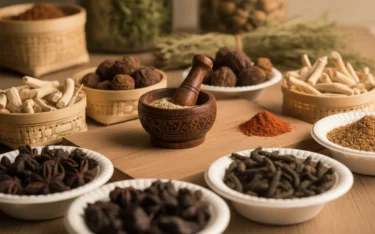
The undigested food waste called ‘Aama’ is produced in the body due to weak digestion. It may get settled in the body and produce toxins. This may cause blockages in blood circulation tubes and increase cholesterol levels. Sanjivani Vati may have digestive properties and be used as a detoxification formulation. Regular consumption of Sanjivani Vati may help clear blockages and facilitate detoxification. It contains Triphala, which may help detoxify the digestive tract and eliminates Aama through stool1. More clinical evidence is required to support this claim. However, do not self-medicate consult with doctors and use it accordingly.
I may share with you that according to modern scientific studies, it has been suggested that the contents of Sanjivani Vati may have a beneficial effect on the liver. This is known as a hepato-protective effect, which means it may help protect and support the liver’s health6.
Dr. Rajeev Singh, BAMS

Typhoid is caused by bacteria which may cause a high fever. Sanjivani Vati may have anti-inflammatory and analgesic properties. It may help lower the fever encountered during typhoid and the pain associated with fever. Ayurvedic doctors have recommended that a daily intake of Sanjivani Vati with honey juice might help manage typhoid fever1,2. Further clinical studies are needed to develop the true use of Sanjivani Vati for dealing with typhoid fever. However, consult your doctors and get the proper medicine to recover safely.

Sanjivani Vati may have the ability to improve the digestive system. The ingredients of Sanjivani Vati, such as Triphala and ginger, may be considered a common aid for digestion. It may help increase the production of digestive juices in the stomach, enhancing the digestion process. This may help the body to get rid of all the unwanted waste from the system and allow the absorption of nutrients3. However, more studies are needed to support its effects on human digestion. For digestion problems, seek medical help and avoid self-medication.

Gangrene is a condition that involves the decay and death of the skin tissue in the body. It may be due to insufficient blood supply to that portion. According to Bharati et al., 2019, applying Dashanga lepa to the affected area and taking an Ayurvedic formulation made from Sanjivani Vati and Kaishore guggulu may reduce gangrene and may heal the wound. Finally, it was reported that Sanjivani Vati might effectively and safely manage dry infection4. If you encounter such a condition, seek medical help and get prescribed medicine. Do not self-medicate.

Though studies show the potential uses of Sanjivani Vati in various conditions, these are insufficient and there is a requirement for further studies to establish the true scope of Sanjivani Vati’s benefits on human health.
From what I have observed, it’s interesting to note that Sanjivani Vati may have the potential to reduce the presence of ‘aama’ in the body. Aama refers to blockages that might occur in the body’s channels, which may contribute to the development of autoimmune disorders like sarcoidosis and rheumatoid arthritis5.
Dr. Siddharth Gupta, B.A.M.S, M.D (Ayu)
Before consuming large amounts of Sanjivani Vati, you should consult a qualified doctor. They will guide you through its form and dosage according to your health condition. Do not discontinue or replace an ongoing modern medical treatment with an Ayurvedic or herbal preparation of Sanjivani Vati without consulting an Ayurvedic physician.
Bhallataka and Vatsanabha, two of the ingredients in Sanjivani Vati, contain irritant oils. Some people may have allergic reactions to Bhallataka2.
When taken in the prescribed dosage by Ayurvedic physicians, Sanjivani Vati may be well-handled and tolerated in the human body.
However, no major studies on the side effects of Sanjivani Vati in humans have been conducted. As a result, more clinical interventions are required to determine the side effects of Sanjivani Vati. To avoid any side effects, consult your doctor for the proper treatment.
Also Read: Draksharishta: Uses, Benefits and Side Effects By Dr. Smita Barode
Sanjivani Vati may be well-tolerated and processed in the body. When taken in small quantities, it might be safe. However, eating in larger amounts is not recommended. Follow the few precautions given below:
Also Read: Shankh Bhasm: Uses, Benefits, Side Effects and More
Sanjivani Vati is an Ayurvedic formulation. Its components may or may not interact with other drugs. Further studies are needed to suggest the herb-drug interaction between Sanjivani Vati and other medicines. We recommend you consult a doctor before taking Sanjivani Vati and only take it in the prescribed dosage.
Also Read: Prabhakar Vati: Uses, Benefits, Side Effects, and more!
Sanjivani Vati is an Ayurvedic preparation most popularly used in India. Sanjivani means “one that infuses life and rejuvenates the immune system” and Vati means “tablet”. It is a polyherbal preparation that contains a total of ten ingredients. All the ingredients are individually powered and equally mixed with Gomutra to make small pills or vati and sun-dried1,2.
Sanjivani Vati comprises a total of ten ingredients. Sanjivani vati ingredients may include Vidang, Sunthi, Vaca, Pippali, Gudduci, Haritaki, Bhallataka, Amla, Bibhitaka and Visa in equal quantities and mixed with Gomutra3.
The properties of Sanjivani Vati may include antioxidant, analgesic, antispasmodic, carminative, anti-diarrhoeal, anti-inflammatory, anti-ulcer, anti-depressant, anti-asthmatic, anti-viral, expectorant, stimulant, stomachic, antimicrobial and antipyretic1,2. If you have the above-mentioned issues or problems, consult your doctor and do not self-medicate.
There are different forms of Sanjivani Vati available on the market. It may be available in solid dosage forms, such as Sanjivani Vati tablets1.
Sanjivani vati may be a detoxification formula for reducing ‘Aama’ (undigested toxic waste). Aama accumulation may cause high cholesterol levels and blockage of arteries1. Sanjivani vati may help in the removal of Aama. More information is needed to support this claim. However, do not self-medicate; consult with your doctors and use it accordingly.
Disclaimer: The information provided here is for educational/awareness purposes only and is not intended to be a substitute for medical treatment by a healthcare professional and should not be relied upon to diagnose or treat any medical condition. The reader should consult a registered medical practitioner to determine the appropriateness of the information and before consuming any medication. PharmEasy does not provide any guarantee or warranty (express or implied) regarding the accuracy, adequacy, completeness, legality, reliability or usefulness of the information; and disclaims any liability arising thereof.
Links and product recommendations in the information provided here are advertisements of third-party products available on the website. PharmEasy does not make any representation on the accuracy or suitability of such products/services. Advertisements do not influence the editorial decisions or content. The information in this blog is subject to change without notice. The authors and administrators reserve the right to modify, add, or remove content without notification. It is your responsibility to review this disclaimer regularly for any changes.
4
0In the Ayurvedic medicine system, Vacha may be considered a well known medicinal herb used for over 100 years. Vacha, scientifically known as the Acorus calamus, belongs to the family Acoraceae. The Vacha plant is a grass like semi-aquatic herb that grows in moist, marshy lands like ponds, rivers and swamps. Vacha plant is an aromatic herb with creeping rhizomes which has a pleasant and sweet odour due to its essential oils. According to the Red Data Book, the Vacha plant has been considered one of the threatened species. It is native to India and grows in the marshy lands of Kashmir, Manipur and Nagaland. However, it is also found in other countries such as Europe, Russia, Asia, China, Sri Lanka, Japan, Burma, Indonesia, the USA and Canada. Other names of the Vacha plant are calamus, sweet calomel, sweet flag, sweet sedge, myrtle flag, Haimavati, Sadgrantha, Bach, Vekhand, etc1,3. Let us read more about the Vacha plant benefits, nutritional facts, potential uses and more.
One hundred grams of Vacha may have 121.65 Kcal of energy4. The nutritional value of the Vacha plant is as under:
β-asarone is the major phytochemical constituent present in Vacha. Furthermore, other phytonutrients like tannins, β carotene, phytic acids, choline, flavones, ethanol methanol, camphor, eugenol and phenols may also be present in Vacha1,2,4.
Vacha medicinal plant may include the following properties1,5:
The following may be the potential uses of Vacha:

Vacha may have anti-diarrhoeal activity. An animal study1,2 by Kapadia et. al in 2012 reported that Vacha plant extract might contain phytochemicals like glycosides and saponins. These phytochemicals in the extract may help relieve symptoms of diarrhoea and dysentery. The experimental analysis showed that a single dose of Vacha extract significantly decreased the severity of diarrhoea and reduced the rate of excretion in animal models. However, this information is insufficient as this study is conducted on animals. More human research is needed to suggest the uses of the Vacha plant for diarrhoea. If you have diarrhoea, consult with doctors and do not self-medicate.

A diet low in fibre might cause complications like constipation. A study4 by Oyenuga and Fetuga in 1975 suggests that the crude fibre content of the Vacha plant rhizome is as high as about 6.5%. Adding fibre to a diet might help absorb essential minerals in the stomach, increase the digestion process and decrease cholesterol absorption. However, excess consumption should be avoided. Hence Vacha may possess beneficial effects on constipation. Furthermore, clinical studies are needed to continue using Vacha for constipation. To solve your constipation problems, consult a specialist. Avoid self-medication.
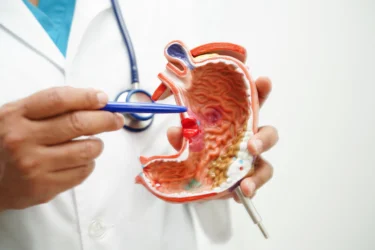
The Vacha rhizome extract may have anti-ulcer activity. An animal testing experiment by Rafatullah et al. 1994 suggests that it may contain certain compounds that might stop the stomach’s acidic secretion and help defend the mucosal lining from ulcer causing agents2 . However, further research in humans is needed to use the Vacha plant for managing ulcers. If you have ulcers, kindly consult a qualified doctor and get proper treatment.

The Vacha plant in Ayurveda may have been listed as a traditional plant used as a brainpower-enhancing agent that can act against mental disorders including depression. A study1,2 by Manikandan et al., 2005 suggested that Vacha extract may decrease the brain lipid peroxide (free radicles damage the brain cells). This might have a beneficial effect on memory disorder and learning performance. When combined with Polygala root, Vacha might help maintain the mental well-being and intellectual power of the elderly. It may also help with memory loss, confusion, consciousness loss and forgetfulness. Vacha plant may act as a rejuvenator, enhancing brain functions and building memory power. More human research is required to study the true scope of Vacha on mental health. Consult a qualified doctor for any mental health difficulties.

Though studies show the potential uses of Vacha in various conditions, these are insufficient and there is a necessity for further studies to develop the scope of the benefits of Vacha on human health.
Based on what I have noticed, Vacha has been proven beneficial for various conditions in traditional medicine. It is known to possibly help reduce swelling and address skin conditions effectively.
Dr. Siddharth Gupta, B.A.M.S, M.D (Ayu)
You may use the Vacha plant as follows:
You should consult a qualified doctor before having Vacha in large quantities. Do not discontinue or replace an ongoing modern medical treatment with an ayurvedic/herbal preparation of Vacha without consulting an ayurvedic physician. They will guide you with its form and dosage per your health condition.
Judging from what I have seen, Vacha has a unique ability to control elevated body temperature caused by Glycopyrrolate (a medication). This might be helpful for patients who already have high body temperature, as it promotes sweating and helps regulate body heat6.
Dr. Rajeev Singh, BAMS
Safety analyses of Vacha on animals have shown that Vacha extract may have toxic effects. Below may be some Vacha plant side effects:
If you experience such side effects, immediately consult a doctor and get the proper treatment.
Based on my experience, I can say that Vacha works wonders when it comes to easing uncomfortable cold in children. It’s like a wonder medicine for cough and sore throat! By simply sucking on a small piece of Vacha, children with difficult cold and cough might find relief from these uncomfortable conditions7.
Dr. Smita Barode, B.A.M.S, M.S.
Having Vacha in small quantities might be safe. However, eating in more significant amounts may be harmful. Therefore, precautions are necessary:
Also Read: Barley: Uses, Benefits & Side Effects
Vacha plants may interfere with certain drugs/medicines, leading to herb drug interaction.
Therefore, you should avoid having Vacha preparations with any medicine and if any complications arise, take doctor’s consultations.
Also Read: Nishigandha (Tuberose): Uses, Benefits and Side effects by Dr. Smita Barode
The Vacha plant side effects may include stomach irritation, disturbed digestion, persistent constipation, gastroenteritis, diarrhoea and passage of blood into the faeces2,4. If you experience such side effects after having Vacha preparations, immediately consult a doctor and get appropriate medication.
Vacha plant in Hindi is called Bach in English is called Calamus, Sweet Calomel, Sweet Flag, Sweet Sedge, Myrtle Flag in Marathi is called Vekhand and in Sanskrit is called Haimavati and Sadgrantha1,3.
Vacha plant may have activities such as antifungal, antioxidant, antibacterial, anti-ulcer antispasmodic, analgesic, anti-inflammatory, anticonvulsant, blood sugar-lowering and lipid-lowering properties. It may also act as a rejuvenator, expectorant, calming and sleep-inducing agent. It may help relieve flatulence and help stop the abnormal growth of cancer cells1,5.
Animal studies by Taylor et al., 1967 and Goggelmann et al., 1983 suggest that Vacha plant may contain a photochemical called β-asarone, which might be carcinogenic. It might have the potential to cause tumours in animals3. However, more information is needed to suggest the carcinogenic effects of Vacha on humans. Therefore, before having it consult a doctor and do not self-medicate.
Vacha plant extract may interact with particular anti-depressant medicines (MAO inhibitors)3. Therefore, you should avoid having Vacha extract and anti-depressant drugs simultaneously to avoid herb-drug interaction.
Disclaimer: The information provided here is for educational/awareness purposes only and is not intended to be a substitute for medical treatment by a healthcare professional and should not be relied upon to diagnose or treat any medical condition. The reader should consult a registered medical practitioner to determine the appropriateness of the information and before consuming any medication. PharmEasy does not provide any guarantee or warranty (express or implied) regarding the accuracy, adequacy, completeness, legality, reliability or usefulness of the information; and disclaims any liability arising thereof.
Links and product recommendations in the information provided here are advertisements of third-party products available on the website. PharmEasy does not make any representation on the accuracy or suitability of such products/services. Advertisements do not influence the editorial decisions or content. The information in this blog is subject to change without notice. The authors and administrators reserve the right to modify, add, or remove content without notification. It is your responsibility to review this disclaimer regularly for any change
5
1