Importance of Eyes & Why We Should Take Care Of It
Introduction
There has been a drastic rise in the number of people suffering from vision impairments and eye problems due to digitalization and extreme working hours. This number is not restricted to the adult population but many kids and teenagers are also increasingly getting issues pertaining to vision.
In this health blog, we will understand all about eye care and health from Dr Leena Doshi, a leading ophthalmologist who specializes in cataracts and LASIK. She is among the panel of doctors at ONGC and is also serves as a medical officer conducting class I and II eye examinations for pilots. Dr Leena Doshi is an active participant in various live TV shows and eye health forums. She is also a part of the telemedicine team at Nanavati Super speciality Hospital.
Why Eye Care Is Important?
Our eyes help us to experience the world around us, making everyday tasks like reading, working, driving, and recognizing faces possible. With digital eye strain becoming increasingly common, as highlighted by Dr Doshi, it’s more important than ever to pay attention to our eye health. Taking simple preventive measures and getting regular eye check-ups can help detect problems early and reduce the risk of vision loss.
Did You Know?
Majority of the concerns I deal with are pertaining to symptoms related to digital eye strain that has gone up in recent times.
Taking a child to the eye doctor doesn’t necessarily mean he/she will get glasses. This is something all parents must clearly understand.
The number of hours people are putting into looking at screens has drastically gone up in recent times.
Common Causes of Eye Problems
Several lifestyle, environmental, and medical factors can affect eye health over time. Factors such as lifestyle habits, ageing, underlying medical conditions, and environmental exposure can all affect your vision over time. Understanding these common causes can help you take preventive steps and seek timely eye care.
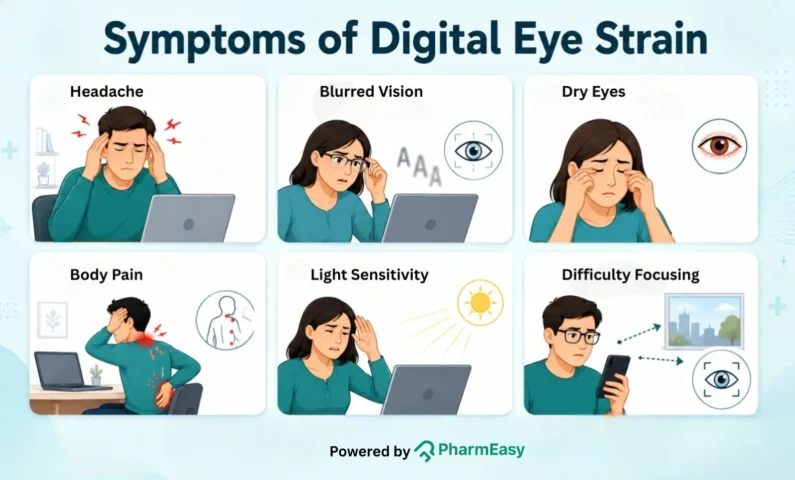
Prolonged Screen Time: Spending long hours looking at computers, smartphones, or tablets can lead to digital eye strain, causing dry eyes, blurred vision, headaches, and difficulty focusing2.
Ageing: As you grow older, the risk of age-related eye conditions such as cataracts, glaucoma, and age-related macular degeneration (AMD) increases, making regular eye examinations more important.
Diabetes and High Blood Pressure: Chronic conditions like diabetes and hypertension can damage the blood vessels in the eyes, increasing the risk of diabetic retinopathy, glaucoma, and vision loss if left unmanaged6.
Exposure to UV Rays: Long-term UV exposure increases the risk of cataracts and other eye conditions see the sunglasses tip below.
Poor Nutrition: A diet lacking essential nutrients such as vitamins A, C, and E, zinc, lutein, zeaxanthin, and omega-3 fatty acids may affect eye health and increase the risk of certain vision problems5.
Smoking: Smoking damages the blood vessels and tissues in the eyes, increasing the likelihood of developing cataracts, age-related macular degeneration, and optic nerve damage7,8.
Improper Contact Lens Hygiene: Poor contact lens hygiene raises infection risk see the contact lens tip below.
Family History of Eye Diseases: A family history of conditions such as glaucoma, retinal disorders, or inherited vision problems may increase your risk, making regular comprehensive eye check-ups essential for early detection.
Symptoms of Digital Eye Strain
Digital eye strain doesn’t always feel dramatic at first it usually shows up as a cluster of mild but persistent symptoms after screen use2.
Headaches, especially around the temples or forehead
Difficulty focusing or refocusing between near and far objects
If these symptoms persist even after taking breaks and adjusting your screen setup, it’s worth getting your eyes checked.
Digital Eye Strain and Computer Vision Syndrome
In today’s active work life, digitalization has become inevitable and so has the stress on the eyes and vision. We are constantly exposed to digital gadgets and laptops on a daily basis. With even education going digital, your kids are now prone to eye impairments and vision disabilities. As a result, there has been a growth in the number of kids requiring optical assistance for their eyes as well. In order to prevent such complications at such an early stage, you need to ensure that your kids are regularly taken to an eye doctor and their eye health is constantly monitored.
The growing stress to the eyes due to excessive and prolonged exposure to laptop, tablets, mobile and computer screens leads to a condition called digital eye strain and it further complicates the computer vision syndrome. This syndrome occurs due to the repeated back-and-forth movement of your eyes as they constantly focus and refocus on the screen time2. Your eyes tend to become hypersensitive to changing images and fonts that tend to exhaust your eye muscles.
Who Should Get Regular Eye Check-ups?
Routine eye examinations are important for everyone, even if you have no noticeable vision problems. Routine eye examinations are important for everyone, even if you have no noticeable vision problems. Regular check-ups help detect eye diseases early, allowing timely treatment and better long-term vision outcomes.
Children: Eye examinations help detect vision problems such as refractive errors, lazy eye, or squint early, supporting healthy visual development and learning.
Adults Who Use Digital Screens Frequently: People who spend long hours on computers, smartphones, or tablets should have regular eye check-ups to monitor for digital eye strain and other vision changes.
Older Adults (40 Years and Above): The risk of age-related eye conditions such as cataracts, glaucoma, and age-related macular degeneration increases with age, making periodic eye examinations essential.
People with Diabetes or High Blood Pressure: Annual eye exams are recommended6.
People Who Wear Glasses or Contact Lenses: Regular eye examinations ensure your prescription remains accurate and help identify any eye health issues related to contact lens use.
Individuals with Existing Eye Conditions: People diagnosed with glaucoma, cataracts, dry eye disease, or other eye disorders should follow their ophthalmologist’s recommended schedule for monitoring and treatment.
Anyone Experiencing Vision Changes: Blurred vision, eye pain, double vision, frequent headaches, flashes of light, new floaters, or sudden vision loss should be evaluated promptly by an eye care professional.
Warning Signs You Shouldn’t Ignore
Some eye symptoms may indicate a serious underlying condition and require immediate medical attention. Seeking timely care can help prevent permanent vision loss and improve treatment outcomes. If you experience any of the following warning signs, consult an eye doctor or visit the nearest emergency department without delay.
Sudden Loss of Vision: A partial or complete loss of vision in one or both eyes is a medical emergency and should be evaluated immediately.
Flashes of Light or a Sudden Increase in Floaters: Seeing flashes of light or a sudden shower of floaters may be a sign of a retinal tear or retinal detachment and requires urgent eye care.
Severe Eye Pain: Intense or persistent eye pain, especially when accompanied by blurred vision, nausea, or vomiting, may indicate a serious eye condition such as acute glaucoma.
Double Vision: Sudden double vision can be caused by problems affecting the eyes, nerves, or brain and should never be ignored.
Persistent Blurred Vision: If your vision remains blurry even after resting your eyes or wearing your prescribed glasses, it may indicate an underlying eye condition that requires evaluation.
Eye Injury or Chemical Splash: Any injury to the eye or exposure to chemicals requires immediate medical attention, even if the symptoms seem mild initially.
Persistent Redness with Discharge: Redness accompanied by pain, swelling, or discharge may indicate an eye infection or inflammation that requires prompt treatment.
A Dark Curtain or Shadow Across Your Vision: A shadow or curtain-like effect over your field of vision may be a symptom of retinal detachment and needs emergency evaluation.
Severe Sensitivity to Light: Extreme sensitivity to light along with redness or pain may be associated with infections or inflammation inside the eye and should be assessed by an eye specialist as soon as possible.
Frequent Headaches with Vision Problems: Recurrent headaches accompanied by blurred vision or difficulty focusing may be related to uncorrected vision problems or other eye conditions.
Persistent Dry Eye Symptoms: Ongoing dryness, burning, watering, or a gritty sensation despite self-care measures should be assessed by an eye doctor.
Vision Changes with Diabetes or High Blood Pressure: People with diabetes or hypertension should seek prompt medical advice if they notice any changes in their vision, as these conditions can affect the eyes without obvious early symptoms6.
Age related macular degeneration, glaucoma, cataract and diabetic retinopathy are very commonly diagnosed conditions in patients visiting an Ophthalmologist, identifying and reporting the symptoms like vision changes, painful eyes, and redness of the eyes is important for an early diagnosis.
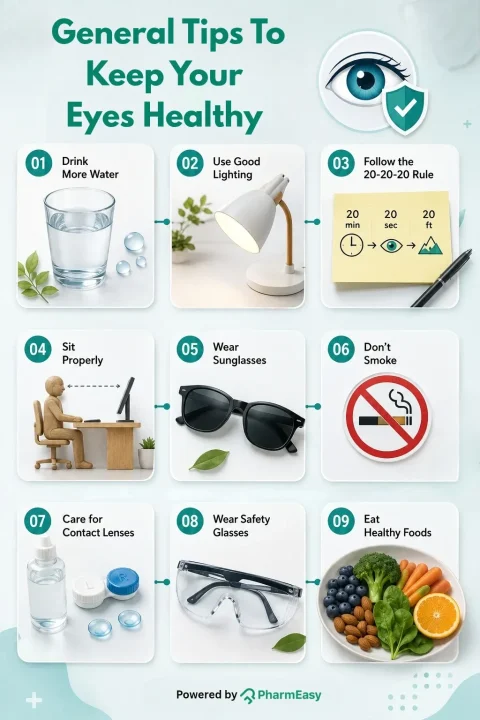
Drink plenty of water and stay hydrated at all times.
Ensure adequate lighting in your place of work while reading and looking at your device screen.
Follow the 20-20-20 rule every 20 minutes of screen time, take a 20-second break and focus on something at least 20 feet away, or simply close your eyes for 20-30 seconds. This helps relax your eye muscles and reduces strain1.
Maintain a healthy sitting posture that doesn’t put too much strain on your eyes.
Use sunglasses to protect your eyes from the sun’s harmful UV-A and UV-B rays. Exposure to harsh sunlight can cause cataracts and macular degeneration. Wearing sunglasses that prevent at least 99-100% of the damaging rays from entering your eyes directly, can save you a lot of trouble3,4.
Avoid smoking as much as you can. Smoking can be detrimental to your optic nerve and can cause serious eye problems7,8.
If you are someone who regularly wears contact lenses, then make sure that you are following all the steps advised when the lenses were prescribed to you. Wearing the contacts for an extended period of time can prove to be seriously hazardous to your eyes9.
Use protective eye gear whenever you are engaging in activities or work that has the potential to cause damage to your eyes for example: sports, factory duties, construction job, diy projects at home or repair work.
Eat a balanced diet rich in fruits and vegetables to support long-term eye health.
Eat at least 5 servings daily of fruits and vegetables, don’t smoke, take regular breaks while doing computer work and other tasks that mostly involve your eyes, wear your glasses, wear sunglasses when outdoors that protect your eyes from UVA and UVB rays.
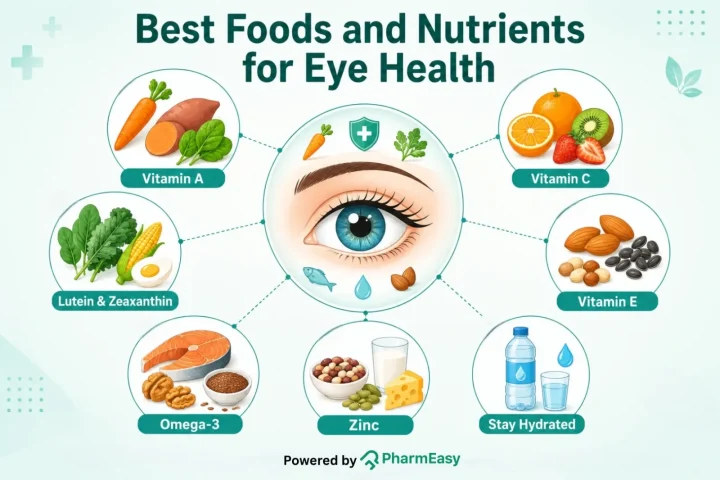
A balanced diet plays an important role in maintaining healthy vision and supporting overall eye health. Certain vitamins, minerals, and antioxidants help protect the eyes from oxidative damage and may reduce the risk of age-related eye conditions. In fact, large NIH-funded trials found that a combination of vitamin C, vitamin E, zinc, copper, and lutein/zeaxanthin can slow the progression of age-related macular degeneration by roughly a quarter5. Including a variety of nutrient-rich foods in your daily meals can help keep your eyes healthy over time.
Vitamin A: Essential for good vision, especially in low-light conditions, and may helps to maintain the health of the cornea. Good sources include carrots, sweet potatoes, spinach, kale, papaya, and liver.
Vitamin C: A powerful antioxidant that supports healthy blood vessels in the eyes and may help lower the risk of cataracts. Citrus fruits, strawberries, guava, kiwi, bell peppers, and broccoli are excellent sources5.
Vitamin E: May Help to protect eye cells from damage caused by free radicals. Almonds, sunflower seeds, hazelnuts, peanuts, and vegetable oils are rich in vitamin E5.
Lutein and Zeaxanthin: These antioxidants are naturally found in the retina and may help to filter harmful blue light. Leafy green vegetables such as spinach, kale, and collard greens, along with corn and eggs, are good sources5.
Omega-3 Fatty Acids: These healthy fats support retinal function and may help reduce symptoms of dry eye disease. Fatty fish like salmon, sardines, and mackerel, as well as walnuts and flaxseeds, are excellent sources.
Zinc: Helps transport vitamin A from the liver to the retina and supports healthy vision. Foods rich in zinc include beans, chickpeas, pumpkin seeds, nuts, dairy products, and lean meat5.
Stay Hydrated: Drinking enough water throughout the day may helps maintain adequate tear production, reducing the risk of dry eyes and keeping your eyes comfortable.
Tip: Along with eating a nutrient-rich diet, maintain a healthy lifestyle by staying physically active, and scheduling regular eye examinations to support long-term eye health.
Common Myths and Facts About Eye Care
Myth
Wearing glasses makes your eyesight weaker.
Eating carrots alone can improve eyesight.
Reading in dim light permanently damages your eyes.
Using digital screens permanently damages your eyes.
If your vision is clear, you don’t need an eye examination.
Contact lenses can be worn for longer than recommended.
Sunglasses are only needed on sunny days.
Facts
Glasses do not weaken your eyes. They simply correct refractive errors, helping you see clearly and reducing eye strain11.
Carrots are rich in vitamin A, which supports eye health, but a balanced diet with a variety of nutrients is essential for maintaining good vision5.
Reading in low light may cause temporary eye strain or discomfort, but it does not cause permanent damage to your eyesight10.
Extended screen time can cause digital eye strain, dry eyes, and temporary blurred vision, but there is no strong evidence that it causes permanent damage to healthy eyes10.
Many eye diseases, including glaucoma and diabetic retinopathy, can develop without noticeable symptoms. Regular eye examinations help detect these conditions early6.
Wearing contact lenses beyond the recommended duration increases the risk of eye infections, corneal damage, and other complications. Always follow your eye care professional’s instructions9.
Harmful UV rays can reach your eyes even on cloudy days. Wearing sunglasses that block 99 – 100% of UVA and UVB rays helps protect your eyes throughout the year4.
Conclusion
Your eyes are delicate, hardworking organs that deserve regular care and attention. While they’re naturally built to protect and adjust themselves, everyday factors like screen time, poor lighting, UV exposure, and long working hours can gradually wear on them. Therefore, following simple daily habits like the 20-20-20 rule, wearing UV protective sunglasses, and eating a nutrient-rich diet can go a long way in maintaining clear, comfortable vision.
It is also important to know when routine care isn’t enough and professional help is needed. Paying attention to warning signs, sudden vision changes, persistent pain, or unusual symptoms and acting early can help prevent complications and protect your long-term eye health.
Most adults should have a comprehensive eye exam once a year, even without symptoms. Children, older adults, and people with diabetes or a family history of eye disease may need more frequent check-ups6. Regular exams help catch problems early, before they affect vision.
Can too much screen time permanently damage my eyes?
Screen time itself doesn’t cause permanent structural damage, but it does contribute to eye strain, dryness, and fatigue10. Left unmanaged over years, poor screen habits can worsen existing conditions. Following healthy screen practices helps minimize long-term discomfort and risk1.
Why do my eyes feel dry and tired after screen time?
People blink far less often while looking at screens around 5 to 7 times a minute instead of the normal 15 according to the American Academy of Ophthalmology, and since blinking spreads a protective tear film over the eye, this drop is a major reason screens leave eyes feeling dry and fatigued1,12.
Why does diabetes affect eye health so much?
Diabetic retinopathy is the most common diabetes-related eye disease and is the leading cause of new blindness among working-age adults in the U.S., which is why regular eye exams are especially important if you have diabetes, not optional13.
National Center for Biotechnology Information (NCBI), PMC. Through the Smoke: An In-Depth Review on Cigarette Smoking and Its Impact on Ocular Health. ncbi.nlm.nih.gov: https://pmc.ncbi.nlm.nih.gov/articles/PMC10676518/
Centers for Disease Control and Prevention (CDC). Disparities in Receipt of Eye Exams Among Medicare Part B Fee-for-Service Beneficiaries with Diabetes United States, 2017, MMWR. cdc.gov: https://www.cdc.gov/mmwr/volumes/68/wr/mm6845a3.htm
Disclaimer: The information provided here is for educational/awareness purposes only and is not intended to be a substitute for medical treatment by a healthcare professional and should not be relied upon to diagnose or treat any medical condition. The reader should consult a registered medical practitioner to determine the appropriateness of the information and before consuming any medication. PharmEasy does not provide any guarantee or warranty (express or implied) regarding the accuracy, adequacy, completeness, legality, reliability or usefulness of the information; and disclaims any liability arising thereof.
Links and product recommendations in the informationprovided here are advertisements of third-party products available on the website. PharmEasy does not make any representation on the accuracy or suitability of such products/services. Advertisements do not influence the editorial decisions or content. The information in this blog is subject to change without notice. The authors and administrators reserve the right to modify, add, or remove content without notification. It is your responsibility to review this disclaimer regularly for any changes.

 2
2