
Dengue fever is a mosquito-borne viral infection commonly seen in tropical and subtropical regions. It is caused by the dengue virus, which is transmitted primarily by the bite of infected Aedes aegypti mosquitoes. These mosquitoes are most active during the early morning and late afternoon, although they may bite throughout the day1.
Dengue can occur when an infected mosquito bites a person infected with dengue and then transmits the virus to another person through subsequent bites. The disease can cause a range of symptoms such as high fever (up to 104°F), intense joint and muscle pain, pain behind the eyes, nausea, vomiting, severe headaches, and fatigue1,2.
Dengue progresses through three phases:
As per provisional NCVBDC surveillance data, India continues to report several thousand dengue cases in 2026 (approx ~7,000+ early-year cases with low fatalities), showing ongoing transmission across states like Maharashtra, Tamil Nadu, Karnataka, and Kerala10. While it is lower than in peak outbreak years, dengue remains consistently present and active across multiple regions.
Currently, there is no widely available dengue vaccine, although some vaccines like Dengvaxia (CYD-TDV) have been approved in certain countries for people who have had a dengue infection. Another vaccine, Qdenga (TAK-003), has also been approved in select regions but is not yet widely available in India3.
Given the limited availability of effective vaccines and the absence of targeted antiviral treatments for dengue, prevention remains the most effective approach for dengue management. Focusing on ways to avoid mosquito bites and reduce mosquito breeding can play a key role in protecting yourself and your community from this serious illness.
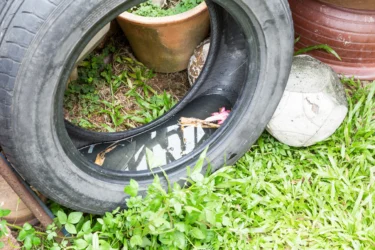
The mosquitoes that spread dengue breed in stagnant water and are found in everyday objects such as discarded tyres, plastic containers, flowerpots, septic tanks, and pet water bowls. Reducing the available breeding sites for these mosquitoes by regularly clearing out standing water can help reduce mosquito breeding and lower the risk of dengue transmission. Since Aedes mosquitoes often prefer clean, stagnant water to lay eggs in, it is important to clean potential breeding areas at least once a week3 and ensure that water storage containers are properly covered.

The mosquitoes responsible for transmitting dengue are most active around dawn and dusk. To keep them out, fit your doors and windows with fine mesh screens. Make sure the screens have no holes and keep them closed during peak mosquito hours4.
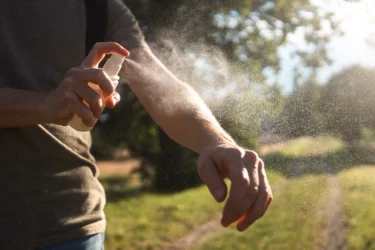
Using mosquito repellents can help reduce the risk of mosquito bites, especially in tropical regions or crowded areas where the risk of bites is higher. Apply creams or sprays containing 10–30% DEET, picaridin, or IR3535 when travelling or even while indoors5. For children and infants, use only age-appropriate mosquito repellents and follow the product label carefully. You can opt for mosquito patches, bands, or wipes from reputable brands. Avoid applying repellents directly to their hands or face.

To reduce the risk of mosquito bites, wear long-sleeved clothing, full-length trousers, socks, and covered shoes, especially in areas where dengue is common. Light-coloured clothing is recommended, as dark colours tend to attract mosquitoes3.
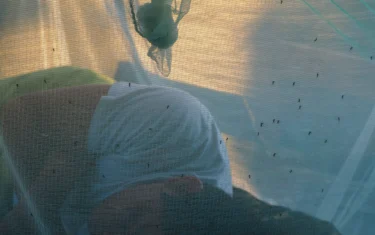
Sleeping under the mosquito net can provide an extra layer of protection from mosquito bites for you and your children6.
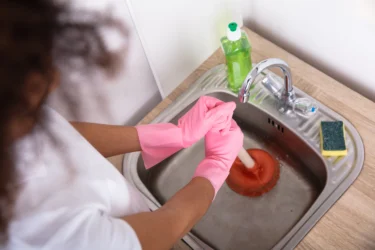
Clean and unclog drains, roof gutters, and water pipes around your home regularly. Cover all vessels and drums that are used to store water. These areas can collect stagnant water, creating breeding grounds for mosquitoes7.

Mosquitoes often gather in dark, damp areas, so keeping your home well-lit and well-ventilated can help reduce mosquitoes in the house. Allow natural sunlight into your rooms and ensure proper airflow. Lighting camphor in a closed room for about 30 minutes on alternate days may help repel insects; however, this should not be used as a substitute for proven mosquito prevention measures.

Dengue fever isn’t limited to indoor environments; it can also occur outdoors, such as during camping trips on humid days or walks in wooded areas after rainfall. Plan your outings according to the weather and carry essential mosquito protection with you, including repellent creams, long-sleeved clothing, and netted sleeping bags. Taking these precautions can help reduce your risk of mosquito bites when you’re outside8.
When it comes to dengue, kids and adults may present with symptoms differently and may require distinct care strategies. Here is a breakdown of how dengue guidance differs for kids versus adults.
| Feature | DEET | Picaridin | Natural Repellents |
| Protection against dengue mosquitoes | Effective when used as directed | Effective when used as directed | May provide limited protection |
| Typical protection time | 4 – 8 hours | 4 – 8 hours | 1 – 3 hours |
| Recommended concentration | 10 – 30% | 10–20% | Usually, herbal or citrus scent |
| Skin feel | Slightly Oily | Light, non-greasy | Light |
| Odour | As per the product label | Minimal odour | Usually herbal or citrus scent |
| Suitable for children | Yes, when used as directed | Yes, when used as directed | Varies by ingredient and age |
| Best Use | High-risk dengue areas and prolonged outdoor exposure | Daily use and prolonged outdoor protection | Short-term outdoor use or as an additional layer of protection |
Note: Natural repellents may provide some protection against mosquito bites, but their effectiveness and duration of action can vary considerably. Follow product instructions carefully and reapply as recommended.
Since the Aedes mosquito thrives both indoors and outdoors. Here are some tips that you can follow to prevent mosquito breeding.
Also Read: What Is Hantavirus? Symptoms, Causes, & Effective Prevention
Seek immediate medical attention if you or a family member develops symptoms suggestive of dengue, especially if you live in or have recently travelled to an area where dengue is common. Seek immediate medical care if any of the following warning signs occur:
These symptoms may indicate a serious form of dengue requiring urgent care.
Also Read: Diabetes Can Make Dengue More Lethal!
Consult a doctor promptly if you suspect dengue. A healthcare professional can confirm the diagnosis through blood tests and rule out other possible causes. If someone in your household is affected, the risk of others getting infected increases, as mosquitoes can transmit the virus from one person to another. Thus, prevention is still the best defence against dengue. By adopting the simple, practical steps listed above, you can significantly reduce your risk of contracting dengue and help protect your family and community.
Also Read: Dengue: The Silent Threat of the Monsoon Season
There is no instant cure for Dengue Fever, but recovery improves with rest, plenty of fluids, and nutritious food. Use paracetamol for fever if advised by a doctor, and avoid self medication of aspirin or ibuprofen because they can increase bleeding risk. If symptoms worsen or warning signs of severe dengue develop, seek medical attention promptly.
Light, nutritious foods such as fruits, soups, khichdi, eggs, dal, curd, and boiled vegetables may help support recovery from Dengue Fever. Foods rich in protein, vitamin C, and fluids are especially helpful.
Hydration is very important in dengue fever. ORS, coconut water, clear soups, water, and fresh fruit juices may help maintain fluid and electrolyte balance.
Most people recover completely from dengue fever within 1–2 weeks with proper care and hydration. However, severe dengue can become life-threatening if not treated early.
During dengue fever, avoid oily, fried, spicy, and heavily processed foods as they may worsen nausea and digestion. Alcohol and unnecessary medications should also be avoided.
Signs of recovery from dengue fever include reduced fever, improved appetite, better energy levels, and stable hydration. Platelet counts and overall weakness also gradually improve.
Disclaimer: The information provided here is for educational/awareness purposes only and is not intended to be a substitute for medical treatment by a healthcare professional and should not be relied upon to diagnose or treat any medical condition. The reader should consult a registered medical practitioner to determine the appropriateness of the information and before consuming any medication. PharmEasy does not provide any guarantee or warranty (express or implied) regarding the accuracy, adequacy, completeness, legality, reliability or usefulness of the information; and disclaims any liability arising thereof.
Links and product recommendations in the information provided here are advertisements of third-party products available on the website. PharmEasy does not make any representation on the accuracy or suitability of such products/services. Advertisements do not influence the editorial decisions or content. The information in this blog is subject to change without notice. The authors and administrators reserve the right to modify, add, or remove content without notification. It is your responsibility to review this disclaimer regularly for any changes.
 99
99  36
36


