
You might have seen spring onions growing in the home kitchen gardens. It is one of the plants that is grown throughout the year (perennial plant) and cultivated all over the globe. Spring onions are used in flavoring food and used in the preparation of soups and salads1. Spring onion strongly resembles an onion, but there are a few key differences. The spring onion does not develop a full bulb like onions, it has a smaller bulb. The plant stops growing and the leaves wither away during the beginning of the winter season. It originated in Asia and is common in Northeast India1. The scientific name given to spring onions is Allium fistulosum, and it belongs to the family Alliaceae. You might be familiar with some of the species like onions, garlic, chives, leeks, etc., which belong to this genus and are important as medicinal plant. It might have potential health benefits, and we will discuss it in the following sections1.
Following the nutrients present in 100g of spring onion2
The following vitamins are present in spring onion
The following properties might be exhibited by spring onion
Recently, I came across a study that states spring onions might promote bone growth. Spring onions are said to have a rich source of minerals such as magnesium, iron, calcium, and potassium that might maintain healthy bones, and promote their growth3.
Dr. Rajeev Singh, BAMS
Spring onion might be helpful to humans in different ways, and the following are the potential uses of spring onion:
Studies showed that spring onions may contain different phenolic compounds, and these phenolic compounds may help in the antioxidant activity of spring onions. The antioxidant activity of the spring onions may neutralize the free radicals. Free radicals may increase the oxidative stress in the body which leads to the development of various diseases, mainly caused by damage to tissues and cells. The antioxidants present in spring onions might help in reducing oxidative stress. However, more research is required to claim the effectiveness of spring onions3.
Studies have shown that spring onion might have the potential to inhibit the growth of bacteria. It might be effective against bacteria like S. aureus, E. coli, and P. aeruginosa. Hendrich hypothesised that the antibacterial activity of onion might be due to the presence of flavonoids and polyphenols in it. Furthermore, Jeffery et al. and Pursseglove et al.8 showed that this potential anti-bacterial activity of spring onion might increase with its concentration. However, such claims need to be proved by further research3.
Erkin et al. found in their study that onion extract might have potential activity against the fungus Aspergillus niger. Similarly, in various studies, it was found that onion extract might have potential activity against A. niger and A. parasiticus. Kim’s research5 showed that green onion might have the ability to decrease the growth of various fungi. However, such claims need to be proved by further research3.
Spring onions may contain various bioactive components. Chisty et al. study9 found that these bioactive components like thiosulphinates and capaenes might act as an anti-inflammatory agent. However, these claims need to be further proven by more research3. Do not self-medicate in case of less immunity power.
Spring onions may contain different phenolic compounds and these phenolic compounds may help relieve pain. Tsanova’s research7 found that spring onions may help in rheumatic arthritis and osteoarthritis by decreasing pain and inflammation. However, much more extensive research is needed to scientifically back-up these claims. Kindly ensure to consult a doctor for conditions such as arthritis and do not self-medicate.
In a study6 conducted by Wagner, it was found that spring onions might help in altering histamine release and may help in reducing asthma. Another study by Tsonava et al.7 supported the findings of this study that, polyphenols present in spring onions might have a positive effect on asthma. However, these reports need to be further studied in detail. Therefore, kindly do not self-medicate and ensure that you consult a doctor.
Spring onions may suppress the tumour cells and may act as an anticancer agent. The bioactive compounds present in the spring onions may inhibit inflammatory, cellular, and molecular markers which are involved in apoptosis (Cell death). Therefore, spring onion might have an anti-cancer potential against colon tumours. However, more extensive research is required to explore the potentiality of spring onion. Cancer is a serious condition and must be diagnosed and treated properly by a doctor3.
Though there are studies that show the potential uses of spring onion in various conditions, these are insufficient, and there is a need for further studies to establish the true extent of the benefits of spring onion on human health.
From my knowledge, spring onions might be your ally in your weight loss journey. Ferulic acid and quercetin are two compounds found in the spring onion that help in reduction of the size and weight of the fat cells. Hence, they may play a significant role in overall body weight loss3.
Dr. Smita Barode, B.A.M.S, M.S.
Spring onions are used all over the world for flavoring various dishes. You can use it to flavor
You must consult a qualified doctor before taking spring onions in large quantities. Do not discontinue or replace an ongoing treatment of modern medicine with an ayurvedic/herbal preparation without consulting a qualified doctor.
Spring onion is a common culinary ingredient. It is known to be high in fibre. From my research and perspective, it may aid in digestion and may relieve constipation3.
Dr. Siddharth Gupta, B.A.M.S, M.D (Ayu)
The side effects of spring onions have not been established yet, and extensive research is required to state specific side effects of spring onions.
Also Read: Brinjal (Baingan): Uses, Benefits, Side Effects and More!
No specific precautions as such need to be taken. However, one must take general precautions and confirm with a doctor whether it is safe for them to eat spring onions. Special care must be exercised by pregnant women, breastfeeding women, children, and elderly individuals when taking spring onions in large amounts.
Also Read: Lemongrass: Uses, Benefits, Side Effects and More!
No such data is available related to spring onion consumption. It is advised that you consult a doctor and confirm if it is safe for you to consume spring onions, especially if you are undergoing any treatment and are on medication for the same.
Also Read: Corn Flour: Uses, Benefits, Side Effects By Dr. Rajeev Singh
Spring onion might be good for health as it might potentially have antioxidant, anti-platelet activity, anti-thrombotic, anti-diabetic, anti-inflammatory, anti-asthmatic, anti-cancer, and anti-microbial properties. However, more research is required to ascertain these possible effects of spring onions3,4.
There are no valid reports regarding the effects of spring onion on hair. There is a need for more research on this subject.
The potentiality of spring onion for skin has not been explored, therefore, there is lacking information on this subject.
Vitamin A, B1, B2, B3, B5, B6, C, E and K may present in spring onion2.
No. Spring onion and onion belong to the same genus Allium and have many similarities but are different species. The main difference is that the bulb of a spring onion is smaller compared to that of an onion1.
1. Aslam Z, Akhtar S, Imran M, Nadeem M, Gilani S, Elnashar M, et al. Antioxidant activity, anti-inflammatory activities, anti-cancer, and chemical composition of spring onion (Allium Fistolium) extracts. Res J Pharm Biol Chem Sci. 2017;8:1880–90. Available from: https://www.researchgate.net/publication/330410620_Antioxidant_Activity_Anti-Inflammatory_Activities_Anti-Cancer_and_Chemical_Composition_of_Spring_Onion_Allium_Fistolisum_Extracts
2. Arulselvan P, Wen CC, Lan CW, Chen YH, Wei WC, Yang NS. Dietary administration of scallion extract effectively inhibits colorectal tumor growth: cellular and molecular mechanisms in mice. PLoS One [Internet]. 2012;7(9):e44658. Available from: http://www.ncbi.nlm.nih.gov/pubmed/23024755
3. Mandey JS, Sompie M, Pontoh CJ, Rarumangkay J, Wolayan FR. Nutrients and phytochemicals of Welsh onion (Allium fistulosum L.) and their importance in nutrition of poultry in the future – a review. Scientific Papers. Series D, Animal Science. 2022;LXV(1):35-44. Available from: https://animalsciencejournal.usamv.ro/pdf/2022/issue_1/Art23.pdf
4. Goyal R, et al. Comparative analysis of nutritional, functional, and phytochemical attributes of different parts (bulb, pseudostem, leaves) of spring onion varieties. Food Chemistry. 2025;[ahead of print]. doi:10.1016/j.foodchem.2025.xxx. Available from: https://www.sciencedirect.com/science/article/abs/pii/S2212429225004158
5. Kim SH, Yoon JB, Han J, Seo YA, Kang BH, Lee J, Ochar K. Green Onion (Allium fistulosum): An Aromatic Vegetable Crop Esteemed for Food, Nutritional and Therapeutic Significance. Foods. 2023 Dec 16;12(24):4503. PMCID: PMC10742967. PMID: 38137307. Available from: https://pmc.ncbi.nlm.nih.gov/articles/PMC10742967/
6. Dorsch W, Wagner H, Bayer T, Fessler B, Hein G, Ring J, Scheftner P, Sieber W, Strasser T, Weiss E. Anti-asthmatic effects of onions. Alk(en)ylsulfinothioic acid alk(en)yl-esters inhibit histamine release, leukotriene and thromboxane biosynthesis in vitro and counteract PAF and allergen-induced bronchial obstruction in vivo. Biochemical Pharmacology. 1988 Dec 1;37(23):4479-86. doi:10.1016/0006-2952(88)90663-6. PMID: 2462422. Available from: https://pubmed.ncbi.nlm.nih.gov/2462422/
7. Emran TB, Eva TA, Zehravi M, Islam F, Khan J, Kareemulla S, Varuna NNV Arjun, Balakrishnan A, Taru PP, Nainu F, Salim E, Rab SO, Nafady MH, Wilairatana P, Park MN, Kim B. Polyphenols as Therapeutics in Respiratory Diseases: Moving from Preclinical Evidence to Potential Clinical Applications. Int J Biol Sci. 2024 Jun 3;20(8):3236-3256. PMCID: PMC11186353. doi:10.7150/ijbs.93875. Available from: https://pmc.ncbi.nlm.nih.gov/articles/PMC11186353/
8. Sharma K, Mahato N, Lee YR. Systematic study on active compounds as antibacterial and antibiofilm agent in aging onions. J Food Drug Anal. 2017 Jul 26;26(2):518-28. doi:10.1016/j.jfda.2017.06.009. PMCID: PMC9322202; PMID: 29567221. Available from: https://pmc.ncbi.nlm.nih.gov/articles/PMC9322202/
9. Marefati N, Ghorani V, Shakeri F, Boskabady MH, Kianian F, Rezaee R, Boskabady M. A review of anti-inflammatory, antioxidant, and immunomodulatory effects of Allium cepa and its main constituents. Pharmaceutical Biology. 2021 Dec;59(1):287-302. doi:10.1080/13880209.2021.1874028. PMCID: PMC7919894. PMID: 33645419. Available from: https://pmc.ncbi.nlm.nih.gov/articles/PMC7919894/
Disclaimer: The information provided here is for educational/awareness purposes only and is not intended to be a substitute for medical treatment by a healthcare professional and should not be relied upon to diagnose or treat any medical condition. The reader should consult a registered medical practitioner to determine the appropriateness of the information and before consuming any medication. PharmEasy does not provide any guarantee or warranty (express or implied) regarding the accuracy, adequacy, completeness, legality, reliability, or usefulness of the information; and disclaims any liability arising thereof.
Links and product recommendations in the information provided here are advertisements of third-party products available on the website. PharmEasy does not make any representation on the accuracy or suitability of such products/services. Advertisements do not influence the editorial decisions or content. The information in this blog is subject to change without notice. The authors and administrators reserve the right to modify, add, or remove content without notification. It is your responsibility to review this disclaimer regularly for any changes.
 21
21
 7
7
One of the most consumed fruits in the world is bananas and bananas (Musa paradisiaca) are grown in almost every country, especially in the subtropical and tropical regions. It is produced mostly in India, followed by China, which is the second largest producer of bananas. The banana plant is the largest flowering herbaceous plant and a lot of banana flowers are produced in a single collection of bananas1,2.
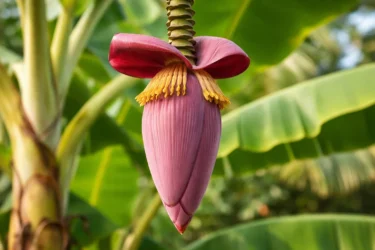
These flowers are usually considered a waste material while producing bananas, but it has high nutritional value. The flowers of bananas are huge, red, pointed flowers, some of the flowers are yellow or pink in colour. Precisely, the color of the flower can range from orange to purple and it contains pale yellow or white florets inside it. Banana flowers have many bioactive compounds and are nutty, crunchy, and starchy to taste. It might also have the potential to help with certain health conditions like diabetes, diarrhea, and cancer1. Let us discuss the importance and health benefits of the banana flower in detail.
A study conducted by Ramu et al., found in their study that the banana flower contains the following nutrients:
Sheng et al., and Elaveniya et al., found in their study that the following minerals are present in the banana flower:
Other research showed that the following bioactive compounds like alkaloids, saponins, superoxide dismutase, cardiac glycosides, steroids, and phenolic compounds might be present in the banana flower1.
From my experience, banana flowers’ approximate composition is quite astounding since they include a wide range of minerals, such as phosphorus, calcium, potassium, and magnesium. Potassium maintains muscles, and nerves, and regulates heartbeat as a vital component of bodily fluids and cells. Magnesium is a natural anti-depressant that may help lessen sadness and mood swings. It may play a protective role for the heart and may be necessary for healthy bones6.
Dr. Anuja Bodhare, B.A.M.S, M.D (Ayu)
The banana flower might possess the following properties:
As the banana flower is a rich source of various minerals and bioactive compounds. Therefore, it might be helpful for various diseases and disorders1. Some of the possible banana flower health benefits are as follows:
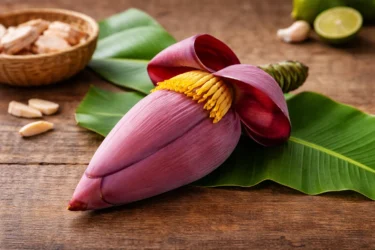
China et al. have reported that the flowers of bananas might have antioxidant properties and may help in reducing oxidative stress. It might neutralise the free radicals by protecting the cells and tissues of the body from damage. This possible antioxidant activity of the banana flower might render its potential against various conditions caused due to oxidative stress like diabetes and cancer. However, more research is required to prove its possible effects2.

Researchers found that the banana flower extract might have a potential activity that inhibits the proliferation of cancer cells. It might also be a safer alternative for the further development of an anticancer drug. However, further animal and human studies are required to ascertain such claims. Moreover, a serious condition like cancer must and should be diagnosed and properly treated by a qualified doctor. Therefore, ensure that you consult a doctor2.

In a study2 conducted by Pari and Uma-Maheshwari, it was seen that the banana flower extract might have the potential to decrease blood glucose levels. It may also help in reducing the level of glycated haemoglobin (glucose attached haemoglobin), which is used as a measure of glucose control over a few months. Therefore, the banana flower might be helpful for diabetes, and more studies are required to claim these properties. Moreover, a serious condition like diabetes must be properly diagnosed and treated by a doctor; kindly consult a doctor and do not self-medicate.
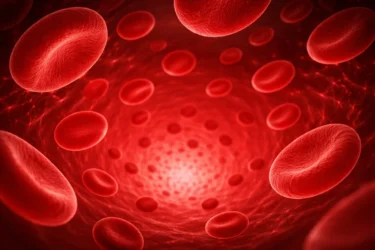
Haemoglobin is an iron-containing protein that is present in the blood and helps in the transportation of oxygen to cells. It was seen in several studies that the banana flower is a rich source of iron and fiber which might help raise the haemoglobin level in the blood. Further studies are required to confirm the rise in haemoglobin levels due to the banana flower1. In case of less haemoglobin content, consult your doctor and don’t self-medicate.
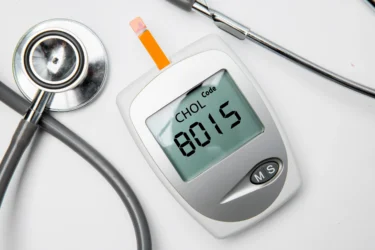
Liyanage et al. found that the banana flower might have a potential hypocholestrolaemic effect (blood cholesterol-lowering). This effect might be exhibited by it, due to the presence of unsaturated fatty acids, saponins, flavonoids, vitamin E and dietary fibre. These substances might also help in protecting the liver from damage and safeguarding it. However, more studies are needed to prove these effects1.
Banana flowers might be potentially used for the following:
More studies are necessary to explore the potentialities of the banana flower.
Though there are studies that show the potential uses of the banana flower in various conditions, these are insufficient and there is a need for further studies to establish the true extent of benefits of the banana flower on human health.
Polyphenols and flavonoids, that are strong antioxidants, are abundant in banana stem and flowers. Melanin production may be reduced by using the banana flower extract. Based on these findings, I suggest banana stems and flowers may both be used as effective depigmenting agents for gums4.
Dr. Siddharth Gupta, B.A.M.S, M.D (Ayu)
The banana flower is used for making curries in the Southern part of India and is eaten with rice and wheat bread3. Apart from this, it is also used for the development of various products due to its high nutrient content1. It is used for the preparation of the following products:
You must consult a qualified doctor before taking the banana flower or many other herbal supplements. Do not discontinue or replace an ongoing treatment of modern medicine with an ayurvedic/herbal preparation without consulting a qualified doctor.
I recently read an article that says banana flower bracts are a rich source of several nutrients and are known for their many therapeutic benefits. Apart from their medicinal benefits, they may be utilised as colouring agents. Banana blossoms are typically utilised in South India to prepare curries, chutneys, and even desserts5.
Dr. Rajeev Singh, BAMS
Also Read: Chicory (Kasani): Uses, Benefits, Side Effects and More By Dr. Smita Barode
There are no specific side effects of banana flowers reported yet. More research is required to render it completely safe for human use. Therefore, if you notice any abnormality in eating banana flowers, you should immediately consult a doctor.
I recently read an article which described a study conducted on rats that says rats who were fed the banana blossom diet gained less weight than those fed the cholesterol-enriched control diet, which may confirm that consumption of banana flowers may aid in weight loss6.
Dr. Smita Barode, B.A.M.S, M.S.
Also Read: Cluster Beans: Uses, Benefits, Side Effects By Dr. Siddharth Gupta
General safety precautions should be taken, and a doctor should be consulted before eating banana flowers. The effects of eating banana flowers during pregnancy and for children have not been reported yet. Therefore, you should consult a doctor before consuming banana flowers.
Also Read: Green Peas: Uses, Benefits, Side Effects and More!
Adverse reactions of banana flowers with any specific drug have not been reported. However, banana flowers may alter the action of certain drugs which has to be explored by further research. Therefore, you should consult a doctor before eating banana flowers especially if you are undergoing any treatment and are on medication.
Also Read: Red Chilli: Uses, Benefits, Side Effects By Dr. Smita Barode
Banana flowers might help in reducing diabetes, fighting against cancer, reducing oxidative stress, reduce cholesterol levels and ulcers. However, more research is required to prove these effects. Therefore, you must consult a doctor before using banana flower for the above-mentioned conditions1,2.
Yes, the banana flower is edible. It is highly nutritious and might be helpful for various health conditions1.
The banana flower can be used to make curries and be eaten with rice or wheat bread. It is used in the production of dried slices, flour, RTC (ready-to-cook) products, humus, and sisig (ginger, onion, banana flower, coconut powder, and salt)1,3.
Various nutrients like protein (19.60%), fibre (70%) and carbohydrates (53.78%) are present in the banana flower. It contains various minerals like iron, sodium, potassium, phosphorous, zinc etc. and several bioactive compounds like saponins, tannins, cardiac glycosides, etc1.
There are no reports regarding the positive effects of banana flowers on skin. Therefore, there is a need for more studies on this subject.
Yes, the banana flower may be eaten by diabetic patients. It might reduce blood sugar levels in them and it is advised to consult a doctor before consuming banana flowers2.
Disclaimer: The information provided here is for educational/awareness purposes only and is not intended to be a substitute for medical treatment by a healthcare professional and should not be relied upon to diagnose or treat any medical condition. The reader should consult a registered medical practitioner to determine the appropriateness of the information and before consuming any medication. PharmEasy does not provide any guarantee or warranty (express or implied) regarding the accuracy, adequacy, completeness, legality, reliability or usefulness of the information; and disclaims any liability arising thereof.
Links and product recommendations in the information provided here are advertisements of third-party products available on the website. PharmEasy does not make any representation on the accuracy or suitability of such products/services. Advertisements do not influence the editorial decisions or content. The information in this blog is subject to change without notice. The authors and administrators reserve the right to modify, add, or remove content without notification. It is your responsibility to review this disclaimer regularly for any changes.
13
1
Soybean is a legume that is a nutritionally, and economically important crop considered one of the major sources of oil. The scientific name of soybean is Glycine max and around 5000 years ago China cultivated it for the first time. Soya beans are a rich source of proteins, vitamins, minerals, low saturated fats, and fibers. The presence of these many biologically active compounds made use of the soybean in the pharmaceutical industry to make medicine and other dietary products1. Soybean is cultivated as the major oil seed crop and let us discuss the importance and health benefits of soybeans.
Did you know?
Soybean contains a variety of nutrients that are given as follows:
The constituents present in soybeans may have the following properties:
Some of the potential uses of soybeans have been described as follows:
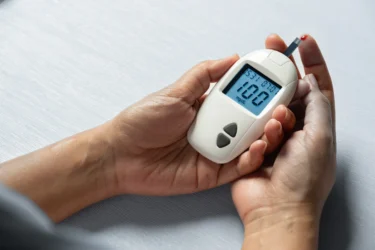
Soybean may act as an antidiabetic agent and may help in reducing renal disorders. Soybeans may help in reducing the increased protein content by replacing animal proteins with soybean plant proteins. Soybean plant protein may help in renal hyperfiltration and may reduce renal disease in diabetes type 2. Soybeans contain isoflavonoids and stigmasterol which may act as antidiabetic agents by targeting glucose transporters1,2. However, consult your doctor for a proper diagnosis in case of high blood sugar.

Regular intake of soybeans as a part of a regular diet may reduce the risk of cancer. The constituent of soybean that may be responsible for its anti-cancer effect is isoflavone. Soybean may be used for breast, prostate, and colon cancer due to its anti-proliferative properties (property of inhibiting the growth of cancerous cells). However, further studies are required to check the effect of soybeans on cancer in humans3. Cancer is a serious disease therefore, it is essential to get it diagnosed and go for proper treatment instead of self-medication.
Soybeans are comprised of chemicals, saponins, which are believed to have an anticancerous potential. Besides other health benefits, soybeans may offer protection against cancer6.
Dr. Siddharth Gupta, B.A.M.S, M.D (Ayu)
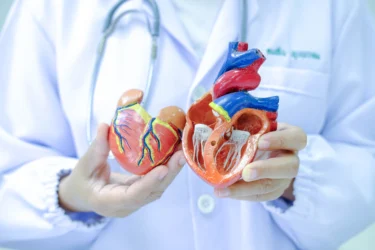
The diseases that affect the heart and the blood vessels are cardiovascular diseases. Coronary heart disease, coronary artery disease and hypertension are a few examples of cardiovascular disease. Isoflavone and phytosterols, present in soybean may play a major role in cardiovascular diseases by lowering cholesterol levels3. Heart diseases can be dangerous therefore, if you should get diagnosed, get proper medical help and special precautions shall be taken if you have a history of heart disease.
Soybeans are an important part of the diet of Japanese people. The ratio of heart diseases in Japanese people is low, which can be attributed to the isoflavones present in the soy diet consumed by them in large amounts9.
Dr. Anuja Bodhare, B.A.M.S, M.D (Ayu)

Osteoporosis refers to weaker, brittle bones and joints, which generally happens in older women. Isoflavones in soybean may be used for osteoporosis as they may maintain bone mineral density3. However, further studies are required to check the effect of soybean on osteoporosis in humans. You must consult your doctor if you are experiencing joint pain and take proper treatment instead of self-medicating.
Soybeans have plenty of nutrients which make your bones stronger such as calcium, magnesium, phosphorus, vitamin D, proteins. This makes soybeans particularly good for the bones7.
Dr. Rajeev Singh, BAMS

Soybean is a good source of protein and regular intake of soybeans in your diet may help in taking less food in humans which, may help in lowering obesity. Studies in animals and humans have shown that soy proteins may reduce body weight and body fat mass3. However, you must consult a nutritionist before making any changes in your diet.

The high protein content of soybeans may help maintain proper blood pressure. Soy protein is generally hypotensive that is, it may help to reduce blood pressure4. However, further studies are required to check the effect of soybeans on lowering blood pressure in humans. You must check your blood pressure and consult a doctor if your blood pressure is not within the normal range.
The intake of soybeans may play a role in keeping blood sugar levels under control during pregnancy. The isoflavones in soy products are implicated in the regulation of glucose metabolism, keeping blood glucose levels within normal range8.
Dr. Smita Barode, B.A.M.S, M.S.

Isoflavones present in soybeans may help to improve overall skin health. Soybeans may increase collagen synthesis, a protein that may improve the skin elasticity, and water-holding capacity of the skin, reducing pigmentation, and wrinkles4. However, you must consult a doctor if you see any abnormality in your skin instead of self medicating.

Soybean may be beneficial in managing depression and Isoflavones present in soybean may have anti-depressant properties. Studies have shown that the consumption of soybeans may reduce depressive symptoms4. However, further studies are required to check the anti-depressant properties of soybeans. You must consult a psychiatrist if you have depression or depressive symptoms.
Though there are studies that show the benefits of soybeans in various conditions, these are insufficient and there is a need for further studies to establish the true extent of the benefits of soybeans on human health.
Soybeans can be eaten as a part of the diet and cooked before eating. Soybeans are used in the preparation of soups, salads, and stews.
You must consult a qualified doctor before taking soybeans in large quantities. Likewise, do not discontinue or replace an ongoing modern medical treatment with an ayurvedic/herbal preparation without consulting a qualified doctor.
Also Read: Tofu: Uses, Benefits, Side Effects By Dr. Smita Barode
The side effects of soybeans may include:
Also Read: Rajma (Kidney Beans): Uses, Benefits, Side Effects By Dr. Rajeev Singh
The following precautions shall be taken before consuming soybean:
Soybeans seem to be a perfect food for vegetarians, but you should be cautious of the harmful effects of soybeans in certain conditions like allergy to soy products, pregnancy, thyroid disease or breast cancer10.
Dr. Ashok Pal, BAMS
Soybean may interact with levothyroxine (which is a medication used to treat hypothyroidism)4.
You must consult your doctor before consuming soybeans if you are undergoing medical treatment.
Also Read: Besan: Uses, Benefits, Side Effects By Dr. Rajeev Singh
Soybean may be used to treat diabetes, cancer, cardiovascular diseases, weight management, lowering blood pressure, improving skin health and manage depression1,3,4.
Side effects of soybeans may include allergy, constipation and diarrhoea5.
Soybean may help to reduce body weight and body fat due to the presence of a high number of proteins3.
No, there are no studies that show the use of soybean for acne.
The advantages of soybean include its uses in the treatment of diabetes, cancer, cardiovascular diseases, weight management, lowering blood pressure, improving skin health and managing depression1,3,4. Its disadvantages include its side effects like allergy, constipation and diarrhoea5.
Disclaimer: The information provided here is for educational/awareness purposes only and is not intended to be a substitute for medical treatment by a healthcare professional and should not be relied upon to diagnose or treat any medical condition. The reader should consult a registered medical practitioner to determine the appropriateness of the information and before consuming any medication. PharmEasy does not provide any guarantee or warranty (express or implied) regarding the accuracy, adequacy, completeness, legality, reliability or usefulness of the information; and disclaims any liability arising thereof.
Links and product recommendations in the information provided here are advertisements of third-party products available on the website. PharmEasy does not make any representation on the accuracy or suitability of such products/services. Advertisements do not influence the editorial decisions or content. The information in this blog is subject to change without notice. The authors and administrators reserve the right to modify, add, or remove content without notification. It is your responsibility to review this disclaimer regularly for any changes.
29
1
Besan plays a major role in Indian cooking and is used in preparing different dishes across the country. Besan is prepared by grounding dried chickpeas into a fine powder which is a good source of proteins, fibre, essential amino acids and carbohydrates. Besan (chickpea) scientific name is Cicer arietinum L. and common ingredient in the kitchen. India, Turkey, Iran, USA, Mexico, Myanmar, Australia, Pakistan and Canada are the major producers of chickpea in which India stands top1. Let us discuss more besan and its importance in day to day life.
Besan or chickpea flour is a rich source of carbohydrates, fibre, sugars and proteins. It also contains plenty of minerals and vitamins.
Minerals:
Vitamins:
Mixing besan in bakery product dough! It is possible to produce bakery products with high nutritional values by using besan in bread recipes7.
Dr. Rajeev Singh, BAMS
The properties of Besan are given as follows.
The variety of nutrients and phytochemicals may show potential uses against many disease conditions. Below are some potential uses of besan reported by animal and lab studies.
Besan contains a high amount of dietary fibre which may help lower the total cholesterol levels in the blood. The reduction in the total cholesterol levels may help in preventing heart diseases. Maintaining chickpeas in our regular diet may help in reducing blood pressure due to its high PUFA (polyunsaturated fatty acids)1. However, large scale human trials are required to support the use of besan against heart diseases in humans. Therefore, you must adhere to the doctor’s treatment.

A short chain fatty acid (SCFA), butyrate is present in chickpea and might have induced apoptosis (Cell death). The besan may help in downregulating the risk of colorectal cancer, prostate cancer and lung cancer1. More research is needed to support the use of besan against cancer in humans. Talk to your healthcare provider before you use besan for its health benefits.
The high amount of dietary fibre in besan manages body mass index (BMI). The digestion of fibre takes more time in the stomach, and it feels heavy in our stomach. Chickpeas are foods with a low glycemic index, and this may help in managing weight1. However, you are required to talk to a dietician or nutritionist as they will be able to guide you about the benefits and limitations of each diet.
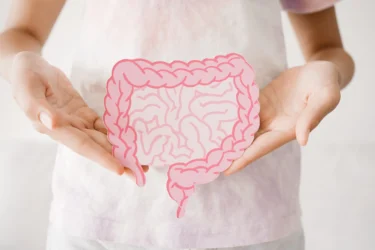
Consumption of besan is associated with increased dietary fibre intake. High dietary fibre intake is associated with improved bowel movement, increased frequency, and ease of defecation1. Therefore, adding besan to your diet may help to facilitate a good bowel movement. However, if you are struggling with bowel problems, reach out to your healthcare provider and get a proper diagnosis. Using any natural remedy without consulting a doctor can worsen the situation.

Besan contains a high amount of resistant starch, and these starches are digested slowly, causing a reduced rise in blood glucose levels. The low glycemic index (tendency to cause a lower spike in blood glucose) of besan is an important factor that may help prevent and reduce the severity of type 2 diabetes. Adding besan to a regular diet may be a good way to manage and prevent type 2 diabetes1. However, diabetes is a serious disease that requires you to strictly adhere to the doctor’s advice and treatment. Reach out to your healthcare provider before using any natural remedy for diabetes.
Though studies show the benefits of besan in various conditions, these are insufficient, and there is a need to conduct further studies to know the extent of the benefits of besan on human health.
Other than medicinal uses, Besan might be used to enhance beauty as well. It has several benefits for both skin and hair. It is believed to lessen pigmentation on the skin and reduce skin oiliness, making it a potentially effective anti-pimple agent. It might act as a topically applied fairness agent since it lightens skin tone8.
Dr. Smita Barode, B.A.M.S, M.S.
There are several ways to use besan in cooking.
You must consult a qualified physician before taking besan or other herbal supplements. Likewise, you should not discontinue or replace an ongoing medicinal treatment with an ayurvedic/herbal preparation without consulting a qualified doctor.
One of the medicinal and anti-inflammatory properties of besan might include treating skin rashes due to mites6.
Dr. Siddharth Gupta, B.A.M.S, M.D (Ayu)
Besan is rich in dietary fibre. A sudden rise in the daily fibre intake may cause abdominal pain and gas. Therefore, increase your fibre intake slowly to avoid side effects4.
Also, before using any natural ingredient as a medicine, talk to a healthcare provider about the possible side effects associated with its use.
Here are some precautions you need to consider when using besan.
In comparison to other pulses, gas production is higher after the consumption of chickpeas. Hence products made from besan, might also lead to gas production1.
Also Read: Rajma (Kidney Beans): Uses, Benefits, Side Effects By Dr. Rajeev Singh
There is a lack of information reporting the interaction of besan with other drugs. However, if you are taking medicine for any health condition, talk to a healthcare provider about the possible interactions of the treatment with other medications and common ingredients. This will help you make well informed choices and avoid unwanted herb drug interactions.
Also Read: Shea Butter: Uses, Benefits, Side Effects By Dr. Rajeev Singh
Besan may have many essential nutrients if involved in a regular diet. Besan may also help you manage blood glucose levels, facilitate good bowel movement, improve heart health and offer anticancer properties. These properties of besan have been observed through several studies and trials1. More research is required to support the use of besan for its health benefits. Therefore, if you are suffering from any condition, talk to a qualified healthcare provider first.
Besan is good for weight loss. The high fibre content, low glycemic index and presence of resistant starches that digest slowly may help you manage and lose weight1. However, if you want to lose weight, it is better to talk to a dietician or doctor before making major changes to your regular diet.
Besan is high in dietary fibre. A sudden increase in the daily fibre intake can give you abdominal pain and flatulence (gas)4. Therefore, you are advised to consume besan in moderation. Also, if you want to use besan for its health benefits, talk to a healthcare provider first and get a proper diagnosis.
Besan is considered to have a low glycemic index, which causes a lesser blood glucose spike. Also, it contains resistant starches that are digested slowly which, keeps you full for a longer period and reduces food intake1. These properties make besan a safe choice for diabetic people. However, avoid using natural remedies for diabetes without consulting with a healthcare provider.
There are no reports regarding the effects of besan on high blood pressure. There is a need for more studies on this subject.
Disclaimer: The information provided here is for educational/awareness purposes only and is not intended to be a substitute for medical treatment by a healthcare professional and should not be relied upon to diagnose or treat any medical condition. The reader should consult a registered medical practitioner to determine the appropriateness of the information and before consuming any medication. PharmEasy does not provide any guarantee or warranty (express or implied) regarding the accuracy, adequacy, completeness, legality, reliability or usefulness of the information; and disclaims any liability arising thereof.
Links and product recommendations in the information provided here are advertisements of third-party products available on the website. PharmEasy does not make any representation on the accuracy or suitability of such products/services. Advertisements do not influence the editorial decisions or content. The information in this blog is subject to change without notice. The authors and administrators reserve the right to modify, add, or remove content without notification. It is your responsibility to review this disclaimer regularly for any changes.
11
2
Pine nuts are being consumed in the Mediterranean region for over 2000 years. Commercial pine nuts are largely obtained from Pinus pinea. However, seeds from other plants such as Pinus koraiensis and Pinus gerardiana are also eaten worldwide. The composition of pine nuts varies from species to species and depends on the climatic conditions and geographical location. They are a rich source of nutrients and might be beneficial for human health in various aspects. Detailed description is given in the following sections1.
Did you know?
Pine nuts contain an energy of 673 kcal. The nutrients present in 100g of pine nuts are as follows1:
Vitamins present in pine nuts are as follows:
Pine nuts might have the following properties:
Recently, I stumbled upon a study9 that shows that pine nuts might trigger the release of gut hormones involved in bringing satiety, such as cholecystokinin (CCK) and glucagon-like peptide-1 (GLP-1). This may result in a decrease in appetite and food intake, suggesting that pine nuts might act as a natural appetite suppressant.
Dr. Rajeev Singh, BAMS
The composition and the nutrients present in it might change depending on the geographical location and climatic condition. However, they do contain vitamins, minerals, and various other compounds which might aid human health. Some of the potential health benefits of pine nuts are as follows.
An animal study2 showed that pine nuts might have the potential to lower lipid levels in the blood. It was also stated that pine nuts might also affect the metabolism of lipoprotein. Pine nuts are rich in nutrients, and vitamins with less cholesterol. However, more studies on humans are required to prove these possible effects.
Peanuts are a rich source of minerals, proteins, and vitamins. Regular consumption or including peanut in the diet reduce the food intake. Few studies3 showed that pea nuts may maintain proper weight and may control the blood sugar levels in the body. However, further research is required to claim that peanuts are in weight management.

A study1 showed that eating pine nuts might help reduce the level of fat in the blood and may also decrease the incidence of atherosclerosis (deposition of fat material in the human body) and coronary heart diseases. Pine nuts also contain flavonoids and consumption of peanuts might help reduce the risk factors of heart diseases. It might also promote the relaxation of blood vessels and the free flow of blood. However, kindly ensure that you consult a doctor for heart conditions to receive proper treatment. Do not self-medicate.

A few studies4 have shown that the potential use of pine nuts for heart diseases might be due to its possible effects on the blood vessels. Pine nuts might help reduce systolic blood pressure. It might also help improve the endothelial function (lining of blood vessels), may reduce the plasma viscosity (allows better blood flow) and may reduce the plasma fibrinogen (a factor causing blood clots). All these factors may help in controlling blood pressure. However, consult a doctor in case of high blood pressure and do not self-medicate.
Researchers5 have noted that pine nuts extracts might have the potential to lower blood glucose levels. This activity might be due to the presence of proteins, vitamins, and antioxidant activity in pine nuts. However, these effects need to be further evaluated by conducting more studies. Furthermore, conditions such as diabetes need to be diagnosed and treated properly by a doctor. Kindly consult a doctor and do not self-medicate.
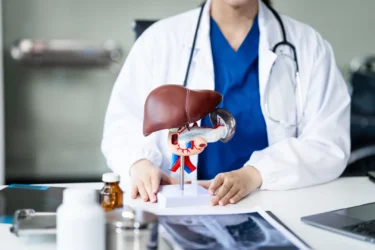
It was seen in certain animal studies6 that pine nut extracts might help improve liver function tests. This might be due to the antioxidant activity of pine nuts. There seemed to be an improvement in the structure of liver cells on the administration of pine nut extract too. However, these effects need to be evaluated and consulted with a doctor in case of liver infection and not self-medicate.
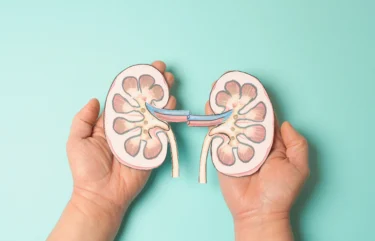
An animal study7 showed that protection of the glomeruli (Cleaning units of kidneys) and a reduction in inflammation might be due to the administration of pine nuts. This might be potentially due to the reduction of oxidative stress by the antioxidant properties of the pine nuts. Therefore, pine nuts might help protect the kidney and might exhibit a reno-protective property.
Though there are studies that show the potential uses of pine nuts in various conditions, these are insufficient and there is a need for further studies to establish the true extent of the benefits of pine nuts on human health.
From what I have seen, pinolenic acid (PNLA), derived from pine nuts, may show benefits as a dietary supplement for addressing chronic inflammatory and immune diseases. It exhibits potential benefits in managing these conditions and may serve as a valuable addition to a person’s nutritional regimen1.
Dr. Siddharth Gupta, B.A.M.S, M.D (Ayu)
Pine nuts can be used in the following ways:
You must consult a qualified doctor before taking pine nuts in large amounts. Do not discontinue or replace an ongoing treatment of modern medicine with an ayurvedic/herbal preparation without consulting a qualified doctor.
Also Read: Peanuts: Uses, Benefits, Side Effects By Dr. Rajeev Singh
The most common side effects of pine nuts are:
One should confirm if it is safe for them to eat pine nuts before eating them. Ensure that you are not allergic to pine nuts, as allergic reactions can be serious and might also lead to death. You should be extra cautious while giving it to children as they might be allergic to them.
It is hypothesised that some medicines like those given for controlling blood pressure (ACE inhibitors and vasodilators) might enhance the severity of anaphylactic reactions to pine nuts. Therefore, you should consult a doctor and confirm if it is safe for you to eat pine nuts before eating pine them, especially if you are taking any medication.
Also Read: Black Chana: Uses, Benefits, Side Effects By Dr. Rajeev Singh
The total energy of 673 kcal is present in 100g of pine nuts.
Pine nuts contain various nutrients such as proteins, carbohydrates, fats, sugars, vitamins (A, B, E & C), and minerals (calcium, magnesium, phosphorous, etc.).
There are no valid reports of any positive effect of pine nuts on skin. More research is required in this area.
Pine nuts might be helpful for the heart, liver, kidney, diabetes, blood pressure, etc. However, more research is required to prove these potential effects of pine nuts on human health.
Pine nuts might help in reducing the risk factors that cause heart diseases. Therefore, it might be helpful for the heart. However, kindly consult a doctor for heart-related issues. Do not self-medicate.
1. Takala R, Ramji DP, Choy E. The Beneficial Effects of Pine Nuts and Its Major Fatty Acid, Pinolenic Acid, on Inflammation and Metabolic Perturbations in Inflammatory Disorders. Int J Mol Sci. 2023 Jan 6;24(2):1171. doi: 10.3390/ijms24021171. PMID: 36674687; PMCID: PMC9861571. Available from: https://pmc.ncbi.nlm.nih.gov/articles/PMC9861571/
2. Nishi SK, Paz-Graniel I, Ni J, Valle-Hita C, Khoury N, Garcia-Gavilán JF, Babio N, Salas-Salvadó J. Effect of nut consumption on blood lipids: An updated systematic review and meta-analysis of randomized controlled trials. Nutr Metab Cardiovasc Dis. 2025 May;35(5):103771. doi:10.1016/j.numecd.2024.10.009 [published online 2024] [cited 2026 Jan 23]. Available from: https://www.sciencedirect.com/science/article/pii/S0939475324003909
3. Arya SS, Salve AR, Chauhan S. Peanuts as functional food: a review. J Food Sci Technol. 2016 Jan;53(1):31-41. doi: 10.1007/s13197-015-2007-9. Epub 2015 Sep 19. Erratum in: J Food Sci Technol. 2024 Nov;61(11):2222. doi: 10.1007/s13197-024-06021-0. PMID: 26787930; PMCID: PMC4711439. https://pmc.ncbi.nlm.nih.gov/articles/PMC4711439/
4. Kris-Etherton PM, Hu FB, Ros E, Sabaté J. The role of tree nuts and peanuts in the prevention of coronary heart disease: multiple potential mechanisms. J Nutr. 2008 Sep;138(9):1746S-1751S. doi:10.1093/jn/138.9.1746S [cited 2026 Jan 23]. Available from: https://www.sciencedirect.com/science/article/pii/S0022316622099436
5. Hosseini SA, Vali M, Haghighi-Zade MH, Siahpoosh A, Malihi R. The Effect of Chilgoza Pine Nut (Pinus gerardiana Wall.) on Blood Glucose and Oxidative Stress in Diabetic Rats. Diabetes Metab Syndr Obes. 2020 Jul 7;13:2399-2408. doi: 10.2147/DMSO.S250464. PMID: 32753924; PMCID: PMC7353998. Available from: https://pmc.ncbi.nlm.nih.gov/articles/PMC7353998/
6. Qu H, Liu S, Cheng C, Zhao H, Gao X, Wang Z, Yi J. Hepatoprotection of pine nut polysaccharide via NRF2/ARE/MKP1/JNK signaling pathways against carbon tetrachloride-induced liver injury in mice. Food Chem Toxicol. 2020;142:111490. doi:10.1016/j.fct.2020.111490 [cited 2026 Jan 23]. Available from: https://www.sciencedirect.com/science/article/abs/pii/S027869152030380X
7. Hosseinzadeh H, Khooei AR, Khashayarmanesh Z, Motamed‑Shariaty V. Antiurolithiatic activity of Pinus eldarica Medw. fruits aqueous extract in rats. Urol J. 2010 Fall;7(4):232‑237. PMID: 21170851 [cited 2026 Jan 23]. Available from: https://www.researchgate.net/publication/49695441_Antiurolithiatic_Activity_of_Pinus_Eldarica_Medw_Fruits_Aqueous_Extract_in_Rats
8. Ballin NZ. A trial investigating the symptoms related to pine nut syndrome. J Med Toxicol. 2012 Sep;8(3):278-80. doi: 10.1007/s13181-012-0216-4. PMID: 22351301; PMCID: PMC3550163. Available from: https://pmc.ncbi.nlm.nih.gov/articles/PMC3550163/
9. Rezq AA, El‑Khamisy EE. Hypolipideimic and hypocholestermic effect of pine nuts in rats fed high fat, cholesterol‑diet. World Appl Sci J. 2011;15(12):1667‑1677. [cited 2026 Jan 23]. Available from: https://www.researchgate.net/profile/Amr-Rezq-2/publication/266422897_Hypolipideimic_and_Hypocholestermic_Effect_of_Pine_Nuts_in_Rats_Fed_High_Fat_Cholesterol-Diet/links/582e367908ae102f072db750/Hypolipideimic-and-Hypocholestermic-Effect-of-Pine-Nuts-in-Rats-Fed-High-Fat-Cholesterol-Diet.pdf
Disclaimer: The information provided here is for educational/awareness purposes only and is not intended to be a substitute for medical treatment by a healthcare professional and should not be relied upon to diagnose or treat any medical condition. The reader should consult a registered medical practitioner to determine the appropriateness of the information and before consuming any medication. PharmEasy does not provide any guarantee or warranty (express or implied) regarding the accuracy, adequacy, completeness, legality, reliability or usefulness of the information; and disclaims any liability arising thereof.
Links and product recommendations in the information provided here are advertisements of third-party products available on the website. PharmEasy does not make any representation on the accuracy or suitability of such products/services. Advertisements do not influence the editorial decisions or content. The information in this blog is subject to change without notice. The authors and administrators reserve the right to modify, add, or remove content without notification. It is your responsibility to review this disclaimer regularly for any changes.
8
0
Chana has been an essential part of our diet, and people across the country enjoy it in their unique ways. Black chana is a staple ingredient in every Indian household used in the preparation of salads, soups and other side dishes. It is packed with proteins, fibre, and carbohydrates, which makes it an excellent addition to your everyday diet. The demand for black chana is growing high in which India being the largest producer of black chana, and more than 50 countries are producing it. Black chana can be more than a snack or food ingredient because of its potential uses1. Let us discuss the benefits of black chana.
Black chana has high nutritional value as it contains plenty of nutrients like carbohydrates, fibre, proteins, vitamins and minerals2.
The properties of black chana are as follows.
Black chana is rich in nutrients, which may show potential uses against many health conditions. Some of the uses of black chana are given below.
Chickpeas have a low glycemic load and a lower glycemic index with strong amylose, which digests slowly. These elements assist in avoiding unexpected spikes in blood sugar and glucose concentrations, which may help in type 2 diabetes by maintaining the overall sugar in the blood3. However, if you are suffering from a severe condition like diabetes, talk to your healthcare provider before using black chana or any herbal remedy for its benefits.
Black chana contains a substance called sterol, which structurally looks like cholesterol. It interferes with cholesterol absorption in the blood and may help in reducing blood cholesterol levels. The high fibre content and unsaturated fats may also help in managing the lipid content in the blood. These properties may help in maintaining healthy heart conditions3. However, more research is needed to support the use of black chana against heart disease. Therefore, you should stick to the doctor’s advice in case of any heart condition.
Black chana is a rich source of fibre, and these fibres give a sense of fullness in the stomach, and it takes more time to digest. The feeling of fullness helps in lower food intake, and this may lead to proper weight management3. However, if you want to lose or manage weight, you should talk to a dietitian or nutritionist. They can guide you about each diet’s risks and benefits.
Black chana contains a substance called raffinose, which is broken down by the gut bacteria into Butyrate. Butyrate is a short-chain fatty acid (SCF) which may help in reducing inflammation in the gut, maintain regularity in the intestine and keep the gut healthy. However, if you experience any problems with your gut, reach out to your doctor and get a diagnosis.
Though some studies show the potential uses of black chana in various diseases, there is a need for further studies to find the true extent of the benefits of black chana on human health.
There are many ways to make black chana a part of your diet.
You must consult a qualified doctor before consuming black chana or herbal remedies. You should not discontinue or replace an ongoing treatment of modern medicine with an ayurvedic/herbal preparation without consulting a qualified doctor.
You need to consume Kala chana in moderate amounts as they contain high fibre. Overeating fibre is associated with side effects like stomach pain and gas4.
Also, before using black chana or any herbal remedy, talk to your healthcare provider about the possible side effects associated with its use.
Also Read: Alum: Uses, Benefits & Side Effects
Some general precautions associated with the black chana are as follows.
Black chana is safe for pregnant women in normal food quantities. Black chana is a good source of fibre and folate5. However, it should not be consumed in excess in as it can cause side effects
Breastfeeding women should avoid eating black chana in excess. Instead, black chana should be consumed in moderate amounts.
Children should eat black chana under the guidance of their elders to avoid overeating. Also, black chana should be consumed in moderation by the elderly to avoid stomach problems.
Before using black chana as a medicine or for its benefits, talk to your doctor about the possible precautions associated with its use. It will help you avoid unwanted health effects.
Also Read: Methi (Fenugreek): Uses, Benefits, Side Effects, and More!
There is a lack of data on the interaction of black chana with medicines. If you are on medication or treatment for a particular disease condition, talk to your healthcare provider about the possible interaction of the treatment with other foods and medicines.
Black chana can be an excellent addition to an everyday diet due to its high nutritional value. Other potential uses of black chana may include lowering diabetes, avoiding the risk of heart diseases, weight management and maintaining proper gut health3. However, before using black chana against any health condition, talk to your healthcare provider and get a proper diagnosis.
Fibre-rich foods might be an effective way to manage weight, and black chana is a good source of fibre. Fibre provides a feeling of fullness in the stomach for a longer period, thereby reducing food intake3. However, people looking to lose or manage weight should talk to a healthcare provider or a dietitian. They will be able to guide you better.
No valid reports claim the potential effects of black chana on hair. There is a need for more research regarding this subject.
Disclaimer: The information provided here is for educational/awareness purposes only and is not intended to be a substitute for medical treatment by a healthcare professional and should not be relied upon to diagnose or treat any medical condition. The reader should consult a registered medical practitioner to determine the appropriateness of the information and before consuming any medication. PharmEasy does not provide any guarantee or warranty (express or implied) regarding the accuracy, adequacy, completeness, legality, reliability or usefulness of the information; and disclaims any liability arising thereof.
35
4
Peanuts are one of the most commonly used ingredients in various foods and are frequently eaten as a snack. You may have also seen peanuts being sold in tiny cone-shaped paper wrappers on the street, or at the beach. Peanuts also provide many by-products, such as peanut oil, peanut butter, roasted peanuts, salted and sweet peanut bars, peanut sauce, peanut milk, peanut flour, and peanut beverages. They are also used in soups, processed meat products, and various desserts1.
The scientific name of peanuts is Arachis hypogaea, and they are commonly known as groundnuts. Peanuts are classified as peas and belong to the legumes/beans family1. Peanuts are cultivated globally due to their nutritional value and widespread use.
China is the largest producer of peanuts, followed by India and Nigeria1. Peanuts have many nutritional benefits, as discussed below.
The nutrients in 100 g peanuts are as follows:
Peanuts may provide the following benefits:
Various studies have shown that eating raw peanuts or by-products of peanuts may have positive effects on health. This might be due to the various bioactive compounds like oleic acid, phytosterols, resveratrol, and arginine in them1. Some of the potential uses of peanuts for human health are as follows.
One of the studies showed that the regular intake of peanuts may help reduce the risk of type 2 diabetes. Peanuts may help in lowering blood glucose levels, possibly due to their vitamins, proteins, and fibre content. They also contain unsaturated fatty acids, which increase insulin sensitivity. In addition, peanuts have bioactive compounds such as flavonoids that inhibit glucose-6-phosphate translocase, thereby reducing glucose production in the liver and ultimately lowering blood glucose levels2,3. However, more research is needed to understand the role of peanuts in diabetes. Diabetes is a serious condition that requires proper diagnosis and treatment by a doctor, so it is important not to self-medicate and to seek medical advice.
It is suggested that the bioactive components of peanuts, like unsaturated fatty acids, tocopherol, selenium, copper, fibre, phytosterols, polyphenols, arginine, magnesium, and antioxidants in peanuts may help regulate inflammation1,4. However, additional research is necessary to prove these potential effects.
Research1 suggests that peanuts contain bioactive compounds, plant proteins, fibre, arginine, magnesium, monounsaturated fats, and potassium, which may help lower blood pressure and also help reduce the risk of heart disease and stroke. However, more studies are needed to confirm these effects. For high blood pressure, it is important to seek proper medical care and not self-medicate.
Peanuts and peanut butter may have the potential to help reduce the risk factors of heart diseases in individuals of all ages and genders and even in people with multiple risk factors like diabetes1. Peanuts may also help reduce total cholesterol level and improve blood circulation in the heart5. However, this needs to be verified by conducting extensive studies. Therefore, you should ensure that you consult a specialist for your heart disease and not self-medicate.
Several studies1 have shown that peanuts may have the potential to help with weight management. It was found that they might also have the potential to lower LDL (low-density lipoprotein) cholesterol, also known as bad cholesterol, and total cholesterol. One study found that consuming peanuts, peanut oil, and peanut butter helped maintain body weight. This suggests that peanuts may support weight reduction and could help in long-term weight management. However, further research is needed on the role of peanuts in weight management. It is advisable to consult a nutritionist before starting any weight management program.
Peanuts contain vitamin E and niacin, which may help protect the brain from Alzheimer’s disease and age-related cognitive decline. A study6 by Morris in 2004 involving over 4,000 people above 65 years suggested that niacin may help slow cognitive decline. This indicates that peanuts, which contain bioactive compounds, might play a role in reducing the risk of Alzheimer’s disease. However, more evidence is needed to confirm these effects.
People who consume peanuts and peanut butter regularly were found to have a lower risk of gallbladder disease. One study7 also showed that the regular intake of nuts like peanuts, almonds and walnuts reduced the risk of gallstones. Further research is required to confirm these findings. If you suspect a gallbladder problem, you should consult a doctor.
Bioactive compounds in peanuts, such as phytosterols, resveratrol, and arginine, may contribute to potential anti-cancer effects. Some research9 suggests that phytosterols could help reduce the size of prostate tumours and lower the chances of recurrence. However, these effects are not yet proven and require further research. Serious conditions like cancer must be properly diagnosed and treated by a doctor, so kindly consult a doctor.
Although there are studies that show the benefits of peanuts in various conditions, these are insufficient and there is a need for further research to establish the true extent of the benefits of peanuts on human health.
I suggest consuming peanuts regularly on a daily basis as they may extend your life. According to a large-scale study10, those who consumed nuts daily, including peanuts, were less likely to pass away for any reason than those who did not. The reason for this outcome is the presence of components such as antioxidants that may increase longevity and have been recognised for their potential to keep you away from illness.
Dr. Siddharth Gupta, B.A.M.S, M.D (Ayu)
Peanuts can be consumed raw or used for making various snacks and products. More than three hundred products were developed by the “father of the peanut industry” George Washington Carver1,8. Peanuts can be consumed in several forms, including:
They are also used for cooking, for example in soups and desserts.
You must consult a qualified doctor before taking peanuts in large amounts. Do not discontinue or replace an ongoing treatment of modern medicine with an ayurvedic/herbal preparation without consulting a qualified doctor.
Numerous substances in peanuts and their skins have been shown in studies1 to offer potential health advantages beyond those of a basic diet. From my perspective, peanuts may be considered a functional food because they include a variety of useful ingredients, such as Coenzyme Q10, which may guard the heart against oxygen deprivation caused by conditions like high elevations and blocked arteries. In addition to being a good source of dietary fibre, peanuts also contain a variety of essential nutrients, such as vitamin E, iron, zinc, potassium, and magnesium, as well as minerals like selenium, manganese, and copper, as well as other antioxidant compounds like flavonoids and resveratrol.
Dr. Rajeev Singh, BAMS
The common side effects of peanuts include:
Allergies: Peanuts may cause allergies in some people. While the exact cause is not fully understood, the cotyledons (the inner part of the seed) are thought to contain components that can trigger allergic reactions1. Possible symptoms of peanut allergy include:
Food poisoning: Peanuts contaminated with the fungus Aspergillus flavus may cause food poisoning if consumed1.
Also Read: Bakuchi: Uses, Benefits, Dosage & Side Effects
It is important to be cautious when consuming peanuts, as some individuals may experience the above-mentioned side effects. Make sure you are not allergic to peanuts before including them in your diet.
More research is needed to understand how peanuts interact with medicines. Therefore, if you are taking any medications or undergoing treatment, consult your doctor to confirm whether it is safe for you to consume peanuts.
Also Read: Dried Dates: Uses, Benefits, Side Effects & More!
Peanuts are well-known for their potential health benefits. In countries like India, where malnutrition is common, they are widely consumed as snacks and in products such as peanut oil, peanut butter, and peanut-based sauces. While peanuts may support health, they can also cause side effects such as diarrhoea, itching, swelling, vomiting, asthma, anaphylactic shock, and food poisoning. Therefore, it is advisable to consult a healthcare professional before including peanuts in your diet.
Also Read: Macadamia Nuts: Uses, Benefits, Side Effects By Dr. Rajeev Singh
Peanuts may have potential health benefits related to conditions such as diabetes, heart disease, Alzheimer’s disease, gallbladder disorders, certain cancer, high blood pressure and weight management1. However, further studies are needed to prove these potential effects.
Several studies1 have shown that peanuts may potentially reduce the risk of heart disease.
There are no reliable reports supporting benefits of peanuts for the skin, and further research is needed in this area.
Peanuts can be included in a balanced diet when eaten in moderation. However, portion control is important as they are calorie-dense.
Disclaimer: The information provided here is for educational/awareness purposes only and is not intended to be a substitute for medical treatment by a healthcare professional and should not be relied upon to diagnose or treat any medical condition. The reader should consult a registered medical practitioner to determine the appropriateness of the information and before consuming any medication. PharmEasy does not provide any guarantee or warranty (express or implied) regarding the accuracy, adequacy, completeness, legality, reliability or usefulness of the information; and disclaims any liability arising thereof.
28
3
Rajma is large with dark red in colour and due to the unique shape of a kidney, they are also called kidney beans. They take a long time to cook and are usually used to cook soups as they have a firm texture and hold up well1. Beans belong to the family Fabaceae, which also includes legumes and kidney beans are one of the most important legume crops grown in the world because of their nutrient content2.
The scientific name of rajma is Phaseolus vulgaris L. it is also known as common bean, French bean and snap bean. In India, it is mainly grown in Uttar Pradesh (UP), Jammu and Kashmir (J&K), Himachal Pradesh (HP), Maharashtra and North eastern states. However, it originated from Central America and South Mexico3.
Did you know?
Rajma contains total energy of 337 kcal4. The nutrients present in it are as follows:
The vitamins and minerals present in rajma are as follows:
Rajma might possess the following properties:
It might help lower the bad cholesterol in the blood1
Kidney beans might be of potential use to human health in the following ways
In recent studies, it was seen that regular consumption of kidney beans might help lower blood sugar levels and when people with type-2 diabetes followed the high-legume diet for 3 months, their overall blood sugar is reduced. It might also lead to a decreased risk of heart diseases and consuming rajma might be helpful for diabetes. However, a serious condition like diabetes must be properly diagnosed and treated by a doctor. Therefore, kindly consult a doctor and do not self medicate1.

Multiple studies have shown that beans might have the potential to lower the risk of heart diseases when consumed regularly. This might be due to the possible effect of lowering low density lipoproteins (LDL, also known as bad cholesterol) and other risk factors that might cause heart diseases. One of the studies also hypothesised that cooked beans might even have the potential to lower the risk of a nonfatal heart attack. However, these possible effects of rajma need to be find out by more research and ensure that you consult a doctor for heart diseases1.
A survey conducted by the National Health Nutrition Examination Survey from 1999 to 2002 showed that lower body weight, lower waist circumference and lower systolic blood pressure were seen in people who consumed beans regularly. In another study1, it was seen that regular consumption of beans and rice might be associated with a lower body mass index. Eating beans might make a satisfying feel due to the high fibre and protein content. This might contribute to weight management and more research is required on this subject.
In my experience, I have found that incorporating kidney beans into your diet might help avoid constipation. These beans are a good source of dietary fiber, which aids in enhancing water absorption in the colon and promoting regular bowel movements. By avoiding dry and hard stools, kidney beans can support healthy digestion and reduce the likelihood of constipation6.
Dr. Rajeev Singh, BAMS
Kidney beans contain various phytochemicals such as flavonoids, tannins, phenolic compounds and other antioxidants. Thereby, these compounds might have the potential to reduce the risk of cancer and other chronic conditions. A few researchers have also hypothesised that rajma might help to reduce the risk of cancer when it is consumed along with other compounds that are rich in antioxidants. However, such claims need to be proved by further research. Moreover, cancer is a serious condition and must be diagnosed and treated properly by a doctor. Kindly consult a doctor for the treatment of cancer1.
Though there are studies that show the benefits of rajma in various conditions, these are insufficient and there is a need for further studies to establish the true extent of the benefits of rajma on human health.
In my experience, I have found that beans can be a valuable addition to a gluten-free diet. Not only are beans naturally gluten-free, but they also contain essential vitamins and minerals like thiamin, riboflavin, folate, iron, and fiber. Incorporating beans and bean flour into your diet can help meet your nutritional needs while adhering to a gluten-free lifestyle7.
Dr. Siddharth Gupta, B.A.M.S, M.D (Ayu)
You must cook the rajma before eating it. Before cooking it, you must follow the following steps:
Rajma can be used in preparing a variety of dishes like:
You can find various recipes or can create a dish on your own.
You must consult a qualified doctor before taking rajma in large quantities. Do not discontinue or replace an ongoing treatment of modern medicine with an ayurvedic/herbal preparation without consulting a qualified doctor.
In animals, raw rajma might cause various effects like reduced food intake, and depressed growth and it might also cause death. Similarly, kidney beans might have a toxic effect on humans when they are consumed raw or when they are improperly cooked. Although the exact mechanism is not known and requires further research, it is hypothesised that improperly cooked kidney beans might cause multiple organ dysfunction5.
Rajma might be a good source of nutrients for children1. However, they need to be properly cooked before eating.
There is insufficient data regarding the effect of kidney beans on pregnant and breastfeeding women. Therefore, you should consult your doctor before eating them.
There is not enough data about the interaction of rajma with other drugs. However, if you are taking medication for any health condition, you need to consult your doctor and avoid using herbal supplements without consulting your doctor.
Rajma might help in reducing diabetes, controlling heart diseases, weight management and fighting against cancer. These potential effects need to be confirmed by further research and you should consult a doctor for health related issues1.
Rajma might be helpful in weight management due to the presence of protein and fibre content. It was also seen in various studies that a diet containing beans might help with a lower body mass index. However, more research is required to prove these claims1.
Raw or undercooked kidney beans might have toxic effects on humans and may cause multiple organ dysfunction. However, more research is required to ascertain these possible toxic effects of rajma on humans. Kindly consult your doctor for advice before use5.
No reports are claiming the beneficial effects of kidney beans on the skin. More studies are required on this subject.
Kidney beans might be helpful for diabetes and several studies have shown that kidney beans might have a potential blood sugar lowering effects. However, such effects need to be further studied. Ensure that you consult your doctor for proper diagnosis of a serious condition like diabetes and do not self medicate1.
Disclaimer: The information provided here is for educational/awareness purposes only and is not intended to be a substitute for medical treatment by a healthcare professional and should not be relied upon to diagnose or treat any medical condition. The reader should consult a registered medical practitioner to determine the appropriateness of the information and before consuming any medication. PharmEasy does not provide any guarantee or warranty (express or implied) regarding the accuracy, adequacy, completeness, legality, reliability or usefulness of the information; and disclaims any liability arising thereof.
Links and product recommendations in the information provided here are advertisements of third-party products available on the website. PharmEasy does not make any representation on the accuracy or suitability of such products/services. Advertisements do not influence the editorial decisions or content. The information in this blog is subject to change without notice. The authors and administrators reserve the right to modify, add, or remove content without notification. It is your responsibility to review this disclaimer regularly for any changes.
7
2
Hypertension or high blood pressure in so common that today nearly every family has an adult with the condition. It might be dangerous if left unchecked. Hypertension is a chronic medical condition in which the blood pressure in the arteries is elevated. It makes the heart work harder to pump out the blood against this higher pressure, affecting the arteries (blood vessels) in the long run. Normal blood pressure is a force when a heart pumps blood against the artery walls. In adults, normal blood pressure measurement is 120/80 mmHg. The blood pressure during hypertension is 130/80 mmHg or higher. The higher the pressure, the greater the risk of complications1,2.
Hypertension increases the risk of heart diseases and stroke. Other conditions such as kidney diseases, congestive heart failure and blindness may also occur in case of very high blood pressure for too long.
It is estimated that twenty-nine per cent of adults in the US are affected by hypertension. The occurrence of this condition increases along with age and approximately 63 per cent of people over the 60s are more affected. Hypertension is more common in African Americans. It might start at a younger age and is more severe than in other populations1,2.
About 75-80 per cent of the world population, especially in developing countries, has started using herbal medications to manage hypertension. Herbal medicines have greater acceptability with the human body and have fewer side effects1.
So readers, presented below are a few home remedies for hypertension that you can try for managing hypertension in the comfort of your home, after a quick check with your doctor. Do not try to replace your current medicines with these herbal remedies.
The underlying cause of hypertension is unknown in ninety-five per cent of the cases. It might be related to both genetic as well as environmental factors1,2.
The following factors might increase the risk of developing hypertension.
These days incidence of hypertension in the young population has increased significantly. In many cases, patients are unaware that they are having high blood pressure(because there are no symptoms). After the age of 30, one should get their blood pressure checked periodically so that their hypertension is diagnosed at the earliest, which will help them to prevent any further complications.
Dr. Nikhil Yadav, MBBS MD, CCEBDM
One of the significant concerns about hypertension is that you may not even know that you have it. This can be because there is no direct cause identified yet. The following signs and symptoms must be noted in cases of extremely high blood pressure and may be completely missing in people with high blood pressure1,2.
Some home remedies for managing hypertension that you can try along with your prescribed medicines are:

In hypertension, changing or altering your regular lifestyle can go a really long way in managing the increased blood pressure. Regular exercise might increase heart performance. A proper diet regime containing more fruits and vegetables is a good choice. Avoiding having foods that are high in cholesterol, salts and fats can help maintain your blood pressure within healthier range and reduce the need for medicines3.
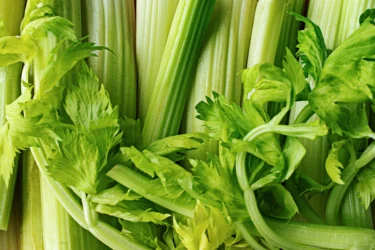
Celery is a medicinal herb that is used as a food and traditional medicine. Celery contains essential oils and flavonoids. It is rich in potassium, dietary fibre, vitamin K, folate, manganese, etc. Potassium is necessary for the heart and might help manage high blood pressure4.
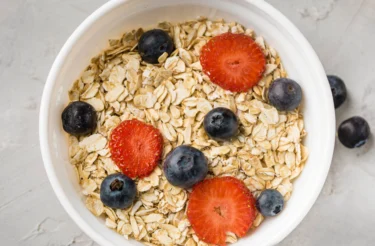
Oatmeal is a rich source of dietary fibre, and one of the many possibly beneficial home remedies to lower blood pressure. A diet containing soluble whole oats might significantly lower hypertension. A scientific study11 (Keenan et al. 2002) found that adding oats cereal to a patient’s regular hypertension diet substantially reduces systolic and diastolic blood pressure. Whole oats may be an effective dietary therapy in the treatment of hypertension1.
Oatmeal porridge may be one of the beneficial natural remedies for high blood pressure. To make oatmeal porridge, add some hot water and sugar to the oats cereal mixture. You can adjust the porridge consistency as you want by stirring the mixture. Oatmeal porridge is instant food and yet, it is so healthy that it may be used for managing hypertension.
Several health benefits associated with tea might potentially be useful for managing hypertension. Research10 by Yang et al. 2004 suggests that drinking green tea (unfermented) and oolong tea (partially fermented) might decrease the risk of developing hypertension1.
Oolong tea is partially fermented and sits between black and green tea. It is a more caffeinated-type tea.
Drinking green tea may provide instant relief from high bp. To make green tea, add some green tea leaves or a green tea bag in hot water. Let it simmer for a few minutes. Then, remove the leaves and use the brew to sip on. You can also add honey or some lemon juice to it if you don’t like the taste of green tea. Nothing beats this home remedy if you stay in a cold region.
It is a very common observation that a person might be taking medicines to control hypertension which are not effective or the patient has stopped taking medicines for hypertension which leads to uncontrolled hypertension, which might lead to a life-threatening situation. These should be attended by a physician on an urgent basis.
Dr Ashish Bajaj, M.B.B.S, M.D. in Clinical Pharmacology and Toxicology
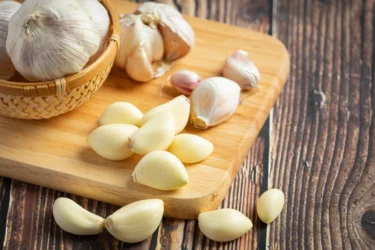
Garlic might be considered one of the best home remedies for hypertension given how widely it is available in nearly every household in abundance! Studies have reported that it may have hypotensive action (blood pressure-lowering effect). Garlic is thought to increase nitric oxide production, which might result in smooth muscle relaxation and dilation of vessels. The active compound that gives garlic its unique odour and healing benefits is known as allicin1.
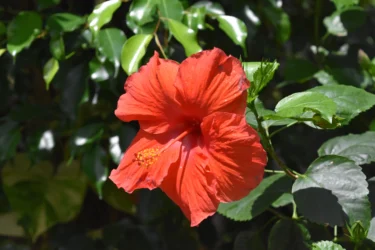
One study8 (Mojiminiyi et al. 2007) reported the calyx of hibiscus has a blood pressure-lowering effect. An animal study9 (Adegunloye et al. 1996) also suggested that an intravenous administration of the water extract of dry hibiscus calyx produced a drop in the blood pressure in animal studies. A human clinical trial of the plant extract has shown similar evidence1.
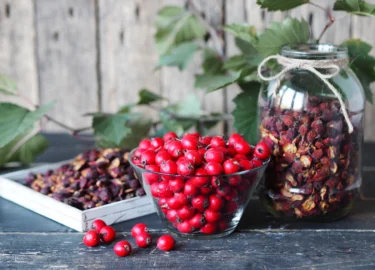
Hawthorn or hawberry has been used in China for thousands of years. It maybe used as a decoction for managing hypertension. Various studies, including clinical trials and pharmacological studies, have shown that it has the ability to lower blood pressure. Hawthorn contains two main substances – procyanidins and flavonoids that might contribute to its beneficial effects on the heart. These essential components have potent antioxidant activity1.
Also Read: Home Remedies For Headache By Dr. Siddharth Gupta
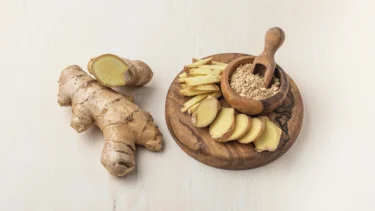
Ginger roots are commonly used in Asian cooking. They might help to enhance blood circulation and relaxe the muscles surrounding blood vessels. There are various formulations used in animal studies, such as ginger rhizome and Korean ginseng extract. A report7 by (Nicoll et al. 2009) suggested that the human trials for the hypotensive (low blood pressure) effect of ginger have been few and generally resulted in inconclusive results1.
Though there are studies that show the benefits of the given herb and home remedies in the condition, these are insufficient. Therefore, there is a need for large-scale human studies to establish the true extent of the benefits of these home remedies on human health. Thus, these should only be taken with caution and never as a substitute for medical treatment.
Celery contains high levels of 3-N-butylphthalide, a kind of photochemical that may help in controlling high blood pressure. You can eat a few stalks of celery as a simple snack daily.
Dr. M.G. Kartheeka, MBBS, MD(Pediatrics)
Hypertension is often asymptomatic. However, you must take immediate medical attention if you see the following danger signs-
You must not rely on home remedies alone for the treatment of hypertension or high blood pressure. You should consult a qualified doctor for any advice for hypertension. Hypertension is a severe health condition and needs diagnosis and treatment appropriately.
Also Read: Natural Home Remedies For Diabetes By Dr. Rajeev Singh
Over the past 50 years, the definition of hypertension has continuously evolved. Hypertension or high blood pressure likely develops with advancing age. It is a complex disease and is influenced by genetic as well as environmental factors3.
Though there are no symptoms of hypertension and some people don’t even know that they have it, a regular checkup and doctor’s consultation will help you establish it and treat it in time.
A lifestyle and dietary changes along with proper medications might help you lower the risk of associated health complications1. You can follow simple home remedies that may be helpful in managing hypertension. But ultimately, the doctor’s advice is essential.
Also Read: Natural Home Remedies To Reduce Belly Fat
Hypertension is classified as primary (essential) or secondary hypertension. About 90 to 95% of cases are called primary hypertension. It refers to high blood pressure for which no medical cause has been identified. The remaining 5 to 10% of cases are termed secondary hypertension and are caused by some underlying medical condition and can often be corrected1.
Hypertension is estimated to affect about 63 per cent of adults above the age of sixty. Other than this, there is a possibility that it might start in the younger generation in case of African Americans2.
Herbal medicines are used in most developing countries due to their better tolerability and fewer side effects. Other herbs such as flaxseeds, basil, soybeans, tomato, sesame, cocoa bean, cocoa butter, carrot, radish, black plum, pomegranate, murungai, etc. may be used as potential home remedies for managing hypertension1. However, people should not use these herbs to self-medicate themselves on their own before consulting with an Ayurvedic physician.
Other than herbal medicines, conventional medicines such as beta-blockers, diuretics, calcium channel blockers, and angiotensin-converting enzyme (ACE) inhibitors have been used. They all have been shown to reduce the occurrence of stroke in patients with hypertension3. However, people must consult their doctor before using any medicines to manage hypertension.
1. Tabassum N, Ahmad F. Role of natural herbs in the treatment of hypertension. Pharmaco Rev. 2011;5(9):30-40. Available from: https://www.ncbi.nlm.nih.gov/pmc/articles/PMC3210006/pdf/PRev-5-30.pdf
2. Hypertension: MedlinePlus Genetics [Internet]. [cited 2022 Jul 7]. Available from: https://medlineplus.gov/genetics/condition/hypertension/#references
3. Price R, Kasner S. Hypertension and hypertensive encephalopathy. Handb Clin Neurol. 2014;119:161–167. Available from: https://pubmed.ncbi.nlm.nih.gov/24365295/
4. Illes J. Blood Pressure Change After Celery Juice Ingestion in a Hypertensive Elderly Male. Journal of Chiropractic Medicine. 2021;20(2):90–94. Available from: https://www.ncbi.nlm.nih.gov/pmc/articles/PMC8703128/pdf/main.pdf
5. Ried K. Garlic lowers blood pressure in hypertensive subjects, improves arterial stiffness and gut microbiota: A review and meta-analysis. Experime and Therape Med. 2020;19(2):1472-1478. Available from: https://www.ncbi.nlm.nih.gov/pmc/articles/PMC6966103/pdf/etm-19-02-1472.pdf
6. Singh P, Khan M, Hailemariam H. Nutritional and health importance of Hibiscus sabdariffa: a review and indication for research needs. J of Nutri Health & Food Engin. 2017;6(5):125–128. Available from: http://medcraveonline.com/JNHFE/JNHFE-06-00212.pdf
7. Nicoll R, Henein MY. Ginger (Zingiber officinale Roscoe): a hot remedy for cardiovascular disease? Int J Cardiol. 2009 Jan;131(3):408-9. doi:10.1016/j.ijcard.2007.07.107. PMID: 18037515. Available from: https://pubmed.ncbi.nlm.nih.gov/18037515/
8. Mojiminiyi FB, Onifade AA, Adeyemi OO. Antihypertensive effect of an aqueous extract of the calyx of Hibiscus sabdariffa in experimental hypertension. J Ethnopharmacol. 2007;113(1):47–52. doi:10.1016/j.jep.2007.06.009. Available from: https://www.sciencedirect.com/science/article/abs/pii/S0367326X0700072X
9. Adegunloye BJ, Omoniyi JO, Owolabi OA, Ajagbonna OP, Sofola OA, Coker HA. Mechanisms of the blood pressure lowering effect of the calyx extract of Hibiscus sabdariffa in rats. Afr J Med Med Sci. 1996 Sep;25(3):235-238. PMID: 10457797. Available from: https://pubmed.ncbi.nlm.nih.gov/10457797/
10. Yang YC, Lu FH, Wu JS, Wu CH, Chang CJ. The protective effect of habitual tea consumption on hypertension. Arch Intern Med. 2004 Jul 26;164(14):1534–40. doi:10.1001/archinte.164.14.1534. PMID: 15277285. Available from: https://pubmed.ncbi.nlm.nih.gov/15277285/
11. Keenan JM, Whelton SP, Whelton PK. Oat ingestion reduces systolic and diastolic blood pressure in patients with mild or borderline hypertension: a pilot trial. J Fam Pract. 2002;51(5):451–456. PMID: 11978262. Available from: https://pubmed.ncbi.nlm.nih.gov/11978262/
Disclaimer: The information provided here is for educational/awareness purposes only and is not intended to be a substitute for medical treatment by a healthcare professional and should not be relied upon to diagnose or treat any medical condition. The reader should consult a registered medical practitioner to determine the appropriateness of the information and before consuming any medication. PharmEasy does not provide any guarantee or warranty (express or implied) regarding the accuracy, adequacy, completeness, legality, reliability or usefulness of the information; and disclaims any liability arising thereof.
Links and product recommendations in the information provided here are advertisements of third-party products available on the website. PharmEasy does not make any representation on the accuracy or suitability of such products/services. Advertisements do not influence the editorial decisions or content. The information in this blog is subject to change without notice. The authors and administrators reserve the right to modify, add, or remove content without notification. It is your responsibility to review this disclaimer regularly for any changes.
28
If you are a fan of spicy food, you will always turn to Mexican or Indian cuisines. But do you know what makes those cuisines so spicy? The answer is red chillies! Hot and spicy red chilli pepper is the most widely used spice and condiment in Indian and Mexican cuisines. Red chilli is highly valued for its pungency and added flavours to various dishes throughout the world1.
The hot red chilli is believed to have originated in Mexico and is now grown in tropical and subtropical regions of the United States of America, India, Japan, Turkey, and African countries. About 90% of chilli is produced in Asian countries1,2.
The scientific name of red chilli is Capsicum annuum and it belongs to the family Solanaceae. Red chillies are a great source of vitamins, flavonoids, phenolics, carotenoids, and alkaloids, which play a vital role in human health2.
Read along to learn more about the health benefits of red chilli and next time you will find yourself adding it to your meal.
Red chillies are a rich source of various vitamins, minerals and proteins (amino acids) necessary for human health. They also contain essential phytochemicals such as alkaloids (capsaicin), flavonoids and phenolics that are important antioxidants1. The detailed nutritional value of red chilli is as follows:
Did you know that chili peppers are not only known for their spicy flavor, but they are also packed with beneficial nutrients? They are rich in carotenoids, which are converted into vitamin A in the body, and they also contain high levels of vitamin C. In fact, chili peppers can provide up to 336% of the recommended daily allowance for vitamin A and 124-338% of the vitamin C activity per 100 grams4.
Dr. Siddharth Gupta, B.A.M.S, M.D (Ayu)
Red chilli contains a high amount of beneficial health compounds that2 may be responsible for various biological activities of the body. The beneficial properties of red chilli are as follows:
In my experience, I have observed that chili seed essential oil has various applications beyond its culinary use. It can be used in aromatherapy to promote relaxation and a sense of well-being. Additionally, it is suitable for cosmetic purposes, such as in personal care products, soaps, perfumes, and even candles. Its aromatic properties can provide a pleasant scent and enhance the overall sensory experience5.
Dr. Rajeev Singh, BAMS
Red chilli is used as a spice and condiment. It is one of the most important plants used for managing various ailments for a long time in different countries and older civilizations1. The red chilli health benefits are described as follows:

According to the report by Arthritis Research UK, red chilli capsaicin might be useful in overcoming osteoarthritis (joint pain) and fibromyalgia (muscle pain) in humans. This is because capsaicin may have the ability to reduce the supply of substance P, (a pain-causing neurotransmitter) which sends the signal of pain to your brain, thereby stopping the transmission of pain in the body1. Hence, red chillies might be good for overcoming pain-related osteoarthritis. However, this information is insufficient to use red chillies alone to treat arthritis pain. Therefore, more studies on humans are required.

In animal model studies (Monsereenusorn et al. 1980), it was found that red chilli may have an anti-inflammatory activity which might be useful in reducing swelling. The anti-inflammatory effect of red chilli may be contributed by its phenolic and flavonoid compounds. In addition, capsaicinoids and capsinoids, both of which are alkaloid compounds found in red chillies, might also have anti-inflammatory activities, which stop the production of inflammation-causing molecules in the body2. However, more studies on humans are required to suggest the effects of red chillies in managing inflammation in the human body.

According to the studies (Arora et al., 2011 and Whiting et al., 2012), red chillies may have a potential role in weight management. In various animal and clinical studies, it was found to reduce body fat accumulation and increase fat metabolism. In addition, clinical studies have observed that regular intake of red chilli might increase the body temperature and oxygen demand resulting in a reduction of body weight and oxidation of body fat. It also increases energy expenditure and reduces hunger assisting in weight loss2. Although studies show the benefits of red chilli in weight loss, a doctor’s consultation is important before using red chillies in your weight loss regime and only use them if prescribed.

As per a review article by (Gautami J. et al., 2015), red chillies may have a blood sugar-lowering activity. The regular consumption of red chilli may attenuate post-meal serum glucose production. Red chilli may be able to inactivate certain enzymes responsible for glucose production. An animal study (Anthony et al., 2013) observed that the blood glucose levels and body weight of the animal model were bettered2. However, these studies are conducted on animals and not on humans. Therefore, large-scale human studies are required to suggest the effectiveness of red chillies in managing diabetes in humans. Diabetes is a severe health condition that requires a proper diagnosis and treatment. Hence, contact a doctor and ask for their advice.
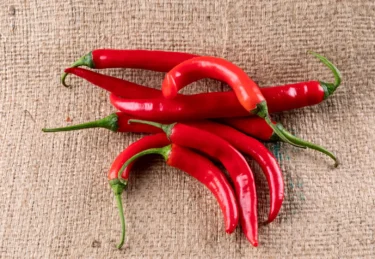
Though studies show the benefits of red chilli in various health conditions, these are not sufficient and require further studies to establish the true scope of the benefits of red chilli on human health2.
It is important to note that some individuals may have a hypersensitivity or allergy to chili or its products. If you experience any adverse reactions or discomfort after consuming or handling chili, it is advised to avoid it and seek medical advice. Please exercise caution when handling chilies as they may cause irritation or burning sensations to the eyes and skin5.
Dr. Smita Barode, B.A.M.S, M.S.
Red chilli is a versatile vegetable it can be used in both fresh and dried (powdered) forms. It is a widely used spice and condiment1. You may use red chillies as:
Do not use too much red chilli powder; excess consumption might cause harmful effects2. We advise you not to replace or quit your current medications with any ayurvedic or herbal preparations of red chilli without consulting a physician or an Ayurvedic doctor. They will recommend you the best form to have it.
Although various studies show that red chillies are safe, some reports indicate that they may have certain side effects2. Red chilli side effects are described as follows:
However, if you see any of these side effects, immediately rush to the hospital, contact your concerned doctors, and get appropriate treatment.
Consuming red chilli in small quantities is safe. However, general precautions must be followed due to the side effects and drug interactions. .
Red chillies might cause life-threatening toxicity. Therefore, it is necessary to understand the risk associated with this herb and make yourself aware of this uncommon presentation of red chillies affecting your health.
Also Read: Oregano: Uses, Benefits, Side Effects By Dr. Smita Barode
According to a report (Schep et al., 2015), red chilli might interact with certain medications, resulting in herb-drug interaction2.
Therefore, if you are on hypertension medicines, avoid having too many red chillies. If any complications are observed, immediately rush to the hospital. In addition, we recommend you disclose your ongoing treatments to your doctors and follow the precautions and dosage prescribed to you.
Also Read: Cluster Beans: Uses, Benefits, Side Effects By Dr. Siddharth Gupta
Red chilli vitamins are excellent antioxidants. Red chilli contains vitamins B1, B2, B3, A, C, B9, E and K3.
Red chilli contains certain phytochemicals that might interact with blood pressure medicines (methyldopa and clonidine) and aspirin which may be a disadvantage. Therefore, avoid having red chilli if you take blood pressure medicine or consult a doctor2.
Red chilli contains essential phytochemicals such as capsaicinoids, carotenoids and flavonoids, which might be useful in managing coughs, asthma, sore throats, etc. (Pawar et al., 2011)2. However, this information is insufficient therefore, do not use red chillies to self-medicate prior to consulting your doctor.
The red chilli side effects comprise skin and eye irritation, burning sensation, tingling, redness, swelling, sneezing, coughing, lacrimation, etc2. Therefore, you should be careful around red chillies and if such side effects are observed, do not panic; immediately rush to the hospital.
The major components of red chilli are capsaicinoids and capsaicin2.
Aflatoxin is the major toxin present in red chilli. It may be dangerous to health resulting in skin cancer1.
Some individuals may experience stomach irritation or indigestion after consuming red chillies, especially in large quantities or if they are sensitive to spicy foods. Moderation is key to avoiding such issues.
Red chillies may benefit heart health as capsaicin has been linked to improved blood circulation, lower blood pressure and reduced cholesterol levels. However, a balanced diet and an overall healthy lifestyle are crucial for heart health.
Red chillies contain capsaicin, a compound known to boost metabolism and reduce appetite, which may indirectly support weight loss efforts. Including red chillies in a balanced diet and active lifestyle may aid in managing weight.
Red chillies antioxidants, particularly vitamin C, can promote healthy skin by fighting oxidative stress and supporting collagen production. However, topical application should be avoided as it may cause skin irritation.
Disclaimer: The information provided here is for educational/awareness purposes only and is not intended to be a substitute for medical treatment by a healthcare professional and should not be relied upon to diagnose or treat any medical condition. The reader should consult a registered medical practitioner to determine the appropriateness of the information and before consuming any medication. PharmEasy does not provide any guarantee or warranty (express or implied) regarding the accuracy, adequacy, completeness, legality, reliability or usefulness of the information; and disclaims any liability arising thereof.
Links and product recommendations in the information provided here are advertisements of third-party products available on the website. PharmEasy does not make any representation on the accuracy or suitability of such products/services. Advertisements do not influence the editorial decisions or content. The information in this blog is subject to change without notice. The authors and administrators reserve the right to modify, add, or remove content without notification. It is your responsibility to review this disclaimer regularly for any changes.
10
3


