
Yoga has been around for ages. It is only in recent years that interest in it has been renewed. The ease of exercise that Yoga offers is the reason for this new-found interest not only because of the holistic benefits of Yoga alone.
Practicing yoga does not require heavy expensive equipment nor does it require a specialized space (like a gym). It can be done at home, in comfortable clothes, with only a mat. What makes yoga even more attractive is the adaptability that it offers to a beginner. Practically, any yoga pose can be modified to suit a beginner.
Matsyasana is one such interesting yoga asana that can be done in the comfort of your home, with only a yoga mat.
Matsyasana is a popular yogic asana. In the word ‘Matsyasana’, Matsya means Fish in Sanskrit. It is named so since the final posture that the body assumes in this asana resembles a fish. Hence Matsyasana is also called a Fish pose1.
Yoga asanas, when done properly using the proper techniques in a systematic matter, not only help in obtaining the maximum health benefit but also help in reducing the incidence of any injury.
The steps to do Matsyasana are as follows:
Matsyasana has an interesting story attached to it, which makes for an enjoyable read.
Based on what I have observed over the years, practising Matsyasana can bring about various physical benefits for your body. This yoga pose involves stretching and opening the rib cage, hips, and abdominal cavity, which might lead to increased flexibility and improved range of motion7.
Dr. Rajeev Singh, BAMS
The potential benefits of Matsyasana are as follows:

Diabetes is a complex condition mainly presenting as excess glucose in the blood and urine, as the hormone insulin, needed to metabolize sugar is deficient. It needs to be managed with an integrative treatment approach using exercise, medicines and diet. An inverted pose like Matsyasana may help stimulate the pancreas helping in insulin release and eventually in controlling the rising blood and urinary sugar levels. It may also help improve the blood circulation to the pancreas2.

Gynaecomastia is the medical term for the unusual development of one or both breasts in males. Though commonly seen in men who are overweight at puberty, it can also occur in older overweight men. It can be caused due to hormonal changes or the intake of medicines containing estrogen (the female hormone). Matsyasana may help in reducing the amount of fat in the chest region which may make it appear leaner. It may also help reduce cholesterol deposits in the chest region and overall weight loss5.

Dysmenorrhoea means painful periods without any underlying pathological cause. Primary dysmenorrhoea or menstrual cramps begin when the periods start with the pain usually occurring in the lower abdomen and radiating to the upper part of the thighs and the lower back. It may also be associated with loose motions, nausea, headache, and stress. Practising Matsyasana regularly may improve the flexibility and strength of the back and the pelvic muscle floor, thus benefitting the management of primary dysmenorrhoea6.
I have observed that practising Matsyasana might help in coping with stress and anxiety. This yoga pose involves deep breathing and gentle stretching, which can have a calming effect on the mind and body. It is believed that the stretching of the chest and opening of the heart area in Matsyasana stimulates the relaxation response and helps to release tension, promoting a sense of peace and relaxation7.
Dr. Siddharth Gupta, B.A.M.S, M.D (Ayu)

Obesity means having excess body fat and is not limited to being overweight. The incidence of obesity is rising rapidly due to incorrect dietary habits and lack of exercise. Matsyasana is a pose that may help combat obesity. Practising Matsyasana regularly may help reduce fat deposits in the thighs and belly as it involves stretching of the abdominal and inner thigh muscles.

Though practicing yoga is beneficial for the mind as well as the soul, it should not be resorted to as the sole treatment option for any medical condition. If you are suffering from any health issues, you must consult a qualified medical practitioner who can assess, examine, and treat you appropriately. Also, it is necessary to practice any form of Yoga under the guidance of a trained yoga expert to prevent any sort of injuries.
Also Read: Benefits of Savasana (Corpse Pose) and How to Do it By Dr. Ankit Sankhe
There are some risks related to practising Matsyasana and one must take adequate precautions in certain situations:
Under the supervision of a qualified and experienced yoga teacher, who can understand your risk factors, you may practice Matsyasana with the necessary precautions.
Also Read: Benefits of Mandukasana (Frog Pose) and How to Do it By Dr. Himani Bisht
Matsyasana or fish pose is an asana that has many benefits for the pelvic region, excess body fat, spine, respiratory organs, painful periods, and pancreas. It is also said to bring about a sense of harmony and balance in those who feel out of balance. To avail maximum health benefit of this asana, it is advisable to practice it under the guidance of a trained Yoga teacher who can assess and advise you regarding the proper technique of practicing without any injuries.
Also Read: Benefits of Ardha Matsyendrasana (Half Fish Pose) and How to Do it By Dr. Himani Bisht
While Matsyasana is said to be useful for uterine issues and sexual dysfunctions in females, there is not enough scientific evidence to declare Matsyasana to be safe during pregnancy.
Matsyasana should be practiced under the supervision of a trained and experienced Yoga professional who can guide you regarding the number of times it may be done during the day.
Practicing Matsyasana regularly may help in reducing fatty deposits in the belly as well as the thighs since the final pose stretches the abdominal and inner thigh muscles.
The final pose in Matsyasana is advised to be held for 10-15 seconds2. However, if you are doing Matsyasana for the first time, it is advisable to hold this pose for as long as you are comfortable.
Disclaimer: The information provided here is for educational/awareness purposes only and is not intended to be a substitute for medical treatment by a healthcare professional and should not be relied upon to diagnose or treat any medical condition. The reader should consult a registered medical practitioner to determine the appropriateness of the information and before consuming any medication. PharmEasy does not provide any guarantee or warranty (express or implied) regarding the accuracy, adequacy, completeness, legality, reliability or usefulness of the information; and disclaims any liability arising thereof.
Links and product recommendations in the information provided here are advertisements of third-party products available on the website. PharmEasy does not make any representation on the accuracy or suitability of such products/services. Advertisements do not influence the editorial decisions or content. The information in this blog is subject to change without notice. The authors and administrators reserve the right to modify, add, or remove content without notification. It is your responsibility to review this disclaimer regularly for any changes.
 3
3
 0
0
Isn’t it thought provoking that yoga uses the body to heal the body? Yoga relies on your own body for strengthening it. It focuses on steady posture and relaxation of muscles. This is what makes yoga different from other exercises. Other forms of exercise focus primarily on external equipment and inducing stress on the body.
Indian saints developed the traditional methods of yoga to control the mind and bodily activities. Every human wishes to live in harmony with oneself. Physical, mental and spiritual balance is of utmost importance1.
Today, Yoga is globalized and is widely practiced in India and Western countries. People of all age groups, gender,s and nationalities practice yoga in various settings like schools, gyms, yoga studios, parks, homes, and temples. Yoga has become a profitable enterprise as its interest in people keeps increasing. Yogalates and Yogarobics are some of the modernized versions of yoga2.
Yoga often sees the practice of asanas, one of which is padahastana. Let us look at some interesting features and benefits of padahastasana.
Padahastasana is one of the asanas (pose) of surya namaskar. Surya means sun, and namaskar means salutation. Surya Namaskar comprises of breathing techniques (pranayama) and 7 asanas that are performed in cyclic order, thereby creating 12 asanas in total. Surya Namaskara includes 7 asanas like Pranamasana, Hastautthan Asana, Hastapad Asana, Ashwasanchalan Asana, Ashtang Namaskar, Bhujangasana and Parvatasana.
Pada means feet and hasta means hands. Therefore, padahastasana means keeping the palms down towards the feet4. Padahastasana is also called the hand-to-foot pose. It uses the breathing pattern of Ucchavasa, which refers to normal breathing. This means no exhalation or inhalation of breath, rather simple free breathing3.
Did You Know?
Padahastasana must be done properly for maximum health benefits. One may perform padahastasana in the following manner:
Some benefits of hand-to-foot pose are as follows:

Yogic postures like padahastasana may effectively control headaches. Sang in 2015 found that practising padahastasana may reduce headaches and the use of symptomatic medication. A clinical trial was conducted where migraine patients were using yoga conventional care for six weeks. The results suggested that people who practised this pose showed lesser frequency and intensity of headaches. However, if you have a severe headache for an extended period, you must consult your doctor5.

Yoga postures like padahastasana may help to improve concentration and memory. It may be helpful in the case of ADHD symptoms in preschoolers (Samantha et al., 2019). A clinical study5 on 100 students who practised yoga for about three months suggested significant improvement in attention, concentration and memory.

Short wavelengths of artificial blue light emitted by electronic gadgets may delay sleep by suppressing sleep-inducing hormones. A study5 showed that around 80% of participants using an electronic device for more than three hours a day experienced poor sleep quality. By reducing physiological arousal and inducing relaxation and positivity in the body, this asana may help to improve sleep. However, if you experience chronic sleep issues, you must get in touch with the doctor.

The practice of padahastasana may help to manage stress by reducing heartbeat and blood pressure. It may also reduce the body’s oxygen demand, thereby reducing the vulnerability to stress. Fang and Li conducted a clinical trial on a population of 120 nurses. It was divided into two groups. One group attended the Yoga program while the other group did not. After a six-month follow-up, it was found that the ones who participated in the yoga program had reduced stress levels5.

The practice of padahastasana may help to improve heart health and reduce the risk of heart disease. It may control blood pressure. A study5 by Manchanda, S.C. (2014) suggested that Yoga may maintain cholesterol and blood sugar levels. Patel and North conducted a trial of yoga practice in 34 subjects less than 75 years old. The result showed a significant reduction in blood pressure. However, you must consult your doctor in case of abnormal blood pressure.

This posture may help in the case of Irritable Bowel Syndrome (IBS). It includes abdominal pain, discomfort and bloating. A yoga module setup in a clinical trial6, comprised various breathing techniques and postures. Padahastasana was one of the postures. The results showed a possible connection between the postures and the IBS symptoms. However, if you experience severe symptoms of IBS, you must immediately consult your doctor.

Padahastasana may enhance the flexibility of hamstring muscles (muscles present at the back of the thighs). A study of 20 subjects suggested that padahastasana may improve hamstring muscle flexibility and reduce muscle tightness. However, further studies are required to confirm these claims7.

Practising a series of postures that include padahastasana may help in the case of type 2 diabetes. The practice of yoga may keep blood glucose levels in control. Nagarathna et al. conducted a study where the subjects performed a variety of asanas. Padhastasana was one of them. The result of the study8 suggested a reduced risk of type 2 diabetes in individuals who practised yoga regularly. However, you must check your sugar levels and consult your doctor in case of abnormal sugar levels.
Yoga practice may help develop the mind and body; however, it is still not an alternative to modern medicine. Therefore, you must not rely on Yoga alone to treat any condition. Instead, please consult a qualified doctor who will be able to assess your condition correctly and advise accordingly. Moreover, it is necessary to practice and learn Yoga under the supervision of a trained yoga teacher to avoid any injuries.
Practising Padahastasana, also known as the Forward Bend Pose, might have positive effects on your body’s flexibility and strength. By bending forward and reaching towards your toes, this yoga pose stretches the muscles in your back, hamstrings, and calves, increasing their flexibility.
Dr. Siddharth Gupta, B.A.M.S, M.D (Ayu)
Conditions where padahastasana should be done cautiously are:
With the guidance of a qualified and experienced yoga teacher/yoga expert, we can access and analyse the risk factors and continue to practice exercise with precautions.
In my experience, I have learned that Padahastasana might be effective in reducing excess abdominal fat. This yoga pose involves forward bending, which may help to stimulate the abdominal muscles and improve blood circulation in the area. With regular practice, Padahastasana can contribute to a reduction in abdominal fat and improve overall body strength and flexibility.
Dr. Rajeev Singh, BAMS
Padahastasana is one of the 12 poses of surya namaskar. Pada means feet; hasta means hands. Therefore, padahastasana means keeping the palms down towards the feet. It means hand-to-foot pose. Yogic postures like padahastasana may effectively control headaches, improve concentration, control sleep deprivation and manage stress. The practice of padahastasana may improve heart health by keeping blood pressure in control. Additionally, it may relieve the symptoms of Irritable Bowel Syndrome (IBS). It may also control blood sugar levels and improve the flexibility of hamstring muscles.
Also Read: Benefits of Matsyasana (Fish Pose) and How to Do it By Dr. Ankit Sankhe
Padahastasana is the hand-to-foot pose. Pada means foot, hasta means hand and asana meaning pose. Therefore, padahastasana translates to hand-to-foot pose in English4.
Padahastasana yoga pose may control headaches, improve concentration, control sleep deprivation and manage stress. It may improve the heart health by keeping blood pressure in control. Additionally, it may relieve the symptoms of Irritable bowel syndrome (IBS). It may also control blood sugar levels and improve the flexibility of hamstring muscles5,8.
First, stand straight with feet about 2 inches apart. Then inhale slowly and simultaneously raise your arms up. Then, stretch up the body from your waist. Exhale and slowly bend forward until your palms touch the ground. Make your back as straight as possible by stretching it. Maintain this posture for 10-30 seconds. Breathe normally at this time. Now inhale and slowly come up to an upright position and stretch your arms right above your head. Finally, exhale slowly and come back to the starting position. Relax in samasthiti (simple standing position)4.
People having cardiac disorders, vertebral and disc disorders, hernia, glaucoma, abdominal inflammation, ulcers, myopia, vertigo shall be cautious while performing padahastasana4.
Yes, padahastasana is one of the poses of surya namaskar.
1. Yadav SK, Kumar A, Kumar V, Kumar A. Importance of Yoga in daily life. Accessed on January. 2015;30:2019. Available from: https://www.researchgate.net/publication/278673574_IMPORTANCE_OF_YOGA_IN_DAILY_LIFE
2. Singleton M, Byrne J, editors. Yoga in the modern world. London: Routledge; 2008. Available from: https://www.taylorfrancis.com/books/edit/10.4324/9780203894996/yoga-modern-world-mark-singleton-jean-byrne
3. Nikam VM. A Role Of ‘Surya Namaskara’ For Good Health. Available from: https://www.aiirjournal.com/uploads/Articles/2020/03/4434_25.Vd.Manisha%20Nikam.pdf
4. 21 June INTERNATIONAL DAY OF YOGA INTERNATIONAL DAY OF YOGA Common Yoga Protocol, Ministry of Ayurveda, Yoga & Naturopathy, Unani, Siddha and Homoeopathy (AYUSH) [Internet] 4th Revised Edition, May 2019. [Cited: 2022 Sep 10] Available from: https://mea.gov.in/images/pdf/common-yoga-protocol-english.pdf
5. Sharma B, Pant K, Pant B, Sharma P, Thapliyal M, Sinha S, Pandey A, Chaudhary V, Verma D. ELECTRONIC DETOXIFICATION WITH YOGA AND MEDITATION. Available from: https://www.researchgate.net/publication/351618249_ELECTRONIC_DETOXIFICATION_WITH_YOGA_AND_MEDITATION
6. Kavuri V, Raghuram N, Malamud A, Selvan SR. Irritable bowel syndrome: Yoga as remedial therapy. Evidence-Based Complementary and Alternative Medicine. 2015 May 6;2015. Available from: https://www.hindawi.com/journals/ecam/2015/398156/
7. Paul A, Sasidharan AN, Majeedkutty NA. Effect Of Padahastasana In Improving Hamstring Muscle Flexibility Among Young Adults. Available from: https://www.worldwidejournals.com/international-journal-of-scientific-research-(IJSR)/article/effect-of-padahastasana-in-improving-hamstring-muscle-flexibility-among-young-adults/MTczMjI=/?is=1&b1=1&k=1
8. Chattopadhyay K, Mishra P, Manjunath NK, Harris T, Hamer M, Greenfield SM, Wang H, Singh K, Lewis SA, Tandon N, Kinra S. Development of a yoga program for type-2 diabetes prevention (YOGA-DP) among high-risk people in India. Frontiers in public health. 2020 Nov 17;8:548674. Available from: https://www.frontiersin.org/articles/10.3389/fpubh.2020.548674/full
Disclaimer: The information provided here is for educational/awareness purposes only and is not intended to be a substitute for medical treatment by a healthcare professional and should not be relied upon to diagnose or treat any medical condition. The reader should consult a registered medical practitioner to determine the appropriateness of the information and before consuming any medication. PharmEasy does not provide any guarantee or warranty (express or implied) regarding the accuracy, adequacy, completeness, legality, reliability or usefulness of the information; and disclaims any liability arising thereof.
Links and product recommendations in the information provided here are advertisements of third-party products available on the website. PharmEasy does not make any representation on the accuracy or suitability of such products/services. Advertisements do not influence the editorial decisions or content. The information in this blog is subject to change without notice. The authors and administrators reserve the right to modify, add, or remove content without notification. It is your responsibility to review this disclaimer regularly for any changes.
5
0
We drink milk regularly and consume products made from milk to gain nutritional benefits and feel strong and healthy. Buffalo milk is considered richer than cow’s milk, as it has more nutrients. Scientifically buffaloes are called Bubalus bubalis and these buffaloes are highly adaptable. World milk production has grown twice in the last two decades and buffalo milk has shown an annual growth rate of approximately 2.5% higher than cow’s milk.
The largest producers of buffalo milk are China, India, and Pakistan. Additionally, the nutritional uses of buffalo milk make it a potential alternative to cow’s milk, even for people having milk allergies1. Let us look into buffalo milk nutrition, buffalo milk benefits, buffalo milk disadvantages and the precautions needed for taking buffalo milk.
Did you know?
Below are the nutrient values of Buffalo milk per 100 g:
Milk fat globule membrane, a minor milk constituent contains various nutrients and has many health benefits. They might have positive effects on brain development and function along with physical performance in elderly people5.
Dr. Siddharth Gupta, B.A.M.S, M.D (Ayu)
Buffalo milk might possess the following properties:
Buffalo milk contains several nutrients that may have many health benefits to humans. Some of the potential uses of buffalo milk are as follows:

As seen in studies, fermented buffalo milk may contain bacteria such as Lactis and this bacterium might be helpful for the heart. Its consumption may lower cholesterol levels, blood pressure, and triglyceride levels. Therefore, daily consumption of fermented buffalo milk might be helpful for the heart1. If you have any heart problems, consult the doctor and take proper medication. Do not self medicate.

Although buffalo milk calories are relatively higher when compared to cow’s milk, buffalo milk may contain the bacteria L.paracasei, and these bacteria may show anti obesity effects on body fat. It also contains probiotics that might help in managing body weight. Therefore, buffalo milk might benefit in managing weight1. Do not take anything on your own and consult your doctor, they will accurately diagnose and treat you.

L.plantarum is a bacterium that may increase the quality of dairy products and is present in buffalo milk. This L.plantarum is known to enhance the absorption of minerals, and vitamins and stimulate the generation of proteins. These probiotics may increase protection against pathogens in the gastrointestinal tract and may boost immunity1. The buffalo milk might have a probiotic nature and may help in boosting immunity. If you have any immunity related diseases, consult the doctor and do not self-medicate.

Buffalo milk was tested for anti-diabetic activity in animals, where it showed an anti-diabetic effect. Buffalo milk contains probiotics that might act against diabetes. Therefore, buffalo milk may have the potential to lower diabetes. However, more studies on humans are required to confirm its effectiveness1,3. Diabetes is a serious condition and must be accurately diagnosed and treated by a doctor. Do not self-medicate.

Milk may contain health promoting bacteria known as probiotics. The consumption of probiotic dairy products might be beneficial for health and may help in lowering cholesterol levels, managing weight, reduce heart related diseases and brain stroke1. However, consult your doctor for the stated conditions and do not self medicate.
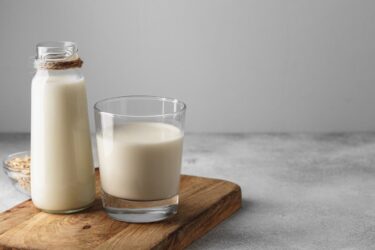
Buffalo milk and its products are a major source of protein, which may positively regulate human health and may show beneficial effects such as anticancer, antimicrobial (fight bacteria) and antihypertensive (lowers BP)1. Do not self medicate. It is important that you consult your doctor.
Though there are studies that show the benefits of buffalo milk in various conditions, these are insufficient and there is a need for further studies to establish the true extent of the benefits of buffalo milk on human health.
According to some research, whey product, the byproduct of buffalo milk might have anti-cancer properties6.
Dr. Rajeev Singh, BAMS
You can drink buffalo milk with/without any additives. You can also make your favourite recipes like milkshakes, coffee, tea, and cake with buffalo milk. However, you must seek expert advice before consuming buffalo milk.
You must consult a qualified doctor before taking buffalo milk in large quantities or any herbal supplements. Do not discontinue or replace an ongoing treatment of modern medicine with an ayurvedic/herbal preparation without consulting a qualified doctor.
Some people are allergic to cow’s milk, and there is a possibility that they might be allergic to buffaloe’s milk as well. Allergies due to milk may be due to one or more proteins present in the milk. Milk allergies are common in children and may also grow later in life, and they build a tolerance to milk. In addition, a few individuals are unable to produce enough lactose. So, when they drink milk the bacteria in the large intestine break down the lactose and show some symptoms this is called lactose intolerance. The symptoms include:
Also, avoid using buffalo milk for its properties or against any health conditions without consulting your doctor. If you are allergic to milk consult the doctor and take proper advice.
An individual should take the following precautions:
Before using buffalo milk for any disease condition, make sure you have consulted with your doctor about the possible precautions. It will help you avoid any unwanted effects.
Also Read: Soy Milk: Uses, Benefits, Side Effects By Dr. Rajeev Singh
Buffalo milk might interact with medicines and alter their activity. However, there is not much information available on the interaction of buffalo milk with medicines. More studies and research are needed to check if it affects any medicines. Therefore, if you are taking any medications, it is important that you consult your doctor after knowing it is safer for you to consume buffalo milk.
Buffalo milk might be good for health as it may have several health benefits. It may have various properties such as anti-diabetic, anticancer, antioxidant, and anti-inflammatory1. However, more research is required. Do not self-medicate and consult a doctor for stated conditions.
Some people are allergic to buffalo milk, may become lactose intolerant, and show symptoms such as abdominal pain, bloating gas, and diarrhoea4.
Buffalo milk might help with weight management. It was tested for anti-obesity activity, which was found to lower body fat and weight. However, more studies are needed to confirm its weight-managing activity1. Do not self-medicate.
It would be best to talk to your doctor before consuming buffalo milk during pregnancy. Do not self-medicate. Consumption of buffalo milk without expert advice can cause side effects, therefore, talk to your doctor.
Buffalo milk contains proteins, fibres, fats and vitamins A, B and C.
Disclaimer: The information provided here is for educational/awareness purposes only and is not intended to be a substitute for medical treatment by a healthcare professional and should not be relied upon to diagnose or treat any medical condition. The reader should consult a registered medical practitioner to determine the appropriateness of the information and before consuming any medication. PharmEasy does not provide any guarantee or warranty (express or implied) regarding the accuracy, adequacy, completeness, legality, reliability or usefulness of the information; and disclaims any liability arising thereof.
Links and product recommendations in the information provided here are advertisements of third-party products available on the website. PharmEasy does not make any representation on the accuracy or suitability of such products/services. Advertisements do not influence the editorial decisions or content. The information in this blog is subject to change without notice. The authors and administrators reserve the right to modify, add, or remove content without notification. It is your responsibility to review this disclaimer regularly for any changes.
11
1
If you are searching for an alternative source of cow milk, one of the best alternatives is goat milk. Goat milk is considered one of the nutraceutical health drinks and is rich in oligosaccharides (Derived from lactose). It is widely used to produce different types of cheese and yoghurt. In several countries, goat farming is essential for their livelihood, mostly in the Middle East and the Mediterranean regions. Goats are considered the “Cow of the Poor Man”. Around 49% of the total world goat milk is produced by Bangladesh, India, Pakistan, and Sudan. Goat’s milk has a soft, creamy texture and is rich in vitamins and mineral content. Therefore, it may be better than cow milk as it is easier to digest1. Let us discuss the importance of goat milk.
Goat milk contains the following nutrients it.
Nutrients present in 100g of goat milk2.
Did you know?
Goat milk might possess the following properties:
From what I have seen, goat milk has high levels of silicon, fluorine, and chlorine, potentially exceeding other household cattle. These elements might have their own unique benefits. Chlorine and fluorine are natural germicides, which means they might help fight against harmful bacteria and germs. Additionally, fluorine is potentially believed to play a role in warding off diabetes11.
Dr. Anuja Bodhare, B.A.M.S, M.D (Ayu)
Goat milk contains several nutrients that may be beneficial to the human body and some of the potential uses of goat milk are:
Goat milk might contain antioxidants that may inhibit low-density lipoprotein (LDL) which is also called bad cholesterol. Goat milk contains medium chain triglyceride (MCT), monosaturated fatty acids (MUFA), and polyunsaturated fatty acids (PUFA), which might be beneficial for heart-related diseases. It may have low levels of cholesterol when compared to cow milk and a balanced fatty acid profile. The presence of all these compounds may prevent heart diseases like heart attack, atherosclerosis, and stroke1. If you have serious heart problems consult the doctor and take proper medication. Do not self-medicate.
Selenium is one of the key nutrients that is involved in the proper functioning of the immune system. This nutrient is present in cow milk in small amounts and more amount of selenium is present in goat milk. Therefore, goat milk may act as an immunity booster and might help in protecting a person from diseases. Recent studies1 have shown that goat milk/Bakri ka dudh may have immunomodulatory effects in both animal and human studies. H owever, more studies are required to claim the importance of goat milk.
Goat milk contains a high level of oligosaccharides (carbohydrates) derived from lactose which act as a prebiotic. We all know that prebiotics in the stomach may improve the health of the digestive system. They promote bifidobacterial (good bacteria) in the intestine, which may benefit other activities such as stimulating immunity, preventing infection, fighting against cancer, lowering cholesterol, and improving lactose maldigestion1. However, more studies are required to claim all these benefits of goat milk on humans.
Goat milk contains high levels of conjugated linoleic acid (CLA) which has been reported that it may have anticancer properties in animal models and human cancer cells. The CLA mechanism to inhibit cancer growth is not yet understood fully and more research is required. However, the antioxidant effect and another related mechanism of fermented goat milk might benefit cancer1. Do not self-medicate. Cancer is a serious condition and must be properly diagnosed and treated by a doctor.
In naturopathic medicine, cows are called calcium animals and goats are referred to as bio-organic sodium animals. This bio-organic sodium is a crucial element that may maintain joint movement. Goat milk may provide 35% of the daily calcium needed in a cup. At the same time, a cup of goat milk may provide 20% of the daily needs of vitamin B2. It also contains phosphorus and high level of vitamin B12 and potassium1. If you have any bone-related problems consult your doctor and do not self-medicate.
In a study8, kefir made from goat and soy milk may improve pancreatic β cells, reduce glucose levels in the blood, and exhibit an anti-diabetic effect. Therefore, it might be helpful for diabetes. However, human studies are needed to confirm its effectiveness4. Do not self-medicate. Diabetes is a serious condition and must be properly diagnosed and treated by a doctor.
Though there are studies10 that show the potential uses of goat’s milk in various conditions, these are insufficient, and there is a need for further studies to establish the true extent of the benefits of goat’s milk on human health.
In an interesting study9, it was seen that goat milk might be beneficial for people suffering from malabsorption syndrome. The results suggest that goat milk may have benefits for the metabolism of iron and copper, especially in cases of malabsorption syndrome. So, if you’re looking for milk that might be better for your body’s iron and copper absorption, goat milk could be worth considering. However, further research is needed to understand how these findings translate to humans12.
Dr. Siddharth Gupta, B.A.M.S, M.D (Ayu)
Goat milk is rich in vitamins and minerals, which is also called a functional and nutraceutical drink. You can drink your goat milk just like that. You can also substitute your regular milk with goat milk to make delicious recipes like tea, coffee, and cake. However, it is important that you seek advice from your doctor before taking goat milk.
You must consult a qualified doctor before taking a large amount of goat milk or any herbal supplements. Do not discontinue or replace an ongoing treatment of modern medicine with an ayurvedic/herbal preparation without consulting a qualified doctor.
In my view, one great advantage of goat’s milk is that it might be a suitable alternative for people who have trouble digesting cow’s milk. Some individuals who experience issues with cow’s milk find that they may drink goat’s milk without any problems. This might be because goat’s milk contains 7% less lactose, compared to cow’s milk11.
Dr. Rajeev Singh, BAMS
In a few cases, people who are allergic to cow milk might also be allergic to goat milk. Certain proteins in goat milk are similar to those of cow milk, and this may develop an allergy to goat milk. Also, if a person drinks unpasteurized goat milk, it can cause serious side effects such as food poisoning5,6.
Also Read: Almond Milk: Uses, Benefits, Side Effects by Dr. Rajeev Singh
You must consume goat milk after knowing that it is pasteurized. Unpasteurized goat milk can cause severe health issues. Also, people allergic to goat milk should avoid drinking goat milk or food items containing goat milk5,6. It is essential that you take goat milk after consulting your doctor and be cautious.
According to what I’ve noticed, goat milk might provide relief for those who are sensitive to mucus production or experience respiratory discomfort. Goat milk may have the advantage of not causing mucus or phlegm production, which might be beneficial for individuals with asthma or allergies11.
Dr. Smita Barode, B.A.M.S, M.S.
Goat milk might react with certain medicines and affect their action. However, there is not much information available on the interaction of goat milk with medicines. For this reason, more studies are required to check its effects on any medicines. Therefore, consult your doctor after knowing it’s safer to consume goat milk, mainly if you are on medications.
Goat milk might be helpful against diabetes, cancer, atherosclerosis, and heart attack. However, these effects must be confirmed with human studies. Therefore, do not self-medicate and consult your doctor before taking goat milk1,4.
Goat milk might be good for the skin, which is why it is now used in skin care, beauty, and cosmetic products7. However, consume goat milk after a doctor’s recommendation.
Goat milk might be good for diabetes. In an animal model, goat milk exhibited an anti-diabetic effect. However, human studies are needed to confirm that goat milk is helpful for diabetes4. Diabetes must be diagnosed and treated by a doctor. Do not self-medicate.
Goat milk might be good for the heart as it may balance the fatty acid profile and fight against heart-related diseases1.
Some people are allergic to goat milk, which may cause a severe allergic reaction. Therefore, such people should not consume goat milk5. Therefore, consult your doctor before taking goat milk.
Disclaimer: The information provided here is for educational/awareness purposes only and is not intended to be a substitute for medical treatment by a healthcare professional and should not be relied upon to diagnose or treat any medical condition. The reader should consult a registered medical practitioner to determine the appropriateness of the information and before consuming any medication. PharmEasy does not provide any guarantee or warranty (express or implied) regarding the accuracy, adequacy, completeness, legality, reliability or usefulness of the information; and disclaims any liability arising thereof.
Links and product recommendations in the information provided here are advertisements of third-party products available on the website. PharmEasy does not make any representation on the accuracy or suitability of such products/services. Advertisements do not influence the editorial decisions or content. The information in this blog is subject to change without notice. The authors and administrators reserve the right to modify, add, or remove content without notification. It is your responsibility to review this disclaimer regularly for any changes.
23
We often tend to eat protein bars as a quick and ready-to-eat snack for instant energy. Oats are often used as the main ingredient in protein bars as a source of proteins. Oats are scientifically known as Avena sativa, belonging to the family Poaceae. Oats are one of the most nutritious crops which contains carbohydrates, lipids, protein, and fibre. It is the 5th most consumed crop with an annual production of 23 million tons worldwide. Oat milk is a product made from oats and in recent days oat milk is emerging in the market due to its health benefits1,2. Let us read the importance of oat milk benefits.
Did you know?
Oat milk contains several organic compounds like beta-glucans, phenolics, avenanthramides and flavonoids2.The nutritional content of 100ml oat milk is given below:
Did you know that unsweetened oat milk, without any added oil, typically contains around 90 calories per 1 cup (8 oz) serving? This makes it a relatively low-calorie alternative to dairy milk. It’s a great option for those who are watching their calorie intake or following a plant-based diet5.
Dr. Siddharth Gupta, B.A.M.S, M.D (Ayu)
Oat milk properties may be as follows:
Some of the potential benefits of oat milk are described as follows:

Oat milk may help against diabetes and studies show that a bioactive dietary peptide in oat milk may improve insulin secretion and glucose digestion. Studies conducted on humans showed that intake of oat milk might improve fasting blood sugar level and insulin concentration. However, large-scale human studies are yet to be done to check the anti-diabetic effect of oat milk. It is important to check your blood sugar levels and get proper treatment in case of abnormal blood sugar levels2.
It’s important to note that oat milk contains a higher amount of carbohydrates per serving compared to cow’s milk. This could be a consideration for individuals with diabetes who monitor their carbohydrate intake to control blood sugar levels. It’s advisable for such patients to consult with a registered dietitian or healthcare professional to determine the best milk options that align with their dietary needs and blood glucose management goals5.
Dr. Smita Barode, B.A.M.S, M.S.

Oat milk may regulate blood pressure and thereby improve heart health. A study2 on a rat model showed that the globulin peptide in oat milk might regulate blood pressure. Another human study6showed that constituents like beta-glucans, dietary fibres, and avenanthramides might regulate blood pressure. Therefore, oat milk may reduce the risk of hypertension and might improve heart health. However, if you experience any abnormal blood pressure or symptoms of heart disease, you must immediately consult your doctor and take proper medications for the same2. Do not self-medicate.

Bioactive peptides present in oats may contribute to enhancing the immune system. It may help to enhance innate immunity (the first response of the immune system to foreign substances) and adaptive immunity (special immune cells in the body that destroy foreign substances). The exact mechanism by which the peptides in oat milk help improve immune function is unknown. Further research is to be done to claim the effect of oat milk on immune function2.

Hypoxia is a condition where the tissues in the body do not get enough oxygen. Bioactive peptides like oligopeptides in oat milk may reduce the risk of hypoxia and may increase haemoglobin. Haemoglobin, present in red blood cells, carries oxygen and transports it to various tissues in the body. In this way, oat milk may be beneficial in case of hypoxia. Further studies are required to confirm the effect of oat milk on hypoxia2.

Oat milk may help in eliminating fatigue caused after strenuous exercise by improving muscle strength. Oat milk may improve muscle strength by decreasing the by-products of fatigue (lactic acid and blood urea nitrogen) and increasing the level of glycogen in muscles and the liver. Oat milk may reduce physical discomfort associated with exercise. Studies showed that oat milk might enhance the post-exercise recovery of damaged muscles. Further studies are yet to be done to check the anti-fatigue effect of oat milk2.
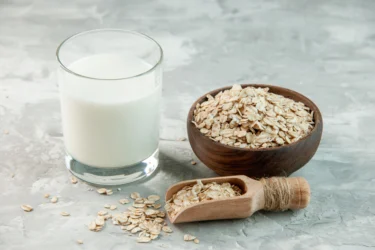
Oat milk may inhibit the aggregation of platelets due to the presence of hydrolysates. Additionally, globulin in oats may inhibit platelet aggregation caused by arachidonic acid in the body. More research is yet to be done to confirm whether oat milk may prevent platelet aggregation2.

Oat milk may possess cholesterol-lowering properties. The proteins present in oat milk may reduce the bad cholesterol by reducing cholesterol absorption in the intestine and increasing the faecal bile acid secretions. This study2 was done on animals. Large-scale human trials are to be done to check the effect of oat milk on reducing cholesterol in humans2. If you have high cholesterol and obese consult the doctor for proper treatment. Do not self-medicate.

Oat milk may be used to alleviate anaemia. This may be due to its antioxidant properties that reduce oxidative stress. Studies conducted on iron-deficient rat models showed that oat milk might help in the case of anaemia. More clinical studies are required to confirm the effect of oat milk on anaemia. However, you must seek proper treatment for anaemia instead of self-medicating2.
Though there are studies that show the benefits of oat milk in various conditions, these are insufficient and there is a need for further studies to establish the true extent of the benefits of oat milk on human health.
In my experience, oat milk is a suitable option for adults who have allergies to common food allergens such as dairy, eggs, fish, shellfish, tree nuts, peanuts, wheat, and soybeans. It is also a safe choice for individuals with celiac disease or gluten intolerance since oats are naturally gluten-free. By choosing oat milk, you can enjoy a nutritious and allergen-free alternative to traditional dairy milk5.
Dr. Rajeev Singh, BAMS
Oat milk may be included in various dishes that are given below:
You must consult a qualified doctor before taking oat milk in large quantities or any herbal supplements. Do not discontinue or replace an ongoing treatment of modern medicine with an ayurvedic/herbal preparation without consulting a qualified doctor.
Oat milk side effects may be as follows:
If you experience any adverse reactions to oat milk, immediately contact a doctor or your Ayurvedic physician who has prescribed it to you. They will be able to guide you appropriately for your symptoms.
Some precautions to take before consuming oat milk are:
Oats may interact with anti-diabetic drugs. It may cause the blood sugar level to go low when diabetes medications are taken with oats. It is important to monitor your blood sugar level if you have consumed oat milk and have diabetes. You must consult your doctor if your blood sugar level gets abnormal4.
Oat milk may be beneficial for individuals with diabetes. It may improve heart health and lower blood pressure. Oat milk may enhance immune function. It may be used to reduce the risk of hypoxia and platelet aggregation. Additionally, oat milk may be used to lower cholesterol levels2. If you have any of these problems consult the doctor for proper treatment. Do not self-medicate.
Oat milk may cause gas and bloat4 .
The nutrients present in oat milk are proteins, fats, carbohydrates, fibres, sugars, calcium, potassium, and phosphorus. Organic constituents like beta-glucans, phenolics, avenanthramides and flavonoids may also be present2,3.
Yes, there are several benefits of drinking oat milk every day2.
People with celiac disease and disorders of the stomach, intestine and other parts of the gastrointestinal tract must be cautious before consuming oat milk. Oat milk may cause side effects like gas and bloat. Additionally, it may also interact with medications used for diabetes and may cause the blood sugar levels to go too low4.
Disclaimer: The information provided here is for educational/awareness purposes only and is not intended to be a substitute for medical treatment by a healthcare professional and should not be relied upon to diagnose or treat any medical condition. The reader should consult a registered medical practitioner to determine the appropriateness of the information and before consuming any medication. PharmEasy does not provide any guarantee or warranty (express or implied) regarding the accuracy, adequacy, completeness, legality, reliability or usefulness of the information; and disclaims any liability arising thereof.
Links and product recommendations in the information provided here are advertisements of third-party products available on the website. PharmEasy does not make any representation on the accuracy or suitability of such products/services. Advertisements do not influence the editorial decisions or content. The information in this blog is subject to change without notice. The authors and administrators reserve the right to modify, add, or remove content without notification. It is your responsibility to review this disclaimer regularly for any changes.
58
2
The coconut tree is known as the “tree of life” due to its variety of uses and nutritional content. Coconut trees do not require extensive attention during their growth or lifespan; therefore, it is called lazy man’s crop. Indonesia, India, and the Philippines are currently among the largest producers of coconuts worldwide.
The scientific name of coconut is Cocos nucifera. Coconut milk is a white liquid extracted from the grated flesh of mature coconuts and is known for its distinctive nutty flavour.
It is commonly used in a variety of dishes, including fish, poultry, meat, and vegetable preparations, as well as in baked goods. This is particularly true in many Asian and Pacific countries where coconuts are naturally abundant and form an integral part of the local cuisine.
Coconut milk is widely available in several processed forms, such as canned, tetra pack, and dehydrated varieties. These have gained considerable popularity in the global market due to their convenience and extended shelf life1.
The nutritional value of 100gm of coconut milk is as follows2:
Coconut milk has the following properties:
The benefits of drinking coconut milk are as follows:
Coconut milk contains medium-chain fatty acids, which are metabolised differently from long-chain fats. These fatty acids are typically transported directly to the liver, where they may be rapidly converted into energy rather than being stored as fat. However, further research is needed to confirm its effectiveness as a consistent energy source4. Always consume in moderation and seek medical advice if unsure.
The medium-chain fatty acids in coconut milk are generally easier to digest and absorb. These fats may be broken down quickly without requiring pancreatic enzymes, potentially offering support for those with digestive difficulties. However, more research is needed, and individuals should consult a healthcare professional before using it for this purpose1. Further research on the effect of coconut milk on digestion is required.
Coconut milk may help fight against viruses like herpes and HIV. Monolaurin in coconut milk may disrupt the lipid membranes of the virus, causing disintegration of the viral envelope and restricting its activity5. However, further studies are required to assess the effect of coconut milk on viral infections. Some viral infections are dangerous. In such cases, you must consult your doctor instead of self-medicating.
Some studies6 suggest that coconut milk may exhibit antifungal properties, particularly against Candida albicans. A compound found in coconut milk, monolaurin, is believed to disrupt fungal cell membranes. However, further research is needed, and coconut milk should not be used as a substitute for medically approved antifungal treatments. More research is required to confirm the anti-fungal activity of coconut milk and if you suspect a fungal infection, you must immediately consult your doctor and seek proper treatment.
Coconut milk is thought to possess mild antimicrobial properties. Some research7 indicates it may act against certain bacterial strains, including Staphylococcus, Streptococcus, and E. coli. Monolaurin, a compound present in coconut milk, is believed to disrupt bacterial cell membranes. However, coconut milk should not be considered a replacement for medically prescribed antibacterial treatments. Further studies are required to confirm the anti-bacterial properties of coconut milk. You must consult your doctor if you suspect a bacterial infection and get treated instead of self-medicating.
Coconut milk may be beneficial for cancer. Various studies5 on cell lines have shown that coconut milk may help in the case of cancer. Coconut milk may kill the cancer cells and suppress the growth of cancer-causing cells. Coconut milk may fight against cancer cells due to its antioxidant properties. Further clinical studies are required to determine the effect of coconut milk on cancer. However, cancer is a serious disease and get proper medical checkups rather than self-medicating.
Some studies8 suggest that the fatty acids in coconut milk may influence cholesterol levels. Research involving healthy adults aged 25–60 indicated a potential decrease in LDL (bad) cholesterol and an increase in HDL (good) cholesterol. However, more evidence is needed, and coconut milk should be consumed in moderation as part of a balanced diet. It is vital to check your cholesterol levels regularly and consult your doctor in case of abnormal cholesterol levels.
Animal studies9 suggest that coconut milk may have antioxidant properties that could help manage anxiety, possibly due to nutrients like vitamin C, vitamin E, selenium, and zinc. However, human studies are needed to confirm these effects. Anyone experiencing anxiety or panic attacks should seek professional help from a psychiatrist or therapist.
Coconut is known for its antibacterial effects. Based on this understanding, coconut milk may contribute to reducing the presence of some unwanted bacteria in the mouth, thereby offering a mild supportive role in maintaining oral health. However, it is essential to emphasise that coconut milk is not a substitute for regular dental hygiene practices11.
Dr. Rajeev Singh, BAMS
Coconut milk is the liquid that is pressed from grated and ripe coconut. It can be included in the diet as part of various dishes, serving as an ingredient in curries, soups, smoothies, whipped cream, and yoghurt.
You must consult a qualified doctor before taking coconut milk in large quantities or any herbal supplements. Do not discontinue or replace an ongoing treatment of modern medicine with an ayurvedic/herbal preparation without consulting a qualified doctor.
Coconut milk is generally well tolerated and considered safe for most people when consumed in moderation. However, due to its high calorie and fat content, excessive intake may contribute to weight gain.
Although coconut milk is a natural product, adverse reactions may occasionally occur. If you experience any unusual symptoms after consuming it, seek medical attention promptly. It is also advisable to consult your Ayurvedic physician or healthcare provider for appropriate guidance.
Also Read: Top Health Benefits of Buttermilk
As with any dietary or natural product, general precautions should be observed when consuming coconut milk. Pregnant women and breastfeeding mothers are advised to consult a doctor before including it in their diet.
Caution is also recommended when offering coconut milk to children or the elderly. In such cases, it should be consumed only under the guidance or prescription of a qualified medical professional.
Some emerging research8 suggests that including coconut milk as part of a balanced, high-protein diet may support the regulation of factors such as abdominal fat, body weight, appetite, cholesterol, and triglyceride levels. These findings, however, are still under scientific investigation and should be interpreted with caution. While coconut milk can be a nourishing addition to one’s diet due to its natural fat content and unique flavour, it should be consumed in moderation. This is particularly important as it is relatively rich in fats and carbohydrates, which, if consumed excessively, may contribute to weight gain12.
Dr. Siddharth Gupta, B.A.M.S, M.D (Ayu)
Coconut milk may interact with certain medications. For example, it has been suggested that coconut milk could reduce the rate and extent of absorption of isoniazid, a drug commonly used to treat tuberculosis. This may also lower the bioavailability of the medication.
Individuals taking isoniazid or any other prescription medication should consult their doctor before consuming coconut milk regularly10.
Also Read: 10 Health Benefits of Eating Yoghurt Every Day!
Coconut milk is a versatile and nutritious ingredient with potential health benefits ranging from improved digestion to antimicrobial and antioxidant properties. While it can be a valuable addition to a balanced diet, it should be consumed in moderation and not used as a substitute for medical treatment.
Also Read: Benefits of Pineapple for Health, Skin and Hair
Coconut milk may fight against bacterial, viral, and fungal infections. It may act as a quick source of energy. Coconut milk may enhance digestion. It may also protect against breast cancer. Coconut milk may increase good cholesterol levels and reduce bad cholesterol levels. It may also be beneficial to manage anxiety.
The fat content of coconut milk is 12.5 g.
Coconut milk may contain fats, carbohydrates, sugar, potassium, calcium, fatty acids, and other beneficial nutrients.
Yes, there are several benefits of drinking coconut milk to support human health. However, individual health needs vary, and what may be beneficial for one person may not be suitable for another. Consult a doctor to know if incorporating coconut milk to your diet is right for you.
Coconut milk may cause weight gain. It may also interact with isoniazid; a drug prescribed for tuberculosis.
Disclaimer: The information provided here is for educational/awareness purposes only and is not intended to be a substitute for medical treatment by a healthcare professional and should not be relied upon to diagnose or treat any medical condition. The reader should consult a registered medical practitioner to determine the appropriateness of the information and before consuming any medication. PharmEasy does not provide any guarantee or warranty (express or implied) regarding the accuracy, adequacy, completeness, legality, reliability or usefulness of the information; and disclaims any liability arising thereof.
16
4
Milk is a source of different nutrients and vitamins. The Food Standard Agency recommends that milk and other dairy products should be a part of the daily diet. Buffalo milk is with high-fat content and to overcome this, low-fat soy milk will be the best alternative source. The production of soy milk for the first time developed in China during 25-220 AD. The first written report of soymilk was seen in chapter 4 Taboos in the AD 82 book Lunheng by Wang Chong. Soy milk is made from soybean which is known as the golden miracle bean and belongs to the leguminous crop. Soy products are popular in Indian states like Maharashtra, Gujarat, and Madhya Pradesh. Soy products like soy milk are becoming popular among health-conscious people1. Let us now look at some soy milk benefits for health.
Did you know?
The nutritional composition of 100gm soy milk is given below2:
Soy milk may possess the following properties:
Traditionally, good quality raw soybeans are soaked overnight (8 to 10 hours) followed by grinding with water to prepare a slurry. This slurry is then filtered and boiled to produce highly nutritious soy milk. Soy milk is a good alternative for people with lactose allergy as it is lactose-free. Along with nutritional value, soy milk is also served as a refreshment and can be used in making vegan alternatives to dairy products like tofu8.
Dr. Siddharth Gupta, B.A.M.S, M.D (Ayu)
Some of the potential health benefits of soy milk are as follows:
Soy milk consists of isoflavones and saponins which may have antioxidant properties. Studies have shown that it may reduce bad cholesterol levels and increase good cholesterol levels. Further research on the effect of soy milk on cholesterol levels in humans is required. However, it is essential to check your cholesterol levels and consult your doctor in case of high cholesterol levels3.

Consumption of soybeans may improve endothelial function and atherosclerosis is a condition where fats are deposited on the inner wall of the artery. Sub-clinical studies show that soy milk may be beneficial in the case of atherosclerosis by delaying the deposition of fats. However, further clinical studies are required to see the effect of soy milk in the case of atherosclerosis3.

Soy may possess anti-cancer properties due to the presence of isoflavones. The isoflavones may modify or alter the cell cycle and may cause cell death (apoptosis). Studies have shown that soy milk may reduce the risk of prostate, breast, stomach, lung, and colon cancer. However, further studies are needed to confirm the anti-cancer properties of cancer. Cancer is a serious disease; therefore, you must consult your doctor if diagnosed. You must not self-medicate3.
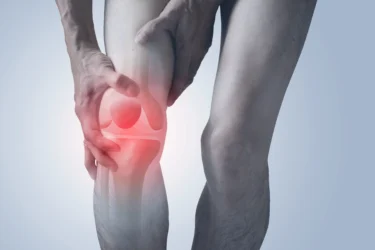
Soy milk may reduce the risk of osteoporosis in postmenopausal women, whose bone mineral density reduces due to declining in hormones like oestrogen and hormone replacement therapy. A study showed that isoflavones in soy milk may increase the calcium levels in bones. In addition, the high protein content in soy milk may also benefit bone health. However, more studies are yet to be done to confirm the effect of soy milk3. If you have any bone-related problems consult the doctor and do not self-medicate.
Suffering from menopausal symptoms? Consuming soy milk might help to relieve menopausal symptoms. Based on some research, soy milk contains isoflavones which exhibit oestrogen-like properties. These isoflavones may act as a natural alternative to hormones in menopausal women7.
Dr. Rajeev Singh, BAMS

Soy milk is a rich source of vitamins, minerals and bioactive compounds which may help in reducing the appetite. The condition of a low carbohydrate diet with high nutrient content of soy milk may help in weight management. Further studies are needed to see how soy milk may be essential in managing weight. However, you must consult a nutritionist to get a proper diet plan before making changes in your diet by yourself3.
Soy milk may be good for patients with diabetes. Lesser content of carbohydrates and higher content of proteins may help to manage the blood sugar level. However, further studies are required to check the effect of soy milk on individuals with diabetes. You must check your blood sugar level regularly and consult your doctor in case of high blood sugar levels3.
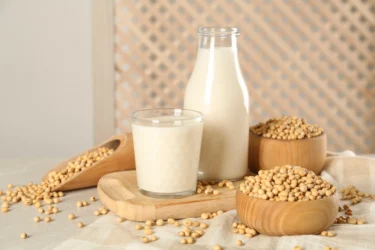
Soy milk may improve gut health by acting as a prebiotic and enhancing the useful microbes in the gut. Oligosaccharides in soy help as an alternative to sugar which may provide a substrate to help the good bacteria to grow and help the gut in maintaining useful bacteria. These bacteria present in the intestine may help in metabolism and may help in the proper functioning of the gut. Further studies are required to see how soy milk can help to improve gut health3. If you have any gut problems, consult the doctor and do not self-medicate.

Consuming soy products like soy milk may reduce the risk of cardiovascular diseases like stroke and coronary heart disease4. Constituents like fibre, protein, and isoflavones present in soy milk may work in different mechanisms to enhance heart health. They may help to reduce blood pressure and more studies are required to check the effect of soy milk on heart health. However, you must consult your doctor if you have abnormal blood pressure or any symptoms of heart disease. You must take utmost precautions if you have a history of cardiovascular disease3. Do not self-medicate.
Though some studies show the benefits of soy milk in various conditions, these are insufficient, and there is a need for further studies to establish the true extent of the benefits of soy milk on human health.
Did you know? Soy milk may have antioxidant, antiproliferative, and anticarcinogenic properties which can be extremely beneficial for the skin. Consuming soy milk and its products might assist in reducing skin pigmentation, controlling oil production, improving skin elasticity, and hydrating the skin6.
Dr. Smita Barode, B.A.M.S, M.S.
Soy milk can be added to your diet in the following way
You must consult a qualified doctor before taking soy milk in large quantities or any herbal supplements. Likewise, do not discontinue or replace an ongoing modern medical treatment with an ayurvedic/herbal preparation without consulting a qualified doctor.
Soy allergy may be associated with soy milk. Its symptoms of soy milk side effects include:
If you experience any adverse reactions to soy milk, immediately contact a doctor or your Ayurvedic physician who has prescribed it. They will be able to guide you appropriately for your symptoms.
Also Read: Oat Milk: Uses, Benefits, Side Effects By Dr. Smita Barode
The following precautions should be taken before consuming soy milk:
Also Read: Coconut Milk: Uses, Benefits, Side Effects By Dr. Smita Barode
Studies suggest that soy milk may interact with warfarin, a drug prescribed to prevent clots. Soy milk may interfere with the metabolism of warfarin and reduce its efficacy5.
Also Read: Almond Milk: Uses, Benefits, Side Effects By Dr. Dr. Rajeev Singh
Soy allergy may be associated with soy milk. It may cause several symptoms like Itching sensation, nausea, diarrhea, flushed skin, tingling sensation of the mouth and lips, wheezing and shortness of breath, dizziness, and confusion4.
Soy milk may be used to reduce cholesterol. It may help in the case of atherosclerosis, diabetes, cancer, and osteoporosis. It may act as a prebiotic and may be beneficial for the gut bacteria. Additionally, it may also improve heart health3. If you have any of these conditions consult the doctor and take the proper suggestion. Do not self-medicate.
Yes, soy milk may help in weight management and reduce obesity due to its high protein and low carbohydrate content in it3.
Yes, soy milk is good for human health as it has several benefits associated with it3.
Soy milk may interact with warfarin, which is a drug prescribed to prevent blood clots5.
1. Kant, Rajni & Broadway, Arif, (2015). The Benefits of Consuming Soya milk- A Review. International Journal “Trends of Biosciences. 8. 1159-1162. [cited 2022 Sep 1]. Available from: https://www.researchgate.net/publication/307436295_The_Benefits_of_Consuming_Soya_milk-_A_Review
2. FoodData Central. Soy milk [Internet]. U.S. Department of Agriculture [cited 2022 Sep 1]. Available from: https://fdc.nal.usda.gov/food-details/1097542/nutrients
3. Rizzo G, Baroni L. Soy, Soy Foods and Their Role in Vegetarian Diets. Nutrients. 2018 Jan 5;10(1):43. [cited 2022 Sep 1]. Available from: https://www.ncbi.nlm.nih.gov/pmc/articles/PMC5793271/
4. Soybeans and soy foods – Better Health Channel [Internet]. [cited 2022 Sep 1]. Available from: https://www.betterhealth.vic.gov.au/health/healthyliving/soybeans#health-benefits-of-soy-foods
5. Cambria-Kiely JA. Effect of soy milk on warfarin efficacy. Ann Pharmacother. 2002 Dec;36(12):1893-6. Available from: https://pubmed.ncbi.nlm.nih.gov/12452752/
6. Stallings AF, Lupo MP. Practical uses of botanicals in skin care. J Clin Aesthet Dermatol. 2009 Jan;2(1):36–40. PMID:20967187; PMCID: PMC2958188. Available from: https://pmc.ncbi.nlm.nih.gov/articles/PMC2958188/
7. Clarkson TB, Utian WH, Barnes S, Gold EB, Basaria SS, Aso T, Kronenberg F, Frankenfeld CL, Cline JM, Landgren BM, Gallagher JC, Weaver CM, Hodis HN, Brinton RD, Maki PM, et al.; North American Menopause Society. The role of soy isoflavones in menopausal health: report of the North American Menopause Society/Wulf H. Utian Translational Science Symposium in Chicago, IL (October 2010). Menopause. 2011 Jul;18(7):732–753. doi:10.1097/gme.0b013e31821fc8e0. PMID:21685820. Available from: https://journals.lww.com/menopausejournal/Abstract/2011/07000/The_role_of_soy_isoflavones_in_menopausal_health_.5.aspx
8. National Institute of Food Technology Entrepreneurship and Management (NIFTEM). Reading manual for soya milk. NIFTEM; 2022 [cited 2025 Dec 21]. Available from: https://niftem.ac.in/newsite/pmfme/wp-content/uploads/2022/08/soyamilkwriteup.pdf
Disclaimer: The information provided here is for educational/awareness purposes only and is not intended to be a substitute for medical treatment by a healthcare professional and should not be relied upon to diagnose or treat any medical condition. The reader should consult a registered medical practitioner to determine the appropriateness of the information and before consuming any medication. PharmEasy does not provide any guarantee or warranty (express or implied) regarding the accuracy, adequacy, completeness, legality, reliability or usefulness of the information; and disclaims any liability arising thereof.
Links and product recommendations in the information provided here are advertisements of third-party products available on the website. PharmEasy does not make any representation on the accuracy or suitability of such products/services. Advertisements do not influence the editorial decisions or content. The information in this blog is subject to change without notice. The authors and administrators reserve the right to modify, add, or remove content without notification. It is your responsibility to review this disclaimer regularly for any changes.
24
1
In recent times, there has been a rise in the popularity of plant-based foods. The popularity of veganism, allergy to cow’s milk and lactose intolerance led to rising demand for plant-based milk alternatives. Almond milk is the best choice due to its nutritional content1.
Almonds are the most consumed nuts in the world and the scientific name of the Almond is Prunus dulcis which belongs to the Rosaceae family. Almonds are highly nutritious and beneficial for health in many ways. The almond is an indigenous nut of Central Asia and currently, almonds are cultivated all over the world in the hot and dry Mediterranean regions. The USA, Spain and Australia are the top producers of almonds respectively. Almonds are considered a healthy snack and there are various products derived from it which might be equally healthy2. In India we commonly call almonds badam and we simply eat them raw or use them for making delicious drinks like badam milk or badam shake. Almond milk is derived from almonds and is used as a plant-based milk alternative. Read along to find out more about almond milk and its potential uses.
Almond milk contains the energy of 19kcal in 100gms. It contains the following nutrients in it:
Vitamins present in almond milk:
In my experience, almond milk has been introduced and promoted as a suitable milk alternative for individuals with cow’s milk allergy or lactose intolerance, including both children and adults. Studies have shown that almond milk can be an effective solution for children with milk allergies or intolerances, sometimes even outperforming other alternatives like soy-based meals and protein hydrolysate formula9.
Dr. Rajeev Singh, BAMS
Almond milk might possess the following properties:
Almond milk is a rich source of calcium and fats. It has a low-calorie count and is compared nutritionally better than other plant-based milk alternatives. It might have the following potential uses for human health.
Vitamin E cannot be prepared in the body and must obtain from the food source. Almonds are a rich source of vitamin E and contain a functional unit alpha-tocopherol which helps in deactivating the free radicals. Thus, Almond milk may eliminate or deactivate the free radicals and may help in reducing oxidative stress. Further research is needed to claim these properties of almond milk1.
Almonds have a compound called arabinose in the walls of their cells. This compound might help in lowering blood cholesterol. Therefore, almond milk might have cholesterol-lowering properties. However, more research is required to confirm such claims1.
Prebiotics are components which help the growth of good bacteria in our body which facilitates good health. The arabinose present in almond cell walls might have a prebiotic potential and was further Mandalari et al., explored that almond seeds may act as prebiotic. It was further seen in the study that almonds might increase the population of the bacteria bifidobacteria and Eubacterium rectale. There is a need for more research to explore the potentiality of almond milk as a prebiotic1.
Several studies4 have shown that the risk of coronary heart disease may decrease with the consumption of nuts. Moreover, the consumption of almonds has been included in the Portfolio Eating Plan for people with heart diseases, due to its potential cholesterol-lowering effect. It was observed that regular consumption of almonds might work as medicine which is prescribed by doctors for heart diseases (statin-like effect). This might be because almonds are low in saturated fats. Therefore, almond milk might be helpful in the maintenance of heart health and may safeguard the heart against coronary heart diseases. However, more research is required and consult a doctor for advice and do not self-medicate.
A lower body mass index (ratio of fats to body mass, calculated based on individual height and weight) was observed in people who eat nuts frequently. It was seen in studies5 that almonds are rich in fibre and protein and might help in weight management by increasing satiety (satisfaction of eating) and suppressing appetite. This might help in lowering the glycaemic index (conversion of carbohydrates to glucose in the blood). Therefore, almond milk might also help in healthy weight management. However, more research is required, therefore, kindly consult a professional for advice.
Several studies6 have shown that almond milk might lower the conversion of carbohydrates into glucose. Thus, it might help lower blood glucose levels by decreasing the glycaemic index (the ability of carbohydrates to increase blood glucose). Therefore, collectively, these effects might be helpful against diabetes. However, more research is required to prove the potentiality of almond milk for diabetes. Kindly consult a doctor for proper diagnosis and management of diabetes. Do not self-medicate.
Though there are studies that show the potential uses of almond milk in various conditions, these are insufficient and there is a need for further studies to establish the true extent of the benefits of almond milk on human health.
Almond milk is a suitable choice for individuals who are conscious of their calorie intake or following a low-carbohydrate diet. Almond milk is known for its low calorie content. On average, it contains around 30 to 50 calories per serving, with a median value of 35 calories. In terms of macronutrients, almond milk is relatively low in carbohydrates, ranging from 0.25 to 3 grams, and it provides a moderate amount of protein, ranging from 1 to 5 grams8.
Dr. Smita Barode, B.A.M.S, M.S.
Almond milk can be drunk as it is available without adding anything to it. As it is a plant-based milk alternative, it can be used in all the ways that milk can be used. For example, it can be used for making your daily tea and coffee. You can also replace the milk in your cereal with almond milk. Likewise, you can use almond milk for making your favourite desserts too!
You must consult a qualified doctor before taking almond milk in large quantities or any herbal supplements. Do not discontinue or replace an ongoing treatment of modern medicine with an ayurvedic/herbal preparation without consulting a qualified doctor.
Did you know that almonds were commonly considered the king of nuts? They are not only delicious but also packed with essential nutrients such as proteins, healthy fats, minerals, and vitamins. Including almond milk in your diet can be a great way to add a tasty as well as nutritious beverage to your meals7.
Dr. Siddharth Gupta, B.A.M.S, M.D (Ayu)
Almonds might induce an allergic reaction in some individuals. As almond milk is made out of almonds, it might also cause allergies. Around 1-2% of the people in the world are known to have food allergies and nuts have the potential to cause severe allergic reactions (anaphylaxis). It might be fatal, therefore, people should be extremely careful and make sure that they are not allergic to almonds before consuming almonds4.
Also Read: Paneer Dodi: Uses, Benefits, Side Effects and More!
People who are allergic to almonds should avoid almond milk as it can cause an allergic reaction. Almond milk might cause severe allergies in susceptible individuals. Therefore, kindly be cautious4.
Also Read: Raw Mango: Uses, Benefits, Side Effects By Dr. Smita Barode
Almonds might react to drugs and alter their activity. However, no such specific information is available. There is a need for more research on this subject. Therefore, kindly consult and confirm with a doctor if it is safe for you to consume almond milk, especially if you are undergoing any treatment and are on medication for the same.
Almond milk might be helpful against diabetes, coronary heart diseases, oxidative stress, digestive problems, and cholesterol and may help in weight management. However, these effects need to be confirmed by further research. Therefore, kindly consult a doctor for the mentioned health problems and do not self-medicate1,4.
Badam milk might be good for the heart as it might have a cholesterol-lowering effect which might help the heart against coronary heart diseases. It may prove to be good for the maintenance of heart health4. If you have any heart problems, consult the doctor and do not self-medicate.
There is insufficient data regarding the use of almond milk for skin. There is a need for more research on this subject.
Almond milk might be helpful for weight management as it is rich in fibre and protein. This may help in lowering the glycaemic index and might supress the appetite by increasing satiety. However, kindly consult a doctor and seek proper medical guidance for healthy weight loss. Do not follow any diets without medical consultation as it can be harmful to your health4.
Some people might be allergic to almonds and therefore cannot consume almond milk. It can cause severe allergic reactions (anaphylaxis) which can be fatal in susceptible individuals. Therefore, people who are allergic to almonds should not consume food products containing almonds or almond milk4.
1. Sethi S, Tyagi SK, Anurag RK. Plant-based milk alternatives an emerging segment of functional beverages: a review. J Food Sci Technol [Internet]. 2016 Sep 2;53(9):3408–23. Available from: http://link.springer.com/10.1007/s13197-016-2328-3
2. Barreca D, Nabavi SM, Sureda A, Rasekhian M, Raciti R, Sanches Silva A, et al. Almonds (Prunus dulcis Mill. D. A. Webb): A source of nutrients and health-promoting compounds. Nutrients [Internet]. 2020;2020:672. Available from: https://www.ncbi.nlm.nih.gov/pmc/articles/PMC7146189/
3. FoodData Central. Almond milk, unsweetened, plain, refrigerated [Internet]. U.S. Department of Agriculture. [cited 2022 Sep 1]. Available from: https://fdc.nal.usda.gov/food-search
4. Özcan MM. A review on some properties of almond: ımpact of processing, fatty acids, polyphenols, nutrients, bioactive properties, and health aspects. J Food Sci Technol. 2023 May;60(5):1493-1504. doi: 10.1007/s13197-022-05398-0. Epub 2022 Feb 21. PMID: 37033309; PMCID: PMC10076465. Available from: https://pmc.ncbi.nlm.nih.gov/articles/PMC10076465/
5. Baer DJ, Dalton M, Blundell J, Finlayson G, Hu FB. Nuts, Energy Balance and Body Weight. Nutrients. 2023 Feb 25;15(5):1162. doi: 10.3390/nu15051162. PMID: 36904160; PMCID: PMC10004756. Available from: https://pmc.ncbi.nlm.nih.gov/articles/PMC10004756/
6. Gulati S, Misra A, Pandey RM. Effect of Almond Supplementation on Glycemia and Cardiovascular Risk Factors in Asian Indians in North India with Type 2 Diabetes Mellitus: A 24-Week Study. Metab Syndr Relat Disord. 2017 Mar;15(2):98-105. doi: 10.1089/met.2016.0066. Epub 2017 Jan 4. PMID: 28051354; PMCID: PMC5333560.Available from: https://pmc.ncbi.nlm.nih.gov/articles/PMC5333560/
7. Sobhy HM, El Abd M, Elsabie W. Study of high nutritive value of almond milk beverage [Internet]. ResearchGate; 2021 [cited 2025 Sep 17]. Available from: https://www.researchgate.net/publication/352254093_STUDY_OF_HIGH_NUTRITIVE_VALUE_OF_ALMOND_MILK_BEVERAGE
8. Vanga SK, Raghavan V. How well do plant based alternatives fare nutritionally compared to cow’s milk? J Food Sci Technol. 2018 Jan;55(1):10-20. doi: 10.1007/s13197-017-2915-y. Epub 2017 Nov 2. PMID: 29358791; PMCID: PMC5756203. Available from: https://pmc.ncbi.nlm.nih.gov/articles/PMC5756203/
9. Vanga SK, Raghavan V. How well do plant based alternatives fare nutritionally compared to cow’s milk? J Food Sci Technol. 2018 Jan;55(1):10-20. doi: 10.1007/s13197-017-2915-y. Epub 2017 Nov 2. PMID: 29358791; PMCID: PMC5756203. Available from: https://pmc.ncbi.nlm.nih.gov/articles/PMC5756203/
Disclaimer: The information provided here is for educational/awareness purposes only and is not intended to be a substitute for medical treatment by a healthcare professional and should not be relied upon to diagnose or treat any medical condition. The reader should consult a registered medical practitioner to determine the appropriateness of the information and before consuming any medication. PharmEasy does not provide any guarantee or warranty (express or implied) regarding the accuracy, adequacy, completeness, legality, reliability or usefulness of the information; and disclaims any liability arising thereof.
Links and product recommendations in the information provided here are advertisements of third-party products available on the website. PharmEasy does not make any representation on the accuracy or suitability of such products/services. Advertisements do not influence the editorial decisions or content. The information in this blog is subject to change without notice. The authors and administrators reserve the right to modify, add, or remove content without notification. It is your responsibility to review this disclaimer regularly for any changes.
3
1
In recent years, life has been moving at an increasingly quick speed and we can see the changes in the world around us when we pay close attention. A more attractive environment created illness, which created increased environmental pollutants, psychosocial disorders, altered food patterns, and a poor diet. Our health is being negatively impacted by the culture that we are following and the high levels of stress. Yoga is now being embraced by many individuals as a remedy to these changes1. Yoga has been practised for ages and represents the idea of a healthy way of life. It has recently grown in popularity throughout the world and is now recognized as an alternative medicine approach. Yuj, which indicates union in Sanskrit, is where the word “yoga” comes from. It represents the fusion of personal consciousness (jee-vatma) with cosmic knowledge (Paramatma). It might ultimately lead to a state of bodily and mental health1,2.
Sudarshan Kriya has its roots set in traditional yoga and is a specific form of a yogic practice called pranayama. Pranayama is a unique part of yoga which focuses on breathing. It is mainly based on balancing the nervous system and may help with the psychological stress-related disorders, which have risen in recent times1. Sudarshan kriya is a type of cyclic controlled breathing. It has distinct components in it which are as follows:
Did You Know?
To practice Sudarshan kriya, you must follow the given steps:
In my experience, Sudarshan Kriya might offer several benefits for cardiovascular health. It may help to lower heart rate and blood pressure, promoting a healthier cardiovascular system. Additionally, practising Sudarshan Kriya has been shown to potentially improve cholesterol and triglyceride profiles, which are important markers of lipid health5.
Dr. Rajeev Singh, BAMS
Sudarshan kriya may be beneficial to both mind and body in which Sudarshan kriya may reduce stress and depression. Some of the potential uses of Sudarshan kriya are:
Sudarshan kriya might help in reducing the anxiety levels in humans and may help in the stabilisation of mental activity, brain function and relief from stress. This might help relieve the common symptoms of stress such as insomnia (inability to fall asleep). It was found in studies1 that the Sudarshan kriya yoga (SKY) practice might help in attaining an improved sleep quality by reducing stress and anxiety. Furthermore, a comparison study done on various yoga practices on post-traumatic stress disorder (PTSD) showed that the practising Sudarshan kriya has better outcomes. Sudarshan kriya yoga might provide a “corrective emotional experience” for healing deep emotional wounds and might also heal cognitive distortion (negative ways of thinking), which is usually caused due to traumatic experiences1.
A group of researchers1 led by Janakiramaiah have found that Sudarshan kriya might be helpful for people with mild and melancholic depression. Noticeable differences in the reduction of depression might be observed in the people who practised Sudarshan kriya. However, more research is required to prove these claims.
A study3 conducted on cancer patients with a habit of tobacco noticed that cancer patients who completed their standard therapy may control their tobacco habit with the help of Sudarshan kriya practices. However, more research is required regarding these effects1.
According to the literature I have come across, Sudarshan Kriya might enhance your immune function. It may increase immune cell counts in both healthy and health-compromised individuals, improving your body’s defence against infections and diseases5.
Dr. Siddharth Gupta, B.A.M.S, M.D (Ayu)
Research4 has noted that psychosocial stress (stress caused due to psychological and social situations) might also lead to an increase in oxidative stress in the body. Few studies have shown that practising Sudarshan kriya yoga might lead to a decrease in oxidative stress. In a study conducted by Sharma et al., it was seen that blood lactate (indicator of oxidative stress) levels were lowered in people practising the SKY technique. It was further noted that the levels of superoxide dismutase, catalase, and glutathione were increased. This indicates a boost in the antioxidant activity, which also contributes to the lowering of oxidative stress. Therefore, Sudarshan kriya might help in reducing oxidative stress in the body. However, more research is necessary for claims1.
Gebrag and Brown found in their study that Sudarshan kriya might be helpful in certain medical conditions:
However, more research is required to prove these claims.
Yoga practice may help develop the mind and body; however, it is still not an alternative to modern medicine. You must not rely on yoga alone to treat any condition. Please consult a qualified doctor who will be able to assess your condition correctly and advise accordingly. Moreover, it is necessary to practice and learn yoga under the supervision of a trained yoga teacher to avoid any injuries.
I would suggest practising Sudarshan Kriya for your overall respiratory health. It has been found to have a possible positive impact on respiratory function. Thus by incorporating deep, rhythmic breathing patterns, Sudarshan Kriya enhances your respiratory well-being5.
Dr. Smita Barode, B.A.M.S, M.S.
There is a requirement for more research and exploration to state the effects of the Sudarshan kriya on the body, including the risks that it might have.
With the guidance of a qualified and experienced yoga teacher/yoga expert, we can access and analyse the risk factors and continue to practice exercise with precautions.
Also Read: Benefits of Linga Mudra and How to Do it By Dr. Ankit Sankhe
Sudarshan kriya is a specific form of pranayama in which cyclic breathing is performed. It might help in calming the body and mind. It mainly includes four distinct stages in the practice: Ujjayi (victorious breath), Bhastrika (Ballow Breaths), chanting of Om and Sudarshan kriya. It might be beneficial for reducing stress, anxiety, depression, and post-traumatic stress disorder (PTSD). However, it might have risks too, which need to be explored by further researchers. Kindly ensure to seek guidance from a qualified and experienced yoga expert before practising it.
Also Read: Benefits of Trikonasana (Triangle Pose) and How to Do it By Dr. Himani Bisht
Yes, Sudarshan kriya might help in reducing the symptoms of depression when practised regularly1. If you have depression problems, consult your doctor and do not self-medicate.
Yes, Sudarshan kriya might be beneficial for insomnia, which is one of the common symptoms of stress. It has been seen in studies that it might help in the attainment of improved sleeping patterns1.
There are no reports that claim the beneficial effects of Sudarshan kriya for cancer. There is a need for more research on this subject.
Sudarshan kriya is a cyclic, rhythmic, breathing yogic practice. It consists of four distinct steps such as Ujjayi, bhastrika, chanting of om and Sudarshan kriya. It is relatively easy and can be performed under proper guidance1.
Sudarshan kriya might be beneficial for people with anxiety, stress, depression, tobacco addiction, pain, and stress-related medical conditions. However, more research is required to prove the effectiveness of these exercises in detail. Kindly ensure to practice this exercise only under the expert supervision of a yoga teacher1.
Disclaimer: The information provided here is for educational/awareness purposes only and is not intended to be a substitute for medical treatment by a healthcare professional and should not be relied upon to diagnose or treat any medical condition. The reader should consult a registered medical practitioner to determine the appropriateness of the information and before consuming any medication. PharmEasy does not provide any guarantee or warranty (express or implied) regarding the accuracy, adequacy, completeness, legality, reliability or usefulness of the information; and disclaims any liability arising thereof.
12
6
The desire to live a healthy life may sound simple, but achieving it isn’t always easy. True health is not just about being free from illness but about having the strength and balance to cope with life’s challenges.
To make this concept come to life, yoga is being adopted by many to manage our physical and mental health. It is an all-natural, drugless concept of wellness.1
Various seals and fossil remnants of the Indus Valley Civilisation indicate that yoga was prevalent in ancient India, around 2700 BC. The yogic lore considers Shiva to be the founder of yoga. It contains various asanas and practices. It includes various practices such as yama and niyama (principles for conduct in personal and social life), asana (various sitting, standing, and lying postures), pranayama (breathing techniques), pratyahara (withdrawal of senses from sense organs to control mind), bandha and mudra (manipulation of semi-voluntary and involuntary muscles), shatkarma kriya (cleansing process) and dhyana (meditation).1
Sukhasana is one of the easiest asanas among all the postures. Continue reading to discover how to incorporate it into your daily routine!
Sukhasana is also known as the easy sitting pose. It can be performed by people of all age groups. The name sukhasana is derived from the word “sukham” which means easy, comfortable, joyful or pleasure, etc.2 This is a simple pose and can be performed by beginners with ease. It is a beginner level asana. Sukhasana is the usual sitting posture in the Eastern culture. You need not necessarily be empty stomach to perform it. Even so, it might be better if you practice it in the morning as it is a meditative pose.3
There are two types of sukhasana poses:

In this posture, one has to be seated on the floor. For people having back issues, sitting with the back leaning against the wall may be more comfortable. The legs must be crossed at the mid-portion of the shins (the lower half of the legs). For additional support, blankets can be kept under the hips, and blocks can be kept under the knees.4

Similar to the previous pose, one has to be seated cross-legged on the floor. The upper part of the body (thoracic and cervical spine) has to be rotated to the right and left alternatively. You can put one hand on the knee and other hand on the floor for support and rotation.4
Let me tell you about the magic of Sukhasana. Sukhasana is derived from Sanskrit, meaning “refreshing exercise.” It is an excellent sitting position that symbolises inner fulfilment and leisure. While admiring the beauty of Sukhasana, I read in an article that with regular practice of Sukhasana, the spine may also lengthen, and the body may experience incredible stability.
Dr. Siddharth Gupta, B.A.M.S, M.D (Ayu)
Also Read: Benefits of Gomukhasana (Cow Face Pose) and How to Do it By Dr. Himani Bisht
Sukhasana is a sitting pose asana which can be easily performed by anybody. The steps to be followed are:
This asana is good for meditating, and other yoga practices like breath work (pranayama) can also be performed.3,6
In this 5G era, we constantly need gadgets like mobile phones and laptops to walk parallel to the fast-growing world. But with this, eye fatigue has become a common complaint. From my experience, when Sukhasana collaborates with other yoga asanas, it may do wonders for our eyes! I recently read an article8 which suggests sitting in the Sukhasana and doing eye exercises such as eye rotations and marching as per Trataka Karma may aid in Computer Vision Syndrome such as eye fatigue and eye muscle weakness.
Dr. Rajeev Singh, BAMS
Sukhasana is a simple asana that is popular among one and all. You may have seen pictures of your favourite celebrities practising the sukhasana as well.
Practising Sukhasana while doing your routine work may benefit your lungs! Yes, you read it right! I recently read an article9 that suggests that people who regularly practise Sukhasana may have higher lung function than others.
Dr. Smita Barode, B.A.M.S, M.S.
Also Read: Benefits of Ustrasana (Camel Pose) and How to Do it By Dr. Ankit Sankhe
In our Indian culture, sitting cross-legged is quite common. It has been a part of our culture for a long time. Many of us are habituated to sitting cross-legged on the floor while studying, praying, eating and meditating. Sitting cross-legged is basically performing the sukhasana, the advantages of which have been highlighted by yoga. The possible advantages of sukhasana are improving body stability to self-realisation. Some of the benefits of sukhasana are given below.7
Sitting in Sukhasana might help reduce chronic lower back pain. It has been seen that chronic back pain can cause depression, again leading to an increase in back pain, thus forming a vicious cycle. The authors of a study published in the American Journal of Lifestyle and Medicine think that sukhasana might help break the cycle of chronic lower back pain and depression. This might be because sitting cross-legged reduces functional disability and improves stress, depression and pain responses in patients 7
Some researchers claim that sitting in the cross-legged position, i.e. in sukhasana, may reduce functional disability and stress. It was further stated that it might also help against depression and pain response in patients. Through this research, we get a sneak peek into the extent of yoga’s potential, which extends beyond the physical realm 7
According to studies, sukhasana may have the potential to help improve cardio-metabolic (metabolic and heart diseases). It was seen that sitting in the cross-legged meditative pose may help improve the heart rate and might help against lifestyle-related heart diseases (cardiovascular diseases).7
A study was done on people with high blood pressure, where the effects of performing sukhasana and simple breathing exercises regularly were seen. From this study, it may be said that sukhasana combined with a few simple breathing exercises may help lower blood pressure.6
One study in the Orthopaedic Journal of Sciences stated that practising the sukhasana regularly might help improve the lipid profile. It claims to potentially improve the LDL and HDL (low-density lipoproteins and high-density lipoproteins) cholesterol levels. Another study potentially believed to lower the triglyceride level as well.7
Sukhasana might be beneficial in weight management as it might help improve the body mass index (ratio of body fat according to height and weight). A study published in the International Journal of Cardiology showed that sitting cross-legged might also help improve waist circumference.7
Sukhasana is a simple pose that can be performed by pregnant women. It might help calm the mind, broaden the shoulders, improve digestion, straighten the spine, improve breathing, reduce fatigue, and may uplift mood. It might have positive effects like making one feel more confident, and energised and rekindle the will to be more productive.3
Several studies claim that sukhasana helps strengthen the pelvic and core muscles. The possible benefits might extend further into helping with proper breathing, oxygenation, and blood circulation (both central and peripheral). This shows how the effects of sukhasana might be interlinked.7
Studies conducted in recent times show that sukhasana might be beneficial for the overall body, including the mind. It was seen that sitting cross-legged might improve mental integration. Getting up from the cross-legged position may also prove to improve the balance and sense of touch, which might be beneficial for our health in the long run.7
Yoga practice may help develop the mind and body; however, it is still not an alternative to modern medicine. You must not rely on yoga alone to treat any condition. Please consult a qualified doctor who will be able to assess your condition correctly and advise accordingly. Moreover, it is necessary to practice and learn yoga under the supervision of a trained yoga teacher to avoid any injuries.
Also Read: Benefits of Bhastrika Pranayama and How to Do it By Dr. Ankit Sankhe
Sukhasana should be avoided with the following conditions:
With the guidance of a qualified and experienced yoga teacher/yoga expert, we can assess and analyze the risk factors and continue to practice exercise with precautions.
Sukhasana is a simple asana that can be easily performed by people of all ages. It is as simple as sitting down on a flat surface. It is simply sitting cross-legged with a straight back and neck. This is the normal way of sitting in most Eastern cultures. This pose is believed to be beneficial for tasks requiring a lot of concentration, like studying, meditation, self-realization, etc. This deceptively simple asana might have a lot of benefits to offer. It might be helpful with chronic lower back pain, stress, heart disease, cholesterol, etc. However, if you are starting yoga asanas, you should consult a qualified doctor to begin your yoga journey with this simple pose.
Also Read: Benefits of Sudarshan Kriya and How to Do it By Dr. Ankit Sankhe
Sukhasana is a simple pose, which is also called the cross-legged easy pose. This is a meditative pose; all you have to do is sit in a cross-legged position on the floor with the back and neck straight.6
Sukhasana might be helpful for heart diseases, lower back pain, cholesterol, weight management, de-stressing, pregnancy, blood pressure, etc. This simple pose might have various benefits.3,6,7
Yes, Sukhasana can be performed by those with back pain. It may be helpful for back pain, as seen in a few studies. However, people with hip, spine and knee injuries should avoid it. Kindly consult a yoga instructor for better guidance.5,7
No. There is no compulsion to be empty stomach to perform this pose. It may be practised with proper consultation with a yoga expert. However, it might be better to perform this asana in the morning as it is a meditative pose.3
Yes, you can meditate while sitting in Sukhasana. It is believed that sukhasana can be good for tasks that require a lot of concentration and last over a long duration, for example; studying, meditation, self-realisations.7
1. National Council of Educational Research and Training. Yoga, A Healthy Way of Living, Upper Primary Stage [Internet]. Uppal S, Bijnan S, editors. Vol. 15. New Delhi: National Council of Educational Research and Training; 2016. 1–23 p. Available from: https://ncert.nic.in/pdf/publication/otherpublications/tiyhwlups1.pdf
2. Littman M. Class notes [Internet]. Vol. 94, ABA Journal. 2008. Available from: https://opjsrgh.in/Content/Worksheet/PRACTICE-WS/day160/11-PE.pdf
3. Singh C, Reddy OT, Singh V. Benefit of Yoga Poses for Women during Pregnancy. 2013;(April):18–22. Available from: https://www.researchgate.net/profile/Dr-T-Reddy/publication/340731445_Benefit_of_Yoga_Poses_for_Women_during_Pregnancy/links/5e9ad32592851c2f52aa9bcb/Benefit-of-Yoga-Poses-for-Women-during-Pregnancy.pdf
4. Greendale GA, Kazadi L, Mazdyasni S, Ramirez E, Wang MY, Yu SSY, et al. Yoga Empowers Seniors Study (YESS): Design and Asana Series. J Yoga Phys Ther [Internet]. 2012 Feb 27;2(1):1–2. Available from: https://www.ncbi.nlm.nih.gov/pmc/articles/PMC3639444/table/T2/
5. Matsyendrasana A, Muktasana P, Matsyendrasana A, Muktasana P, Chakraasana A, Matsyendrasana A. Assignment / Self-Study Notes-4: Yoga and Lifestyle [Internet]. Vol. 3. Available from: https://www.ggpsbokaro.org/images/download1/7156.pdf
6. Lindasari N, Suhariyanti E, Margowati S. Yoga Pranayama Dhiirga Swasam with Sukhasana Position on Reducing Blood Pressure in the Elderly. In: Proceedings of the 1st Borobudur International Symposium on Humanities, Economics and Social Sciences (BIS-HESS 2019) [Internet]. Paris, France: Atlantis Press; 2020. p. 333–8. Available from: https://www.atlantis-press.com/article/125939425
7. Kohli DP, Patel DP, Waybase DH, Gore DS, Nadkarni DS. The value of cross legged sitting: Virtue or vice for health.A review from sports medicine, physiology and yoga.Implications in joint arthroplasty. Int J Orthop Sci [Internet]. 2019 Jul 1;5(3):607–10. Available from: http://www.orthopaper.com/archives/?year=2019&vol=5&issue=3&ArticleId=1596
8. Trataka Karma: A Holistic Approach For Computer Vision Syndrome. Available from: https://www.ayurpub.com/wp-content/uploads/2022/04/2034-2039.pdf
9. Pulmonary Function Analysis of a Simple Crossed Legs Sitting Posture. Available from: https://link.springer.com/chapter/10.1007/978-981-15-9054-2_119
Disclaimer: The information provided here is for educational/awareness purposes only and is not intended to be a substitute for medical treatment by a healthcare professional and should not be relied upon to diagnose or treat any medical condition. The reader should consult a registered medical practitioner to determine the appropriateness of the information and before consuming any medication. PharmEasy does not provide any guarantee or warranty (express or implied) regarding the accuracy, adequacy, completeness, legality, reliability or usefulness of the information; and disclaims any liability arising thereof.
189
3


