




Chia Seeds for Weight Loss: Benefits, How to Use Them & Best Ways to Eat Them
By Dr. Mrunal Shirodkar +2 more

Medically reviewed by Dr. Mrunal Shirodkar
Last updated: Mar 18, 2026 Published on: Jan 15, 2026


Get,

to manage your symptom
Get your,

4 Cr+ families
benefitted

OTP sent to 9988776655



You’ve successfully subscribed to receive
doctor-approved tips on
Whatsapp

Get ready to feel your best.


Register to Avail the Offer
Send OTPBy continuing, you agree with our Privacy Policy and Terms and Conditions
Hi There,
Sign up on PharmEasy now!!


Trusted by 4 crore+ families

OTP sent to 9988776655
You have unlocked 25% off on medicines


Code: NU25

By Dr. Mrunal Shirodkar +2 more
Table of Contents
Weight management often feels like a tough puzzle, right? We look for fancy diets and complicated workouts that usually leave us tired and hungry. But sometimes, the simplest things are more effective! Imagine you could add just one tiny, natural ingredient to your favourite meals, like your morning breakfast or some snacks that helps you feel full for longer and gives your body a huge nutritional support.
Yes, you read it right! And that ingredient is chia seeds! These small seeds are becoming super popular. Adding them is simple and won’t force you to totally change everything you do, yet they might be the easy secret tool for staying on track with your weight.

So, let discuss all about chia seeds for weight loss and the best ways to use them every day!
Chia seeds come from the Salvia hispanica plant, which is actually a member of the mint family. These edible seeds have become a popular staple for their nutritional value. These are small seeds, typically appearing in shades of black, brown, or white. In terms of size, they are roughly comparable to a poppy seed1,2.
Chia seeds are considered a nutrient powerhouse because of:
If you are wondering ‘Is chia seed good for weight loss?’, the answer is, yes! Because chia seeds are loaded with fibre and absorb significant amounts of water, they expand in your stomach to create a lasting sense of fullness. This natural bulking effect helps control your appetite and reduces the urge to snack, making it easier to manage your weight by preventing overeating, further leading to weight loss2,4.
Chia seeds are one of the most effective functional foods to support a weight loss plan because of their unique physical and nutritional properties, here are chia seeds benefits for weight loss:
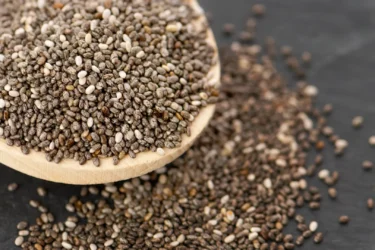
Chia seeds are hydrophilic, meaning they can absorb up to 12 times their weight in water5. When they expand in your stomach, they form a thick, gel like substance that slows digestion and keeps you feeling full for a significantly longer time, reducing the urge to eat2.
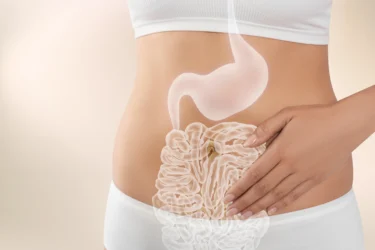
With nearly one tablespoon, chia seeds provide about 20% of your daily recommended intake2. Because fibre is a carbohydrate that the body cannot digest, fibre diets are excellent for weight management. These fibres thicken the contents of the stomach, slowing down the digestive process and keeping you full for longer6.
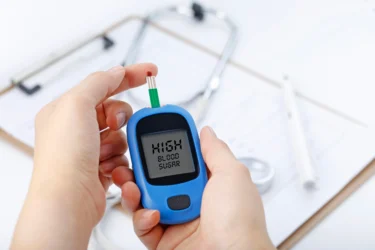
As mentioned, chia seeds are rich in fibre. While most carbohydrates are broken down into simple sugars, fibre remains undigested as it passes the body. This unique property helps in slowing glucose absorption and prevents sharp insulin spikes which helps in balancing blood sugar levels while simultaneously sustaining satiety to reduce hunger cravings7.

Chia seeds possess anti-inflammatory properties because of its high concentration of omega-3 fatty acids. Inflammation is often linked to obesity and metabolic resistance; by reducing inflammation, chia seeds help your metabolic systems function more efficiently further supporting weight loss8,9.
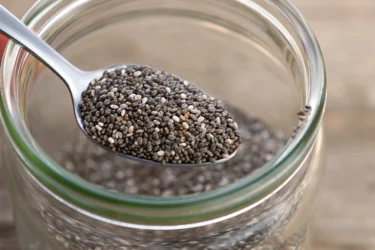
A single serving (about 2 tablespoons) contains only around 138 calories but is packed with massive amounts of fibre, protein, and minerals3. This nutrient rich source is ideal for weight loss because it ensures your body receives essential nourishment while you are maintaining a calorie deficit, preventing the malnutrition often associated with restrictive dieting.
And not just weight loss, chia seeds also play a vital role in managing chronic diseases by improving cardiovascular health, regulating blood glucose and digestive function, and protecting against pancreatic inflammation and various cancers through the prevention of cellular damage1.
Note: While Chia seeds may have shown benefits for weight management, it is important to understand that there is no single magic remedy for weight loss. Natural ingredients usually work well when taken consistently with a well-balanced diet and regular exercise.
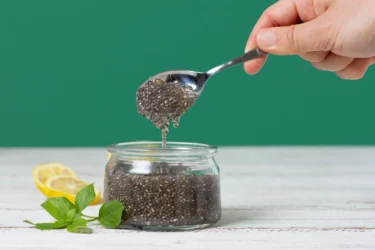
Chia seeds are nutty-flavoured seeds that can be easily integrated into a wide variety of culinary preparations:
Now as you know how to use chia seeds for weight loss, here are some simple and nutritious recipes to incorporate them into your daily routine:
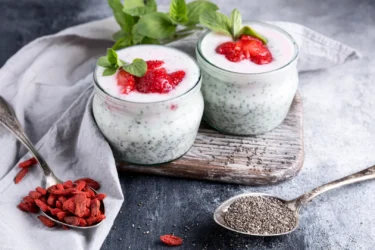
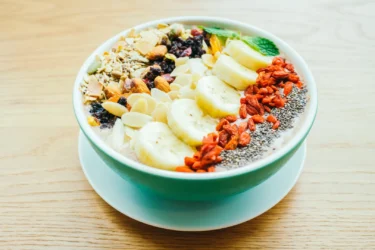
Whether you enjoy them in a pudding or as a crunch in your salad, these tiny seeds are a versatile powerhouse that can help keep you full and focused on your weight loss goals.
Even though chia seeds are a nutritional powerhouse, they can cause significant health issues if consumed improperly or in excessive amounts.
The most serious risk is oesophageal blockage. If you swallow a large amount of dry chia seeds and then drink water, the seeds can swell in the oesophagus causing blockage.
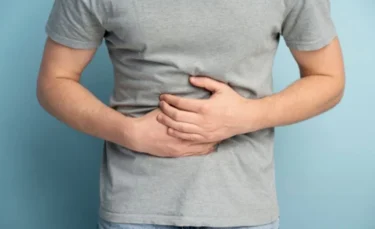
Chia seeds are rich in fibre and if you suddenly increase your fibre intake without drinking enough water, you may experience bloating, gas, stomach cramps.

While uncommon, some individuals may experience an allergic response to chia seeds those with known sensitivities to certain seeds should be especially cautious.
By simply soaking them before eating, drinking plenty of water, and listening to your body, you can safely enjoy all the nutrition they have to offer without any unwanted side effects.
Note: If you have any medical conditions, it’s best to discuss with your doctor before including any new food item including chia seeds in your routine diet.
Chia seeds are a simple yet powerful tool that can make your weight loss journey feel much more manageable. By keeping you full longer and providing a massive nutrient boost, they help bridge the gap between dieting and sustainable healthy living. Just find out few recipes like chia pudding and other easy ways to eat chia seeds that you actually like and stick with it. Always soak in water or milk before consuming and take them in moderation. These small, daily habits are what really lead to long-term results.
Also Read: Turkey Tail Mushroom: Benefits, Uses, Side Effects & More!
A healthy adult can consume approximately 2 tablespoons (25g) per day12. However, avoid eating it dry or raw followed immediately by water, as this poses a risk of oesophageal blockage. For safety, pre-soak it in water for several hours or incorporate it directly into a prepared recipe10.
Integrating chia seeds into your meals is incredibly easy you can sprinkle them over salads or stir them into soups and yogurt. Regardless of your specific eating plan, these seeds make a versatile addition. However, for the best weight loss results, ensure you are maintaining a calorie deficit alongside their use5.
While you can eat raw chia seeds by using them as a crunchy coating (similar to breadcrumbs) or whisking them into French toast batter2, direct consumption of dry chia seeds is generally not advised. To ensure they are easy to digest and safe to swallow, it is best to soak them in liquid first1.
Yes, you can have chia seeds in your diet. Beyond supporting postpartum weight goals, chia seeds are a nutritional powerhouse for breastfeeding mothers. They are rich in essential Omega-3 fatty acids and calcium, nutrients that are vital for both the mother’s recovery and the baby’s healthy development13.
Combining fenugreek and chia seeds aids weight loss by providing high fibre, which increases satiety and helps stabilize blood sugar levels. This blend supports metabolic health and reduces cravings, making it an effective addition to a balanced weight management routine14.
Combining moringa powder with chia seeds creates a powerful nutritional duo15. This blend pairs a nutrient-dense superfood with a high-fibre powerhouse, making it an excellent addition to a healthy weight loss regimen.
Disclaimer: The information provided here is for educational/awareness purposes only and is not intended to be a substitute for medical treatment by a healthcare professional and should not be relied upon to diagnose or treat any medical condition. The reader should consult a registered medical practitioner to determine the appropriateness of the information and before consuming any medication. PharmEasy does not provide any guarantee or warranty (express or implied) regarding the accuracy, adequacy, completeness, legality, reliability or usefulness of the information; and disclaims any liability arising thereof.
Links and product recommendations in the information provided here are advertisements of third-party products available on the website. PharmEasy does not make any representation on the accuracy or suitability of such products/services. Advertisements do not influence the editorial decisions or content. The information in this blog is subject to change without notice. The authors and administrators reserve the right to modify, add, or remove content without notification. It is your responsibility to review this disclaimer regularly for any changes.


Comments

Leave your comment...
You may also like


















Comments