Last updated: Mar 13, 2026Published on: May 16, 2024
Table of Contents
Introduction
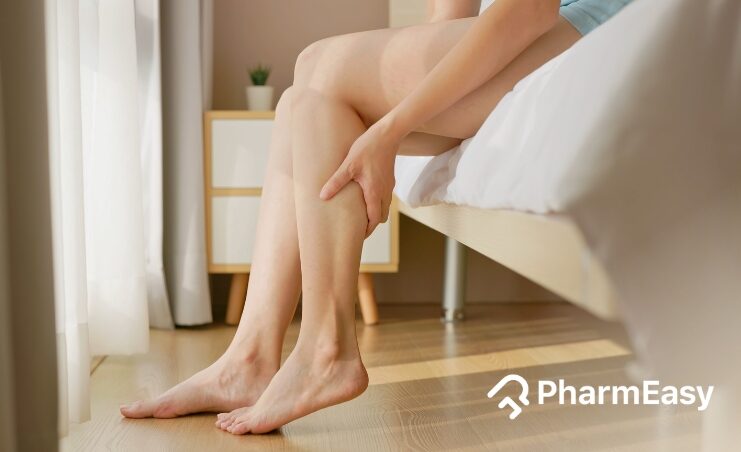
Calf strains are a common injury experienced by athletes and non-athletes alike, often causing pain and discomfort in the back of the lower leg. With various grades of severity and multiple types of calf strains, it is crucial to recognize the symptoms and receive proper management to ensure a full recovery. In this article, we will discuss the different types of calf strains, their causes, and how they may present themselves. We will then delve into diagnosis, assessment, management, and methods to help you minimize the impact of calf strain in your daily life. Additionally, we will touch on other calf pain conditions to consider when evaluating your symptoms.
Did you know?
Gastrocnemius strain commonly occurs during maximal extension of the knee with the ankle in full dorsiflexion. source: NCBI
Patients with gastrocnemius strain may experience a sharp pain or a feeling like something struck them on their calf. source: NCBI
Physical therapy is important for promoting functional recovery and includes stretching, strengthening, and proprioceptive exercises. source: NCBI
Rest, ice packing, compressive wrapping, and elevation are common measures for managing calf strain. source: NCBI
Previous lower limb injuries, such as hamstring, quadriceps, adductor, and knee injuries, are associated with an increased risk of calf strain. source: PubMed
Advertisement
Types of Calf Strains
They mostly involve three key muscles. These are the gastrocnemius, soleus, and plantaris. Each type of strain links to the injured muscle. How they present depend on the affected muscle parts.
1. Gastrocnemius Strain
Relationships between calf strain and anatomy: The gastrocnemius muscle, found in your lower leg’s backaids in power-focused tasks and long-lasting activities. The fact that this muscle stretches over both the knee and the ankle joints can make it prone to strain injuries. This type is also the most common type of calf strain1.
2. Soleus Strain
Differences between gastrocnemius and soleus strains: The soleus muscle lies underneath the gastrocnemius10. As it does not stretch over the knee joint, it gets fewer strains than the gastrocnemius. Still, injuries to the soleus can happen. They often occur when tasks demand forceful and frequent ankle movements. These strains might cause confined pain in the mid-calf area.
3. Plantaris Strain
Rarity and differentiation from other calf strains: Plantaris strain is quite rare compared to strains in the other two mentioned muscles. The plantaris muscle is tiny and near the gastrocnemius and soleus muscles8. Because of this close tie-up, it might be tricky to pin this strain as the problem separate from other calf strains.
Causes of Calf Strains
Several things could lead to a calf strain. Muscle overload, poor warm-up, lack of flexibility, and tiring out could all be the cause.
1. Muscle Overload
Quick acceleration or sudden change in direction: A gastrocnemius strain can happen when the muscle is asked to work more than its ability. Both a quick increase in pace or a sudden turn can cause this. These quick moves could lead to small or big fiber tears in the muscles.
Pushing off during running or jumping: The extra force used when starting a run or jump can lead to a soleus strain12. This forceful and frequent ankle motion can cause minor injuries to the soleus muscle. This can result in a strain at this place.
2. Poor Warm-up and Flexibility
Importance of stretching exercises: Not warming up well and not being flexible can increase your odds of muscle strain13. Doing proper warm-up routines may help prepare your muscles for action. This may lower your chances of getting a calf strain.
3. Fatigue and Overuse
Effects of strenuous or prolonged physical activity: Doing intense or long-lasting activities can increase your chance of a calf strain. Tiredness can make your muscles weak. This can make them more prone to strains and tears.
In my experience, I have seen that wearing shoes that do not provide proper support or do not fit well can contribute to calf strains, especially during activities that involve running or jumping. Not wearing proper footwear can significantly increase the risk of injury, especially for elite athletes who put a lot of stress on their calves during intense physical activities14.
The signs you may notice if you have a calf strain can depend on how bad the strain is.
1. Pain
Sudden onset and severity: You might feel a sharp pain in the back of your lower leg all of a sudden. The amount of pain can depend on how bad the strain is. You may even think you felt a snap or were kicked in the leg.
2. Bruising and Swelling
Signs of injury severity: You might also note bruising and swelling if you have a calf strain. These signs are common in bad injuries. They show the harm caused to muscle fibers and blood vessels in the affected area.
3. Muscle Tightness and Weakness
Loss of strength or range of motion: After a calf strain, the muscle might get tight and weak. This can cause a drop in strength or make it hard to move the ankle and knee joints4. You may find it tough to do tasks like going up/down stairs.
It’s a lesser known fact that age and previous muscle injuries are significant risk factors for future calf muscle strains. As we age, our muscles and nerves undergo changes that can increase vulnerability to strains. Additionally, previous injuries can lead to lasting effects on muscle strength, nerve function, and tissue structure, making future injuries more likely15.
Your doctor will examine you, use scans, and grade the injury to diagnose a calf strain.
Advertisement
1. Medical Evaluation
Physical examination and patient history: During a check-up, your doctor will look for painful, swollen, or weak spots. They will ask you to tell them about when you got hurt. They will see if any changes in activity might have led to the strain.
2. Imaging Techniques
Ultrasound: Ultrasounds are good tools to detect calf strains. They can help show the size of muscle strain9. They can also show what type of calf strain it is. Also, they can rule out other causes of calf pain.
MRI: MRI scans can give a more detailed view of soft muscles and tendons. These are not always needed. But they might be useful if the injury extent is uncertain.
3. Grading Calf Strains
Grade 1: Mild: A grade 1 calf strain is when there are very small tears in the muscle fibers. The pain is mild, but you face little to no movement limits. People recover in about two weeks.
Grade 2: ModerateL: In a grade 2 strain, there is a part tear of muscle fibers. This causes moderate pain, swelling, and limits normal tasks. Recovery takes between five to eight weeks.
Grade 3: Severe: A grade 3 strain is a full tear or split of muscle fibers. The pain is strong, and it is not possible to walk. Recovery can take three to four months or more.
Ways to Manage Calf Strains
Managing calf strains often requires a mix of methods to lessen swelling and promote repair. Also, workouts to get your strength back are key.
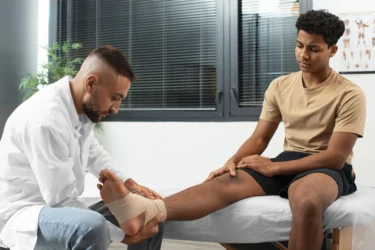
Importance during the initial injury phase: Using the RICE method after injury is key to managing pain and swelling. Rest lets the hurt muscle repair. Ice helps reduce swelling. Wrapping the injured area stops fluid buildup and raising the leg lowers swelling1.
2. Pain Relief and Anti-inflammatory Medication
Image Source: freepik.com
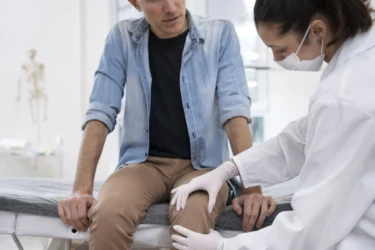
Prescription or over-the-counter options: People with calf strains may need over-the-counter or doctor-prescribed painkillers. These can aid in managing pain and swelling. Always discuss with your healthcare provider for the best option for you.
3. Physical Therapy and Rehabilitation
Image Source: freepik.com
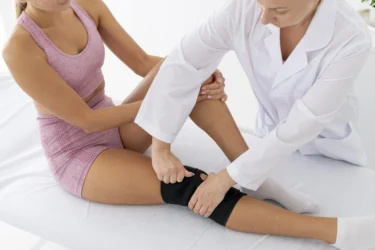
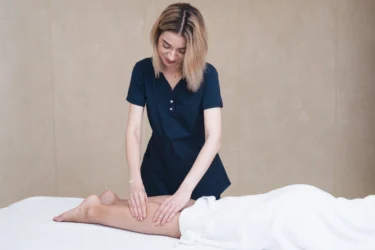
Massage and mobilization techniques: Physical therapy often plays a big role in reducing the strain. A physical therapist may use rub or mobilize methods to lower muscle tightness, max out blood flow, and boost muscle tissue health.
Strengthening and flexibility exercises: Good rehabilitation for calf strain must include workouts to get back muscle strength and movement11. Increasing no-load and load-bearing workouts plus stretches and balance tasks may aid recovery.
Gait retraining and functional movement progressions: As calf muscles recover and get stronger, a physical therapist may guide you through gait training and tailored functional movement steps11. This ensures that you return to daily life and sports safely.
4. Recovery Timeline and Factors
Image Source: freepik.com
Individual variability in repair time: Time taken for recovery can range widely depending on the strain’s seriousness and people’s age, overall health, and following a proper rehabilitation program. It is key to stay patient and follow healthcare professionals’ advice for a full and successful recovery.
Importance of adherence to the rehabilitation program: Following the given rehabilitation plan can majorly affect the recovery process. Going all in to stick to the physical therapy sessions and prescribed exercises may help a quicker and fuller return to pre-injury activity levels.
Tips to Avoid Calf-Strain
To avoid calf strains, you need good warm-ups, a slow increase in workout intensity, and frequent strength and flexibility workouts.
1. Proper Warm-up and Cool-down
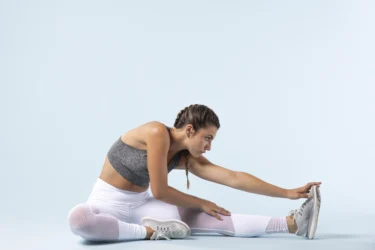
Dynamic and static stretching techniques: Adding dynamic and static stretches into your warm-up/cool-down routines may help prepare your muscles and add to your flexibility. Dynamic stretches like leg swings and ankle circles boost blood flow and wake up the neuromuscular system. Static stretches target muscle groups to maintain and improve flexibility13 .
2. Progressing Exercise Intensity Gradually
Image Source: freepik.com
Avoiding sudden changes in the training load: To avoid calf strains, don’t suddenly pick up the workout load. Increasing exercise intensity slowly will help your body adjust and keep injuries away.
3. Regular Strength and Flexibility Training
Image Source: freepik.com
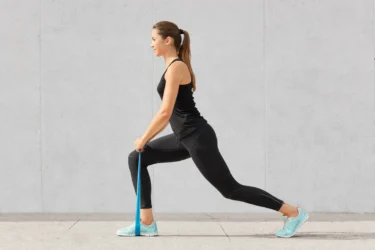
Calf-specific exercises: Consistent strength and movement training may keep away calf strains. Adding in calf-only workouts like calf raises, heel drops, and seated calf presses may help improve the calf muscle group’s health and toughness.
Addressing muscle imbalances: Fixing muscle weaknesses with targeted strengthening and stretching workouts may lower the risk of calf strains13. Focus on the gastrocnemius, soleus muscles and also the surrounding structures of the lower leg and ankle.
Other Calf Pain Conditions
Besides calf strains, other problems could cause calf pain are listed below.
Achilles Tendonitis: Inflammatory and pain in the Achilles tendon7
Sciatica: Annoyance of the sciatic nerve causing calf pain6
Deep Vein Thrombosis: Blood clot forming in the deep veins of the calf3
Compartment Syndrome: Pressure buildup in the calf muscles
Diabetic Peripheral Neuropathy: Nerve damage due to diabetes causing calf pain5
Blood Clot: A clot blocking blood flow and causing pain
Calf strains are a common leg injury and can cause pain in the back of your lower leg. Knowing its causes, signs, and management options can ensure full repair and stop future injuries. Always remember to do proper warm-ups and cool-downs and slowly increase your workout to lower the chance of calf strains. Finally, stay aware of other calf pain causes. If you are not sure what is causing the pain, always discuss it with your healthcare provider.
Frequently Asked Questions (FAQs)
How long does it take for a calf strain to recover?
Recovery of calf strain depends on how bad the strain is and factors like age. Minor (Grade 1) strains may recover in about two weeks. Worse (Grade 2 and 3) strains can take from 5 weeks to many months or more.
What does calf strain feel like?
Calf strain often feels like a sharp pain in the back of your lower leg. The pain intensity depends on how bad the strain is. In some cases, you may feel a snap or think you were kicked in the leg.
Can you walk with a calf strain?
You may walk with little pain or have great trouble walking if you have a calf strain. Always allow the hurt muscle to rest and repair properly. This will stop more damage.
How do you tell if calf muscle is torn or pulled?
A healthcare provider can tell if a calf muscle is torn or pulled. They do a check-up, assess pain and function, and use imaging tools like an ultrasound or MRI.
National Center for Biotechnology Information (NCBI). Peripheral Diabetic Neuropathy [Internet]. [cited 2024 Apr 12]. Available from:https://www.ncbi.nlm.nih.gov/books/NBK442009
National Center for Biotechnology Information (NCBI). The plantaris muscle: anatomy, injury, imaging, and treatment – PMC [Internet]. [cited 2024 Apr 12]. Available from: https://www.ncbi.nlm.nih.gov/pmc/articles/PMC1978447
National Center for Biotechnology Information (NCBI). US evaluation and diagnosis of rupture of the medial head of the gastrocnemius (tennis leg) – PMC [Internet]. [cited 2024 Apr 12]. Available from:https://www.ncbi.nlm.nih.gov/pmc/articles/PMC3553076
National Center for Biotechnology Information (NCBI). Gastrocnemius vs. soleus strain: how to differentiate and deal with calf muscle injuries – PMC [Internet]. [cited 2024 Apr 12]. Available from:https://www.ncbi.nlm.nih.gov/pmc/articles/PMC2697334
National Center for Biotechnology Information (NCBI). Diagnosis and rehabilitation of gastrocnemius muscle tear: a case report – PMC [Internet]. [cited 2024 Apr 12]. Available from: https://www.ncbi.nlm.nih.gov/pmc/articles/PMC3845475
PubMed. Local and Systemic Changes in Pain Sensitivity After 4 Weeks of Calf Muscle Stretching in a Nonpainful Population: A Randomized Trial [Internet]. [cited 2024 Apr 12]. Available from: https://pubmed.ncbi.nlm.nih.gov/26032407
Green B, McClelland JA, Semciw AI, Schache AG, McCall A, Pizzari T, et al. The assessment, management and prevention of calf muscle strain injuries: a qualitative study of the practices and perspectives of expert sports clinicians. Sports Med Open [Internet]. 2022 [cited 2026 Jan 29]; Available from: https://pmc.ncbi.nlm.nih.gov/articles/PMC8761182/
Disclaimer: The information provided here is for educational/awareness purposes only and is not intended to be a substitute for medical treatment by a healthcare professional and should not be relied upon to diagnose or treat any medical condition. The reader should consult a registered medical practitioner to determine the appropriateness of the information and before consuming any medication. PharmEasy does not provide any guarantee or warranty (express or implied) regarding the accuracy, adequacy, completeness, legality, reliability or usefulness of the information; and disclaims any liability arising thereof.
Links and product recommendations in the informationprovided here are advertisements of third-party products available on the website. PharmEasy does not make any representation on the accuracy or suitability of such products/services. Advertisements do not influence the editorial decisions or content. The information in this blog is subject to change without notice. The authors and administrators reserve the right to modify, add, or remove content without notification. It is your responsibility to review this disclaimer regularly for any changes.







































Comments