



Best Fertility Boosting Foods for Females: What to Eat, Avoid & Lifestyle Tips
By Dr. Charmi Shah +2 more

Medically reviewed by Dr. Charmi Shah
Last updated: Mar 17, 2026 Published on: Mar 17, 2026


Get,

to manage your symptom
Get your,

4 Cr+ families
benefitted

OTP sent to 9988776655



You’ve successfully subscribed to receive
doctor-approved tips on
Whatsapp

Get ready to feel your best.


Register to Avail the Offer
Send OTPBy continuing, you agree with our Privacy Policy and Terms and Conditions
Hi There,
Sign up on PharmEasy now!!


Trusted by 4 crore+ families

OTP sent to 9988776655
You have unlocked 25% off on medicines


Code: NU25

By Dr. Charmi Shah +2 more
Table of Contents
The journey to motherhood often starts before pregnancy; even slight changes in your lifestyle might bring about a major difference in fertility. Female fertility refers to a woman’s natural ability to conceive1. It depends on healthy ovulation, balanced hormones and egg quality2.
Diet is considered as one of the important factors supporting reproductive health. A diet comprised of nutritious foods might help maintain hormonal balance, support regular ovulation, and improve egg quality, hence providing a positive impact on female fertility, due to the presence of vitamins, minerals, healthy fats and antioxidants1.
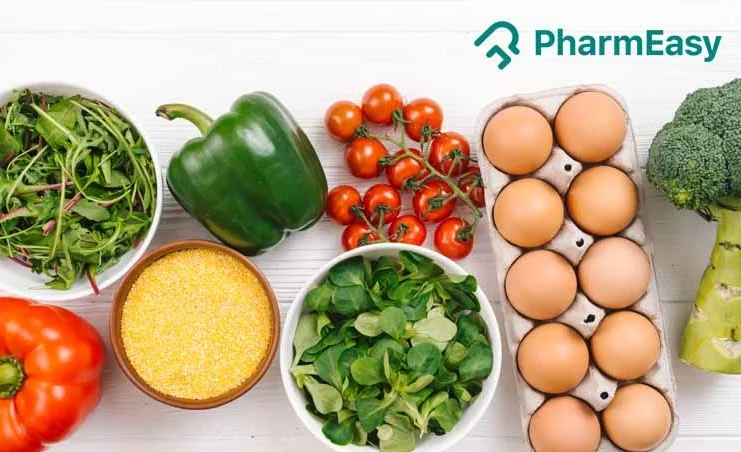
On the other hand, unhealthy eating habits and highly processed foods may disrupt reproductive health and might negatively impact female fertility3. Therefore, choosing the right foods, avoiding certain unhealthy foods, and following a healthy lifestyle might help support fertility and reproductive health in females.
In this article, we will discuss more on the relation between diet and fertility. We will talk on topics such as food that increases fertility in women, foods to avoid, nutrients that support fertility and also share some dietary tips and lifestyle habits to follow for improving reproductive health.
Diet plays an important role in supporting female fertility. The nutrients you consume can affect hormone balance, ovulation, egg quality, and overall reproductive health.
Hormones play a crucial role in menstruation and ovulation1. Eating a balanced diet with fruits, vegetables, whole grains, proteins, and healthy fats helps maintain proper hormone levels. Certain nutrients such as folate, iron, zinc and antioxidants are especially important for fertility. These support egg development and protect reproductive cells from damage1.
Diet might also influence ovulation, which is the process of releasing an egg from the ovary4. An unhealthy diet might interfere with this process and can contribute to ovulation disorders1. This, in turn, can reduce the chances of conception.
Body weight plays an important role in reproductive health. Being underweight or overweight may disturb hormone levels and menstrual cycles. A proper diet can help maintain body weight and improve ovulation3,4, which in turn, improves reproductive health.
Therefore, following a healthy and balanced diet not only improves overall health but also supports hormone regulation, egg quality, and regular ovulation, all of which are essential for female fertility.
Some nutrients are especially important for female fertility because they support hormonal balance, ovulation, and reproductive health. They include:
Following are some fertility boosting foods for females.
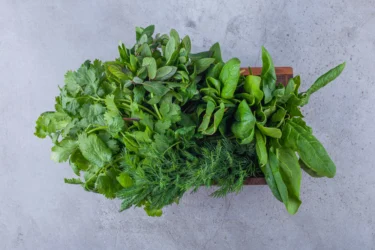
These include kale, spinach, collard, palak, etc. They are rich in nutrients like vitamin A, folic acid, iron, calcium, etc1,7. Hence, they may be helpful in maintaining hormonal balance and healthy ovulation.
How to include in diet: Can be consumed by adding it to vegetables, salads, soups, stir-fries or by preparing it as roti, dosa, etc., as breakfast or a midday snack.
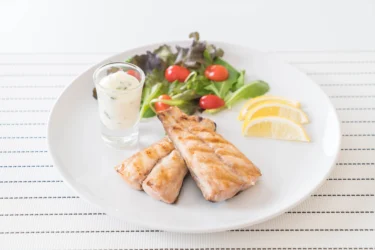
These include salmon, sardines, mackerel, etc. They are rich in nutrients like vitamin D, omega-3 fatty acids1, flavonoids, and polyphenols3. These nutrients are beneficial in improving egg quality3, supporting ovulation, enhancing hormonal balance and reducing reproductive organ inflammation6.
How to include in diet: Can be consumed by grilling or baking, by adding in salads or in curries during breakfast, dinner or lunch.
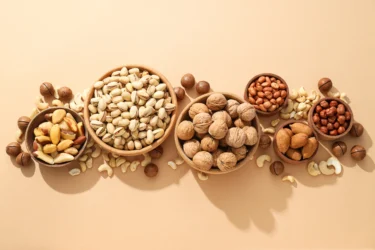
These include almonds, walnuts, Brazel nuts, etc. They are rich in nutrients like vitamin E3, iron, folate, calcium, omega-3 fatty acids, proteins, etc7.Since they are enriched with these nutrients, nuts might be helpful in reducing oxidative stress and improving egg quality3, helping ovulation, maintaining hormonal levels6, and improving blood flow to the ovaries8.
How to consume: Can be taken by adding in yoghurt, smoothies, or oatmeal during breakfast or as a midday or evening snack.
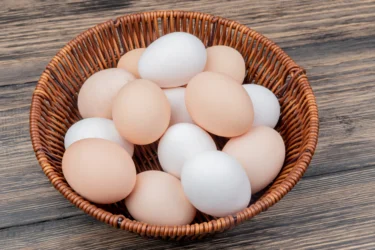
These are rich in protein, folate, vitamin D1, iron, iodine, vitamin B127, etc. These nutrients are helpful in reducing inflammation and managing reproductive health, lowering the chances of anovulation (ovaries skipping the release of eggs during a cycle) and other ovulation disorders1, and improve egg quality9.
How to include in diet: Can be consumed by boiling, by making scrambled versions, or by including in salads, sandwiches, or curries, during breakfast, lunch, or dinner.
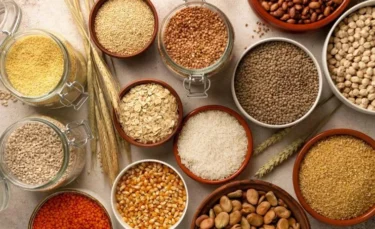
These include oats, brown rice, quinoa, etc. They are rich in dietary fibre, carbohydrates, and some vitamins1,7. Consuming diets with low glycaemic index and whole grains can help support reproductive health by regulating the activity of insulin, which may influence female sex hormones10.
How to include in diet: Can consume as an alternative to refined grains, like brown rice instead of white rice, oatmeal, quinoa in salads and bowls, etc., as lunch or dinner.
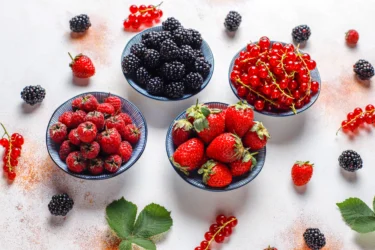
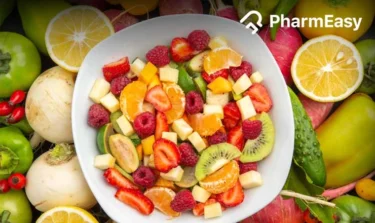
These include strawberries, blackberries, raspberries, etc. They are rich in antioxidants like flavonoids, polyphenols3, resveratrol, lupiol5, vitamin C7, etc. These antioxidants present in the berries might help reduce oxidative damage and improve the egg quality, reduce inflammation3, support ovulation, and protect against age-related fertility decline11.
How to include in diet: Can be added to smoothies, yoghurt, cereal, or enjoy them as a healthy midday or evening snack.
Enriched with several nutrients, these can be the best fertility foods when trying to get pregnant.
The following are the foods that you should avoid if you are trying to conceive.
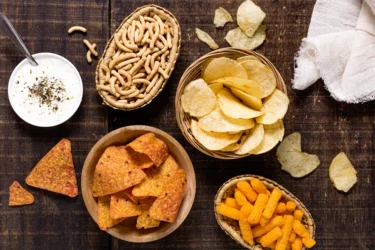
These include fried or processed foods such as packaged snacks, instant noodles, red or processed meat, fast foods, etc., which often contain high amounts of unhealthy fats and preservatives. They can increase the risk of ovulation disorders and cause oxidative stress, increasing the chances of infertility12.
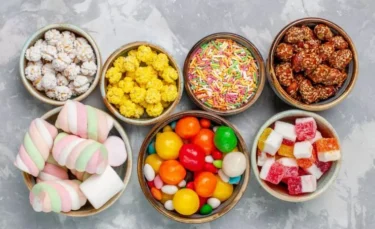
These include candies, pastries, soft drinks, sweetened juices, etc., which might cause sudden spikes in the blood sugar level. They might contribute to insulin resistance, diabetes and abnormal levels of fat, resulting in oxidative stress, which can negatively impact fertility and reproductive health3,12.
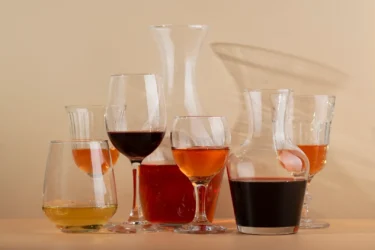
This, especially in excess amounts, can induce menstrual disorders and might directly affect female fertility by changing natural hormone levels and affecting egg maturation, ovulation, early embryo development and implantation. It may also lead to adverse effects in the baby’s development if consumed during pregnancy1 .
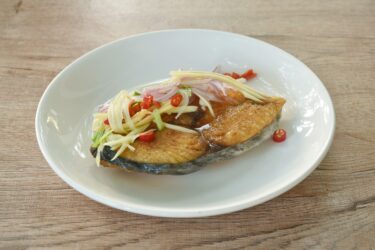
These include shark, king mackerel, bigeye tuna, marlin, etc. Mercury is known as an endocrine disruptor; it can cause menstrual problems and inhibit ovulation13. The FDA recommends avoiding mercury-rich fishes if trying to get pregnant14.
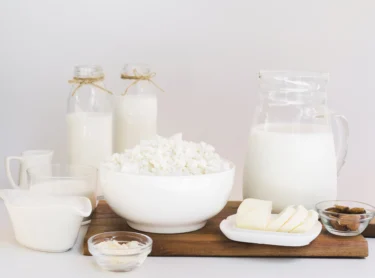
These include milk, yoghurt, cottage cheese, etc. According to some studies, higher consumption of these low-fat dairy products may contribute to anovulation1,15 because the fat-removal process can increase levels of a hormone-like protein called IGF-1, which may be linked to possible negative effects on ovulation15. However, a moderate consumption is considered safe.

These include coffee, tea, soft drinks, etc. While moderate consumption may have no impact on fertility, some studies suggest that when consumed in excess amounts, they might delay the chances of conception or increase risk of still birth, low birth weight etc1. In general, a caffeine intake of less than 200 mg (2-3 cups) per day is considered safe10.
These female fertility foods to avoid can help reduced infertility and support reproductive health.
Following are some tips that you may consider while on a pregnancy preparation diet.
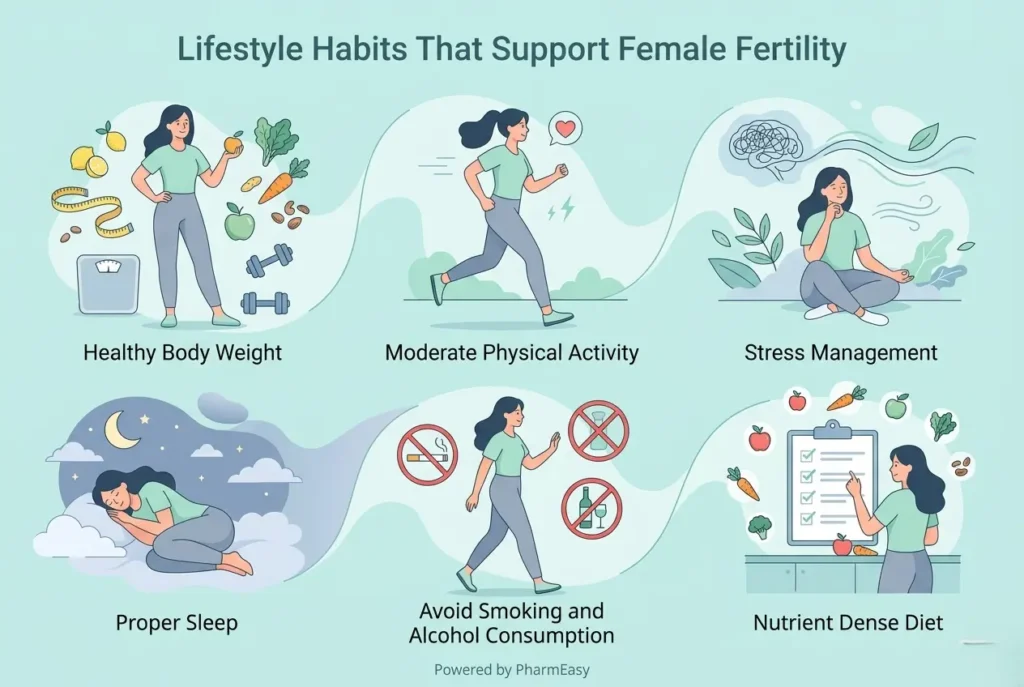
Here are some lifestyle habits that you may follow to support fertility.
If you are trying to conceive and making healthy diet and lifestyle changes but still facing difficulties, it might be better to seek medical attention.
Fertility is closely linked to overall health and nutrition. A balanced diet rich in essential nutrients, combined with healthy lifestyle habits, may support hormonal balance, improve ovulation, and enhance reproductive health. On the other hand, unhealthy foods and habits can negatively affect fertility. By making mindful dietary choices and seeking medical guidance when needed, you can take positive steps towards improving your chances of conception and a healthy pregnancy.
Consuming full fat milk or smoothies rich in fertility boosting foods such as green veggies, berries etc may help improve fertility. Some initial studies suggest that beetroot, watermelon and ginger juice might be helpful too20. However, further research is needed here and best is to seek guidance from a doctor if you are planning to conceive.
Berries are known to be the best fruits for female fertility as they are rich in antioxidants which help support reproductive health1,3.
You may eat foods like leafy greens, nuts, berries, eggs, whole grains, fatty fishes, etc.; these are known to improve reproductive health and support fertility1,3.
An Indian fertility-friendly diet can include nutritious whole foods such as leafy greens (like palak and spinach), lentils and beans for iron, antioxidant-rich foods, and healthy fats from ghee21, nuts, and seeds, which might support hormone balance and reproductive health.
According to different cultures, pomegranate is known as the fertility fruit22. However, this is not a medical fact.
1. Skoracka K, Ratajczak AE, Rychter AM, Dobrowolska A, Krela-Kaźmierczak I. Female Fertility and the Nutritional Approach: The Most Essential Aspects. Advances in Nutrition. 2021;12(6):2372-2386. doi:10.1093/advances/nmab068. Available from: https://www.sciencedirect.com/science/article/pii/S2161831322005129
2. Infertility and Fertility. Available from: https://www.nichd.nih.gov/health/topics/factsheets/infertility
3. Cristodoro M, Zambella E, Fietta I, Inversetti A, Di Simone N. Dietary Patterns and Fertility. Biology. 2024;13(2):131. doi:10.3390/biology13020131. Available from: https://pubmed.ncbi.nlm.nih.gov/38392349/
4. Ovulation and Fertility. 2022. Available from: https://www.betterhealth.vic.gov.au/health/conditionsandtreatments/ovulation
5. Silvestris E, Lovero D, Palmirotta R. Nutrition and Female Fertility: An Interdependent Correlation. Front Endocrinol. 2019;10:346. doi:10.3389/fendo.2019.00346. Available from: https://pubmed.ncbi.nlm.nih.gov/31231310/
6. Trop-Steinberg S, Gal M, Azar Y, Kilav-Levin R, Heifetz EM. Effect of omega-3 supplements or diets on fertility in women: A meta-analysis. Heliyon. 2024;10(8):e29324. doi:10.1016/j.heliyon.2024.e29324. Available from: https://pubmed.ncbi.nlm.nih.gov/38628754/
7. Healthy Eating During Pregnancy and Breast Feeding. Available from: https://www.fhs.gov.hk/english//health_info/woman/20036.pdf
8. Kapper C, Oppelt P, Ganhör C, et al. Minerals and the Menstrual Cycle: Impacts on Ovulation and Endometrial Health. Nutrients. 2024;16(7):1008. doi:10.3390/nu16071008. Available from: https://pubmed.ncbi.nlm.nih.gov/38613041/
9. Mathew AR, Selita E, Regano C, et al. Vitamin B12 and Reproductive Health: Clinical Insights, Emerging Mechanistic Understanding, and Nutritional Aspects. Molecular Reproduction Devel. 2026;93(2):e70088. doi:10.1002/mrd.70088. Available from: https://pubmed.ncbi.nlm.nih.gov/41711259/
10. Aoun A, Khoury VE, Malakieh R. Can Nutrition Help in the Treatment of Infertility? Prev Nutr Food Sci. 2021;26(2):109-120. doi:10.3746/pnf.2021.26.2.109. Available from: https://pmc.ncbi.nlm.nih.gov/articles/PMC8276703/
11. Bertoldo A, Pizzol D, Yon DK, et al. Resveratrol and Female Fertility: A Systematic Review. IJMS. 2024;25(23):12792. doi:10.3390/ijms252312792. Available from: https://pubmed.ncbi.nlm.nih.gov/39684501/
12. Łakoma K, Kukharuk O, Śliż D. The Influence of Metabolic Factors and Diet on Fertility. Nutrients. 2023;15(5):1180. doi:10.3390/nu15051180. Available from: https://pubmed.ncbi.nlm.nih.gov/36904180/
13. Dickerson EH, Sathyapalan T, Knight R, et al. Endocrine disruptor & nutritional effects of heavy metals in ovarian hyperstimulation. J Assist Reprod Genet. 2011;28(12):1223-1228. doi:10.1007/s10815-011-9652-3. Available from: https://pmc.ncbi.nlm.nih.gov/articles/PMC3241832/
14. Methylmercury in Fish. 2025. Available from: https://www.ncbi.nlm.nih.gov/books/NBK582836/
15. Salvaleda-Mateu M, Rodríguez-Varela C, Labarta E. Do Popular Diets Impact Fertility? Nutrients. 2024;16(11):1726. doi:10.3390/nu16111726. Available from: https://pubmed.ncbi.nlm.nih.gov/38892663/
16. Stress. 2022. Available from: https://www.nccih.nih.gov/health/stress
17. Lateef OM, Akintubosun MO. Sleep and Reproductive Health. Journal of Circadian Rhythms. 2020;18(1):1. doi:10.5334/jcr.190. Available from: https://pubmed.ncbi.nlm.nih.gov/32256630/
18. Trying to Conceive. 2025. Available from: https://womenshealth.gov/pregnancy/you-get-pregnant/trying-conceive
19. Infertility. 2021. Available from: https://womenshealth.gov/a-z-topics/infertility
20. Halpern G, Braga D, Setti A, Morishima C, Iaconelli Jr A, Borges Jr E. Beetroot, watermelon and ginger juice supplementation may increase the clinical outcomes of Intracytoplasmic Sperm Injection cycles. JBRA. 2023;27. doi:10.5935/1518-0557.20230012. Available from: https://pmc.ncbi.nlm.nih.gov/articles/PMC10712821/
21. Varsakiya J, Goyal M, Thakar A, Donga S, Kathad D. Efficacy of Virechana (therapeutic purgation) followed by Go-Ghrita (cow ghee) in the management of Ksheena Shukra (oligozoospermia): A clinical study. AYU. 2019;40(1):27. doi:10.4103/ayu.AYU_275_18. Available from: https://pmc.ncbi.nlm.nih.gov/articles/PMC6891991/
22. Langley P. Why a pomegranate? BMJ. 2000;321(7269):1153-1154. doi:10.1136/bmj.321.7269.1153. Available from: https://pmc.ncbi.nlm.nih.gov/articles/PMC1118911/
Disclaimer: The information provided here is for educational/awareness purposes only and is not intended to be a substitute for medical treatment by a healthcare professional and should not be relied upon to diagnose or treat any medical condition. The reader should consult a registered medical practitioner to determine the appropriateness of the information and before consuming any medication. PharmEasy does not provide any guarantee or warranty (express or implied) regarding the accuracy, adequacy, completeness, legality, reliability or usefulness of the information; and disclaims any liability arising thereof.
Links and product recommendations in the information provided here are advertisements of third-party products available on the website. PharmEasy does not make any representation on the accuracy or suitability of such products/services. Advertisements do not influence the editorial decisions or content. The information in this blog is subject to change without notice. The authors and administrators reserve the right to modify, add, or remove content without notification. It is your responsibility to review this disclaimer regularly for any changes.


Comments

Leave your comment...
You may also like











Comments