




Cantaloupe: Uses, Benefits & Side Effects
By Dr. Malavika Athavale +2 more

Medically reviewed by Dr. Malavika Athavale
Last updated: Feb 16, 2026 Published on: Apr 18, 2023


Get,

to manage your symptom
Get your,

4 Cr+ families
benefitted

OTP sent to 9988776655



You’ve successfully subscribed to receive
doctor-approved tips on
Whatsapp

Get ready to feel your best.


Register to Avail the Offer
Send OTPBy continuing, you agree with our Privacy Policy and Terms and Conditions
Hi There,
Sign up on PharmEasy now!!


Trusted by 4 crore+ families

OTP sent to 9988776655
You have unlocked 25% off on medicines


Code: NU25

By Dr. Malavika Athavale +2 more
Table of Contents
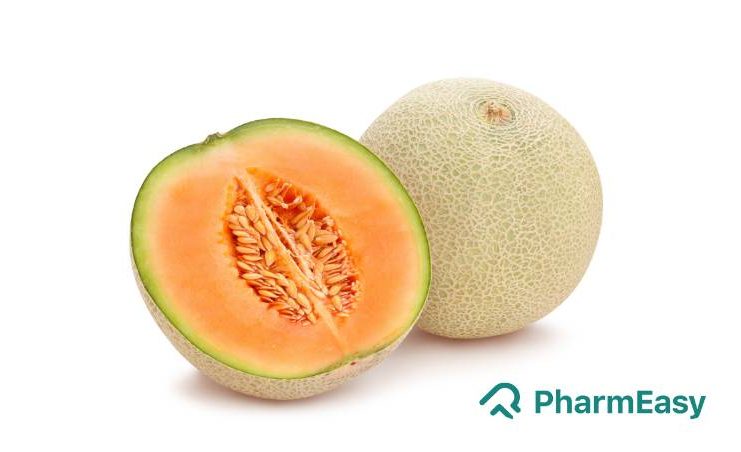
Cantaloupe is a summer-time, pulpy fruit which is also known as muskmelon or rock melon. These fruits have a hard outer skin, belong to the Cucurbitaceous family and are related to various other melons, squashes and cucumbers1. Cantaloupes of different varieties are grown all over the world; having a mild and sweet flavour with many important health benefits. In this article, you shall learn more about the health benefits of cantaloupe, its nutritional profile and potential side effects.
Cantaloupe has rich nutritional value comprising Vitamins A, B and C and minerals like sodium, magnesium and potassium. When considering cantaloupe calories, it’s worth noting that this fruit provides a tasty and low-calorie option for those seeking a nutritious addition to their diet. The fruit has zero cholesterol1 and listed below is the cantaloupe nutrition value per 1 cup of cantaloupe:
Did you know?
Due to its rich nutrient profile, Cantaloupe has several properties that can lead to a wide array of health benefits.
Cantaloupe or muskmelon is one of the fruits with high water content. Due to its high-water content, cantaloupe might be quite useful in regaining water loss while sweating after vigorous physical activity19.
Dr. Siddharth Gupta, B.A.M.S M.D (Ayu)
Cantaloupe is a tasty fruit, packed with nutrients. It is easily available and can potentially be beneficial for health when consumed in your routine diet.

Cantaloupe is rich in antioxidants and may help eliminate inflammation in the body. They fight off free radicals that are responsible for causing oxidative stress and cell damage, this helps lower the risk of developing serious health issues like diabetes, heart disease, arthritis and more. Cantaloupe has anti-inflammatory properties and can help relieve pain/discomfort in your joints and bones3,4.
While natural remedies can be helpful as adjunct, if you notice any symptoms of inflammation in the body, consult the doctor immediately for a timely diagnosis and treatment of the ailment.

Cantaloupes have vital nutrients to keep your heart healthy. Some initial studies7 have shown that melon extracts can help regulate heart beat and blood pressure by modulating nitrous-oxide mediated blood vessel contraction. They are rich in potassium which can also contribute to keeping the blood pressure in check8. Cantaloupes may also show some blood-thinning properties which are good for the heart. Plus, their fibre content helps to decrease “bad cholesterol” levels9.

Cantaloupe benefits the skin as it is loaded with vitamin A and vitamin C, these essential nutrients help in improving skin health. Vitamin A helps protect the skin from sun damage and vitamin C supports natural collagen production. Cantaloupe has high water content and keeps your skin healthy, imparting a youthful glow to your skin. It may help keep wrinkles at bay by maintaining skin elasticity, thus providing anti-ageing benefits. It can also help reduce the risk of UV induced damage to the skin, lower pigmentation and help with skin repair and regeneration10.

Cantaloupe fruit is a melon and is rich in beta carotenes which help in maintaining healthy vision. When absorbed by the body, these beta carotenes are converted into Vitamin A and are highly beneficial for the eyes. They help improve vision and play a role in lowing the risk of conditions like age-related macular degeneration and cataracts11,12. However, remember to always get your eyes checked by the doctor if you have vision problems.

Cantaloupe is beneficial for hair as it contains vitamins A and C, which play crucial roles in supporting overall hair health. Vitamin A aids in maintaining a healthy scalp, while vitamin C supports collagen production, contributing to hair strength. The hydrating properties of cantaloupe may help prevent dryness and promote a well-moisturised scalp. While more research is needed for conclusive evidence, incorporating cantaloupe into your diet as part of a nutrient-rich regimen could potentially benefit your hair13,14. Always consult with a healthcare or hair care professional for personalized advice.

Cantaloupe is said to offer significant health benefits during pregnancy. Rich in vitamins A, C and folate, it supports foetal development and boosts the immune system, crucial for the well-being of both the mother and baby15,16. The high-water content aids in hydration3, addressing a common concern during pregnancy. Additionally, cantaloupe’s natural sweetness provides a healthy alternative to satisfy pregnancy cravings. However, pregnant individuals should seek advice from healthcare professionals for personalised guidance on incorporating anything new in diet, including cantaloupes, to ensure optimal health for both mother and baby.
While initial studies have shown potential health benefits of cantaloupe, further large-scale human trials are needed to confirm these findings. Nonetheless, cantaloupe holds promising value as a delicious and nutrient-packed home remedy that can be great for your skin, hair and overall health.
Cantaloupes are delicious and can be used in many ways, including:
Cantaloupes are available throughout the year and you must consume them within 3 days of purchase for the freshest taste17. Adding cantaloupe to your daily diet will help you get all the nutrients required for the proper functioning of your body. Cantaloupes are loaded with vitamins, minerals and antioxidants, they are eaten by children and adults3.
However, before incorporating anything new into your routine diet, it is necessary to speak with a certified doctor, especially if you have a medical condition like diabetes or are on any medications. You must never discontinue or replace any ongoing medicine with an Ayurveda/herbal supplement without consulting a certified doctor.
Cantaloupe or muskmelon is a rich source of various nutrients like carbohydrates, proteins, vitamins, minerals, etc. As it is rich in various phytochemicals, it may exhibit anti-inflammatory and antioxidant properties that might be beneficial in various inflammatory diseases20.
Dr. Rajeev Singh, BAMS
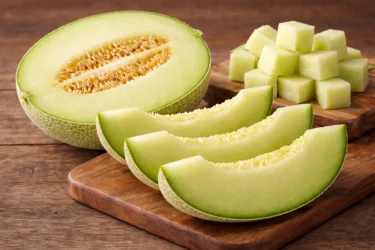
In this section, let’s see how cantaloupe and muskmelon differ.

Cantaloupe is generally considered to be safe for consumption. Rarely only does it cause any allergy or side effects. However, you must avoid overconsumption of cantaloupe as it contains potassium and eating too much of it can harm your kidneys. Having too much potassium in your blood may also increase the risk of a heart attack18. Similarly, eating excess cantaloupe may not be good for your intestines and may cause diarrhoea, stomach cramps and other digestive problems. You must inform the doctor about any specific health problem before consuming cantaloupe. And also remember to not overdo the consumption for its benefits.
Also Read: Sonth: Uses, Benefits and Side effects by Dr. Smita Barode
You must avoid eating cantaloupe if it is unripe, keep it aside for a few more days and eat after it ripens. Always clean the cantaloupe properly before eating so that it has no harmful bacteria on it.
If you have any medical condition or are on any medication, you must consult your doctor before including cantaloupes in your routine diet. For instance:
If you suffer from an inflammatory condition of the gut or if you have undergone bowel surgery, you should monitor your fibre intake closely.
People with type 2 diabetes should also have this fruit with caution and consult the doctor to know the right serving size of cantaloupe for them.
Cantaloupe is a nutrient-dense “superfood” that supports almost everything from hydration and eye health to foetal development during pregnancy. While its high antioxidant and vitamin content promotes general wellness, moderation in consumption is key. Individuals with any medical concerns should always discuss with their doctor before regular consumption. Ultimately, when enjoyed as part of a balanced diet, this muskmelon can prove to be an effective and delicious health-booster.
Also Read: Khirni Fruit: Uses, Benefits and Side Effects by Dr. Smita Barode
Yes, eating cantaloupe every day will optimise its health benefits. However, it is advised to consult the doctor and discuss the benefits and risks of having cantaloupe every day. The health condition may vary from person to person, so you must know how much cantaloupe you should eat daily.
Yes, you may eat the seeds of a cantaloupe fruit. The crunchy seeds can be eaten raw or roasted, they must be dried and then you can roast them with salt, pepper and other seasonings. The seeds can also be added to blended drinks for more nutrition.
Cantaloupes can be stored as whole fruit or sliced. You can keep a cantaloupe in the fridge. To freeze cantaloupe best, you must wait until they are fully ripe. Once frozen, you may store the fruit in an airtight container in the freezer for up to three months.
Yes, cantaloupes are known for being especially easy to digest. They are mostly made up almost entirely of water and do not cause indigestion or any discomfort.
Cantaloupe is not typically considered keto-friendly as it contains a moderate amount of carbohydrates, which may impact ketosis. It’s advisable to consult with a healthcare professional or nutritionist for personalized advice on incorporating fruits into a ketogenic diet.
Cantaloupe can support weight loss due to its low-calorie and high-water content, promoting satiety. It’s essential to consult with a healthcare professional or nutritionist for personalized advice and to ensure it aligns with an individual’s overall dietary and health needs.
Cantaloupe contains natural sugars, but it is relatively low in overall sugar content compared to some other fruits. Individuals managing diabetes or concerned about sugar intake should consult with a healthcare professional to determine appropriate serving sizes and consider their overall dietary plan.
Yes, cut cantaloupe should be refrigerated to maintain its freshness and prevent bacterial growth. Store it in an airtight container or covered with plastic wrap to extend its shelf life.
Cantaloupe is generally well-tolerated, but some individuals may experience gas or bloating after consuming it due to its fibre content. If persistent issues arise, it’s advisable to consult a healthcare professional for personalized advice on dietary adjustments and potential underlying digestive concerns.
Yes, cantaloupe can be a good choice for diabetics as it is low in calories, rich in vitamins, and has a moderate glycaemic index, which means it has a gradual impact on blood sugar levels when consumed in moderation. However, individuals with diabetes should monitor their portion sizes and consult with a healthcare professional for personalized dietary advice.
Disclaimer: The information provided here is for educational/awareness purposes only and is not intended to be a substitute for medical treatment by a healthcare professional and should not be relied upon to diagnose or treat any medical condition. The reader should consult a registered medical practitioner to determine the appropriateness of the information and before consuming any medication. PharmEasy does not provide any guarantee or warranty (express or implied) regarding the accuracy, adequacy, completeness, legality, reliability or usefulness of the information; and disclaims any liability arising thereof.
Links and product recommendations in the information provided here are advertisements of third-party products available on the website. PharmEasy does not make any representation on the accuracy or suitability of such products/services. Advertisements do not influence the editorial decisions or content. The information in this blog is subject to change without notice. The authors and administrators reserve the right to modify, add, or remove content without notification. It is your responsibility to review this disclaimer regularly for any changes.
 21
21  5
5Comments

Leave your comment...
You may also like




















Comments