




Are Grits Healthy? Here’s What You Should Know Before Adding Them to Your Diet
By Dr. Malavika Athavale +2 more

Medically reviewed by Dr. Malavika Athavale
Last updated: Mar 2, 2026 Published on: Aug 17, 2023


Get,

to manage your symptom
Get your,

4 Cr+ families
benefitted

OTP sent to 9988776655



You’ve successfully subscribed to receive
doctor-approved tips on
Whatsapp

Get ready to feel your best.


Register to Avail the Offer
Send OTPBy continuing, you agree with our Privacy Policy and Terms and Conditions
Hi There,
Sign up on PharmEasy now!!


Trusted by 4 crore+ families

OTP sent to 9988776655
You have unlocked 25% off on medicines


Code: NU25

By Dr. Malavika Athavale +2 more
Table of Contents
Grits have been enjoyed at the breakfast table for generations. But do you really know their health impact? This in-depth blog will take you on a journey through the world of grits. We’ll study their origin, types, and nutritional content.
In the coming sections, we’ll dig into the details of what grits are made from. We’ll look at what they provide nutritionally and how they may improve your health. We’ll also cover potential negatives and how to make them tasty.

What comes to mind when you think about a Southern U.S. breakfast? Grits, right? But are grits good for you? Ever wondered what are these creamy bits that have gained so much fame in recent times? Grits date back to Indigenous communities in North America and have been a key component in their diet for centuries.
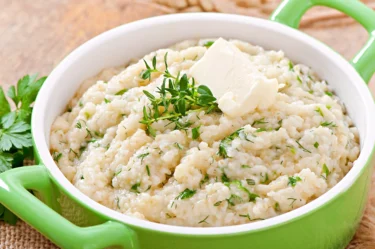
Grits are made from corn, specifically a type called dent corn. To make grits, this corn is ground or crushed and then cooked until it turns into a creamy, soup-like dish1.
Different kinds of grits are available, such as white grits, yellow grits, hominy grits, and instant grits.
Regardless of your preferred type, making grits usually involves boiling ground corn in some form of liquid1. Once you end up with a creamy mix, you can add other ingredients to bring out different tastes.
Over the years, I have observed that for individuals with celiac disease, grits may be a favourable choice as they are made from gluten-free corn. This might also make grits a suitable and enjoyable option for those following a gluten-free diet11.
Dr. Siddharth Gupta, B.A.M.S, M.D (Ayu)
What makes grits so fascinating is their unique nutritional content. Grits are nutrient-dense and contain many vitamins and minerals.
Here’s an overview of the key nutrients in 1 cup corn grits:
You’ll note that grits are packed with iron and B vitamins. However, the regular types of grits have fewer nutrients compared to those made from whole corn kernels. This is due to the varying production techniques that are involved.
In my opinion, grits are a nutrient-dense option, containing a variety of vitamins, minerals, and antioxidants. Interestingly, these nutritional qualities may aid in reducing the risk of anaemia. So, individuals at risk of anaemia may consider incorporating grits into their diet.
Dr. Rajeev Singh, BAMS
As grits are made from corn, they contain many of the nutrients found in corn and may offer several health benefits, such as:
Hominy grits, made via a process known as nixtamalization3, are high in key nutrients like calcium and iron4. Additionally, they serve as an excellent source of complex carbohydrates, providing sustained energy for daily activities. It’s a wholesome meal for many.

Grits are full of strong antioxidants that keep damaging free radicals away5. These antioxidants, such as vitamin E and selenium, play a crucial role in supporting the body’s immune system and overall well-being6.
Do you have gluten intolerance? Grits don’t contain gluten, making them useful in a gluten-free. Their gluten-free nature makes grits a versatile and inclusive option for individuals with celiac disease or gluten sensitivity7,8.

The antioxidants found in grits could help protect your eyes from various problems. Specifically, the presence of lutein and zeaxanthin in grits may contribute to maintaining eye health and help in reducing the risk of age-related macular degeneration5,9.

Grits are high in iron and folate, both of which are useful for anemia4. These essential nutrients support the production of red blood cells and contribute to overall health10, helping to avoid and alleviate anaemia-related issues.
Based on what I have seen, the antioxidants lutein and zeaxanthin found in grits have demonstrated benefits for vision and eye health. They might also offer potential protection against age-related diseases.
Dr. Smita Barode, B.A.M.S, M.S.
Although grits are high in nutrients and contain many beneficial properties, they may not be ideal for everyone’s dietary needs as they:
If you want to know how to make grits or are bored with the same grits recipe, here are some different ways grits can be made.
Grits are a versatile food option that are packed with iron, B vitamins, antioxidants, and several other nutrients. However, they may lose some nutrients during production and have a high carbohydrate content, so moderation in consuming them is important. Choosing healthier cooking methods can make grits a more balanced and interesting part of your diet.
Because grits have a high carb content, they can increase blood sugar levels. So, if you have diabetes, you need to eat them in moderation. You should also pair them with lean proteins and non-starchy veggies for a balanced meal.
Yes, they can be! However, it depends on how they are prepared. For a healthier grits recipe, cook them with water or low-fat milk, not full-fat milk or cream. Then include fresh fruits or veggies and lean proteins.
If losing weight is your goal, grits may not be the best food. They are high in carbs and are often served with high-calorie foods like cheese, butter, and milk. For weight loss, it may be better to turn to other whole grains or high-protein foods.
While both grits and oatmeal are nutritious, they have different strengths. Oatmeal has more fibre and protein, grits have more iron and B vitamins. However, oatmeal has a lower glycaemic index and could be a better option for blood sugar control. When made appropriately and accompanied by the right foods, both oatmeal and grits can fit into a healthy diet.
Grits themselves are not known to cause constipation. However, a diet lacking in fibre, which is important for regular bowel movements, might contribute to constipation. Incorporating a balanced mix of high-fibre foods alongside grits can help maintain digestive health.
Traditional grits are high in carbohydrates and not suitable for a keto diet. However, there are low-carb alternatives like cauliflower grits or almond flour-based versions that can be enjoyed in moderation while following a ketogenic eating plan.
Disclaimer: The information provided here is for educational/awareness purposes only and is not intended to be a substitute for medical treatment by a healthcare professional and should not be relied upon to diagnose or treat any medical condition. The reader should consult a registered medical practitioner to determine the appropriateness of the information and before consuming any medication. PharmEasy does not provide any guarantee or warranty (express or implied) regarding the accuracy, adequacy, completeness, legality, reliability or usefulness of the information; and disclaims any liability arising thereof.
Links and product recommendations in the information provided here are advertisements of third-party products available on the website. PharmEasy does not make any representation on the accuracy or suitability of such products/services. Advertisements do not influence the editorial decisions or content. The information in this blog is subject to change without notice. The authors and administrators reserve the right to modify, add, or remove content without notification. It is your responsibility to review this disclaimer regularly for any changes.
 5
5 
Comments

Leave your comment...
You may also like
























Comments