



Finger Foods for Baby: When to Start, Best Foods & Safety Guide
By Dr. Sarthak Soni +2 more

Medically reviewed by Dr. Sarthak Soni
Last updated: Apr 28, 2026 Published on: Apr 28, 2026


Get,

to manage your symptom
Get your,

4 Cr+ families
benefitted

OTP sent to 9988776655



You’ve successfully subscribed to receive
doctor-approved tips on
Whatsapp

Get ready to feel your best.


Register to Avail the Offer
Send OTPBy continuing, you agree with our Privacy Policy and Terms and Conditions
Hi There,
Sign up on PharmEasy now!!


Trusted by 4 crore+ families

OTP sent to 9988776655
You have unlocked 25% off on medicines


Code: NU25

By Dr. Sarthak Soni +2 more
Table of Contents
Introducing finger foods is an exciting milestone in a baby’s eating journey. It marks the beginning of self-feeding, that is babies trying to feed on their own, and a transition from caregiver-led spoon-feeding. They pick the small pieces of food by themselves and bring them to their mouths to eat. Along with encouraging independence, it also plays a key role in developing important skills1.
When babies explore food with their hands, they strengthen their fine motor skills, such as the ability to grasp, hold, and coordinate movements2. Over time, this might improve hand-eye coordination and build confidence during mealtimes. Finger foods also help babies understand more about food, like how it looks, tastes and smells, which might be helpful in the long run1.

In this article we will discuss more finger foods, which might help you better understand the finger food meaning, its importance, when to start it, etc.
Finger food is a small, soft piece of food that babies can easily pick up with their fingers and eat by themselves1. This is usually made soft enough with a manageable size so that the baby can chew or mash it with gums2, even before developing teeth. Finger food is very important because it might play an important role in the development of fine motor skills, exploring different senses like sight, taste, smell, touch, etc. Finger foods also help babies become more independent by letting them eat their food by themselves1.
Most babies are ready to start finger foods at the age of 6 months1, but readiness depends more on development than just age. All babies are unique; they have their own growth pace. Therefore, you have to look out for some important signs to understand whether your babies are completely ready for finger food. These include:
Once these signs are observed, babies might be usually ready to explore finger foods. Starting at the right time might allow them to safely practise chewing, improve coordination, and become more confident with self-feeding.
Finger foods for toddlers and babies can offer several benefits, such as:
There are a variety of finger food options available for babies and toddlers. The following are a few you may consider.


When you start finger foods for your babies, there are certain types of foods that you should avoid. The following are a few examples.

These are foods with added sugars, such as muffins, flavoured yoghurt, cookies, sugary drinks, etc.14 These can cause tooth decay in them12.
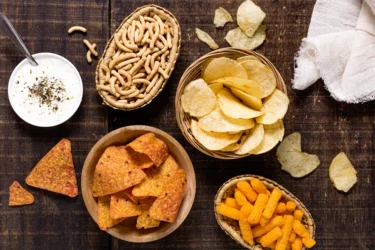
These include foods such as processed meats (sausages, hotdogs, ham), canned foods, frozen foods, chips, crackers, etc. These might be high in sodium, which might affect their kidney health12,14.
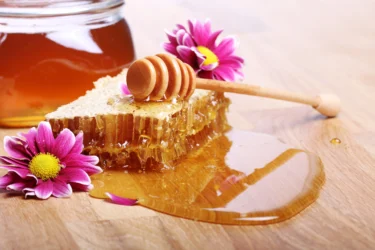
This is high in sugar, which might cause tooth decay. Also, it might occasionally contain bacteria which interfere with the baby’s intestinal health, producing toxins, which can lead to a serious condition called botulism12,14.
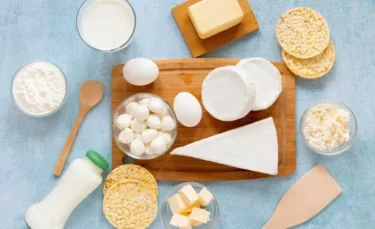
These include unpasteurised juices, yoghurt, cheese, raw milk, etc. They may contain dangerous bacteria which might cause health problems like severe diarrhoea in babies. It is also advised not to give cow milk to babies before 12 months, as it is said to cause intestinal bleeding in them14.
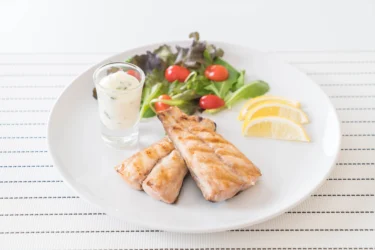
These include fishes such as shark, swordfish and marlin. These are not only suggested to be avoided in babies, but also in all children under the age of 16, as they contain high mercury content, which can affect the development of the nervous system, especially in babies12.
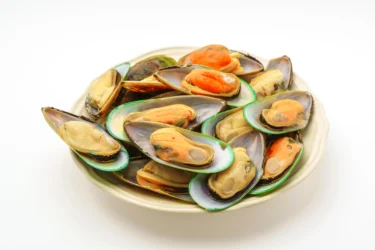
These include raw or lightly cooked eggs and foods made with raw eggs such as ice cream, mayonnaise, desserts, raw shellfish such as mussels, clams and oysters, etc. These can contain harmful bacteria which might affect the baby’s health or which increase the risk of food poisoning in them (shellfish)12.
The following are a few finger food tips that you may consider for your babies:
As babies grow, they gradually become ready for more textured and varied finger foods. Some common signs include:
While most babies adjust well to finger foods, there are certain situations where parents should seek medical advice:
Introducing finger food is an important step in a baby’s growth, helping them develop feeding skills, independence, and healthy eating habits. While this can be done 6 months onwards, the right age is when you baby seems ready, so always look for signs. By offering safe, soft, and nutritious foods at the right time, parents can support their baby’s development and make mealtimes enjoyable and engaging.
Also Read: Weaning for Babies: Meaning, Foods to Eat & When to Start
A six-month-old can eat boiled veggies, soft ripe fruits like bananas, peaches, kiwis, etc., and cooked beans as snacks1.
You may freeze or refrigerate your baby foods to avoid bacterial build-up in them. However, it should be taken within 2 days of preparation17.
Yes, younger children are likely to develop choking as they are still learning to chew and swallow. Choking is possible on consuming any type of foods; still raw or undercooked foods, meats, large-sized foods and smooth and sticky foods can increase the risk15. Therefore, always give them soft, well-cooked foods in small pieces and pay attention while they eat.
Yes, babies should be seated upright while they eat15 to avoid choking.
Soft and well-cooked items are generally considered safe finger foods even without teeth, as they can be easily mashed and swallowed.
A seven-month-old can eat finger foods made from boiled vegetables, soft fruits, cooked lean meat and whole grains3, such as well-cooked pieces of pasta, chicken etc.
1. Government of Newfoundland and Labrador. What are finger foods and why are they important? [Internet]. St. John’s (NL): Government of Newfoundland and Labrador; [cited 2026 Apr 28]. Available from: https://www.gov.nl.ca/healthyeating/baby/building-healthy-eating-habits/what-are-finger-foods-and-why-are-they-important/
2. Fingers, Spoons, Forks, Cups. 2024. Available from: https://www.cdc.gov/infant-toddler-nutrition/mealtime/fingers-spoons-forks-and-cups.html
3. Centers for Disease Control and Prevention (CDC). When, what, and how to introduce solid foods [Internet]. Atlanta (GA): CDC; 2026 Apr 14 [cited 2026 Apr 28]. Available from: https://www.cdc.gov/infant-toddler-nutrition/foods-and-drinks/when-what-and-how-to-introduce-solid-foods.html
4. Sydney Children’s Hospitals Network. Milestones [Internet]. New South Wales (AU): Sydney Children’s Hospitals Network; 2026 [cited 2026 Apr 28]. Available from: https://www.schn.health.nsw.gov.au/kids-health-hub/growth-and-development/babies/milestones
5. Introducing Solid Foods for Babies. 2021. Available from: https://www.betterhealth.vic.gov.au/health/healthyliving/eating-tips-for-babies
6. Naseer FA. Introducing finger foods early: a balanced approach [Internet]. Addu City (MV): Addu Equatorial Hospital; 2024 Oct 22 [cited 2026 Apr 28]. Available from: https://aeh.gov.mv/blogs/introducing-finger-foods-early-a-balanced-approach
7. Children’s Hospital Los Angeles. Chapter 1: Nutritional needs of infants [Internet]. Los Angeles (CA): Children’s Hospital Los Angeles; [cited 2026 Apr 28]. Available from: https://www.chla.org/sites/default/files/migrated/Chapter1_NutritionalNeeds.pdf
8. Harvard T.H. Chan School of Public Health. Bananas [Internet]. Boston (MA): Harvard T.H. Chan School of Public Health; [cited 2026 Apr 28]. Available from: https://nutritionsource.hsph.harvard.edu/food-features/bananas/
9. Healthy Food Trend: Benas ans Legumes. 2024. Available from: https://medlineplus.gov/ency/patientinstructions/000726.htm
10. Get to Know Grains: Why You Need Them, and What to Look For. 202American Heart Association. Whole grains, refined grains, and dietary fiber [Internet]. Dallas (TX): American Heart Association; 2024 Jun 25 [cited 2026 Apr 28]. Available from: https://www.heart.org/en/healthy-living/healthy-eating/eat-smart/nutrition-basics/whole-grains-refined-grains-and-dietary-fiber
11. State Government of Victoria. Meat and poultry [Internet]. Melbourne (AU): Better Health Channel; 2017 Sep 7 [cited 2026 Apr 28]. Available from: https://www.betterhealth.vic.gov.au/health/healthyliving/Meat-and-poultry
12. Foods to Avoid Giving Babies and Young Children. 2026. Available from: https://www.nhs.uk/baby/weaning-and-feeding/foods-to-avoid-giving-babies-and-young-children/
13. Ruxton CHS, Derbyshire E, Gibson S. The nutritional properties and health benefits of eggs. Nutrition & Food Science. 2010;40(3):263-279. doi:10.1108/00346651011043961. Available from: https://www.researchgate.net/profile/Sigrid-Gibson/publication/235296480_The_nutritional_properties_and_health_benefits_of_eggs/links/5746c57a08ae298602fa4a47/The-nutritional-properties-and-health-benefits-of-eggs.pdf
14. Foods and Drinks to Avoid or Limit. 2025. Available from: https://www.cdc.gov/infant-toddler-nutrition/foods-and-drinks/foods-and-drinks-to-avoid-or-limit.html
15. Food Choking Hazard. Available from: https://www.gov.nl.ca/healthyeating/baby/building-healthy-eating-habits/food-choking-hazards/
16. American Academy of Pediatrics. Bite-sized milestones: signs of solid food readiness [Internet]. Itasca (IL): American Academy of Pediatrics; 2018 Jan 16 [cited 2026 Apr 28]. Available from:od Readiness. 2018. Available from: https://www.healthychildren.org/English/ages-stages/baby/feeding-nutrition/Pages/Bite-Sized-Milestones-Signs-of-Solid-Food-Readiness-.aspx
17. Storing and Reheating Food. NHS. Available from: https://www.nhs.uk/best-start-in-life/baby/weaning/safe-weaning/storing-and-reheating-food/
Disclaimer: The information provided here is for educational/awareness purposes only and is not intended to be a substitute for medical treatment by a healthcare professional and should not be relied upon to diagnose or treat any medical condition. The reader should consult a registered medical practitioner to determine the appropriateness of the information and before consuming any medication. PharmEasy does not provide any guarantee or warranty (express or implied) regarding the accuracy, adequacy, completeness, legality, reliability or usefulness of the information; and disclaims any liability arising thereof.
Links and product recommendations in the information provided here are advertisements of third-party products available on the website. PharmEasy does not make any representation on the accuracy or suitability of such products/services. Advertisements do not influence the editorial decisions or content. The information in this blog is subject to change without notice. The authors and administrators reserve the right to modify, add, or remove content without notification. It is your responsibility to review this disclaimer regularly for any changes.


Comments

Leave your comment...
You may also like













Comments