




Weight Loss Patches: What are They, How They Work, Effectiveness & Myths
By Dr. Vishesh Bharucha +2 more

Medically reviewed by Dr. Vishesh Bharucha
Last updated: Sep 3, 2026 Published on: Mar 12, 2026


Get,

to manage your symptom
Get your,

4 Cr+ families
benefitted

OTP sent to 9988776655



You’ve successfully subscribed to receive
doctor-approved tips on
Whatsapp

Get ready to feel your best.


Register to Avail the Offer
Send OTPBy continuing, you agree with our Privacy Policy and Terms and Conditions
Hi There,
Sign up on PharmEasy now!!


Trusted by 4 crore+ families

OTP sent to 9988776655
You have unlocked 25% off on medicines


Code: NU25

By Dr. Vishesh Bharucha +2 more
Table of Contents
Obesity has become a global concern, affecting many people around the world1. Healthy habits such as eating a balanced diet and staying physically active are widely advised, but they need regular practice and patience2. Medical and surgical approaches are also part of weight management, though they may not suit everyone1.
Since managing weight often takes time and steady effort, many individuals look for easy or less laborious ways to support weight loss. As a result, several products that promise simpler support for weight control are gaining attention. Weight loss patches are among these products and are frequently promoted in advertisements as a convenient way to help with fat loss by delivering substances through the skin. Their growing presence in advertisements has increased public interest1,2.
At present, there is limited scientific evidence on these and most of these patches are sold as dietary supplements or cosmetic products rather than approved medical treatments for weight loss3. Hence, it is important to understand what weight loss patches actually are, what ingredients they contain, whether they truly deliver the results they claim, their potential benefits and possible side effects.

Answer a few quick questions to check eligibility.
Your response has been submitted.
Our team will contact you shortly.
Weight loss patches are medicated patches that are applied directly on the skin. They are placed on clean, healthy, and unbroken skin so that the active substances can slowly pass through the skin layers. After crossing the skin, the medicine enters the bloodstream and works throughout the body. These patches are designed to release their contents at a fixed and controlled rate, which helps maintain steady levels of ingredients. They are available in different sizes and may contain one or more active substances4.
Weight loss patches may include ingredients such as green tea extract, ginger, flaxseed oil, acai berry, bitter orange, and different types of mint, including Japanese mint5,6. These ingredients are commonly promoted as helping with weight loss by controlling appetite, increasing metabolism, or supporting the body’s use of fat. However, it is not clearly known how much of these ingredients can pass through the skin to reach the bloodstream in amounts that may produce noticeable effects. Next section we will see how do weight loss patches work.
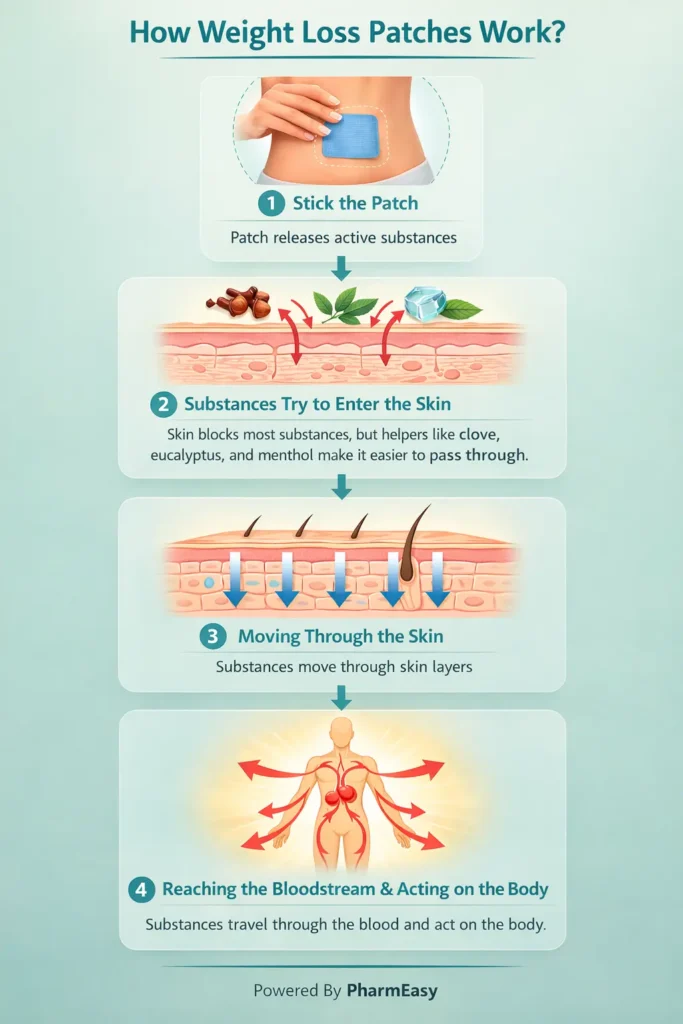
Weight loss patches work using a system called transdermal drug delivery (medicine delivery through the skin). This means the patch sends substances from the patch, through the skin, and into the bloodstream.
The skin acts as a natural protective cover for the body and has three main layers. The outer layer controls what can enter the body and usually blocks most substances. To help substances cross this barrier, weight loss patches may use permeation enhancers, which support movement through the skin. Natural substances such as essential oils, including clove oil, eucalyptus oil, and menthol, may be used for this purpose5.
Once the substances cross the outer skin layer, they reach deeper layers and then enter the bloodstream, where they can act throughout the body. The substances may move through skin cells, between skin cells, or through natural openings such as hair follicles and sweat glands, but these pathways usually allow only small amounts to pass through. So, even if the substances cross the outer skin layer, the amount that enters the bloodstream to produce meaningful action may be low and may not reach levels needed to produce noticeable metabolic or weight-loss effects7,8,9.
Although this method is non-invasive and painless and avoids breakdown in the stomach and liver that can occur with oral products, the effectiveness of this method can vary among individuals and many over-the-counter patches may not have clear study evidence showing how well they work.
Weight loss patches are made of several parts, including an active substance, a supporting base, penetration helpers, an adhesive layer, and a protective backing.
The active substance, which is said to be responsible for its weight loss effects, may differ based on the brand and formulation. Most patches include one or more herbal extracts or nutrients that are commonly used in oral weight-management supplements. The commonly used active ingredients include:
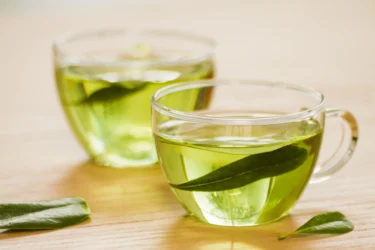
It is an ingredient often seen in slimming patches5. It contains a natural antioxidant called EGCG, which belongs to a group of phenolic compounds known as catechins. The calorie-burning effects linked to green tea are generally associated with catechins (especially EGCG) and caffeine present in green tea10. Green tea is sometimes claimed to help the body burn more calories, break down fat, and reduce fat absorption due to its antioxidant properties11,12.
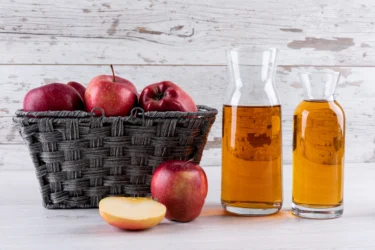
This ingredient is commonly included in some weight loss patches and is often combined with vitamins, green tea extract, or apple cider vinegar. The fruit contains hydroxycitric acid (HCA), which is claimed to support appetite control, reduce the formation of new fat cells, and limit excess weight gain. However, these statements are based on general research on the ingredient11. Studies in laboratory and animal models have shown effects of HCA on fat-related processes, but clear evidence of fat reduction in humans is still limited13.
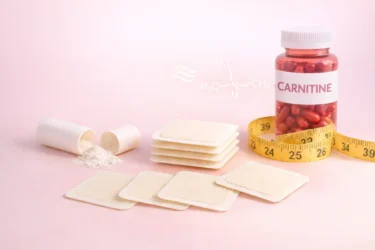
L-carnitine is sometimes included in weight loss patches, often with ingredients such as caffeine or retinol. It may be associated with fat breakdown within cells11. However, L-carnitine is a larger molecule and does not pass easily through the skin, and there is limited scientific information showing how well it is absorbed from patches14.

Ginger is sometimes included in slimming patches5. It is commonly used for its digestive and metabolic properties and may have positive effects on body measurements. However, the effects of ginger when used in patch form have not been well studied and are generally considered supportive rather than primary for weight management15.
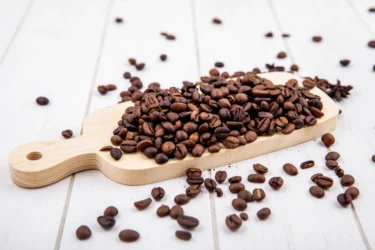
Caffeine is sometimes included in weight loss patches, along with L-carnitine. It is commonly used in weight-management products because it may help the body use more energy and break down fat11. Some research studies in animals have tested caffeine delivery using special patches that contain very small, painless needles to help the substance enter the skin. These types of patches are still being studied and are different from regular weight-loss patches sold in stores. Although found beneficial, results from these animal studies cannot be directly applied to people16.
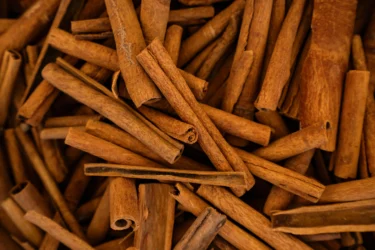
Some GLP-1 support patches sold in the market contain berberine along with pomegranate, cinnamon, and L-glutamine. This plant-based substance may help in regulating blood sugar and metabolism. Some research suggests it may influence how the body stores fat and how it responds to insulin. However, its effects when used through patches are not well studied17.
These ingredients are usually used alone or in combination and are sold as different types of weight loss patches in the market.
Weight loss patches are marketed under different types, each claiming to help with weight management using specific ingredients and mechanisms. The most commonly found types are
These patches contain plant-based compounds claimed to support weight management. The active herbal ingredients are slowly absorbed through the skin into the bloodstream. Common herbs found in these patches include ginger, for its anti-inflammatory effects, and green tea extract, for energy and metabolism. However, it is not always clear how much of these herbal ingredients actually enter the bloodstream when used in regular skin patches5,6.
They contain ingredients like pinene, which are said to generate heat and act as metabolism boosters. Pinene or pine needle extract is found to be helpful in weight management by reducing fat mass and improving glucose metabolism in animal studies. Although, more large-scale human studies are needed to confirm these results18.
Some patches are marketed as appetite suppressants and contain ingredients such as Bitter Orange Extract, 5-HTP, Yerba Mate Extract, Capsaicin, Forskolin, Green Tea Extract, Garcinia Cambogia, Alpha-Lipoic Acid, and Fucoxanthin. They claim to support metabolism, energy, appetite control, and overall wellness. Many of these ingredients are usually studied when taken by mouth, and their effects when delivered through the skin are not clearly known. Some like bitter orange extract are found to have some adverse effects as well19.
Certain patches are promoted as GLP-1 patches and include blends of ingredients like Berberine, Pomegranate, Cinnamon, and L-Glutamine, although they do not contain the actual GLP-1 medications (like semaglutide or tirzepatide). However, they claim that some ingredients in these patches may help influence the body’s natural GLP-1 hormone. They also claim these weight loss patches work by supporting cravings control, boosting metabolism, and reducing bloating. Some ingredients like Berberine may be helpful with weight management although scientific evidence for their effectiveness in the form of transdermal patches is lacking17.
Microneedle patches for weight loss have tiny needles that deliver ingredients directly into fat under the skin. Some research studies in animals have tested ingredients such as CL316243 (beta-3 adrenergic receptor agonist), T3 (thyroid hormone), and rosiglitazone (anti-diabetic drug) to study their effects on fat tissue and energy use. These studies are experimental, done mainly in animals, and their results may not apply in the same way to humans. These ingredients are not approved for weight-loss treatment in people20.
While these patches are marketed for weight management, these weight loss patches still fall into the category of dietary supplements or cosmetic products, and not approved as medical treatments. The next section will discuss whether these patches are truly effective in real-world use.
Scientific evidence supporting weight loss patches is very limited. Sellers often claim these patches can block fat, reduce appetite, or boost metabolism, but there is little proof that they actually work. Most patches contain herbs, minerals, or plant-based ingredients in varying amounts and combinations. They are rarely tested in large human studies, and small short-term studies do not provide strong evidence11.
It is important to note that no transdermal patch has been shown to block fat absorption because fat is absorbed in the stomach and intestines, not through the skin. Patches cannot stop the enzymes that break down fat in the body20,21. Medicines that do block fat, like orlistat, work inside the gut, which patches cannot reach22.
Patches marketed as dietary supplements are not approved as drugs and are not required to undergo rigorous clinical testing. Some ingredients in patches, like green tea extract or Garcinia cambogia, have sometimes caused liver problems, although mostly when taken as pills23. Others like bitter orange have been found to effect heart rate and blood pressure19. So, safety can also be a concern, especially with herbal ingredients that may interact with medications or cause health issues. Moreover, any effect on weight is usually much smaller than marketing promises, and results vary between individuals13,24.
Currently, the only proven ways to lose weight are healthy eating, calorie management, and regular exercise3. GLP-1 medications are available now (on doctor’s prescription) but these are also to be used along with dietary resistrictions and regular exercise. So, patches that claim you can lose fat without diet or exercise are making unrealistic promises and should be viewed with caution25.
Researchers are experimenting with medicinal patches for weight management that deliver active ingredients (medical agents) through the skin. Although some have shown fat-reducing effects in animal studies, large-scale human trials are still needed to confirm these benefits20.
Weight loss patches may have some advantages because transdermal delivery (active ingredients absorbed through the skin) shows the following benefits:
Transdermal delivery allows gradual absorption of ingredients, but it is important to note that most commercial weight-loss patches have not been proven to deliver effective doses or cause meaningful weight loss. While transdermal delivery is a promising method in theory, the effectiveness and safety of current weight-loss patches remain unproven4.
Weight loss patches may cause side effects in some people, especially on the skin where they are applied. These can include:
These effects usually appear at the site of application. If you experience these symptoms, remove the patch and consult a healthcare professional. Always follow instructions carefully and avoid applying patches to broken or sensitive skin.
Also, as mentioned earlier, certain ingredients used in these patches may have some adverse effects on your health or interact with the medicines you take.
Hence, it is important to be sure of what you will be using and discuss with your healthcare provider before starting especially if you have any medical conditions or are on medications.
When picking a weight loss patch, you can use the same careful approach as with any other dietary supplements:
Following these steps helps you choose a best weight loss patch that is safer, more transparent, and reliable.
Myth 1: Wearing a weight loss patch will make you lose weight on its own.
Fact: No patch, cream, or wearable product can cause weight loss by itself. Safe and lasting weight loss requires healthy eating and regular exercise25.
Myth 2: Weight loss patches are completely safe to use with any medications.
Fact: Some patches may contain active ingredients, such as green tea extract, which can enter your body through the skin and potentially interact with medications like blood thinners or antidepressants. Always check with your healthcare provider before using a weight loss patch alongside any medications26.
Myth 3: If I see a video or social media post claiming I will lose weight using a patch, it must be true.
Fact: Many online videos or posts exaggerate or fake results. Weight loss patches cannot cause miraculous or permanent weight loss on their own. Safe, lasting weight loss requires a sensible diet, regular exercise, and lifestyle changes. Always verify claims and be cautious of dramatic before-and-after images or “guaranteed” results25.
Myth 4: If a patch label says “safe,” it is completely safe to use.
Fact: Labels can claim safety, but this does not guarantee the product is safe. True safety depends on how the patch is made, whether it follows Good Manufacturing Practices (GMPs), and if its ingredients are tested for quality and contamination27.
Myth 5: Weight loss patches can treat, prevent, or cure obesity or other health problems.
Fact: Weight loss patches are not medicines and cannot treat, diagnose, or cure any disease. They may only provide certain ingredients, but healthy weight loss still requires diet, exercise, and lifestyle changes26.
See a doctor if you experience skin irritation, rashes, or swelling at the patch site4,5. Check with a doctor before using the patch with medications, supplements, or before surgery. Always consult a healthcare provider for safety and guidance26.
Weight loss patches may seem easy and convenient, but there is very little proof that they cause real weight loss. Most results promised in advertisements are not supported by strong research. Healthy and long-lasting weight loss still depends on eating balanced food, staying physically active, and following good daily habits. Readers should be careful with quick-fix products and not rely on patches alone for weight control.
There is little scientific evidence that weight loss patches are effective because most are not tested in large, long-term human studies. Patches often contain multiple ingredients, making it hard to know if any actually work11.
No, weight loss patches will not make you lose weight by themselves. Real, lasting weight loss comes from eating well, staying active, and making long-term lifestyle changes25.
Safety is uncertain because most patches are not well-studied in humans. They may also cause side effects like skin irritation, itching, or allergic reactions6,24.
Weight loss patches have not been studied during breastfeeding. Many ingredients, such as green tea, guarana, bitter orange and Garcinia, may harm the baby or reduce milk supply, and their benefits are not proven28.
Manufacturers say they may be worn at night, but some weight loss patches contain caffeine or stimulants that can disrupt sleep. Timing depends on the brand and type, and varies with ingredients and instructions.
1. Calef Sánchez-Trasviña, Coronel-Meneses D, Aleyda Margarita Escobar-Fernández, Mayolo-Deloisa K. Transdermal microneedle patches as a promising drug delivery system for anti-obesogenic molecules. Frontiers in Bioengineering and Biotechnology [Internet]. 2024 Jun 11;12. Available from: https://www.frontiersin.org/journals/bioengineering-and-biotechnology/articles/10.3389/fbioe.2024.1380537/full
2. Lubowiecki-Vikuk A, Bartkowiak A, Biernat E, Kantanista A. Interest in Weight Loss Methods Among Adults and Its Predictors: Sociodemographic Factors, Anthropometric Parameters, and Physical Activity. International Journal of Health Policy and Management. 2025 May 14; Available from: https://pmc.ncbi.nlm.nih.gov/articles/PMC12337211/
3. National Institutes of Health. Dietary Supplements for Weight Loss [Internet]. Nih.gov. 2017. Available from: https://ods.od.nih.gov/factsheets/WeightLoss-HealthProfessional/
4. Kalamkar VM, Musmade SR, Ghodke SD, Jori DK. A review on herbal transdermal patches. International Journal of Novel Research and Development. 2024 Nov;9(11):[page range]. Available from: https://www.ijnrd.org/papers/IJNRD2411260.pdf
5. Gawali AS, Sanap SH, Dhumal PK. Review article on herbal transdermal patch. Journal of Advance and Future Research. 2025;3(12):548–56. Available from: https://rjwave.org/jaafr/papers/JAAFR2512177.pdf
6. Pulipati S, Puttagunta S, Varshini S, Deepthi K, Sai P, Chanikya M, et al. Exploring The Insights And Innovations Of Herbal Transdermal Patches: A Comprehensive Review. IOSR Journal of Dental and Medical Sciences [Internet]. 2025;24:64–75. Available from: https://www.iosrjournals.org/iosr-jdms/papers/Vol24-issue3/Ser-3/J2403036475.pdf
7. Singh D. Transdermal patches: a comprehensive review. World Journal of Pharmaceutical Science and Research. 2025;4(2):1177–1191. DOI: 10.5281/zenodo.15515827. Available from: https://wjpsronline.com/images/a816d48cd83bf0e759e24e191c0409d4.pdf
8. Alkilani AZ, Nasereddin J, Hamed R, Nimrawi S, Hussein G, Abo-Zour H, et al. Beneath the Skin: A Review of Current Trends and Future Prospects of Transdermal Drug Delivery Systems. Pharmaceutics [Internet]. 2022 May 28 [cited 2023 Apr 3];14(6):1152. Available from: https://www.ncbi.nlm.nih.gov/pmc/articles/PMC9231212/
9. SebastiaSaez D, Lian G, Chen T. In silico study on the contribution of the follicular route to dermal permeability of small molecules. arXiv [preprint]. 2020 Dec 4:2012.02728 [Internet]. Available from: https://arxiv.org/pdf/2012.02728
10. Dulloo AG, Seydoux J, Girardier L, Chantre P, Vandermander J. Green tea and thermogenesis: interactions between catechin-polyphenols, caffeine and sympathetic activity. International Journal of Obesity and Related Metabolic Disorders: Journal of the International Association for the Study of Obesity [Internet]. 2000 Feb 1;24(2):252–8. Available from: https://www.ncbi.nlm.nih.gov/pubmed/10702779
11. Office of Dietary Supplements – Dietary Supplements for Weight Loss [Internet]. Nih.gov. 2017. Available from: https://ods.od.nih.gov/factsheets/WeightLoss-Consumer/
12. Ramadon D, Wirarti GA, Anwar E. Novel transdermal ethosomal gel containing green tea (Camellia sinensis L. Kuntze) leaves extract: formulation and in vitro penetration study. Journal of Young Pharmacists. 2017;9(3):336–340. Available from: https://archives.jyoungpharm.org/article/1014
13. Tomar M, Rao RP, Dorairaj P, Koshta A, Suresh S, Rafiq M, Kumawat R, Paramesh R, Babu UV, Venkatesh KV. A clinical and computational study on anti‑obesity effects of hydroxycitric acid. RSC Adv. 2019 Jun 12;9(32):18578–18588. Available from: https://pubs.rsc.org/en/content/articlepdf/2019/ra/c9ra01345h
14. Fox LT, Gerber M, Preez JL du, Grobler A, Plessis J du. Topical and Transdermal Delivery of L-Carnitine. Skin Pharmacology and Physiology [Internet]. 2011 [cited 2021 Jul 27];24(6):330–6. Available from: https://www.karger.com/Article/Abstract/330385
15. Shrin Rjabi, Seyed Sina Seyedhatami, Maede Makhtoomi, Ahmadi MR, Saeede Alimohamadi, Aliabadi E, et al. Impact of ginger supplementation on obesity indices and Adipokine profiles in adults: A GRADE-based systematic review and dose-response meta-analysis of randomized controlled trials. Complementary Therapies in Medicine. 2025 Oct 15;94:103260–0. Available from: https://www.sciencedirect.com/science/article/pii/S0965229925001360#bib10
16. Dangol M, Kim S, Li CG, Fakhraei Lahiji S, Jang M, Ma Y, et al. Anti-obesity effect of a novel caffeine-loaded dissolving microneedle patch in high-fat diet-induced obese C57BL/6J mice. Journal of Controlled Release: Official Journal of the Controlled Release Society [Internet]. 2017 Nov 10 [cited 2020 Sep 17];265:41–7. Available from: https://pubmed.ncbi.nlm.nih.gov/28389409/
17. Iyas Z, Perna S, Al‑Thawadi S, Alalwan TA, Riva A, Petrangolini G, et al. The effect of berberine on weight loss in order to prevent obesity: a systematic review. Biomedicine & Pharmacotherapy. 2020;127:110137. doi:10.1016/j.biopha.2020.110137. Available from: https://www.sciencedirect.com/science/article/pii/S0753332220303292
18. Kim EA, Yang JH, Byeon EH, et al. Anti-Obesity Effect of Pine Needle Extract on High-Fat Diet-Induced Obese Mice. Plants (Basel). 2021;10(5):837. Available from: https://pmc.ncbi.nlm.nih.gov/articles/PMC8143554/
19. Koncz D, Tóth B, Bahar MA, Roza O, Csupor D. The safety and efficacy of Citrus aurantium (bitter orange) extracts and p‑synephrine: a systematic review and meta‑analysis. Nutrients. 2022 Sep 28;14(19):4019. Available from: https://pmc.ncbi.nlm.nih.gov/articles/PMC9572433/
20. Li Z, Fang X, Yu D. Transdermal Drug Delivery Systems and Their Use in Obesity Treatment. International Journal of Molecular Sciences. 2021 Nov 25;22(23):12754. https://pmc.ncbi.nlm.nih.gov/articles/PMC8657870/#sec4-ijms-22-12754
21. Omer E, Chiodi C. Fat digestion and absorption: Normal physiology and pathophysiology of malabsorption, including diagnostic testing. Nutrition in Clinical Practice. 2024;39(S1). Available from: https://pubmed.ncbi.nlm.nih.gov/38429963/
22. Effects of equal weight loss with orlistat and placebo on body fat and serum fatty acid composition and insulin resistance in obese women123 – The American Journal of Clinical Nutrition. Available from: https://pubmed.ncbi.nlm.nih.gov/14684393/
23. Stickel F, Kessebohm K, Weimann R, Seitz HK. Review of liver injury associated with dietary supplements. Liver International. 2011 Jan 11;31(5):595–605. Available from: https://ajcn.nutrition.org/article/S0002-9165(22)03786-8/fulltext
24. Dwyer J, Coates P, Smith M. Dietary Supplements: Regulatory Challenges and Research Resources. Nutrients [Internet]. 2018 Jan 4 [cited 2019 May 20];10(1):41. Available from: https://www.ncbi.nlm.nih.gov/pmc/articles/PMC5793269/
25. Federal Trade Commission Consumer Advice. The Truth Behind Weight Loss Ads [Internet]. Consumer Information. 2021. Available from: https://consumer.ftc.gov/articles/truth-behind-weight loss-ads
26. Office of Dietary Supplements – Frequently Asked Questions (FAQ) [Internet]. Nih.gov. 2025 [cited 2026 Feb 23]. Available from: https://ods.od.nih.gov/HealthInformation/ODS_Frequently_Asked_Questions.aspx#h9
27. Office of Dietary Supplements – Background Information: Dietary Supplements [Internet]. Nih.gov. 2025. Available from: https://ods.od.nih.gov/factsheets/DietarySupplements-Consumer/#h5
28. Anderson PO. Drug Therapy for Weight Loss: Effects on Lactation and Breastfeeding. Breastfeeding Medicine. 2020 Feb 24; Available from: https://journals.sagepub.com/doi/10.1089/bfm.2020.0023
Disclaimer: The information provided here is for educational/awareness purposes only and is not intended to be a substitute for medical treatment by a healthcare professional and should not be relied upon to diagnose or treat any medical condition. The reader should consult a registered medical practitioner to determine the appropriateness of the information and before consuming any medication. PharmEasy does not provide any guarantee or warranty (express or implied) regarding the accuracy, adequacy, completeness, legality, reliability or usefulness of the information; and disclaims any liability arising thereof.
Links and product recommendations in the information provided here are advertisements of third-party products available on the website. PharmEasy does not make any representation on the accuracy or suitability of such products/services. Advertisements do not influence the editorial decisions or content. The information in this blog is subject to change without notice. The authors and administrators reserve the right to modify, add, or remove content without notification. It is your responsibility to review this disclaimer regularly for any changes.


Comments

Leave your comment...
You may also like






Comments