Last updated: Aug 11, 2026Published on: Dec 31, 2025
Table of Contents
Introduction
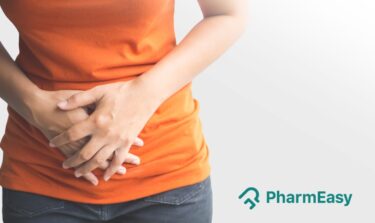
Central obesity or belly fat, is the excess fat stored around your belly or abdomen. According to a meta-analysis of over 280 population-based studies worldwide, about 41.5% of people aged 15 years and older have central obesity1. The main reasons for this are changes in lifestyle such as a high calorie diet and reduced physical activity.Visceral fat, which is a type of belly fat, is more harmful as it is responsible for causing several diseases like diabetes and heart disease3. Due to the associated health risks and impact on appearance and confidence, belly fat has become a major concern for many individuals2.
A lot of people want to know how to lose belly fat. Here is the good news! In this article, we will discuss in detail about belly fat, its types and causes, exercises to lose belly fat, some tips for healthy weight loss and common mistakes you should avoid while trying to reduce your fat. So, let’s get started.
Science-Backed Weight Management
Answer a few quick questions to check eligibility.
Have you heard about doctor-prescribed weight loss medicines?
Please share a few details
Required
Required
Invalid age
Contact Information
Required
Invalid
Invalid
✓
Thank you! 🙏
Your response has been submitted. Our team will contact you shortly.
Types of Belly Fat
Belly fat has adipose tissue, which is basically fat cells. They store energy, cushion the body, and help regulate temperature. Based on the location, belly fats can be classified into two as, visceral belly fat and sub-cutaneous belly fat. These fats differ in structure, developmental patterns, and function4.
1. Visceral Belly Fat (Visceral Adipose Tissue)
This is the fat found deep in the abdomen, surrounding the internal organs such as the stomach, liver, kidneys, and intestines4.
Males, boys who attained puberty, females who attained menopause, and people who consume too much alcohol have more chances of developing visceral fat4,3.
The key feature of this fat is its strong association with metabolic disease (increased blood pressure, cholesterol, and insulin resistance and obesity), which can lead to diabetes and heart disease4,3.
Too much visceral fat might also increase the risk of cancer, liver diseases, stroke, fertility issues etc4,3.
This is the fat located just beneath the skin. This is the most visible layer of fat and occupies a large part of the body’s total fat4.
The amount of sub-cutaneous fat increases along with the total body fat as the children grow into adolescents4.
The greater accumulation of this fat is found in girls. In girls, this fat normally deposits in hips, thighs, and peripheral (outer) body areas4.
Sub-cutaneous fat serves as the major energy reservoir, gives warmth and protection, and plays a role in the body’s hormone system4.
What Causes Belly Fat?
There are many factors which contribute to belly fat, which ultimately leads to obesity. Let us discuss them in detail.
1. Lack of Exercise
Changes in the standard of living and globalisation contribute to unhealthy lifestyle that can lead to weight gain. Now-a-days people have longer siting hours, be it for work (in front of computers) or for recreation (like watching TV, playing video games). This combined with a lack of physical exercise increases the risk of developing belly fat. Regular exercise is important for reducing belly fat, especially the visceral fat which has a greater chance of causing serious diseases5.
2. Diet
Poor dietary habits are an important risk factor for belly fat gain. Eating more calories than required by the body causes excess calories to be stored as fat, leading to obesity6. Belly fat can increase due to the consumption of energy-dense, processed foods1. Greater consumption of foods that have saturated fat is another cause of belly fat. Limiting the consumption of food with added sugar is also important5.
3. Poor-Quality Sleep
Studies show a link between poor quality of sleep and an increase in body weight. Sleeping for less than 7 hours a night regularly might affect the hormones which control hunger5. This can make you overeat because your body does not recognise that you are full. This ultimately leads to belly fat gain.
4. Stress
Stress, whether long-term or short-term can influence your brain and trigger hormones like cortisol. These are the hormones that regulate energy and appetite5. Changes in these hormones can make you eat more, which can lead to weight gain5.
5. Genetics
Genetics is also a cause of belly fat in many. Researchers have found about fifteen genes which can cause obesity7. People with certain genes are more likely to regain belly fat after weight loss, while the genes linked to overall body weight do not predict weight regain8. This says that genetics affects belly fat more than overall obesity8. Hence, in people with a history of belly fat, maintaining a healthy lifestyle might lower the risk of belly fat regain.
6. Certain Medicines
Some medicines can cause belly fat by affecting the signals which control your hunger. These include medicines like antidepressants, birth control pills, medicines used for autoimmune diseases, insulin etc5
7. Health Conditions
Some health issues like polycystic ovary syndrome (PCOS), Cushing’s syndrome, hypothyroidism, depression etc can cause weight gain or belly fat gain6. Eating-disorders like binge-eating and bulimia are the other causes wherein people consume a large amount of food and lose their control. Treatments are necessary for all these conditions6.
Best Exercises to Lose Belly Fat
While it is difficult to reduce fat from a particular region of the body and most exercises focus on overall weight reduction, some cardio, high intensity and core strength exercises as well as certain yoga asanas can help tone the abdominal muscles. It’s ideal to do a combination of these for best results. Following are some great exercises you can do:
1. Cardiovascular Exercises (Cardio)
Any physical activity which increases your heart rate, blood flow, breathing and sweating is a cardio or aerobic exercise9,10. A healthy diet along with cardio, is the fastest way to lose belly fat.
These include exercises which engage large muscle groups.
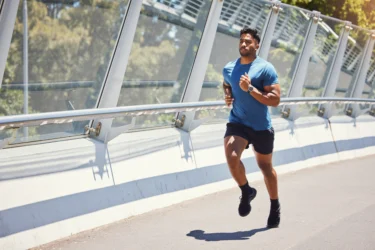
Cardio workouts such as brisk walking, jogging, running, dancing and swimming help in burning more calories than you eat, which reduces overall weight loss, including belly fat10.
Helps sleep well and reduces the chances of dementia9.
2. High-Intensity Interval Training (HIIT)
This is a type of workout where you do fast exercises for a brief period, followed by short rest or low-intensity recovery11.
HIIT workouts to lose belly fat include:
Burpees: Stand with feet apart, arms at your sides. Jump and land in a squat with a straight back.
Jumping Jacks: Stand straight with your feet together and arms at your side. Jump, spread your feet wide and simultaneously raise your arms overhead.
High Knees: Stand with feet slightly apart. Lift one knee and swing the opposite arm, then switch quickly and repeat fast.
They are short, intense exercise bursts of 15–60 seconds, followed by rest periods of 30–60 seconds12.
Health benefits include:
Recent studies suggest that HIIT may reduce abdominal or belly fat more effectively11.
Improves insulin sensitivity and cardiovascular health11.
3. Strength Training (Resistance Training)
In strength training your muscles work against resistance, so they become stronger, last longer, and grow bigger. Your muscles get stronger when they repeatedly work against a force13.
The strength training workouts include free weights, weight machines, resistance bands etc13. The specific strength training workouts to lose belly fat include:
Push-ups: Lie on your stomach and put hands as wide as your shoulders. Keep your body straight, go down and then push your body up.
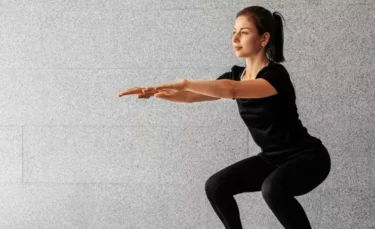
Squats: Stand with your feet apart, bend knees and hips to lower your body, then rise back up. Repeat this several times.
Kettlebell swings: Hold a kettlebell with both hands. Swing the kettlebell between your legs, then push your hips forward to lift it to chest level.
Deadlifts: Stand with feet apart, bend knees and hips to lift the weight, keeping your back straight.
The effectiveness of the strength training depends on factors like the number of sets, repetitions, exercise choice, intensity, frequency and rest between sets13.
The benefits of strength training include:
Enhances muscle strengthening, flexibility, stamina, and weight control13.
Can help avoid risk of certain chronic diseases like diabetes, heart disease, arthritis, depression13.
4. Core and Abdominal Exercises
Core activities are a part strength building typically for the muscles around your trunk: abdominal (tummy), lower back, pelvis, and hips muscles14.
It should be done with correct alignment and progressed gradually, so that it is safe and effective14.
Types of core exercises that can try include:
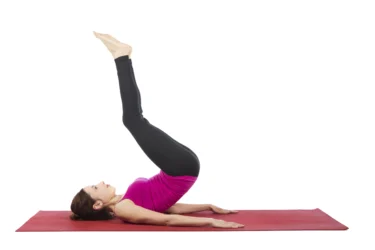
Reverse Crunch: Lie on your back, lift your hip and legs toward your ribs, hold for a second and then relax. Repeat14.
Arm and Leg Raise: Lie on your stomach by stretching your arms above the head. Tighten your stomach, lift your right arm and left leg, and hold for five seconds14.
Bicycle stretch: Lie on your back with hands behind your head and knee at 45°. Lift your shoulders and bring your elbow to the opposite knee, then switch sides and continue14.
Mountain Climbers Twist: Start on your hands and toes. Bring one knee to your chest, then shift legs quickly. Keep your core straight and body tight. If finds difficult, do it on your knees15.
Makes tasks such as lifting, reaching, bending, and even walking easier14.
5. Yoga
Yoga is a spiritual practice which uses deep and gentle science to create a connection between mind and body16.
The types of yogasanas which help reduce belly fat include:
Bhujangasanan: Exhale and keep your forehead on the ground. Then keep your head on palms, extend your legs and relax16.
Pavanamuktasana: Lie on your back, bring knees to your chest, hug your shins, exhale, lift head to touch knees, and then relax16,17
Shalabasana: Lie on your stomach with chin on the floor and palms upward. Inhale and raise both legs without bending your knees, retain for 10-20 seconds and then drop the legs16, 17.
Helps in calming your mind and relieving stress, anxiety etc16
When exercising, ensure to start with warming up and end with cooling down and always listen to your body, don’t overdo. Remember, proper technique is very important while doing any form of exercise not just to get the ideal results but to prevent oneself from injury or muscle strain. If you are beginner, it is best to practise these under a trained profession for proper guidance.
Simple Tips for Healthy Weight Loss
Achieving healthy weight loss requires a combination of lifestyle changes. Here are some simple tips that you can follow to manage your belly fat.
1. Healthy Dietary Habits
Reduce the number of calories you take in through food and beverages.
Include diverse types of vegetables, whole fruits, protein-rich foods such as beans, peas, lentils, nuts, seeds, soy products, lean meats, poultry, eggs, and seafood, fat-free or low-fat dairy products like milk, cheese, yoghurt, and whole grains such as oats, whole-wheat bread, and brown rice18.
Avoid or reduce high-calorie foods like fried chicken or fish, tortilla chips, chocolate brownies, pizza with extra cheese, etc19.
Avoid foods high in salt, sugar, added and saturated fats. These might reduce your metabolic function. Example: soft drinks, snacks, and alcohol drinks20.
Watch the portions you eat. Eating more portions increases calories18.
Do not skip meals unnecessarily. Maintain regular meals and snacks20.
Instead of driving, prefer walking or cycling for short distances20.
Climb stairs, walk during breaks, and park your vehicles far away. This will increase your body movement20.
Aim for at least 150 minutes of physical activity along with muscle strengthening for 2 or more days a week (for adults). Kids should perform 60 minutes of physical activity a day5.
3. Proper Sleep
Follow a regular sleep schedule. Lack of sleep can affect metabolism and insulin sensitivity21.
Sleep in a dark room, avoid light exposure from TV, bed lamps, etc21.
Do not sleep soon after a lunch; it might affect the success of weight loss21.
Sleep on time. People who sleep late may eat more and have a higher risk of gaining weight21.
4. Stress Management, Counselling and Motivation
Stress might be a reason for eating behaviours like overeating or unhealthy food choices.
Stress-management techniques like exercise, relaxation, meditation, and social support might help control emotional eating22.
Go for counselling if you feel helpless. It might help you recognise stress triggers, cope better, set realistic weight-loss goals and follow healthy habits23.
Set realistic and manageable long-term goals for sustainable weight management, gain confidence by doing activities you could not do before and celebrate small successes to stay motivated20.
5. Medical Evaluation
Seek a professional’s help and get testing done to understand the underlying cause of your weight gain.
Treating and managing underlying conditions such as anxiety or hormonal issues found through medical evaluation is important for weight loss24.
There are many factors influencing belly fat such as genetics, lifestyle, medical issues, environmental factors like stress etc, however, opting for the right approach can help manage this. Choosing balanced nutrition, staying active, sleeping well, and avoiding common mistakes are the basic things that you have to follow for a healthier body and mind. Although it is difficult to lose fat from a particular body part, combining cardio with HIIT and strength-building exercises focussing on the core can help with overall weight loss and toning of the abdominal muscles. Remember, consistency, patience, and sustainable habits are the key to long-term success when it comes to fat loss.
Measure your waist to check your visceral fat. Your waist circumference (perimeter) tells how much fat surrounds your organs. For females, it is 80 cm and for males, it is 95 cm. A waist measure greater than these are clear sign of health issues3.
How to avoid injury while performing cardio?
A 5-minute warm-up is essential before you start your cardio workout. This will prepare you heart muscles to gently into exercise and will reduce injuries9.
How to prevent workout overload?
Taking enough calories for your workouts, proper fluid intake, cutting your workouts if you feel stressed, resting at least 6 hours before workouts are some methods to prevent your body from getting over strained25.
Give some tips for dancing as an exercise.
Dancing not only helps with weight management but also improves heart and lung functions. It can boost your mental health, self-confidence, self-esteem, and social skills. Anybody of any age can enjoy dance as a sport or hobby. Plus, there are several options you can choose from such as Zumba, Ballet, Hip-hop etc. Here are some tips you should follow if you practise dancing: Drink enough water before you start. Take proper rest between dance sessions. Do warm-up before you start dancing. Cool down your body with stretches after dancing29.
References
Wog MCS, Huang J, Wang J, Chan PSF, Lok V, Chen X, et al. Global, regional and time-trend prevalence of central obesity: a systematic review and meta-analysis of 13.2 million subjects. European Journal of Epidemiology. 2020 May. Available from: https://pmc.ncbi.nlm.nih.gov/articles/PMC7387368/
Segal Y, Gunturu S. Psychological issues associated with obesity [Internet]. PubMed. Treasure Island (FL): StatPearls Publishing; 2024. Available from: https://www.ncbi.nlm.nih.gov/books/NBK603747/
Christiansen: MR, Kilpelainen TO, McCaffery JM. Abdominal Obesity Genetic Variants Predict Waist Circumference Regain after Weight Loss [Internet]. American Diabetes Association. Available from: https://diabetesjournals.org/diabetes/
Francois ME, Little JP. Effectiveness and Safety of High-Intensity Interval Training in Patients With Type 2 Diabetes. Diabetes Spectrum [Internet]. 2015 Feb;28(1):39–44. Available from: https://pmc.ncbi.nlm.nih.gov/articles/PMC4334091/
Institute of Medicine (US) Subcommittee on Military Weight Management. Weight-Loss and Maintenance Strategies [Internet]. Nih.gov. National Academies Press (US); 2020. Available from: https://www.ncbi.nlm.nih.gov/books/NBK221839/
Greaney ML, Cohen SA, Xu F, Ward-Ritacco CL, Riebe D. Healthcare provider counselling for weight management behaviours among adults with overweight or obesity: a cross-sectional analysis of National Health and Nutrition Examination Survey, 2011–2018. BMJ Open [Internet]. 2020 Nov 1 [cited 2020 Dec 10];10(11):e039295. Available from: https://bmjopen.bmj.com/content/10/11/e039295.abstract
Khattak ZE, Zahra F. Evaluation of Patients With Obesity [Internet]. PubMed. Treasure Island (FL): StatPearls Publishing; 2022. Available from: https://www.ncbi.nlm.nih.gov/books/NBK576399/
Habib A, Ali T, Nazir Z, mahfooz A, Inayat QA, Haque MA. Unintended consequences of dieting: How restrictive eating habits can harm your health. International Journal of Surgery Open [Internet]. 2023 Nov 1;60(100703):100703. Available from: https://www.sciencedirect.com/science/article/pii/S240585722300116X
Vispute S, Smith J, LeCheminant J, Hurley K. The Effect of Abdominal Exercise on Abdominal Fat. Journal of Strength and Conditioning Research, 2011; 25 (9): 2559-2564. Avaible from: https://pubmed.ncbi.nlm.nih.gov/21804427/
Disclaimer: The information provided here is for educational/awareness purposes only and is not intended to be a substitute for medical treatment by a healthcare professional and should not be relied upon to diagnose or treat any medical condition. The reader should consult a registered medical practitioner to determine the appropriateness of the information and before consuming any medication. PharmEasy does not provide any guarantee or warranty (express or implied) regarding the accuracy, adequacy, completeness, legality, reliability or usefulness of the information; and disclaims any liability arising thereof.
Links and product recommendations in the informationprovided here are advertisements of third-party products available on the website. PharmEasy does not make any representation on the accuracy or suitability of such products/services. Advertisements do not influence the editorial decisions or content. The information in this blog is subject to change without notice. The authors and administrators reserve the right to modify, add, or remove content without notification. It is your responsibility to review this disclaimer regularly for any changes.










































Comments