




Ramphal: Uses, Benefits, Side Effects & More
By Dr. Malavika Athavale +2 more

Medically reviewed by Dr. Malavika Athavale
Last updated: Aug 13, 2026 Published on: Dec 17, 2025


Get,

to manage your symptom
Get your,

4 Cr+ families
benefitted

OTP sent to 9988776655



You’ve successfully subscribed to receive
doctor-approved tips on
Whatsapp

Get ready to feel your best.


Register to Avail the Offer
Send OTPBy continuing, you agree with our Privacy Policy and Terms and Conditions
Hi There,
Sign up on PharmEasy now!!


Trusted by 4 crore+ families

OTP sent to 9988776655
You have unlocked 25% off on medicines


Code: NU25

By Dr. Malavika Athavale +2 more
Table of Contents
Ramphal (Annona reticulata), which is also known as bullock’s heart, is a fruit belonging to the Annonaceae family. This family comprises a diverse group of tropical fruits that includes 4 other major edible species, which are custard apple (A. squamosa), cherimoya (A. cherimola), soursop (A. muricata), and ilama (A. macroprophyllata)1.
Ramphal fruit is versatile and is valued for both its taste and its traditional medicinal uses. In folk medicine, different parts of the plant have been used to help with various illnesses. It has also been used in certain industrial applications2.
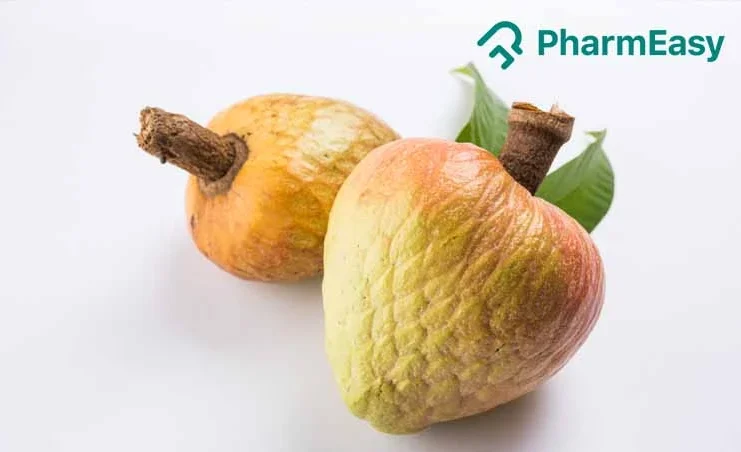
Since there are numerous wide ranging properties of this fruit, through this article, we aim to provide an overview of Ramphal, including its uses, proposed health benefits, and potential side effects.
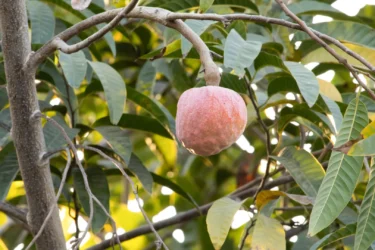
Ramphal is a species native to the West Indies and is widely cultivated throughout tropical and subtropical areas, including the Bahamas, parts of Central and South America, Bermuda, southern Florida, and several Asian countries such as India, Bangladesh, and Pakistan2,3. In India, it is commonly grown in the states of Bengal and southern regions2.
Botanical Characteristics
Fruit Description
The table below presents the key Ramphal nutrition values, providing a simple overview of its macronutrients, vitamins, minerals, and other important components per 100 g of edible fruit4.
| Nutrient Category | Nutrient | Amount (per 100 g) |
| Energy & Macronutrients | Energy | 326 kJ |
| Protein | 1.4 g | |
| Fat | 0.6 g | |
| Carbohydrates (available) | 15.8 g | |
| Total Sugars | 14.7 g | |
| Dietary Fibre | 2.5 g | |
| Vitamins | Vitamin C | 43 mg |
| Vitamin B1 (Thiamine) | 0.05 mg | |
| Vitamin B2 (Riboflavin) | 0.08 mg | |
| Vitamin B3 (Niacin) | 0.8 mg | |
| Vitamin B6 | 0.22 mg | |
| Folate (natural) | 20 µg | |
| Vitamin E (α-tocopherol) | 0.3 mg | |
| Vitamin A (as carotene equivalents) | 5 µg | |
| Minerals | Potassium | 250 mg |
| Magnesium | 32 mg | |
| Calcium | 17 mg | |
| Phosphorus | 21 mg | |
| Iron | 0.3 mg | |
| Zinc | 0.2 mg | |
| Sodium | 4 mg | |
| Organic Acids | Citric acid | 0.3 g |
| Malic acid | 0.3 g | |
| Fatty Acids | Saturated Fat | 0.16 g |
| Monounsaturated Fat | 0.10 g | |
| Polyunsaturated Fat | 0.22 g |
The leaves, roots, bark, and fruits of Ramphal contain abundant phytochemicals, including tannins, alkaloids, phenols, flavonoids, glycosides, and acetogenins1. These bioactive compounds are responsible for Ramphal’s benefits and form the basis for many of its traditional medicinal uses. Some of the common Ramphal benefits backed by scientific evidence include:

Ramphal leaf extracts may be helpful in reducing fever owing to the flavonoids and saponins present in them, which are natural anti-inflammatory compounds. These are shown to have antipyretic (fever-reducing) effects in animal studies5. This suggests its potential natural support for managing high body temperature.
Certain leaf extracts of Ramphal have demonstrated strong anti-worm activity. It was seen that these extracts were able to cause paralysis in adult Indian earthworms. This may be attributed to the active constituents present in the ethanol leaf extract6. This property aligns with Ramphal’s traditional use for parasitic infections.

Methanolic leaf extracts of Ramphal have shown to reduce blood glucose in glucose-loaded mice. This effect is observed due to certain phytochemicals present in the leaf that help in reducing glucose spikes7. This indicates possible support for managing elevated blood sugar.

Bark extracts of Ramphal have shown analgesic effects in animal studies. This is due to its notable antiinflammatory ability (inhibition of chemical mediators like proglandins) that help relieves pain and inflammation throughout the body8,9. This suggests Ramphal may be useful for managing inflammatory conditions after professional consultation.
Methanol extracts of Ramphal have shown significant antioxidant effects due to the presence of natural compounds like alkaloids, flavonoids, tannins and Vitamin C. These help fight free-radicles, strengthen immune-system and aid in lowering the risk of certain chronic diseases. Owing to its antioxidant properties, this fruit can potentially be beneficial for some brain, heart and kidney related conditions10,11.

The root extract of Ramphal demonstrates significant antibacterial and antifungal properties. It is especially effective against Bacillus cereus and also reduces the growth of fungi such as Trichoderma viride and Candida albicans11. This indicates its promise as a natural source for developing new antimicrobial treatments.

The seed extract of Ramphal is rich in flavonoids, tannins, alkaloids, and other healing phytochemicals. In a study, it showed significant wound-repair activity by improving wound contraction and speeding up its closure12. This indicates potential benefits of Ramphal extracts as a component of skin healing formulations.

In traditional Indian medicine, it has also been widely used for managing various skin and scalp conditions. This is because Ramphal is packed with bioactive compounds like alkaloids and acetogenins that help deal-with inflammation. Application as hair conditioner has been shown to manage dandruff and lice-infestation of scalp13.

Aqueous leaf extracts of Ramphal have reduced ulcer formation and improved protective factors in animal studies. It acts by reducing acid production, balancing pH and improving glutathione levels. This suggests potential benefits for stomach health14. However, the fruit is best eaten for gastrointestinal related problems (like acidity) after the advice of a qualified doctor.

Certain compounds from the root extracts have shown to fight some types of cancer cells. These anticancer properties are likely due to bioactive compounds such as acetogenins and alkaloids15. This suggests that Ramphal may offer leads for future anticancer research.
Note: Most of these benefits are stated from lab data (animals or in vitro). Although they suggest potential health utility and support traditional Ramphal uses, further large scale human trials are still needed for validation. Therefore, these should not be taken as definitive proof for humans or a substitute for modern medicine.
Ramphal can be enjoyed in many delicious and versatile forms. Its sweet, custard-like pulp and pleasant aroma make it suitable for everyday foods, beverages, and value-added preparations. However, please keep in mind that Ramphal has a slightly sour taste (when compared to a custard apple). Thus, to balance the mild sourness, you may add sugar to the recipes as and when needed (being cautious of excess sugar addition). You can also add 1 or 2 drops of vanilla essence for flavour and to balance the sourness.
Below are some simple ways to include Ramphal fruit in the diet.
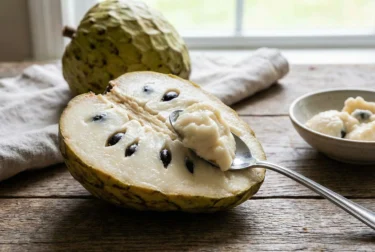
The fruit’s natural aroma and custard-like texture make it a popular dessert fruit, similar to custard apple.
How to use: Ramphal can be eaten fresh by simply scooping out the soft, sweet pulp13.
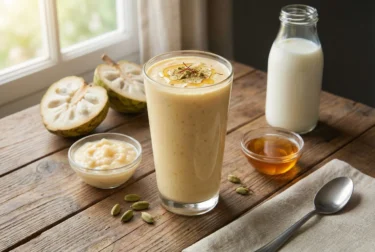
Its soft pulp blends easily, giving beverages a rich texture.
To prepare: Combine Ramphal pulp with milk (along with sweeteners or spices, if preferred) to make a refreshing milkshake16.
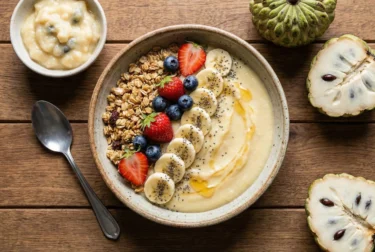
Processed Ramphal pulp can be used as a natural sweetener and nutrient-rich base.
To prepare: Blend the cleaned and deseeded fruit into a smooth puree and add to your desired food items like breakfast bowls or custards16.
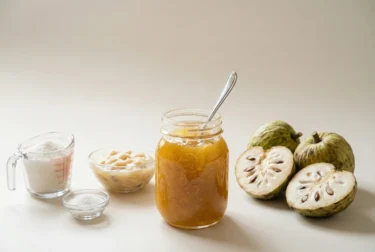
Ramphal’s sugar content and pectin-like behaviour make it suitable for jam-making.
To prepare: Use a mixture of about 60% pulp, 40% sugar, and a small amount of citric acid16. Cook until thick and store in sterilised jars.
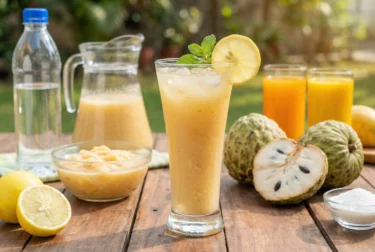
Its mild acidity and sweetness make it ideal for ready-to-serve beverages.
To prepare: Blend Ramphal pulp with water or other fruit juices. Add sugar or lemon if needed and serve chilled16.

Ramphal’s texture closely resembles custard apple, making it perfect for frozen treats.
To prepare: Mix pulp with whipping cream, condensed milk, sugar, and milk powder. Freeze for 7 to 8 hours to create a creamy, flavorful ice cream13.

Drying Ramphal pulp extends shelf life and makes it easy to add to foods.
To prepare: Dry the pulp using tray drying, freeze-drying, or foam-mat drying. Store and use the powder in smoothies, baked goods, or health mixes16.
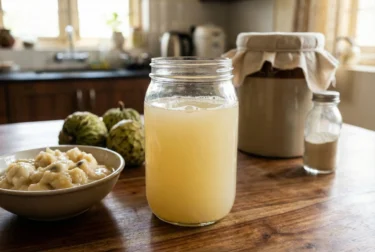
Like other Annona fruits, Ramphal may be used in lactic acid bacteria (LAB) fermentation.
To prepare: Ferment diluted pulp with lactic acid bacteria cultures to create a tangy, non-dairy probiotic drink16.
Like other fruits from the Annonaceae family, Ramphal is generally safe when eaten in moderation, but certain precautions are recommended due to its bioactive compounds. Potential side effects include:
Also Read: Potato (Aloo): Uses, Benefits, Side Effects and More!
While Ramphal is generally safe and nutritious, certain precautions should be kept in mind to ensure safe consumption:
Do not chew or ingest Ramphal seeds, as they may be harmful, and avoid consuming unripe Ramphal, since it can be hard and difficult to digest18.
Ramphal generally does not interact negatively with most medications or food items. However, compounds of the Annonacae family may add to neurotoxicity when taken alongside neuroactive medicines (such as drugs for Parkinson’s disease)17. Therefore, avoid consuming seeds or concentrated extracts.
Note: If you have any medical conditions or take any medications, it is best to consult your doctor before including Ramphal in your routine diet.
Also Read: Karela Juice: Uses, Benefits, Side Effects and More!
Normal food-level consumption of Ramphal fruit (a fruit of around 100 g) is generally considered safe19. However, its ideal to consult a certified nutritionist to know the right quantity for you depending on your overall health and requirements.
Note: Concentrated extracts, herbal teas, or long-term habitual high intake (as observed in Annonacae species-related studies) may pose risks and should be avoided until further evidence clarifies the safety profile of Ramphal in particular17,18.
Also Read: Cherries: Uses, Benefits, Side Effects and More!
Ramphal stands out as a nutritious and traditionally valued fruit with diverse culinary and medicinal applications. It is rich in phytochemicals such as tannins, alkaloids, flavonoids, and glycosides, and demonstrates a wide range of biological activities in initial studies, including antioxidant, anti-inflammatory, antipyretic, and wound-healing effects.
While long-term research is still needed, normal dietary intake of Ramphal fruit in moderate quantities is largely considered safe. Yet, like any other natural remedy, in case of any medical issues, its ideal to discuss with a doctor before including Ramphal in routine diet. Overall, Ramphal offers significant nutritional, functional, and value-addition potential, making it a promising fruit for both traditional use and modern food innovation.
Also Read: Lemon Water: Uses, Benefits, Side Effects and More!
Individuals with medical conditions like diabetes and pregnant or breastfeeding women should discuss with their doctor before consuming this fruit regularly. Also, those with Parkinson’s disease should avoid excessive intake of Ramphal, as safety of Annonaceae group of fruits in this group is ambiguous17.
In traditional Indian diets and Ayurvedic practice, ripe Ramphal is generally considered a fruit that has a cooling effect20.
Yes, it’s antioxidants and vitamin C may help improve skin health3,20.
Ramphal is not very high in calories. Based on nutrient data, Ramphal provides about 306 to 326 kJ per 100 g, which equals roughly 73 to 78 kcal per 100 g4. This makes it a moderate-calorie fruit.
Disclaimer: The information provided here is for educational/awareness purposes only and is not intended to be a substitute for medical treatment by a healthcare professional and should not be relied upon to diagnose or treat any medical condition. The reader should consult a registered medical practitioner to determine the appropriateness of the information and before consuming any medication. PharmEasy does not provide any guarantee or warranty (express or implied) regarding the accuracy, adequacy, completeness, legality, reliability or usefulness of the information; and disclaims any liability arising thereof.
Links and product recommendations in the information provided here are advertisements of third-party products available on the website. PharmEasy does not make any representation on the accuracy or suitability of such products/services. Advertisements do not influence the editorial decisions or content. The information in this blog is subject to change without notice. The authors and administrators reserve the right to modify, add, or remove content without notification. It is your responsibility to review this disclaimer regularly for any changes.


Comments

Leave your comment...
You may also like





















Comments