




Gripe Water for Babies: Benefits, Usage & Alternatives
By Dr. Anmol Batra +2 more

Medically reviewed by Dr. Anmol Batra
Last updated: Apr 16, 2026 Published on: Feb 13, 2024


Get,

to manage your symptom
Get your,

4 Cr+ families
benefitted

OTP sent to 9988776655



You’ve successfully subscribed to receive
doctor-approved tips on
Whatsapp

Get ready to feel your best.


Register to Avail the Offer
Send OTPBy continuing, you agree with our Privacy Policy and Terms and Conditions
Hi There,
Sign up on PharmEasy now!!


Trusted by 4 crore+ families

OTP sent to 9988776655
You have unlocked 25% off on medicines


Code: NU25

By Dr. Anmol Batra +2 more
Table of Contents
As new parents or caregivers, taking care of a baby can be tough. Colic, gas, and teething pains are a few common health problems that you are quite likely to come across with your little one. With limitations in the use of medication for babies, there is commonly a reliability on home remedies to deal with these issues. In this article, we will discuss about gripe water, one such traditionally favourite remedy used in babies. We will delve into the potential benefits and any possible risks. We’ll explore the various gripe water options also give you tips for choosing the right product. Lastly, we will answer some frequently asked questions regarding this topic.

Did you know?
Gripe water is an easy-to-buy herbal remedy. It was created to ease colic, gas, and teething pain in babies. It first appeared in England in the 1840s. Today, it is used around the globe. The alcohol content of gripe water was said to have a soothing effect, however present-day versions don’t contain alcohol1. They mix herbs, water, and some sweet ingredients so babies will like it.
Every brand has its own mix, but most of them contain the following common elements.
We know gripe water might not always work. But users claim some possible benefits for babies which are described below.

Colic is prolonged frequent crying in a healthy baby. It sets in when they are 2-3 weeks old and fades by 3-4 months. The real cause of colic is not known. But it may arise from gas or belly pain. Gripe water might be helpful, due to its proposed calming effect on the baby’s digestion3.

Gas and bloating can upset babies. They might cry due to the discomfort. Ginger root extract and fennel seed extract in gripe water may aid digestion. This may help lower gas troubles and ease the baby’s discomfort4.
Recently I came across a study that concluded Oma theeneer, a medicinal herb works just as effectively as commercial Gripe water in relieving stomach issues in infants. Though more research studies on Oma theeneer are recommended to better understand how it can be used by the public in the future, this natural remedy may help gas relieve in infants without any side effects11.
Dr. Siddharth Gupta, B.A.M.S, M.D (Ayu)

Teething can be hard for babies. It can cause pain and result in much crying and crankiness. With their proposed calming effects, herbs like chamomile and lemon balm in gripe water might help2.

Hiccups distress babies by messing up eating and sleep habits. Gripe water might quieten hiccups. Also, it may help ease digestion and thus reduce irritability.
Large-scale research is still needed to confirm the benefits of gripe water.
Please note: WHO recommends exclusive breastfeeding for babies under 6 months of age1. Thus, gripe water should not be given without discussing with a paediatrician.
Here’s an interesting fact: William Woodward, the founding father of gripe water, registered it as a trademark way back in 1876. The formula was inspired from a medicine that was used to treat malaria fever in babies and alongside showed improvement in gastrointestinal symptoms in them12!
Dr. Rajeev Singh, BAMS
Like any herbal remedy, gripe water has certain safety and usage points to consider. These should not be ignored and are described below.
Gripe water is generally not to be used for babies. But if used, it’s vital to go for a mix with no alcohol, sugar, or baking soda. American Food and Drug Administration (FDA) rules don’t cover gripe water as medication. So, do read the contents listed on the pack and discuss with a paediatrician before using it1.
Most brands suggest gripe water may be given to babies as young as 2 weeks old. But doctors often advise waiting until they are at least 1 month old. This gives time for the baby’s immune and digestive system to mature2. Do follow this advice.
As noted earlier, gripe water is a dietary supplement and may not have a standardized formulation. So, there can be slight differences in the safety and quality of different gripe water products. Always choose a trustworthy brand. Look out for any recalls or safety concerns before using gripe water for your baby2. Always use it only after consulting your baby’s pediatrician.
Follow the dosage tips given by the maker or your healthcare provider. The usual dosage depends on the baby’s age:
Gripe water can be fed directly to the baby with a medicine dropper or syringe5. Make sure gripe water is given after meals to help avoid gas pain.
Remember doctors don’t recommend giving gripe water to babies because of adulteration. Some cases of liver failure and kidney injury had been reported in past after using gripe water.
Gripe water is safe for babies, but read contents written on box before giving gripe water to your baby. But, it may have some side effects and risks which are described below.
Some babies might be allergic to or not tolerate the herbs in gripe water well. Watch for signs of an allergy after giving gripe water2. Hives, throwing up, itching, or trouble breathing are some. If you think your baby is reacting badly, stop using it at once. Seek medical help right away.
It’s key to discuss with your healthcare provider before using gripe water for your baby. This is more so if the baby is sick or on other medicines. This can confirm that the gripe water does not affect any medicines badly2. You also want to be sure it does not make other health conditions worse.
If not stored right or if it’s past the expiry date, gripe water can house bacteria or fungi. This raises the risk of infection for your baby. Make sure to replace gripe water by or before the expiry date. Store it in a cool place.
Gripe water contents are metabolized in liver and kidney, so any adulteration in gripe water can lead to lifelong liver and kidney failure2.
If you are worried about gripe water’s safety or how effective it is, you may consider other methods described below.
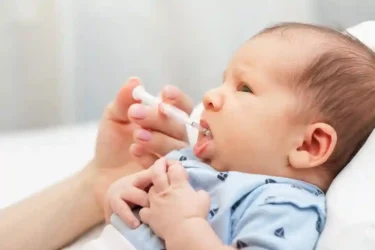
You may buy gas drops with simethicone over the counter. They help break up gas bubbles in your baby’s stomach. They may give relief from gas and bloating6,7.
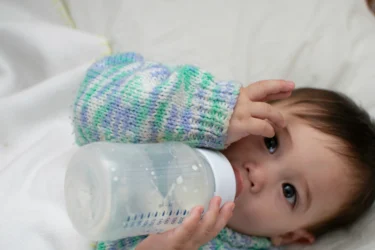
Simple changes to your baby’s feeding habits may often help ease gas and colic signs. Think about using a slow-flow bottle. Hold your baby upright while feeding. Give smaller and more frequent meals. Burp your baby many times while feeding. Breast milk leads to less gas and colic issues7.

Gentle massages and short tummy times may help soothe gas and bring comfort. Make sure you are watching over your baby during tummy time. Do it only when your baby is awake and watched over. Stop once your baby shows signs of tiring or feeling upset7,8.

In some cases, a healthcare provider may suggest some over-the-counter medicines to ease gas, bloating, or colic. It’s key to check with your baby’s health expert before starting new medicines. You want to ensure they are safe and suitable9.
Make sure to read the ingredients list. Avoid those with alcohol, sugar, or baking soda. Go for ones with natural or food-grade preservatives to keep them fresh. Look for those herbs proposed to have calming effects, like fennel, ginger, chamomile, and lemon balm.
Go for a product from a reputable maker who sticks to strict quality and safety rules. Check for any recalls or safety concerns linked to the product. Do some research on customer views or endorsements10.
If your baby shows major symptoms or strange behaviors, it’s important to seek urgent medical help. These might be breathing troubles, throwing up, fever, or no response to gripe water or other remedies7.
Also, if your baby continues to have colic, gas, etc. despite using gripe water or other remedies, it’s time to consult a healthcare provider. They can then evaluate further and provide guidance.
Also Read: How to Get Rid of Baby Hiccups
As parents and caregivers, it is your duty to know about remedies for common baby issues like colic, gas, and teething pangs. Gripe water is a ready-to-buy herbal remedy often liked by users. It may give certain potential benefits but do remember it’s not free from safety issues and likely side effects. Please always check with your baby’s pediatrician before using any remedy.
Most gripe water products recommend usage for babies as young as two weeks old. However, paediatricians generally do not advise its use or suggest waiting until the baby is at least one month old to ensure that their immune system and digestive tract are more developed.
The time it takes for gripe water to work can vary by individual and may depend on factors such as the specific formulation being used and the severity of the baby’s symptoms. Some parents may notice immediate results, while others may not see improvements for several hours or even days.
Gripe water is not intended for long-term use and is typically reserved for addressing occasional symptoms like colic, gas, or teething discomfort. Always consult your healthcare professional before using gripe water for an extended period.
Home remedies may help alleviate colic and gas symptoms in babies, including gentle massages, placing your baby on their tummy for short periods, adjusting feeding techniques, and incorporating calming background noises or soothing activities. Be sure to consult your healthcare provider for guidance on appropriate home remedies for your baby.
While it is generally safe to mix gripe water with milk or formula, it is recommended to give gripe water directly to your infant for maximum effectiveness. Use a medicine dropper or syringe to administer the gripe water to your baby, allowing them to swallow it a little at a time. Always consult your doctor before doing anything in this regard.
Disclaimer: The information provided here is for educational/awareness purposes only and is not intended to be a substitute for medical treatment by a healthcare professional and should not be relied upon to diagnose or treat any medical condition. The reader should consult a registered medical practitioner to determine the appropriateness of the information and before consuming any medication. PharmEasy does not provide any guarantee or warranty (express or implied) regarding the accuracy, adequacy, completeness, legality, reliability or usefulness of the information; and disclaims any liability arising thereof.
Links and product recommendations in the information provided here are advertisements of third-party products available on the website. PharmEasy does not make any representation on the accuracy or suitability of such products/services. Advertisements do not influence the editorial decisions or content. The information in this blog is subject to change without notice. The authors and administrators reserve the right to modify, add, or remove content without notification. It is your responsibility to review this disclaimer regularly for any changes.


Comments

Leave your comment...
You may also like






















Comments