




Magnesium Rich Foods: Your Ultimate Guide to Essential Nutrition
By Dr. Malavika Athavale +2 more

Medically reviewed by Dr. Malavika Athavale
Last updated: Sep 8, 2026 Published on: Apr 22, 2024


Get,

to manage your symptom
Get your,

4 Cr+ families
benefitted

OTP sent to 9988776655



You’ve successfully subscribed to receive
doctor-approved tips on
Whatsapp

Get ready to feel your best.


Register to Avail the Offer
Send OTPBy continuing, you agree with our Privacy Policy and Terms and Conditions
Hi There,
Sign up on PharmEasy now!!


Trusted by 4 crore+ families

OTP sent to 9988776655
You have unlocked 25% off on medicines


Code: NU25

By Dr. Malavika Athavale +2 more
Table of Contents
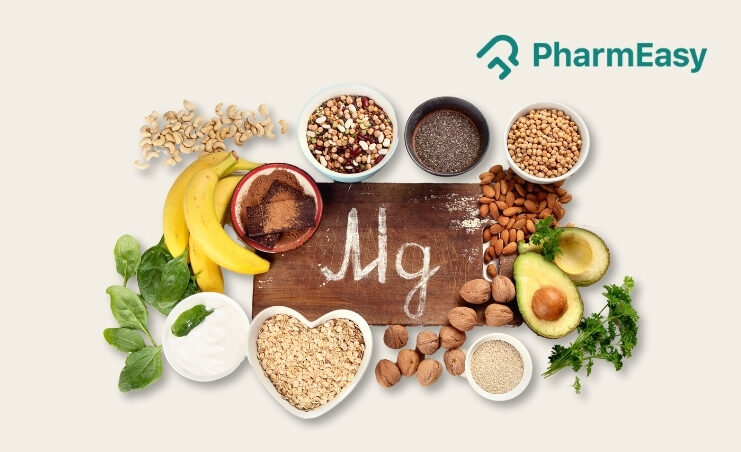
Your body needs many vital nutrients to carry out physiological functions. One of these is magnesium. This mineral is critical for your health. It helps with energy production, maintaining strong bones, and ensuring muscles and nerves function correctly. It’s also good for your heart1. However, not everyone gets enough magnesium just from their diet, which could lead to deficiency. We’ve prepared a guide to help you steer clear of this common issue.
In this article, you’ll learn all about magnesium, its functions in the body, recommended daily requirements, best sources of magnesium-rich foods, and what affects its absorption in the body. You’ll also learn about the risks of having too much or too little magnesium.
Did you know?
Magnesium is essential for many of our body’s processes. It also supports several functions, such as:

Magnesium plays a major role in energy production. This process uses a molecule called adenosine triphosphate (ATP). ATP moves the energy needed for metabolism inside the cells1,2.

Magnesium also plays an important role in bone health. It aids the uptake of calcium, which in turn supports bone strength and shape.

The body needs magnesium for muscles and nerves to work normally.

Magnesium benefits overall heart health. It helps keep heartbeats regular, avoid arrhythmias, and support healthy blood pressure levels.
To ensure the best health, magnesium should be taken in required amounts based on factors like age and gender. You also have to consider other factors like medical issues, lifestyle factors, and medications that might affect how much magnesium is absorbed.
Magnesium requirement per day for different age groups is as follows:
Certain factors can influence a person’s requirement for magnesium. For instance, if you have a certain health problem, a habit, or you are taking a certain medication, you may have to adjust your magnesium intake.
You may ensure enough magnesium intake by taking a balanced diet. Several foods are a great source of magnesium and provide an easy way to meet your daily requirements. The top foods rich in magnesium are as follows:

Not only is dark chocolate tasty, but it is also a rich source of magnesium. One 28-gm serving (70-85% dark chocolate) has about 64 mg of magnesium8. That’s 15% of the daily value for an adult (DV). You should ensure the dark chocolate is of good quality before consuming.
Dark chocolate also holds other vital nutrients, such as iron, copper, manganese, and prebiotic fibre, that help digestion and feed good gut bacteria9.
Pick dark chocolates that are at least 70% cocoa to get the most health benefits. Even higher percentages are better. But remember, don’t eat too much as it contains too many calories.

Avocados are a creamy, healthy fruit filled with heart-friendly fats, potassium, fibre, and essential vitamins. One medium avocado (200 gm) has about 58 mg of magnesium8. That’s 14% of the DV.
This fruit is also a good source of monounsaturated fats, vitamin K, folate, and vitamin C.
You can add avocados to a range of dishes. Enjoy them in salads, spread them over whole-grain toast, blend them into smoothies, or serve as a yummy guacamole dip. Note, it is commonly known as butter fruit and needs to be eaten in moderation.
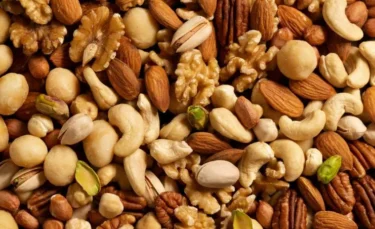
Nuts like almonds, cashews, and peanuts are very nutritious. They have a huge amount of vital nutrients like fibre, protein, monounsaturated fat, and magnesium. For instance, one ounce (28.35 grams) of almonds has around 76.5 mg of magnesium8. That equals 20% of the DV.
These nuts may also provide various other potential health benefits, like improved sugar levels and cholesterol levels in the blood, lower inflammation, and improved heart health10.
Even though nuts are considered healthy, watch how much you eat as they are high in calories. Moderation is key to getting the most out of their potential health benefits without consuming too many calories.
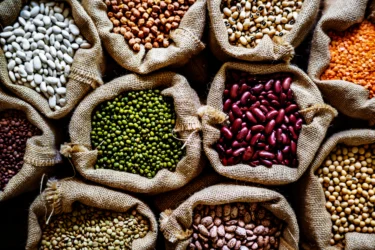
Legumes, including lentils, beans, chickpeas, peas, and soybeans, are a nutrient-rich family of plants. High in magnesium, they also provide large amounts of potassium, iron, and protein suitable for vegetarian diets.
A cooked black bean serving (172 g) contains about 120 mg of magnesium8, which equals 29% of the DV. Similarly, soybean products with soy milk or edamame are packed with magnesium and other essential nutrients.
Increasing your magnesium intake is easy with legumes. Thanks to their flexibility in the kitchen, you can add them to soups, salads, or stews or serve them as enticing dips. This way, you can enhance the nutrient value of your meals.
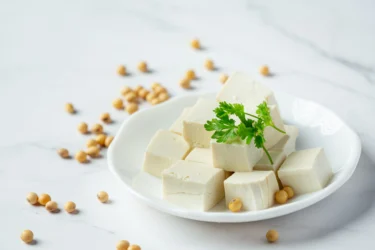
Tofu is a perfect substitute for meat because of its high protein content. A 100-g serving of tofu has 40 mg of magnesium8. That makes up 8% of the DV.
Apart from magnesium, tofu is rich in calcium, iron, manganese, and selenium.
There are many tasty ways to add tofu to your diet. Try putting it into stir-fries, curries, salads, sandwiches, or even desserts. You will boost the magnesium content of your dish and enjoy the taste.
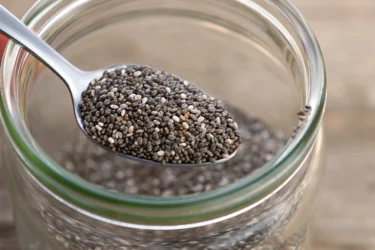
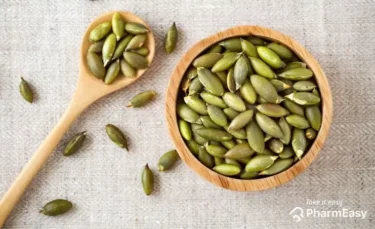
Seeds like pumpkin, chia, and flax are rich in nutrients and have high levels of magnesium. A 28-g serving of pumpkin seeds contains 168 mg of magnesium8. That’s 40% of the DV.
These seeds have other benefits for health. They are full of iron, monounsaturated fat, omega-3 fats, and antioxidants. Even more, they have lots of fibre for good digestion11.
Adding seeds to your diet is simple. Sprinkle them over yogurt, oatmeal, salads, or smoothies. You can enjoy their crunchy texture and get magnesium as well.
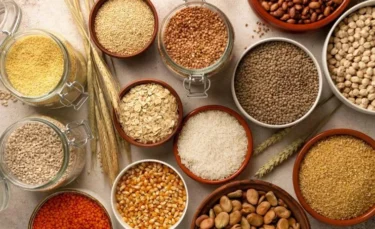
Whole grains such as wheat, oats, barley, quinoa, and brown rice are rich in many nutrients, including magnesium. A cooked buckwheat portion of 168 g gives you 86 mg of magnesium8. That’s 20% of the DV.
Apart from magnesium, whole grains also contain B vitamins, selenium, manganese, and fibre. They are believed to lower inflammation12, which helps reduce the risk factors for heart disease.
Replace simple carbohydrates like white rice with complex carbohydrate sources like brown rice or quinoa. This way, you can help boost your magnesium intake and improve your diet.

Fatty fish, like salmon and mackerel, not only taste great but are also healthy. Many types of fish are high in magnesium and also contain omega-3 fatty acids, potassium, selenium, vitamin B, and valuable proteins.
A cooked salmon serving of 100 g provides nearly 30 mg of magnesium8 or 8% of the DV. Eating fatty fish is also proposed to support heart health. That helps reduce the chance of chronic issues like heart disease.
The American Heart Association advises eating fish, preferably fatty fish such as salmon and albacore tuna. Ideally, it is important to eat fish twice per week at least. Try different fish recipes to widen your options for magnesium-rich meals.

We know bananas for their high level of potassium. But they are also rich in magnesium. One large banana has 37 mg of magnesium8. That adds up to 9% of the DV.
This popular fruit also contains other key nutrients, like vitamin C, vitamin B6, manganese, and fibre.
You can enjoy bananas on their own or you can add them to many dishes. You can blend them into smoothies, slice them onto cereal or yogurt, or use them as the main ingredient in baked goods like banana bread or pancakes.

Leafy greens are incredibly nutritious, and many types are filled with magnesium. Examples include spinach, kale, collard greens, turnip greens, and mustard greens. A cooked spinach serving of 180 g gives 142 mg of magnesium8. That’s a great 37% of the DV.
Besides magnesium, leafy greens offer many nutrients like iron and manganese and key vitamins like vitamins A, C, and K.
You can prepare leafy greens in many ways. Steam or sauté them as a yummy side dish, blend them into smoothies and sauces or, toss them into salads for an extra touch of magnesium.
Some drinks can also give your body magnesium.
Many factors can affect how well your body takes up magnesium. Knowing these may help you make the most of your magnesium intake. It also helps avoid magnesium deficiency.
You can find phytic acid in seeds, nuts, beans, legumes, and grains. It can bind to magnesium in the gut, lowering its absorption14. To avoid these effects of phytic acid, you can soak, sprout, ferment, and cook plant foods.
Some minerals can disrupt the absorption of magnesium or they might compete for availability in the body. Minerals that disrupt magnesium absorption include:
Manage your intake of substances that hinder magnesium absorption wisely and talk to your healthcare provider for guidance if needed.
Other diet factors can affect how much magnesium the body can absorb. These include:
While you can use magnesium supplements for magnesium deficiency, eating whole foods rich in magnesium has many other potential benefits.
Adding more foods rich in magnesium into your diet can be as easy as trying new recipes or changing up old ones. Here are some meal ideas to raise your magnesium consumption.
Even though magnesium is vital for health, too much of it can cause unwanted side effects or worse.
Magnesium might interfere with the effect of certain medicines, such as tetracyclines, oral bisphosphonates, or quinolone antibiotics3. Some medicines like proton pump inhibitors and diuretics may interfere with magnesium levels. Talk to your healthcare provider to avoid unwanted effects or unwelcome interactions of magnesium with other medicines.
Also Read: Creatine Rich Foods: How Your Body Uses It, Daily Needs & Food Sources
Always take precautions when you increase your magnesium intake. If you feel weakness in your muscles, have trouble breathing, or have an irregular heartbeat, get medical help at once. These might be signs of a magnesium overdose, which needs immediate management.
Also Read: 10 Best Antioxidant Foods That You Should Eat Regularly
Magnesium is essential for keeping overall health and looking after various body functions. It’s a key mineral in energy production, maintaining healthy bones, helping muscles and nerves function correctly, and taking care of heart health. By including foods rich in magnesium in your daily diet, you may ensure your body gets the amount it requires to stay healthy.
Also, making healthy lifestyle choices and considering factors that affect how your body takes in magnesium may help you avoid magnesium deficiency. Consult a healthcare professional before starting magnesium supplements.
Also Read: Top 10 Foods to Avoid for Better Prostate Health
Dark chocolate, avocados, nuts, and seeds are some foods that are high in magnesium.
To increase magnesium levels fast, eat a range of foods rich in magnesium, such as leafy greens, nuts, seeds, legumes, whole grains, and some fatty fish. Also, avoid things that decrease the absorption of magnesium in the body.
Common signs of magnesium deficiency include feeling tired, muscle cramps or weakness, and irregular heartbeat.
Magnesium supplements might be needed for people at risk of magnesium deficiency, for example, individuals who take certain medicines. However, it’s essential to consult a doctor before starting magnesium supplements to understand the right dose for you.
Disclaimer: The information provided here is for educational/awareness purposes only and is not intended to be a substitute for medical treatment by a healthcare professional and should not be relied upon to diagnose or treat any medical condition. The reader should consult a registered medical practitioner to determine the appropriateness of the information and before consuming any medication. PharmEasy does not provide any guarantee or warranty (express or implied) regarding the accuracy, adequacy, completeness, legality, reliability or usefulness of the information; and disclaims any liability arising thereof.
Links and product recommendations in the information provided here are advertisements of third-party products available on the website. PharmEasy does not make any representation on the accuracy or suitability of such products/services. Advertisements do not influence the editorial decisions or content. The information in this blog is subject to change without notice. The authors and administrators reserve the right to modify, add, or remove content without notification. It is your responsibility to review this disclaimer regularly for any changes.


Comments

Leave your comment...
You may also like
























Comments