




What Is Biotin and Why Does Your Body Need It?
By Dr. Malavika Athavale +2 more

Medically reviewed by Dr. Malavika Athavale
Last updated: Feb 25, 2026 Published on: Oct 16, 2023


Get,

to manage your symptom
Get your,

4 Cr+ families
benefitted

OTP sent to 9988776655



You’ve successfully subscribed to receive
doctor-approved tips on
Whatsapp

Get ready to feel your best.


Register to Avail the Offer
Send OTPBy continuing, you agree with our Privacy Policy and Terms and Conditions
Hi There,
Sign up on PharmEasy now!!


Trusted by 4 crore+ families

OTP sent to 9988776655
You have unlocked 25% off on medicines


Code: NU25

By Dr. Malavika Athavale +2 more
Table of Contents
Biotin, also known as vitamin B7, is one of the most commonly discussed nutrients in conversations related to hair, skin, nails, and metabolic health. It is a water-soluble B-complex vitamin that plays an important role in helping the body convert food into energy and supporting normal cellular function1.
Despite its popularity in supplements and beauty products, there is considerable confusion about what biotin actually does, who needs it, and whether supplementation is necessary for most people. While biotin deficiency is uncommon in healthy individuals, certain medical conditions, life stages, and medications may increase the risk of low levels1.
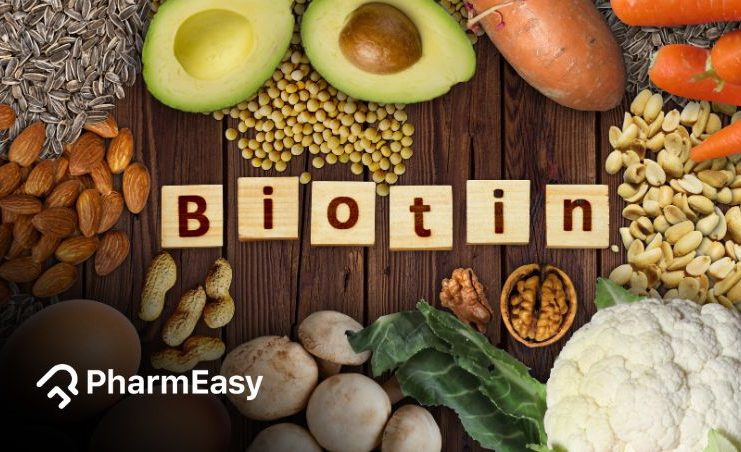
This guide examines the science behind biotin, including its physiological functions, potential health benefits, evidence-based uses, deficiency risks, dietary sources, safety considerations, and when supplementation may or may not be appropriate.
Did you know?
Biotin helps the function of carboxylase enzymes, specialised proteins that help the body metabolise carbohydrates, fats, and proteins. These enzymes are involved in processes such as fatty acid synthesis, amino acid breakdown, and glucose production1,2.
Because metabolism is the foundation of nearly every physiological function, adequate biotin intake indirectly supports cellular growth, brain health, skin integrity, and energy production. The body also relies on biotin for regulation of gene expression, signalling pathways that maintain healthy tissues, and even immune system modulation1,3,5.
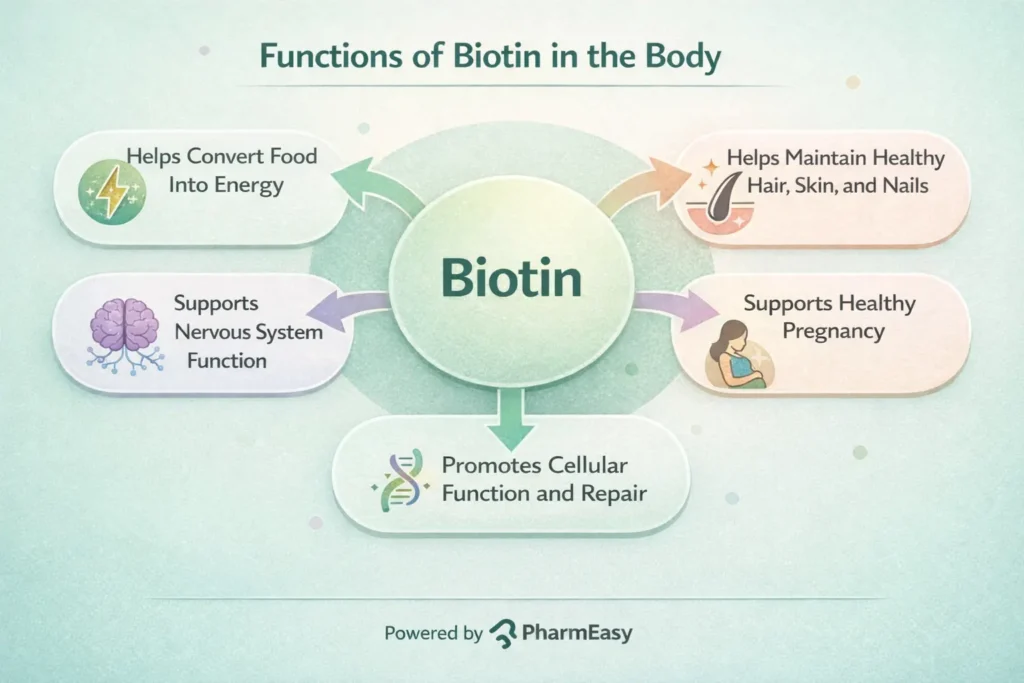
The main functions of biotin include:
Biotin helps enzymes convert food into usable energy. Without sufficient biotin, metabolic processes slow down, which may lead to fatigue or reduced physical performance. Biotin helps in breaking down macronutrients so that cells can generate adenosine triphosphate, the body’s primary energy source3,6.
Biotin contributes to keratin infrastructure, the structural protein that forms hair and nails. While severe biotin deficiency can cause hair thinning or brittle nails, adequate intake helps maintain normal tissue health and supports cellular regeneration in the skin1,7.
Biotin participates in the synthesis of neurotransmitters and supports nerve signalling. Healthy nerve function depends on efficient energy production and biochemical balance, both processes where biotin plays a supportive role1,3.
During pregnancy, metabolic demands of the body increase significantly. Biotin supports foetal growth and embryonic development by assisting in cellular replication and gene expression. Mild biotin deficiency has been observed in some pregnant individuals, making balanced nutrition particularly important2,5.
Biotin interacts with histones, the proteins that help regulate DNA activity. Through this interaction, biotin influences gene expression and cell signalling, which affects growth, immune response, and tissue repair5,8.
Biotin is not stored in the body, so you can eventually become low in biotin if there isn’t enough in your diet. Bacteria in the small intestine can make small amounts of biotin. Biotin is also important for normal embryonic growth, making it a critical nutrient during pregnancy.
Dr. Ashish Bajaj, M.B.B.S., M.D., in Clinical Pharmacology and Toxicology
Biotin deficiency is uncommon but can occur due to poor nutrition, certain medications, genetic disorders, or the prolonged consumption of raw egg whites (which contain avidin, a protein that interferes with biotin absorption).
Common symptoms include:
Other symptoms of biotin deficiency include:
Because these symptoms overlap with those of other conditions, clinical diagnosis and professional evaluation are essential for the diagnosis of biotin deficiency.
The most common B Vitamin you might already be familiar with is Biotin also known as Vitamin B7. If you’ve been looking into growth vitamins to thicken your hair, you’re likely familiar with Biotin at this point. It’s an essential growth ingredient often added to supplements that promote healthy hair and nails
Dr. M.G. Kartheeka, MBBS, MD(Pediatrics)
Biotin requirements vary by age and life stage. General adequate intake (AI) levels include:
Most people can meet these needs through a balanced diet without supplementation unless advised by a medical professional.
Biotin is found in many everyday foods, making it possible to meet your biotin needs through a balanced diet. Here are a few common food sources of biotin:
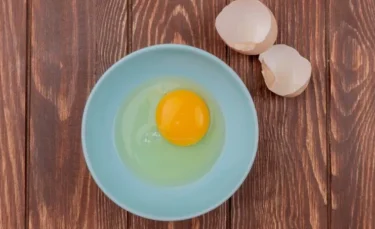
Egg yolks are one of the most concentrated natural sources of biotin, providing approximately 10 mcg of biotin per cooked egg. Cooking eggs improves biotin absorption by neutralising the avidin found in raw egg whites. Along with biotin, egg yolks supply high-quality protein and essential amino acids that support metabolic health and tissue repair10.
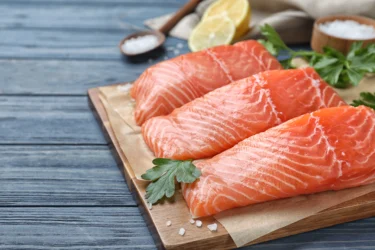
Salmon is a nutrient-dense food that contains around 5 mcg of biotin in one serving. It also provides omega-3 fatty acids and B-complex vitamins that work together to support brain health, cardiovascular function, and efficient energy metabolism10,11.
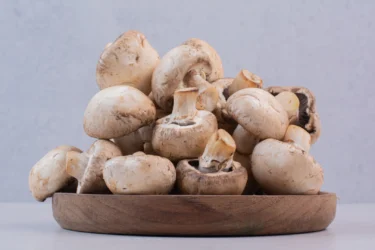
Mushrooms also have a healthy amount of biotin in them. For example, maitake mushrooms offer about 32.6 mcg of biotin per 100 g serving, making them one of the better plant-based sources. They also contain selenium and antioxidants that help reduce oxidative stress and support immune function12.
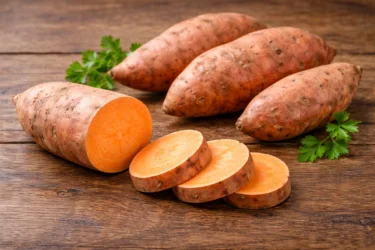
Sweet potatoes provide approximately 2.4 mcg of biotin per 1/2 cup cooked portion. In addition to biotin, they supply complex carbohydrates and beta-carotene, supporting sustained energy release and overall health10,13.
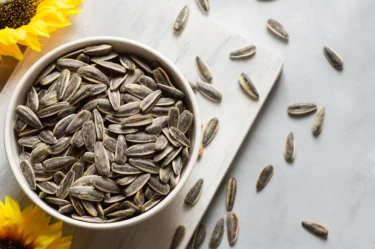
Roasted sunflower seeds contain around 2.6 mcg of biotin per 1/4 cup along with vitamin E and healthy fats that help maintain skin integrity and metabolic balance. They are an easy, nutrient-dense snack to include in everyday meals10,14.
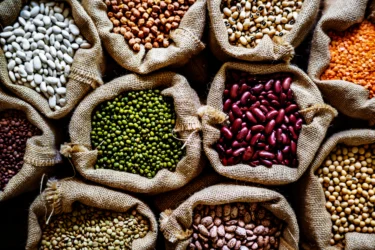
Cooked legumes such as lentils contain roughly 2-6 mcg of biotin per 1 cup, depending on the variety. They also provide plant protein, fibre, and iron, making them valuable for digestive health and especially beneficial in vegetarian diets10,15.
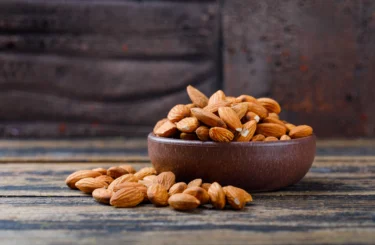
About 100 g of almonds can provide 57 mcg of biotin along with monounsaturated fats, magnesium, and antioxidants. Their regular consumption can contribute to heart health while helping meet daily micronutrient requirements16.
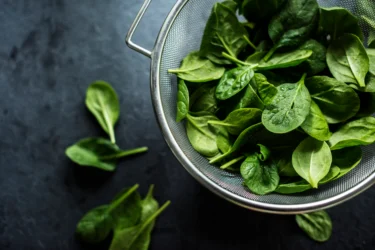
Spinach offers roughly 0.5 mcg of biotin per 1/2 cup boiled spinach. While not extremely high in biotin on its own, it contributes to the total intake and provides iron, folate, and vitamin K for overall health support10.
Biotin is generally considered safe because excess amounts are typically excreted in urine. However, very high supplemental doses may interfere with the results of certain laboratory tests, especially thyroid and cardiac markers1,2,10. Individuals taking biotin supplements should inform healthcare providers before undergoing blood tests.
Most people obtain sufficient biotin from food alone. However, supplementation may be considered under medical supervision in individuals with:
Evidence suggests that biotin supplementation benefits mainly in individuals with underlying deficiency rather than in the general population1,2,10.
Here are some simple practical ways to maintain healthy biotin levels through your diet and lifestyle choices10:
Also Read: 6 Essential Vitamins For Women That You Need To Know About
Biotin is an essential B-complex vitamin that plays a key role in many body processes like energy production, metabolism, and maintaining healthy hair, skin, and nails. Biotin can be obtained from a balanced diet and true biotin deficiency is uncommon; however, biotin supplementation may be needed in individuals with certain health conditions. It is best to consult your doctor before you begin a biotin supplement.
The amount of biotin you need daily varies based on your age and health conditions. Consult your healthcare provider for the exact dose of biotin you may need.
Check with your healthcare provider before starting any supplement, including biotin. They will advise you on the amount of biotin supplements you need and the duration of the supplementation.
Biotin may interact with certain medications and supplements. Always consult your healthcare provider before you start a new supplement, especially if taking other meds or supplements10.
Biotin is seen as a safe supplement given that excess biotin is excreted through urination. However, it might affect the results of certain laboratory tests, so make sure to inform your healthcare provider if you’re using any supplements.
Biotin is relatively stable under normal cooking conditions, but certain foods contain compounds that can reduce its absorption. For example, raw egg whites contain avidin, a protein that binds to biotin and prevents its absorption. Cooking eggs allows the body to use the biotin effectively10.
1. Cervantes A, Daley SF. Biotin Deficiency. In: StatPearls. StatPearls Publishing; 2025. Accessed February 24, 2026. http://www.ncbi.nlm.nih.gov/books/NBK547751/
2. Bistas KG, Tadi P. Biotin. In: StatPearls [Internet]. StatPearls Publishing; 2023. Accessed February 24, 2026. https://www.ncbi.nlm.nih.gov/books/NBK554493/
3. Sakurai-Yageta M, Suzuki Y. Molecular Mechanisms of Biotin in Modulating Inflammatory Diseases. Nutrients. 2024;16(15):2444. doi:10.3390/nu16152444. Available from: https://pubmed.ncbi.nlm.nih.gov/39125325/
4. Trüeb RM. Serum Biotin Levels in Women Complaining of Hair Loss. Int J Trichology. 2016;8(2):73. doi:10.4103/0974-7753.188040. Available from: https://pubmed.ncbi.nlm.nih.gov/27601860/
5. A LDR. Biotin in metabolism, gene expression, and human disease. J Inherit Metab Dis. 2019;42(4). doi:10.1002/jimd.12073. Available from: https://pubmed.ncbi.nlm.nih.gov/30746739/
6. Targeting demyelination and virtual hypoxia with high-dose biotin as a treatment for progressive multiple sclerosis. Neuropharmacology. 2016;110:644-653. doi:10.1016/j.neuropharm.2015.08.028. Available from: https://pubmed.ncbi.nlm.nih.gov/26327679/
7. Patel DP, Swink SM, Castelo-Soccio L. A Review of the Use of Biotin for Hair Loss. Skin Appendage Disord. 2017;3(3):166. doi:10.1159/000462981. Available from: https://pubmed.ncbi.nlm.nih.gov/28879195/
8. Y I, K S, M F, et al. Serum biotin level during pregnancy is associated with fetal growth and preterm delivery. J Med Investig JMI. 2020;67(1.2). doi:10.2152/jmi.67.170. Available from: https://pubmed.ncbi.nlm.nih.gov/32378602/
9. Zempleni J, Hassan YI, Wijeratne SS. Biotin and biotinidase deficiency. Expert Rev Endocrinol Metab. 2008;3(6):715. doi:10.1586/17446651.3.6.715. Available from: https://pubmed.ncbi.nlm.nih.gov/19727438/
10. Office of Dietary Supplements – Biotin. Accessed February 24, 2026. https://ods.od.nih.gov/factsheets/Biotin-HealthProfessional/.
11. Noreen S, Hashmi B, Aja PM, Atoki AV. Health benefits of fish and fish by-products-a nutritional and functional perspective. Front Nutr. 2025 May 9;12:1564315. doi: 10.3389/fnut.2025.1564315. PMID: 40416371; PMCID: PMC12098058. Available from: https://pubmed.ncbi.nlm.nih.gov/40416371/
12. Mushroom, maitake – Nutrients – Foundation | USDA FoodData Central. Accessed February 24, 2026. https://fdc.nal.usda.gov/food-details/2003602/nutrients
13. Sweet potato, cooked, boiled, without skin – Nutrients – SR Legacy | USDA FoodData Central. Accessed February 24, 2026. https://fdc.nal.usda.gov/food-details/168484/nutrients
14. Seeds, sunflower seed kernels, dry roasted, without salt – Nutrients – SR Legacy | USDA FoodData Central. Accessed February 24, 2026. https://fdc.nal.usda.gov/food-details/170563/nutrients
15. Lentils, dry – Nutrients – Foundation | USDA FoodData Central. Accessed February 24, 2026. https://fdc.nal.usda.gov/food-details/2644283/nutrients
16. Nuts, almonds, whole, raw – Nutrients – Foundation | USDA FoodData Central. Accessed February 24, 2026. https://fdc.nal.usda.gov/food-details/2346393/nutrients
Disclaimer: The information provided here is for educational/awareness purposes only and is not intended to be a substitute for medical treatment by a healthcare professional and should not be relied upon to diagnose or treat any medical condition. The reader should consult a registered medical practitioner to determine the appropriateness of the information and before consuming any medication. PharmEasy does not provide any guarantee or warranty (express or implied) regarding the accuracy, adequacy, completeness, legality, reliability or usefulness of the information; and disclaims any liability arising thereof.
Links and product recommendations in the information provided here are advertisements of third-party products available on the website. PharmEasy does not make any representation on the accuracy or suitability of such products/services. Advertisements do not influence the editorial decisions or content. The information in this blog is subject to change without notice. The authors and administrators reserve the right to modify, add, or remove content without notification. It is your responsibility to review this disclaimer regularly for any changes.
 1
1 
Comments

Leave your comment...
You may also like
















Comments