
You’ve probably heard of this disclaimer on multiple occasions – ‘smoking is injurious to health’. What you may not immediately realise is the extent of the damage smoking can cause to your health and, most directly, your lungs.
Smoking is known to be the leading cause of preventable diseases and deaths globally. Nearly all forms of lung cancer, the top cause of cancer death in both men and women, can be attributed to smoking. Tobacco and tobacco-related products can damage the lungs’ ability to supply oxygen to the body. Other substances commonly found in cigarette smoke can cause permanent lung damage, even in small amounts.
A single puff of cigarette smoke contains upwards of 7,000 chemicals. Tobacco smoke contains over 70 known cancer-causing chemicals2. When you breathe these in, these toxins go deep into your lungs and can cause swelling, resulting in a host of other respiratory diseases.
Both tobacco and chemical substances found in cigarettes can change the cellular structure of the lungs. They can cause the elastic walls within the airways to break down – resulting in less functioning surface area in the lungs. Cigarettes can damage lung tissue, preventing them from functioning correctly. This can increase the risk of diseases caused by smoking, such as chronic bronchitis, emphysema, respiratory diseases, asthma and COPD (Chronic Obstructive Pulmonary Disease)1.
Nicotine in tobacco can also damage the ability of the respiratory system to filter out dust and dirt. This can lead to toxic substances passing through, resulting in lung congestion and the ‘smoker’s cough’.
A person who smokes throughout life is at high risk of developing a range of potentially fatal diseases owing to impaired lung function and breathlessness due to swelling and narrowing of the lung airways and excess mucus build-up. They are also prone to weakening the lungs’ clearance system, leading to the accumulation of toxic substances and causing lung irritation and damage. Further, they are also at an increased risk of lung infection, chronic bronchitis and heightened risk of asthma, along with permanent damage to air sacs3.
In the longer term, smoking is known to induce heart disease and stroke, in certain cases, it can cause ulcers of the digestive system and put smokers at increased risk of type 2 diabetes.
Most smokers are also likely to develop emphysema. The number of cigarettes you smoke and other lifestyle factors may impact the extent of the damage. If you’re diagnosed with either of these respiratory diseases – emphysema or chronic bronchitis, you run the risk of being diagnosed with chronic obstructive pulmonary disease (COPD).
Also Read: Does Smoking Really Affect Your Brain?
Smoking can affect a person’s health in other ways, too, harming almost every organ in the body. In most cases, it can result in a compromised immune system function, making you susceptible to many other illnesses. It can also lead to lower bone density (brittle bones), which increases the risk of broken bones and fractures. Smoking also leaves you at a higher risk of rheumatoid arthritis, heart disease and stroke, along with an increased risk for cataracts (clouding of the eye lenses).
Apart from respiratory diseases, other visible disorders include an increased risk of oral cancers, gum disease and tooth loss, premature ageing of the skin, bad breath and stained teeth and an increased risk for age-related macular degeneration, which can lead to blindness. Moreover, even your wounds may take longer to heal!
Also Read: 6 Simple Exercises to Improve Your Lung Health
It’s never too late to quit smoking. Within days of quitting smoking, lungs begin to repair themselves. In fact, just 12 hours after you quit, the amount of carbon monoxide in your blood drops to a much healthier level. More oxygen flows to your vital organs and you will be able to breathe better. In about 10 to 15 years, your risk of developing lung cancer reduces and may even become the same as a non-smoker4.
Also Read: How to Avoid Asthma Attacks During Winter
1. Centers for Disease Control and Prevention (US); National Center for Chronic Disease Prevention and Health Promotion (US); Office on Smoking and Health (US). How Tobacco Smoke Causes Disease: The Biology and Behavioral Basis for Smoking-Attributable Disease: A Report of the Surgeon General. Atlanta (GA): Centers for Disease Control and Prevention (US); 2010. 7, Pulmonary Diseases. Available from: https://www.ncbi.nlm.nih.gov/books/NBK53021/
2. National Cancer Institute. Harms of Cigarette Smoking and Health Benefits of Quitting [Internet]. Bethesda (MD): National Cancer Institute; reviewed 19 December 2017 [cited 2025 Sep 19]. Available from: https://www.cancer.gov/about-cancer/causes-prevention/risk/tobacco/cessation-fact-sheet
3. Varghese J, Muntode Gharde P. A Comprehensive Review on the Impacts of Smoking on the Health of an Individual. Cureus. 2023 Oct 5;15(10):e46532. doi: 10.7759/cureus.46532. PMID: 37927763; PMCID: PMC10625450. Available from: https://pmc.ncbi.nlm.nih.gov/articles/PMC10625450/
4. Centers for Disease Control and Prevention. Benefits of Quitting Smoking [Internet]. Atlanta (GA): CDC; updated May 15, 2024 [cited 2025 Sep 19]. Available from: https://www.cdc.gov/tobacco/about/benefits-of-quitting.html
Disclaimer: The information provided here is for educational/awareness purposes only and is not intended to be a substitute for medical treatment by a healthcare professional and should not be relied upon to diagnose or treat any medical condition. The reader should consult a registered medical practitioner to determine the appropriateness of the information and before consuming any medication. PharmEasy does not provide any guarantee or warranty (express or implied) regarding the accuracy, adequacy, completeness, legality, reliability or usefulness of the information; and disclaims any liability arising thereof.
Links and product recommendations in the information provided here are advertisements of third-party products available on the website. PharmEasy does not make any representation on the accuracy or suitability of such products/services. Advertisements do not influence the editorial decisions or content. The information in this blog is subject to change without notice. The authors and administrators reserve the right to modify, add, or remove content without notification. It is your responsibility to review this disclaimer regularly for any changes.
 10
10 
Piles, also known as haemorrhoids, are vascular cushions of the anal canal that become pathologically enlarged, inflamed, or symptomatic. It can be internal and form within the rectum (usually painless) or external and protrude beyond the anus (painful, especially if thrombosed).
The first signs include painless rectal bleeding (fresh blood in stool or on toilet paper). External haemorrhoids or prolapsed internal haemorrhoids can cause pain/discomfort while sitting, walking, and performing other movements1,2.
An anal fistula is a tract connecting the anal canal or rectum to the perianal skin, with the external opening on the skin near the anus and the internal opening inside the anal canal. It commonly forms from a perianal abscess originating in an anal gland (cryptoglandular infection)3. However, not all fistula are due to an infection; there are other causes too.
| Different Factors | Piles | Fistula |
| Causes | Common causes include straining during bowel movements, chronic constipation, and severe diarrhoea. Obesity also contributes to increasing pressure in the rectal area. Pregnancy and childbirth further predispose individuals to hemorrhoids due to increased pelvic pressure and hormonal changes. Although heavy lifting can raise intra-abdominal pressure and worsen hemorrhoids, it is considered a less common risk factor compared to persistent constipation1,4. | Most anal fistulas arise as a natural progression from an anal gland infection leading to a perianal abscess, which then develops into a fistula. Other important causes include inflammatory bowel disease, particularly Crohn’s disease, and infections such as tuberculosis, which are more often associated with complex or atypical fistulas. Trauma, radiation therapy, or prior treatment for anal cancer may also contribute in some cases3,5. |
| Symptoms | Bright red bleeding after passing stools, itching around the anus, soreness, redness, swelling, or a lump that may protrude and sometimes needs to be pushed back in (mainly with large or thrombosed internal hemorrhoids). Other possible signs include a mucus discharge following bowel movements4. | Persistent pus or fluid discharge from an opening near the anus, swelling and pain that may come and go, and sometimes redness or fever. Anal pain is common, especially during bowel movements, and in women, a rectovaginal fistula may also cause the passage of stool or gas through the vagina3,5. |
| Diagnosis | Digital rectal examination (DRE) helps detect internal haemorrhoids, anal masses, strictures, and internal fistula openings, while also assessing sphincter tone, tenderness, and palpable tracts. Anoscopy or proctoscopy allows direct visualisation of the anal canal and distal rectum. Flexible sigmoidoscopy can evaluate up to the sigmoid colon, but not the full colon, for which colonoscopy is required1,6. | Diagnosis of an anal fistula is mainly clinical, based on a history of abscess and persistent discharge, and is confirmed with examination (digital rectal exam, probing, or anoscopy). MRI pelvis is the gold standard for mapping tracts, while endoanal ultrasound may also be used; colonoscopy is considered if Crohn’s disease or malignancy is suspected5. |
| Treatment options that can be advised by doctors | Conservative measures such as sitz baths help relieve discomfort, itching, and irritation, but are not considered medicinal treatments. Rubber band ligation is a procedure for Grade II–III internal haemorrhoids, where a band is placed at the base to cut off the blood supply, causing the haemorrhoid to shrink; it is not used for external haemorrhoids. Sclerotherapy involves injecting a sclerosant to induce fibrosis and reduce the size of Grade I–II internal haemorrhoids and is ineffective for external haemorrhoids. Haemorrhoidectomy is the surgical removal of excessive tissue, typically reserved for severe or symptomatic haemorrhoids causing persistent bleeding1,2. | Conservative measures such as sitz baths may provide symptomatic relief, while topical medicines (antibiotics, analgesics, or anti-inflammatories) can be used in selected cases. Standard fistulotomy involves surgically opening the fistula tract to allow drainage and healing by secondary intention, rather than removing its lining. Fibrin glue or collagen plugs are minimally invasive options that seal the tract to promote healing, though success rates vary. Seton placement is often used for complex or high fistulas, permitting controlled drainage and fibrosis while preserving sphincter function. The endorectal advancement flap technique uses a flap of rectal wall to cover the internal opening of the fistula. The LIFT (ligation of intersphincteric fistula tract) procedure is a sphincter-preserving surgery that involves identifying, ligating, and excising the intersphincteric tract in a single stage5,7. |
| Prevalence | Piles are very common in both genders. However, women are more prone to developing haemorrhoids than men8. | Anal fistulas commonly develop around the age of 40. It affects males more than females3. |
| Complications if left untreated- | Complications of haemorrhoids may include severe pain and ischemic necrosis, while infection is rare. Anaemia from chronic blood loss may also occur, especially with persistent bleeding. Strangulated haemorrhoids occur when an external or prolapsed internal haemorrhoid becomes trapped, leading to impaired blood flow9. | Complications of untreated or severe fistulas may include recurrence of the fistula or abscess, an increase in the length and number of fistula tracts, and faecal incontinence due to sphincter involvement. In some cases, sepsis can occur if the infection spreads throughout the body. Peritonitis may develop when an intestinal fistula causes inflammation or infection of the peritoneum. Long-standing, untreated fistulas also carry a small risk of malignant transformation within the fistula tract10,12. |
In simple terms Piles is a condition in which blood vessels swell up, whereas a fistula is marked by the development of a tunnel from the anus to surrounding skin.
Fissures, piles and fistula are often confused as being the same conditions in an individual. Fissures usually heal on their own within a couple of days or weeks. Piles and fistulas usually require medical or surgical intervention.
Dr. Ashish Bajaj, M.B.B.S., M.D. in Clinical Pharmacology and Toxicology
Piles and fistula are two distinct conditions. However, it is possible for you to get confused between the two and their symptoms. If you ignore the symptoms of piles, such as pain, itching in the anal area, blood in stools and the symptoms of fistula, such as blood and foul-smelling discharge, pain in the rectum, swelling in the anal area and visibility of a tunnel at the opening of the anus, both the conditions may worsen over time and cause other complications. Consult a doctor to learn more about the difference between piles and fistula and seek appropriate treatment. Never self-medicate, proper diagnosis of your condition is the first step towards living a pain-free life.
Also Read: How to Stop Itchy Anus at Night: Effective, Research-Backed Solutions
Disclaimer: The information provided here is for educational/awareness purposes only and is not intended to be a substitute for medical treatment by a healthcare professional and should not be relied upon to diagnose or treat any medical condition. The reader should consult a registered medical practitioner to determine the appropriateness of the information and before consuming any medication. PharmEasy does not provide any guarantee or warranty (express or implied) regarding the accuracy, adequacy, completeness, legality, reliability or usefulness of the information; and disclaims any liability arising thereof.
Links and product recommendations in the information provided here are advertisements of third-party products available on the website. PharmEasy does not make any representation on the accuracy or suitability of such products/services. Advertisements do not influence the editorial decisions or content. The information in this blog is subject to change without notice. The authors and administrators reserve the right to modify, add, or remove content without notification. It is your responsibility to review this disclaimer regularly for any changes.
9
1You might be astonished by the fact that ancient people used different beneficial herbs for healing and promoting healthy living. One such medicinal herb is rhubarb, also known as Rhei and Dahung. Its rhizome has been used as a medicinal plant since 270 BC in China1. Scientifically, rhubarb belongs to the Rheum L. genus of the Polygonaceae family1. There are around 60 types of rhubarb species found globally. Rhubarb is commonly grown in certain parts of Europe, North America, China, and Asia1. It is also grown in the Himalayan region of India.
Rhubarb is a perennial plant with thick roots and erect stems with white-green and purple-red flower clusters on its branches. The leaves are triangular and poisonous, so they are not edible. The plant has edible, long, and fleshy stalks that are cooked and known for their sour taste.
In temperate climates, it is the first plant that is harvested in mid to late spring. You can harvest the plant in around 2 years after the rhubarb seeds germinate. At this time the rhubarb stalks are 12-18 inches long and their colour is usually deep red to a bright green from the presence of anthocyanins. Keep scrolling to read more about rhubarb nutrition facts and health benefits!
Rhubarb has a high nutritional value with the following constituents present in it2.
Rhubarb is a rich source of many nutrients. Among them, vitamin K is one major nutrient that is readily found in rhubarb. Vitamin K plays an important role in blood clot formation10.
Dr. Siddharth Gupta, B.A.M.S, M.D (Ayu)
The medicinal properties of rhubarb are as follows1:
As we know that rhubarb is a rich source of vitamin K. Apart from facilitating blood clotting, vitamin K also plays an important role in maintaining bone health. Thus, rhubarb might help in improving bone health10.
Dr. Rajeev Singh, BAMS
The existing studies show that you might get the following benefits for your health:
Constipation occurs when you find difficulty in passing the stools. A review study1 by Hong Xiang in 2020 showed that rhubarb powder, along with peppermint oil, can effectively relieve constipation caused by type II diabetes, acute stroke and thoracolumbar fractures. Rhubarb may have a strong purgatory tendency which may help in relieving constipation. However, it cannot be a substitute for alternative medication. You should consult a doctor and understand rhubarb benefits before taking rhubarb fruit for constipation.
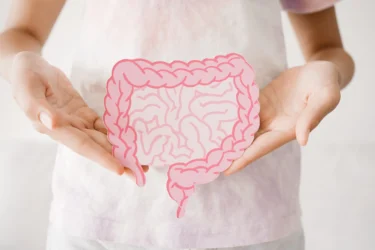
The intestine plays an important role in the digestion and absorption of nutrients. The intestine has gut bacteria that aids in this process. A study by Hong Xiang in 2020 found that rhubarb promotes the digestion of food by promoting intestinal contractions and movements. It also maintains and regulates the microbial balance of the gut. Intestines protect the body from disease-causing organisms by forming a barrier called as intestinal mucosal barrier. It consists of epithelial, immune and chemical barriers. The study1 also shows that rhubarb protects this intestinal mucosal barrier and regulates its functioning. However, you should never self-medicate rhubarb as an alternate medicine. It is best to consult a doctor regarding the health benefits of eating rhubarb before taking it.

Sepsis is a microbial infection that can affect the digestive tract. The invasion of bacteria may lead to immune dysfunction and affect the clotting process. A study1 by Hong Xiang in 2020 showed that rhubarb can prevent microbial infections by destroying their cell wall. It also shows that rhubarb can stop the bacteria from building resistance against any drug. This property of rhubarb might help in relieving the symptoms of sepsis and protect the body against microbial infections. However, you should consult a doctor regarding rhubarb benefits and side effects instead of self-medicating it.

Fibrosis involves the formation of abnormal fibers in various organs. It may be seen in patients with kidney disease, liver injury, and lung diseases. A study by Hong Xiang in 2020 showed that rhubarb can act against the formation of fibers. It might help in slowing down the progression of the disease. However, you should never use rhubarb as an alternative medicine for the underlying disease. It is best to consult a doctor regarding rhubarb uses and benefits for effective treatment1.

Severe acute pancreatitis (SAP) is a medical condition in which the pancreas becomes swollen. It further leads to multi-organ failure, if not treated correctly. A study by Hong Xiang in 2020 showed that rhubarb, when given with the SAP treatment may increase the treatment efficacy1. However, if you have SAP, don’t self-medicate with rhubarb. It is advised to consult a doctor regarding the medicinal benefits of rhubarb and take the medications accordingly.

Cancer is a condition where the body cells show uncontrolled multiplication and growth. It can affect any organ of the body and can be transferred to other organs too. A study1 by Hong Xiang in 2020 found that rhubarb has a substance named emodin which can inhibit the multiplication of cancerous cells and the spread of cancer. It also has rhein which can cut off the nutrient supply to tumour cells leading to cell death of abnormal cells. The findings show that rhubarb may aid in cancer treatment. However, it should not be substituted for ongoing treatment. It is best to consult a doctor regarding rhubarb’s medicinal properties before consuming it.

The other potential rhubarb medicinal uses are as follows:
Studies that showed rhubarb extract benefits in various conditions need to be revised, and further studies are needed to understand the full extent of the health benefits of rhubarb on human health.
Rhubarb can be used in the following ways:
You must consult a qualified doctor before taking any herbal supplements. Do not discontinue or replace an ongoing treatment of modern medicine with an ayurvedic/ herbal preparation without consulting a qualified doctor.
Although eating rhubarb stalks in moderate quantity is considered safe, according to a study by Hong Xiang conducted in 2020, it might have the following side effects:
Another study by Shanze Li in 2021 concluded that rhubarb may lead to liver damage and toxicity. Therefore, you should consult a doctor immediately if you notice any unusual symptoms after eating it.
Also Read: Kaunch Beej: Uses, Benefits, Side Effects, Precautions and More!
General precautions must be taken while consuming rhubarb. A few of the important precautions are as follows:
Also Read: Khadirarishta: Uses, Benefits, Side Effects & More!
Therefore, it is best to consult a doctor regarding the rhubarb’s nutritional benefits, especially if you are undergoing any treatment.
Also Read: Camphor: Uses, Benefits, Precautions, Side Effects & More!
Yes, rhubarb leaves are poisonous. They have high levels of chemicals that can lead to a burning sensation in the mouth, breathing problems, nausea, vomiting, stomach pain, diarrhea, seizures, eye pain, coma and even death. However, rhubarb leaves are used as a potent insecticide and pesticide.
Rhubarb benefits for skin might include a delay in signs of ageing owing to its high antioxidant and vitamin content. It makes the skin healthy and youthful. Rhubarb benefits for hair might include improving hair texture and prevention of hair loss. Additionally, the quinones in rhubarb might be used in natural hair dye applications9.
The health benefits of rhubarb juice include protecting from infection-causing bacteria, promoting heart health and providing essential nutrients to the body to promote overall health. Additionally, rhubarb benefits the weight loss regime by promoting healthy digestion.
The edible part of the rhubarb plant is its stalk and roots. Its leaves are poisonous and must not be eaten. They can cause severe kidney damage and even death. Rhubarb root health benefits the body by protecting it against bacterial infections and inflammation. It also prevents heart diseases, diabetes, and cancer1.
Rhubarb has numerous health benefits. It can remove toxins from the body and is a natural laxative. Its anti-bacterial and anti-inflammatory properties protect the body from many health issues, including the risk of developing cancer, heart diseases, and others1.
Disclaimer: The information provided here is for educational/awareness purposes only and is not intended to be a substitute for medical treatment by a healthcare professional and should not be relied upon to diagnose or treat any medical condition. The reader should consult a registered medical practitioner to determine the appropriateness of the information before consuming any medication. PharmEasy does not provide any guarantee or warranty (express or implied) regarding the accuracy, adequacy, completeness, legality, reliability, or usefulness of the information; and disclaims any liability arising thereof.
Links and product recommendations in the information provided here are advertisements of third-party products available on the website. PharmEasy does not make any representation of the accuracy or suitability of such products/services. Advertisements do not influence the editorial decisions or content. The information in this blog is subject to change without notice. The authors and administrators reserve the right to modify, add, or remove content without notification. It is your responsibility to review this disclaimer regularly for any changes.
6
You must have enjoyed the site of beautiful yellow senna blossom landscaping highways and home gardens. Senna is a member of a large genus of tropical flowering plants. It has frequently been used in herbal medicine. Senna is the leaf or fruit (pod) of the plant Senna Alexandrina. Senna is also called Fletcher’s Castoria, Ex-lax and SenokotIt as trade names. It has been employed as a laxative and stimulant in folk medicine. Many herbal teas used for weight loss and bowel movements contain senna1,2. Let us discuss the health benefits of senna.
The nutritional value of the leaves of Senna suggests that they can be consumed for their nutritional benefits. The nutritional contents of senna are given below:
Further, there are phytochemicals also present in senna. They are saponins, tannins, terpenoids, alkaloids, cardiac glycosides and sterols3.
Several properties of senna studied by multiple research teams make it potentially beneficial. Some of the beneficial properties of senna are:
Senna is potentially beneficial in several conditions. Some of the potential uses and senna benefits are as follows:
Researchers in recent studies are attempting to explore plant products to prepare drugs against microbial diseases. Senna is well known for its anti-fungal activity, and it may act against fungal infection. It also possesses activity against E. coli bacterial DNA. Studies by Kumar et al. 2013, have shown that the phenolic compounds present in senna may act against microbial diseases. These compounds were extracted from the plant and may act against Gram-negative Pseudomonas aeruginosa and Escherichia coli, Gram-positive bacteria-Staphylococcus aureus. Further, they may act against fungi-Aspergillus flavus, Aspergillus niger, Rhizopus stolonifera and Fusarium oxisporum4. However, many detailed studies are needed to prove the benefits of senna for such infections in humans. If you have any infection-related problems, consult your doctor and do not self-medicate.

It is established that oxidative stress can negatively affect the normal functioning of several body organs. Studies have also shown that oxidative stress may also be responsible for diseases like diabetes mellitus, which can increase the blood glucose level. The antioxidant properties of senna may be responsible for its anti-diabetic usage4. However, the data available is insufficient to establish the mentioned benefits of senna on blood sugar levels in humans. Further, more studies are needed to validate these benefits.

The antioxidant activity of the senna may help to control obesity. The senna may help properly function the digesting enzyme in obese patients. It might exhibit anti-obesity benefits4. However, we need to conduct further studies to manifest the effects of senna on obesity conditions in humans.

The bioactive compounds in senna leaves are responsible for their potential health benefits. Studies by Onyegeme-Okerenta et al. 2017 show that the bioactive compounds present in senna might be responsible for their potential activity against cancer cells. It might lower lipid peroxidase levels and thus kill cancer cells. Further, it also restricts cancer cell spread. These studies are insufficient to give humans the same benefits as the herb. Thus, further studies are required to prove this claim5.

Though studies show Senna’s benefits in various conditions, these are insufficient, and there is a need for further studies to establish the true extent of the benefits of Senna on human health.
Unregulated Senna consumption for a long duration may be linked to liver damage accompanied with a reliance on laxatives. If you have one or more of the following conditions, I suggest you should consider your doctor’s opinion before taking Senna: colon issues, heart disease, or liver illness. With drugs like blood thinners and diuretics, senna may cause interactions. Senna should not be used by those having Crohn’s disease, intestinal blockages, or stomach discomfort. Additionally, it might react negatively with cardiac medicines.
Dr. Siddharth Gupta, B.A.M.S, M.D (Ayu)
Adults can consume senna. While children and the elderly may take senna only when advised by an Ayurvedic doctor2.
You must consult a qualified doctor before taking any Senna supplements. Do not discontinue or replace an ongoing treatment of modern medicine with an ayurvedic/Senna preparation without consulting a qualified doctor.
Fun fact: Traditionally, the seeds of Parijat (pods) are used as a sore throat remedy. I recently read an article that suggests regular use of Parijat extracts may keep all the diseases at bay.
Dr. Rajeev Singh, BAMS
Senna is safe for adults if taken in the recommended doses for a limited period. FDA approved Senna as a non-prescription medicine. However, it might cause side effects if taken at a higher dosage. Most side effects are related to senna’s laxative effect. Some common side-effects of senna are as follows:
Also Read: Raisins (Kishmish): Uses, Benefits, Side Effects By Dr. Smita Barode
Senna must be taken in the recommended dosage for a limited period. Further, the following precautions must be taken while consuming senna for its medicinal benefits:

Since senna is linked to serious side effects, including laxative dependence and liver damage. It is advisable not to take any herbs without consulting a qualified doctor during pregnancy.

Senna is known to have side effects it would be better to consult a doctor before taking any herbal supplement if you are breastfeeding your baby.

Senna is considered safe for children over the age of 2 years. However, it may have some side effects in children. Thus it is recommended to be given to children with precaution only under the guidance of a qualified Ayurvedic doctor.

People suffering from intestinal blockage, stomach pain, diarrhoea, appendicitis, stomach inflammation, inflammatory bowel disease, and haemorrhoids must avoid consuming senna2.
Also Read: Sandalwood: Uses, Benefits, Side Effects & More!
Senna might show some moderate interactions with medicines. Some interactions of senna are as follows:
Senna can cause diarrhoea in some people. Diarrhoea may enhance warfarin effects and thus increase bleeding risks in people taking the combination of these two. It is advisable to avoid senna if you are taking warfarin4.
Senna is a stimulant laxative. Stimulant laxatives can decrease potassium levels in the body. Less potassium levels can increase the risk of side effects from digoxin.
Senna might decrease oestrogen effects by affecting oestrogen absorption in the body.
Senna can potentially cause diarrhoea as it is a laxative. It may also decrease potassium levels. Thus the combination of senna with diuretics might lead to dropping in potassium levels2.
When you use senna with herbal supplements, it might cause potassium levels to drop too low. Taking senna with other herbal supplements might show a laxative effect, leading to diarrhoea. Therefore, it is advisable to avoid taking senna along with herbs such as buckthorn, liquorice, aloe, horsetail, gossypol and rhubarb2.
Also Read: Hibiscus: Uses, Benefits, Side Effects and More!
Yes, studies have shown that senna might have toxicity towards the liver and cause liver injury. This liver injury can be attributed to the anthraquinone derivatives in senna extracts. Liver injury from senna overuse is rare and mostly self-limited and reversible. However, some cases have also reported acute liver failure1. Thus, take senna as per the doctor’s prescription and follow their advice on dosage and duration.
Though senna has been observed to be safe for children above 2 years, there are certain side effects associated with the herb. It is thus recommended to be given to children with precaution under expert supervision and advice2.
Senna products must be avoided along with other herbal supplements as they may show some interactions leading to lowering potassium levels below normal. Herbs like rhubarb, liquorice, horsetail, aloe, gossypol, and buckthorn must be avoided in combination with senna. Please take herbal supplements only under the guidance of Ayurvedic experts2.
Due to its laxative properties, senna may help provide relief from constipation. However, there are many side effects associated with senna laxative benefits. It may be consumed only if advised by a qualified doctor2,4.
Senna might show some benefits for the skin as it might have some healing effects on different skin diseases and external body infections. The senna leaf paste mixed with vinegar might be used for this purpose. Since there are only a few studies that provide evidence for these senna leaves benefits. Thus, it is advisable to consult a doctor before applying any herb to the skin4.
Disclaimer: The information provided here is for educational/awareness purposes only and is not intended to be a substitute for medical treatment by a healthcare professional and should not be relied upon to diagnose or treat any medical condition. The reader should consult a registered medical practitioner to determine the appropriateness of the information and before consuming any medication. PharmEasy does not provide any guarantee or warranty (express or implied) regarding the accuracy, adequacy, completeness, legality, reliability or usefulness of the information; and disclaims any liability arising thereof.
Links and product recommendations in the information provided here are advertisements of third-party products available on the website. PharmEasy does not make any representation on the accuracy or suitability of such products/services. Advertisements do not influence the editorial decisions or content. The information in this blog is subject to change without notice. The authors and administrators reserve the right to modify, add, or remove content without notification. It is your responsibility to review this disclaimer regularly for any changes.
8
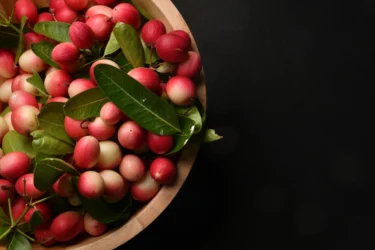
0Karonda, or Christ’s thorn, is an exotic, minor fruit plant that grows wild in bushes. Karonda is scientifically known as Carissa carandas and belongs to the family Apocynaceae. Karonda is an indigenous shrub of India. It is widely spread in the sub-tropics and tropics climate of the Himalayas, Maharashtra, Madhya Pradesh, Rajasthan, Uttar Pradesh, Bihar, and West Bengal. The karonda plant is famous for its whitish-pink berry-sized fruits. These karonda fruits are small, succulent, fleshy, and rounded with a juicy pulp. It is bitter-sour and acidic in taste and is popularly used in Indian cuisine. Karonda in English is called Bengal currants, Black currants, and Carandas-plum. Karonda in Hindi is Karaunda, Karvand in Marathi, and Koromcha in Bengali. Read along to learn more about the health benefits of karonda, its bioactive components, properties, uses, and more.
The nutritional value of Karonda per 100 g:
Karonda may contain essential compounds such as reducing sugar, flavonoids, saponins, protein, amino acids, cardinolides, terpenoids, steroids, phenolic compounds, and fatty acids. It may also contain vitamins such as A, riboflavin, thiamine, biotin, folic acid, and pantothenic acid1,3.
Karonda may have the following properties:
Karonda has been used in native systems of Indian medicine like Ayurveda, Homeopathy, and Unani due to its numerous medicinal properties3. The following may entitle a few potential uses of Karanda:
A review4 by Hameed et al. in 2021 suggests that karonda fruit extract may possess significant anti-cancer activity against lung and ovarian cancer. Karonda may contain antioxidants, flavonoids, and phenolic compounds that may exhibit free radical scavenging activity. A laboratory study1,3 on cancer cells found that daily intake of fruits in the diet may be related to reduced cancer risks. However, further human research is required to develop a true scope of karonda fruit uses for cancer. Cancer is a serious health condition that requires an appropriate diagnosis and treatment. Consult a cancer specialist, and do not self-medicate.

A review2 by Singh et al. in 2021 shows that karonda fruit may contain high sources of vitamins, antioxidants, and proteins. Its anti-microbial and antifungal properties may be beneficial for the skin. A regular intake of karonda fruit or fruit juice may help alleviate open pores and other skin-related infections2. However, this information is insufficient; therefore, more human studies are needed to suggest the karonda benefits for skin. Therefore, consult a qualified dermatologist, and do not self-medicate.
Over the years, I have observed that karonda extract might have health beneficial effects and potential as a natural anti-skin aging ingredient. It is believed that the extract can help prevent oxidative stress, reduce inflammation, and support the remodeling of the external framework matrix of your skin. These actions are important in combating skin aging and promoting healthier skin6.
Dr. Siddharth Gupta, B.A.M.S, M.D (Ayu)

An animal study5 carried out by David et al. in 2015 found that karonda fruit extract may have potential uses for diabetes. It may have anti-diabetic activity. A regular karonda intake may significantly lower the increased blood glucose levels in animals. This blood sugar-lowering activity of karonda may be due to the presence of nutrients like flavonoids and phenolic compounds1 .However, this information is insufficient as this study was conducted on animals. More human studies are needed to find the karonda benefits for diabetes. If you have diabetes consult a doctor and have karonda only if recommended.

Scurvy is a disease caused due to a deficiency in vitamin C. A literature review2 by Singh et al. done in 2021 suggests that karonda may have an abundance of vitamin C. Karonda may be acidic in nature. Its astringent and antiscorbutic (reduce scurvy) properties may provide beneficial effects such as it may restore vitamin C in the body and help recover from scurvy2. However, more human studies are needed to investigate the benefits of karonda for scurvy. If you have vitamin C deficiency, consult a qualified physician and do not self-medicate.
Though studies show the potential uses of karonda in various health conditions, these are insufficient, and there is a need for further studies to develop the scope of the benefits of karonda on human health.
In my experience, I have observed that the ethanol extract of karonda might have an antidiarrhoeal effect. In studies, it was found that the plant extracts decreased the movement of food through the gastrointestinal tract, similar to the standard drug used for this purpose. This suggests that the plant extracts could be helpful in reducing episodes of diarrhoea7.
Dr. Rajeev Singh, BAMS
Karonda fruit is commonly used in various culinary preparations2. You may use karonda in the following ways:
You should consult a qualified doctor before using karonda in large quantities. Do not discontinue or replace an ongoing modern medical treatment with an Ayurvedic/herbal preparation of karonda without consulting an Ayurvedic doctor. They will guide you with their form and dosage as per your health condition.
Over the years, I have learned that the methanolic extract of C. carandas leaves might possess hepatoprotective activity. This suggests that it has the potential to protect the liver from damage. While the exact mechanisms are not yet fully understood, it is believed that certain compounds present in the extract may contribute to its beneficial effects on liver health7.
Dr. Smita Barode, B.A.M.S, M.S.
Eating karonda in a balanced proportion is safe. No major study reports the karonda fruit side effects in humans. Therefore, it is best to avoid eating karonda in high amounts. However, if any side effects are seen after eating karonda, immediately consult a doctor and get proper treatment.
Also Read: Simhanada Guggulu: Uses, Benefits and Side Effects By Dr. Rajeev Singh
Eating karonda in excess amounts is not advised. The following precautions are necessary:
Also Read: Karisalankanni (False Daisy): Uses, Benefits, Side Effects, and More!
Furthermore, research is needed to study the interactions between karonda and other drugs. You must not presume that there are no interactions at all. Therefore, it is essential to have medical consultations with an Ayurvedic doctor. They will guide you on using karonda as a herb.
Also Read: Kachnar (Bauhinia Variegata): Uses, Benefits, Nutritional Value & More!
In Indian cooking, karonda is a famous condiment. It may be used for pickles, chutneys, cooling drinks, juice, jelly, jam, squash, syrup, tarts, puddings, wine, etc1,2.
The different names of karonda may include Bengal currants, Black currants, Carandas-plum, Christ thorn, Karaunda, Karvand, Koromcha, etc2.
Karonda vitamins may include vitamins A, C, riboflavin, thiamine, biotin, pantothenic acid and folic acid1,3.
Karonda may include properties such as cooling, anthelmintic, antioxidant, antipyretic, anti-inflammatory, antibacterial, anti-cancer, antiulcer, antiscorbutic, etc1,3.
Scurvy is a rare condition in which your body becomes deficient in vitamin C. Fresh and ripe karonda may be a rich source of vitamin C, which might help alleviate scurvy. Hence, karonda may be a good source of vitamin C for those trying to recover from scurvy2.
1. Kamal M, Jawaid T, Khalid M. Carissa carandas Linn. (Karonda): An exotic minor plant fruit with immense value in nutraceutical and pharmaceutical industries. Asian J of Biomed and Pharma Sci. 2016;6(58):14–9. Available from: https://www.researchgate.net/profile/Kuldeep-Singh-18/publication/311510769_Carissa_carandas_Linn_Karonda_An_exotic_minor_plant_fruit_with_immense_value_in_nutraceutical_and_pharmaceutical_industries/links/5849955708ae82313e710694/Carissa-carandas-Linn-Karonda-An-exotic-minor-plant-fruit-with-immense-value-in-nutraceutical-and-pharmaceutical-industries.pdf
2. Singh K, Shiv P, Singh M. Karonda: A Medicinal Plant with Immense Economic Potentials. AgriCos e-Newsletter. 2021;2(2):83–6. Available from: https://www.researchgate.net/profile/Krishan-Singh-7/publication/349237209_Karonda_A_Medicinal_Plant_with_Immense_Economic_Potentials/links/6026161c45851589399ae4c9/Karonda-A-Medicinal-Plant-with-Immense-Economic-Potentials.pdf
3. Kumar Rai G. Bioactive potential of karonda (Carissa carandas L.). Indian J Agric Biochem. 2021;34(1):24–32. Available from: https://www.researchgate.net/profile/Gyanendra-Rai-2/publication/353975087_Bioactive_potential_of_karonda_Carissa_carandas_L/links/61cec06eb6b5667157b96051/Bioactive-potential-of-karonda-Carissa-carandas-L.pdf?_sg%5B0%5D=started_experiment_milestone&origin=journalDetail
4. Virmani R, Virmani T, Singh C, Sorout G, Gupta J. Bioactive potential of Karonda (Carissa carandas L.). Res Pharm Health Sci. 2015;3(2):[page numbers]. Available from: https://www.researchgate.net/publication/353975087_Bioactive_potential_of_karonda_Carissa_carandas_L
5. David M. Spectrographic analysis and in vitro study of phytochemicals in aqueous ethanolic fruit extract. J Adv Sci Res. 2015;6(03):10-13. Available from: https://sciensage.info/index.php/JASR/article/view/235
6. Neimkhum W, Anuchapreeda S, Lin W-C, Lue S-C, Lee K-H, Chaiyana W. Effects of Carissa carandas Linn. Fruit, Pulp, Leaf, and Seed on Oxidation, Inflammation, Tyrosinase, Matrix Metalloproteinase, Elastase, and Hyaluronidase Inhibition. Antioxidants (Basel). 2021;10(9):1345. doi:10.3390/antiox10091345. Available from: https://pmc.ncbi.nlm.nih.gov/articles/PMC8470603/
7. Singh S, Bajpai M, Mishra P. Carissa carandas L. – phyto-pharmacological review. J Pharm Pharmacol. 2020 Dec;72(12):1694-1714. doi:10.1111/jphp.13328. Available from: https://onlinelibrary.wiley.com/doi/full/10.1111/jphp.13328
Disclaimer: The information provided here is for educational/awareness purposes only and is not intended to be a substitute for medical treatment by a healthcare professional and should not be relied upon to diagnose or treat any medical condition. The reader should consult a registered medical practitioner to determine the appropriateness of the information and before consuming any medication. PharmEasy does not provide any guarantee or warranty (express or implied) regarding the accuracy, adequacy, completeness, legality, reliability or usefulness of the information; and disclaims any liability arising thereof.
Links and product recommendations in the information provided here are advertisements of third-party products available on the website. PharmEasy does not make any representation on the accuracy or suitability of such products/services. Advertisements do not influence the editorial decisions or content. The information in this blog is subject to change without notice. The authors and administrators reserve the right to modify, add, or remove content without notification. It is your responsibility to review this disclaimer regularly for any changes.
7
1Kayam churna is an Ayurvedic preparation readily available at a chemist’s store. A lot of Indians use kayam churna for various stomach-related problems. In the Indian traditional medicine systems such as Ayurveda, Siddha, Unani and Naturopathy, the use of ‘churnas’ has been recorded. Ayurveda defines churna as a fine powder of one or more ingredients in dried form. Kayam churna is an Ayurvedic formulation. It is a balanced blend of seven incredible Ayurvedic ingredients, namely Senna leaves, Mulethi, Ajwain, Black salt, Nishoth, Haritaki and Svarjikshara. Senna leaves (Cassia angustifolia) are the major ingredient of kyama churna. Kayam churna may work against a vast array of stomach disorders like diarrhoea, heartburn, constipation, gas, peptic ulcer and acid-reflux disease1. Let us discuss the health benefits of kayam churna, its nutritional composition, properties, uses and more.
Kayam churna may contain the following ingredients:
The bioactive compounds may include tannins, glycosides, flavonoids, alkaloids, steroids, saponins, and phlobatotannins1.
Kayam churna may have the following properties1:
The potential uses of kayam churna may be described as follows:
Kayam churna powder may provide instant relief from constipation. As per a study1 done by Gupta et al. in 2022, the main ingredient of kayam churna is senna leaves. It may play a major role in correcting bowel movements. Kayam churna contains seven herbs, making it one of the most potent natural preparations for constipation. It may increase muscular movement in the stomach, making the food move faster through the intestine. This may ease constipation and may help ease bowel emptying2. However, if you suffer from constipation, consult a qualified doctor and do not self-medicate.
It is not uncommon to complain about gas in the stomach, which may lead to a painful bloating sensation. All the ingredients of kayam churna may help combat gas formation and relieve bloating. Senna leaves contain anthraquinones, which may have anti-bacterial activity and help remove harmful bacteria from the stomach and increase good bacteria. This may lead to a healthy environment in the stomach and alleviate discomforts such as gas and bloating2. However, more studies on humans are needed to suggest the uses of kayam churna for gas and bloating. Therefore, if you have any such stomach issues, consult with your physician and only use it if advised.
Kayam churna is a herbal preparation containing mulethi, ajwain and senna leaves. It may act as a dietary supplement for various digestive problems. It may help boost the functions of the digestive system. It may help break down the food in the stomach and help it to get digested so that all the nutrients get absorbed into the body. It may also help with indigestion1. However, this information is insufficient; more human studies are needed to support the benefits of kayam churna in digestion.
Jaundice may be caused due to increased bilirubin levels in the liver. Ayurveda has been advising the use of dried senna leaves for managing jaundice. Senna leaves are the main ingredient of kayam churna, which may help regulate pitta production in the liver. It may act as a stimulant, which may help remove pitta from the body. Hence, regular intake of kayam churna ingredients might help avoid the occurrence of jaundice2. However, more human studies are required to support the use of kayam churna for jaundice. If you have jaundice, take medical treatment and do not self-medicate.
Though studies show the potential uses of kayam churna in health conditions, these are insufficient, and there is a need for further studies to develop the scope of the benefits of kayam churna on human health.
You may use kayam churna:
You should consult a qualified doctor before using kayam churna in large quantities. Do not discontinue or replace an ongoing modern medical treatment with an ayurvedic/herbal preparation of kayam churna without consulting an Ayurvedic doctor. They will guide you with its form and dosage per your health condition.
Kayam churna in minimum amounts is considered safe. No major study reports the kayam churna side effects. However, the individual ingredient, if used alone in larger quantities, may have side effects as mentioned below:
If any side effects are seen after using kayam churna, immediately consult your doctor and get proper treatment.
Also Read: Sitopaladi Churna: Uses, Benefits, Side Effects & More!
Taking kayam churna in small quantities may be safe. However, the following precautions are necessary:
No study reports the interaction of kayam churna with other medicines. Therefore, more human studies are needed to study the safe use of kayam churna in humans. Consult an Ayurvedic doctor; they will guide you to a safe way to use it.
Also Read: Hingwashtak Churna: Uses, Benefits, Side Effects & More!
No. Kayam churna should not be used by lactating mothers. It may induce purgation (involuntary emptying of the bowel) in infants4.
Kayam churna may relieve constipation, act as a laxative, enhance digestion, relieve bloating, reduce flatulence, peptic ulcers and acid reflux1,3.
Kayam churna contains mulethi (licorice root). A heavy dosage of mulethi during pregnancy may cause premature birth and other health problems in the baby. Therefore, pregnant women should avoid kayam churna4.
Disclaimer: The information provided here is for educational/awareness purposes only and is not intended to be a substitute for medical treatment by a healthcare professional and should not be relied upon to diagnose or treat any medical condition. The reader should consult a registered medical practitioner to determine the appropriateness of the information and before consuming any medication. PharmEasy does not provide any guarantee or warranty (express or implied) regarding the accuracy, adequacy, completeness, legality, reliability or usefulness of the information; and disclaims any liability arising thereof.
32
8Kodo millets, botanically known as Paspalum scrobiculatum, is a traditional grain belonging to the Poaceae family. It is often referred to in English as rice grass, ditch millet, or cow grass. Regionally, it is known as araka in Telugu and kodra in Marathi. The grains of kodo millet vary in colour from light red to dark grey and are cultivated annually.
The history of kodo millet cultivation in India dates back approximately 3,000 years. In addition to India, it is also grown in countries such as Russia, China, various parts of Africa, and Japan. Within India, it is primarily cultivated in the states of Madhya Pradesh, Tamil Nadu, Karnataka, Gujarat, and Chhattisgarh.
Among all the millets available, Kodo millets are well known for its resilience to drought and its ability to produce a reasonable yield within a short period. As a result, it holds significant economic importance, particularly in regions where agriculture is challenged by water scarcity. India leads the world in the production of kodo millet
Kodo millets are cultivated in the kharif season (monsoon season) and are available in different varieties, namely Indira kodo, Jawahar kodo, and TNAU. Kodo millets are processed into value-added foods and drinks. While kodo millet is appreciated for its nutritional content and is a staple in many traditional diets, it is important to note that any health-related benefits should be interpreted with caution. The grain may form part of a balanced diet, but it is not intended to diagnose, treat, cure, or prevent any medical condition. Individuals with specific health concerns should consult a qualified healthcare professional before making dietary changes1,2.
Did you know?
Kodo millet is a nutritious grain containing carbohydrates, protein, and dietary fibre. It also provides B-vitamins such as niacin and riboflavin, along with minerals like calcium, iron, and phosphorus. Additionally, it contains natural phytochemicals, including antioxidants and phenolic compounds such as vanillic acid, gallic acid, tannins, and ferulic acid.
Here are the nutritional components of kodo millet per 100 grams2:
In my own viewpoint, this humble grain is not only delicious but also has some surprising health benefits. Kodo millet is believed to have properties that might help in asthma. Not only that it might be beneficial for people suffering from migraine.
Dr. Siddharth Gupta, B.A.M.S, M.D (Ayu)
Scientific studies have explored various characteristics of kodo millet. Some of the observed and researched properties are outlined below:
Let me tell you that these tiny grains might be heroes for your gallbladder! Kodo millets, thanks to their high fibre content, have the potential to avoid the formation of gallstones12.
Dr. Rajeev Singh, BAMS
Some of the potential benefits of kodo millets are described as follows:
Hyperlipidemia is the elevation in lipid components like triglycerides, total cholesterol, and reduced levels of high-density lipoprotein. An animal study4 investigated the potential effects of kodo millet on lipid levels in rats. The findings suggested that kodo millet consumption was associated with reduced levels of total cholesterol, triglycerides, and low-density lipoprotein (LDL), while increasing HDL levels. However, we need more clinical studies to support these claims in humans.
Literature shows that the consumption of kodo millets may have the potential to manage bacterial infections. A review5 conducted noted that kodo millets could inhibit the growth of bacteria like S.aureus, Bacillus cereus, Leuconostoc mesenteroides and Enterococcus faecalis which are organisms associated with infections such as urinary tract infections and diarrhoea. However, we need more studies to support these claims.
Type-2 diabetes is a metabolic disorder characterised by an increase in blood glucose due to decreased production or resistance to a hormone called insulin which regulates blood glucose. A review6 conducted suggested that kodo millets may have the potential to decrease blood glucose levels. This effect is attributed to polyphenols, which inhibit enzymes that break down carbohydrates into simpler sugars and increase blood glucose. Additionally, kodo millets have a low glycaemic index. Certain phenolic compounds found in kodo millets have been studied for their potential to inhibit enzymes such as aldose reductase. This enzyme is involved in the conversion of glucose to sorbitol, an accumulation of which has been linked to diabetic complications, including cataract formation. However, there are not enough studies to support these claims and therefore should only be used under the supervision of a medical professional.
Literature studies have supported the use of kodo millets may possess properties to reduce the risk of cancers. A review study2 indicated that kodo millets may potentially reduce cancer initiation and progression. This anti-cancer effect is attributed to the presence of phenolic acids, phytic acids, and tannins in the grain. However, we need more scientific evidence to support these claims.
Malnutrition is defined as the deficiency, excess, or imbalance in the intake of energy or nutrients. The term malnutrition addresses 3 broad groups of conditions as follows:
Kodo millets are highly nutritious due to the presence of carbohydrates, proteins, dietary fibres, vitamins (like niacin and riboflavin) and minerals (like calcium, iron, and phosphors). Kodo millets are also rich in antioxidants and phenolic compounds like vanillic acid, gallic acid, tannins, and ferulic acid. A review study6 suggested that kodo millets may help manage micronutrient-related malnutrition. Thus, the consumption of Kodo millet may positively impact malnutrition. Though scientific evidence to support these claims is limited, we need more studies to ascertain these claims with better results.
Though there are studies that show the benefits of kodo millets in various conditions, these are insufficient and there is a need for further studies to establish the true extent of the benefits of kodo millets on human health.
In my knowledge, kodo millets with their abundance of nutrients, have been found to have great benefits. They’re not just for filling your plate; they might actually help with inflammation, haemorrhages (excessive bleeding), and general weakness10.
Dr. Smita Barode, B.A.M.S, M.S.
You must consult a qualified doctor before taking any herbal supplements. Do not discontinue or replace an ongoing treatment of modern medicine with an ayurvedic/herbal preparation without consulting a qualified doctor.
I have read in a research paper that the dried ethanol extract of kodo millet husk, when consumed, may have interesting effects on both animals and humans. It has been observed that this extract might cause a calming effect, leading to tranquillity, in various animal species. Additionally, when a human volunteer took the extract, they also experienced possible drowsiness11.
Dr. Anuja Bodhare, B.A.M.S, M.D (Ayu)
A few side effects related to the consumption of kodo millets include:
However, if you experience any adverse reactions to Kodo millet, it is advised to discontinue its intake and immediately contact a doctor or your Ayurvedic physician who has prescribed it. They will be able to guide you appropriately for your symptoms.
Eating kodo millet is okay if taken in moderate amounts. However, general precautions must be followed in the following conditions:
Therefore, you must always seek the advice of your Ayurvedic physician before incorporating kodo millet into your routine, especially if you are on medication. They can provide personalised advice based on your medical history and current treatment plan, helping to avoid any potential interactions.
Kodo millet stands out as a grain with a rich history, impressive nutritional profile, and potential health benefits. Its drought resistance and economic value make it a vital crop, particularly in water-scarce regions. While research continues to explore its medicinal properties, incorporating kodo millet into a balanced diet may support overall health, when used under proper guidance.
Also Read: Puffed Rice: Uses, Benefits, Side Effects By Dr. Rajeev Singh
Kodo millet is called “Kodra” in Marathi.
The different kodo millet varieties available in the market include Indira kodo, Jawahar kodo, and TNAU.
Yes, kodo millets contain certain naturally occurring compounds, known as anti-nutrients, such as phytic acid and polyphenols. These substances reduce the availability of nutritional components and processing methods like soaking will help decrease the level of these anti-nutrients.
Yes, as kodo millet is low in fat content and high in protein and fibre, it increases satiety and reduces overeating, and may help in weight loss.
Contaminated or improperly stored kodo millet may cause kodo poisoning, potentially leading to elevated liver enzymes, nausea, vomiting, and, in severe cases, unconsciousness. The grain
also contains goitrogens, which may interfere with thyroid function and contribute to goitre if consumed excessively without adequate iodine intake.
Disclaimer: The information provided here is for educational/awareness purposes only and is not intended to be a substitute for medical treatment by a healthcare professional and should not be relied upon to diagnose or treat any medical condition. The reader should consult a registered medical practitioner to determine the appropriateness of the information and before consuming any medication. PharmEasy does not provide any guarantee or warranty (express or implied) regarding the accuracy, adequacy, completeness, legality, reliability or usefulness of the information; and disclaims any liability arising thereof.
35
3According to Balinese mythology, a divine bird was sent to Earth carrying four seeds coloured red, white, black, and yellow. During its journey, the bird consumed the yellow seed, leaving only the red, white, and black ones. These are believed to represent the various types of rice grains known today.
Among them, red rice stands out for its distinctive colour and traditional significance. Commonly referred to by different names such as Oryza longistaminata, Matta rice, Palakkadan Matta rice, and Rakthashali in Ayurveda, red rice owes its rich hue to the presence of anthocyanin, a natural antioxidant pigment.
Red rice can appear in several forms, which include wild, weedy, or cultivated and may be partially or fully covered with husk. It has been traditionally cultivated in regions such as Sri Lanka, China, the United States, Korea, and India. Within India, red rice is grown in various states, including Karnataka, Tamil Nadu, Kerala, Odisha, and Madhya Pradesh. Notable varieties include Patni from Maharashtra, Matali and Jatu from Kullu, and Matta from Kerala1.
Did You know?
Red rice is a nutritional powerhouse. It contains proteins, carbohydrates, mono-unsaturated fatty acids, vitamins, and minerals like zinc and iron. Additionally, red rice is a source of polyphenols, including vanillic acid and ferulic acid, as well as antioxidants like anthocyanins, proanthocyanidins, and flavonoids, which are responsible for its characteristic colour. The nutritional components of red rice per 100 grams are given below2:
Scientific studies have examined various aspects of red rice, and its consumption has been associated with several beneficial nutritional properties. Some of these observed characteristics are outlined below, based on available research and traditional dietary usage.
Some of the potential benefits of red rice are described as below:
Inflammation is the body’s natural defence mechanism in response to infection, stress, or tissue injury. It can be acute, such as in the case of fever, or chronic, as seen in long-term conditions like arthritis. A systematic review12 has reported that red rice may exhibit anti-inflammatory and antioxidant properties in certain experimental settings. Antioxidants are known to help protect cells from oxidative stress and may assist in reducing inflammatory responses. These potential effects are attributed to the presence of naturally occurring compounds in red rice, such as gamma-oryzanol, flavonoids, and phenolic compounds3.
While such findings are of interest, it is important to note that more robust scientific studies are needed to confirm these observations. At present, there is insufficient clinical evidence to support any definitive health claims regarding the management or treatment of inflammatory conditions through the consumption of red rice.
Breast cancer is one of the most commonly diagnosed cancers affecting women worldwide. Some preliminary research13 has investigated the potential effects of red rice on breast cancer cells in laboratory settings. Findings from these studies suggest that certain compounds present in red rice, such as polyphenols, particularly proanthocyanidins may influence cellular processes related to cancer progression. For example, red rice extracts have been observed to inhibit the activity of interleukin-6 (IL-6), a protein associated with cell growth and may also play a role in reducing cell migration in vitro4.
However, it is important to emphasise that these studies are experimental in nature, and the results have not been confirmed through large-scale clinical trials. At this stage, there is no conclusive evidence to support any preventive or therapeutic claims related to breast cancer, and further research is required. Individuals should consult with qualified healthcare professionals for medical advice or treatment..
Alopecia is the loss of hair or baldness. Red rice is naturally rich in protein and other nutrients, which are important for general health, including the maintenance of hair. Some experimental research5 has explored the potential impact of red rice on hair health. In one such study, red rice extract was found to inhibit the activity of the enzyme 5-alpha reductase, which is associated with hair loss in certain conditions. These findings suggest a possible link between compounds found in red rice and reduced hair shedding in laboratory models. However, these results are preliminary and have not been confirmed through extensive human studies. At present, there is insufficient scientific evidence to support the use of red rice in managing alopecia, and individuals experiencing hair loss are advised to seek guidance from a qualified medical professional.
Type 2 diabetes is characterised by elevated blood glucose levels either due to a decreased insulin level or resistance of the body to insulin (a hormone that regulates blood glucose levels). A study6 in 2020 investigated the potential effects of red rice in a diabetic mouse model. The findings suggested that red rice consumption may be associated with improved insulin sensitivity and a lower glycaemic response in that experimental context. These observations were attributed to the naturally low glycaemic index of red rice and the presence of certain bioactive compounds. While these results are scientifically noteworthy,
it is important to recognise that the study was conducted on animals, and further well-designed clinical trials in humans are necessary to confirm these outcomes. At present, there is not enough evidence to support any definitive health claims regarding the management of Type 2 diabetes through red rice consumption. Individuals with diabetes should consult a qualified healthcare provider for appropriate dietary and medical guidance.
Dyslipidemia is characterised by elevated cholesterol, including increased low-density lipoprotein, often referred to as ‘bad’ cholesterol, and decreased high-density lipoprotein (HDL), known as ‘good’ cholesterol. A review of existing research7 has noted that red yeast rice, which is a fermented form of red rice, may help reduce cholesterol levels by inhibiting its synthesis in the body.
Additionally, the presence of naturally occurring phytosterols and monounsaturated fatty acids in red rice has been associated with potential benefits in managing lipid profiles. These findings suggest that red rice might have a positive effect on dyslipidemia8. However, further rigorous studies are required to establish these claims with greater scientific certainty.
Literature indicates that diets rich in dietary fibre are generally associated with a reduced intake of fats and may contribute to improved digestive health. Traditional Chinese medicine has historically used red rice as a natural help for digestion8. As a good source of dietary fibre, red rice may support regular bowel movements and provide relief from constipation. Furthermore, red rice is naturally low in fat while being relatively high in protein and fibre, which can promote feelings of fullness, potentially reducing overeating and supporting metabolic health. These characteristics suggest that consuming red rice could be beneficial for digestion, relief from constipation, and maintaining a healthy weight1. However, further scientific studies are needed to confirm these effects.
Though there are studies that show the benefits of red rice in various conditions, these are insufficient and there is a need for further studies to establish the true extent of the benefits of red rice on human health.
As red rice is a good source of many nutrients, including phytochemicals, which are believed to possess properties that may support skin health and potentially contribute to anti-ageing effects15.
Dr. Rajeev Singh, BAMS
You must consult a qualified doctor before taking any herbal supplements. Do not discontinue or replace an ongoing treatment of modern medicine with an ayurvedic/herbal preparation without consulting a qualified doctor.
Also Read: Puffed Rice: Uses, Benefits, Side Effects By Dr. Rajeev Singh
Few side effects related to the consumption of red rice include:
However, if you experience any adverse reactions to red rice, it is advised to discontinue its use immediately and consult a doctor or the Ayurvedic physician who prescribed it. They can provide appropriate guidance based on your symptoms.”
Certain studies14 have explored the potential of red yeast rice in supporting bone health. Preliminary findings from these studies suggest that red yeast rice may have a role in promoting bone formation.
Dr. Siddharth Gupta, B.A.M.S, M.D (Ayu)
Eating red rice is okay if taken in moderate amounts. However, general precautions must be followed in the following conditions:
Also Read: Plums (Aloo Bukhara): Uses, Benefits, Side Effects & More!
Therefore, you must always seek the advice of your Ayurvedic physician about the possible interaction of red rice with other drugs and follow the prescription thoroughly, as they will know your health condition and other medications you are taking.
Also Read: Clove (Laung): Uses, Benefits, Side Effects and More!
Red rice is a nutrient-rich grain with potential health benefits supported by both traditional knowledge and preliminary scientific studies. While promising, its therapeutic claims require more clinical evidence for confirmation. As with any supplement, it should be consumed with caution and professional guidance.
Yes. In comparison with white rice, red rice is rich in zinc and iron which may offer several health benefits.
Some famous red rice varieties include Patni of Maharashtra, Matali and Jatu of Kullu, and Matta of Kerala.
Yes. Red rice is low in fat and high in protein and fibres, which increases satiety and reduces overeating, which may help in weight loss.
If red rice is fermented consumed improperly, it may be associated with a risk of liver injury. Excessive intake of red rice can lead to digestive discomfort, including indigestion, bloating, and stomach pain, primarily due to its high fibre and protein content. While red rice consumption is generally not known to cause allergic reactions, in some cases, it may be linked to symptoms such as itching, rashes, or swelling. The precise causes and mechanisms underlying these reactions are not yet fully understood.
Disclaimer: The information provided here is for educational/awareness purposes only and is not intended to be a substitute for medical treatment by a healthcare professional and should not be relied upon to diagnose or treat any medical condition. The reader should consult a registered medical practitioner to determine the appropriateness of the information and before consuming any medication. PharmEasy does not provide any guarantee or warranty (express or implied) regarding the accuracy, adequacy, completeness, legality, reliability or usefulness of the information; and disclaims any liability arising thereof.
8
Most people are familiar with the traditional yellow banana, but very few know about its red-skinned cousin the red banana. Red banana, also known as the Colorado banana, Musa acuminata Dacca banana, Cuban banana, red Spanish banana, or all Kela, originated in India and Southeast Asia but is now widely grown in the U.S., New Zealand, Australia, and the Pacific Island. In India, these are widely grown in Karnataka and adjacent districts. The Kamalapur red banana variety is exclusively cultivated in Kamalapur village in Karnataka. They are available year-round. Red bananas are soft and have a sweet flavor when ripe. In comparison with yellow bananas, these are sweeter and less acidic. This fruit has gained popularity because of its health benefits, which make it a great dietary choice. Let us read more about the health benefits of red bananas1.
Red bananas are laden with the goodness of dietary fiber, carbohydrates, vitamins B9 and C, minerals like magnesium, potassium, calcium, etc., and antioxidants, flavonoids, anthocyanins, etc. The nutritional components of Red bananas are mentioned below:
Here is the information in pointer format:
Nutritional value of red banana2
Scientifically proven properties of red banana include:
Slow down the process of ageing with red banana! Researchers believe red bananas might offer a natural remedy for the ageing process as red bananas are believed to be rich in antioxidants13.
Dr. Siddharth Gupta, B.A.M.S, M.D (Ayu)
Some of the potential benefits of Red banana are described as under:

Diabetes (Type 1 and 2) is a metabolic disorder characterized by elevated blood glucose levels. Many anti-diabetic drugs act by inhibiting an enzyme (alpha-amylase) which causes a spike in blood glucose by converting carbohydrates into simple sugars. A study7 done by Adedayo et al. in 2016 found that red bananas may help manage type-2 diabetes by inhibiting the alpha-amylase enzyme. Also, red bananas have a low glycemic index which may positively impact diabetes. This indicates red bananas may help manage diabetes. However, more studies are needed to support these claims with greater reliability.

Breast cancer is one of the most common cancers affecting women worldwide. Literature reviews support that dietary modification may help reduce breast cancer risk. Rusmiati et al. conducted a study8 to assess the anticancer potential of red bananas on breast cancer cells in 2021; the study findings stated that red bananas may help by stopping the growth of breast cancer cells. This effect is attributed to phytochemicals like tannins, flavonoids, saponins, and alkaloids, which possess anticancer properties. Since, enough clinical evidence isn’t available to support these claims, it is best to take a professional opinion if you suspect breast cancer.

Literature reviews support that dietary interventions may help in reducing hypertension or high blood pressure. Pelegrino et al. in a review9 in 2020 stated that red bananas are rich in potassium and magnesium, which may help relax the blood vessels and thus reduce blood pressure. This indicates that the consumption of red bananas may help manage blood pressure. However, there is a deficiency of research to support these claims.

Age-related macular degeneration (AMD) is an eye disease occurring with advancing age that causes vision loss. A review9 by Pelegrino et al. in 2020 showed that red bananas are rich in antioxidants like lutein and zeaxanthin, which protect the eyes from damage. This indicates that the consumption of red bananas may positively impact AMD. Additionally, being a good source of antioxidants like vitamin A, a component of a protein called rhodopsin, allows you to see in low-light conditions. Thus, red bananas may help improve vision. However, scientific evidence supporting these claims is limited. Therefore, we need more studies to support these claims.

Systemic sclerosis or crest syndrome is characterized by the hardening and tightening of the skin and internal organs like the lungs, blood vessels and digestive tract. This is caused due to the abnormal accumulation of a protein called collagen, which is found in the skin. Fruits that are deep red and green may help reduce systemic sclerosis due to the presence of anthocyanins, which help in reducing the accumulation of collagen. This indicates that red bananas may be able to help in systemic sclerosis. However, there is no scientific study done to support these claims10, 11.

Though there are studies that show the benefits of Red bananas in various conditions, these are insufficient and there is a need for further studies to establish the true extent of the benefits of Red banana on human health.
Let’s talk about the potential of red banana as a nutrient-rich food! Researchers believe that due to the rich content of antioxidants, red bananas might be used as a functional food to provide additional nutrients and increase health benefits14.
Dr. Rajeev Singh, BAMS
You must consult a qualified doctor before taking any herbal supplements. Do not discontinue or replace an ongoing treatment of modern medicine with an ayurvedic/herbal preparation without consulting a qualified doctor.
Red bananas may be used as a natural dye. Yes, recent studies suggest that other than its antioxidant and antimicrobial properties, red banana peels are believed to be rich in pigments such as flavonoids and hence might be used as a natural dye for food15.
Dr. Smita Barode, B.A.M.S, M.S.
However, if you experience any adverse reactions to Red bananas, it is advised to discontinue its intake and immediately contact a doctor or your Ayurvedic physician who has prescribed it. They will be able to guide you appropriately for your symptoms.
Also Read: Eggs: Uses, Benefits, Side Effects By Dr. Smita Barode
Consuming red bananas is okay if taken in moderate amounts. However, general precautions must be followed in the following conditions:
Also Read: 8 Great Benefits of Sapota or Chikoo
However, you must always seek the advice of your Ayurvedic physician about the possible interaction of Red banana with other drugs and follow the prescription thoroughly, as they will know your health condition and other medications you are taking.
Also Read: Banana Flower: Uses, Benefits, Side Effects By Dr. Rajeev Singh
Red banana, is also known as the Colorado banana, Musa acuminata, Dacca banana, Cuban banana, red Spanish banana or lal Kela1.
Yes, red bananas are rich in fibre, which helps in increasing satiety and reducing binge eating and thus may help in weight loss1.
Yes, if you ever experience skin rashes, breathlessness or swelling after eating a red banana, there are chances that you may be allergic to them; it is advised to consult a doctor for proper advice3.
Yes, the presence of fibre in red bananas may improve digestive health and may relieve constipation.
Yes, red bananas, due to their high iron content, may help in managing iron-deficiency anemia.
Disclaimer: The information provided here is for educational/awareness purposes only and is not intended to be a substitute for medical treatment by a healthcare professional and should not be relied upon to diagnose or treat any medical condition. The reader should consult a registered medical practitioner to determine the appropriateness of the information and before consuming any medication. PharmEasy does not provide any guarantee or warranty (express or implied) regarding the accuracy, adequacy, completeness, legality, reliability or usefulness of the information; and disclaims any liability arising thereof.
Links and product recommendations in the information provided here are advertisements of third-party products available on the website. PharmEasy does not make any representation on the accuracy or suitability of such products/services. Advertisements do not influence the editorial decisions or content. The information in this blog is subject to change without notice. The authors and administrators reserve the right to modify, add, or remove content without notification. It is your responsibility to review this disclaimer regularly for any changes.
17
Misal pav, a famous spicy Maharashtrian recipe is prepared using moth beans. Moth bean, also known as Matki, math, mat bean, moth, dew bean or Turkish gram, is an annual herbaceous legume (plant or seed/fruit belonging to the family Fabaceae). Moth beans or Vigna aconitifolia are legumes belonging to the family Fabaceae. They are greenish or yellow to brown in colour and oblong in shape. Moth beans originated in India and are widely cultivated in China, Pakistan, and Sri Lanka, and north-western desert areas of South Asia and the South-Western states of the United States. These seeds or pulses are grown at the end of the rainy season but are available throughout the year. Moth beans are used to prepare a variety of dishes. Apart from their culinary use, they’re highly nutritious. Let us find out more about the health benefits moth beans offer1.
Matki is rich in carbohydrates, proteins, vitamins (ascorbic acid and niacin) and minerals like calcium, iron, magnesium, zinc, etc., and phenolic compounds like cinnamic acid, caffeic acid, ferulic acid, etc. The nutrients in Matki are mentioned below.
I suggest that Matki may help you in your weight loss journey. Makti is known for its ability to lower cholesterol levels in the blood. I recently read a study that stated Matki may have anti-obesity activity due to its antioxidant and anti-hypercholesterolemic actions6.
Dr. Siddharth Gupta, B.A.M.S, M.D (Ayu)
Scientifically proven properties of Matki include:
Some of the potential benefits of Matki are described as under:

Diabetes is a metabolic disorder characterized by increased blood glucose levels. Glucosidase enzymes help in the digestion of carbohydrates and starch and cause an increase in blood glucose. Inhibition of this enzyme reduces blood glucose. This mechanism is used by the alpha-glucosidase inhibitor class of drugs, which are used to manage diabetes. Bhagyawant et al. conducted a review in 2019 showing polyphenols in Matki bind to the alpha-glucosidase enzyme and prevent the rise in blood glucose. This indicates that consuming Matki may help manage diabetes. However, we need more studies to support these claims4.

The immune system acts as a defense against foreign bodies and microorganisms like bacteria, viruses and fungi. An elevated body temperature or fever triggers the immune system to fight against the microorganisms entering the body. Matki or Moth beans are rich in copper and may protect the cells from damage due to free radicals and keep the immune system healthy. Additionally, in rural areas, moth beans are used for fever. This indicates that the consumption of Matki can have a positive impact on the immune system and may also help in managing fevers. However, no studies have been conducted yet to ascertain these claims, and we need more scientific evidence to support these results2,4.

Inflammation is a protective reaction of our body against dangerous stimuli like tissue injuries, allergies, etc. Anti-inflammatory agents are used to control inflammation, as seen in cardiovascular diseases, cancers, etc. Roy et al. 2010 conducted a study3 stating Matki contains phenolic compounds which have an anti-inflammatory effect in cardiac diseases and cancers. This suggests that consuming Matki may help manage inflammation. However, we need more clinical studies to support these claims.
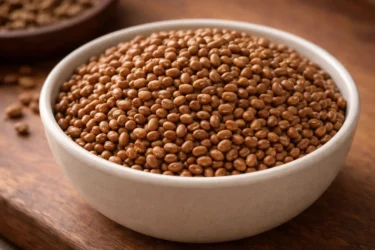
Malnutrition, which includes protein and micronutrient-related deficiency, is a leading cause of stunted growth in children. A literature review by Ayilara et al. in 2022 stated that Matki, although an underutilized legume, is highly nutritious due to the goodness of proteins, vitamins and minerals, and antioxidants5. This nutritional goldmine may help in managing malnutrition in children, but scientific evidence supporting it is limited, and we need more clinical studies to support these claims.

Matki is rich in antioxidants like carotenoids, flavonoids and phenols, which may positively impact vision. Antioxidants can lower the risk of eye-related disorders like age-related macular degeneration and age-related loss of vision along with improving normal vision. This indicates that Matki may have the potential to reduce the risk of eye disorders and improve vision. However, studies are yet to be done to ascertain these claims, and we need more scientific evidence to support these potential benefits4.

Though there are studies that show the benefits of Matki in various conditions, these are insufficient and there is a need for further studies to establish the true extent of the benefits of sweet potatoes on human health.
Not just for humans, Matki is useful for livestock as well. I recently read an article that says Matki may offer animals pleasant, exceptional drought-resistant pasture and hay during the hot season7.
Dr. Rajeev Singh, BAMS
You must consult a qualified doctor before taking any herbal supplements. Do not discontinue or replace an ongoing treatment of modern medicine with an ayurvedic/herbal preparation without consulting a qualified doctor.
Also Read: Praval Pishti: Uses, Benefits and Side effects By Dr. Rajeev Singh
A few side effects related to the consumption of Matki include:
However, if you experience any adverse reactions to Matki, it is advised to discontinue its intake and immediately contact a doctor or your Ayurvedic physician who has prescribed it. They will be able to guide you appropriately for your symptoms.
Also Read: Almonds: Uses, Benefits, Side Effects By Dr. Rajeev Singh
Eating Matki is okay if taken in moderate amounts. However, general precautions must be followed in the following conditions:
Therefore, you must always seek the advice of your Ayurvedic physician about the possible interaction of Matki with other drugs and follow the prescription thoroughly, as they will know your health condition and other medications you are taking.
The scientific name of Matki is Vigna aconitifolia. It is also known as math, mat bean, moth, dew bean, or Turkish gram locally1.
Yes, Matki is rich in antioxidants like carotenoids, flavonoids, and phenols, which may positively impact vision. However, to ascertain these claims, more studies should be conducted4.
Yes, being a good source of iron, moth beans may aid red blood cell formation and help manage anaemia. However, more studies are needed to support these claims. Therefore, it is advised to consult a doctor for proper treatment in case you have anaemia4.
Yes, the fibre content in Matki may aid bowel movements and may provide relief from constipation. However, scientific evidence supporting this is limited and we need more studies to support these claims. It is recommended to consult a doctor for proper treatment in case you have constipation4.
Bhadkaria et al. conducted a study in 2021 which showed that Matki, because of its potential to reduce blood pressure can result in side effects like light-headedness, cough, dizziness, etc. Additionally, its excess consumption can result in stomach pain, bloating and flatulence due to high content of fibre and protein4.
Disclaimer: The information provided here is for educational/awareness purposes only and is not intended to be a substitute for medical treatment by a healthcare professional and should not be relied upon to diagnose or treat any medical condition. The reader should consult a registered medical practitioner to determine the appropriateness of the information and before consuming any medication. PharmEasy does not provide any guarantee or warranty (express or implied) regarding the accuracy, adequacy, completeness, legality, reliability or usefulness of the information; and disclaims any liability arising thereof.
Links and product recommendations in the information provided here are advertisements of third-party products available on the website. PharmEasy does not make any representation on the accuracy or suitability of such products/services. Advertisements do not influence the editorial decisions or content. The information in this blog is subject to change without notice. The authors and administrators reserve the right to modify, add, or remove content without notification. It is your responsibility to review this disclaimer regularly for any changes.
1


