
Headaches are common during pregnancy. By knowing the types of headaches, their causes, the best ways to manage them, and when to ask for professional help, you can ensure your well-being and your baby’s health.
In this blog, we take a deep dive into the kinds of headaches that can happen during pregnancy. We will understand what causes these headaches and what triggers them. Also, we will learn about the most effective management options. We’ll also talk about the vital role played by your healthcare provider and how to reach out to them in need. So, let’s be prepared and make your pregnancy experience better.
Did you know?
Pregnant women may get headaches for many reasons. By understanding the cause of your headache, you can find a better way to deal with it. Some important causes of headaches are discussed below.
A change in hormone levels, during pregnancy, is a known cause of headaches1.
Changes in blood circulation due to the increased blood volume during pregnancy can also cause headaches1.
Dehydration is a common cause of headaches, not only during pregnancy but also in general. Be sure to drink lots of fluids to hydrate yourself well1,2. You should aim to drink at least 2 to 3 litres of water every day (modification based on the climate and your activity levels)3.
Bad sleep quality or sleeping on and off can lead to headaches. Make sure you have a set bedtime routine and get 7 to 9 hours of good sleep every night2.
Skipping meals or eating unhealthy food can result in low blood sugar. This low sugar level can cause headaches. Following a balanced diet plan and eating regular meals with healthy snacks in between may be helpful1,4.
Stress and anxiety can trigger headaches. Using relaxation methods like deep breathing, meditation, and prenatal yoga can help control stress levels during pregnancy2.
Cutting back on your caffeine intake because you are pregnant may lead to headaches due to withdrawal symptoms1. Less than 200 mg of caffeine (1-2 small cups) per day is usually considered safe but be sure to talk with your healthcare provider about having a safe level of caffeine during pregnancy1.
Pregnancy can worsen sinus congestion, which can further cause headaches. So, if you think your headaches are due to sinus issues, you should check with your healthcare provider to evaluate for sinus infection and prescribe suitable treatment options, e.g., nasal steroids like budesonide1,6.
The number and severity of headaches may change during different phases of pregnancy. Let’s see what commonly causes headaches during each trimester of pregnancy.
In the first trimester, your body goes through rapid changes. These changes make you more susceptible to headaches.
For some women, headaches may become rarer or less severe during the second and third trimesters. Despite this, certain factors may still lead to headaches during this period8,9.
It is important to consult with your healthcare provider before taking any medication or seeking medical help for headaches during pregnancy.
It helps to know what type of headache you have. This knowledge will guide you to find the right way to deal with it. Let’s discuss the three main types of headaches that can occur during pregnancy:

Tension headaches are quite common among expecting moms. They feel like dull, never-ending pain on your head or neck. It’s often like a tight band wrapped around your head1,10,19.

Compared to tension headaches, migraines are usually more severe and are often accompanied by additional symptoms. Individuals usually feel an intense throbbing pain on one side of their head12,13.

Cluster headaches are quite rare, particularly during pregnancy. The term “cluster” refers to them occurring in groups, or patterns. They are mainly marked by sharp, stabbing pain around the eye or one side of the head14.
It is recommended that you consult your healthcare provider if you are suffering from frequent headaches, particularly when you are pregnant. Your headache may also signal a more severe condition such as preeclampsia or high blood pressure, which can have severe consequences for both mother and the baby if not dealt with immediately.
Want to deal with frequent headaches during pregnancy? Well, there are a few things that might trigger the headache, such as chocolate, yoghurt, vintage cheese, peanuts, fresh yeast-baked bread, cured meats, and soured milk. By avoiding these typical triggers, one may also reduce the risk of getting a headache23.
Dr. Rajeev Singh, BAMS
High blood pressure or hypertension can also show up during pregnancy and can be risky. If left unchecked, hypertension can cause serious problems15.
Your healthcare provider may suggest working with a diet expert to make a meal plan that is low in salt (sodium) and high in fib. Regular, moderate workout can also help lower your blood pressure.
In some cases, your healthcare provider may prescribe medication to control your blood pressure. Always check with your healthcare provider before starting any new medicines during pregnancy15.
Hypertensive headaches can indicate complications like preeclampsia (serious condition associated with high blood pressure) or eclampsia (seizures due to high blood pressure). If not managed properly, hypertension can cause serious problems such as stroke, low oxygen to the baby, preterm delivery, low birth weight or placental detachment. You must get swift medical care to avoid risks to lives of the mother and baby15.
If you’re pregnant, paracetamol is the first pain reliever you should choose for headaches. If you must take paracetamol during pregnancy, do it only when it is absolutely essential. Your chemist, midwife or general practitioner will give you guidance on the dosage and the time period of the medicine22.
Dr. Siddharth Gupta, B.A.M.S, M.D (Ayu)
When having headaches during pregnancy, it’s key to find alternatives that are safe. These should also work well and not put the mother and her baby at risk15.
While it’s best to avoid medicines during pregnancy, acetaminophen (Tylenol) is usually thought to be least damaging for occasional use. Always talk with your healthcare provider before taking any medicine during pregnancy to make sure it is safe for you and your baby.
You can lessen the need for medicines during pregnancy by using home remedies to ease headache pain. Doing this may lower the risk of harming your unborn baby. Here are some helpful home remedies16,17,18:

Keep hydrated to prevent headaches caused by dehydration. Plan to drink at least 2-3 litres of water every day1,2,16.

A balanced diet gives all the vital nutrients to support your body and your baby’s growth. Don’t skip meals and stick to a regular eating routine. If certain foods trigger your headaches, don’t eat them during pregnancy17,19.

Massage your head, neck and shoulders to relieve muscle tension and ease headache pain. Deep breathing workouts, meditation and prenatal yoga can also help you manage stress and promote relaxation16,18.

Make sure you get enough sleep by inculcating good sleep habits and aiming for seven to nine hours of sleep each night. Take short naps during the day to ease headaches even more16,19.

Putting a cold or warm press on your head or neck may give relief from headache. You can try out both cold and warm presses and decide which one is better for you16.

Light workouts like walking, swimming, or prenatal yoga can relieve tension and lead to better circulation and level hormone amounts. Doing a workout on a regular basis also helps you keep a healthy weight during pregnancy18.
Every pregnant woman has a unique journey. If you are having a difficult pregnancy, it’s advisable that you consult your doctor before initiating any home remedy for your headaches as some of these may not be suitable for you based on your particular condition.
Also Read: Pregnancy Cravings: Causes, Common Cravings & Tips
A majority of headaches during pregnancy are not serious. You may be able to manage them with the right home remedies and medicine when needed. However, there are exceptions:
If you have a severe headache that occurs along with blurry vision, swelling, pain in the belly, or quick weight gain, get in touch with your healthcare provider right away. These symptoms can indicate preeclampsia or another risky condition.
A sudden, severe headache, sometimes called a “thunderclap” headache, could mark a more serious health issue. For example, it could be a burst aneurysm or reversible cerebral vasoconstriction syndrome. Get medical care right away if you have this type of headache20.
Vision changes mixed with a headache may be a sign of a migraine. Symptoms like blood pressure higher than 140/90, sudden oedema, epigastric pain, visual disturbances and reduced urine output can be a sign of a more serious condition like preeclampsia21. Call your healthcare provider if you have a headache along with blurred vision, seeing spots, or any other vision problems20.
If you have a headache that keeps going despite trying home remedies and taking the right medicine, reach out to your healthcare provider. Constant headaches may show an underlying issue. You may need more checks and the right treatment20.
Also Read: Vaginal Burning After Sex: Causes and Management Options
You can lessen the chance of getting headaches during pregnancy by doing these things:
Develop a habit of doing regular workouts, eating balanced meals and hydrating yourself well. Set up a routine sleep time-table for enough rest. Manage stress by using relaxation techniques. These could include deep breathing, meditation, or prenatal yoga18,19.
Find and avoid specific foods, activities or situations that may bring on headaches during pregnancy. Keeping a record of your headaches to find likely triggers and patterns can help19.
Attend all prenatal visits regularly. Share all your worries with your healthcare provider, even about headaches. They can give you personalized tips depending on your situation and needs.
Also Read: Home Remedies For Vaginal Itching
Understanding the types of headaches caused during pregnancy and their potential triggers, measures to tackle them and the necessity of professional help is vital. With the correct precautions and by following your healthcare provider’s advice, you can lessen discomfort and make sure you are okay during pregnancy.
Remember, it matters to know the triggers, relievers and when to ask for help. Be upfront and be in control of your welfare and the well-being of your unborn child.
Also Read: Best Guide to Breast Pumping For New Mothers
If the headache is intense, sudden and severe, bundled with other symptoms, or continues without getting better despite home remedies, then you should get in touch with your healthcare provider right away.
To ease headache pain during pregnancy, you could use a cold or warm compress, light massage, relaxation methods, drink enough fluids, or have a regular sleep schedule. After talking with your healthcare provider, you may also take low doses of acetaminophen (Tylenol) for relief.
While headaches happen often during pregnancy, having them daily is not the norm. If you have headaches every day, get in touch with your healthcare provider to find the causes and for the right treatment plan.
Headaches can come up at any part of pregnancy. But, some women may have fewer or less serious headaches in their second trimester. This happens because the body gets used to certain hormonal changes by then.
Disclaimer: The information provided here is for educational/awareness purposes only and is not intended to be a substitute for medical treatment by a healthcare professional and should not be relied upon to diagnose or treat any medical condition. The reader should consult a registered medical practitioner to determine the appropriateness of the information and before consuming any medication. PharmEasy does not provide any guarantee or warranty (express or implied) regarding the accuracy, adequacy, completeness, legality, reliability or usefulness of the information; and disclaims any liability arising thereof.
Links and product recommendations in the information provided here are advertisements of third-party products available on the website. PharmEasy does not make any representation on the accuracy or suitability of such products/services. Advertisements do not influence the editorial decisions or content. The information in this blog is subject to change without notice. The authors and administrators reserve the right to modify, add, or remove content without notification. It is your responsibility to review this disclaimer regularly for any changes.


Ever think about using light for healing? That’s what red light therapy does. It helps fix many health and beauty issues. Medical and beauty fields are taking notice of this new treatment. It helps with skin problems, heals wounds, eases physical pain, and more.
In this blog, we’ll look at what red light therapy is, its past, how it works, and what its main uses are.
Did you know?
Red light therapy started with a Hungarian doctor named Endre Mester back in the 1960s. He found that laser light helped the healing of wounds on rats and boosted their hair growth. After that, people started using light therapy more often2. Now, red light therapy devices are common in hospitals, doctor’s offices, and wellness centers.
You may ask, how can light heal? The answer lies in red light therapy’s power. It goes deep into the tissues. The cells inside absorb and use the light energy for healing.
Low-level red light touches the mitochondria in your cells. These mitochondria make a key molecule called adenosine triphosphate (ATP). More ATP means more cell energy and better cell work plus revival. This improved action speeds up tissue repair and healing1.
Here’s a brief summary of how red light therapy works:
There are various types of red light used in therapy. The two main ones are visible red light and near-infrared light. The first has wavelengths between 620 and 750 nm. The second has longer wavelengths, between 750 and 1,200 nm. The type of light used depends on the depth of treatment required visible red light therapy is used for mild penetration and near-infrared light is used for deeper penetration3.
LED devices are often used to give red light therapy. They are safer than traditional lasers.
I strongly recommend that if you decide to buy a red light therapy device, be sure to cover your eyes, adhere to the manufacturer’s instructions, and take proper care of the equipment4.
Dr. Siddharth Gupta, B.A.M.S, M.D (Ayu)
More people are getting interested in red light therapy. Researchers are studying its uses for many health and beauty issues. Let’s dig into these studies.

Red light therapy is getting noticed for its ability to improve skin health. Here’s what it can do:

RLT can stimulate cell healing and revival, thus aiding in wound recovery. It does this by reducing inflammation, enhancing tissue regrowth and fostering new blood vessel formation5.

Another use of RLT is to help hair growth. Studies6 show that red light can touch hair follicles to address hair loss. It isn’t entirely clear how this happens yet. It might be about upping blood flow, collagen growth, or reducing inflammation.

Many people seek red light therapy for pain relief. RLT’s ability to stimulate cell repair and reduce inflammation may help eliminate discomfort from sports injuries, chronic diseases like arthritis and other long-term pain. Plus, RLT may be promising in helping bone recovery after injury7.

Bright light therapy has strong anti-inflammatory power. It could prove beneficial in managing inflammation and arthritis symptoms, such as pain, stiffness and swelling8.

Dental experts use red light therapy to relieve pain and inflammation from temporomandibular dysfunction, manage gum disease and to help tacklemouth sores9.

RLT could help address painful side effects from certain cancer cures. It can help with mouth or throat swelling and inflammation often seen in people receiving radiation for head and neck cancers.

Sun damage can hurt the skin’s looks and health. But RLT might be able to help. By speeding up skin repair and collagen production, RLT could be helpful in managing sun-damaged skin and lessen the appearance of fine lines and wrinkles10.
In my opinion, at least when used briefly and as instructed, the red light therapy (RLT) seems to be risk-free and has no known negative effects. In comparison to various topical skin healing, this therapy is less harsh, non-invasive, and harmful4.
Dr. Rajeev Singh, BAMS
Though generally safe and painless using RLT wrongly could have side effects. If you use it wrong or too much, you could potentially damage your skin or eyes, or cause lesions or burns.
For red light therapy at home, always follow the maker’s instructions. It’s even better if a healthcare provider can help. Also, remember that while RLT looks promising, more studies are needed to know it will always work and is safe long term.
Also Read: Squalane: What Is It, Uses, Benefits, Side Effects, & More
If red light therapy isn’t right for you, or you need more help, consider other methods. Acupuncture, anti-inflammatory diets, cognitive behavioral therapy, or other light therapies like blue light for acne could work under the consultation of a qualified healthcare professional11.
Ask your healthcare provider about the best mix of methods for your unique health needs.
Here’s an overview of potential alternatives:
You can get professional red light therapy in many places. Hospitals, doctor’s offices, wellness centers, spas and tanning salons often have it. Before you start RLT, talk to a doctor about treatment choices, how often to go, and expected benefits. They can show you the most reputable places for red light therapy.
Red light therapy is a remarkable and promising tool to help heal, lessen inflammation and help managemany beauty and health issues. While research continues to dig into its potential benefits and risks, it’s important to talk with a healthcare provider who knows about red light therapy. That way, you’ll use it safely and effectively.
Red light therapy isn’t a miracle cure, but with its many uses and little invasiveness, it’s a good choice for anyone looking for new treatments or adding to their current health routines.
How often you need red light therapy changes based on the issue being treated and how well you respond. Often, you should get treatments once a week for a month. After that, you might go for follow-ups based on what your healthcare provider advises.
Many doctors say red light therapy has potential benefits. Yet they want more research to know more about how it works and if it is safe for long term use. Your healthcare provider can best tell you if RLT is right for your special needs and guide you to trusted places for treatment.
You may lie in a full-body LED red light bed or pod or be treated by a professional with a device that’s outfitted with panels of red lights. During treatment, you will lie in the bed for a designated amount of time or a practitioner will “apply” the light device to a specific body part.
Yes, you can get FDA-cleared red light therapy devices for use at home. However, always ask your healthcare provider before starting any at-home RLT program to make sure you use it right and avoid potential risks.
Generally, red light therapy is safe for most. Yet, certain individuals like those with sensitive skin, diabetes, or who are pregnant, should talk to their healthcare provider before getting RLT. They can tell if the treatment is good for them.
Disclaimer: The information provided here is for educational/awareness purposes only and is not intended to be a substitute for medical treatment by a healthcare professional and should not be relied upon to diagnose or treat any medical condition. The reader should consult a registered medical practitioner to determine the appropriateness of the information and before consuming any medication. PharmEasy does not provide any guarantee or warranty (express or implied) regarding the accuracy, adequacy, completeness, legality, reliability or usefulness of the information; and disclaims any liability arising thereof.
Links and product recommendations in the information provided here are advertisements of third-party products available on the website. PharmEasy does not make any representation on the accuracy or suitability of such products/services. Advertisements do not influence the editorial decisions or content. The information in this blog is subject to change without notice. The authors and administrators reserve the right to modify, add, or remove content without notification. It is your responsibility to review this disclaimer regularly for any changes.
1
Native to New Zealand, Manuka honey stands out for its multiple health benefits. It’s a natural remedy that works wonders for our health. From promoting oral and gut health to helping deal with coughs, stomach ulcers, and skin troubles, it can do all! Ready to uncover the facts about this honey? Let’s start!
We’re also going to guide you on how to pick top-notch Manuka honey, its proper dose, and any safety concerns that may arise. By the end of this blog, you’ll be fully equipped to decide if Manuka honey is just what your health routine needs.
Did you know?
Manuka honey beats regular honey in so many ways. Made by bees who feast on the Manuka bush found in New Zealand and Australia, Manuka honey has powerful health perks. These come straight from the unique traits of the Manuka bush only found in these regions1.
It has a stronger germ-fighting ability and a better nutritional balance as it contains some special compounds. For instance, regular honey gets its bacteria-fighting power from hydrogen peroxide. However, for Manuka honey, a compound called methylglyoxal (MGO), which is a stronger antimicrobial, does this work. Manuka honey also packs bioactive compounds like flavonoids and polyphenols. These commando compounds play a big role in its strong antioxidant, anti-inflammatory and germ-killing abilities2.
Plus, Manuka honey is rich in vitamins, minerals, and amino acids, far better than regular honey. More than that, it contains leptosperin. This compound, from the nectar of Manuka bushes, is a sure sign of pure Manuka honey2.
This is a grading system you should know about. Here, Manuka honey’s germ-killing strength is rated based on its MGO, DHA (a type of fatty acid) and Leptosperin levels. The higher the UMF, the stronger its bacteria-blasting power. That means you have top-quality Manuka honey in your hands2!
Manuka honey helps in managing wounds, cuts, burns, and even bed sores. It works by keeping the injured area moist and safe from germs. It can even take down tough ones that resist antibiotics, like MRSA. Clinical trials show that this honey, when used topically, may help wounds heal faster3. It may be helpful for the growth of new tissues, may lessen pain in burn patients and even may help fight diabetic ulcers.
I recently found an article that suggests that the antioxidant and antibacterial properties of manuka honey are important in the healing of wounds. It’s also important to note that manuka honey has a pH that is lower than other honey, which may aid in promoting the best possible wound healing13.
Dr. Siddharth Gupta, B.A.M.S, M.D (Ayu)

Manuka honey can keep your teeth and gums healthy. It can help avoid dental plaque formation by means of its anti-microbial action and can stop bad mouth bacteria in their tracks. Less plaque means fewer cavities and gum diseases.
According to one study, sucking on a chew of manuka honey might be more efficient at reducing plaque and gingival bleeding. I strongly recommend the consumption of manuka honey13.
Dr. Rajeev Singh, BAMS

Manuka honey can help you find relief from cough and sore throat due to an upper respiratory tract infection. Thanks to its soothing coat for the throat, Manuka honey can lessen the pain of a sore throat. Clinical studies suggest that honey, including Manuka kind, may be helpful to tone down cough symptoms even better than over-the-counter cough suppressants4.

Studies hint that Manuka honey may be helpful to shield against stomach ulcers by curbing inflammation and supporting healing in your stomach lining. Animal and lab studies validate that Manuka honey may be useful in managing stomach ulcers5. However, to seal the deal, more human studies are needed.

Manuka honey can boost gut health and ease digestive woes like belly pain and diarrhea. As a prebiotic, Manuka honey encourages the growth of helpful gut microbes such as bifido bacteria and lactobacilli. Lab studies show that it may hold some promise for people with bowel disease. They reveal that Manuka honey may be able to fight harmful gut bacteria causing severe diarrhea and bowel swelling, like Clostridioides difficile6.

Manuka honey might possibly be beneficial for cystic fibrosis patients. It helps deal with cystic fibrosis-related infections Studies show Manuka honey used with antibiotics can be helpful to manage infections resistant to standard treatments such as Pseudomonas aeruginosa and Mycobacterium abscessus, which are common in cystic fibrosis7,8.
If you’re looking to try out Manuka honey, you must pick a top-quality one for best health benefits. Moreover, proper storage and correct dosage are essential to reap all its perks. We’ve got some tips to share on this.
The usual serving of Manuka honey is 1-2 teaspoons (5-10 grams) per day. But always remember, while this honey offers health benefits, it is high in sugar. So, moderation is key!
Manuka honey is usually safe. But do check with your doctor if you have diabetes, honey or bee allergies, or any health concerns. If you’re a diabetic, allergic to honey or have developed allergies to honeybee stings in the past, or have infants under one year, Manuka honey may not be suitable for you. It could hike up your blood sugar levels or cause botulism trouble for babies11,12. Its high sugar content could also upset your gut. Also, pregnant and breastfeeding ladies must always consult their healthcare provider before using any natural remedy, including Manuka honey.
Also Read: 15 Amazing Benefits of Poppy Seeds (Khus Khus)
Manuka honey is a great natural remedy packed with a diverse range of health benefits. Its potent antibacterial qualities come in handy with its potential in the management of wounds. Not just that, it may offer relief in oral health troubles and some potential benefits in the relief of symptoms of upper respiratory infections as well. Besides that, it may be beneficial in bolstering gut health, it may be helpful in aiding tackling of gastric ulcers, and is a boon for people suffering from cystic fibrosis. But, when you’re buying Manuka honey, opt for a top-quality product with UMF rating. Take it in measured amounts and do check with your doctor about how to use it. Keeping these pointers in mind, you just might find that Manuka honey is a great addition to your health routine.
Set apart by its super antibacterial properties and rich nutrition, Manuka honey offers a host of health benefits. This makes it unlike your everyday honey.
Bees who feed on the Manuka bush produce this honey. Unlike regular honey, Manuka honey has an added compound called MGO. Due to this compound, it has a stronger antibacterial shield.
Yes, you can generally consume 1-2 teaspoons (5-10 grams) of Manuka honey daily. But remember, Manuka honey contains high sugar. So too much of it could spike your blood sugar levels or disturb your gut. It’s best to discuss with your healthcare provider about the right dosage based on your needs.
It’s because of its unique source and manufacturing in Australia and New Zealand. Its mighty antibacterial features and high nutrient worth also bump up its price. So, when you are buying Manuka honey, remember, you’re investing in a health-booster packed with numerous benefits.
Manuka honey isn’t a cure-all strategy, but it can be used alongside other kinds of conventional treatments, medical opinion might be needed for appropriate treatment as it is not a substitute for medical or surgical treatments.
Disclaimer: The information provided here is for educational/awareness purposes only and is not intended to be a substitute for medical treatment by a healthcare professional and should not be relied upon to diagnose or treat any medical condition. The reader should consult a registered medical practitioner to determine the appropriateness of the information and before consuming any medication. PharmEasy does not provide any guarantee or warranty (express or implied) regarding the accuracy, adequacy, completeness, legality, reliability or usefulness of the information; and disclaims any liability arising thereof.
Links and product recommendations in the information provided here are advertisements of third-party products available on the website. PharmEasy does not make any representation on the accuracy or suitability of such products/services. Advertisements do not influence the editorial decisions or content. The information in this blog is subject to change without notice. The authors and administrators reserve the right to modify, add, or remove content without notification. It is your responsibility to review this disclaimer regularly for any changes.
Did you know that some foods can mess with your medicines? This can happen even with everyday foods like grapefruit or coffee. It is important to avoid such food-drug interactions to prevent any adverse events and maintain the effectiveness of the medicine1.
In this article, we’ll discuss about the food interactions which can occur with the drug, metformin. Metformin is a common medicine prescribed for the management of Type 2 Diabetes. We’ll talk about Metformin’s intricate relationship with foods, when to take it, and more2.
Did you know?
Metformin is a drug that helps bring down your blood sugar levels. It is mainly used to manage Type 2 diabetes3.
Metformin is available in different doses and forms. These include tablets, oral solutions, and even extended-release tablets. Your doctor will prescribe the right form and dosage based on your health condition and lifestyle.
Mostly, Metformin is stored at room temperature. It should be placed away from moisture or heat. Also, keep it out of reach of children.
Metformin mainly works by reducing glucose production by the liver. By doing so, it helps lower overall blood sugar levels. It also improves the body’s response to insulin and helps cells use insulin better, making it easier for them to take in glucose from the blood4,5. If you have type 2 diabetes, your healthcare provider may prescribe Metformin.
Certain food items and alcohol can affect Metformin’s effects6,7. We will discuss this in detail in the coming sections.
In my experience, I have observed that use of metformin might lead to vitamin B12 deficiency. It is important to be aware of the potential risk and consider regular monitoring of your vitamin B12 levels, as well as discussing the need for supplementation with your healthcare provider13.
Dr. Siddharth Gupta, BAMS, MD (Ayu)
Food choices play a big role in managing type 2 diabetes. While they don’t directly counteract Metformin’s actions, overeating or bad food choices can increase its efforts to control blood sugar.

Certain foods can get in the way of Metformin. These are processed carbohydrates, saturated fats, trans fats, and too much sodium. While not opposing Metformin directly, they can spike up your glucose and insulin levels.
Detailed list of Foods to Avoid
Saturated fats can also make you more insulin resistant, which can make weight loss and blood sugar management more difficult. Fatty foods can delay gastric emptying and contribute to, prolonged postprandial hyperglycaemia (high blood sugar levels after food), which can be problematic over the long term. Sodium does not directly affect blood glucose or Metformin, but it increases cardiovascular risk and blood pressure, which are comorbid concerns in diabetes8. Also, some studies6 have found that a high-fat, high-calorie diet can slow the absorption of metformin.
So, although these foods don’t directly interfere with Metformin’s pharmacologic action, they can oppose its intended effect by raising blood glucose levels, adding to Metformin’s workload.

Some foods can make it hard for Metformin to work. Yet, some others support Metformin’s actions. These are complex carbohydrates, healthy fats, fibre, lean proteins, and select fruits and vegetables9.
Detailed List of Beneficial Foods
Consuming these foods along with Metformin can support your blood sugar balance. Plus, it can help keep your weight in check. But please note that not all fruits are low glycaemic. Portion control and glycaemic index should be considered especially if you are diabetic. Your doctor can guide you best on what type of foods you can eat based on your blood sugar control.
Based on my experience, I have found that metformin typically does not cause low blood sugar (hypoglycaemia) when taken alone. However, it is important to be cautious when combining metformin with other diabetes medications like insulin or gliclazide, as these combinations may increase the risk of hypoglycaemia13.
Dr Rajeev Singh,BAMS
Food choices matter a lot in diabetes, especially if they interact with drugs like Metformin. Here are some specific food items that can affect metformin.
Grapefruits are beneficial but found to interact with many drugs including Metformin. An old study on non-diabetic rats showed grapefruit juice might trigger a potentially fatal condition called lactic acidosis when mixed with Metformin10. Lactic acidosis is a rare but serious side effect of metformin, typically in patients with renal impairment or other risk factors.
Grapefruit inhibits CYP3A4 enzymes, affecting drugs metabolized by this pathway (e.g., statins, calcium channel blockers). However, Metformin is not significantly metabolised by CYP enzymes, including CYP3A4. So, this seems to be an overemphasised claim. Yet, we don’t have any human case studies indicating a similar reaction with Metformin and grapefruit so far. More research is needed here.
Alcohol consumption may also interact with Metformin’s action. Taking alcohol and Metformin together may cause lactic acidosis, a rare but serious condition7. Still, this could happen only if you drink alcohol heavily and regularly. It can also swing your blood glucose levels both ways – high (hyperglycaemia) and low (hypoglycaemia). Moderate drinking usually isn’t problematic unless you have kidney or liver issues. (Note that moderation as per guidelines is termed as no more than one drink per day, for women, and for men, a moderate amount is no more than two drinks per day.)
Drinking alcohol regularly can also exacerbate kidney and liver issues, so talk with your doctor if you suffer from non-alcoholic liver disease or kidney disease before consuming alcohol with Metformin.
Wondering how to take metformin the right way? Let’s see how and when to take Metformin for best results.
When taking Metformin, timing is important for minimizing side effects (like GI upset) and optimizing blood glucose control. Normally, immediate-release tabs are taken twice a day while extended-release tabs are taken once daily. Keeping to this schedule helps manage diabetes effectively.
Taking Metformin with meals can cut down its side effects like gas, bloating, nausea, and diarrhoea. Extended-release Metformin is usually taken with the evening meal to reduce gastrointestinal side effects and enhance overnight control.
Metformin, a widely prescribed medication for managing Type 2 diabetes, offers significant benefits, but users should be aware of potential side effects. Commonly reported metformin side effects include gastrointestinal symptoms like nausea, diarrhoea, and abdominal discomfort, although these often subside with continued use.
Continued use often leads to a gradual diminishment of these symptoms.
Metformin Side Effects in Females:
Metformin Side Effects in Males:
If your health changes or you spot signs like muscle pain, feeling tired, abdominal complaints, uneven heartbeats, or problems in breathing, get immediate medical help. These could be early signs of lactic acidosis. It’s a serious but rare side effect of Metformin.
Also Read: Pantoprazole Foods to Avoid
When taking metformin for PCOS, it’s advisable to be mindful of certain foods. Limiting high-carbohydrate and sugary foods can enhance its effectiveness. Avoid excessive alcohol consumption and consider reducing intake of processed foods. Incorporating a balanced diet with whole grains, fruits, and vegetables is beneficial. Consulting with a healthcare professional for personalized dietary recommendations is essential for optimal PCOS management with metformin.
Another interesting aspect of Metformin is its effect on body weight. Over time, people using Metformin have reported a slight weight loss. But remember, this isn’t guaranteed for all users.
Researchers have noticed a link between Metformin and weight loss, which might be due to reduced hunger cues12. However, metformin’s weight loss effect is thought to be multifactorial, including improved insulin sensitivity, decreased hepatic glucose production, possible mild appetite suppression, and effects on gut hormones like GLP-1. But keep in mind, weight management isn’t only about medicine. It’s also about eating healthy and exercising regularly.
Also Read: Foods to Avoid While Taking Duloxetine
Long-term weight loss linked with Metformin varies from person to person and may not be as much as you’d want. An average drop of around six pounds after a year of treatment is seen. To kickstart and keep up the weight loss, diet tweaks and exercise are crucial elements as well.
Simply put, no. Metformin is specially made for patients with Type 2 diabetes. Though it has shown results in helping non-diabetic obese patients lose weight, this is an ‘off-label’ use and not approved by the FDA for non-diabetics. However, metformin is sometimes used off-label in PCOS and prediabetes with some evidence of benefit.
Also Read: What To Eat During Food Poisoning?
Dealing with food-drug interactions can be hard. However, understanding your body’s specific reactions can help keep good health and make your medication work best.
In short, matching wise food habits with Metformin can boost its effects in controlling Type 2 diabetes while making the wrong choices can increase its workload. Often, it’s about learning the potential interactions and making small food swaps in our daily meals. If you have diabetes, it’s best to discuss with your doctor and design the best diet plan that is suitable for your condition and does not impact your medications.
Moreover, simple things like watching your salt intake, staying hydrated, and exercising regularly can have a beneficial impact on your overall health. Remember, tiny tweaks in your diet and lifestyle can yield big health gains over time!
Also Read: 12 Foods That Are Necessary For A Healthy Liver!
As of now, there’s not enough proof to say coffee messes up Metformin. But remember, too much of caffeinated drinks might cause hydration issues. So, drink moderately.
Metformin may cause nausea, and if you also take insulin, Metformin can cause low blood sugar levels. This can be dangerous if you’re unable to keep liquids down, so call your doctor immediately if this is the case and you’re having trouble treating low blood sugars.
There are no adequate studies in women for determining infant risk when using this medication during breastfeeding. However, studies have shown that Metformin passes into breast milk in very low amounts but is generally considered compatible with breastfeeding. The American Academy of Paediatrics (AAP) and other authorities regard Metformin as usually safe during lactation. However, consult a doctor who will weigh the potential benefits against the potential risks before prescribing this medication while breastfeeding.
You may notice improvement in your blood glucose control in 1 to 2 weeks, but the full effect of blood glucose control may take up to 2 to 3 months. Ask your doctor if you have any questions about this.
Health pros suggest a low-carb, high-protein breakfast might work well with Metformin. Think eggs, lean meats, whole grains, and fresh fruits. It gives you main nutrients, lowers glycaemic spikes, and keeps you full till lunchtime.
Metformin-induced diarrhoea is thought to result from its impact on the gastrointestinal tract, causing increased fluid secretion and alterations in gut motility. Metformin increases intestinal glucose and bile acid concentrations, which can cause osmotic effects leading to increased fluid retention in the bowel. It may also alter gut microbiota and serotonin pathways affecting motility. Consultation with a healthcare professional is recommended for those experiencing persistent or severe diarrhoea while using metformin.
Metformin typically does not cause hypoglycaemia (low blood sugar) when used as a monotherapy. However, in combination with other diabetes medications that can lower blood sugar, there may be a higher risk of hypoglycaemia. It’s essential to follow healthcare provider guidance and monitor blood sugar levels regularly.
Metformin is occasionally prescribed during pregnancy for gestational diabetes but should only be used under the guidance of a healthcare professional. Individual health considerations and potential risks to the mother and foetus need to be carefully evaluated before making any decisions about medication during pregnancy.
While metformin is generally considered safe for the kidneys, there’s a rare risk of lactic acidosis, a serious condition. It’s crucial for individuals with kidney issues to consult with a healthcare professional to determine the appropriateness of metformin and to monitor kidney function regularly.
Yes, metformin is known to reduce insulin resistance, a key factor in type 2 diabetes. It improves insulin sensitivity, allowing cells to better respond to insulin and promoting better regulation of blood sugar levels.
No, metformin is not habit-forming. It is an oral medication commonly prescribed to manage type 2 diabetes and does not possess addictive properties. Always follow your healthcare professional’s guidance on medication use.
Metformin for prediabetes can be effective in slowing or preventing the progression from prediabetes to diabetes. However, individual responses vary, and it’s essential to consult with a healthcare professional for personalized advice on its use and to incorporate lifestyle changes for comprehensive prediabetes management.
Stopping metformin suddenly can mess with your blood sugar. Always talk to your doctor before making any changes to your medication, so they can help you do it the right way.
Metformin is generally considered safe for the liver, but in rare cases, it may cause an increase in liver enzymes. Regular monitoring and consultation with a healthcare professional are recommended to ensure the medication’s safety and address any potential concerns.
Signs that metformin is working include stable blood sugar levels, better insulin sensitivity, and reduced symptoms related to the medical condition. Regular check-ups with a healthcare professional help track and confirm its effectiveness for each individual.
Disclaimer: The information provided here is for educational/awareness purposes only and is not intended to be a substitute for medical treatment by a healthcare professional and should not be relied upon to diagnose or treat any medical condition. The reader should consult a registered medical practitioner to determine the appropriateness of the information and before consuming any medication. PharmEasy does not provide any guarantee or warranty (express or implied) regarding the accuracy, adequacy, completeness, legality, reliability or usefulness of the information; and disclaims any liability arising thereof.
58
5Do you wonder what duloxetine is? Duloxetine belongs to the serotonin-norepinephrine reuptake inhibitors (SNRIs) class of drugs and is used in the management of mental health conditions like major depressive disorder (MDD) and generalised anxiety disorder (GAD) and other conditions like diabetic neuropathy1, fibromyalgia2, and chronic musculoskeletal pain. For individuals on duloxetine, it is vital to know about food and drug interactions of the medication and its side effects as these factors may influence the effectiveness of the medicine3.
Before exploring which foods and substances to avoid when on duloxetine, let’s first understand how the medicine works and its interactions with other drugs, supplements and herbal products along with other considerations. Each person responds differently to a medicine, so you should consult your doctor before making any major changes to your medicine.
Duloxetine works by increasing the levels of serotonin and norepinephrine in the brain. These are important chemicals that affect mood and pain sensations. Duloxetine does not let these chemicals be reabsorbed, allowing them to stay active in the spaces between nerve cells.
This action helps improve communication between nerve cells, influencing mood positively and reducing the perception of pain signals. Essentially, duloxetine’s role is to enhance the effects of serotonin and norepinephrine, making it effective in treating conditions like major depressive disorder, generalised anxiety disorder, and certain types of chronic pain. Individual responses to the drug may vary; therefore, it’s essential for individuals to consult their doctor for personalised information and guidance regarding duloxetine uses.
Did You Know?
If you’re on duloxetine, some foods and drinks are best avoided. Here’s some foods you should watch out for.

It is safer to avoid alcohol if you are on duloxetine as the combination may increase some side effects of the drug and may lead to potentially harmful interactions. Both alcohol and duloxetine can cause CNS depression, potentially leading to excessive sedation. Alcohol may also interfere with duloxetine’s ability to improve mood, reducing its therapeutic benefit. Additionally, since both are metabolised in the liver, using them together increases the risk of liver toxicity4.
Taking alcohol with duloxetine could cause:
Both the manufacturer (FDA label) and doctors strongly recommend limiting or avoiding alcohol, particularly if you have a history of liver disease or depression. Always check with your doctor before consuming alcohol during duloxetine treatment4.
I want to emphasise that when prescribed to take duloxetine, it is important to especially avoid drinking alcohol as it may potentially increase the risk of liver damage. Prioritising your health and adhering to your doctor’s recommendations will ensure the safest and most beneficial use of this medication.

Keep an eye on your caffeine intake while taking duloxetine. Although caffeine doesn’t directly interfere with how the medicine works, it may worsen certain side effects, such as jitteriness, anxiety, or trouble sleeping, especially if you’re sensitive to stimulants. In some cases, too much caffeine may reduce duloxetine’s calming benefits by increasing restlessness or anxious feelings5.
To manage your caffeine intake:

Although duloxetine is not a monoamine oxidase inhibitor (MAOI), some people worry about its interaction with high-tyramine foods. However, current research has not shown any significant risk, and duloxetine does not inhibit the MAO enzyme. That said, if you want to be cautious, it’s you may limit foods high in tyramine, such as:
If you are curious to know the drugs that may not work well with duloxetine, let’s find out. Always inform your doctor about all the medicines, supplements, or herbal products you currently take or are planning to take, to help avoid any possible interactions.
Taking duloxetine with other medicines for mental health issues may increase side effects or cause complications.
Some examples of such medicines include:
How to manage drug interactions?
Here are a few simple precautions to help manage drug interactions while on duloxetine:
NSAIDs could increase the risk of gastrointestinal bleeding when used with duloxetine, which could lead to:
How to manage this interaction?
Here are a few precautions to manage the interaction of NSAIDs with duloxetine:
Combining amphetamines with duloxetine may lead to side effects like:
How to manage this interaction?
These precautions may help you manage the interactions of amphetamines with duloxetine:
You need to know how supplements and herbs can interact with duloxetine. So, always discuss all supplement and herbal product use with your doctor7.
There are no specific reported interactions between duloxetine and most vitamins or minerals. However, it’s still important to inform your doctor about any supplements you take, as certain combinations may affect how well the medicine works.
Some herbal supplements may not be safe to take with duloxetine. For example, combining St. John’s Wort with duloxetine may increase the risk of serotonin syndrome, a potentially serious condition linked to excess serotonin in the body6. Kava, another herbal product, may increase the risk of liver damage when taken with duloxetine. While there is no strong evidence that these herbs reduce the effectiveness of duloxetine, they can increase its side effects or lead to harmful interactions.
Some tips on safe herbal usage:
If you feel nauseous or unwell while taking duloxetine, it is advisable to avoid heavy meals and spicy or greasy foods. Easily digestible foods can reduce stomach discomfort and make you feel more at ease. Always let your doctor know if your nausea persists or worsens.
Also Read: 13 Foods That Are Difficult To Digest!
Certain factors like an individual’s vaccination status, laboratory test requirements, and health history can influence the effect of duloxetine.
Based on available data, there are no known interactions between duloxetine and most vaccines. However, it is advisable to consult your doctor before taking a vaccine if you are on duloxetine.
Duloxetine is not known to interfere with common lab test results. However, if you have been scheduled for any tests, let your doctor know you are taking duloxetine for better interpretation of your test results.
Your past and present health conditions can influence the effect of duloxetine. It is advisable to share your full medical history with your doctor, especially if you are pregnant or plan to conceive or have or have had:
Also Read: 12 Foods That Are Necessary For A Healthy Liver!
Some duloxetine side effects may specifically affect women and may vary from person to person:
Duloxetine may lead to certain side effects that are more commonly seen in men:
If you experience any of these symptoms, it is essential to consult your doctor and discuss your concerns openly.
Duloxetine may affect sexual health in both men and women. These effects can vary but may include:
Also Read: What To Eat During Food Poisoning?
Understanding how duloxetine may interact with certain foods, beverages, drugs and more supports better health and more effective use of the medication. It is important to consider your overall health and lifestyle when taking medication.
While on duloxetine, it is recommended you stay in touch with your doctor. Always share details of other medications and supplements you are taking with your doctor as they can influence your treatment. This allows your doctor to check for possible interactions, devise coping strategies, and adjust your treatment if needed.
Also Read: Pantoprazole Foods to Avoid
The onset of duloxetine’s therapeutic effects varies, but many individuals may start experiencing improvement in their symptoms within 1 to 4 weeks after initiating treatment. However, it’s essential to consult with a healthcare professional for personalised guidance on the duration of duloxetine’s effectiveness.
Taking duloxetine during the third trimester of pregnancy may increase the risk of neonatal adaptation syndrome, which can cause symptoms such as tremors, irritability, feeding issues, and breathing problems in newborns9.
Speak to your doctor before using duloxetine during pregnancy to weigh the possible risks and benefits based on your health and your baby’s well-being.
Taking duloxetine at night is generally acceptable, but it’s advisable to follow your healthcare provider’s recommendation for the most effective and personalised dosing schedule. Always consult with your healthcare professional to ensure the dose timing aligns with your specific health needs.
Duloxetine and Wellbutrin should be used cautiously together because they affect different neurotransmitters in the brain. Taking them together may increase the risk of side effects or adverse reactions. Consulting a doctor may help manage potential drug interactions, ensuring a safer and more effective treatment plan10.
Taking duloxetine and gabapentin together requires caution because both medications can have central nervous system effects. The combination of these two medicines may increase the risk of side effects such as dizziness, drowsiness, or difficulty concentrating. Consulting a doctor is crucial to assess individual factors, minimise risks, and ensure a safe treatment plan.
Yes, fatigue is a common side effect of duloxetine. If you experience excessive tiredness or drowsiness while taking the medication, you should inform your doctor and discuss potential adjustments in dosage or alternative treatment options.
Yes, constipation is a recognised side effect of duloxetine. If you encounter persistent constipation while using duloxetine, it is recommended to consult with your healthcare provider for potential management strategies or adjustments to your treatment.
Duloxetine may contribute to increased energy levels in some individuals as it affects neurotransmitters. However, individual responses vary, and if you experience concerns about energy levels or fatigue while taking duloxetine, consulting your doctor is advisable for personalised guidance.
Duloxetine may not be suitable for individuals with bipolar disorder, as it can potentially trigger manic or hypomanic episodes. It is essential to discuss any history of bipolar disorder with a doctor before starting duloxetine to ensure an appropriate treatment plan.
Disclaimer: The information provided here is for educational/awareness purposes only and is not intended to be a substitute for medical treatment by a healthcare professional and should not be relied upon to diagnose or treat any medical condition. The reader should consult a registered medical practitioner to determine the appropriateness of the information before consuming any medication. PharmEasy does not provide any guarantee or warranty (express or implied) regarding the accuracy, adequacy, completeness, legality, reliability or usefulness of the information; and disclaims any liability arising thereof.
Links and product recommendations in the information provided here are advertisements of third-party products available on the website. PharmEasy does not make any representation on the accuracy or suitability of such products/services. Advertisements do not influence the editorial decisions or content. The information in this blog is subject to change without notice. The authors and administrators reserve the right to modify, add, or remove content without notification. It is your responsibility to review this disclaimer regularly for any changes.
63
3Choosing the healthiest cooking oil can be challenging, especially when deciding between avocado oil and olive oil. Understanding their nutritional profiles, potential health benefits, and cooking uses can help you make a more informed choice. This blog will give you a scientific breakdown of these two favoured cooking oils, their extraction steps, nutritional details, and health benefits.
Avocado oil is becoming popular as a healthy and tasty cooking oil. It is derived from the fruit of the avocado tree (Persea Americana), which is native to Central America1.
There are two main ways of extracting avocado oil:
Avocado oil holds many helpful compounds like:
Avocado oil, full of flavour and flexibility, has many uses in the kitchen and cosmetic products. Its mild, butter-like flavour enhances a lot of dishes1. Also, its softening nature makes it a great add-in for skin and hair care items.
From what I have seen, avocado oil might be highly placed for its numerous potential benefits, particularly in the realm of skincare. One notable advantage of avocado oil might be its rapid absorption rate when applied to the skin. This characteristic may allow for quick absorption, delivering its nourishing qualities effectively18.
Dr. Siddharth Gupta, B.A.M.S, M.D (Ayu)
A staple in the Mediterranean diet, olive oil is made by pressing olives. There are various kinds of olive oil, each with its unique traits and nutritional properties.
Olive oil is available in different forms, depending on how it is processed3:
Like avocado oil, olive oil is made by either cold-pressing or heat and chemical processing methods4.
Olive oil is made up of a number of good compounds, including:
Olive oil is often used for cooking, dipping, drizzling, and finishing dishes, showing its cooking versatility. Add to this, its moisturising and emollient properties, which make it a go-to ingredient in beauty products. They also form the base of many traditional medicine remedies6.
Based on my observations, I may say that olive oil might serve as a considerably healthier alternative to dietary fats, particularly those derived from animals. When it comes to cooking, olive oil may provide a nutritious substitute for butter, margarine, and various other types of fat. Moreover, a study conducted in this regard demonstrated a remarkable correlation: replacing unhealthy fats with olive oil might be linked to a reduced risk of mortality19.
Dr. Rajeev Singh, BAMS
To make a smart choice between avocado oil and olive oil, it’s vital to understand their nutritional differences.
Although avocado oil and olive oil are mainly made of monounsaturated fats, their fatty acid profiles differ slightly:
Although both oils have important vitamins and minerals, the quantities can vary.
Calories per tablespoon (15 mL) are similar for both avocado and olive oil. Each provides around 120 calories.
I may attest to the benefits of avocado oil in skincare products. When incorporated into soaps, it might noticeably improve lathering, creating a luxurious and abundant foam. Additionally, when used in creams, it may impart a smoother texture, resulting in a delightful and velvety application18.
Dr. Smita Barode, B.A.M.S, M.S.
Avocado oil and olive oil provide loads of health benefits, but they differ slightly in the benefits they offer.

The high content of monounsaturated fats and oleic acid in both oils improves cholesterol levels. It also helps regulate blood pressure.

Adding either oil to your diet could help with managing your weight. The unsaturated fats in both oils can curb hunger/help with appetite control. This prevents eating too much and helps with managing meal sizes10.

Oleic acid, polyphenols, carotenoids, and tocopherols add up to the anti-inflammatory properties of avocado oil and olive oil. These compounds work well together to lower inflammation in the body1.
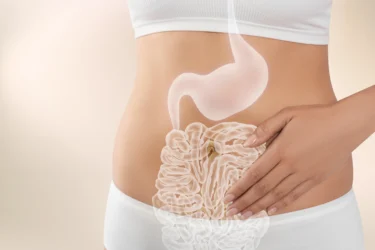
Adding avocado oil or olive oil to your diet could boost digestive health. The monounsaturated fats in these oils reduce inflammation in the gut1. Also, the flavonoids in olive oil are known to have antibacterial effects11. They could protect against harmful gut bugs.
Menopausal women may often face challenges due to hormonal changes, such as emotional fluctuations, hot flashes, depression, anxiety, and vaginal dryness. During these times, I think that olive oil might be a helpful solution. It possesses antioxidant and anti-inflammatory properties that may help ease symptoms and help cope with menopause20.
Dr. Anuja Bodhare, B.A.M.S, M.D (Ayu)
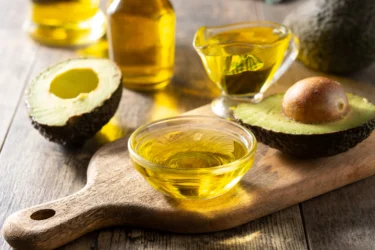
Antioxidants are needed to fight oxidative stress and they protect body cells.
Avocado oil and olive oil provide soothing and nourishing effects due to their natural ingredients. Therefore, they are popular picks for skin care.
Knowing the value of smoke point in cooking oils is key to retaining their nutritional value. It also keeps the overall quality of the dishes you’re preparing.
The smoke point is the temperature at which an oil starts to break down and release harmful free radicals. Cooking oils at or below their smoke point will maintain both their flavour and their health perks.
Avocado oil’s smoke point is higher than that of olive oil, which means it’s less likely to degrade during high-temperature cooking methods. Avocado oil’s unrefined smoke point is about 480℉ (250℃), while extra virgin olive oil’s smoke point is between 350℉ – 410℉14,15.
Avocado oil is fitting for high-heat cooking techniques, like sautéing, grilling, searing, and baking. This is due to its higher smoke point. On the other hand, olive oil fits best for lower heat methods, like simmering, stewing, and medium-heat sautés.
Both avocado oil and olive oil play a key role in nutrient absorption, especially when consumed with beneficial nutrients in other foods.
Fats, like those found in avocado oil and olive oil, aid in absorbing fat-soluble nutrients, such as vitamins A, D, E, and K. Consuming high-fat foods along with these nutrients improves their availability and uptake by the body.
Both oils help absorb nutrients due to their content of monounsaturated fats. A study found that dressing a salad with avocado oil greatly boosted the absorption of carotenoids from the veggies16. Likewise, adding olive oil to tomato juice was seen to boost the absorption of the carotenoid lycopene17.
Although both avocado oil and olive oil offer countless health benefits like heart health, weight management, anti-inflammatory properties, and skin care, there might be times where one is more beneficial. For example, olive oil might be better for people who put a premium on its higher polyphenol content. Meanwhile, avocado oil might be a better fit for high-heat cooking due to its higher smoke point.
In general, both avocado oil and olive oil add health benefits to your diet. However, do think about personal tastes and specific health needs before buying the oil. This will guide you in choosing the right oil for how you live or as per your lifestyle.
Also Read: Canola Oil: Uses, Benefits, Side Effects by Dr. Smita Barode
Summing it up, avocado oil and olive oil provide a lot of health benefits, flexibility in cooking, and taste. Knowing their nutritional differences and proper uses, you can make an educated choice on the best oil for your diet.
Ultimately, personal taste and individual needs will play a big part in deciding the best oil for you. Grab the chance to test and try out each oil. Then, find your own balance. Logic and some new insights can help you make an educated choice on the best cooking oil.
In many cases, yes. However, remember that their taste profiles and smoke points differ. For high-heat cooking methods, avocado oil might be a better fit. At the same time, olive oil is more suitable for lower-heat applications or as a finishing oil.
Extra virgin olive oil and cold-pressed avocado oil often rank higher in terms of quality and nutritional worth. Yes, they’re pricier. But if your main goal is getting the max health benefits, paying more might be worth it.
Keep both oils in a cool, dark place. Keep them away from heat and direct sunlight. This will extend their shelf life and keep their flavour and nutrients. Also, always seal the container tightly after each use.
As long as they’re part of a balanced diet, there are little risks with avocado oil or olive oil. But it’s important to pick quality products. Also, pay attention to the oils’ smoke points while cooking to avoid harmful free radicals.
Disclaimer: The information provided here is for educational/awareness purposes only and is not intended to be a substitute for medical treatment by a healthcare professional and should not be relied upon to diagnose or treat any medical condition. The reader should consult a registered medical practitioner to determine the appropriateness of the information and before consuming any medication. PharmEasy does not provide any guarantee or warranty (express or implied) regarding the accuracy, adequacy, completeness, legality, reliability or usefulness of the information; and disclaims any liability arising thereof.
Links and product recommendations in the information provided here are advertisements of third-party products available on the website. PharmEasy does not make any representation on the accuracy or suitability of such products/services. Advertisements do not influence the editorial decisions or content. The information in this blog is subject to change without notice. The authors and administrators reserve the right to modify, add, or remove content without notification. It is your responsibility to review this disclaimer regularly for any changes.
Most of the time, we don’t feel our heartbeat. And this is because, when our heart’s rhythm is normal, we usually don’t notice it. But, when it changes, we start to feel it. This is known as heart palpitation. It could be your heart beating too slow or too fast or even feeling like it stopped. Heart palpitations often feel like a fluttering, rapid, or irregular heartbeat. Individuals may feel that their heart is pounding, racing, or experiencing a skipped beat. Palpitations usually aren’t harmful, but they can be uncomfortable causing worry. Sometimes, they may be associated with underlying medical conditions.
Palpitations can arise for many reasons. These might be stress, heavy doses of caffeine or nicotine, excessive alcohol, hormones changing in women, certain medications or anaemia. Other heart palpitations reasons can be hyperactive thyroid, low potassium, or hypoglycaemia, irregular heartbeat or serious heart disease. In rare cases, a heart attack might also cause them1.
Did you know?
To effectively manage heart palpitations, you first need to diagnose the underlying cause. You must know when to get help and understand what your doctor may suggest.
If heart palpitations come with chest pain, shortness of breath, intense dizziness or a feeling of doom, it needs immediate medical attention. These heart palpitations symptoms could mean severe issues like arrhythmias or heart disease1.
Your healthcare provider will give you a physical check-up, listen to your heartbeats and look at your medical history. They may suggest some additional tests1.
The following cardiovascular assessments may be advised:
Dealing with heart palpitations requires multiple simultaneous approaches. Medical procedures, home remedies, and changes in diet can all come into play.
If heart palpitations are arising due a heart condition, medical procedure or medicine use may not be needed. In case of other underlying causes too such as hormonal issues or anaemia, medical management may be necessary. Your doctor can advise you best based on your condition1.
At home, you can also take some steps for managing heart palpitations. Avoiding things that spike palpitations can help. Controlling stress is also important. Yoga, meditation, and deep breathing can assist in this. Be sure not to use drugs like cocaine as they can cause palpitations too1.
Vagal maneuvers can slow your heart rate by stimulating the vagus nerve. This can involve putting cold water on your face, trying to gag, or dunking your face in cold water. But before trying these steps, consult your healthcare provider5.
Changing your diet can help avoid foods causing palpitations and increase those calming them.
Caffeine might potentially exacerbate heart palpitations in susceptible individuals. Therefore, if you experience heart palpitations, I strongly advise avoiding drinks or foods that contain caffeine, such as cola12.
Dr. Siddharth Gupta, B.A.M.S, M.D (Ayu)
Did you ever think about how much our diet influences heart palpitations? Some foods can lead to palpitations, while others can lessen them.
If you’re wondering what foods to avoid if you have heart palpitations, these are some of the foods that can actually set off or intensify palpitations in people prone to them.

Caffeine and energy drinks can stimulate the nervous system causing heart palpitations. Even though occasional use is safe, too much caffeine can cause palpitations6,7.
Excessive alcohol use can also cause heart palpitations. Cutting down or avoiding alcohol can help manage them1,6.

Red meat, high in saturated fats, can raise cholesterol and trigger palpitations. Swapping red meat for plant-based protein can aid in reducing this risk8.

Highly processed foods such as canned soups or packaged meals often contain too much salt and preservatives. These could disturb the heart rhythm causing palpitations. Opting for fresh foods instead of processed ones is a more heart-healthy option6.

Excessive sugar intake can contribute to heart palpitations, as it may lead to sudden spikes and crashes in blood sugar levels. Limiting high-sugar foods can help manage blood sugar and lowers risk of heart diseases, thereby reduce the likelihood of associated palpitations6.

More salt means increased risk of high blood pressure thus more chance of palpitations. So, cut down on salt and keep palpitations in check6.
It’s ideal to avoid or consume the above-mentioned food items in limited quantity if you suffer from palpitations. However, for a more personalized plan, it’s best to discuss with a certified nutritionist.
But it’s not all doom and gloom. Some foods could help reduce frequent heart palpitations and support overall heart health.

Fresh fruits are heart-healthy. They contain essential vitamins and potent antioxidants. Their soluble fibre can also lower bad cholesterol levels decreasing palpitations9.

Whole grains support heart health through ample fibre content. This removes harmful cholesterol types, thus reducing the chance of heart disease and palpitations9.
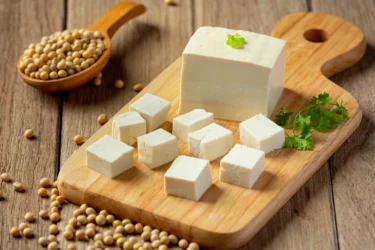
Soy foods are rich plant-based proteins. They offer various heart benefits like reducing blood pressure and cholesterol levels, helping in reducing palpitations10.

Magnesium is a mineral that helps proper functioning of heart. Magnesium administration has been shown to be beneficial in certain heart rhythm disoorders7. Thus, consuming foods rich in magnesium such as dark chocolate, avocado and nuts can help lower palpitations6.
Although further research is needed, some studies have found the benefits of a plant-based diet to help support normal heart rhythm7. It’s a good idea to follow a balanced diet and include the above-mentioned foods in your diet if you suffer from palpitations. But discuss with your doctor before including anything new in your routine diet if you suffer from underlying medical conditions.
Based on my understanding gained over the years, it is worth noting that certain foods, such as salami, and aged cheeses might potentially contribute to heart palpitations. These foods may contain a compound called tyramine, which has been associated with increased blood pressure13.
Dr. Rajeev Singh, BAMS
Also Read: What Your Troponin Levels Reveal Before a Heart Attack?
Lifestyle changes can have a big role in managing heart palpitations and keeping your heart healthy. Let’s see on how to do that.
I may suggest to stay away from consuming spicy foods, particularly when it comes to conditions such as heart palpitations. In my experience, I have observed that spicy foods might potentially trigger heart palpitations in certain individuals14.
Dr. Smita Barode, B.A.M.S, M.S.
Knowing more about heart palpitations, triggers, and effective management helps you lead a healthier life. Keeping active, having a balanced diet, getting enough rest and reducing stress can manage palpitations. Avoid food items like caffeinated drinks, excessive alcohol, red meat, processed or sugary foods and too much salt. But don’t forget that medical issues can also cause palpitations. So, always stay alert and seek medical help when needed.
Also Read: Food Items To Include In Your Diet If You Have Varicose Veins
A diet containing less known cardiac irritants and good amount of exercise, sleep and stress management can care for your heart.
If changing diet doesn’t ease heart palpitations, reach out to your healthcare provider. The palpitations might point to a hidden health issue needing medical attention.
While most palpitations are harmless, they can be discomforting. If they come with chest pain, loss of consciousness, uncommon sweating, dizziness or light-headedness, it’s serious. Seek medical help right away in such cases.
While occasional heart palpitations while sleeping can be normal, persistent or disruptive cases may indicate an underlying issue and should be evaluated by a healthcare professional for a comprehensive assessment.
In some cases, excessive gas and bloating may lead to increased pressure on the heart, causing palpitations. If symptoms persist or worsen, it’s advisable to consult a healthcare professional for a thorough evaluation.
To alleviate heart palpitations, try practicing deep breathing exercises, staying hydrated, and avoiding stimulants like caffeine. If symptoms persist or worsen, seek medical advice for a proper diagnosis and personalized treatment plan.
Yes, dehydration can contribute to heart palpitations by reducing blood volume and affecting electrolyte balance. Maintaining adequate hydration is important for cardiovascular health and may help prevent palpitations.
Vaping may contribute to heart palpitations, as certain substances in e-cigarettes can impact cardiovascular function. The long-term health effects of vaping, including its impact on heart health, are still being studied. Consultation with a healthcare professional is recommended for individuals experiencing palpitations related to vaping.
Yes, hormonal changes during menopause, particularly the decrease in oestrogen levels, can lead to heart palpitations in some women. While usually temporary, persistent or severe symptoms should be discussed with a healthcare professional.
Yes, gastro oesophageal reflux disease (GORD) can be associated with heart palpitations. The irritation of the oesophagus due to reflux may stimulate the vagus nerve, impacting heart rhythm. Consultation with a healthcare professional is advised for a proper evaluation.
The duration of heart palpitations varies, and they may last for a few seconds to several minutes. If palpitations persist or are accompanied by other concerning symptoms, it is advisable to consult a healthcare professional for a thorough evaluation.
Heart palpitations after eating can be triggered by various factors, such as the release of digestive hormones, increased blood flow to the digestive system, and consumption of stimulants like caffeine or high-sugar foods. Additionally, overeating or underlying medical conditions may contribute to this phenomenon.
Certain vitamins like magnesium and potassium play a role in maintaining heart rhythm, and deficiencies may contribute to palpitations. Ensuring a balanced diet with adequate levels of these vitamins can help support heart health and reduce the occurrence of palpitations.
For minimizing heart palpitations during sleep, lying on your left side is often recommended. This position can help reduce pressure on the heart and promote better blood flow, potentially decreasing the likelihood of palpitations.
Factors like anxiety, hormonal fluctuations, or sleep apnoea can contribute to heart palpitations at night; managing stress, maintaining a consistent sleep schedule, and addressing underlying health issues may help alleviate nighttime palpitations.
Disclaimer: The information provided here is for educational/awareness purposes only and is not intended to be a substitute for medical treatment by a healthcare professional and should not be relied upon to diagnose or treat any medical condition. The reader should consult a registered medical practitioner to determine the appropriateness of the information and before consuming any medication. PharmEasy does not provide any guarantee or warranty (express or implied) regarding the accuracy, adequacy, completeness, legality, reliability or usefulness of the information; and disclaims any liability arising thereof.
Links and product recommendations in the information provided here are advertisements of third-party products available on the website. PharmEasy does not make any representation on the accuracy or suitability of such products/services. Advertisements do not influence the editorial decisions or content. The information in this blog is subject to change without notice. The authors and administrators reserve the right to modify, add, or remove content without notification. It is your responsibility to review this disclaimer regularly for any changes.
3
एक लाइपेज खून परीक्षण खून में मौजूद लाइपेज की मात्रा को मापता है। इसका उपयोग तीव्र अग्नाशयशोथ, पुरानी अग्नाशयशोथ, अग्नाशय ट्यूमर, आदि जैसे अग्नाशय (pancreas) संबंधी विकारों के निदान और निगरानी में किया जाता है 1,2।
एक उपवास खून के नमूने के लिए खून में मौजूद लाइपेज स्तर की जांच की आवश्यकता होती है। खून का नमूना लेने से पहले कम से कम 8 से 12 घंटे के लिए, आपको पानी के अलावा कुछ भी खाने या पीने की अनुमति नहीं दी जाएगी1,2।
जब आपके खून में लाइपेज के असामान्य स्तर का पता लगाया जाता है, तो आपका सलाहकार डॉक्टर कम से कम हर तीन महीने में लाइपेज परीक्षण को दोहराने का सुझाव दे सकता है। यह किसी भी असामान्यता या समस्याओं के आगे के उपचार में मदद कर सकता है1,2।
यदि पिछले लाइपेज टेस्ट में कोई असामान्य परिणाम नहीं मिलता है, तो आप वार्षिक आधार पर परीक्षण दोहरा सकते हैं।
लाइपेज टेस्ट खून में लाइपेज के स्तर को मापता है। यह शरीर में ट्राइग्लिसराइड्स (वसा) के चयापचय और अवशोषण में मदद करता है1,2।
लाइपेज परीक्षण मान या तो लाइपेज के स्तर में कमी या लाइपेज में वृद्धि में अंतर्दृष्टि प्रदान करते हैं। यह पुराने अग्नाशयशोथ, तीव्र अग्नाशयशोथ, आदि जैसे अग्न्याशय से संबंधित विकार को इंगित करता है5,6,7।
एक लाइपेज खून परीक्षण खून में लाइपेज के स्तर को मापता है।
जब पेट में गंभीर दर्द, उल्टी, मतली, या तीव्र अग्नाशयशोथ का संकेत होता है, तो एक चिकित्सक लाइपेज खून परीक्षण की सिफारिश कर सकता है6,8|
यह भी पढ़ें: एमिलेस ब्लड टेस्ट (Amylase Blood Test in Hindi): क्या है, खर्च, नॉर्मल रेंज, कैसे होता है, क्यों और कब करना चाहिए
इसलिए यदि आप उपरोक्त लक्षणों और बीमारियों से पीड़ित हैं, तो आपको खून में अपने लाइपेज स्तर की जांच करनी चाहिए।
एक लाइपेज खून परीक्षण आपके डॉक्टर की निगरानी के साथ-साथ आपकी दवाओं की खुराक तय करने में मदद कर सकता है।
यह भी पढ़ें: ब्लड कल्चर परीक्षण (Blood Culture Test in Hindi): क्या है, खर्च, नॉर्मल रेंज, कैसे होता है, क्यों और कब
एक उच्च लाइपेज स्तर का मतलब है कि अग्न्याशय, तीव्र या पुरानी अग्नाशयशोथ (अग्न्याशय की सूजन), आदि से संबंधित शिथिलता या विकार है1,5,6|
लाइपेज एक पाचन एंजाइम है जो वसा (ट्राइग्लिसराइड्स) के पाचन में मदद करता है। यह अनानास, पपीता, आम, केला, एवोकाडो आदि फलों के साथ-साथ शहद और कीवी फलों में भी प्राकृतिक रूप से पाया जाता है1,2।
अगर आपके लाइपेज लेवल ज्यादा है और आप अपने लेवल को नीचे रखना चाहते हैं तो सबसे अच्छा है कि आप शराब के सेवन से बचें, संतुलित आहार लें और अपने डॉक्टर द्वारा दिए गए दिशा-निर्देशों का पालन करें4,8।
असामान्य स्तर का अर्थ है लाइपेज के सामान्य स्तर से अधिक या कम। इससे आपकी पैंक्रियाज को लेकर गंभीर समस्या हो सकती है। अगर आपके खून में लाइपेज के सामान्य स्तर से 3 से 10 गुना ज्यादा है तो संभावना है कि आप अग्नाशयशोथ से पीड़ित हैं। खून में लाइपेज का उच्च स्तर भी यकृत रोग, गुर्दे की विफलता या सिरोसिस का संकेत देता है1,2,5,6|
एक डॉक्टर असामान्य लाइपेज के कारण को सही ढंग से खारिज करने के लिए अतिरिक्त परीक्षणों की सिफारिश कर सकता है, जैसे कि एमाइलेज परीक्षण, पेट इमेजिंग परीक्षण (अल्ट्रासाउंड, सीटी स्कैन या एमआरआई स्कैन), यकृत परीक्षण, गुर्दे परीक्षण और खून शर्करा परीक्षण1,2,6,8|
Disclaimer: The information provided here is for educational/awareness purposes only and is not intended to be a substitute for medical treatment by a healthcare professional and should not be relied upon to diagnose or treat any medical condition. The reader should consult a registered medical practitioner to determine the appropriateness of the information and before consuming any medication. PharmEasy does not provide any guarantee or warranty (express or implied) regarding the accuracy, adequacy, completeness, legality, reliability or usefulness of the information; and disclaims any liability arising thereof.
Links and product recommendations in the information provided here are advertisements of third-party products available on the website. PharmEasy does not make any representation on the accuracy or suitability of such products/services. Advertisements do not influence the editorial decisions or content. The information in this blog is subject to change without notice. The authors and administrators reserve the right to modify, add, or remove content without notification. It is your responsibility to review this disclaimer regularly for any changes.
5
2एएसओ का अर्थ है एंटी-स्ट्रेप्टोलाइसिन ओ (Anti-Streptolysin O) एंटीबॉडी । यह बीटा-हीमोलाइटिक स्ट्रेप्टोकोकस समूह ए के रूप में जाने वाले बैक्टीरिया के एक समूह के कारण होने वाले हालिया श्वसन संक्रमण का पता लगाने के लिए खून परीक्षण है1।
एंटी-स्ट्रेप्टोलाइसिन ओ परीक्षण के परिणाम खून के नमूने के विश्लेषण पर आधारित हैं1।
एएसओ परीक्षण तब किया जाता है जब लक्षण हाल के दिनों में गले में संक्रमण के इतिहास के साथ गठिया बुखार या गुर्दे की बीमारी का सुझाव देते हैं या गले में संक्रमण के बार-बार एपिसोड होते हैं। टेस्ट को पहले परीक्षण के दो हफ्ते बाद दोहराया जाता है। यह पुनरावृत्ति एंटीबॉडी के स्तर की जांच करने के लिए की जाती है। एंटीबॉडी पहले परीक्षण की तरह ही बढ़ रही है, गिर रही है, या शेष हो सकती है1।
एएसओ परीक्षण में आमवाती बुखार का निदान करने के लिए एंटीबॉडी के स्तर को मापना और गले के संक्रमण के पूर्ववर्ती प्रकरण शामिल हैं। शरीर को स्ट्रेप्टोलाइसिन ओ एंजाइम के जहरीले प्रभाव से बचाने के लिए प्रतिरक्षा प्रणाली इन एंटीबॉडी को विकसित करती है1,2।
यह एंजाइम आक्रमणकारी स्ट्रेप्टोकोकल ए बैक्टीरिया द्वारा खून में छोड़ा जाता है। इसके अलावा, कई अन्य एंटीबॉडी का उत्पादन किया जाता है, जिनमें से एएसओ और एंटी-DNase बी सबसे अधिक परीक्षण किए गए एंटीबॉडी हैं1,5।
चूंकि एएसओ स्तर एक तीव्र संक्रमण के 1-4 सप्ताह बाद पता लगाने योग्य हो जाते हैं, इसलिए वे गंभीर अवस्था में बीमारी का निदान नहीं कर सकते हैं। एएसओ एक लागत प्रभावी परीक्षण है और यह आमवाती बुखार का निदान करने और इससे जुड़ी जटिलताओं की गंभीर अगली कड़ी को कम करने के लिए स्वास्थ्य सेवा प्रदाता के हाथों में एक शक्तिशाली उपकरण के रूप में कार्य करता है1,2।
यह भी पढ़ें: प्रोलैक्टिन टेस्ट (Prolactin Test): क्या है, खर्च, नॉर्मल रेंज, कैसे होता है, क्यों और कब
एएसओ परीक्षण खून में एंटी-स्ट्रेप्टोलाइसिन ओ एंटीबॉडी के स्तर को मापता है1।
डॉक्टर ने इस परीक्षण का आदेश दिया जब गले या त्वचा के संक्रमण से उबरने के बाद आमवाती बुखार के लक्षण विकसित होते हैं1,2।
एएसओ परीक्षण स्ट्रेप्टोकोकल ए ग्रसनीशोथ संक्रमण के बाद नुकसान की मात्रा को नहीं मापता है। हालांकि, संक्रमण के बाद दिल, गुर्दे या तंत्रिका तंत्र प्रभावित हो सकता है1,2।
तीव्र आमवाती बुखार जोड़ों, हृदय, त्वचा और मस्तिष्क से जुड़े लक्षणों के एक समूह के रूप में प्रस्तुत करता है। यह स्ट्रेप्टोकोकल समूह ए ग्रसनीशोथ की अगली कड़ी के रूप में विकसित होता है। यह माना जाता है कि स्ट्रेप्टोकोकी एक ऑटोइम्यून प्रतिक्रिया को ट्रिगर करता है जिससे आमवाती बुखार होता है। आमतौर पर इसकी शुरुआत 5 से 15 साल की उम्र में होती है2।
रुधिर ज्वर अचानक लक्षणों की शुरुआत के साथ प्रस्तुत करता है। ये लक्षण उन अंगों पर निर्भर करते हैं जो इसमें शामिल हैं। निम्नलिखित लक्षण आमवाती बुखार का संकेत देते हैं2:
स्ट्रेप्टोकोकल समूह ए ग्रसनीशोथ भी गुर्दे की बीमारी का कारण बन सकता है जिसे ग्लोमेरुलोनेफ्राइटिस कहा जाता है। इसके लक्षण इस प्रकार हैं3,4:-
निदान स्थापित होने और उपचार शुरू होने के बाद एएसओ परीक्षण को दोहराने की आवश्यकता नहीं है। एंटीबायोटिक्स और कॉर्टिकोस्टेरॉइड्स एएसओ एंटीबॉडी के स्तर को कम कर सकते हैं1।
यह भी पढ़ें: सी ए 19-9 टेस्ट (CA 19-9 Test): क्या है, खर्च, नॉर्मल रेंज, कैसे होता है, क्यों और कब करना चाहिए
एएसओ का औसत स्तर 12 वर्ष से कम आयु के 150 आईयू/एमएल से कम और 12 वर्ष से अधिक आयु के 200 आईयू/एमएल से कम है1।
एएसओ पॉजिटिव ग्रुप ए स्ट्रेप्टोकोकी के साथ संक्रमण का संकेत देता है। इसका इलाज एंटीबायोटिक दवाओं से किया जा सकता है, और अधिकांश मामलों में लक्षण हल हो जाते हैं। हालांकि, आगे अनुवर्ती और उपचार की आवश्यकता होगी यदि एएसओ टाइटर्स बढ़ते रहते हैं और संकेत रुमेटीक बुखार, गुर्दे या मस्तिष्क रोग का सुझाव देते हैं1,2।
सकारात्मक एएसओ स्तर समूह ए स्ट्रेप्टोकोकल बैक्टीरिया के संपर्क में आने का संकेत देता है। इनमें से अधिकांश संक्रमण एंटीबायोटिक दवाओं के साथ हल होते हैं। हालांकि, कुछ मामलों में, संक्रमण आमवाती हृदय रोग या गुर्दे की बीमारी का कारण बन सकता है, जिसके लिए आगे के प्रबंधन की आवश्यकता होती है1,2,3।
इलाज करने वाला डॉक्टर एएसओ स्तर से पता चला संक्रमण को नियंत्रित करने के लिए एंटीबायोटिक दवाओं को निर्धारित करता है। लक्षणों की शुरुआत के बाद 3-5 सप्ताह में ऊंचा एएसओ स्तर चरम स्तर तक पहुंच जाता है। इसके बाद ज्यादातर मामलों में यह स्तर धीरे-धीरे कम होने लगता है और औसत स्तर तक पहुंच जाता है1।
1) अन्य बैक्टीरिया के साथ नमूने का संदूषण
2) लीवर की बीमारियां
Disclaimer: The information provided here is for educational/awareness purposes only and is not intended to be a substitute for medical treatment by a healthcare professional and should not be relied upon to diagnose or treat any medical condition. The reader should consult a registered medical practitioner to determine the appropriateness of the information and before consuming any medication. PharmEasy does not provide any guarantee or warranty (express or implied) regarding the accuracy, adequacy, completeness, legality, reliability or usefulness of the information; and disclaims any liability arising thereof.
Links and product recommendations in the information provided here are advertisements of third-party products available on the website. PharmEasy does not make any representation on the accuracy or suitability of such products/services. Advertisements do not influence the editorial decisions or content. The information in this blog is subject to change without notice. The authors and administrators reserve the right to modify, add, or remove content without notification. It is your responsibility to review this disclaimer regularly for any change
4
1Beautiful yellow sunflower fields are a delight. It is from such blossoms’ seeds from where sunflower oil is derived. This bright-hued oil is a regular feature in supermarkets. But what goes into making it? Is it truly a health must-have? Or should we worry about its usage?
To answer these questions, let’s dive into an exploration of sunflower oil. We’ll look at its origin, nutritional makeup, pros and cons, and how it fares against other oils.
Did you know ?
Sunflower oils are extracted from the seeds of the Sunflower plant which is scientifically know as Helianthus annuus1. This oil is considered the second most widely oil in healthy diets due to its high nutritional contents2. It contains vitamins, minerals, proteins, flavonoids, amino acids, antioxidants, unsaturated fatty acids and fibers, which contributes to its various health benefits1. This is the only oil which has 46% of oil and 16% proteins, which makes it to rule both the market which has sell oil and proteins separately3.
Originating from North America, sunflowers were used by Indigenous people for thousands of years. Widespread usage of sunflower oil started in the 18th Century, after reaching Russia. They made use of sunflower seeds for food, ornaments, and medicinal purposes4.
To extract sunflower oil from sunflower seeds, it should undergo either cold-press method or refined method.
Did you know sunflower oil comes in different types? Let’s look at those.
Each type of sunflower oil offers unique benefits. High-oleic oil survives high heat, while high-linoleic oil doesn’t do well when heated. Mid-oleic oil offers a bit of both: stability under heat and a good mix of monounsaturated and polyunsaturated fats9.
Here’s a quick comparison of their key traits9:
Let’s delve into what makes sunflower oil a nutrient-dense option10.
From what I’ve seen, I have observed that incorporating sunflower oil into your diet might have positive effects on your lipid profile, specifically by reducing plasma triacylglycerol levels19.
Dr. Siddharth Gupta, BAMS, MD (Ayu.)
Sunflower oil, boasting key nutrients, offers quite a few health benefits.

High-oleic sunflower oil, rich in monounsaturated fats, is linked with heart health. Some studies credit these fats with normalizing cholesterol, blood sugar, and blood pressure, hence lowering the risk of heart disease11. Although further studies are needed to confirm this benefit.

Sunflower oil also helps skin care. It’s rich in vitamins, proteins and fatty acids10. Hence it can act as an antioxidant and anti-inflammatory agent, that may help protect the skin barrier, reduce inflammation, promote wound healing, provide hydration and soften the skin12.

Sunflower oil is rich in Vitamin E, which aids the body’s defense system. It beefs up immunity and may help protect against infections, yet more research should be done13.
Based on my experience, I have seen that including sunflower oil in your diet may help protect your stomach from the side effects of certain medications. This is likely because sunflower oil can enhance your body’s natural anti-inflammatory response, which can reduce inflammation in the stomach19.
Dr. Rajeev Singh, BAMS
But beware, sunflower oil also has potential pitfalls. Specifically, the high-linoleic variant carries some risks.
Also Read: Sunflower Oil: Uses, Benefits, Side Effects By Dr. Rajeev Singh
Sunflower oil has several rivals on supermarket shelves. How does it compare?
Olive oil tops the health chart among cooking oils. Compared to sunflower oil, it stands up better to heating. It also boasts heart-health by lowering the bad cholesterol and increasing the good cholesterol16.
Canola is also considered as a healthy oil but it has a chemical substance called hexane which is added while extracting the oil, which affects the oil’s stability by removing omega 3 and producing the trans-fat. Even this oil cannot withstand over heating like sunflower oil. But in the market cold-pressed oil or virgin canola oil are available, which are very expensive17. Hence both the oils have same effects only and we need to know how to use them to gain better health benefits.
Coconut oil, despite its saturated fat content, doesn’t harm your heart if eaten sparingly and as part of a varied diet. However, there are few studies showing that it causes harm to heart health17.
Also Read: Olive Oil: Uses, Benefits, Side Effects and More!
American Heart Associates recommends following cooking oils to be included in diet for better heart health18:
However, there are a few measures that need to be taken while consuming them18.
Also Read: Health Benefits of Coconut Oil for Skin and Hair
Sunflower oil is a mixed bag. On one hand, it’s rich in nutrients and good fats. On the other hand, certain types (like the high-linoleic version) have potential downsides. The secret lies in knowing which type of sunflower oil you’re dealing with. High-oleic sunflower oil is a healthier choice, offering heart-helping monounsaturated fats. But traditional high-linoleic sunflower oil, rich in omega-6 fats and with less heat stability, isn’t its equal. So, choose wisely! Remember, mixing oils in your kitchen can diversify your diet’s nutrition and health benefit profile.
Also Read: 7 Amazing Health Benefits Of Brown Rice
It depends on the sunflower oil type. High-oleic sunflower oil, rich in monounsaturated fats and stable under heat, is a healthier pick. But traditional high-linoleic sunflower oil, though filled with essential fats, is not as heat-resistant.
When compared to high-oleic sunflower oil, olive oil provides similar heart-healthy monounsaturated fats. But, olive oil, especially the extra-virgin kind, also offers a wide range of beneficial plant compounds and nutrients. This makes it an overall healthier choice.
High-linoleic sunflower oil is high in omega-6 fats. Too much of these can trigger inflammation, which can be a springboard for many health problems. Therefore, it is always recommended to consume in moderation.
Sunflower oil can be a healthy choice when used in moderation. It’s rich in unsaturated fats, particularly omega-6 fatty acids, which can benefit heart health when consumed as part of a balanced diet. However, it’s important to choose high-quality, cold-pressed oils and avoid excessive consumption due to their high-calorie content.
Sunflower oil can help improve cholesterol levels by increasing HDL (good) cholesterol and reducing LDL (bad) cholesterol when used as part of a balanced diet. Moderation and choosing healthier cooking methods, like baking or sautéing, are key to maximizing its benefits.
Sunflower oil is beneficial for hair health due to its high content of vitamin E, essential fatty acids, and antioxidants. It helps nourish the scalp, strengthen hair strands, and protect against damage from environmental stressors. Applying sunflower oil to hair and scalp regularly can promote shine and overall hair health. Although more research is needed to prove this benefit.
Sunflower oil is not directly related to weight loss but when used in moderation as part of a balanced diet, it can support weight loss due to its healthy fat content. Moreover, adopting a healthy lifestyle such as avoiding processed food high in calories can help maintain or reduce the weight.
Sunflower oil is primarily composed of unsaturated fats, with very low levels of saturated fat. It is considered a healthier cooking oil option due to its high content of monounsaturated and polyunsaturated fats, which can help lower cholesterol levels when used in place of saturated fats.
Sunflower oil provides essential fatty acids, such as omega-6 and omega-9, which support cell structure and overall body function. It can help maintain healthy cholesterol levels, promote heart health, and contribute to skin and hair health when used in moderation as part of a balanced diet.
Disclaimer: The information provided here is for educational/awareness purposes only and is not intended to be a substitute for medical treatment by a healthcare professional and should not be relied upon to diagnose or treat any medical condition. The reader should consult a registered medical practitioner to determine the appropriateness of the information and before consuming any medication. PharmEasy does not provide any guarantee or warranty (express or implied) regarding the accuracy, adequacy, completeness, legality, reliability or usefulness of the information; and disclaims any liability arising thereof.
Links and product recommendations in the information provided here are advertisements of third-party products available on the website. PharmEasy does not make any representation on the accuracy or suitability of such products/services. Advertisements do not influence the editorial decisions or content. The information in this blog is subject to change without notice. The authors and administrators reserve the right to modify, add, or remove content without notification. It is your responsibility to review this disclaimer regularly for any changes.
3


