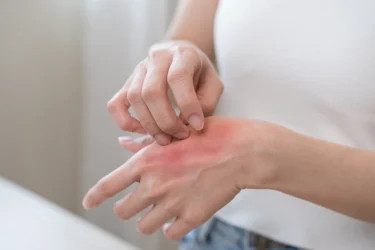
Khadirarishta is a polyherbal formulation used by people with rashes, itching, or sensitive skin. It is an ayurvedic liquid consisting of 18 ingredients. Also known as Khadirarishta, this preparation is used for treating skin problems, swollen lymph nodes, intestinal worms, leprosy, jaundice, and heart problems1,2. Khadirarishta consists of the ingredients Khadira, Devdaru, Bakuchi, Daruharidra, Haritaki, Bibhitaka, Amalaki, Dhataki, Kankola, Nagakeshar, Jatiphala, Lavanga, Ela, Tvak & Twakpatra, Pippali, honey, crystallised sugar lumps, and water.
Did you know?
Khadirarishta has the following therapeutic uses:
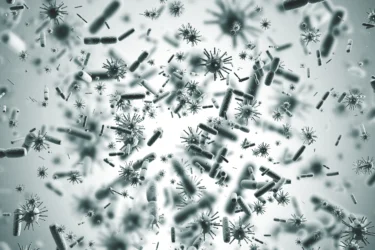
Khadirarishta contains a broad antibacterial range that includes bactericidal action against E. coli, S. aureus, and S. enterica. Khadirarishta’s method of action appears to be tied to bacterial membrane permeability disruption. Gallic acid, catechin, ellagic acid, and eugenol found in khadirarishta were identified as the four primary marker chemicals3.
A phenolic compound bakuchiol in Khadirarishta extracted from Bakuchi (seeds) and haritaki exhibited antifungal activity against many dermatophytes, yeasts and pathogenic fungi like Trichophyton rubrum and Microsporum gypseum, Epidermophyton floccosum, and Trichophyton mentagrophytes. In one of the studies, activity was found against other fungi such as Aspergillus niger, Alternari brassicae, Fusarium oxysporum, and Rhizoctonia cerealis, in which mycelia (the vegetative part of a fungus) growth was inhibited.
Another study4,5 showed a significant reduction in the incidents of seed”borne fungi, for example, Fusarium verticillioides and Aspergillus flavus, which can cause many diseases in maize crops and might release mycotoxins. These mycotoxins have a terrible effect on human and animal health.

Haritaki reduces pus collection in skin ailments and serves as a Rasayana, making it useful for erysipelas. Haritaki found in khadirarishta combined with oil aids in the healing of wounds, particularly burns. It aids in the improvement of skin tone5.
Daruharidra, and Bibhitaka present in khadirarishta also possess wound healing properties. They have anti-inflammatory and antioxidant activities which promote the health of the skin6,7.
Did you know that the ancient text ‘Sharangdhara Samhita’ holds a treasure trove of information about Khadirarishta? This traditional Ayurvedic text provides detailed insights into the ingredients used, the method of preparation, therapeutic indications, and even the mode of action of Khadirarishta9.
Dr. Siddharth Gupta, B.A.M.S, M.D (Ayu)

Haritaki present in khadirarishta shows activity against respiratory disorders like COPD, wheezing, rhinitis, hoarseness of voice, cough, hiccups and breathing difficulty as it reduces congestion in the lungs5.
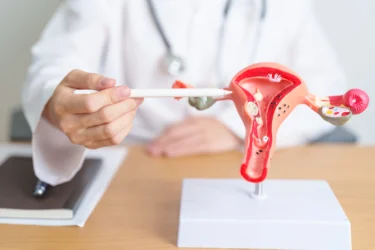
Haritaki present in khadirarishta acts as a uterine tonic and helps in Shukrameha (passage of sperms in urine), and Leucorrhoea (whitish/yellowish vaginal discharge)5.

The stem of Daruharidra found in khadirarishta shows anticancer properties in human colon cancer cell lines when extracted in methanol. Methanolic extract of Daruharidra stem inhibits cancer-causing cells in a concentration-dependent manner. Berberine, an alkaloid derived from the Daruharidra plant, has been reported to suppress the carcinogenesis produced by different elements in small animals in a dose-dependent way7.
Khadirarishta, a traditional herbal preparation, contains an important ingredient called Khadira. It is a special herb that might help with various health issues from conjunctivitis and coughing up blood to nausea and diarrhoea10.
Dr. Smita Barode, B.A.M.S, M.S.
You can use Khadirarishta by mixing a fixed amount of the liquid with lukewarm water1.
One of the key ingredients in Khadirarishta is Daruharidra, which has some remarkable properties! This special herb is known to possibly provide a rejuvenating effect, making you feel refreshed and revitalised10.
Dr. Rajeev Singh, BAMS
Also Read: Neem: Uses, Benefits, Side Effects, and More!
Please consult a physician before using in pregnant and lactating women and in children.
Also Read: Kutki: Uses, Benefits and Side Effects by Dr. Rajeev Singh
Khadirarishta is an ayurvedic formulation consisting of 18 ingredients like Khadira, Devdaru, Bakuchi, Daruharidra, Haritaki, Bibhitaka, Amalaki, Dhataki, Kankola, Nagakeshar, Jatiphala, Lavanga, Ela, Tvak & Twakpatra, Pippali, honey, crystallised sugar lumps and water.
When used as directed by your doctor, Khadirarishta normally has no side effects. This multi-herbal ayurvedic composition, however, can create a burning sensation or heartburn if ingested without water1. An overdose of this formulation could harm your heart, kidneys or liver2.
No, khadirarishta is not known to show any activity for dental problems.
No, khadirarishta does not cause inflammation. It has various herbs that have anti-inflammatory properties and may help in reducing inflammation.
Khadirarishta helps in increasing the haemoglobin of the blood and hence helps in the treatment of anaemia8.
Khadirarishta should be mixed with water before consumption. The dose of this ayurvedic formulation should be as prescribed by your doctor.
When khadirarishta was consumed with lukewarm water after meals for a few months, it showed improvement in the symptoms of eczema like itching, skin discolouration and secretions8.
Antidiabetic and hypoglycemic properties: Emblica fruit powder lowered blood sugar levels in normal and hyperglycemic rabbits, demonstrating hypoglycemic efficacy.
Anti-peptic ulcer activity: With traditional antacids and Emblica fruits, 30 instances of ulcer and non-ulcer dyspepsia showed equivalent improvement8.
1. Shinde RR, Bhangale K. KHADIRARISHTA: A MEDICAL REVIEW. International Journal of Research -GRANTHAALAYAH [Internet]. 2017 Oct 31 [cited 2022 Feb 28];5(10):72–5. Available from: https://www.granthaalayahpublication.org/journals/index.php/granthaalayah/article/view/IJRG17_A10_712/2158
2. Sharif T, Deepa KN, Nahar K, Mian Y. Evaluation of cardiovascular activities of an ayurvedic preparation ”Khadirarishta” in rat model. European Journal of Pharmaceutical and Medical Research. 2015;(January). Available from: https://www.researchgate.net/publication/282322014_EVALUATION_OF_CARDIOVASCULAR_ACTIVITIES_OF_AN_AYURVEDIC_PREPARATION_’KHADIRARISHTA’_IN_RAT_MODEL
3. Balkrishna A, Gupta AK, Gupta A, Singh P, Singh K, Tomar M, et al. Antibacterial activity and mechanism of action of an ayurvedic formulation Khadirarishta. Journal of Herbal Medicine. 2022 Mar 1;32. Available from: https://www.researchgate.net/publication/354148224_Antibacterial_Activity_and_Mechanism_of_Action_of_an_Ayurvedic_formulation_Khadirarishta
4. Alam F, Khan GN, Asad MHH bin. Psoralea corylifolia L: Ethnobotanical, biological, and chemical aspects: A review. Vol. 32, Phytotherapy Research. John Wiley and Sons Ltd; 2018. p. 597–615. Available from: https://pubmed.ncbi.nlm.nih.gov/29243333/
5. Meher SK, Panda P, Das B, Bhuyan GC, Rath KK. Pharmacological Profile of Terminalia chebula Retz. and Willd. (Haritaki) in Ayurveda with Evidences . Research Journal of Pharmacology and Pharmacodynamics. 2018;10(3):115. Available from: https://www.researchgate.net/publication/327831052_Pharmacological_Profile_of_Terminalia_chebula_Retz_and_Willd_Haritaki_in_Ayurveda_with_Evidences
6. Ashutosh Gupta RKK and AKP. Pharmacological Aspects of Terminalia belerica. 284 p. Available from: https://www.researchgate.net/publication/321193582_Pharmacological_Aspects_of_Terminalia_belerica
7. Kumar Saini Jubilant Biosys N. Berberis aristata: A Review [Internet]. Article in International Journal of Research in Ayurveda and Pharmacy. 2011. Available from: www.ijrap.net
8. Parulkar G. KHADIRARISHTA: A MEDICO STUDY. Parulkar World Journal of Pharmaceutical Research [Internet]. 2016 [cited 2022 Feb 28];5(11). Available from: www.wjpr.net
9. Parulkar G. KHADIRARISHTA: A medico study. World Journal of Pharmaceutical Research. 2016;5(11):568-72. DOI:10.20959/ Available from: https://wjpr.s3.ap-south-1.amazonaws.com/article_issue/1477907087.pdf
10. Shinde RR, Bhangale K. KHADIRARISHTA: A MEDICAL REVIEW. International Journal of Research – GRANTHAALAYAH. 2017 Oct 31;5(10):72-75. doi:10.29121/. Available from: https://www.granthaalayahpublication.org/journals/index.php/granthaalayah/article/view/IJRG17_A10_712/2158
Disclaimer: The information provided here is for educational/awareness purposes only and is not intended to be a substitute for medical treatment by a healthcare professional and should not be relied upon to diagnose or treat any medical condition. The reader should consult a registered medical practitioner to determine the appropriateness of the information and before consuming any medication. PharmEasy does not provide any guarantee or warranty (express or implied) regarding the accuracy, adequacy, completeness, legality, reliability or usefulness of the information; and disclaims any liability arising thereof.
Links and product recommendations in the information provided here are advertisements of third-party products available on the website. PharmEasy does not make any representation on the accuracy or suitability of such products/services. Advertisements do not influence the editorial decisions or content. The information in this blog is subject to change without notice. The authors and administrators reserve the right to modify, add, or remove content without notification. It is your responsibility to review this disclaimer regularly for any changes.
 29
29  1
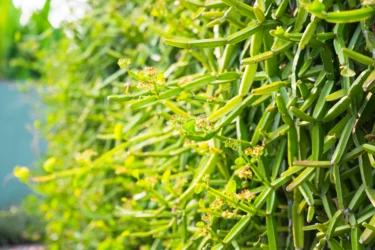
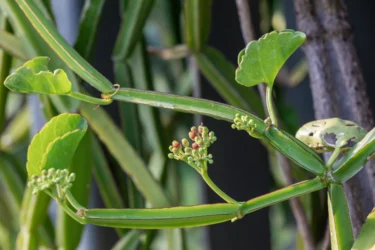
1Cissus quadrangularis, commonly known as ‘Hadjod’ in Hindi, is a fleshy plant belonging to the Vitaceae family1. It is known by numerous vernacular names depending on the region. In Bangladesh, it is known as Hathisur in Sri Lanka, it is known as Heeressa in West Africa, it is known as Treebine, Zarnazaru, Banddiagra, Oongoonujaara in Thailand, it is known as Khankho, phet sangkhaat, san cha khuat and in India, it is known as Bonesetter, Adamant creeper, Veldt-grape, Hadjod, Hadsanka and Asthisamadhani. Hadjod, also known as Asthisamharaka, is a luscious herb found in India’s warmest regions. It can grow up to 500 meters above sea level in plain coastal areas, forests, and wastelands. Stem cuttings are used to propagate the herb. From June to December, the herb blooms. It is a climbing herb that turns leafless as it ages. It is a shrubby climber that can grow up to 1.5 meters tall. The plant blossoms small greenish-white flowers. The leaves are 2.5-5 cm long, broadly ovate or kidney-shaped leaves. The calyx is cup-shaped, short, and deciduous. There are 4-5 petals on each flower. The fruits are obovoid, very acrid, one-seeded, and dark purple to black. The stem is smooth, branched, glabrous, subangular, and fibrous and found to be buff colored with a greenish tinge. The stems measure 8–10 cm in length and 1–1.5 cm in width2. Iridoids, alkaloids, flavonoids, stilbene derivatives, sterols, triterpenes, fatty acids, methyl esters, and other phytochemicals have been found in the hadjod. The presence of five well-known chemicals on leaves was discovered, including Tetratriacotanol, Ecosyl eicosanoate, Tetratriacontanoic acid, α,β-amyrin, β-sitosterol. Polyphenols such as Daidezein, Quercetin, and Genistein were also reported in the leaves1.
The nutritional content fount in hadjod root powder/100 gm is:
Hadjod might be your ally in dental problems! Yes, you read it right Recent studies have revealed that the use of Hadjod may help in alleviating dental cavities when they start due to its anti-bacterial nature5.
Dr. Siddharth Gupta, B.A.M.S, M.D (Ayu)

Traditional Hadjod folklore is that it is used to relieve pain. Animal models that are widely accepted worldwide were used to test its analgesic potential. Hadjod’s effects were shown to be effective even at low doses, indicating that the herb has high potency in simulating central and peripheral pain. The phytosterols β-sitosterol and β-sitosterol glycoside, terpenoids, and phenolic substances such as resveratrol, quercetin, quercitrin, and kaempferol found in hadjod are thought to have analgesic properties2.
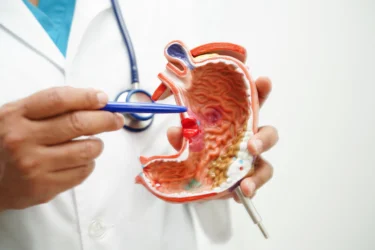
The presence of phytochemicals like polyphenols, glycosides, vitamin C, and β-sitosterol in hadjod may contribute to antiulcer potential or accelerate ulcer healing by releasing polyamines and transforming growth factor-α. Hadjod displayed cytoprotection by increasing potassium, hexosamine, bicarbonate, and the carbohydrate, protein ratio while lowering pepsin, proteins, and acid secretion in the stomach2.

Traditional literature mentions the use of hadjod in treating a variety of bacterial and viral infections. The steroids and flavonoids present in a partially purified extract of the hadjod stem were found to have excellent antiviral activity against herpes simplex virus types I and II2. In an antibacterial study, six different extracts of hadjod stem were tested against gram-positive and gram-negative bacteria. As a result, methanol extract was found to have superior antibacterial activity against S. pyogenes, B. subtilis, S. aureus, P. aeruginosa, and S. typhi, among other bacteria2. The antifungal activity of hadjod extract was determined by comparing it to the standard medication fluconazole. The diameter of the zone of inhibition generated on the surface of Petri dishes was used to determine antifungal activity. The study found that hadjod extract had promising antifungal efficacy against Aspergillus flavus1.
On the Haemonchus contortus worm, the anthelmintic activity of hadjod extract was investigated. The presence of alkaloids, flavonoids, tannins, and phenols in the extract may contribute to its anthelmintic effect2.

Hadjod has shown anticancer and antitumor activity in a variety of cancer cell lines, including breast cancer, osteosarcoma, leukaemia, Dalton’s ascitic lymphoma, and Erlich ascitic-induced carcinoma. The extract of hadjod at various doses has been investigated to protect rats from breast cancer. All biochemical and haematological changes caused by 7,12-Dimethylben (a) anthracene were reversed when rats were given hadjod extract2.

Ear oedema was used to test hadjod’s anti-inflammatory activity in rats. Hadjod can reduce swelling, relieve pain, treat allied illnesses associated with fractures, and aid in healing fractures. The inclusion of Beta-sitosterol and luteolin flavonoids in hadjod is responsible for its anti-inflammatory properties. Hadjod inhibits many inflammatory mediators that increase vascular permeability, support vasodilation, and cause oedema development3.

In hyperlipidemia models in rats, hadjod extract significantly reduced the total cholesterol, triglycerides, low-density lipoprotein cholesterol, and atherogenic index while increasing high-density lipoprotein cholesterol levels. Hadjod’s antihyperlipidemic properties are thought to be related to phytosterols, including stigmasterol, β-sitosterol, ketosteroid, and flavonoids like kaemferol, quercetin, and daidzein. Phytosterols may lower low-density lipoprotein cholesterol levels or diminish intestinal cholesterol absorption by increasing faecal cholesterol excretion2.

In rats, an extract of hadjod stem restored significant abnormalities caused by lead acetate. The use of hadjod extract on rats increases total sperm count. Antioxidant deficiency harms sperm viability and motility in males. Hadjod’s anti-infertility effect is attributed to its antioxidant enzymes restorative capacity or pregnancy abruption, implantation inhibition, and abortion induction2.

In diabetic rats, the injection of hadjod extract at various doses considerably lowers blood glucose levels. Furthermore, hadjod extract caused a rise in plasma insulin levels and restored liver antioxidant enzymes and histology in diabetic mice. Improvements in glycemic metabolism and regulation, free radical elimination, cholesterol reduction, insulin secretion, and microcirculation can contribute to hadjod’s antidiabetic action2.

Hadjod extract’s anti-hemorrhoids activity was tested on an isolated human umbilical vein, which caused contraction of vascular smooth muscles of the vein. Hadjod extract was found to have a vasoconstrictive impact on the intact inner lining of the vein2. In clinical research, taking a tablet of hadjod reduced piles symptoms in patients. Flavonoids, which are significant phytochemicals, are thought to help treat haemorrhoidal diseases by reducing localized bleeding, itching, and discomfort, potentially by improving capillary resistance and venous tonicity by lowering capillary permeability2.
Hadjod’s extract significantly increased blood carbon clearance, blood immunoglobulin levels, and a delayed type of hypersensitive response to sheep red blood cells. In another study, hadjod extract nanoparticles corrected immunosuppression in immunosuppressive animals using sheep red blood cells. The findings suggested that hadjod had immunomodulatory properties in both cellular and humoral immunity.
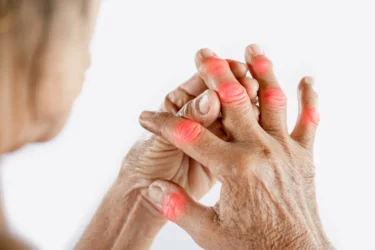
Hadjod has been shown to have antiarthritic potential in various animal models. Hadjod extract was found to have an antiarthritic effect by reducing bone and cartilage degeneration, excessive paw inflammation, and associated biochemical and haematological changes2.

Hadjod’s antiosteoporotic potential has been demonstrated in various animal models by several authors. An osteoporotic rat model of ovariectomy, closed fracture by bending the radius-ulna in rats and dogs was used to test the antiarthritic activity of hadjod extract. The work was carried out in vitro using cell lines. Few clinical studies have shown that hadjod, combined with Zingiber officinale, can reduce joint swelling, discomfort, and soreness in osteoporotic and fractured patients. Hadjod’s bone protective activity is thought to be due to its steroidal content, which functions as phytoestrogens to prevent or minimise bone loss and suppress bone reabsorption caused by oestrogen deficiency2.
Various research has already assessed the antioxidant activity of hadjod utilizing different antioxidant assays and procedures. By lowering serum enzyme levels and boosting antioxidant enzyme levels, the antioxidant activity of hadjod extract was examined on liver protective activity2.
I recently read an article that says Hadjod may be used as a diuretic. Hadjod is known for its anti-inflammatory and antioxidant properties6.
Dr. Rajeev Singh, BAMS
Also Read: Banana Leaf: Uses, Benefits, Side Effects By Dr. Smita Barode
Your Ayurvedic physician will guide you for the appropriate dose and frequency of medication as per your condition. Avoid self-medication.
Also Read: Kachnar (Bauhinia Variegata): Uses, Benefits, Nutritional Value & More!
Various studies demonstrate that hadjod extracts are safe and free of side effects at commonly used doses. The reported side effects of hadjod extract are lack of appetite, staggering, dyspnoea, and diarrhoea in a limited case4.
Also Read: Akarkara (Pellitory): Uses, Benefits, Side Effects & More!
It is known as Heeressa, Hathisur, Khankho, Zarnazaru, Treebine, Banddiagra, Oongoonujaara, phet sangkhaat, san cha khuat, Veldt-grape, Adamant creeper, Asthisamadhani, Bonesetter, and Hadsanka in different regions2.
The plant contains several phytoconstituents like iridoids, stilbene derivatives, sterols, triterpenes, alkaloids, fatty acids, methyl esters, flavonoids1,2.
It treats constipation, piles, tumours, blindness, loss of appetite, muscular pain, vata and kapha, epileptic fits, chronic ulcers, and bone fractures. It is also used as a digestive, anthelmintic, analgesic, laxative, stomachic, tonic aphrodisiac agent, treatment of back and spine problems, pus removal2.
Hadjod is used in hadjod tablets, capsules, powder and drops2.
Yes, hadjod has bone protective activity. Hadjod’s protective action is thought to be due to its steroidal content, which functions as phytoestrogens to prevent or minimise bone loss and suppress bone reabsorption caused by estrogen deficiency2.
Disclaimer: The information provided here is for educational/awareness purposes only and is not intended to be a substitute for medical treatment by a healthcare professional and should not be relied upon to diagnose or treat any medical condition. The reader should consult a registered medical practitioner to determine the appropriateness of the information and before consuming any medication. PharmEasy does not provide any guarantee or warranty (express or implied) regarding the accuracy, adequacy, completeness, legality, reliability or usefulness of the information; and disclaims any liability arising thereof.
Links and product recommendations in the information provided here are advertisements of third-party products available on the website. PharmEasy does not make any representation on the accuracy or suitability of such products/services. Advertisements do not influence the editorial decisions or content. The information in this blog is subject to change without notice. The authors and administrators reserve the right to modify, add, or remove content without notification. It is your responsibility to review this disclaimer regularly for any changes.
24
1Malkangani or Celastrus paniculatus Willd., belonging to the family Celastraceae, is a large, woody climber. It has a wide medicinal usage. It is also known as Jyotishmati, intellect tree, staff tree, or black oil plant. Malkangani is widely distributed across various parts of India, mainly in subtropical and tropical forests1,2.
The cold-pressed oil obtained from the seeds of Malkangani is rich in nutrients like:
Malkangani is used to treat conditions such as fistula, cold diseases (like hemiplegia, facial palsy, etc.), urine retention, lethargy, stomach problems, sexual problems, spasm, arthritis, facial paralysis, chest pain, asthma, hip pain, pneumonia, gout, amnesia (memory loss), leprosy, and eye problems1.
In Ayurveda, there are several important medicinal plants. Malkangani or Celastrus paniculatus is one of them. Several studies4 show that Malkangani may possess anti-inflammatory and antinociceptive activities and may be effective in reducing inflammation in various diseases.
Dr. Rajeev Singh, BAMS

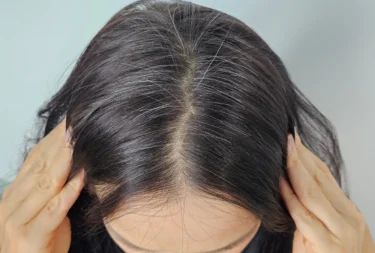
Malkangani can be used orally to treat premature greying of hair. For this, boil milk containg Malkangani seeds and use it for preparing ghee. The ghee obtained can be used for preparing a mixture of rice and milk (kheer)1.

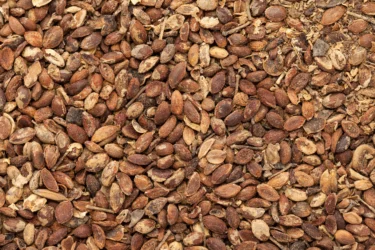
Local application of Malkangani oil can be beneficial in managing cold diseases like:

The oil extracted from the seed of Celastrus paniculatus which is commonly known as Malkangani might be useful for managing brain-related diseases. This is because Malkangani seed oil is believed to have anti-depressant-like effects5.
Dr. Siddharth Gupta, B.A.M.S, M.D (Ayu)
You can include Malkangani in your diet in the following ways:
Also Read: Green Peas (Matar): Uses, Benefits, Side Effects and More!
Malkangani can cause side effects such as headaches. To correct the side effects that occur due to Malkangani, cow milk or cold regimens can be used1.
Also Read: Peaches (Aadoo): Uses, Benefits, Side Effects and More!
You should keep the following points in mind:
Also Read: Multani Mitti – Uses, Benefits & Precautions
Malkangani or Celastrus paniculatus Willd. is a large, woody climber. It belongs to the family Celastraceae1,2.
The oil obtained from cold-pressing Malkangani seeds can provide you with numerous nutrients and is helpful to treat different health problems1,2.
Malkangani powder is used to improve intelligence and treat mental problems2.
Oil prepared from Malkangani seeds is highly beneficial as it:
-Boosts mental performance and increases memory.
-Treats anxiety and convulsions.
-Acts as a sleep-inducing and antioxidant agent2.
-Treats leprosy, spasm, facial palsy, and hemiplegia.
-Treats sexual problems like impotence.
-Heals fistula.
-Treats urinary retention1.
Malkangani can cause side effects like headache1.
You can use ghee prepared from milk containing Malkangani seeds to treat premature greying of hair1.
You can use cold-pressed oil obtained from Malkangani seeds or powder containing Malkangani seeds along with Malkangani fruits and flowers.
1. Malkangani (Celastrus Paniculatus Willd) | National Health Portal of India [Internet]. [cited 2022 Feb 15]. Available from: https://www.researchgate.net/publication/354427158_Pharmacological_Activities_of_Celastrus_paniculatus_Willd_A_Review
2. Mishra B, John E. A systematic review on neuro-psychopharmacological effects of celastrus paniculatus (Malkangani) oil. Research Journal of Pharmacy and Technology [Internet]. 2020 [cited 2022 Feb 15];13(5):2452–8. Available from: https://www.rjptonline.org/AbstractView.aspx?PID=2020-13-5-69
3. Arif PT. Pharmacological profile of jyotishmati (celastrus paniculatus willd): a review. International Journal of AYUSH [Internet]. 2018 Sep 30 [cited 2022 Feb 17];7(3):901–23. Available from: http://internationaljournal.org.in/journal/index.php/ijayush/article/view/137
4. Kulkarni YA, Agarwal S, Garud MS. Effect of Jyotishmati (Celastrus paniculatus) seeds in animal models of pain and inflammation. J Ayurveda Integr Med. 2015 Apr-Jun;6(2):82-8. doi: 10.4103/0975-9476.146540. PMID: 26166997; PMCID: PMC4484053. Available from: https://pmc.ncbi.nlm.nih.gov/articles/PMC4484053/
5. Valecha R, Dhingra D. Behavioral and Biochemical Evidences for Antidepressant-Like Activity of Celastrus Paniculatus Seed Oil in Mice. Basic Clin Neurosci. 2016 Jan;7(1):49-56. PMID: 27303599; PMCID: PMC4892330. Available from: https://pmc.ncbi.nlm.nih.gov/articles/PMC4892330/
Disclaimer: The information provided here is for educational/awareness purposes only and is not intended to be a substitute for medical treatment by a healthcare professional and should not be relied upon to diagnose or treat any medical condition. The reader should consult a registered medical practitioner to determine the appropriateness of the information and before consuming any medication. PharmEasy does not provide any guarantee or warranty (express or implied) regarding the accuracy, adequacy, completeness, legality, reliability or usefulness of the information; and disclaims any liability arising thereof.
Links and product recommendations in the information provided here are advertisements of third-party products available on the website. PharmEasy does not make any representation on the accuracy or suitability of such products/services. Advertisements do not influence the editorial decisions or content. The information in this blog is subject to change without notice. The authors and administrators reserve the right to modify, add, or remove content without notification. It is your responsibility to review this disclaimer regularly for any changes.
21
Abhayarishta is an ayurvedic formulation prepared by fermenting the decoction of the parts of the following plants fruit of Haritaki (Terminalia chebula Retz), fruit of Amalaki (Emblica officinalis Garten), fruit pulp of Kapittha (Feronia elephantum Correa), root of Indravaruni (Citrusllus colocynthetis Schrad), fruit of Vidanga (Embillia ribes Burn.F.), root of Pippali (Piper longum Linn), bark of Lodhra (Sympolocos racemosa Roxb), fruit of Maricha (Piper nigrum Linn), fruit of Kankola (Piper cubeba Linn), Guda (Jaggery) and water1. Abhayarishta is a type of Arishta formulated by anaerobically fermenting the decoctions plant parts mentioned above (kasaya) with jaggery solution in a sealed container for a specific period. This process produces ethanol that in turn works as a preservative. Abhayarishta is a similar Arishta prepared using the decoctions of the plants mentioned above2,4. The fermentation process of the Abhayarishta helps incorporate the most significant property, namely antioxidant activity, to act on anorectal diseases like piles2.
The nutritional value of the significant ingredients of Abhayarishta are:
Researchers believe that Abhayarishta might be helpful in the symptoms associated with Attention Deficit Hyperactive Disorder (ADHD) such as vomiting (emesis). Abhayarishta is believed to be anti-emetic14.
Dr. Siddharth Gupta, B.A.M.S, M.D (Ayu)
Since ancient times, Abhayarishta has been in use to treat various gastrointestinal and other various ailments related to the digestive and excretory system. It consists of a combination of various herbs which imparts a set of unique therapeutic qualities to the formulation to manage different illnesses. One of the major and vastly prevailing diseases of recent times is piles, which is mainly caused due to sedentary lifestyle and improper diet. Abhayarishta is one of the prime medications that has been found to be very beneficial in managing such diseases in the field of Ayurveda9.
Some of the properties that makes Abhayarishta a better choice of remedy is:
Also Read: Shallaki (Boswellia serrata): Uses, Benefits, Side Effects & More!
Also Read: Banyan: Benefits, Uses, Side Effects & More!
Abhayarishta is usually mixed with equal amounts of water and taken orally as directed by your Ayurvedic physician11. Your Ayurvedic physician will prescribe you the form and dosage as per your health condition.
Also Read: Senna: Uses, Benefits, Side Effects and More By Dr. Rajeev Singh
Yes, Abhayarishta is used to manage the symptoms of fistula. It is used along with another set of medications to soothe the symptoms13
Yes, Abhayarishta is very beneficial to reduce the symptoms of piles by soothing the pain and inflammation in the perianal area. It can also be used to dry the pile mass and shrink it in non-bleeding piles2,9.
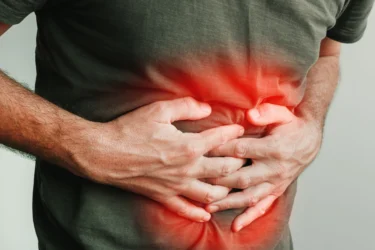
Abhayarishta can be used as a laxative to help manage constipation. It can induce peristaltic movement in the intestine and allow easy defecation. It also can soften the stool to reduce pain during defecation10,11.
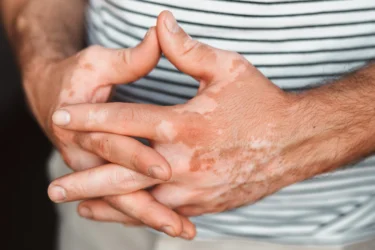
No, Abhayarishta may be used along with other supportive topical applicants to help reduce the patches on the skin due to vitiligo. It helps combat the immune system’s attack on the pigment-producing melanocytes causing pale patches of skin without the pigment1.
Abhayarishta is not prescribed for acidity.
There are no documented side effects of Abhayarishta.
Please consult do not self-administer Abhayarishta without a doctor’s prescription. Please consult your physician for case-specific recommendations.
Please follow the directions given by your physician for an appropriate course of treatment and dosage.
The prescription combination will be decided by your physician depending on your symptoms and diagnosis. Please consult your physician for further queries.
Please read the package instructions or consult your ayurvedic pharmacist for appropriate information.
Disclaimer: The information provided here is for educational/awareness purposes only and is not intended to be a substitute for medical treatment by a healthcare professional and should not be relied upon to diagnose or treat any medical condition. The reader should consult a registered medical practitioner to determine the appropriateness of the information and before consuming any medication. PharmEasy does not provide any guarantee or warranty (express or implied) regarding the accuracy, adequacy, completeness, legality, reliability or usefulness of the information; and disclaims any liability arising thereof.
Links and product recommendations in the information provided here are advertisements of third-party products available on the website. PharmEasy does not make any representation on the accuracy or suitability of such products/services. Advertisements do not influence the editorial decisions or content. The information in this blog is subject to change without notice. The authors and administrators reserve the right to modify, add, or remove content without notification. It is your responsibility to review this disclaimer regularly for any changes.
12
1Atibala, scientifically called Abutilon Indicum (Linn.), belongs to the Malvaceae family. It is known as Country mallow in English, Kanghi in Hindi, and Atibala in Sanskrit. It’s a perennial shrub that grows up to 3 meters tall1.
The plant can be found in India, Sri Lanka, America’s tropical regions, and Malesia. It grows as a weed in sub-Himalayan areas, up to 1200 meters in elevation, and in hotter portions of India1.
Abutilon Indicum (Linn) also known as atibala is a medicinal plant used in our Traditional System of Medicine to address various health problems1.
Whole plant: Mucilaginous compounds, asparagines, saponins, flavonoids, and alkaloids are found throughout the plant.
Atibala contains various essential oils like α-pinene, caryophyllene, caryophyllene oxide, endesmol, farnesol, borenol, geraniol, geranyl acetate, elemene, and α-cineole2.
The Atibala plant has been used for its variety of medicinal properties since ancient times. It has shown positive effects on fever, allergy, bloody dysentery, etc. The Atibala tree’s bark is highly beneficial in tending to urinary complaints. Leaves of the Atibala tree work wonderfully on toothache, piles, and all kinds of inflammations.
Dr. Siddharth Gupta, B.A.M.S, M.D (Ayu)
In Unani medicine, the seeds of Atibala trees are used as a tonic and used for the management of bronchitis, chest troubles, piles, and gonorrhoea. The smoke of its seeds on charcoal is used to treat threadworms in children’s rectum. Similarly, its root has many health benefits and is used as a cooling medicine, laxative, pulmonary sedative, demulcent and diuretic.
Dr. Rajeev Singh, BAMS
Your doctor will prescribe you the appropriate form based on your individual needs.
Atibala is safe to use and shows no side effects or toxicity in humans6.
Also Read: Kutki: Uses, Benefits and Side Effects by Dr. Rajeev Singh
Also Read: 6 Ayurvedic Science-Backed Benefits Of Moringa!
The plant is known by various names in different languages as follows:
> Sanskrit name : Kotibala, Kankatika
> Hindi name : Kangahi, Kanghi, Kanghani
> English name : Country-mallow
> Telugu name : Tutiri-chettu, Thuteribenda
> Tamil name : Tutti, Thuththi, Peruntutti5.
Gastric volume, total acidity, and free acidity decreased significantly when atibala leaves were consumed. It also revealed a considerable reduction in the number of ulcers2.
> The roots are used as a to relieve inflammation or irritation, diuretic, and in treating chest infections and urethritis.
> The root infusion is used to treat fevers and is beneficial in treating strangury ( intense pain and desire to urinate due to blockage or irritation at the base of the bladder.), haematuria (blood in the urine), and leprosy.
> The leaves have been discovered to be beneficial for ulcers and as a fomentation for aching body parts.
> The leaves treat toothaches, sore gums, and bladder inflammation internally. In addition, as a febrifuge, anthelmintic, antidote, astringent, and diuretic, the bark is employed5.
Yes, atibala shows hepatoprotective (protects the liver from toxins) properties but more studies need to be done in order to understand the mechanism by which it protects the liver4.
1. Gautam V, Aslam P, Bharti K, Singhai AK. IJRPC 2013, 3(1) Vadnere Gautam et al ABUTILONS INDICUM LINN: A PHYTOPHARMACOLOGICAL REVIEW. Available from: https://ijrpc.com/files/24-331.pdf
2. Sharma, A. & Sharma, R.A. & Singh, H.. (2013). Phytochemical and pharmacological profile of Abutilon Indicum L. sweet: A review. International Journal of Pharmaceutical Sciences Review and Research. 20. 120-127. Available from: https://globalresearchonline.net/journalcontents/v20-1/20.pdf
3. Khadabadi, Somashekhar & Bhajipale, N.S.. (2010). A review on some important medicinal plants of Abutilon spp. Research Journal of Pharmaceutical, Biological, and Chemical Sciences. 1. 718-729. Available from: https://www.researchgate.net/publication/286712315_A_review_on_some_important_medicinal_plants_of_Abutilon_spp
4. Raja, Ramasubramania & Kailasam, Koumara. (2015). Abutilon indicum L (Malvaceae)-Medicinal Potential Review. Pharmacognosy Journal. 7. 330-332. 10.5530/pj.2015.6.2. Available from: https://www.researchgate.net/publication/281563912_Abutilon_indicum_L_Malvaceae-Medicinal_Potential_Review
5. Mohite M S, Shelar P A, Raje V N., Babar S. J., Sapkal R. K.. Review on Pharmacological Properties of Abutilon indicum. Asian J. Pharm. Res. 2(4): Oct. – Dec. 2012; Page 156-160. Available from: https://asianjpr.com/ShowPDF_Paper.aspx
6. Pingale, S.S. & Virkar, P.S.. (2011). Evaluation of acute toxicity for Abutilon indicum. 3. 37-42. Available from: https://www.scholarsresearchlibrary.com/articles/evaluation-of-acute-toxicity-for-abutilon-indicum.pdf
Disclaimer:The information provided here is for educational/awareness purposes only and is not intended to be a substitute for medical treatment by a healthcare professional and should not be relied upon to diagnose or treat any medical condition. The reader should consult a registered medical practitioner to determine the appropriateness of the information and before consuming any medication. PharmEasy does not provide any guarantee or warranty (express or implied) regarding the accuracy, adequacy, completeness, legality, reliability or usefulness of the information; and disclaims any liability arising thereof.
Links and product recommendations in the information provided here are advertisements of third-party products available on the website. PharmEasy does not make any representation on the accuracy or suitability of such products/services. Advertisements do not influence the editorial decisions or content. The information in this blog is subject to change without notice. The authors and administrators reserve the right to modify, add, or remove content without notification. It is your responsibility to review this disclaimer regularly for any changes.
24
2Ashwagandharishta is an Ayurvedic polyherbal preparation known for its varied potential uses. Ashwagandharishta is widely used in the branch of Rasayana, which lengthens lifespan and rejuvenates the body. The name Ashwagandharishta comes from its chief ingredient Ashwagandha, a herb1.
The list of ingredients of Ashwagandharishta are:
Did you know?
Ashwagandharishta is a well-known Ayurvedic remedy with immense potential uses. The roots of Ashwagandha are used as an adaptogen in both Ayurveda and Unani medicine2. Some of the key medicinal qualities of Ashwagandharishta are:
Did you know that the fermentation process known as “Asava-Arishta” is used to make Ashwagandharishta. In this method, the herbs are soaked in water or a decoction with honey or jaggery, and then they are fermented for a predetermined amount of time. The medicinal qualities of the herbs are enhanced by this fermentation10.
Dr. Siddharth Gupta, B.A.M.S, M.D (Ayu)






According to Ayurveda, Ashwagandharishta might help in reducing stress and anxiety by balancing the Vata and Pitta doshas. The Vata and Pitta are said to be involved in maintaining the energy flow and various bodily functions. Additionally, Ashwagandha, one of the major ingredients of Ashwagandharishta is said to have adaptogenic properties that can help in reducing stress and anxiety11,12.
Dr. Rajeev Singh, BAMS
Also Read: Lavender – Uses, Benefits & Side Effects
Ashwagandharishta is an ayurvedic tonic that is prescribed by the physician to be taken as directed6.
Your Ayurvedic physician will prescribe you the form and dosage as per your health condition.
Also Read: Gokshura – Uses, Benefits, Side Effects & Precautions
The most common side effects of Ashwagandha, which is the chief ingredient of Ashwagandharishta are:
Ashwagandharishta might help in increasing sperm count. According to a small-scale study, root extracts of ashwagandha, which is the main ingredient of Ashwagandharishta powder are believed to have spermatogenic activities which can stimulate sperm count13,14.
Dr. Smita Barode, B.A.M.S, M.S.
Ashwagandha, which is one of the significant ingredients of Ashwagandharishta, must be used with caution in certain health conditions like
Also Read: Triphala – Uses, Benefits & Side Effects
Yes, Ashwagandharishta is beneficial in reducing the symptoms of osteoarthritis. Osteoarthritis is a progressive degenerative disease of the joint cartilage. A significant cause of the disorder is the activity of the collagenase enzyme that degenerates the collagen of the joints. Ashwagandharishta can inhibit collagenase activity and help to soothe the symptoms of osteoarthritis.
Yes, Ashwagandharishta has proven antibacterial properties against various common human pathogens. It can act as an antibiotic against Staphylococcus aureus, Bacillus subtilis, Salmonella typhi, Escherichia coli, and Pseudomonas aeruginosa, which are the most common human pathogens.
Please follow the directions of your Ayurvedic physician on the dosage and directions.
The anti-stress and anxiety-preventing effects of the roots of Ashwagandha, the chief ingredient of Ashwagandharishta, are very helpful in providing mental peace. Ashwagandharishta can help overweight and obese patients control their eating behaviour and improve mental well-being. These qualities of Ashwagandharishta may be beneficial in weight loss2.
Please do not drive if you feel sleepy after taking the medication. One of the side effects of Ashwagandharishta is drowsiness and dizziness9. Hence, please consult your doctor for specific directions.
The use of Ashwagandha is not recommended in pregnant women9. Please consult your physician for further recommendations.
1. Salve J, Pate S, Debnath K, Langade D. Adaptogenic and Anxiolytic Effects of Ashwagandha Root Extract in Healthy Adults: A Double-blind, Randomized, Placebo-controlled Clinical Study. Cureus [Internet]. 2019 Dec 26 [cited 2022 Feb 28];11(12). Available from: https://www.ncbi.nlm.nih.gov/pmc/articles/PMC6979308/
2. Ingale Dhanashri, Koppikar Soumya, Kulkarni Padmakumar, Harsulkar Abhay Madhukar. Benefits of Ashwagandharishta and Balarishta in Osteoarthritis are through Reduction of Inflammation and Inhibition of Collagenase | Request PDF. In: 2nd International Conference on Biotechnology and Bioinformatics [Internet]. 2015 [cited 2022 Feb 28]. Available from: https://www.researchgate.net/publication/280066103_Benefits_of_Ashwagandharishta_and_Balarishta_in_Osteoarthritis_are_through_Reduction_of_Inflammation_and_Inhibition_of_Collagenase
3. Tanna IR, Aghera HB, K AB, Chandola HM, of Roga Nidana D, Vijnana V. Protective role of Ashwagandharishta and flax seed oil against maximal electroshock induced seizures in albino rats. Pharmacological Research [Internet]. 2012 [cited 2022 Feb 28];33(1). Available from: https://www.ncbi.nlm.nih.gov/pmc/articles/PMC3456848/pdf/Ayu-33-114.pdf
4. Munaweera RRKW, Pandithavidana DR. Molecular Docking Analysis to Elucidate the Potential Drug Action of Phytochemicals Present in Ashwagandharishta towards Memory Related Disorders. In: International Postgraduate Research Conference 2018– University of Kelaniya [Internet]. 2018 [cited 2022 Feb 28]. Available from: https://www.researchgate.net/publication/329415276_Molecular_docking_analysis_to_elucidate_the_potential_drug_action_of_phytochemicals_present_in_Ashwagandharishta_towards_memory_related_disorders
5. Rahman T, Salahuddin Bhuiya M, Hasan R, Choudhuri MSK. Effect of Ashwagandharishta on the lipid profile of male and female rats. Jahangirnagar University Journal of Biological Sciences [Internet]. 2020 Jun 1 [cited 2022 Feb 28];9(1–2):59–68. Available from: https://www.banglajol.info/index.php/JUJBS/article/view/53707
6. Rahman T, Rakib Hasan M, K Choudhuri MS. Effect of Ashwagandharista (Withania somnifera) on the kidney functions of male and female rats. Jahangirnagar University Journal of Biological Sciences [Internet]. 2019 Aug 3 [cited 2022 Feb 28];8(1):1–7. Available from: https://www.banglajol.info/index.php/JUJBS/article/view/42462
7. Somuvel Uma, Venugopalan Rajesh, Jayakumar Vinothkumar, Kavitha K.N.V, Vijaykumar P.R.P, Perumal Perumal. Effect of a polyherbal liquid formulation on pylorus ligated gastric mucosal damage in albino wistar rats. Journal of Pharmacy Research [Internet]. 2011 [cited 2022 Feb 28];1115–7. Available from: https://www.researchgate.net/publication/283268849_Effect_of_a_polyherbal_liquid_formulation_on_pylorus_ligated_gastric_mucosal_damage_in_albino_wistar_rats
8. Furosemide | C12H11ClN2O5S – PubChem [Internet]. PubChem – National Library of Medicine. [cited 2022 Feb 28]. Available from: https://pubchem.ncbi.nlm.nih.gov/compound/furosemide
9. Kumar Meher S, Das B, Panda P, Bhuyan G, Rao M. Uses of Withania somnifera (Linn) Dunal (Ashwagandha) in Ayurveda and its Pharmacological Evidences INTRODUCTION. Research Journal of Pharmacology and Pharmacodynamics [Internet]. [cited 2022 Feb 28];8(1). Available from: https://rjppd.org/HTMLPaper.aspx?Journal=Research%20Journal%20of%20Pharmacology%20and%20Pharmacodynamics;PID=2016-8-1-6
10. Kushwaha R, Karanjekar S. Standardization of Ashwagandharishta formulation by TLC method. Int J ChemTech Res. 2011 Jul–Sep;3(3):1033-1036. Available from: https://sphinxsai.com/Vol.3No.3/Chem/pdf/CT=04(1033-1036)JS11.pdf
11. The Art of Living. Knowing vata imbalance: its symptoms, causes and remedies [Internet]. [cited 2025 Oct 08]. Available from: https://www.artofliving.org/in-en/ayurveda/remedies/vata-imbalance-manage
12. Salve J, Pate lwe Rahul, Kanchan A, Abbasi AR, Selvakumar S, Mohan A. Adaptogenic and anxiolytic effects of Withania somnifera (Ashwagandha) root extract in healthy adults: A double-blind, randomized, placebo-controlled clinical study. Indian J Psychol Med. 2019 Mar-Apr;41(3):242-51. PMCID: PMC6979308. Available from: https://pmc.ncbi.nlm.nih.gov/articles/PMC6979308/
13. Singh N, Bhalla M, de Jager P, Gilca M. An overview on Withania somnifera: a Rasayana (rejuvenator) of Ayurveda. Afr J Tradit Complement Altern Med. 2011;8(5 Suppl):208-213. PMCID: PMC3252722. doi:10.4314/ajtcam.v8i5S.9. Available from: https://pmc.ncbi.nlm.nih.gov/articles/PMC3252722/
14. Ambiye VR, Langade D, Dongre S, Aptikar P, Kulkarni M, Dongre A. Clinical Evaluation of the Spermatogenic Activity of the Root Extract of Withania somnifera in Oligospermic Males: A Pilot Study. Evid Based Complement Alternat Med. 2013;2013:571420. doi:10.1155/2013/571420. PMCID: PMC3863556. PMID: 24371462. Available from: https://pmc.ncbi.nlm.nih.gov/articles/PMC3863556/
Disclaimer:The information provided here is for educational/awareness purposes only and is not intended to be a substitute for medical treatment by a healthcare professional and should not be relied upon to diagnose or treat any medical condition. The reader should consult a registered medical practitioner to determine the appropriateness of the information and before consuming any medication. PharmEasy does not provide any guarantee or warranty (express or implied) regarding the accuracy, adequacy, completeness, legality, reliability or usefulness of the information; and disclaims any liability arising thereof.
Links and product recommendations in the information provided here are advertisements of third-party products available on the website. PharmEasy does not make any representation on the accuracy or suitability of such products/services. Advertisements do not influence the editorial decisions or content. The information in this blog is subject to change without notice. The authors and administrators reserve the right to modify, add, or remove content without notification. It is your responsibility to review this disclaimer regularly for any changes.
25
2Anacyclus pyrethrum, commonly known as Akarkara in Hindi and Pellitory in English, is an important medicinal plant belonging to the Asteraceae family. It is also called Akkirakaram in Marathi. The roots of the plant have good therapeutic value as per the traditional systems of medicine1. It is also known as the African pyrethrum. The species is Indigenous to Morocco, Spain, and Algeria and has two varieties: Anacyclus pyrethrum var. pyrethrum (L.) and Anacyclus pyrethrum var. depressus (Ball) Maire2. Some varieties can be found in Jammu Kashmir, and Bengal. It is imported to India from Algeria1.
Phytochemicals like alkaloids, coumarins, flavonoids, and tannins are present in the Anacyclus pyrethrum variety. The root extract contains free fatty acids, sterols, and unsaturated amides. Pellitorin, anacyclin, phenylethylamine, inulin, polyacetylenic amides, and sesamin1.
Phytochemical screening of Akarkara shows the presence of carbohydrates, proteins, and amino acids3.
The therapeutic uses of Akarkara are due to the presence of phytochemicals like Flavonoids and terpenoids. The roots and leaves of the Akarkara have a therapeutic role in the traditional Unani and Ayurvedic systems of medicine as well as the herbal medicine of the East1.
The plant is used as an
Maintain your oral health by using a herbal formulation (dantkanti) containing Akarkara (Anacyclus pyrethrum). Akarkara might help in strengthening teeth and gums and relieves toothache as they possess antibacterial, analgesic, and anti-inflammatory properties6.
Dr. Siddharth Gupta, B.A.M.S, M.D (Ayu)




Polysaccharides extracted from the root of Anacyclus pyrethrum may possess anti-inflammatory and antioxidant properties. These properties can help in reducing various allergy-causing respiratory ailments7.
Dr. Rajeev Singh, BAMS
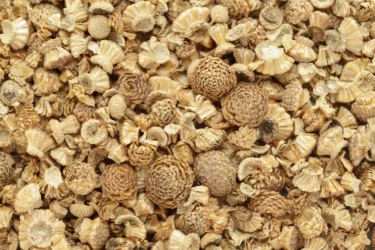
Improve your digestive health with Akarkara. Akarkara roots might aid in increasing and stimulating the secretion of saliva and other digestive juices which help in improving digestive health. Additionally, they might facilitate gas flatulence due to their carminative property8.
Dr. Smita Barode, B.A.M.S, M.S.
Akarkara can be used in powdered form. The powder can be taken with honey.
An Ayurvedic physician will better guide you on the dose and frequency of taking the powder.
Also Read: Ashokarishta – Uses, Benefits, Side Effects & Precautions
Also Read: Triphala: Uses, Benefits, Side Effects & More!
There is a lack of data regarding the interaction of Akarkara with other drugs. Therefore, patients are advised to talk to a doctor about its usage if using any other medication or supplement.
Also Read: Kumaryasava – Uses, Benefits & Side Effects
Akarkara root extract is beneficial in reducing blood sugar levels as is evident in animal studies1. However, further trials on human beings are awaited, as the same is not confirmed in humans. Though there are benefits associated with using Akarkara in diabetes, it should not be used as an alternative or replacement for conventional therapy. Avoid self-medication.
Akarkara plant extract showed wound-healing activity in animal trials. The efficacy is yet to be confirmed in humans2.
Extracts of Anacyclus pyrethrum have shown a potent libido-enhancing ability in laboratory studies. Further trials are needed to confirm its libido-enhancing activity in humans1.
The root extract of the Anacyclus pyrethrum improved the sexual potential of rats. It also showed libido-enhancing ability and fertility-enhancing effects in several laboratory studies. Akarkara extract has shown promising results as a fertility enhancer in animal trials. Further trials are needed to confirm these effects in humans1.
Akarkara (Anacyclus pyrethrum) is an important medicinal plant belonging to the Asteraceae family. Akarkara in Hindi, Pellitory in English, and Akkirakaram in Marathi1.
Akarkara has the following effects on brain1
It has antidepressant benefits
It is beneficial in enhancing memory
It also shows cognitive improvement
It has also shown anticonvulsant activity
It also reduces oxidative stress in the brain5
All these benefits have been observed through animal trials and have not been confirmed in humans. Further trials in humans are awaited.
Akarkara is called Pellitory in English1.
Akarkara has shown antidepressant benefits in several laboratory trials1, but the antidepressant effects are yet to be confirmed in clinical studies. Depression is a psychological illness that requires help from a licensed psychologist. Avoid self-medication as it can worsen the situation, reach out to a medical professional.
There are no safety studies about its usage in pregnant and breastfeeding women. Therefore, it should be used with the doctor’s advice and supervision1.
1. Estimation Of Total Phenolic, Total Flavonoids And Total Protein Content Of Hydroalcoholic Extract Of Anacyclus Pyrethrum | Request PDF [Internet]. [cited 2022 Feb 24]. Available from: https://www.researchgate.net/publication/333746572_ESTIMATION_OF_TOTAL_PHENOLIC_TOTAL_FLAVONOIDS_AND_TOTAL_PROTEIN_CONTENT_OF_HYDROALCOHOLIC_EXTRACT_OF_ANACYCLUS_PYRETHRUM
2. Pandey S, Rani Kushwaha G, Singh A, Singh A. Chemical Composition And Medicinal Uses Of Anacyclus Pyrethrum. 2018; Available from: https://www.researchgate.net/publication/324042819
3. Elazzouzi H, Fadili K, Cherrat A, Amalich S, Zekri N, Zerkani H, Tagnaout I, Hano C, Lorenzo JM, Zair T. Phytochemistry, Biological and Pharmacological Activities of the Anacyclus pyrethrum (L.) Lag: A Systematic Review. Plants (Basel). 2022 Sep 30;11(19):2578. doi: 10.3390/plants11192578. PMID: 36235444; PMCID: PMC9573456. Available from: https://pmc.ncbi.nlm.nih.gov/articles/PMC9573456/
4. Ibrahim RM, Abdel-Baki PM, Elmasry GF, El-Rashedy AA, Mahdy NE. Combinative effects of akarkara root-derived metabolites on anti-inflammatory and anti-alzheimer key enzymes: integrating bioassay-guided fractionation, GC-MS analysis, and in silico studies. BMC Complement Med Ther. 2023 Nov 17;23(1):413. doi: 10.1186/s12906-023-04210-6. PMID: 37978514; PMCID: PMC10655324. Available from: https://pmc.ncbi.nlm.nih.gov/articles/PMC10655324/
5. Pahuja M, Mehla J, Reeta KH, Joshi S, Gupta YK. Root extract of Anacyclus pyrethrum ameliorates seizures, seizure-induced oxidative stress and cognitive impairment in experimental animals. Epilepsy Res. 2012 Feb;98(2-3):157-65. doi: 10.1016/j.eplepsyres.2011.09.006. Epub 2011 Oct 12. PMID: 21993359. Available from: https://pubmed.ncbi.nlm.nih.gov/21993359/
6. Singh K, Singh P, Oberoi G. Comparative studies between herbal toothpaste (Dantkanti) and non‑herbal toothpaste. Int J Dent Res. 2016;4(2):53‑56. DOI:10.14419/ijdr.v4i2.6633. Available from: https://www.researchgate.net/publication/328600529_Comparative_studies_between_herbal_toothpaste_dantkanti_and_non-herbal_tooth_paste
7. Alliouche K, Benosmane L, Namoune S, Ouled‑Diaf K, Ghaliaoui N, Bendjeddou D. Anti‑inflammatory and antioxidant activity of the hot water‑soluble polysaccharides from Anacyclus pyrethrum (L.) Lag. roots. J Ethnopharmacol. 2021 Dec 5;281:114491. DOI:10.1016/j.jep.2021.114491. Available from: https://www.sciencedirect.com/science/article/abs/pii/S0378874121007200
8. Usmani A, Khushtar M, Arif M, Siddiqui MA, Sing SP, Mujahid M. Pharmacognostic and phytopharmacology study of Anacyclus pyrethrum: An insight. J Appl Pharm Sci. 2016 Mar;6(3):144‑50. Available from: https://japsonline.com/admin/php/uploads/1818_pdf.pdf
Disclaimer: The information provided here is for educational/awareness purposes only and is not intended to be a substitute for medical treatment by a healthcare professional and should not be relied upon to diagnose or treat any medical condition. The reader should consult a registered medical practitioner to determine the appropriateness of the information and before consuming any medication. PharmEasy does not provide any guarantee or warranty (express or implied) regarding the accuracy, adequacy, completeness, legality, reliability or usefulness of the information; and disclaims any liability arising thereof.
Links and product recommendations in the information provided here are advertisements of third-party products available on the website. PharmEasy does not make any representation on the accuracy or suitability of such products/services. Advertisements do not influence the editorial decisions or content. The information in this blog is subject to change without notice. The authors and administrators reserve the right to modify, add, or remove content without notification. It is your responsibility to review this disclaimer regularly for any changes.
9
2Arjunarishta, also known as Parthadyarishta, is a hydroalcoholic formulation of the herb Terminalia arjuna belonging to the Combretaceae family1. It is consumed as a herbal decoction. Arjunarishta is made up of fresh stem bark of Arjuna (Terminalia arjuna), Madhuka (Madhuka indica), Draksha (Vitis vinifera), Dhataki (Woodfordia fruticosa), and Jaggery (Saccharum officinarum). Among these, Arjuna constitutes the highest proportion. It is formulated via a fermentation process that generates alcohol. This alcohol acts as a preservative as well as a solvent2.
Arjuna bark contains many phytochemicals, triterpenoids, glycosides, flavonoids, tannins, beta-sitosterol, minerals, and trace elements6.
Also Read: Dashmularishta: Uses, Benefits, Side Effects & More!
Various phytochemicals present in Arjunarishta may provide many health benefits. Phytochemicals like flavonoids, glycosides, phenolic acids, and triterpenoids possess antioxidant effects and free radical scavenging ability that can reduce inflammation.



However, more research is needed to understand their efficacy in treating cancer in humans.
Traditional uses of Arjunarishta are obtained mainly from its bark. The renowned ancient physician Chakradatta advised administering it as a bark decoction with milk or as a ghrita. It has been observed that consuming a decoction of bark might help in reducing headaches, earache and heart ailments. Dried bark powder mixed with rice water might help in reducing blood in the urine1.
Dr. Rajeev Singh, BAMS
As per the Ayurvedic Pharmacopoeia of India, Arjunarishta is to be taken after meals with water1. Dosage should be prescribed by an Ayurvedic physician based on individual health needs.
Also Read: Drumstick (Sahjan): Uses, Benefits, Side Effects and More!
Mentioned in ancient Indian medicinal texts like Charaka Samhita, Sushruta Samhita and Ashtanga Hridayam, Arjunarishta might hold ultimate medical value in managing cardiovascular diseases. Vagabhatta was the one who originally suggested using stem bark powder for heart conditions1.
Dr. Siddharth Gupta, B.A.M.S M.D (Ayu)
Also Read: Atibala: Benefits, Side Effects, Precautions & More
There is a lack of data regarding the interaction of Arjunarishta with other drugs. Therefore, patients are advised to talk to a doctor about its usage if they are already using any other medication or supplement.
Arjunarishta is a hydroalcoholic formulation of the herb Terminalia arjuna belonging to the Combretaceae family. Arjunarishta is composed of fresh stem bark of Arjuna, Madhuka (Madhuka indica), Draksha (Vitis vinifera), Dhataki (Woodfordia fruticosa) and Jaggery (Saccharum officinarum).
Arjunarishta contains many phytochemicals that act as antioxidants. Phytochemicals like flavonoids, glycosides, phenolic acids, and triterpenoids show antioxidant effects and free radical scavenging ability. Arjunarishta is used in hypertension. Other therapeutic uses of Arjunarishta are in lung disorders, heart diseases, azoospermia, loss of strength, and immunity.
Arjunarishta is known to contain alcohol, which is self-generated during the fermentation process.
There are no safety studies pertaining to its usage in children. Arjunarishta is known to contain alcohol, which is self-generated during the fermentation process. Thus, it should be used in children only after clear consultation with an Ayurvedic physician.
Arjunarishta is an Ayurvedic formulation made from the fresh stem bark of Arjuna (Terminalia arjuna), Madhuka (Madhuka indica), Draksha (Vitis vinifera), Dhataki (Woodfordia fruticosa), and Jaggery (Saccharum officinarum).
Consumption of arjuna is associated with mild side effects like body aches, headaches, gastritis, and nausea. Consuming arjuna plant extract, which is the key component of Arjunarishta, may lead to liver toxicity and hypothyroidism if consumed in excess without proper guidance.
Arujunarishta nourishes and strengthens the muscles of the heart. It promotes heart functioning by regulating blood cholesterol and blood pressure. The chief constituent of Arjunarishta, Arjuna, is beneficial in relieving angina pain, in the treatment of coronary heart disease and heart failure.
There are no safety studies pertaining to its usage in pregnant and breastfeeding women. Therefore, it should be used with the doctor’s advice and supervision.
There are no safety studies about its usage in pregnant and breastfeeding women. Therefore, it should be used with the doctor’s advice and supervision. There are no safety studies about its usage in children. Arjunarishta is known to contain alcohol, which is self-generated during the fermentation process.
Arujunarishta nourishes and strengthens the muscles of the heart. It promotes heart functioning by regulating blood cholesterol and blood pressure. The chief constituent of Arjunarishta, Arjuna is beneficial in relieving angina pain, in the treatment of coronary heart disease and heart failure.
Arjunarishta shows benefits in improving heart health, but it should not be used as a cure for any heart disease without consultation of a qualified doctor, or as an alternative to conventional medicines.
1. Dwivedi S, Chopra D. Revisiting Terminalia arjuna – An Ancient Cardiovascular Drug. Journal of traditional and complementary medicine [Internet]. 2014 Oct 1 [cited 2022 Feb 17];4(4):224–31. Available from: https://pubmed.ncbi.nlm.nih.gov/25379463/
2. Effect of Terminalia arjuna stem bark on antioxidant status in liver and kidney of alloxan diabetic rats – PubMed [Internet]. [cited 2022 Feb 17]. Available from: https://pubmed.ncbi.nlm.nih.gov/17051732/
3. Sivalokanathan S, Vijayababu MR, Balasubramanian MP. Effects of Terminalia arjuna bark extract on apoptosis of human hepatoma cell line HepG2. World J Gastroenterol. 2006 Feb 21;12(7):1018-24. doi:10.3748/wjg.v12.i7.1018. PMID: 16534840; PMCID: PMC4087891. Available from: https://www.ncbi.nlm.nih.gov/pmc/articles/PMC4087891/
4. Grace Nirmala J, Evangeline Celsia S, Swaminathan A, Narendhirakannan RT, Chatterjee S. Cytotoxicity and apoptotic cell death induced by Vitis vinifera peel and seed extracts in A431 skin cancer cells. Cytotechnology [Internet]. 2018 Apr 1 [cited 2022 Feb 22];70(2):537–54. Available from: https://pubmed.ncbi.nlm.nih.gov/28983752/
5. Shengule SA, Mishra S, Joshi K, Apte K, Patil D, Kale P, et al. Anti-hyperglycemic and anti-hyperlipidaemic effect of Arjunarishta in high-fat fed animals. J Ayurveda Integr Med. 2018 Jan-Mar;9(1):45-52. doi:10.1016/j.jaim.2017.07.004. PMID: 29249636; PMCID: PMC5884182. Available from: https://www.ncbi.nlm.nih.gov/pmc/articles/PMC5884182/
6. Amalraj A, Gopi S. Medicinal properties of Terminalia arjuna (Roxb.) Wight & Arn.: A review. J Tradit Complement Med. 2016 Mar 20;7(1):65-78. doi:10.1016/j.jtcme.2016.02.003. PMID: 28053890; PMCID: PMC5198828. Available from: https://www.ncbi.nlm.nih.gov/pmc/articles/PMC5198828/
Disclaimer: The information provided here is for educational/awareness purposes only and is not intended to be a substitute for medical treatment by a healthcare professional and should not be relied upon to diagnose or treat any medical condition. The reader should consult a registered medical practitioner to determine the appropriateness of the information before consuming any medication. PharmEasy does not provide any guarantee or warranty (express or implied) regarding the accuracy, adequacy, completeness, legality, reliability or usefulness of the information; and disclaims any liability arising thereof.
33
1Kumaryasava is an Ayurvedic formulation, which has aloe vera as the main ingredient. Asavas are medicinal preparations prepared by soaking the drugs (decoction or powder) in a solution of jaggery or sugar for a definite period. It undergoes the fermentation process by producing alcohol, which facilitates the extraction of active constituents of drugs. Kumaryasava is composed of Aloe barbadensis, Terminalia chebula, Ricinus communis, Myristica fragrans, Syzygium aromaticum, Woodfordia fruticosa, Piper cubeba, Nardostachys jatamansi, jaggery and water2. As per the Ayurvedic Pharmacopoeia of India, Kumaryasava should comprise not less than 5% v/v and not more than 10% v/v of self-generated alcohol3. Phytochemical analysis of Kumaryasava showed the presence of saponins, phenolic compounds, tannins, and anthraquinone glycosides1.
The phytochemical screening of Kumaryasava showed the presence of carbohydrates in addition to phytochemicals1.
In my clinical experience, Kumaryasava may help provide relief and support in managing discomfort associated with urinary tract stones. It’s sometimes considered as part of a natural approach to urinary tract health11.
Dr. Siddharth Gupta, B.A.M.S, M.D (Ayu)
As per Ayurvedic Pharmacopoeia of India, Kumaryasava is beneficial in managing various conditions like digestive impairment, duodenal ulcers, urinary disorders, bleeding disorders, epilepsy, worm infestation, loss of memory, weakness, diseases of the abdomen, and tastelessness4.

In clinical practice, Kumaryasava is sometimes considered helpful in managing issues like reduced appetite and supporting patients with diabetes. It is believed to stimulate digestive enzymes, which may aid in improving digestion13.
Dr. Anuja Bodhare, B.A.M.S, M.D (Ayu)

From a clinical point of view, Kumaryasava may help patients who experience painful or difficult urination (dysuria). Its main ingredient, Aloe vera, is known for its anti-inflammatory properties, which might help reduce discomfort11.
Dr. Rajeev Singh, BAMS
As per the Ayurvedic Formulary of India, Kumaryasava should be taken after meals and with water8. It can be taken with water for managing indigestion and constipation9,10. The Ayurvedic Physician will prescribe you the form and dosage as per your health condition.
Did you know Kumaryasava is believed to aid in menopausal problems? This effect can be attributed to aloe vera as the major ingredient that helps to soothe the pain and difficulties associated with menopause12.
Dr. Smita Barode, B.A.M.S, M.S.
Also Read: Amaltas (Golden Shower Tree): Uses, Benefits, Side Effects & More!
Patients with ongoing medication for chronic diseases should consult a doctor before using Kumaryasava. Keep the following points in mind:
Also Read: Pippali (Long Pepper): Uses, Benefits, Side Effects & More!
As per the Essential drug list of Ayurveda, there are no specific contraindications associated with Kumarysava8. However, notify your doctor regarding all the medicines and health supplements that you take before taking Kumaryasava.
Also Read: Babool (Acacia Nilotica): Uses, Benefits, Side Effects and More!
There is a lack of data related to safety in pregnant women. Therefore, use this medicine only after consulting your physician.
There is not enough data to support its safe usage during breastfeeding. Therefore, kindly follow the doctor’s advice before using it.
Kumaryasava can relieve discomfort due to gas and acidity, stimulate digestive enzymes, and relieve constipation6. Kindly consult your ayurvedic physician before using it.
There is no information available related to the side effects of Kumaryasava. This Ayurvedic formulation should be taken under the supervision of a physician.
According to a study, administration of Kumaryasava was found to be safe and effective in relieving the signs and symptoms associated with dysmenorrhea. Kumaryasava is found to reduce the overall pain associated with dysmenorrhea7. Though there are reported benefits of Kumaryasava in relieving some symptoms of dysmenorrhea, it should not be used as a stand-alone treatment or as a way to replace conventional medicines.
Kumaryasava has been widely used because of its health benefits in managing liver disorders5. Though there are reported benefits of Kumaryasava in liver ailments, it should not be used as a stand-alone treatment or as a way to replace conventional medicines. You should consult your Ayurvedic physician for guidance.
Asavas, such as Kumaryasava, are Ayurvedic formulations, which are prepared by soaking the drugs (powder or decoction) in a solution of sugar or jaggery for a certain period till it ferments. Through the fermentation process, alcohol is produced, which facilitates the extraction of active constituents present in the drugs1. So, it does not contain added alcohol, but alcohol is self-generated during the manufacturing process.
Consult an Ayurvedic physician before using Kumaryasava. They will guide you about the possible uses of Kumaryasava based on the diagnosis made. Kumaryasava cannot treat PCOS. It might provide relief from the pain associated with menstruation7 but it should not be used as an alternative to conventional medicine. Consult a gynaecologist for advice on PCOS. They will tell you the best course of action. Always avoid self-medication as it might worsen the condition.
Disclaimer: The information provided here is for educational/awareness purposes only and is not intended to be a substitute for medical treatment by a healthcare professional and should not be relied upon to diagnose or treat any medical condition. The reader should consult a registered medical practitioner to determine the appropriateness of the information and before consuming any medication. PharmEasy does not provide any guarantee or warranty (express or implied) regarding the accuracy, adequacy, completeness, legality, reliability or usefulness of the information; and disclaims any liability arising thereof.
Links and product recommendations in the information provided here are advertisements of third-party products available on the website. PharmEasy does not make any representation on the accuracy or suitability of such products/services. Advertisements do not influence the editorial decisions or content. The information in this blog is subject to change without notice. The authors and administrators reserve the right to modify, add, or remove content without notification. It is your responsibility to review this disclaimer regularly for any changes.
11
Pashanbhed or stone breaker is a popular Indian drug. It is also called stonebreaker as it can dissolve kidney stones. Pashanbhed is derived from the plant Bergenia ligulata and is used in the indigenous system of medicine. Bergenia ligulata is a climbing plant that is distributed in moist areas of the Himalayas, Bhutan, Afghanistan, Meghalaya, Arunachal Pradesh, Sikkim, and south Tibet. The flowers of Bergenia ligulata are pink, purple, or white. According to the Ayurvedic system of medicine, Pashanbhed is used for various medicinal purposes. The rhizome, root, and leaves of Bergenia ligulata are used to treat a variety of ailments1.
The rhizome of Pashanbhed contains many chemical constituents like arbutin, paashaanolactone, afzelechin, bergenin, norbergenin, catechin, minerals, glucose, albumin, vitamins, mucilage, ash, starch, and gallic acid. The constituents present in seeds of pashanbhed include tannic acid, coumarin, minerals, wax, coumarin, and gallic acid. The root of pashanbhed showed the presence of tannins, alkaloids, flavonoids, steroids, terpenoids, carbohydrates, saponins, and glycosides1.
Did you know?
Pashanbhed is used in the management of kidney and bladder stones, urinary problems, and other diseases due to its medicinal properties like:
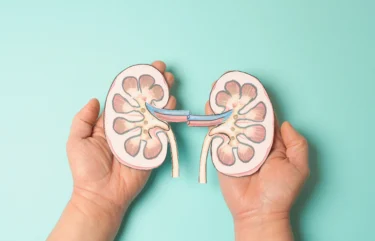
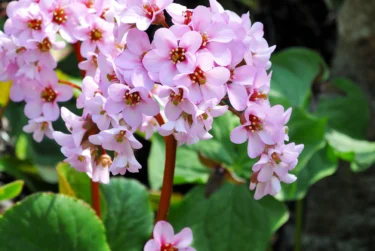
Did you know that Pashanbhed (Bergenia ligulata) contains a significant phenolic compound called ‘bergenin’ comprising approximately 0.9% of its composition? Along with bergenin, it also contains other phenolic compounds in smaller quantities. These compounds contribute to the potential health benefits and therapeutic properties associated with Pashanbhed6.
Dr. Siddharth Gupta, B.A.M.S, M.D (Ayu)
Also Read: Triphala Guggulu: Uses, Benefits, Side Effects & More!
Pashanbhed is available in two forms:
Some important formulations of Pashanbhed include Asmarihara kasaya churna, Mutravircaniya kasaya churna. The main preparations of Pashanbhed include Pashanbhed ghrit and Pashanbhed kwath4,5.
Your Ayurvedic physician will prescribe you the dose and form according to your medical condition.
In my experience, I have observed that Pashanbhed (Bergenia ligulata) has a distinctive aromatic odour and astringent taste. These sensory properties can be attributed to its chemical constituents, which interact with our taste receptors and olfactory receptors6.
Dr. Rajeev Singh, BAMS
Also Read: Manjistha (Indian Madder): Uses, Benefits, Side Effects & More!
Pashanbhed is an important constituent of many formulations used for managing kidney diseases. However, the acetone extract of rhizomes of Pashanbhed is known to be cardiotoxic in large doses and produces a depressing effect on the central nervous system. A large dose of Pashanbhed is known to produce antidiuretic effects too. However, it is unlikely that these effects will be observed with doses in the normal range2.
Also Read: Lohasava: Uses, Benefits, Side Effects and More!
Pashanbhed, also known as stone breaker, is a well-known Indian drug obtained from the plant Bergenia ligulata. This drug is known for its role in dissolving kidney stones1.
The common names of Pashanbhed include Pashana, Pashanbheda, Zakhmehayat, Asmaribheda, Ashmabhid, Ashmabhed, Shilabhed, Upalbhedak, Parwatbhed, and Nagabhid1.
The leaf juice of Pashanbhed is used for treating urinary troubles, haemorrhagic diseases, colds, epilepsy, and distension of the stomach1.
The roots of B.ligulata are used by tribes of Dharchula in Uttar Pradesh for the treatment of cuts, boils, ophthalmia, wounds, urinary complaints, and kidney stones. The root is also used by people in Johari (Jaipur) for the treatment of urinary problems and asthma. The rhizome of Pashanbhed is used by the Kumaoni tribes for managing fever. The root of Pashanbhed is used for the treatment of liver problems and tuberculosis. Pashanbhed plant is used by the tribes of the central Himalayan region for the management of dizziness, vertigo, and headache1.
The medicinal properties of Pashanbhed include antiviral, antiurolithic, free radical scavenging, antidiabetic, hepatoprotective, antipyretic, antitumor, antibacterial, anti-inflammatory, antifungal, and cardioprotective activities2.
The botanical name of pashanbhed is Bergenia ligulata. Some synonyms of Bergenia ligulata include Bergenia ciliata, Saxifraga ciliate, Saxifrage ligulata wall, and Saxifraga thysanodes lindl2.
No, Pashanbhed is also found in Pakistan, Nepal, Afghanistan, and China at greater altitudes3.
Pashanbhed grows well in temperate, humid climates, where the temperature is usually below 20 °C5.
Pashanbhed is cold in potency, bitter in taste, and helps cure prameha (urinary problems), dysuria, diseases of the female genital tract, and ulcers. In Ayurveda, the roots of Pashanbhed are known for their bitter, acid, laxative, and cooling properties, which are effective in the management of tridosha in tumours, calculi, urinary discharges, enlargement of spleen, dysentery, stones, and heart diseases3.
Disclaimer: The information provided here is for educational/awareness purposes only and is not intended to be a substitute for medical treatment by a healthcare professional and should not be relied upon to diagnose or treat any medical condition. The reader should consult a registered medical practitioner to determine the appropriateness of the information and before consuming any medication. PharmEasy does not provide any guarantee or warranty (express or implied) regarding the accuracy, adequacy, completeness, legality, reliability or usefulness of the information; and disclaims any liability arising thereof.
Links and product recommendations in the information provided here are advertisements of third-party products available on the website. PharmEasy does not make any representation on the accuracy or suitability of such products/services. Advertisements do not influence the editorial decisions or content. The information in this blog is subject to change without notice. The authors and administrators reserve the right to modify, add, or remove content without notification. It is your responsibility to review this disclaimer regularly for any changes.
8