Last updated: Jan 13, 2026Published on: Apr 16, 2024
Table of Contents
Introduction
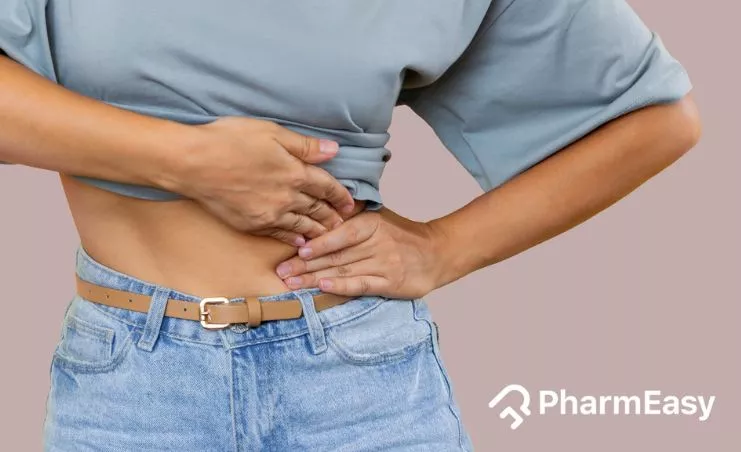
If you get a sharp pain just under your left ribcage, it should be addressed urgently as the location is near crucial organs like the lungs, heart, and kidneys. However, not all pain in this area signals a major problem. Still, it is crucial to know the possible causes of this pain and how to manage it.
In this article, we will discuss the causes of stabbing pain on the left side under the ribs and how to identify and manage them. We will also explore how we can avoid similar pain in the future, and answer the most frequently asked questions on this topic.
Friendly Reminder: The information shared here is for educational purposes only. Before implementing any changes to your health routine, always consult a registered medical practitioner.
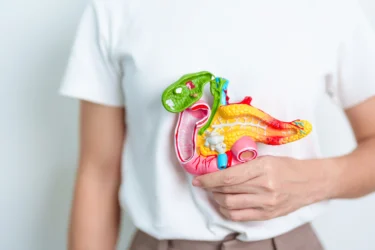
Stabbing pain under the ribs can be a symptom of pancreatitis. source: niddk.nih.gov
Causes of Stabbing Pain on the Left Side Under the Ribs
1. Costochondritis
Image Source: freepik.com
Costochondritis may cause pain under the left rib cage. It is an inflammation of the cartilage linking the ribs to the sternum and can affect any side1. The pain has the following salient features.
The pain might be sharp, aching, or pressure like.
Affects more than one rib.
Can worsen with movements like stretching, breathing deeply, or coughing1.
Although the cause of costochondritis is still unclear, injury, sickness, or intense coughing might trigger it.
2. Broken or Bruised Ribs
Image Source: freepik.com
Injuries like fractures or bruises may trigger discomfort under your left ribcage.
Injuries often result from sudden trauma due to an accident or blows to the chest.
Tenderness and pain with breathing are key symptoms of rib injuries2.
Swelling or bruising might also occur.
Proper rest, pain relief medicines, and avoiding strenuous activities until recovery may help manage these injuries2.
3. Irritable Bowel Syndrome (IBS) and Inflammatory Bowel Disease (IBD)
Both IBS and IBD can cause discomfort on the left side (probably including the ribs)3,4. They have some common features, but they are distinct in their causes and management.
Advertisement
IBS: Left-sided abdominal pain is common with IBS. Bloating and changes in bowel movements like diarrhoea, constipation, or alternating diarrhoea and constipation are some accompanying IBS symptoms3.
IBD: Chronic inflammation affects the digestive tract. The two main types include Crohn’s disease and ulcerative colitis. Abdominal pain, diarrhoea, bleeding from the rectum, and unintended weight loss are likely symptoms in IBD4.
4. Pancreatitis
Pancreatitis (inflammation of the pancreas) could be one of the causes of pain under the left ribs. It could be acute or chronic, as follows:
Acute pancreatitis: Starts suddenly, typically due to gallstones.
Chronic pancreatitis: long-term inflammation, mostly caused by prolonged alcohol abuse or other health issues.
Symptoms include abdominal pain, fever, increased heart rate, vomiting, and a full feeling in the abdomen5.
Severe cases may need hospitalisation, intravenous fluids, and medications to manage pain and inflammation.
4. Enlarged or Ruptured Spleen or Splenic Infarct
Your spleen, situated on the left side under your ribs, can enlarge or rupture from infections, liver disease, or rheumatoid arthritis6.
Enlarged spleen: Feeling full after eating a little, anaemia, fatigue, and frequent infections are key symptoms6.
Ruptured spleen: Injury to the left side is a common cause. Severe pain under the left ribs, increased heart rate, and dizziness are symptoms of a ruptured spleen. It is a medical emergency that needs quick attention6.
Splenic infarct occurs when the spleen’s blood supply reduces or stops, causing tissue death in the organ. This can trigger pain under your left ribcage and requires medical help7.
5. Gastritis
Gastritis, or inflammation of the stomach lining, may cause pain under the left ribs8.
Bacterial infection, excess use of nonsteroidal anti-inflammatory drugs (NSAIDs), or heavy drinking may cause gastritis.
Stomach pain, nausea, and vomiting are the symptoms usually associated with gastritis8.
Usually, managing gastritis involves medications to reduce stomach acid, letting the stomach lining repair, and avoiding factors that cause inflammation8.
6. Kidney Stones or Infection
Pain under your left ribcage could be from your left kidney if you have kidney stones or kidney infection9,10.
Kidney stones: These are small, hard deposits of calcium and other minerals that form in the kidneys. They may cause flank pain, urination problems, or cloudy/bloody urine9.
Kidney infection: Bacterial infection may affect the kidneys, often beginning as a urinary tract infection (UTI). Fever, nausea, back or groin pain, and a burning sensation while passing urine are the likely symptoms of a kidney infection10.
Managing kidney stones or infections requires appropriate medications, fluids, and sometimes surgery if the condition is severe.
7. Pericarditis
Pericarditis is a swelling/inflammation of the heart’s protective membrane, known as the pericardium11.
Usually, it is caused by a viral infection.
Sharp, stabbing chest pain that possibly reaches under the left ribs is a key symptom.
Can also cause fever, coughing, and palpitations11.
Anti-inflammatory drugs and rest are usually enough to manage it, but antibiotics might be needed if it is a bacterial infection11.
8. Pleurisy
Pleurisy occurs when the tissue lining that surrounds the lungs swells up12.
Pleurisy usually occurs due to infection or injury.
Sharp, stabbing pain under the left ribs that worsens with deep breaths or coughing is a key symptom of pleurisy.
This condition can also cause fever, coughing, shortness of breath, and weight loss12.
Pleurisy management relies on managing its cause and might include pain medications, anti-inflammatory drugs, and antibiotics.
Another possible condition that might cause stabbing pain is intercostal neuralgia. It is a condition where you feel nerve pain along your ribs, chest, or abdomen. Along with stabbing pain, you might also feel numbness or tingling. The most common causes are damage to the nerves from chest surgery or shingles infection. Check with your doctor to be sure what is causing your pain.
Diagnosing Stabbing Pain on the Left Side Under the Ribs
Initial Consultation and Medical History: To find out the cause of left-sided rib pain, a doctor will first ask about your overall health, past medical concerns, medicines you are taking, and any symptoms. They might ask if you or your family have a history of heart, lung, kidney, or intestine problems1.
Physical Examination: Next, the healthcare provider will do a physical examination. They will look for signs of injury, swelling, or inflammation. They will listen to your heart and lungs, check your abdomen, and see if tender spots exist under your left ribcage11,12.
Diagnostic Tests: Based on your symptoms and health history, the doctor may need more tests. These may include the following:
X-rays: To check for fractures, dislocations, or conditions like pneumonia1.
Ultrasound: To get a view of organs like the kidneys, heart, spleen, and liver2.6,7.
MRI: To get clear images of your organs, muscles, tendons, and ligaments2,12,13.
CT scan: To provide layered body images and detect possible organ or tissue problems2,14.
Echocardiogram: To check your heart’s structure and function and look for pericarditis or other heart issues11.
Blood and urine tests: To check for infections, kidney problems, or other health concerns that could cause pain10.
A hernia in the diaphragm, which separates the chest cavity from the abdominal cavity, also known as diaphragmatic hernia can cause stabbing pain under the left ribs. This condition may occur due to congenital factors, trauma, or weakening of the diaphragm muscles over time.
Management of Stabbing Pain on the Left Side Under the Ribs
Your left-sided rib pain management may include the following options depending on the cause of the pain:
Home Remedies: Some individuals find relief using home remedies, while gentle stretches, workouts, and relaxation techniques may provide relief to others. The RICE (rest, ice, compression, and elevation) approach helps with minor injuries and inflammation15. Over-the-counter pain relievers like NSAIDs may ease pain and reduce inflammation1,8,11.
Medical Management: For severe cases or if home remedies fail, medical help may be needed. Management varies widely based on the cause.
Costochondritis, bruised ribs, and gastritis management: Doctors may prescribe pain relief and anti-inflammatory drugs1,2,8. Physical therapy or other supportive care measures might also help.
IBS, IBD, and pleurisy management: Healthcare providers may recommend medicines to manage symptoms3,12. Following a healthy diet and lifestyle may also be suggested12.
Pancreatitis and kidney related issues management: Medicines to manage pain and inflammation could be needed9,10. Fluid therapy and dietary changes might be necessary for severe cases.
Pericarditis and enlarged spleen management: Antibiotics and anti-inflammatory drugs may be prescribed. For severe cases, surgery may be needed6,11.
Risk Reduction and Management of Stabbing Pain on the Left Side Under the Ribs
To avoid stabbing pain on your left side under your ribs or manage existing symptoms, consider the following options.
Lifestyle Changes: Make healthy lifestyle choices. Maintain a balanced diet, exercise regularly, and learn to manage stress. These choices may improve your overall health and might lessen the pain under the left ribs.
Regular Check-ups: See your healthcare provider often. Early detection of issues may help avoid pain. This proactive approach matters most for those with long term conditions that need constant check-ups and management2,9.
When to Seek Medical Help for Pain Under the Left Ribs?
Knowing when to get medical help for pain under your left ribcage is key to ensuring quick management and reducing potential complications.
Emergency Situations
Get immediate medical help for:
Signs of a heart attack (similar to pericarditis symptoms) or ruptured spleen6,11.
Knowing the possible causes and managements option for stabbing pain on the left side under your ribs is key. This enables you to understand how to get the right medical help and keep your overall health in check. While some causes may be mild, others may be fatal and require urgent medical help. Regular check-ups, changes in lifestyle, and knowing when to seek help may help maintain your health well and avoid possible complications.
Frequently Asked Questions (FAQs)
What kind of doctor should I see for left rib pain?
Typically, see any doctor available at your nearest clinic. They may send you to a specialist, like a cardiologist, gastroenterologist, or pulmonologist based on what they think is causing your pain.
Can pain under my left ribs be a sign of a heart attack?
Not all pain under the left ribs signals a heart attack. But it is crucial to know heart attack symptoms and get urgent medical help if you think you might be having one.
How long does it take for broken or bruised ribs to heal?
Usually, broken or bruised ribs need about 3 to 6 weeks for complete repair. The exact time depends on different factors, including the severity of the injury.
What can I do to prevent kidney stones?
Try to drink plenty of fluids to avoid kidney stones. Maintain a balanced diet low in sodium and rich in calcium. You will need to reduce animal protein in your diet as well.
Are there any dietary changes that can help alleviate IBS or IBD symptoms?
Changing your diet might help improve IBS or IBD symptoms. Try increasing your fiber intake, reduceing fatty foods, eating smaller meals more often, and avoiding foods that worsen your symptoms.
Dilday J, Haut ER. Rib fractures Patient education series: understanding trauma and emergency surgery conditions. Trauma Surgery & Acute Care Open [Internet]. 2024 Sep 1;9(1):e001622–2. Available from: https://tsaco.bmj.com/content/9/1/e001622
Corsetti M, Whorwell PJ. Managing irritable bowel syndrome in primary care. The Practitioner [Internet]. 2015 Jun 1;259(1783):21–4, 2–3. Available from: https://pubmed.ncbi.nlm.nih.gov/26455114/
McDowell C, Farooq U, Haseeb M. Inflammatory Bowel Disease (IBD) [Internet]. PubMed. Treasure Island (FL): StatPearls Publishing; 2023. Available from: https://www.ncbi.nlm.nih.gov/books/NBK470312/
Disclaimer: The information provided here is for educational/awareness purposes only and is not intended to be a substitute for medical treatment by a healthcare professional and should not be relied upon to diagnose or treat any medical condition. The reader should consult a registered medical practitioner to determine the appropriateness of the information and before consuming any medication. PharmEasy does not provide any guarantee or warranty (express or implied) regarding the accuracy, adequacy, completeness, legality, reliability or usefulness of the information; and disclaims any liability arising thereof.
Links and product recommendations in the informationprovided here are advertisements of third-party products available on the website. PharmEasy does not make any representation on the accuracy or suitability of such products/services. Advertisements do not influence the editorial decisions or content. The information in this blog is subject to change without notice. The authors and administrators reserve the right to modify, add, or remove content without notification. It is your responsibility to review this disclaimer regularly for any changes.


















 3
3 

























Comments