




Squalane: What Is It, Uses, Benefits, Side Effects, & More
By Dr. Raina N. Nahar +2 more

Medically reviewed by Dr. Raina N. Nahar
Last updated: Mar 2, 2026 Published on: Dec 19, 2025


Get,

to manage your symptom
Get your,

4 Cr+ families
benefitted

OTP sent to 9988776655



You’ve successfully subscribed to receive
doctor-approved tips on
Whatsapp

Get ready to feel your best.


Register to Avail the Offer
Send OTPBy continuing, you agree with our Privacy Policy and Terms and Conditions
Hi There,
Sign up on PharmEasy now!!


Trusted by 4 crore+ families

OTP sent to 9988776655
You have unlocked 25% off on medicines


Code: NU25

By Dr. Raina N. Nahar +2 more
Table of Contents
In today’s world, where moisturising has become a non-negotiable part of a healthy skincare routine, squalane stands out as a true hero.
Whether used on its own or added to other skincare formulations as a powerful supporting ingredient, squalane has earned its reputation for delivering intense as well as lightweight hydration. Its skin-friendly nature, stability, and ability to strengthen the moisture barrier make it a top choice for both formulators and skincare lovers.
But what is squalane, how does it work, how should it be used, what are its key benefits, and are there any side effects to be aware of? We will explore all of this in detail throughout this article.
Squalane (pronounced SKWAY lane) is a lightweight and stable oil used in skin-care products for its hydrating properties. This oil comes from squalene, which is a natural lipid (fatty water insoluble organic molecule) that makes up about 13% of our skin’s own sebum (secretion of glands in skin known as sebaceous glands). It is also found in high amounts in sources like shark liver and certain plants, but because it is unstable and easily oxidises, it is converted into a more stable form, which is known as squalane. So, squalane is squalene’s cosmetically usable form1.
Since our skin naturally contains squalene to protect itself from dryness and oxidative stress, and squalane works similarly when applied topically, it hydrates, strengthens the skin barrier, and helps defend against environmental damage1.
Squalene works by strengthening and protecting the skin’s natural lipid barrier, which helps it withstand environmental stressors (like UV-induced oxidative damage). At the same time, squalane aids in reducing transepidermal water loss (TEWL), which means it reduces the loss of water from the skin’s surface that happens due to evaporation. This property helps to maintain a hydrated skin. Thus, squalene forms a light protective layer on the skin that improves hydration and strengthens the skin barrier, keeping the skin healthy, smooth, and more resilient1,3.
Since squalene makes up a large part of our skin’s surface oils and is easily oxidised, the squalane skin benefits come from its stability, acting as a reliable lipid antioxidant that helps reduce free-radical damage.
Although their names sound almost identical, squalene and squalane behave differently in skincare because of their stability, function, and suitability for topical use. Here’s a comparative representation of squalene vs. squalane1.
| Feature | Squalene | Squalane |
| Origin | Naturally produced in skin, also found in shark liver and plants | Hydrogenated (stabilised) form of squalene |
| Stability | Unstable and oxidises quickly | Highly stable and does not oxidise |
| Function | Natural lubricant and antioxidant in sebum | Hydration, barrier protection, antioxidant support |
| Use in Skincare | Rarely used due to instability | Widely used for almost all skin types |
| Shelf Life | Short | Long |
Squalane offers multiple benefits for the skin owing to its protective, moisturising, and antioxidant properties, demonstrated by its natural precursor, squalene. Common squalane benefits include:
Squalane absorbs quickly and improves skin hydration to restore softness, suppleness, and flexibility without leaving an oily residue1,3. And like squalene, it supports a healthy skin texture.

Squalane helps strengthen the skin barrier (outer layer of skin) and makes it more resilient against irritants4. Adding squalene to damaged skin may reverse water loss and reduce penetration of irritants1. This suggests its protective and restorative effects.
Squalane helps defend the skin against the harmful effects of sunlight by reducing oxidative stress2. Its precursor, squalene, is known to deactivate reactive oxygen species and protect against lipid damage on the skin’s surface, and squalane is believed to offer similar protective support1,2.

It is observed that squalene decreases inflammatory markers produced by irritated skin1,5. And due to this property, squalane may also help soothe and calm skin, reducing redness and irritation.
Squalane’s stability and high compatibility with skin make it an effective anti-ageing ingredient. It has the ability to support collagen synthesis and reduce oxidative stress that helps it to maintain healthy skin and potentially lower ageing signs such as fine lines and wrinkles2.
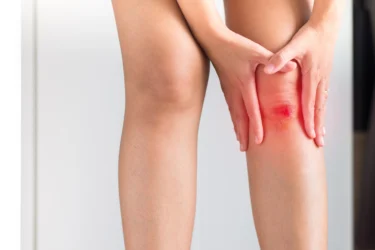
Squalane may promote wound healing by supporting collagen production and improving cell repair. Squalene when used in specific concentrations holds potential to be used in skin-care formulations aimed at UV protection and cellular regeneration2.

Squalene forms a thin protective barrier around the hair strands that help retain moisture and enhance softness and shine of hair. It supports hair regrowth by enhancing the function of hair-growth–related cells, helping counter age-related hair changes6.
Squalene may have the potential to reduce tumour incidence when applied before or during exposure to carcinogens7. While this does not directly translate to cosmetic use, it highlights the strong protective, antioxidant nature of this lipid class.
While most of these scalene benefits are backed by science, some still need further large-scale human trials to corroborate the initial findings. Nonetheless, squalane is commonly being used in skin-care products, typically as an emollient, and is generally suitable for most skin types. However, if you have any known skin conditions like allergies, psoriasis, etc., it’s best to consult a dermatologist before trying any new product, including those containing squalane.
Squalane for skincare can be incorporated as a gentle emollient and protective ingredient, reflecting the way squalene is used in topical formulations to enhance skin softness, support barrier recovery, reduce irritation, and provide antioxidant defence. Here is how you can use squalane for skin:
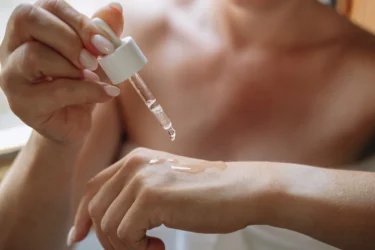
To get the most benefits, try to use squalane oil (preferably 100%) alone or as part of serums, moisturisers, or creams.
Remember to patch test before by applying a small amount to the inner forearm or behind the ear and leave for 24 hours. Then use regularly only if no redness, itching, or irritation occurs.
Note: There are no standard guidelines on percentage, frequency or mode of use of squalane. It may vary depending on skin type, existing skin conditions, and product formulation.
Also Read: Is Glycerine Good for Skin?
Topical squalane for skin is generally well tolerated, but like any skincare ingredient, it may cause a few mild/uncommon side effects like the following:
Note: While squalane is generally well tolerated, anyone with persistent irritation, acne flare-ups, or underlying skin concerns should consult a dermatologist for personalised guidance.
Also Read: How to Decrease Melanin in Skin
Squalane is a well-tolerated, effective, and stable lipid-based emollient/moisturiser. The squalane oil benefits include hydration, barrier support, and antioxidant-like protection. This makes it a strong candidate for inclusion in daily skincare, especially for dry skin. Its risk of side effects is low, but choosing high-quality, pure squalane products is key. Those with existing skin conditions, active rashes, or persistent irritation should consult a dermatologist before using squalane or introducing any new skincare product.
Also Read: Home Remedies for Pink Lips
Yes, squalane oil is good for hair. It may help reduce dryness, make hair softer and smoother protect the scalp from oxidative stress, and may aid hair regrowth6.
Squalane could be suitable for oily or acne-prone skin. Acne-prone skin contains high amounts of squalene, and a key problem is that this natural squalene becomes oxidised (peroxide squalene), which contributes to inflammation. But, because squalane is the stable, non-oxidising form, it does not turn into these irritating peroxides. Instead, it might help balance the skin, add lightweight moisture, and potentially reduce the impact of oxidised squalene by supporting a healthier skin barrier9. However, if you have persistent or severe acne, consult a dermatologist for personalised guidance.
Squalane and hyaluronic acid are not better than one another, they simply do different tasks. Hyaluronic acid is a powerful molecule found naturally in the body that helps maintain deep hydration, supports cell growth and repair, and plays important roles in anti-ageing and inflammation control10.
Squalane, on the other hand, is a lightweight oil that helps soften the skin, reduce water loss, and strengthen the skin barrier. It protects the skin’s surface and prevents moisture from escaping, also protecting the skin from free radical damage1.
No, squalane and retinol are not “better” than one another. This is because they serve very different purposes in skincare. Retinol is a highly effective ingredient that helps to improve fine lines, wrinkles, and uneven pigmentation by accelerating cell turnover, stimulating collagen production, and regulating melanocyte (cells responsible for melanin production) activity11.
Squalane, on the other hand, does not perform functions like retinol. It is a moisturising and barrier-supporting ingredient that helps soften the skin and reduce water loss, but it does not stimulate cell turnover or improve photoaging the way retinol does1,11.
Squalene is a naturally occurring lipid in the human body and even makes up a small portion of breast milk, where it supports immunity and helps protect both mother and baby. It plays roles in immune development and may even bind and help remove certain toxins from the body12. However, pregnancy requires extra caution. Even though topical squalane is mild and well tolerated, external use during pregnancy should only be considered after consulting a doctor, especially if you have sensitive skin, underlying conditions, or are using multiple skincare products.
Squalane does not need to be refrigerated. It is seen that squalane remains stable across a wide temperature range. This means that squalane is a thermally stable oil, meaning it does not break down or lose effectiveness with normal temperature fluctuations13. And, because of this stability, cosmetic squalane may be safely stored at room temperature.
Squalane may work well with vitamin C. It has been observed that when vitamin C is chemically linked to squalene, the resulting (vitamin C + squalene) derivative penetrates the skin better and delivers stronger biological effects than regular vitamin C. This combined form significantly increases epidermal thickness and boosts collagen14. However, if you have sensitive skin or are new to vitamin C, introduce products slowly and consult a dermatologist if irritation or discomfort occurs.


Comments

Leave your comment...
You may also like


















Comments