Last updated: Dec 4, 2025Published on: Dec 4, 2025
Table of Contents
Introduction
Did you know that almost 99% of the world’s population breathes air that is polluted enough to harm their health1? This widespread exposure to unsafe air has made air pollution one of the most urgent global health challenges of our time.
Within this broader crisis, smog has emerged as one of the most visible and harmful forms of air pollution. However, smog itself is not a single pollutant. It is a combination of substances like ozone, fine particles, and nitrogen gases. And because of these different substances, it affects different groups of people differently2
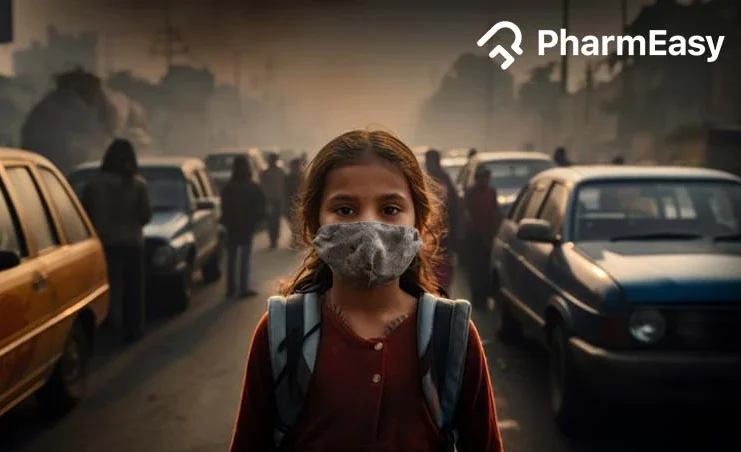
As urbanisation, traffic emissions, and industrial activities continue to rise, smog has become an increasingly common (and dangerous) part of the air we inhale every day3,4. It is a public health concern that not only causes discomfort like coughing or eye irritation but also worsens existing heart and lung conditions and increases long-term health risks2.
Advertisement
As smog episodes become more frequent and intense, understanding their causes, effects, and the ways we can protect ourselves is essential for safeguarding our health and well-being.
What Is Smog and How Is Smog Formed?
The word smog is a combination of two other words5:
Smoke (fine particles and gases released from burning materials such as coal, wood, fuel, and various industrial sources)
Fog (a low-lying cloud formed from tiny water droplets or ice crystals)
Under certain environmental conditions (such as sunlight), these two components (smoke and fog) interact and result in a thick and hazy layer suspended close to the ground. This is how smog is formed2,5.
Fact: The term smog was first introduced by H. A. Des Voeux in 1905 to describe the polluted atmospheric conditions in several British towns. It gained widespread public attention in 1911, when Des Voeux reported over 1,000 deaths in Edinburgh and Glasgow caused by this dense and dangerous “smoke-fog”2.
Causes of Smog
Smog develops when various air pollutants are released into the atmosphere from natural and human activities.
Industries and power plants: These emit large amounts of sulphur gases, nitrogen gases, and particulate matter (PM) through the burning of fossil fuels that eventually lead to smog.
Vehicle emissions: Cars and trucks release large amounts of nitrogen oxides (NOx), PM, and hydrocarbons, all of which drive smog formation.
Combustion of fossil fuels: Coal, diesel, and other fuels used in households, industries, and electricity generation release sulphur gases, nitrogen gases, and PM, all of which can contribute to smog formation.
Sunlight driven chemical reactions: Pollutants in the air (such as hydrocarbons and NOx) react in sunlight to form photochemical smog components like peroxyacetyl nitrate (PAN) and tropospheric ozone.
Natural sources: Volcanic eruptions, lightning, and forest fires can release NOx and sulphur gases that add to the overall pollution load.
Industrial solvents and chemical processes: They release volatile organic compounds (VOCs) that react in sunlight and aggravate smog formation.
Types of Smog
Broadly, there are two types of smog:
1. Industrial Smog (London Smog)
This type of smog is high in sulphur oxides (SOx)2.
Environmental conditions: Sulphurous smog forms under cold, foggy conditions, when SOx and other pollutants mix with fog to create a dense smoke-fog layer6. This was the type of smog responsible for the historic 1911 and 1952 London smog events2.
2. Photochemical Smog (Los Angeles-Type Smog)
This type of smog is high in NOx, ozone, hydrocarbons, and VOCs2.
Environmental Conditions: Photochemical smog forms in dry climates (like Los Angeles) when sunlight reacts with NOX and VOCs, producing secondary pollutants like ozone and PAN2,6.
Note: The modern smog in most cities (including India) is photochemical smog, formed when sunlight reacts with NOx and VOCs, producing ozone. And when this ozone mixes with fine particulate matter (such as PM2.5), it creates the thick, harmful smog we commonly see today7.
Adverse Smog Effects on Health
Smog is particularly alarming because of its adverse impact on health. It can seriously affect health both in the short and long term. Even brief increases in smog levels can lead to more hospital visits and even deaths2.
The most common adverse smog effects on human health include:
Respiratory system effects: Coughing, breathing discomfort, worsening of asthma and bronchiolitis, and progression of chronic obstructive pulmonary disease (COPD)2,8.
Eye and throat irritation: Red, watery eyes and irritation of the throat lining.
Cardiovascular effects: Increased risk of cardiovascular disease, including events such as stroke, and worsening of existing heart conditions2.
Neurological effects: Links to neurological disorders, such as Parkinson’s disease, with prolonged exposure9.
Pregnant women: Impaired foetal health, including low birth weight or reduced birth length2.
Cancer risk: Long-term genetic changes that may raise the risk of various cancers, particularly lung cancer2,8.
Other adverse effects of smog include:
Harm to plants: Key smog pollutants can interfere with photosynthesis, damage leaf surfaces, and reduce plant growth and crop yield10.
Effects on animals: Animals exposed to the same atmospheric pollutants experience respiratory stress and disruptions in normal physiological processes similar to those observed in humans5.
Reduced visibility and disruptions in daily life: Dense smog limits visibility, affecting transportation, delaying flights, and increasing the risk of road accidents11,12. It also reduces daylight quality, impacting outdoor activities and productivity11.
Economic and social impacts: Increased healthcare burden, reduced outdoor work hours, school closures, and loss of agricultural productivity contribute to significant economic losses during severe smog episodes11.
How to Protect Yourself from Smog?
When smog levels rise, small choices can make a big difference. Here’s how to protect your health and stay safe.
1. Stay Informed
Check daily air quality forecasts via local weather reports or apps13.
Follow Air Quality Alerts issued by local/state agencies14.
2. Modify Outdoor Activities
Smog peaks usually from late morning to early evening, so opt for early morning routines15.
Avoid strenuous outdoor exercise when smog levels are high. If you must be outside14:
Choose less strenuous activities.
Take frequent breaks.
Schedule workouts in the early morning when ozone tends to be lower.
Stay away from busy roads and traffic corridors.
3. Stay Indoors on High Smog Days
Indoor levels of ozone and PM are usually lower than outdoors15.
Keep windows closed to reduce infiltration (air exchange rates drop by around 50% when windows are closed)15.
Reduce indoor activities that generate pollution14:
Avoid smoking, incense, and candles.
Limit frying, wood-burning stoves, or gas-powered appliances.
4. Improve Indoor Air Quality
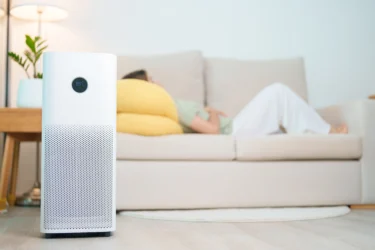
Use high efficiency particle air (HEPA) air cleaners (portable or in-duct).
HEPA systems can reduce indoor PM by 60 to 90%.
Ensure proper home ventilation but avoid bringing in outdoor pollutants during alerts15.
5. Reduce Inhalation Dose
Lower your level of physical exertion during outdoor exposure.
Prefer nose breathing over mouth breathing to naturally filter inhaled air15.
6. Use Personal Protective Equipment (When Necessary, in Situations with Poor Air Quality)
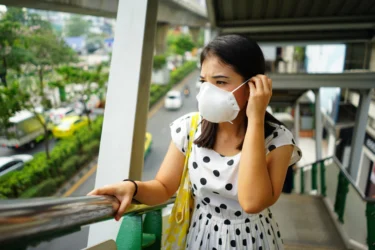
High-quality particle-filtering respirators (N95 or similar) can reduce particulate exposure significantly16.
Please note that these may increase breathing effort. Thus, use cautiously if you are suffering from heart/lung disease15.
How to Prevent Smog?
Reducing smog means cutting emissions at the source. The following practical tips show how commuters, households, and policymakers can act together to reduce smog.
1. Transportation Choices
Use public transport, carpool, bike, or walk for short trips13.
Drive less, combine errands, and avoid unnecessary trips14.
Prefer electric or hybrid vehicles to eliminate/limit tailpipe emissions17.
Keep cars and engines tuned and tyres well-inflated14.
Refuel after dusk to reduce VOC emissions that form ozone17.
2. Household Actions
Use low-VOC paints, cleaners, and other products. Also, seal containers tightly17.
Conserve energy:
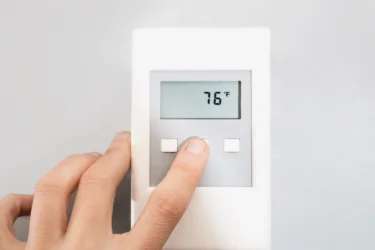
Adjust thermostats slightly higher in summer and lower in winter17.
Turn off lights and unplug appliances you are not using14.
Use gas logs instead of wood, and only burn dry, seasoned wood if you must.
3. Lawn and Garden Practices
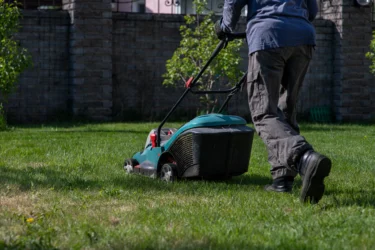
Use electric or hand-powered equipment instead of gasoline-powered tools13.
Compost or mulch yard waste instead of burning it17.
Avoid using pesticides and chemicals during high-smog forecasts17.
4. Industrial and Construction Source Controls
Limit emissions from factories through cleaner technologies, proper maintenance, and adherence to pollution-control standards18.
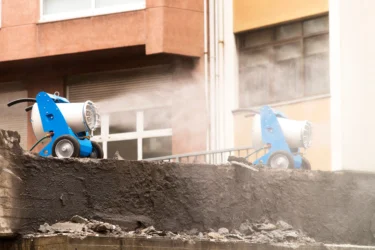
Enforce dust-control measures at construction sites (like water spraying and fog cannon)19.
Promote the use of renewable energy and cleaner fuels in industrial operations11.
6. Community and Policy Engagement
Encourage schools and communities to limit idling and adopt clean buses13.
Engage in local Healthy Air/Clean Air campaigns13.
Support policies that prioritise clean air, reduce emissions, and expand clean-energy access.
When to See a Doctor?
You should seek medical attention if smog exposure leads to worsening of existing conditions or any of the following symptoms20,21:
Persistent coughing, wheezing, or shortness of breath
Chest tightness, chest pain, or difficulty breathing
Worsening of asthma or COPD symptoms
Severe throat or eye irritation
Fatigue, confusion, dizziness, or headaches after being outside
Bluish (light skin) or grey/whitish (dark skin) discolouration of the lips, tongue, or fingertips
Inability to speak in full sentences or difficulty walking due to breathlessness
New or unusual respiratory symptoms
Symptoms that interfere with daily activities, work, or sleep
Important: Individuals with lung disease, heart disease, children, elderly people, and pregnant women should be especially cautious and seek care promptly if symptoms worsen, as they are more vulnerable to adverse health effects of air pollution20,22.
Conclusion
Smog remains a significant public health threat, but its impact can be greatly reduced through awareness, prevention, and timely action.
Understanding what is smog, how smog forms, recognising its health risks, and staying informed about air quality are essential steps in protecting oneself. Remember, small but consistent lifestyle changes, such as modifying outdoor activities on high-smog days, improving indoor air quality, reducing personal emissions, and supporting cleaner community practices, can collectively lower exposure and protect long-term health.
For high-risk individuals (children, older adults, and those with asthma, COPD, or cardiovascular disease), even mild symptoms may warrant medical attention, making early evaluation especially important. For others, seeking prompt medical care when symptoms worsen ensures timely intervention and minimises complications.
Frequently Asked Questions (FAQs)
How harmful is smog?
Smog is harmful because it contains pollutants like particulate matter, nitrogen oxides, sulphur dioxide, ozone, and volatile organic compounds. These can irritate the eyes and airways, worsen asthma and respiratory infections, and increase the risk of heart and lung diseases. It can also contribute to long-term health issues such as reduced lung function and even death2.
Can smog cause a sore throat?
Yes, smog can irritate the lining of the throat due to pollutants and lead to symptoms such as soreness, dryness, or a burning sensation2.
Can smog cause asthma?
Smog does not directly cause asthma, but it can trigger asthma symptoms, worsen existing asthma, and even increase the frequency and severity of attacks2,8.
Does smog cause acid rain?
Smog and acid rain share some of the same pollutants (particularly sulphur dioxide and nitrogen oxides). While smog itself does not cause acid rain, these pollutants can react with water vapour in the atmosphere and form acids, which may contribute to acid rain2.
Does smog cause cancer?
Yes, long-term exposure to smog (especially fine particulate matter) has been associated with an increased risk of lung cancer. Some pollutants in smog are even classified as carcinogens23.
Javed A, Aamir F, Gohar UF, Mukhtar H, Zia-Ui-Haq M, Alotaibi MO, Bin-Jumah MN, Marc Vlaic RA, Pop OL. The Potential Impact of Smog Spell on Humans’ Health Amid COVID-19 Rages. Int J Environ Res Public Health. 2021 Oct 29;18(21):11408. Available from: https://pmc.ncbi.nlm.nih.gov/articles/PMC8583367/
Chen F, Zhang W, Mfarrej MFB, Saleem MH, Khan KA, Ma J, Raposo A, Han H. Breathing in danger: Understanding the multifaceted impact of air pollution on health impacts. Ecotoxicol Environ Saf. 2024 Jul 15;280:116532. Available from: https://www.sciencedirect.com/science/article/pii/S0147651324006080
Grzywa-Celińska A, Krusiński A, Milanowski J. ‘Smoging kills’ – Effects of air pollution on human respiratory system. Ann Agric Environ Med. 2020 Mar 17;27(1):1-5. Available from: https://pubmed.ncbi.nlm.nih.gov/32208572/
Gao J, Ying C, Hu L, Lin Z, Xie H. Assessing the effects of environmental smog warning policy on preventing traffic deaths based on RDD strategy. Atmosphere. 2023;14(6):1043. Available from: https://www.mdpi.com/2073-4433/14/6/1043
Laumbach R, Meng Q, Kipen H. What can individuals do to reduce personal health risks from air pollution? J Thorac Dis. 2015 Jan;7(1):96-107. Available from: https://pmc.ncbi.nlm.nih.gov/articles/PMC4311076/
Kodros JK, O’Dell K, Samet JM, L’Orange C, Pierce JR, Volckens J. Quantifying the Health Benefits of Face Masks and Respirators to Mitigate Exposure to Severe Air Pollution. Geohealth. 2021 Sep 1;5(9):e2021GH000482. Available from: https://pmc.ncbi.nlm.nih.gov/articles/PMC8438762/
Srivastava RP, Kumar S, Tiwari A. Continuous emission monitoring systems (CEMS) in India: Performance evaluation, policy gaps and financial implications for effective air pollution control. J Environ Manage. 2024;359:120584. Available from: https://www.sciencedirect.com/science/article/abs/pii/S030147972400570X
Yan H, Li Q, Feng K, Zhang L. The characteristics of PM emissions from construction sites during the earthwork and foundation stages: an empirical study evidence. Environ Sci Pollut Res Int. 2023 May;30(22):62716-62732. Available from: https://pmc.ncbi.nlm.nih.gov/articles/PMC10167100/
Manisalidis I, Stavropoulou E, Stavropoulos A, Bezirtzoglou E. Environmental and Health Impacts of Air Pollution: A Review. Front Public Health. 2020 Feb 20;8:14. Available from: https://pmc.ncbi.nlm.nih.gov/articles/PMC7044178/
Wang M, Kim RY, Kohonen-Corish MRJ, Chen H, Donovan C, Oliver BG. Particulate matter air pollution as a cause of lung cancer: epidemiological and experimental evidence. Br J Cancer. 2025 Jun;132(11):986-996. Available from: https://pmc.ncbi.nlm.nih.gov/articles/PMC12119916/
Disclaimer: The information provided here is for educational/awareness purposes only and is not intended to be a substitute for medical treatment by a healthcare professional and should not be relied upon to diagnose or treat any medical condition. The reader should consult a registered medical practitioner to determine the appropriateness of the information and before consuming any medication. PharmEasy does not provide any guarantee or warranty (express or implied) regarding the accuracy, adequacy, completeness, legality, reliability or usefulness of the information; and disclaims any liability arising thereof.
Links and product recommendations in the informationprovided here are advertisements of third-party products available on the website. PharmEasy does not make any representation on the accuracy or suitability of such products/services. Advertisements do not influence the editorial decisions or content. The information in this blog is subject to change without notice. The authors and administrators reserve the right to modify, add, or remove content without notification. It is your responsibility to review this disclaimer regularly for any changes.








































Comments