
What came first, the egg or the chicken? This question has always confused us all. Ancient China and Egypt were the first societies to domesticate hens. In India, jungle birds have been domesticated since 3200 BC for egg production. An egg contains a hard shell on the outside and a nutrient-bearing yolk on the inside. There are different varieties of eggs available in the market. Among these, chicken eggs are the most common, which can be white or brown; there is no difference in the nutritional quality between the two, the only difference being the colour and price. If you are looking for an easy and healthy food option diet that is also pocket-friendly, white chicken eggs might be your last stop! Let’s read more about the health benefits of white chicken eggs and some common considerations which you need to keep in mind before adding eggs to your diet1.
Eggs are a nutritional powerhouse, packed with the goodness of proteins, carbohydrates, vitamins and minerals and antioxidants like carotenoids.
The nutritional chart of eggs is given in the table below.
Did you know that one large boiled egg contains approximately 77 calories? Eggs are a nutritious food choice and provide various essential nutrients, including high-quality protein, vitamins, and minerals. Adding boiled eggs to your diet can be a healthy way to incorporate a nutrient-rich food into your meals8.
Dr. Siddharth Gupta, B.A.M.S, M.D (Ayu)
Eggs show numerous scientifically proven properties; some of which are mentioned below2:
Some of the potential benefits of eggs are described below.

Sarcopenia is the age-related gradual loss of muscle strength, mass and function. Puglisi conducted a review in 2022, stating that the amino acid leucine in eggs stimulates muscle formation. In addition, Bagheri et al. conducted a study3 in 2020 to show the positive effect of whole-egg intake on skeletal muscles. This shows that consuming eggs may help stimulate skeletal muscle synthesis and may help improve muscle health. Thus, eggs may have the potential to manage sarcopenia. However, further research is needed to ascertain these claims as the scientific evidence available is insufficient.

WHO defines malnutrition as the deficiency, excess or imbalance in the intake of energy and/or nutrients. The term malnutrition includes 3 major categories:
Ianannotti et al. conducted a study3 in 2017 which showed that egg supplementation in children reduced the prevalence of stunting by 47% and underweight by 74%. Sophie et al. conducted a study in 2019; the findings of this study showed that excessive consumption of eggs can result in obesity. These astonishing results show the importance of eggs in lowering the risk of malnutrition. However, we need more clinical trials to support these claims.

Hair loss or alopecia can be caused due to insufficiencies in diet, genetics or environment. Hair is mainly made up of a protein called keratin; therefore, eggs may aid hair growth because of their high protein content. Toshio et al. conducted a study4 in 2018 to assess the effect of egg yolk on hair. The findings of this study showed that egg yolk contains a key growth factor (hair growth peptide) that stimulates hair growth. This is similar to the growth factor found in minoxidil (a drug used for the treatment of alopecia). The results of this study indicate that eggs may improve hair growth and manage alopecia. However, we need more scientific evidence to support the use of eggs for managing alopecia.

In India, approximately 31.03% of elderly individuals (aged >70 years) suffer from cognitive impairment. Eggs are rich in natural cognitive enhancers like lutein, choline and tryptophan. Lee et al. conducted a study5 in 2021 to assess the impact of egg intake on memory decline in older adults. The findings of this study showed that the consumption of eggs might help reduce memory decline. Additionally, the presence of choline may help improve brain function. This indicates that consuming eggs may help improve brain function and, thus, cognitive function in the elderly. However, we need more scientific evidence to support these claims6.

Eggs are rich in antibacterial substances. The yolk and white parts are known to inhibit bacterial growth. A review carried out by Shi et al. in 2022 suggested7 that egg yolk contains trimethylamine (TMA). TMA has an antibacterial effect against E.coli (a commonly occurring harmful gut bacteria), which causes urinary tract infections, pneumonia, bloody diarrhoea, etc. Thus, the consumption of eggs may help in inhibiting the growth of E.coli and reducing the infections caused by it. However, we require more scientific studies to claim these effects in humans.

Though there are studies that show the benefits of eggs in various conditions, these are insufficient and there is a need for further studies to establish the true extent of the benefits of Eggs on human health.
You must consult a qualified doctor before taking any herbal supplements. Do not discontinue or replace an ongoing treatment of modern medicine with an ayurvedic/herbal preparation without consulting a qualified doctor.
Please note that due to their natural high cholesterol content, it is often recommended by health and nutrition professionals that adults consume fewer than three eggs per week. While eggs can be a part of a healthy diet, it’s important to moderate your intake and consider the overall balance of your dietary choices9.
Dr. Rajeev Singh, BAMS
Sophie et al conducted a study1 in 2019 which stated that egg consumption in children below five years of age can result in an egg allergy. This allergy is induced by egg proteins and includes gastrointestinal symptoms like nausea and vomiting, skin manifestations like rashes and respiratory symptoms like asthma, runny nose and nasal congestion.
Other indications of the adverse reactions of the body to eggs are described below:
However, if you experience any adverse reactions to eggs, it is advised to discontinue its intake and immediately contact a doctor or your Ayurvedic physician who has prescribed it. They will be able to guide you appropriately for your symptoms.
Including eggs in your diet can provide you with a significant amount of long chain omega-3 fatty acids, such as DHA and DPA. They contain approximately 114mg per serving, which represents 71-127% of the Adequate Intake (AI) for these essential fatty acids. This means that consuming eggs can be a valuable source of omega-3s to support your brain health and overall well-being10.
Dr. Smita Barode, B.A.M.S, M.S.
Eating eggs is okay if taken in moderate amounts. However, general precautions must be followed in the following conditions:
Also Read: Brown Egg Vs White Eggs: Decoding Nutritional Facts and Myths
There is no significant interaction of eggs with other drugs. However, you must always seek the advice of your Ayurvedic physician about the possible interaction of eggs with other drugs and follow the prescription thoroughly, as they will know your health condition and other medications you are taking.
The only difference between white and brown eggs is the colour of the shell and price, no difference is observed in the nutritional quality1.
Yes, it is best if you consume eggs fresh after buying, but if you want to store them, it is advised to refrigerate eggs as this may reduce bacterial growth and preserve them for a longer period.
Yes, eggs may help in improving thyroid function due to the presence of iodine and selenium in them. However, scientific evidence supporting these claims is limited, and we need further studies to ascertain these effects. Therefore, it is advised to consult a doctor for proper treatment in case you have an abnormal thyroid function.
Egg yolk contains antioxidants like lutein and zeaxanthin, which may have a protective role on the eyes and can reduce the risk of eye diseases. However, there is a need to conduct more studies to support these claims. It is recommended to consult a doctor for proper treatment in case you have any eye-related issues1.
Daily consumption of eggs can result in an increase in good cholesterol as well as bad cholesterol, eggs are rich in saturated fats, which can result in weight gain, and egg allergy is common in children below five years, which is characterised by respiratory and gastrointestinal symptoms1.
Disclaimer: The information provided here is for educational/awareness purposes only and is not intended to be a substitute for medical treatment by a healthcare professional and should not be relied upon to diagnose or treat any medical condition. The reader should consult a registered medical practitioner to determine the appropriateness of the information and before consuming any medication. PharmEasy does not provide any guarantee or warranty (express or implied) regarding the accuracy, adequacy, completeness, legality, reliability or usefulness of the information; and disclaims any liability arising thereof.
Links and product recommendations in the information provided here are advertisements of third-party products available on the website. PharmEasy does not make any representation on the accuracy or suitability of such products/services. Advertisements do not influence the editorial decisions or content. The information in this blog is subject to change without notice. The authors and administrators reserve the right to modify, add, or remove content without notification. It is your responsibility to review this disclaimer regularly for any changes.
 9
9
 2
2
Mangoes and summer seasons are a match made in heaven! The sweet and juicy taste coupled with countless health benefits justify why mango is called the “king of fruits”. Mangifera indica, mango or aam, is an important fruit in Ayurveda. It belongs to the genus Mangifera, and family Anacardiaceae which contains 30 different species. India ranks first among the major mango-producing countries. India is famous for its wide range of mango varieties, like Alphonso variety of Ratnagiri, Badami variety of Karnataka, Dasheri variety of Lucknow and Kesar variety of Gujarat to name a few. Mangoes are good for our taste buds and our health. They are also a rich source of fibre, vitamins, minerals and antioxidants like mangiferin and glucosyl xanthone. Let us read more about some mango benefits1.
Mango (Aam) is packed with various nutritional components that are given as follows. They are a good source of vitamins, minerals and antioxidants like mangiferin and glucosyl xanthone, and carotenes.
In my opinion, eating mangoes might be a way of giving your body a natural defence against certain diseases. Mangoes might have superpowers against certain types of cancers. Yes, it’s true! Thanks to the magical combination of beta-carotene and other special substances, mangoes might help against leukaemia and even slow down the progression of prostate and colon cancers11.
Dr. Siddharth Gupta, B.A.M.S, M.D (Ayu)
The mango shows numerous scientifically proven properties; some of these properties are mentioned below:
Some of the potential benefits of mango are described as follows:

Breast cancer is one of the most common cancers, leading to pre-mature death of females globally. Natural products are now becoming important sources for the discovery of anti-cancer agents. Mangifera indica may have the potential for the management of breast cancers. Banerjee et al. conducted a study in 2015 to assess the effect of mangoes on breast cancer xenografts in mice. This study3 showed that polyphenols like gallic acid, galloyl glycosides and gallotannins in mangoes might have a chemotherapeutic potential against breast cancer. This indicates that mangoes may help in managing breast cancer. However, more studies are required to support these claims.

Ulcerative colitis is a chronic inflammatory condition affecting the colon and rectum. Mangoes may help in reducing inflammation because of the presence of polyphenols like gallotannins and gallic acid. Kim et al. conducted a study4 in 2016 to assess mango’s anti-inflammatory effects in a preclinical colitis model. The results of this study4 showed that mango consumption might help in managing ulcerative colitis. However, more human studies are required to ascertain these claims.
From my perspective, eating mangoes can be a tasty solution to help with constipation. In a study12, it was found that munching on mangoes might actually improve the symptoms of constipation. Thus, mangoes may be a delicious way to keep things flowing smoothly in your digestive system.
Dr. Smita Barode, B.A.M.S, M.S.

Fruits and vegetables are a rich source of bioactive compounds which may help in managing the blood glucose level. The study conducted by Evans et al. 2014 showed that mangoes may reduce blood glucose levels in both females and males. The mango contains tocopherols, carotenoids, dietary fibre, ascorbic acid, gallic acid, quercetin and mangiferin. These biologically active compounds may help in normalising blood glucose levels. However, to claim all these benefits further research and confirmation are needed. If you suspect high blood glucose levels, consult your doctor and do not self-medicate5.

Mangoes, if consumed in moderate amounts, may help achieve healthy hair and nourished skin due to its high Vitamin A content. Additionally, mangoes may act as a natural sunblock by protecting our skin and hair from damage caused due to ultraviolet rays. Therefore, there is a possibility that the consumption of mango can benefit skin and hair, but we need more human studies6 to support these claims. If you have any skin and hair related problems, consult a doctor and do not self-medicate.

Macular degeneration is a common eye disorder which causes vision loss. Mangoes are rich in antioxidants like lutein, zeaxanthin and Vitamin A, which may help deal with macular degeneration. Mango is also rich in carotene which may help in vision. Thus, it may indicate that consuming mango may help manage macular degeneration. However, there is a lack of studies6 to support these claims.

Mangoes are a good source of nutrients in the diet. The nutrient intake of mango consumers vs. non-consumers was obtained from the NHANES database. It was observed that people who consumed mangoes had a higher intake of magnesium, potassium, folate, Vitamin A, C and E and dietary fibre compared to the non-consumers. This may indicate that the consumption of mangoes can help improve nutrient intake and diet quality. However, more studies7 need to be conducted to support these claims.

Though there are studies that show the benefits of Mango in various conditions, these are insufficient and there is a need for further studies to establish the true extent of the benefits of Mango on human health.
Let me tell you a secret. Mangoes are not just delicious; they’re also packed with a special ingredient called mangiferin! This fancy-sounding compound can be found in various parts of the mango fruit, like the peel, stalks, leaves, barks, kernel, and even the stone. Mangiferin might be just the secret weapon as it is high in antioxidants13.
Dr. Rajeev Singh, BAMS
This super versatile fruit can be used in the following ways:
You must consult a qualified doctor before taking any herbal supplements or mangoes in large quantities. Do not discontinue or replace an ongoing treatment of modern medicine with an ayurvedic/herbal preparation without consulting a qualified doctor.
Also Read: Jackfruit (Kathal): Uses, Benefits, Side Effects and More!
A few side effects related to the consumption of mango include:
However, if you experience any adverse reactions to mango, it is advised to discontinue its intake and immediately contact a doctor or your Ayurvedic physician who has prescribed it to you. They will be able to guide you appropriately for your symptoms.
Eating mango is beneficial if taken in moderate amounts. However, general precautions must be followed in the given conditions:
Also Read: Water Apple: Uses, Benefits, Side Effects, And More!
Mangoes inhibit the cytochrome P450 enzymes, which are known to metabolize certain drugs like warfarin, propranolol, theophylline, etc. Inhibition of these enzymes can alter the blood concentration of drugs metabolized by this pathway. Therefore, you must always seek the advice of your Ayurvedic physician about the possible interaction of raw mangoes with other drugs and follow the prescription thoroughly, as they will know your health condition and other medications you are taking10.
The scientific name of mango is Mangifera Indica and it belongs to the family Anacardiaceae1.
Animal cell line studies support the use of mangoes for managing breast cancers. However, more studies are needed to claim these effects. Thus, it is recommended to consult a doctor for proper treatment3.
Mango is also known as the “king of fruits”1.
Yes. As mango is a rich source of Vitamin A, it may improve vision. However, it is advised to consult a doctor for proper diagnosis for vision-related problems and not consider the consumption of mango as an alternative to modern medicine6.
Consumption of mangoes in excess can cause short-term gastrointestinal disorders like stomach pain and diarrhoea and allergies in allergy-prone individuals10.
Disclaimer: The information provided here is for educational/awareness purposes only and is not intended to be a substitute for medical treatment by a healthcare professional and should not be relied upon to diagnose or treat any medical condition. The reader should consult a registered medical practitioner to determine the appropriateness of the information and before consuming any medication. PharmEasy does not provide any guarantee or warranty (express or implied) regarding the accuracy, adequacy, completeness, legality, reliability or usefulness of the information; and disclaims any liability arising thereof.
Links and product recommendations in the information provided here are advertisements of third-party products available on the website. PharmEasy does not make any representation on the accuracy or suitability of such products/services. Advertisements do not influence the editorial decisions or content. The information in this blog is subject to change without notice. The authors and administrators reserve the right to modify, add, or remove content without notification. It is your responsibility to review this disclaimer regularly for any changes.
17
1
“An individual can consider himself happy when his food is also his medicine.” Pistachios are tiny little nutritional goldmines; the healthiest and best delight one can have instantly. They are the edible seeds of the Pistacia vera tree, which belongs to the family Anacardiaceae or the cashew family. Pistachios originated in the Middle East and Central Asia. In India, the production of pistachios is highest in Jammu and Kashmir, followed by Tamil Nadu, West Bengal and Punjab. This is because pistachio trees thrive in regions with long summers and winter seasons. Depending on the size and shape of these nuts, different varieties are available in the market, like Iranian round pistachio, Iranian jumbo pistachio, Iranian long pistachio, etc.
Pistachios are ranked among the top 10 expensive nuts globally and are of economic importance. These green-hued, sweet nuts are one of the oldest nuts, which have also been mentioned in the Old Testament of the Bible as a prized food source with a rich history. Let us discover some evidence-based benefits of pistachios and some considerations to add this superfood to your dietary routine1,2.
Pistachios are highly nutritious due to the presence of vitamins, minerals, proteins, phenolic compounds and carotenoids like zeaxanthin and lutein. The nutritional components that are found in pistachios are as follows.
Nutritional value of pistachios3
Pistachios show numerous scientifically proven properties; some of which are mentioned below:
Eating a handful of pistachios as a snack can offer various health benefits. It is not only tasty, but also packed with nutrients to keep you active through the day1.
Dr. Siddharth Gupta, B.A.M.S, M.D (Ayu)
Some of the potential benefits of pistachios are described as follows:

Nuts may help in managing hyperglycaemia due to the presence of mono-and polyunsaturated fatty acids. Parham et.al conducted a study4 in 2014 to assess the effect of pistachio nuts supplementation on Type II diabetes. 12-weeks of pistachio consumption by the subjects showed a beneficial effect on glycemic control in diabetes. This indicates that pistachios may have a positive impact on diabetes. However, more studies are needed to support these claims.

Literature Studies have reported that the consumption of nuts can have a favourable effect on lipid profile. Michael et al. conducted a study5 in 2007 to assess the effect of pistachio nut consumption on serum lipid levels. This study showed that the consumption of pistachio nuts helped reduce total cholesterol and increase high-density lipoprotein or good cholesterol. This indicates that the consumption of pistachio nuts may have a beneficial impact on lipid profile. However, we need more studies to support these claims.

The prevalence of neurodegenerative diseases, including several forms of dementia, is increasing. Among the causes of these diseases, obesity is a well-known risk factor. Literature reviews support the use of pistachios for the management of obesity-related dysfunctions like neurodegenerative diseases. Domenico et al. conducted a study6 in 2020 to assess the effect of pistachio nuts on the brain in obese mice. This study showed that regular intake of pistachio nuts might help manage obesity-related neurodegenerative diseases. This indicates that the consumption of pistachio nuts may have a favourable impact on neurodegenerative diseases. However, we need more studies to support these claims in humans.

Consumption of nuts may help reduce blood pressure. Omid et al. conducted a meta-analysis7 in 2021 to assess the effect of pistachio nut on blood pressure. Results showed that pistachio nuts consumption might help reduce systolic blood pressure. This indicates that the consumption of pistachio nuts can positively impact blood pressure, but we need more studies to support these claims.

Pistachios are packed with vitamins, minerals, tocopherols, polyphenols and dietary fibre, which may help reduce the risk of colon cancer. Michael et al. conducted a study8 in 2017 to assess the anti-cancer potential of pistachio nuts. This study showed that pistachio nuts had a favourable effect on colon cancer. This indicates that the consumption of pistachio nuts may help reduce the risk of colon cancer. However, scientific evidence for this finding is limited and we need more studies to support these claims.
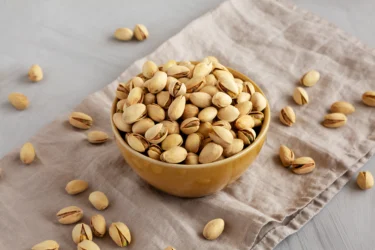
Though there are studies that show the benefits of Pistachios in various conditions, these are insufficient and there is a need for further studies to establish the true extent of the benefits of Pistachios on human health.
As per a study11, eating 3-4 pistachios everyday showed significant improvement in blood flow through the penis. This goes to show that eating pistachios may help with erectile dysfunction.
Dr. Rajeev Singh, BAMS
You must consult a qualified doctor before taking any herbal supplements. Do not discontinue or replace an ongoing treatment of modern medicine with an ayurvedic/herbal preparation without consulting a qualified doctor.
A few side effects related to the consumption of pistachios include:
However, if you experience any adverse reactions to pistachios, it is advised to discontinue its intake and immediately contact a doctor or your Ayurvedic physician who has prescribed it. They will be able to guide you appropriately for your symptoms.
Also Read: Amazing Health Benefits of the Avocado
Eating pistachios is okay if taken in moderate amounts. However, general precautions must be followed in the mentioned conditions10:
There is no significant interaction of pistachios with other drugs. However, you must always seek the advice of your Ayurvedic physician about the possible interaction of pistachios with other drugs and follow the prescription thoroughly, as they will know your health condition and other medications you are taking.
The scientific name of pistachios is Pistacia vera, which belongs to the family Anacardiaceae or the cashew family1.
Being a good source of fiber and protein, they may help in weight loss. However, more studies need to be done on humans to support these claims. Therefore, it is advised to consult a doctor for issues related to weight1.
Yes, pistachios may help manage diabetes as they have the potential to improve glycemic control. However, more studies need to be done in humans to support these claims. Therefore, it is advised to consult a doctor for better outcomes3.
Pistachios are rich in antioxidants like lutein and zeaxanthin, which may help improve vision. However, studies supporting these claims are limited and thus, it is advised to consult a doctor for a better assessment1.
Consumption of pistachios in excess can increase the risk of gout, impair the digestive process and kidney function. In allergy-prone individuals, pistachios can cause nut allergy8.
Disclaimer: The information provided here is for educational/awareness purposes only and is not intended to be a substitute for medical treatment by a healthcare professional and should not be relied upon to diagnose or treat any medical condition. The reader should consult a registered medical practitioner to determine the appropriateness of the information and before consuming any medication. PharmEasy does not provide any guarantee or warranty (express or implied) regarding the accuracy, adequacy, completeness, legality, reliability or usefulness of the information; and disclaims any liability arising thereof.
Links and product recommendations in the information provided here are advertisements of third-party products available on the website. PharmEasy does not make any representation on the accuracy or suitability of such products/services. Advertisements do not influence the editorial decisions or content. The information in this blog is subject to change without notice. The authors and administrators reserve the right to modify, add, or remove content without notification. It is your responsibility to review this disclaimer regularly for any changes.
1
3
Jaggery also known as “Gur or “Gud”, has been used extensively over the years for its many benefits. Due to the wide use of jaggery in Ayurveda, it is also called “medicinal sugar”. It is prepared by processing or boiling sugarcane juice, obtained from the sugarcane plant “Saccharum officinarum”. Jaggery is also known as gud, vellam, Bella or bellam. In an Indian diet, it is consumed either directly or used to prepare several sweet-based foods. Jaggery is used to prepare several traditional sweet dishes like karadantu, godhi huggi, chikki, gazak, and payasam1. This nutritious, unrefined sugar offers several benefits. Daily consumption of jaggery may help with asthma, cold, cough, and anaemia and may act as a natural cleansing agent.
Jaggery contains various nutritional components that are given in the table below. They are rich in a variety of compounds including vitamins, minerals, proteins, and antioxidants like selenium, Vitamin A, Vitamin C, and Vitamin E.
The solid jaggery nutritional value per 100g is as follows:2:
Scientific literature has found jaggery to show numerous properties as those mentioned below:
Some of the potential benefits of jaggery are described as follows:






Though there are studies that show the benefits of jaggery in various conditions, these are insufficient and there is a need for further studies to establish the true extent of the benefits of jaggery on human health.
Jaggery can be used in the following ways:
You must consult a qualified doctor before taking any herbal supplements. Do not discontinue or replace an ongoing treatment of modern medicine with an ayurvedic/herbal preparation without consulting a qualified doctor.
Jaggery is a traditional sweetener that is often included in meals for both its flavour and cultural significance. It is traditionally believed to help support digestion and may contribute to maintaining body warmth or promoting comfort after meals. In some practices, jaggery is also used to help with digestion. Preliminary studies have explored its potential roles in liver function and in supporting general well-being. Some individuals also use jaggery during certain times of the menstrual cycle9.
Dr. Rajeev Singh, BAMS
While jaggery is a popular traditional sweetener, it should be consumed in moderation. A few considerations include7:
However, if you experience any adverse reactions to jaggery, immediately contact a doctor or your Ayurvedic physician who has prescribed it to you. They will be able to guide you appropriately for your symptoms.
Also Read: Bael (Aegle Marmelos): Uses, Benefits, Nutritional Value & Side Effects
Eating jaggery is right if it is taken in moderate amounts. However, general precautions must be followed while consuming jaggery.
Consider replacing refined white sugar with jaggery, a traditional, less processed sweetener. When combined with natural spices like ginger, turmeric, cardamom, or black pepper, jaggery offers a flavourful alternative that many find appealing8.
Dr. Siddharth Gupta, B.A.M.S, M.D (Ayu)
There is limited data regarding the interaction of jaggery with drugs. However, you must always seek the advice of your Ayurvedic physician about the possible interaction of jaggery with other drugs, and follow the prescription thoroughly, as they will know your health condition and other medications you are taking.
Also Read: Psyllium Husk (Isabgol): Uses, Benefits & Side Effects
Jaggery, often called “medicinal sugar,” is a traditional and nutritious sweetener valued for its potential health benefits, including support for digestion, respiratory health, and anaemia. While it may complement a healthy lifestyle, jaggery should be consumed in moderation, especially by those with sugar sensitivities or diabetes, and should never replace professional medical advice or treatment.
Also Read: Pudina (Mint): Uses, Benefits, Side Effects & More!
Excessive consumption of jaggery can result in stomach pain. Freshly made jaggery can result in indigestion and allergy in individuals who are intolerant to sugar.
Yes, the consumption of jaggery may help regulate the menstrual cycle, but there are not many studies to support this claim. Consult your doctor for appropriate guidance and treatment.
Yes, consumption of jaggery may help improve iron-deficiency anaemia due to its high iron content and pitta-balancing properties. However, not enough studies have been conducted to support these claims. So, it is advised to consult a doctor for proper treatment.
The sugar content in jaggery is equal to white sugar. Although, consumption in moderate quantities is safe, you must consult your doctor for appropriate advice.
Although, no significant interactions are reported with the consumption of jaggery with medicines, it is recommended to consult a doctor to assess possible drug interactions.
Jaggery is often considered healthier than refined sugar because it is less processed and retains some natural nutrients. Unlike white sugar, which mainly provides empty calories, jaggery contains small amounts of minerals such as iron, potassium, calcium, and magnesium. It also has trace antioxidants that may support digestion and help cleanse the body.
Jaggery can be eaten daily in small amounts as it provides natural energy and some essential minerals. However, it is high in sugar and excess intake may raise blood glucose levels. People with diabetes, obesity, or metabolic disorders should consult a doctor or dietitian before consuming jaggery regularly.
Disclaimer: The information provided here is for educational/awareness purposes only and is not intended to be a substitute for medical treatment by a healthcare professional and should not be relied upon to diagnose or treat any medical condition. The reader should consult a registered medical practitioner to determine the appropriateness of the information and before consuming any medication. PharmEasy does not provide any guarantee or warranty (express or implied) regarding the accuracy, adequacy, completeness, legality, reliability or usefulness of the information; and disclaims any liability arising thereof.
Links and product recommendations in the information provided here are advertisements of third-party products available on the website. PharmEasy does not make any representation on the accuracy or suitability of such products/services. Advertisements do not influence the editorial decisions or content. The information in this blog is subject to change without notice. The authors and administrators reserve the right to modify, add, or remove content without notification. It is your responsibility to review this disclaimer regularly for any changes.
14
1
Yoga, an invaluable gift from ancient India, embodies the unification of mind-body; thought and action, fulfillment and restraint; and is considered a holistic approach to human health and well-being. Yoga is about practicing asanas and discovering a sense of oneness within ourselves, the world and nature1. Sarpasana is the most versatile of all yoga asanas. Sarpasana, also known as the snake pose or the snake asana, is a yoga pose that is said to have many benefits.
If you are searching for an easy yoga pose that can help you improve your overall health and well-being, look no further than Sarpasana! Please keep reading to learn more about the benefits of this pose and how to do it.
Sarpasana is a backbend in the prone position. “Sarpa” in Sanskrit means snake and “asana” means pose. In English, this asana is known as snake pose yoga. The Sritattvanidhi (treatise written in Karnataka), which was written in the 19th century, mentions this pose as “Sarpasana”, whereas in Iyengar yoga (a book written by the foremost yoga guru; B.K.S.Iyengar) this pose is referred to as Bhujangasana or the cobra pose2.
Sarpasana’s aligning of the spine allows prana (life-force energy) to flow through the chakras. As a result, these chakras are opened and balanced. Following chakras/body centers are opened and balanced :
The best time to practice Yogasanas is the “Brahmamuhurta”; a Sanskrit word that refers to the time two hours before and including sunrise. It is always advised to practice any asana on an empty stomach. Avoid performing any asana until three-four hours have lapsed after meals. One may perform Sarpasana in the following manner:
In my experience, regular practice of Sarpasana along with other yoga asanas may aid in rheumatoid arthritis. For the benefit of people, this drug-free, readily adaptable, easily accessible, reasonably priced expensive, side-effect-free, and more natural alternative therapy for the management of Amavata (rheumatoid arthritis).
Dr. Rajeev Singh, BAMS
Some benefits of yoga Sarpasana are as follows:

Pushpika et al. conducted a study13 in 2010 to assess the efficacy of yoga intervention in individuals with lower back pain. The yogic treatment plan included several asanas like Sarpasana. At the end of the study, it was found that lower back pain can be managed in the majority of cases with the help of Yogasanas like Sarpasana. However, further studies are needed to support these results. Consequently, it is recommended to consult a doctor for proper treatment; do not rely on this asana alone. Additionally, one must perform this asana under the supervision of a qualified trainer5.

Diabetes is characterized by an increase in glucose in the blood. Malhotra et al. conducted a study12 in 2003 on Type II diabetic individuals to assess the effect of yoga intervention consisting of various asanas like Sarpasana on Type II Diabetes mellitus. The 40-day practice of asanas like Sarpasana showed a decrease in fasting and post-prandial blood glucose. Therefore, yogic postures like Sarpasana might help improve glycemic control. However, if you have an abnormal sugar level, you should consult a doctor and not rely on this asana alone to treat diabetes. Additionally, it is recommended to practice this asana under the guidance of a professional trainer6.

Musculoskeletal disorders (MSDs) are complex syndromes ranging from acute to chronic pain, disability or impaired physical function. Yogasanas like Sarpasana move the spine and the lower body through the complete range of motion and might help improve muscle activity. Thus, it may provide symptomatic relief from MSDs. However, limited studies are known in this area. So, in case you have any muscle disorders, it is recommended to consult a doctor and not rely on this asana alone. Additionally, it is advised to perform this asana under the guidance of a qualified trainer7.
Martale et al. conducted a study8 in 2014 to assess the effects of Pranayama on physiology. The result on biochemical variables revealed a reduction trend in the values of triglycerides, cholesterol and LDL (Low-density lipoprotein). The results of this study sustained the fact that Yogasanas like Sarpasana may help improve the lipid profile. However, it is recommended to consult a doctor if you have an abnormal lipid profile. Sarpasana should not be considered a substitute for modern medicine and should be performed under the supervision of a qualified trainer8.

Verma et al. conducted a study9 in 2017 to assess the effect of yoga practices on micronutrient absorption in 66 urban school children. The yoga intervention included several supine pose and prone pose asanas including Sarpasana. 12-weeks of yoga intervention showed improvement in micronutrient absorption. Therefore, asanas like Sarpasana may improve micronutrient absorption. However, more studies should be conducted to support these claims. It is recommended to not consider this asana as an alternative to modern medicine. Additionally, it is advised to perform this asana under a qualified trainer9.
Also Read: Benefits of Parsvakonasana (Side Angle Pose) and How to Do it By Dr. Ankit Sankhe
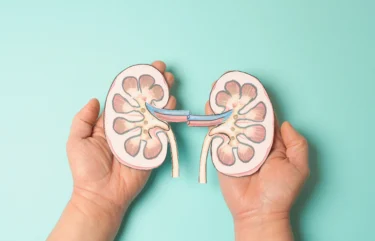
Yoga practice may help develop the mind and body; however, it is still not an alternative to modern medicine. Therefore, you must not rely on Yoga alone to treat any condition. Instead, please consult a qualified doctor who will be able to assess your condition correctly and advise accordingly. Moreover, it is necessary to practice and learn Yoga under the supervision of a trained yoga teacher to avoid any injuries.
From my knowledge, regular practice of Sarpasana may help to tone the abdomen and lessen the size of a bulging belly. It is believed to aid in the weight loss journey11.
Dr. Siddharth Gupta, B.A.M.S, M.D (Ayu)
Few conditions where Sarpasana is contraindicated are:
Also Read: Benefits of Pranam Asana (Prayer Pose) and How to Do it By Dr. Himani Bisht
Sarpasana is a backbend in a prone position. “Sarpa” in Sanskrit means snake, and “asana” means pose. In English, this asana is known as snake pose yoga. The Sritattvanidhi (treatise written in Karnataka), which was written in the 19th century, mentions this pose as “Sarpasana”, whereas in Iyengar yoga (a book written by the foremost yoga guru; B.K.S.Iyengar) this pose is referred to as Bhujangasana or the cobra pose. Practising Sarpasana may provide several benefits, which include improvement of diabetes, asthma, muscular flexibility, and lipid profile. Additionally, this asana may help promote appetite, relieve constipation, strengthen legs and shoulders and improve flexibility.
Also Read: Benefits of Mayurasana (Peacock Pose) and How to Do it By Dr. Ankit Sankhe
Sarpasana is known as the snake pose in yoga. “Sarpa” in Sanskrit means snake and “asana” means pose. In English, this translates to snake pose yoga.
Sarpasana may provide several benefits, which include improvement of diabetes, asthma, muscular flexibility and lipid profile. Additionally, this asana may help promote appetite, relieve constipation, strengthen legs and shoulders and improve flexibility.
Lie on your stomach with your legs straight, and your feet joined together. Place your chin on the floor. Next, interlock the fingers and place your hands on your buttocks. Push your hands back and try to raise your arms as much as possible. Imagine someone is pulling your arms from behind. Hold this position as long as it is comfortable. Next, slowly return to the initial position and relax your body. This completes one round of Sarpasana. Repeat and practice up to five rounds3.
People having cardiac disorders, vertebral and disc disorders, hernia, and ulcers should abstain from performing Sarpasana3.
No, Sarpasana is not a part of surya namaskar.
1. 21 June INTERNATIONAL DAY OF YOGA INTERNATIONAL DAY OF YOGA Common Yoga Protocol, Ministry of Ayurveda, Yoga & Naturopathy, Unani, Siddha and Homoeopathy (AYUSH) [Internet] 4th Revised Edition, May 2019. [Cited: 2022 Nov 06] Available from: https://mea.gov.in/images/pdf/common-yoga-protocol-english.pdf
2. N.E.Sjoman. Sarpasana. The Yoga tradition of the Mysore palace. Abhinav publications.1999;16,21,71,72. Available at: https://terebess.hu/english/Yoga-Tradition-of-the-Mysore-Palace.pdf
3. Swami Satyananda Saraswati. Asana Prayanama Mudra Bandha. Yoga Publication trust Bihar: India.1996;201-203. Available at: https://www.yogkulam.org/books/Asana.pdf
4. Swami Satyananda Saraswati. Kundalini Tantra. Awakening the chakras. Pg.53.Available at: https://www.yogkulam.org/books/Kundalini%20Tantra%20SwamiSatyananda%20Saraswati-.pdf
5. Pushpika et al. Clinical evaluation of selected Yogic procedures in individuals with low back pain.Ayujournal. April,2010. DOI:10.4103/0974-8520.72409. Available at: https://www.researchgate.net/publication/51844141_Clinical_evaluation_of_selected_Yogic_procedures_in_individuals_with_low_back_pain
6. Malhotra. V, Singh. S, Tandon OP, Sharma SB. (2005). The beneficial effect of yoga in diabetes. Nepal medical college Journal, 7(2), 145-47 Available at: https://pubmed.ncbi.nlm.nih.gov/16519085/
7. Mullerpatan RP, Agarwal BM, Shetty TV. Exploration of Muscle Activity Using Surface Electromyography While Performing Surya Namaskar. Int J Yoga. 2020 May-Aug;13(2):137-143. doi: 10.4103/ijoy.IJOY_72_19. Epub 2020 May 1. PMID: 32669768; PMCID: PMC7336940. Available at: https://www.ncbi.nlm.nih.gov/pmc/articles/PMC7336940/
8. Martale at al. The Effect of Pranayama on Physiological Aspects. Entire Research, Vol.- 6, Issue-II. 2014;66-70. Available at: https://www.ghrws.com/Entire%20Research/E.%20R.%202014/Volume-6,%20Issue-II,%20April%202014.pdf
9. Verma A, Shete S, Kulkarni D, Bhogal RS. Effect of yoga practices on micronutrient absorption in urban residential school children. J Phys Ther Sci. 2017 Jul;29(7):1254-1258. doi: 10.1589/jpts.29.1254. Epub 2017 Jul 15. PMID: 28744059; PMCID: PMC5509603. Available at: https://www.ncbi.nlm.nih.gov/pmc/articles/PMC5509603/
10. Pal Surbhi, Role of yoga therapy (Asana & Pranayama) in the Management of Menopausal Syndrome. Sangyaharan Shodh: International Peer Reviwed: Aug. 2022, Vol. 25, No.2/ ISSN 2278-8166. Available from: https://www.researchgate.net/publication/377724687_Role_of_yoga_therapy_Asana_Pranayama_in_the_Management_of_Menopausal_Syndrome
11. Joshi S (Deole), Deole YS, Vyas GH, Dash SC. Management of overweight and obesity through specific yogic procedures. AYU (An International Quarterly Journal of Research in Ayurveda). 2009 Oct–Dec;30(4):425–435 [cited 2025 Dec 20]. Available from: https://www.researchgate.net/profile/Yogesh-Deole/publication/265026464_Management_of_Overweight_and_Obesity_through_specific_Yogic_procedures/links/54f8124b0cf210398e940ed7/Management-of-Overweight-and-Obesity-through-specific-Yogic-procedures.pdf
12. Malhotra V, Singh S, Tandon OP, Madhu SV, Prasad A, Sharma SB. Effect of yoga asanas on nerve conduction in type 2 diabetes. Indian J Physiol Pharmacol. 2002 Jul;46(3):298–306. PMID:12613392. Available from: https://pubmed.ncbi.nlm.nih.gov/12613392/
13. Attanayake AMP, Somarathna KIWK, Vyas GH, Dash SC. Clinical evaluation of selected yogic procedures in individuals with low back pain. Ayu. 2010 Apr;31(2):245–250. doi:10.4103/0974-8520.72409. PMID:22131719; PMCID:PMC3215373. Available from: https://pubmed.ncbi.nlm.nih.gov/22131719/
Disclaimer: The information provided here is for educational/awareness purposes only and is not intended to be a substitute for medical treatment by a healthcare professional and should not be relied upon to diagnose or treat any medical condition. The reader should consult a registered medical practitioner to determine the appropriateness of the information and before consuming any medication. PharmEasy does not provide any guarantee or warranty (express or implied) regarding the accuracy, adequacy, completeness, legality, reliability or usefulness of the information; and disclaims any liability arising thereof.
Links and product recommendations in the information provided here are advertisements of third-party products available on the website. PharmEasy does not make any representation on the accuracy or suitability of such products/services. Advertisements do not influence the editorial decisions or content. The information in this blog is subject to change without notice. The authors and administrators reserve the right to modify, add, or remove content without notification. It is your responsibility to review this disclaimer regularly for any changes.
0
0
Canola is a yellow flowering plant that belongs to the family Brassicaceae. Three different species in this family are Brassica rapa, Brassica napus and Brassica juncea. B.napus, also known as rapeseed, was identified in 2000 B.C. originally in Northern Europe and the Mediterranean. Rapeseed is a crop high in erucic acid. It is known to contain >40% erucic acid (monounsaturated omega-9 fatty acid). Animal studies showed erucic acid was unhealthy for human use and used in small quantities for industrial use in North America.
In 1976, Canadian scientists were able to improve the quality of rapeseed. In 1979, Canada registered the word “canola” for the discovery of a new seed found to produce oil, which was low in erucic acid and glucosinolates. Canola oil has now become has become one of the major oilseed crops worldwide. After palm and soyabean oil, canola oil production ranks third largest vegetable oil by volume. Let us find more exciting benefits regarding canola oil1.
Canola oil contains no traces of cholesterol and is made up of unsaturated fats, this is the reason why it is considered healthier compared to other oils. The percent composition of canola oil is given below
Scientific literature has found that the consumption of canola oil shows numerous properties as mentioned below:
Let me share something really interesting about canola oil. It contains vitamin E, including gamma-tocopherol and alpha-tocopherol. Vitamin E might play an important role in keeping your cell membranes healthy, especially those in your mucus membranes and skin. It does so by acting as a potential shield against harmful oxygen-free radicals that might damage your cells8.
Dr. Rajeev Singh, BAMS
Some of the potential benefits of Canola oil are described as follows:
Hyperlipidemia is a risk factor for most cardiovascular diseases, which might be closely linked to plasma lipid levels. Vegetable oils like canola oil may help improve plasma lipids. Ghobadi et al. conducted a systematic review in 2019 to assess the effect of canola oil consumption on lipid profile3. The review showed that consumption of canola oil significantly reduced low-density lipoproteins (LDL) and total cholesterol (TC) and did not affect high-density lipoprotein (HDL) and triglycerides. This indicates that the consumption of canola oil may improve TC & LDL. However, more studies are required to confirm these claims.
Hepatic steatosis, or fatty liver disease causes prolonged fat accumulation in the liver. It impairs hepatic metabolism and can result in inflammation of the liver. Studies show that consumption of canola oil may have a positive impact on hepatic steatosis. Maryam et al. conducted a study4 in 2021 to assess the effect of canola oil consumption on hepatic steatosis in women suffering from PCOS (Polycystic Ovarian Syndrome). The intervention included the consumption of canola oil 25g/d for 12 weeks. Results showed that women who consumed canola oil showed a reducing trend in the fatty liver grade. This indicates that canola oil may help in treating hepatic steatosis. However, more studies are needed to claim these results.

Insulin resistance and oxidative stress play an important role in the pathophysiology of Type II DM. Atefi et al. conducted a study5 in 2018 to assess the effect of canola oil on insulin resistance, oxidative stress, and inflammation in women with Type II DM. The intervention included the consumption of 30g/d canola oil for 8 weeks. The study results concluded that consumption of canola oil in type II DM might help reduce oxidative stress and inflammation. This indicates that canola oil may help manage Type II DM. However, more studies are needed to support these claims.
Central obesity is the accumulation of visceral fat or excess weight around the body’s centre. Canola oil is a cholesterol-free oil that can help in managing obesity. Liu et al. conducted a study6 in 2016 to assess the effects of diets low in saturated fatty acids or high in polyunsaturated fatty acids/ monounsaturated fatty acids on body composition. This study showed that participants who received canola oil had a reduced fat mass, especially males. Therefore, there is a certainty that canola oil may help in reducing central obesity, but we need more studies to support these claims.

Though there are studies that show the benefits of canola oil in various conditions, these are insufficient and there is a need for further studies to establish the true extent of the benefits of canola oil on human health.
Judging from what I’ve witnessed, canola oil might be a safe choice for people with food allergies. This is because it doesn’t have the proteins that usually cause allergic reactions. So, you may use canola oil without any worries8.
Dr. Siddharth Gupta, B.A.M.S, M.D (Ayu)
Canola oil can be used in the following ways:
You must consult a qualified doctor before taking any herbal supplements. Do not discontinue or replace an ongoing treatment of modern medicine with an ayurvedic/herbal preparation without consulting a qualified doctor.
Also Read: 7 Incredible Benefits Of Chia Seed Oil
A few side effects related to the use of canola oil include:
However, if you experience any adverse reactions to canola oil, immediately contact a doctor or your Ayurvedic physician who has prescribed it to you. They will be able to guide you appropriately for your symptoms.
Canola oil, which has a high smoke point, might be ideal for deep frying, in my view. It might withstand high temperatures up to 246°C without smoking. This means that when you use canola oil for deep frying, the oil is less likely to be absorbed by the food. So, you may get deliciously crispy fried foods with less oil retention8.
Dr. Smita Barode, B.A.M.S, M.S.
The use of canola oil is contraindicated in the following conditions:
Also Read: Health Benefits of Coconut Oil for Skin and Hair
There is a lack of data regarding the interaction of canola oil with other drugs. If you’re taking blood thinners, kindly consult with your doctor. Additionally, you must always seek the advice of your Ayurvedic physician about the possible interaction of canola oil with other drugs, and follow the prescription thoroughly, as they will know your health condition and other medications you are taking.
Also Read: Almond Oil: Uses, Benefits, Side Effects By Dr. Rajeev Singh
Rapeseed is a crop high in erucic acid, known to contain >40% erucic acid (monounsaturated omega-9-fatty acid). Canola oil is the modified version of this plant, with improved quality1.
The canola oil plant is scientifically known as Brassica rapa.
The use of canola oil during pregnancy should be avoided, as it can lead to stunted growth of the infant. Kindly, consult your doctor for proper advice2.
Canola oil may show a reduction in total cholesterol and LDL. However, it is advised to consult a doctor for a proper treatment for hyperlipidemia and not consider canola oil as an alternative to modern medicine.
The use of canola oil may harm the heart and the liver due to the toxic mustard gas. Although present in small amounts, uric acid may hinder normal growth. As canola oil is partially hydrogenated, it may cause arterial inflammation and calcification. Additionally, it can impair memory and may prolong bleeding time2.
Disclaimer: The information provided here is for educational/awareness purposes only and is not intended to be a substitute for medical treatment by a healthcare professional and should not be relied upon to diagnose or treat any medical condition. The reader should consult a registered medical practitioner to determine the appropriateness of the information and before consuming any medication. PharmEasy does not provide any guarantee or warranty (express or implied) regarding the accuracy, adequacy, completeness, legality, reliability or usefulness of the information; and disclaims any liability arising thereof.
Links and product recommendations in the information provided here are advertisements of third-party products available on the website. PharmEasy does not make any representation on the accuracy or suitability of such products/services. Advertisements do not influence the editorial decisions or content. The information in this blog is subject to change without notice. The authors and administrators reserve the right to modify, add, or remove content without notification. It is your responsibility to review this disclaimer regularly for any changes.
4
1
Coconut is a simple fruit with multiple gifts to offer! It is also known as coco, nariyal, coco-da-bahia, etc. The scientific name of the coconut tree is Cocos nucifera (L.), and it belongs to the family Arecaceae. The plant originated from Southeast Asia and islands between the Pacific and Indian Ocean; it was brought to India and East Africa. The coconut palm is either utilized as a whole or in sections to produce milk, husk or the widely used coconut oil. Coconut oil is prepared by pressing dried coconut meat (copra) or fresh coconut meat. The oil prepared using fresh coconut meat is known as virgin coconut oil, and the one prepared using dried coconut meat (copra i.e. the dried brown covering) is called refined coconut oil. Coconut oil has benefits much more than you can expect. Here are a few benefits of virgin coconut oil and some special considerations to be kept in mind if you plan to include coconut oil in your diet1,2.
Coconut oil contains various nutritional components including bioactive compounds such as that are given below (Value per 100 g)3:
You can mix several oils with coconut oil to increase its efficacy when used for hair-related issues such as baldness, hair loss, dandruff, etc. Oils such as castor, amla, neem, and almond are great sources of various nutrients like vitamins, antioxidants, protein, etc. These properties add to the goodness of coconut oil12.
Dr. Siddharth Gupta, B.A.M.S, M.D (Ayu)
The consumption of coconut oil shows numerous scientifically proven properties. Some of these properties are mentioned below:
Some of the potential benefits of coconut oil are described as follows:

Coconut oil prevents damage to various hair types. Rele et al. conducted a review4 in 2003 to assess the effect of different treatments on hair. This study concluded that, among all other treatments, coconut oil was the only oil found to reduce protein loss for damaged and undamaged hair types. In addition, coconut oil is a triglyceride of lauric acid, has a high affinity for hair proteins, that can penetrate hair shafts due to its low molecular weight. This indicates that coconut oil may have a positive impact on hair. However, we need more studies to support these claims4.

Coconut oil is a medium-chain fatty acid known to have several benefits. Teng et al. conducted a systematic review5 in 2020 to assess the effects of coconut oil consumption on lipid profile. The summary estimate of 12 meta-analysis studies showed that consumption of coconut oil increased high-density lipoprotein (HDL- good cholesterol) and low-density lipoprotein or bad cholesterol. A better lipid profile is demonstrated with the use of virgin coconut oil. This indicates that using coconut oil may improve HDL but can also have a harmful effect by increasing low-density lipoprotein. Therefore, more studies are needed to support the use of coconut oil in humans, especially those focused on virgin coconut oil5.

Few studies support the anticancer role of coconut oil. Verma et al. conducted a study6 in 2019 to assess the in-vitro anticancer activity of virgin coconut oil in cancer cell lines in the liver. This study showed positive results for cancer cell lines treated with virgin coconut oil. In addition, the fatty acid component of coconut oil is known to target the liver by portal circulation directly. This indicates that using coconut oil may help manage liver cancers. However, more studies are needed to support these claims6.

Alzheimer’s disease is a prevalent neurodegenerative disease characterised by a decline in cognition. Jose et al. conducted a study7 in 2017 to assess the effect of coconut oil consumption in Alzheimer’s disease. The results of this study showed that the consumption of coconut oil had a positive impact on cognitive function. This suggests that coconut oil may help manage Alzheimer’s disease by improving cognition. However, more studies are needed to support these claims7.

The antiviral and antibacterial properties of coconut oil are attributed to the presence of lauric acid. Khairiyah et al. conducted a literature review8 in 2017 on the nutraceutical properties of coconut oil, which suggested that consumption of coconut oil can have a positive impact on gram positive bacterial infections. Imelda et al. conducted a study in 2021 to assess the effect of virgin coconut oil on Covid-19 patients. The results of this study support the use of virgin coconut oil by reducing C-reactive protein levels that may help manage viral infections like Covid-19. Additionally, the presence of caprylic acid and lauric acid may help in managing fungal infections. The above-mentioned studies indicate that consumption of coconut oil may help in managing bacterial, viral and fungal infections. However, more studies are needed to support these claims8,9.
Some studies show that coconut oil contains lauric acid that possesses antimicrobial activities. Because of these properties, using coconut oil to aid minor wounds might be beneficial13.
Dr. Rajeev Singh, BAMS

Though there are studies that show the benefits of coconut oil in various conditions, these are insufficient and there is a need for further studies to establish the true extent of the benefits of coconut oil on human health.
It can be used in the following ways:
You must consult a qualified doctor before taking coconut oil. Do not discontinue or replace an ongoing treatment of modern medicine with coconut oil without consulting a qualified doctor.
A few side effects related to the consumption of coconut oil include the following9:
However, if you experience any adverse reactions to coconut oil, it is advised to discontinue its intake and immediately contact a doctor or your Ayurvedic physician who has prescribed it to you. They will be able to guide you appropriately for your symptoms.
Eating coconut oil is okay if taken in moderate amounts. However, general precautions must be followed in the following conditions:
Also Read: Walnut Oil: Uses, Benefits, Side Effects By Dr. Smita Barode
There are no significant interactions of coconut oil with other drugs. However, you must always seek the advice of your Ayurvedic physician about the possible interaction of coconut oil with other drugs, and follow the prescription thoroughly, as they will know your health condition and other medications you are taking.
The scientific name of coconut is Cocos nucifera (L.), and it belongs to the family Arecacea1.
The oil prepared using fresh coconut meat is known as virgin coconut oil, and the one prepared using dried coconut meat (copra i.e., the dried brown covering) is called refined coconut oil2.
Studies show a positive result between the consumption of coconut oils and gingivitis, attributed to the presence of polyphenols which show an anti-inflammatory effect. However, more studies must be done to support this claim in humans. Therefore, it is advised to consult a doctor for proper treatment of gingivitis.
Yes, in-vitro studies show that consumption of coconut oil may have a positive impact on liver cancers; however, more studies are needed to ensure this. Therefore, it is advised to consult a doctor for a proper treatment of liver cancer and do not consider consumption of coconut oil as an alternative to modern medicine5.
Consuming coconut oil in excess can result in headaches, nausea, swollen glands, dizziness, chills and loose stools9.
Disclaimer: The information provided here is for educational/awareness purposes only and is not intended to be a substitute for medical treatment by a healthcare professional and should not be relied upon to diagnose or treat any medical condition. The reader should consult a registered medical practitioner to determine the appropriateness of the information and before consuming any medication. PharmEasy does not provide any guarantee or warranty (express or implied) regarding the accuracy, adequacy, completeness, legality, reliability or usefulness of the information; and disclaims any liability arising thereof.
Links and product recommendations in the information provided here are advertisements of third-party products available on the website. PharmEasy does not make any representation on the accuracy or suitability of such products/services. Advertisements do not influence the editorial decisions or content. The information in this blog is subject to change without notice. The authors and administrators reserve the right to modify, add, or remove content without notification. It is your responsibility to review this disclaimer regularly for any changes.
8
0
Cashew nuts or Kaju are technically not nuts but seeds. The scientific name of cashew nuts is Anacardium Occidentale L. and belongs to the family Anacardiaceae.
Cashew nuts grow on evergreen trees, which are native to Brazil and later expanded to South American countries. The Portuguese introduced cashew nuts in India and Africa in the 16th century.
A single-seeded nut in a hard grey shell grows at the bottom of the cashew apple (a soft and juicy fruit). There are 33 varieties of cashew nuts identified, out of which only 26 varieties are marketed. The W-180 variety is known as the “king of cashews”.
Cashew nuts are a popular ingredient known for its rich nutty flavour and is used in various Indian dishes and as a dairy alternatives like cream and cashew milk. As for the nutritional composition, cashew nuts are rich in tocopherols, phytosterols, phenolic lipids and several bioactive compounds, all of which have several benefits to human health1.
Cashew nuts provide a range of nutrients per 100g serving, as outlined below2:
Cashews have several vital nutrients such as vitamins like vitamin B (thiamine and folate), E, and K. Additionally, they are abundant in minerals like magnesium, phosphorus, copper, and zinc, which are crucial for several body processes11.
Dr. Siddharth Gupta, B.A.M.S, M.D (Ayu)
Scientific literature has found that cashew nuts show numerous properties as those mentioned below:
Some of the potential benefits of cashew nuts are described below.

Consumption of cashew nuts may exert a cardio-protective effect. A study5 conducted to assess the effects of cashew nut consumption on blood pressure and cardiovascular risk factors supported that consumption of cashew nuts may improve triglyceride levels and systolic and diastolic blood pressure. However, the same study did not find significant effects on other factors like HDL cholesterol or total cholesterol. While these findings are promising, further high-quality research is needed to confirm the potential benefits. Cashew nuts should be consumed in moderation as part of a varied and balanced diet.

Cashew nuts are rich in proanthocyanidins, a flavanol that is associated with cancer cell replication. Additionally, the presence of copper and other minerals may help reduce the risk of colon cancer. Thus, this may indicate consumption of cashew nuts may exert an anti-cancer effect. However, we need enough studies to support these claims6.

Proinflammatory cytokines like TNF-alpha and IL-6 are involved in the development of chronic pain. Cashew nuts have been found to exhibit anti-inflammatory and pain-relieving (analgesic) properties, potentially by reducing the production of these inflammatory molecules. They also possess antioxidant activity, which may help protect cells from damage caused by harmful free radicals. These properties suggest that including cashew nuts in the diet may help support the body’s natural response to inflammation and discomfort. However, further research in humans is needed to confirm these potential effects7.
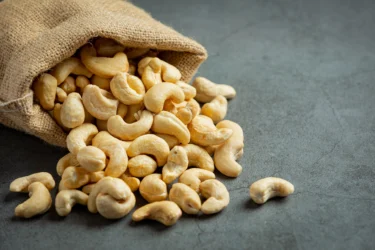
Haemoglobin is a protein that enables red blood cells to carry oxygen. Iron and copper are essential micronutrients required for the production of haemoglobin. Cashew nuts are a source of iron and copper and thus may help in the formation of haemoglobin. Additionally, the consumption of cashew nuts may help in managing blood disorders. However, scientific evidence supporting these claims is limited, and we need more studies to confirm these findings6.

Cashew nuts contain zeaxanthin, an antioxidant known to protect the macula of the eyes from external damage and improve eyesight. This may indicate that the consumption of cashew nuts can help improve vision. However, scientific evidence supporting these claims is limited, and we need more studies to support these claims6.

Cashew nuts may help in improving brain function. Chemobrain is a term for the adverse effects of chemotherapy-induced brain deterioration. There are no drugs which are available to cure the weakening of the brain caused due to chemotherapy. A study8 conducted in 2022 to assess the effects of cashew nuts consumption on cisplatin-induced brain harm in rats showed that cashew nuts could be used as a functional food to manage cisplatin-induced neurotoxicity. This indicates that the consumption of cashew nuts may help improve brain function. However, we need more studies to confirm these claims7.

Cashe nuts may help in managing diabetes, supporting bone health, and improving brain function. Additionally, cashew nuts may contribute to healthy weight management and provide nourishment to the hair. Some evidence also suggests they may assist in the prevention of certain blood disorders9.
To my knowledge, cashew nuts offer multiple health benefits as they are packed with micro and macronutrients. They are believed to contain natural compounds that could contribute to immune function, exhibit antioxidant properties, and support general wellness. Some studies12 also suggest that they may also play a role in maintaining skin health and supporting iron intake.
Dr. Rajeev Singh, BAMS
Cashew nuts can be used in the following ways10:
You must consult a qualified doctor before taking any herbal supplements. Do not discontinue or replace an ongoing treatment of modern medicine with an ayurvedic/herbal preparation without consulting a qualified doctor.
A few side effects related to the consumption of cashew nuts include3:
However, if you experience any adverse reactions to cashew nuts, immediately contact a doctor or your Ayurvedic physician who has prescribed it to you. They will be able to guide you appropriately for your symptoms.
Also Read: List of Protein Rich Food for Vegetarians
Eating cashew nuts in moderation is generally considered safe for most people. However, it is important to follow certain precautions while consuming cashew nuts10:
Also Read: Chayote: Uses, Benefits, Side Effects & More
Cashew nuts show no significant drug interactions with medicines. However, it is always advisable to consult a healthcare professional before including cashew nuts regularly in your diet, especially if you are taking prescribed medication.
Also Read: Psyllium Husk (Isabgol): Uses, Benefits & Side Effects
Cashew nuts are a nutritious addition to the diet and may offer several potential health-supporting properties. However, they should be consumed in moderation and may not be suitable for everyone. Further studies are needed to confirm their effects on human health.
Also Read: Dried Dates: Uses, Benefits, Side Effects & More!
The scientific name of cashew nuts is Anacardium Occidentale L., and it belongs to the family Anacardiaceae.
Salted cashew nuts can be consumed as snacks occasionally, but they’re not nutritious. It is advised to consume cashew nuts raw, and unsalted without any oils.
Consumption of cashew nuts may help improve eyesight due to the presence of an antioxidant, zeaxanthin. However, there are no studies conducted yet to support these claims.
The symptoms of nut allergy include urticaria (red bumps on the skin), runny nose, swollen lips, and itchy skin.
Consuming cashew nuts in excess can result in constipation or weight gain. It may also trigger an allergic reaction in sensitive individuals.
Disclaimer: The information provided here is for educational/awareness purposes only and is not intended to be a substitute for medical treatment by a healthcare professional and should not be relied upon to diagnose or treat any medical condition. The reader should consult a registered medical practitioner to determine the appropriateness of the information and before consuming any medication. PharmEasy does not provide any guarantee or warranty (express or implied) regarding the accuracy, adequacy, completeness, legality, reliability or usefulness of the information; and disclaims any liability arising thereof.
Links and product recommendations in the information provided here are advertisements of third-party products available on the website. PharmEasy does not make any representation on the accuracy or suitability of such products/services. Advertisements do not influence the editorial decisions or content. The information in this blog is subject to change without notice. The authors and administrators reserve the right to modify, add, or remove content without notification. It is your responsibility to review this disclaimer regularly for any changes.
31
3
“Kacchi kairi” or raw mango is reminiscent of our childhood days for many of us. The name itself is sufficient to stimulate our taste buds. The scientific name of mango is “Mangifera indica”, and it belongs to the family Anacardiaceae. Be it the tangy kacchi kairi (raw mango) or the sweet ripened fruit, mangoes are one of the most relished fruits in India.
There are over 30 different species of mango, each with a unique taste, colour, size, and shape. Every part of the mango tree has some medicinal properties. For example:
Various parts of the tree have also been used as antiseptic, dentifrice (tooth powders and toothpaste), diaphoretic (to increase perspiration), and vermifuge (anti-helminthic).
The taste and numerous health benefits justify why mango is called the “King of Fruits.” Let’s find out more about this nutrient-rich fruit.
Raw mango is a great source of nutrients, rich in vitamins, minerals, dietary fiber, and carotenoids. Here are the nutritional components of raw mango per 100 grams2:
Did you know?
Research has found that the consumption of raw mangoes may show the following properties:
Some of the potential benefits of raw mango are described as follows:

Raw mango is high in fiber and low in calorie content and can help manage weight. Yanni et al. conducted a study5 in 2022 to assess the effect of mango consumption on weight-related health outcomes. It was found that the male adults who consumed raw mangoes showed a lower Body Mass Index (BMI), waist circumference and body weight compared to the non-consumers. This may indicate that the consumption of raw mangoes may help in weight management. However, more studies to support these claims are needed3,4.

Raw mango is rich in antioxidants like polyphenols and mangiferin. A review6 conducted in 2017 stated that mangiferin helps inhibit cell proliferation and apoptosis (cell death). It is known to interfere with cell cycle regulation and thus, the carcinogenic pathway. This may indicate that raw mangoes can help in managing cancers. However, human studies are required to ascertain these claims.

Raw mangoes may help in avoiding liver problems by stimulating bile production. Bile is a juice produced by the liver that helps break down fats and aids digestion. It helps in the removal of drugs and toxins from the body. Additionally, mangiferin, an antioxidant in raw mangoes, has a hepatoprotective function. This may indicate that consuming raw mangoes may help improve the liver’s health. However, no human studies have been conducted so far to support these claims3,5.

Raw mangoes contain a unique antioxidant, mangiferin, which helps balance triglycerides, cholesterol, and fatty acids. Additionally, the fibre, potassium, and vitamin content in mangoes may help reduce the risk of cardiac diseases. Therefore, there is a possibility that the consumption of mangoes can help promote a healthy heart, but we need more human studies to support these claims3.

Due to the presence of nutrients like Vitamin A, Vitamin C, Vitamin E, proteins, iron, zinc, etc., raw mangoes are a good option for nourished hair and healthy skin. Furthermore, vitamin C is important for forming collagen, which strengthens the hair and skin. In addition, raw mangoes may help improve hair growth and produce sebum, which is known to moisturise the scalp and keep the hair healthy. This indicates that the consumption of raw mangoes may exert a beneficial effect on hair and skin. However, there needs to be more studies to support these claims in humans3.

Raw mangoes are rich in Vitamin C, which may help reduce the risk of various blood disorders like haemophilia, anaemia, and blood clot formation. Additionally, raw mangoes may help increase the elasticity of blood vessels and aid the hematopoiesis process (formation of new blood cells). This indicates that consuming raw mangoes may help manage blood disorders. However, as the scientific evidence supporting these claims is limited, it is best to seek a professional opinion if you might be suffering from a blood disease3.

Though there are studies that show the benefits of raw mangoes in various conditions, these are insufficient and there is a need for further studies to establish the true extent of the benefits of raw mangoes on human health.
Did you know that one cup (165-gram) of sliced, raw mango contains approximately 100 calories? Mangoes are not only delicious but also provide a satisfying and nutrient-rich snack option5.
Dr. Siddharth Gupta, B.A.M.S, M.D (Ayu)
Raw mangoes can be used in the following ways:
You must consult a qualified doctor before taking any herbal supplements. Do not discontinue or replace an ongoing treatment of modern medicine with an ayurvedic/herbal preparation without consulting a qualified doctor.
Individuals with a latex allergy should exercise caution when consuming mangoes, as they may experience a cross-reaction. This means that the proteins in mangoes can trigger an allergic response in those who are sensitive to latex7.
Dr. Rajeev Singh, BAMS
A few side effects related to the consumption of raw mango include:
However, if you experience any adverse reactions to raw mango, discontinue its intake and immediately contact a doctor or your Ayurvedic physician who has prescribed it to you. They will be able to guide you appropriately for your symptoms.
Also Read: Red Rice: Uses, Benefits, Side Effects & More
Eating raw mango is okay if it is taken in moderate amounts. However, general precautions must be followed while consuming raw mango. The majority of the precautions are:
Also Read: Bakuchi: Uses, Benefits, Dosage & Side Effects
Raw mangoes inhibit the cytochrome P450 enzymes, which are known to metabolise certain drugs like warfarin, propranolol, theophylline, etc. Inhibition of these enzymes can alter the blood concentration of drugs metabolised by this pathway. Therefore, you must always seek the advice of your doctor about the possible interaction of raw mangoes with other drugs, and follow the prescription thoroughly, as they will know your health condition and other medications you are taking.
Also Read: Peanuts: Uses, Benefits, Side Effects and More
The scientific name of mango is “Mangifera indica”, and it belongs to the family Anacardiaceae1.
Mango is known as the king of fruits1.
Raw mangoes contain a high level of carotenoids, which may help improve eyesight. However, there are no human studies which have proven these claims. So, it is advised to consult a doctor for proper treatment.
Consumption of raw mangoes in excess can result in stomach pain and diarrhoea. Some people may experience allergies or throat pain after consumption of certain raw mango varieties.
Since raw mangoes can inhibit the cytochrome P450 enzymes, medicines which are metabolised by this pathway may show an unwanted reaction. So, it is advised to consult a doctor for proper advice.
Disclaimer: The information provided here is for educational/awareness purposes only and is not intended to be a substitute for medical treatment by a healthcare professional and should not be relied upon to diagnose or treat any medical condition. The reader should consult a registered medical practitioner to determine the appropriateness of the information and before consuming any medication. PharmEasy does not provide any guarantee or warranty (express or implied) regarding the accuracy, adequacy, completeness, legality, reliability or usefulness of the information; and disclaims any liability arising thereof.
Links and product recommendations in the information provided here are advertisements of third-party products available on the website. PharmEasy does not make any representation on the accuracy or suitability of such products/services. Advertisements do not influence the editorial decisions or content. The information in this blog is subject to change without notice. The authors and administrators reserve the right to modify, add, or remove content without notification. It is your responsibility to review this disclaimer regularly for any changes.
23
4
Due to prolonged sitting habits throughout the day, we experience limited flexibility in the hip muscles. Since these muscles lose flexibility, they can be painful and the movements get restricted. These changes in the movements impact the other regions of our body and ultimately affect the way we move. Yoga poses might help address flexibility issues of the major muscle groups1.
Bhadrasana, is one such yogasana. It is a sitting posture. Let us read further to know more about bhadrasana benefits2.
Bhadrasana is a combination of two words, Bhadra and asana. Bhadra means firm or auspicious; thus, bhadrasana is also called the firm or auspicious posture. It is an excellent meditation pose. This asana helps to increase blood flow in the pelvic (region between abdomen and thighs) part2,3.
Did You Know?
To perform the bhadrasana yoga pose, we must sit with our neck, head and back straight with your legs stretched in the front. Let the hips and palms rest on the floor comfortably. Then follow the following steps to get into the bhadrasana posture:
If you cannot touch your thighs to the floor or cannot even reach them somewhat close to the floor, you may place a soft cushion underneath the knees for support.
Practising bhadrasana might increase the flexibility of your legs, and improve strength in the thighs, hips, backbone, and buttocks. Additionally, it may also relieve varicose veins in people who regularly practice it9.
Dr. Rajeev Singh, BAMS
Yogasanas have benefitted humankind for ages; bhadrasana is another beneficial yoga pose which helps in several ways, as follows:

According to the American Heart Association6, eating healthy, exercising and meditation might be good preferences to benefit for heart disease. Cardiovascular diseases (a group of disorders of the heart and blood vessels) may be caused due to high cholesterol levels and increased blood pressure. Appropriate yoga practices are of high importance to help in these two conditions and help reduce mental stress. In the study by Karunaratne HK, Hatha Yoga Pradipika-based literature survey was conducted to investigate the yoga practices suitable for cardiovascular health. The study found that Hatha Yoga, which was correlated with asanas and Yogic exercises, including muscular stretch, might benefit cardiovascular diseases. Bhadrasana, one such practice, might have similar special effects and thus can help maintain cardiovascular health.
In the study7 conducted in 2017, Chauhan et al. found that the body mass index or BMI (a person’s weight in kilograms divided by the square of height in meters) of the study participants doing bhadrasana was reduced within a month; this effect might be the asana that might help to decrease the fat deposited within the adipose tissue. Their findings also indicated that yoga therapy, which includes several yoga asanas including bhadrasana could possibly reduce obesity-related complications.

Bhadrasana can help to keep the body firm and stabilise the mind2. According to the 2017 study7 done by Chauhan et al. The asanas such as bhadrasana might relax and calm the mind. It might balance and regularize the stress-controlling centre in our nervous system.
The upright position of the spine in these asanas, such as bhadrasana, allows slowing down of heart rate. This effect reduces load on the heart to pump blood to the brain against gravity. Thus, the heart rate and the cardiac output simultaneously slow down, and BP is controlled7.

Thakre and Bhati, in a study8 in 2018, conducted a clinical trial to study the effectiveness of bhadrasana, along with other asanas, on Stress Urinary Incontinence (SUI) patients. According to the Yogic literature, bhadrasana might help strengthen pelvic floor muscles (muscles between the thighs containing the urinary region, genitals, rectum, bottom, and vagina). They further found that regular practice bhadrasana and other such asanas might strengthen abdominal muscles and the pelvic floor and reduce the SUI symptoms.

Yoga practice may help develop the mind and body; however, it is still not an alternative to modern medicine. You must not rely on yoga alone to treat any condition. Please consult a qualified doctor who will be able to assess your condition correctly and advise accordingly. Moreover, it is necessary to practice and learn yoga under the supervision of a trained yoga teacher to avoid any injuries.
As we all know, any yoga asana works around some chakras in the body. Bhadrasana is associated with one of the chakras, the root chakra. The root chakra is associated with the Earth element. Practising bhadrasana may open this root chakra which can result in activating a sense of security in the mind9.
Dr. Siddharth Gupta, B.A.M.S, M.D (Ayu)
Any asana should be essentially performed correctly under the guidance of an expert yoga trainer or instructor. While performing bhadrasana following risk factors must be kept in mind:
Also Read: Benefits of Virasana (Hero Pose Yoga) and How to Do it By Dr. Ankit Sankhe
Bhadrasana is a sitting posture that is helpful to keep the body upright and calm the mind. Archaeologists have found evidence of the existence of this asana in ancient times. We must perform this bhadrasana yoga pose under expert guidance to achieve maximum benefits for conditions like cardiovascular disorders, Stress Urinary Incontinence, blood pressure and obesity. Thus, it can be a way to achieve good health and relief from stress through regular practice.
Also Read: Benefits of Kapotasana (Pigeon Pose) and How to Do it By Dr. Himani Bisht
Since “Bhadra” means firm or auspicious thus, other names of bhadrasana can be firm posture or auspicious posture2.
No, since the asana might put some pressure on the knees as it requires folding of legs. It is advised that this asana may be avoided by patients who have arthritis2.
Studies have shown that bhadrasana, along with other yoga poses, might help reduce body mass index or BMI (a person’s weight in kilograms divided by the square of height in meters) and it might help decrease the fat deposited within the adipose tissue. Thus, yoga practices, including bhadrasana, can help us in weight management7.
Bhadrasana might be beneficial for women’s problems, such as relief of abdominal pain often experienced during menstruation and issues related to pregnancy. This effect strengthens pelvic floor muscles (muscles in the areas between the thighs containing the urinary region, genitals, rectum, bottom, and vagina). Bhadrasana, along with other such asanas, can also reduce the SUI symptoms in women2,8.
Also Read: Benefits of Konasana (Angle Pose) and How to Do it By Dr. Ankit Sankhe
Disclaimer: The information provided here is for educational/awareness purposes only and is not intended to be a substitute for medical treatment by a healthcare professional and should not be relied upon to diagnose or treat any medical condition. The reader should consult a registered medical practitioner to determine the appropriateness of the information and before consuming any medication. PharmEasy does not provide any guarantee or warranty (express or implied) regarding the accuracy, adequacy, completeness, legality, reliability or usefulness of the information; and disclaims any liability arising thereof.
Links and product recommendations in the information provided here are advertisements of third-party products available on the website. PharmEasy does not make any representation on the accuracy or suitability of such products/services. Advertisements do not influence the editorial decisions or content. The information in this blog is subject to change without notice. The authors and administrators reserve the right to modify, add, or remove content without notification. It is your responsibility to review this disclaimer regularly for any changes.
2
1


