
After sitting for lengthy periods or moving between tasks, one may feel exhausted. For this, yoga can be the medicine for better health. Yoga improves the body’s prana, or energy, by regulating the energy flow. Yoga asanas are the one which connects the body’s movement and the changes of the mind to the rhythm of our breath. ”Sthiram sukham asanam,” which means asanas are postures which give steadiness, bliss and happiness. Of all this, vakrasana is one of the sitting postures that relax the back muscles and stretch the stomach. Let us read and find out about vakrasana.
Did you know?
In Vakrasana, ‘vakra’ means ‘twisted’, and asana means ‘pose’. Vakrasana is also called the spinal twist position. It is a yoga pose that causes the spinal muscles to twist, which may help in rejuvenation2.
Vakrasana yoga gives better health benefits if it is done correctly under the guidance of a yoga trainer. So, the process of vakrasana is as follows:
To my knowledge, Vakrasana might really work wonders for your back muscles. It may help make them more flexible and might provide relief from conditions like lumbago (lower back pain) and muscular spasms. It’s a simple yet effective way to take care of your back and promote its overall well-being9.
Dr. Siddharth Gupta, B.A.M.S, M.D (Ayu)
The benefits of vakrasana yoga pose for various diseases are as follows:
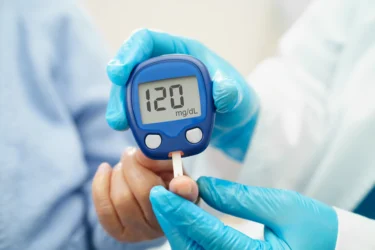
A study10 by Gowri in 2022 showed a significant decrease in fasting blood glucose levels among those with type-2 diabetes who practised yoga regularly. In addition, vakrasana might stimulate the pancreas to increase insulin secretion and improve insulin sensitivity. This might help lower blood glucose levels to manage diabetes3. However, vakrasana alone won’t be helpful for diabetes; please consult a doctor for proper treatment.

Vakrasana may help reduce excess fat around the abdomen, hips, and waist. Thus, it might be beneficial for reshaping the body’s structure. As a result, it may be helpful for people with obesity3. However, please consult your physician for weight management to avoid further issues.

Kumar and others carried out research on yoga therapy in depressive disorders. The results improved anxiety in short-term sessions, while long-term sessions improved depression. Practising vakrasana and other sitting postures and breathing exercises may lower depression levels more effectively by regulating mood. It might also help lower anxiety levels. It might help improve the symptoms of stress like headaches, fatigue and weakness. Even so, more research is needed to determine the effects of vakrasana on depression4. Please consult the doctor for proper diagnosis and treatment.

The twist in vakrasana may activate the spinal nerves. It might also help enhance the spinal column’s flexibility. This in turn may improve blood circulation in the spine. It might stretch the abdominal muscles along with the spinal muscles5. Please get medical advice and perform this asana with a trainer’s supervision.
Based on what I’ve seen so far, Vakrasana might offer benefits beyond the back and spine. It may provide a gentle massage to the abdominal organs, promoting improved digestion and might alleviate digestive ailments. Additionally, this pose might also be advantageous for the kidneys and may regulate the secretions of the adrenal gland and liver9.
Dr. Smita Barode, B.A.M.S, M.S.

Patients having HIV (human immunodeficiency virus) may experience loneliness, fear, anger, extreme feelings of despair and depression. Research studies have shown that yoga, such as vakrasana, may be a safe, efficient, and cost-effective technique that may help “detoxify” the body. In addition, it might reduce fatigue, increase stamina, and improve organ and immunological functions. Furthermore, it might improve nutritional status and relieve symptoms and drug side effects. In addition, it might help improve the quality of life and increase the patient’s life span. Regular yoga practice may boost health, establish good attitudes and health habits, and improve self-confidence in children who are living with HIV/AIDS. As a result, it might reduce the transfer of HIV to others in future5. For best results, please get medical advice before performing vakrasana, and take your prescribed medications as instructed.
Also Read: Benefits of Mandukasana (Frog Pose) and How to Do it By Dr. Himani Bisht

Ranjita et al., 2015, studied6 the effectiveness of the Integrated Approach to Yoga Therapy (IAYT) in controlling dyspnoea and fatigue in coal miners with COPD. COPD is an irreversible disease that is a type of progressive lung disease characterized by long-term respiratory symptoms and airflow blockage. The results of the study were encouraging. In COPD patients, it may improve dyspnoea and fatigue while increasing physical exercise performance. However, you must consult a doctor because vakrasana alone may not be effective for COPD6.
Also Read: Benefits of Padahastasana and How to Do it By Dr. Ankit Sankhe

Krishna et al., 2014, examined7 the effects of 12-week yoga therapy on blood pressure, heart rate and other heart-related measures. Yoga therapy helped lower blood pressure with standard medical treatment. As a result, it may reduce the stress on the heart, lowering the chances of heart failure. However, please see your doctor for better health outcomes, as it could create adverse effects7.
Yoga practice may help develop the mind and body; however, it is still not an alternative to modern medicine. You must not rely on yoga alone to treat any condition. Please consult a qualified doctor who will be able to assess your condition correctly and advise accordingly. Moreover, it is necessary to practice and learn yoga under the supervision of a trained yoga teacher to avoid any injuries.
In my point of view, Vakrasana might also help reduce the chances of developing inflammation and calcium deposits between the neighbouring vertebrae of the spine. This may help maintain a healthier spine and reduces the chances of related issues9.
Dr. Rajeev Singh, BAMS
With the guidance of a qualified and experienced yoga teacher/yoga expert, we can access and analyse the risk factors and continue to practice vakrasana with precautions.
I would like to offer a gentle precaution regarding Vakrasana. If you happen to have a peptic ulcer, hernia, or hyperthyroidism, it’s advisable to refrain from practising this particular pose. Prioritising your health is crucial, so it’s always wise to consult with a doctor before attempting any new yoga poses9.
Dr. Anuja Bodhare, B.A.M.S, M.D (Ayu)
Vakrasana, or the spinal twist pose, is a yoga pose with several benefits, such as stretching the stomach, treating diabetes and many more. You can do the pose correctly and with normal breathing for more satisfactory results. It may be the best sitting position in which your spine may get stretched. However, if you feel pain while performing the vakrasana, then kindly consult the doctor.
Also Read: Benefits of Naukasana (Boat Pose Yoga) and How to Do it By Dr. Ankit Sankhe
No, vakrasana does not show any effect on skin. However, more research is required to prove the effects of vakrasana on skin.
Vakrasana may help regulate the mood. Also, it might help combat the symptoms of stress like headaches, fatigue and weakness. This help to lower the symptoms of depression or anxiety. Kindly consult the doctor for proper diagnosis and treatment4.
Vakrasana and other yoga poses may effectively lower cholesterol levels in the blood. However, research is needed to prove the effects of vakrasana on cholesterol3. Kindly consult a doctor before practising vakrasana.
R. Sobana and others studied the eight weeks of yoga treatment in men with insomnia. It concludes that yoga might be an effective treatment option in patients with insomnia which is the difficulty maintaining or initiating sleep. Please visit a doctor for good health results8.
No. However, more research is undergoing on the effects of vakrasana on cancer.
Also Read: Benefits of Parvatasana (Mountain Pose) and How to Do it By Dr. Himani Bisht
Disclaimer: The information provided here is for educational/awareness purposes only and is not intended to be a substitute for medical treatment by a healthcare professional and should not be relied upon to diagnose or treat any medical condition. The reader should consult a registered medical practitioner to determine the appropriateness of the information and before consuming any medication. PharmEasy does not provide any guarantee or warranty (express or implied) regarding the accuracy, adequacy, completeness, legality, reliability or usefulness of the information; and disclaims any liability arising thereof.
Links and product recommendations in the information provided here are advertisements of third-party products available on the website. PharmEasy does not make any representation on the accuracy or suitability of such products/services. Advertisements do not influence the editorial decisions or content. The information in this blog is subject to change without notice. The authors and administrators reserve the right to modify, add, or remove content without notification. It is your responsibility to review this disclaimer regularly for any changes.


Isn’t it thought provoking that yoga uses the body to heal the body? Yoga relies on your own body for strengthening it. It focuses on steady posture and relaxation of muscles. This is what makes yoga different from other exercises. Other forms of exercise focus primarily on external equipment and inducing stress on the body.
Indian saints developed the traditional methods of yoga to control the mind and bodily activities. Every human wishes to live in harmony with oneself. Physical, mental and spiritual balance is of utmost importance1.
Today, Yoga is globalized and is widely practiced in India and Western countries. People of all age groups, gender,s and nationalities practice yoga in various settings like schools, gyms, yoga studios, parks, homes, and temples. Yoga has become a profitable enterprise as its interest in people keeps increasing. Yogalates and Yogarobics are some of the modernized versions of yoga2.
Yoga often sees the practice of asanas, one of which is padahastana. Let us look at some interesting features and benefits of padahastasana.
Padahastasana is one of the asanas (pose) of surya namaskar. Surya means sun, and namaskar means salutation. Surya Namaskar comprises of breathing techniques (pranayama) and 7 asanas that are performed in cyclic order, thereby creating 12 asanas in total. Surya Namaskara includes 7 asanas like Pranamasana, Hastautthan Asana, Hastapad Asana, Ashwasanchalan Asana, Ashtang Namaskar, Bhujangasana and Parvatasana.
Pada means feet and hasta means hands. Therefore, padahastasana means keeping the palms down towards the feet4. Padahastasana is also called the hand-to-foot pose. It uses the breathing pattern of Ucchavasa, which refers to normal breathing. This means no exhalation or inhalation of breath, rather simple free breathing3.
Did You Know?
Padahastasana must be done properly for maximum health benefits. One may perform padahastasana in the following manner:
Some benefits of hand-to-foot pose are as follows:

Yogic postures like padahastasana may effectively control headaches. Sang in 2015 found that practising padahastasana may reduce headaches and the use of symptomatic medication. A clinical trial was conducted where migraine patients were using yoga conventional care for six weeks. The results suggested that people who practised this pose showed lesser frequency and intensity of headaches. However, if you have a severe headache for an extended period, you must consult your doctor5.

Yoga postures like padahastasana may help to improve concentration and memory. It may be helpful in the case of ADHD symptoms in preschoolers (Samantha et al., 2019). A clinical study5 on 100 students who practised yoga for about three months suggested significant improvement in attention, concentration and memory.

Short wavelengths of artificial blue light emitted by electronic gadgets may delay sleep by suppressing sleep-inducing hormones. A study5 showed that around 80% of participants using an electronic device for more than three hours a day experienced poor sleep quality. By reducing physiological arousal and inducing relaxation and positivity in the body, this asana may help to improve sleep. However, if you experience chronic sleep issues, you must get in touch with the doctor.

The practice of padahastasana may help to manage stress by reducing heartbeat and blood pressure. It may also reduce the body’s oxygen demand, thereby reducing the vulnerability to stress. Fang and Li conducted a clinical trial on a population of 120 nurses. It was divided into two groups. One group attended the Yoga program while the other group did not. After a six-month follow-up, it was found that the ones who participated in the yoga program had reduced stress levels5.

The practice of padahastasana may help to improve heart health and reduce the risk of heart disease. It may control blood pressure. A study5 by Manchanda, S.C. (2014) suggested that Yoga may maintain cholesterol and blood sugar levels. Patel and North conducted a trial of yoga practice in 34 subjects less than 75 years old. The result showed a significant reduction in blood pressure. However, you must consult your doctor in case of abnormal blood pressure.

This posture may help in the case of Irritable Bowel Syndrome (IBS). It includes abdominal pain, discomfort and bloating. A yoga module setup in a clinical trial6, comprised various breathing techniques and postures. Padahastasana was one of the postures. The results showed a possible connection between the postures and the IBS symptoms. However, if you experience severe symptoms of IBS, you must immediately consult your doctor.

Padahastasana may enhance the flexibility of hamstring muscles (muscles present at the back of the thighs). A study of 20 subjects suggested that padahastasana may improve hamstring muscle flexibility and reduce muscle tightness. However, further studies are required to confirm these claims7.
Practising a series of postures that include padahastasana may help in the case of type 2 diabetes. The practice of yoga may keep blood glucose levels in control. Nagarathna et al. conducted a study where the subjects performed a variety of asanas. Padhastasana was one of them. The result of the study8 suggested a reduced risk of type 2 diabetes in individuals who practised yoga regularly. However, you must check your sugar levels and consult your doctor in case of abnormal sugar levels.
Yoga practice may help develop the mind and body; however, it is still not an alternative to modern medicine. Therefore, you must not rely on Yoga alone to treat any condition. Instead, please consult a qualified doctor who will be able to assess your condition correctly and advise accordingly. Moreover, it is necessary to practice and learn Yoga under the supervision of a trained yoga teacher to avoid any injuries.
Practising Padahastasana, also known as the Forward Bend Pose, might have positive effects on your body’s flexibility and strength. By bending forward and reaching towards your toes, this yoga pose stretches the muscles in your back, hamstrings, and calves, increasing their flexibility.
Dr. Siddharth Gupta, B.A.M.S, M.D (Ayu)
Conditions where padahastasana should be done cautiously are:
With the guidance of a qualified and experienced yoga teacher/yoga expert, we can access and analyse the risk factors and continue to practice exercise with precautions.
In my experience, I have learned that Padahastasana might be effective in reducing excess abdominal fat. This yoga pose involves forward bending, which may help to stimulate the abdominal muscles and improve blood circulation in the area. With regular practice, Padahastasana can contribute to a reduction in abdominal fat and improve overall body strength and flexibility.
Dr. Rajeev Singh, BAMS
Padahastasana is one of the 12 poses of surya namaskar. Pada means feet; hasta means hands. Therefore, padahastasana means keeping the palms down towards the feet. It means hand-to-foot pose. Yogic postures like padahastasana may effectively control headaches, improve concentration, control sleep deprivation and manage stress. The practice of padahastasana may improve heart health by keeping blood pressure in control. Additionally, it may relieve the symptoms of Irritable Bowel Syndrome (IBS). It may also control blood sugar levels and improve the flexibility of hamstring muscles.
Also Read: Benefits of Matsyasana (Fish Pose) and How to Do it By Dr. Ankit Sankhe
Padahastasana is the hand-to-foot pose. Pada means foot, hasta means hand and asana meaning pose. Therefore, padahastasana translates to hand-to-foot pose in English4.
Padahastasana yoga pose may control headaches, improve concentration, control sleep deprivation and manage stress. It may improve the heart health by keeping blood pressure in control. Additionally, it may relieve the symptoms of Irritable bowel syndrome (IBS). It may also control blood sugar levels and improve the flexibility of hamstring muscles5,8.
First, stand straight with feet about 2 inches apart. Then inhale slowly and simultaneously raise your arms up. Then, stretch up the body from your waist. Exhale and slowly bend forward until your palms touch the ground. Make your back as straight as possible by stretching it. Maintain this posture for 10-30 seconds. Breathe normally at this time. Now inhale and slowly come up to an upright position and stretch your arms right above your head. Finally, exhale slowly and come back to the starting position. Relax in samasthiti (simple standing position)4.
People having cardiac disorders, vertebral and disc disorders, hernia, glaucoma, abdominal inflammation, ulcers, myopia, vertigo shall be cautious while performing padahastasana4.
Yes, padahastasana is one of the poses of surya namaskar.
1. Yadav SK, Kumar A, Kumar V, Kumar A. Importance of Yoga in daily life. Accessed on January. 2015;30:2019. Available from: https://www.researchgate.net/publication/278673574_IMPORTANCE_OF_YOGA_IN_DAILY_LIFE
2. Singleton M, Byrne J, editors. Yoga in the modern world. London: Routledge; 2008. Available from: https://www.taylorfrancis.com/books/edit/10.4324/9780203894996/yoga-modern-world-mark-singleton-jean-byrne
3. Nikam VM. A Role Of ‘Surya Namaskara’ For Good Health. Available from: https://www.aiirjournal.com/uploads/Articles/2020/03/4434_25.Vd.Manisha%20Nikam.pdf
4. 21 June INTERNATIONAL DAY OF YOGA INTERNATIONAL DAY OF YOGA Common Yoga Protocol, Ministry of Ayurveda, Yoga & Naturopathy, Unani, Siddha and Homoeopathy (AYUSH) [Internet] 4th Revised Edition, May 2019. [Cited: 2022 Sep 10] Available from: https://mea.gov.in/images/pdf/common-yoga-protocol-english.pdf
5. Sharma B, Pant K, Pant B, Sharma P, Thapliyal M, Sinha S, Pandey A, Chaudhary V, Verma D. ELECTRONIC DETOXIFICATION WITH YOGA AND MEDITATION. Available from: https://www.researchgate.net/publication/351618249_ELECTRONIC_DETOXIFICATION_WITH_YOGA_AND_MEDITATION
6. Kavuri V, Raghuram N, Malamud A, Selvan SR. Irritable bowel syndrome: Yoga as remedial therapy. Evidence-Based Complementary and Alternative Medicine. 2015 May 6;2015. Available from: https://www.hindawi.com/journals/ecam/2015/398156/
7. Paul A, Sasidharan AN, Majeedkutty NA. Effect Of Padahastasana In Improving Hamstring Muscle Flexibility Among Young Adults. Available from: https://www.worldwidejournals.com/international-journal-of-scientific-research-(IJSR)/article/effect-of-padahastasana-in-improving-hamstring-muscle-flexibility-among-young-adults/MTczMjI=/?is=1&b1=1&k=1
8. Chattopadhyay K, Mishra P, Manjunath NK, Harris T, Hamer M, Greenfield SM, Wang H, Singh K, Lewis SA, Tandon N, Kinra S. Development of a yoga program for type-2 diabetes prevention (YOGA-DP) among high-risk people in India. Frontiers in public health. 2020 Nov 17;8:548674. Available from: https://www.frontiersin.org/articles/10.3389/fpubh.2020.548674/full
Disclaimer: The information provided here is for educational/awareness purposes only and is not intended to be a substitute for medical treatment by a healthcare professional and should not be relied upon to diagnose or treat any medical condition. The reader should consult a registered medical practitioner to determine the appropriateness of the information and before consuming any medication. PharmEasy does not provide any guarantee or warranty (express or implied) regarding the accuracy, adequacy, completeness, legality, reliability or usefulness of the information; and disclaims any liability arising thereof.
Links and product recommendations in the information provided here are advertisements of third-party products available on the website. PharmEasy does not make any representation on the accuracy or suitability of such products/services. Advertisements do not influence the editorial decisions or content. The information in this blog is subject to change without notice. The authors and administrators reserve the right to modify, add, or remove content without notification. It is your responsibility to review this disclaimer regularly for any changes.
5
0
Asanas and Pranayama assist individuals in connecting their mind and body. Yoga promotes circulation and muscle tone while lowering blood pressure and heart rate. Practising yoga might help regulate stress levels and reduce tension before exams. Yoga is a practical discipline that combines a wide range of practices to promote a state of both physical and mental health. It involves practising meditation, controlling breathing with a range of breathing techniques, and engaging in various physical postures and exercises where the emphasis is more on engaging particular muscle groups.
Balasana is a simple relaxation pose. Balasana is meant to calm the mind when the breath is regulated correctly. Child’s Pose or Balasana is an easy posture that helps relax the body, which we can do easily1.
Balasana is also termed as a Child’s Pose or Resting pose. In Sanskrit, “Bala” means a “Kid” who is not entirely grown or matured. Balasana resembles a kid on the ground asking for a toy. In balasana, muscles such as spinal extensors, gluteus medius, and hamstrings may elongate and work simultaneously2. Let’s see how balasana is performed.
We must use the proper techniques to get the most health benefits from the child pose. The balasana steps may be done while sitting on the ground as it is a ‘sitting posture’. The steps are as follows:
There is a sense of relaxation that surrounds the innocence of childhood. So, this pose may be known as Child’s pose. However, some great sayings and fun facts regarding balasana are:
Some of the benefits of Balasana are as follows:

According to study3, in Balasana, Marjasana and Setu Bandhasana postures, the oxygen concentration in blood was calculated, among which ‘balasana’ was most beneficial. It may be helpful in treating chest pain and neck pain. Balasana is a relaxed position to enable focus on breathing, which might be a perfect remedy for breathing problems. A deeper inhalation is possible with greater movement in the rib cage and the back of the abdomen.

In the work-from-home schedule, we have to sit for long hours to complete the work, which may cause back pain, and we tend to get sick earlier than usual, for which the balasana yoga pose is a practical exercise. In addition, the spinal, back and hip muscles may lengthen and contract simultaneously while doing balasana, which relieves the body fatigue2.

According to a study1, heart rate, systolic blood pressure, and diastolic blood pressure, are all considerably lowered. Kindly consult a doctor as heart conditions are serious and must be properly diagnosed and treated.

In balasana, upper and lower abdominal portions extend along with lower back muscles, which may benefit patients with stomach pain and lower back pain2.
Regularly practising balasana might improve digestive health. This is because while performing balasana, internal abdominal organs experience pressure. Additionally, it might also help with acidity6.
Dr. Rajeev Singh, BAMS

One of the primary causes of diabetes is stress. It stimulates the body’s release of glucagon (a hormone responsible for boosting blood glucose levels). Yoga poses like balasana along with a few minutes of regular meditation may help relieve stress and protect the body from its harmful effects, reducing the quantity of glucagon and improving insulin (a hormone which balances blood glucose/sugar level in the body) activity5. Kindly consult the doctor for proper diagnosis and treatment of diabetes.

Balasana or resting pose has therapeutic benefits for anxiety, stress, depression, sleeping difficulties and fatigue. This asana may activate the limbic system which helps the body respond to intense emotions such as fear and anger by activating the fight or flight response. It may induce relaxation and relieve tension. It increases blood circulation to the head3.
Practising balasana can give you awareness about mental, emotional, and physical states and bring you solace. It positively affects the whole body, mind, and soul, making you feel rejuvenated and relaxed6.
Dr. Siddharth Gupta, B.A.M.S, M.D (Ayu)
Yoga practice may help develop the mind and body; however, it is still not an alternative to modern medicine. You must not rely on yoga alone to treat any condition. Please consult a qualified doctor who will be able to assess your condition correctly and advise accordingly. Moreover, it is necessary to practice and learn yoga under the supervision of a trained yoga teacher to avoid any injuries.
Also Read: Benefits of Savasana (Corpse Pose) and How to Do it By Dr. Ankit Sankhe
With the guidance of a qualified and experienced yoga teacher, we can access and analyse the risk factors and continue to practise the balasana with precautions.
Also Read: Benefits of Mandukasana (Frog Pose) and How to Do it By Dr. Himani Bisht
The key aim of balasana asana is to regulate our breath consistently that it becomes therapeutic to the body. While performing the balasana, the head should be lowered to the floor while kneeling and keeping the legs apart. We may feel a slight pull in the lower back and inner thigh muscles, but remaining in this position helps regulate breathing and increases oxygen intake in the lungs and blood. In addition, it gently stretches your lower back, ankles, knees and hips. To avoid any problems, one must perform this posture frequently while taking the necessary precautions, preferably with the guidance of a qualified yoga instructor.
Also Read: Benefits of Ardha Matsyendrasana (Half Fish Pose) and How to Do it By Dr. Himani Bisht
No, since more study on the effects of balasana on eyesight is needed.
No, however, more research is required to get the correct information on the balasana effect on hair growth.
Balasana improves the digestion process. It may focus on the purification of body and mind to help overcome a variety of illnesses in modern life. In addition, balasana may be effective for lower back and neck pain patients2.
Daily yoga may increase lung airflow, capacity, stamina, and efficiency. In addition, a back-bending position like balasana may stretch the chest and enhance lung and heart function and blood circulation. In the resting pose, muscles in the hips, arms, and legs help the body react rapidly and breathe more deeply. The blood flow through the muscles, and back to the lungs increases, the heart beats more quickly, and tiny blood vessels widen to allow more oxygen to enter the blood. Endorphins (body’s natural pain relievers and mood uplifters) are released by the body together with oxygen. The increase in blood flow encourages blood circulation3.
Balasana may improve digestion process and stretches the abdominal muscles, which helps reduce pain in the stomach. Kindly consult the doctor or yoga trainer before practising the balasana or Child’s pose2.
Disclaimer: The information provided here is for educational/awareness purposes only and is not intended to be a substitute for medical treatment by a healthcare professional and should not be relied upon to diagnose or treat any medical condition. The reader should consult a registered medical practitioner to determine the appropriateness of the information and before consuming any medication. PharmEasy does not provide any guarantee or warranty (express or implied) regarding the accuracy, adequacy, completeness, legality, reliability or usefulness of the information; and disclaims any liability arising thereof.
Links and product recommendations in the information provided here are advertisements of third-party products available on the website. PharmEasy does not make any representation on the accuracy or suitability of such products/services. Advertisements do not influence the editorial decisions or content. The information in this blog is subject to change without notice. The authors and administrators reserve the right to modify, add, or remove content without notification. It is your responsibility to review this disclaimer regularly for any changes.
0
0
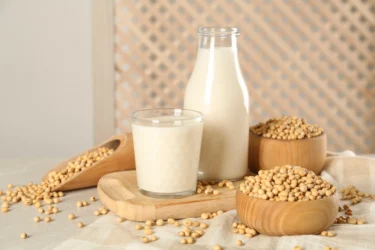
Milk is a source of different nutrients and vitamins. The Food Standard Agency recommends that milk and other dairy products should be a part of the daily diet. Buffalo milk is with high-fat content and to overcome this, low-fat soy milk will be the best alternative source. The production of soy milk for the first time developed in China during 25-220 AD. The first written report of soymilk was seen in chapter 4 Taboos in the AD 82 book Lunheng by Wang Chong. Soy milk is made from soybean which is known as the golden miracle bean and belongs to the leguminous crop. Soy products are popular in Indian states like Maharashtra, Gujarat, and Madhya Pradesh. Soy products like soy milk are becoming popular among health-conscious people1. Let us now look at some soy milk benefits for health.
Did you know?
The nutritional composition of 100gm soy milk is given below2:
Soy milk may possess the following properties:
Traditionally, good quality raw soybeans are soaked overnight (8 to 10 hours) followed by grinding with water to prepare a slurry. This slurry is then filtered and boiled to produce highly nutritious soy milk. Soy milk is a good alternative for people with lactose allergy as it is lactose-free. Along with nutritional value, soy milk is also served as a refreshment and can be used in making vegan alternatives to dairy products like tofu8.
Dr. Siddharth Gupta, B.A.M.S, M.D (Ayu)
Some of the potential health benefits of soy milk are as follows:
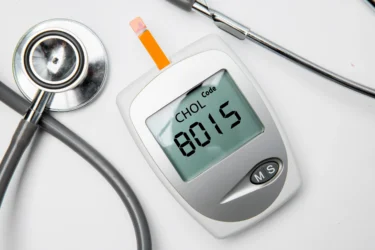
Soy milk consists of isoflavones and saponins which may have antioxidant properties. Studies have shown that it may reduce bad cholesterol levels and increase good cholesterol levels. Further research on the effect of soy milk on cholesterol levels in humans is required. However, it is essential to check your cholesterol levels and consult your doctor in case of high cholesterol levels3.

Consumption of soybeans may improve endothelial function and atherosclerosis is a condition where fats are deposited on the inner wall of the artery. Sub-clinical studies show that soy milk may be beneficial in the case of atherosclerosis by delaying the deposition of fats. However, further clinical studies are required to see the effect of soy milk in the case of atherosclerosis3.

Soy may possess anti-cancer properties due to the presence of isoflavones. The isoflavones may modify or alter the cell cycle and may cause cell death (apoptosis). Studies have shown that soy milk may reduce the risk of prostate, breast, stomach, lung, and colon cancer. However, further studies are needed to confirm the anti-cancer properties of cancer. Cancer is a serious disease; therefore, you must consult your doctor if diagnosed. You must not self-medicate3.
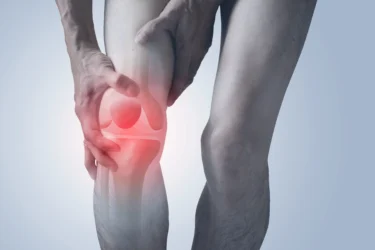
Soy milk may reduce the risk of osteoporosis in postmenopausal women, whose bone mineral density reduces due to declining in hormones like oestrogen and hormone replacement therapy. A study showed that isoflavones in soy milk may increase the calcium levels in bones. In addition, the high protein content in soy milk may also benefit bone health. However, more studies are yet to be done to confirm the effect of soy milk3. If you have any bone-related problems consult the doctor and do not self-medicate.
Suffering from menopausal symptoms? Consuming soy milk might help to relieve menopausal symptoms. Based on some research, soy milk contains isoflavones which exhibit oestrogen-like properties. These isoflavones may act as a natural alternative to hormones in menopausal women7.
Dr. Rajeev Singh, BAMS

Soy milk is a rich source of vitamins, minerals and bioactive compounds which may help in reducing the appetite. The condition of a low carbohydrate diet with high nutrient content of soy milk may help in weight management. Further studies are needed to see how soy milk may be essential in managing weight. However, you must consult a nutritionist to get a proper diet plan before making changes in your diet by yourself3.
Soy milk may be good for patients with diabetes. Lesser content of carbohydrates and higher content of proteins may help to manage the blood sugar level. However, further studies are required to check the effect of soy milk on individuals with diabetes. You must check your blood sugar level regularly and consult your doctor in case of high blood sugar levels3.
Soy milk may improve gut health by acting as a prebiotic and enhancing the useful microbes in the gut. Oligosaccharides in soy help as an alternative to sugar which may provide a substrate to help the good bacteria to grow and help the gut in maintaining useful bacteria. These bacteria present in the intestine may help in metabolism and may help in the proper functioning of the gut. Further studies are required to see how soy milk can help to improve gut health3. If you have any gut problems, consult the doctor and do not self-medicate.

Consuming soy products like soy milk may reduce the risk of cardiovascular diseases like stroke and coronary heart disease4. Constituents like fibre, protein, and isoflavones present in soy milk may work in different mechanisms to enhance heart health. They may help to reduce blood pressure and more studies are required to check the effect of soy milk on heart health. However, you must consult your doctor if you have abnormal blood pressure or any symptoms of heart disease. You must take utmost precautions if you have a history of cardiovascular disease3. Do not self-medicate.
Though some studies show the benefits of soy milk in various conditions, these are insufficient, and there is a need for further studies to establish the true extent of the benefits of soy milk on human health.
Did you know? Soy milk may have antioxidant, antiproliferative, and anticarcinogenic properties which can be extremely beneficial for the skin. Consuming soy milk and its products might assist in reducing skin pigmentation, controlling oil production, improving skin elasticity, and hydrating the skin6.
Dr. Smita Barode, B.A.M.S, M.S.
Soy milk can be added to your diet in the following way
You must consult a qualified doctor before taking soy milk in large quantities or any herbal supplements. Likewise, do not discontinue or replace an ongoing modern medical treatment with an ayurvedic/herbal preparation without consulting a qualified doctor.
Soy allergy may be associated with soy milk. Its symptoms of soy milk side effects include:
If you experience any adverse reactions to soy milk, immediately contact a doctor or your Ayurvedic physician who has prescribed it. They will be able to guide you appropriately for your symptoms.
Also Read: Oat Milk: Uses, Benefits, Side Effects By Dr. Smita Barode
The following precautions should be taken before consuming soy milk:
Also Read: Coconut Milk: Uses, Benefits, Side Effects By Dr. Smita Barode
Studies suggest that soy milk may interact with warfarin, a drug prescribed to prevent clots. Soy milk may interfere with the metabolism of warfarin and reduce its efficacy5.
Also Read: Almond Milk: Uses, Benefits, Side Effects By Dr. Dr. Rajeev Singh
Soy allergy may be associated with soy milk. It may cause several symptoms like Itching sensation, nausea, diarrhea, flushed skin, tingling sensation of the mouth and lips, wheezing and shortness of breath, dizziness, and confusion4.
Soy milk may be used to reduce cholesterol. It may help in the case of atherosclerosis, diabetes, cancer, and osteoporosis. It may act as a prebiotic and may be beneficial for the gut bacteria. Additionally, it may also improve heart health3. If you have any of these conditions consult the doctor and take the proper suggestion. Do not self-medicate.
Yes, soy milk may help in weight management and reduce obesity due to its high protein and low carbohydrate content in it3.
Yes, soy milk is good for human health as it has several benefits associated with it3.
Soy milk may interact with warfarin, which is a drug prescribed to prevent blood clots5.
1. Kant, Rajni & Broadway, Arif, (2015). The Benefits of Consuming Soya milk- A Review. International Journal “Trends of Biosciences. 8. 1159-1162. [cited 2022 Sep 1]. Available from: https://www.researchgate.net/publication/307436295_The_Benefits_of_Consuming_Soya_milk-_A_Review
2. FoodData Central. Soy milk [Internet]. U.S. Department of Agriculture [cited 2022 Sep 1]. Available from: https://fdc.nal.usda.gov/food-details/1097542/nutrients
3. Rizzo G, Baroni L. Soy, Soy Foods and Their Role in Vegetarian Diets. Nutrients. 2018 Jan 5;10(1):43. [cited 2022 Sep 1]. Available from: https://www.ncbi.nlm.nih.gov/pmc/articles/PMC5793271/
4. Soybeans and soy foods – Better Health Channel [Internet]. [cited 2022 Sep 1]. Available from: https://www.betterhealth.vic.gov.au/health/healthyliving/soybeans#health-benefits-of-soy-foods
5. Cambria-Kiely JA. Effect of soy milk on warfarin efficacy. Ann Pharmacother. 2002 Dec;36(12):1893-6. Available from: https://pubmed.ncbi.nlm.nih.gov/12452752/
6. Stallings AF, Lupo MP. Practical uses of botanicals in skin care. J Clin Aesthet Dermatol. 2009 Jan;2(1):36–40. PMID:20967187; PMCID: PMC2958188. Available from: https://pmc.ncbi.nlm.nih.gov/articles/PMC2958188/
7. Clarkson TB, Utian WH, Barnes S, Gold EB, Basaria SS, Aso T, Kronenberg F, Frankenfeld CL, Cline JM, Landgren BM, Gallagher JC, Weaver CM, Hodis HN, Brinton RD, Maki PM, et al.; North American Menopause Society. The role of soy isoflavones in menopausal health: report of the North American Menopause Society/Wulf H. Utian Translational Science Symposium in Chicago, IL (October 2010). Menopause. 2011 Jul;18(7):732–753. doi:10.1097/gme.0b013e31821fc8e0. PMID:21685820. Available from: https://journals.lww.com/menopausejournal/Abstract/2011/07000/The_role_of_soy_isoflavones_in_menopausal_health_.5.aspx
8. National Institute of Food Technology Entrepreneurship and Management (NIFTEM). Reading manual for soya milk. NIFTEM; 2022 [cited 2025 Dec 21]. Available from: https://niftem.ac.in/newsite/pmfme/wp-content/uploads/2022/08/soyamilkwriteup.pdf
Disclaimer: The information provided here is for educational/awareness purposes only and is not intended to be a substitute for medical treatment by a healthcare professional and should not be relied upon to diagnose or treat any medical condition. The reader should consult a registered medical practitioner to determine the appropriateness of the information and before consuming any medication. PharmEasy does not provide any guarantee or warranty (express or implied) regarding the accuracy, adequacy, completeness, legality, reliability or usefulness of the information; and disclaims any liability arising thereof.
Links and product recommendations in the information provided here are advertisements of third-party products available on the website. PharmEasy does not make any representation on the accuracy or suitability of such products/services. Advertisements do not influence the editorial decisions or content. The information in this blog is subject to change without notice. The authors and administrators reserve the right to modify, add, or remove content without notification. It is your responsibility to review this disclaimer regularly for any changes.
24
1
Yoga has evolved 5000 years ago from the Indus Valley (current day Pakistan), the earliest known human civilization. The renowned Hindu philosopher and yoga teacher, Patanjali, mentioned the philosophy of classical yoga in his text “Yoga Sutra”. “Yoga sutra” is believed to have a history between 200 BC and 300 AD. Yoga is a treasure of physical and mental techniques that can help maintain holistic health1.
Nowadays, yoga has become a symbol of standard living and has become tremendously popular since its entry into the Western world. Swami Vivekananda’s efforts to spread Eastern Hindu philosophy in the late nineteenth and early twentieth century led to the acceptance of yoga in the West1.
Adopting and maintaining particular bodily postures and the related regulated breathing methods are the cornerstones of yoga practice. People are more concerned about their well-being now than ever before. Therefore, asanas are popular for maintaining overall health. It has been demonstrated that the hormonal profile is balanced and glandular activity is boosted after performing the asanas2.
Ustrasana, one of the hath yoga asanas, helps rejuvenate the body and undo the daily damage done by a sedentary lifestyle. Continue reading to know all about it!
‘Ustra’ means camel and ‘asana’ means posture or seat. Therefore, Ustrasana is often referred to as the camel pose3.
Camel Pose or Ustrasana is a chest-opening backbend that is energizing and beneficial. It is a wonderful addition to your sequence since it prevents slouching and eases lower back stiffness4.
The camel pose yoga allows spine extension without supporting body weight with your arm, unlike chakrasana (wheel pose). The wheel pose is a total body stretch backbend posture that requires more stamina and determination. The camel pose is friendlier and more accessible to yoga learners, especially beginners5.
keeping a pillow below the knees is advised as Ustrasana can cause discomfort in the knees. It is important to take deep and slow breaths while approaching the backbend.
Ustrasana has seven variations6:
We must follow proper techniques to perform the camel pose to obtain maximum health benefits. It is essential to maintain breathing and refrain from putting any strain or load on the lumbar region of the spine i.e., the lower back area. Bhujangasana (Cobra pose), Salabhasana (Locust pose), Anjaneyasana (Low lunges), Setu Bhandha Sarvangasana (Bridge pose), Urdhva Mukha Shvansana (upward facing dog pose) can be performed as preparatory poses before approaching Ustrasana4.
The steps to do the camel pose are as follows5:
Avoid crunching the lower back and squeezing the buttocks. Knees should only be opened up to hips’ width. Ustrasana or camel pose should be performed in the presence of a trained yoga practitioner4.
Do You Know?
The Ustrasana can have several benefits. Some of them are mentioned below:
The most important part of the body involved in singing is the throat and chest. A throat muscle called the larynx houses the vocal cord, which allows us to change the pitch while singing. Since ustrasana may help in the expansion of the rib cage and greater breath control, it may be considered a singer-benefitting asana. Effects may help singers to balance the abdominal and thoracic pressure to sing the full set of musical notes in a single breath. Hutton, 2013, in his research paper, mentioned that an intense stretch of the esophagus with a flexible spine during Ustrasana may also benefit singers3.
Most people spend their day sitting down or slouching and bending their spine forward. While performing the ustrasana, the frontal regions of the body, especially the chest, belly and quadriceps, are stretched which may help improve the posture of the body. The camel pose may also help increase spinal mobility by flexing the back in the opposite direction5.
Dipak Kr Halder conducted a study on ‘Energy expenditure during Ustrasana’. He examined the metabolic changes during the camel pose and compared it with the supine posture (lying on the back facing the sky or ceiling). Halder concluded that there was an increase in oxygen consumption from 14.18% to 293%, i.e., approximately by 86.6 %, while performing ustrasana. The carbon dioxide output was also increased. These data suggest that camel pose or ustrasana may allow lung expansion due to increased consumption of oxygen. The expanded lungs can help in increasing the volume of oxygen. This leads to an increase the oxygen flow in the body. An increase in oxygen flow helps in respiratory rate and reduces the efforts required by our body to put into breathing2.
The major goal of Ustrasana is focusing on the breath. Practicing ustrasana stretches the chest and may help in opening the thoracic cavity. The thoracic cavity includes the organs and tissues above the diaphragm and below the neck like lungs, trachea, heart, oesophagus, etc. The slow and deep breaths during the camel pose can help the person familiarize sensations of thoracic muscles like heart-beat and lung expansion. Camel pose may also give suitable stretching to the abdomen and its side resulting in the opening of muscles that are often tight due to our sedentary lifestyle3,5.
The camel pose might be useful for stretching and extending the front, back and neck muscles of the body. It strengthens the chest, abdomen and quadriceps muscles and tones the glutes and hamstrings (back of thigh) muscles. Ustrasana may allow the cervical tension to be reduced while stretching the neck in the backbend. It may also aid in strengthening the shoulders, arms, back, and legs muscles. This may help in decreasing the lower backache. The stretching of muscles may decrease pain in associated muscles and prevent slouching and bending3,4,5.
A hernia is associated with weak muscles, stress, anxiety, weight gain, muscle strain, and indigestion. Ustrasana is potentially beneficial in decreasing anxiety, stress, improving digestion and other factors mentioned above. Therefore, practicing ustrasana, in the presence of a certified yoga trainer, may help in core strengthening the core and relief from stomach and intestinal hernia8.
Also Read: Benefits of Agni Mudra and How to Do it By Dr. Ankit Sankhe
Having bad menstrual cramps? Relieve them by practising yoga asanas like Ushtrasana. Ushtrasana aid in stretching and opening abdominal muscles and might help in relieving tension in the lower back which may ease the menstrual cramps7.
Dr. Rajeev Singh, BAMS
Also Read: Benefits of Balasana (Child’s Pose) and How to Do it By Dr. Ankit Sankhe
The camel pose or ustrasana should be performed keeping the risks and contraindications in mind.
Improve your kidney health by practising Ushtrasana. Ushtrasana might facilitate abdominal compression and helps in toning internal organs and aid in blood circulation9.
Dr. Siddharth Gupta, B.A.M.S, M.D (Ayu)
Ustrasana or camel pose is a more convenient backbend yoga pose that may help strengthen muscles and maintain breathing. It is a flexible pose with variations that can be attained using props and different arm positions. Ustrasana is a mild form of postural exercise that, when practiced, induces deeper relaxation. It is important to learn this yoga asana under the supervision of trained yoga professional.
Also Read: Benefits of Ujjayi Pranayama (Ocean Breath) and How to Do it By Dr. Himani Bisht
Ustrasana is a chest-opening backbend yoga that stretches the front body. It is usually performed on the knees with thighs vertical to the mat. The spine, chest and neck are elongated and twisted backwards.
The potential benefits of Ustrasana include relaxing the body, opening the thoracic and abdominal cavity, and strengthening the muscles. It may help in improving asthma, hernia, headache, and lower back pain.
The Ustrasana is a combination of two Sanskrit words named namely “ustra” and “asana”. Ustra in Sanskrit refers to the camel. The backward twisting of the spine holding the heels in Ustrasana resembles the camel position and is therefore often referred to as the camel pose3.
Ustrasana should be avoided in patients suffering from knee, chest or shoulder injuries. It should also be avoided by those who underwent abdominal surgery recently.
Ardh ustrasana or half-camel pose is a variation of ustrasana, which involves only one hand touching the heel while the other is facing towards the sky.
Disclaimer: The information provided here is for educational/awareness purposes only and is not intended to be a substitute for medical treatment by a healthcare professional and should not be relied upon to diagnose or treat any medical condition. The reader should consult a registered medical practitioner to determine the appropriateness of the information and before consuming any medication. PharmEasy does not provide any guarantee or warranty (express or implied) regarding the accuracy, adequacy, completeness, legality, reliability or usefulness of the information; and disclaims any liability arising thereof.
5
2
Yoga is a combination of specific breathing techniques (pranayama), physical postures (asanas), relaxation, and meditation that helps you connect to your mind, body, and soul1.
Though Yoga is a very traditional practice, it is considered more as a science than just philosophy or religion. Yoga believes that every human being exists in this world in not just one (physical dimension) but five dimensions; pranamaya kosha (vital body), vijanamaya kosha (intellectual body), manomaya kosha (psychic body), annamaya kosha (physical body) and anandamaya kosha (causal body). They altogether aim at bringing about a balance in all aspects.
There are certain asanas in Yoga that, apart from keeping illness at bay, give more benefit to some specific organs. One such yogic posture is the Vrikshasana, which may be beneficial to one of the vital organs of the body, the brain2. However, the benefits need further studies to be proven.
Did you know?
Vrikshasana is a standing pose. The name is derived from the word ‘Vṛkṣa’ meaning tree. So, it is also called the ‘Tree pose’. This asana is named so that the final posture looks like the shape of a tree3. It helps us achieve peace of mind and benefits those who are facing problems such as anxiety and depression. It increases concentration, immunity, and stamina. Moreover, it helps to build self-esteem and self-confidence. It has a calming and relaxing effect and stretches the body from head to toe.
Vrikshasana is one yoga posture underrated and not well-known for people with diabetes! People with diabetes are prone to altered body orientation due to neuropathy. Regular practice of Vrikshasana is believed to build balance and coordination among these people6.
Dr. Siddharth Gupta, B.A.M.S, M.D (Ayu)
Any posture in Yoga must be done using the correct technique, to get the maximum health benefit. Following the proper method also helps to avoid any injuries. The steps for doing Vrikshasana are as follows:
Did you know Vrikshasana might aid in premenstrual symptoms? Regular practice of Vrikshasana might help women with handling premenstrual symptoms such as muscle cramps in the abdomen and legs. It is believed that Vrikshasana strengthens the leg muscles and tendons10.
Dr. Rajeev Singh, BAMS
Vrikshasana is a common standing posture. It is the first standing balancing posture that most beginners learn5. This one-legged pose has various benefits as follows:
Being balanced in your body is very essential to have a sense of stability. Vrikshasana may help improve the strength of the muscles that help one keep erect and balanced. The extended arms in this posture help challenge the muscles that control body position. Vrikshasana may specifically stimulate the abductor group of muscles of the hip joint, which are the muscles that help move the thigh away from the body. This group includes the superior gluteus maximus, gluteus minimus and medius. This benefit is obtained even if the tree pose is done with wall support, using one or both arms for the support. It may prove to be valuable to beginners in the field of Yoga, who have stability issues.
This pose may especially involve the ankle muscles, rather than the thigh, to bring about better balance and it also improves blood circulation. Thus, it may benefit in conditions that may pose stability issues like cardiovascular disease, rehabilitation after injuries, and managing the symptoms of ADHD such as balance, stability, and more. You may gain lateral stability by practicing the Tree pose by standing close to a wall or chair5,6,7.
It may be beneficial in calming down the entire nervous system bringing about a sense of relaxation2. It may be valuable in improving the proprioception ability of a person, which is the ability to sense the body’s movements, position, and action8. Vrikshasana also helps to improve concentration, generate calm and balance the nervous system.
Due to this effect, it may help in conditions like depression and anxiety. In these conditions, the levels of a stress hormone called cortisol is elevated. Studies5 have demonstrated reduced levels of cortisol in those who practice yoga such as vrikshasana.
Balancing on one leg and assuming the final Vrikshasana posture requires focus. So, practicing this asana may help in increasing concentration levels. It was found in a study8 by Samantha et al., 2019 that Vrikshasana was beneficial to developing a concentration in patients with Attention Deficit Hyperactivity Disorder (ADHD) which is otherwise presenting as difficulty in concentration9.
Vrikshasana calms and relaxes the central nervous system and stretches the entire body. It strengthens the legs opens the hips and improves your neuromuscular coordination and endurance. It may thus be helpful for those who suffer from sciatica (nerve pain in the leg)2,4.
Yogic asanas, though largely beneficial, should not be sought as the go-to treatment for health issues. You must always consult a medical practitioner for your health issues so that he/she can examine you, assess your condition, and then provide an appropriate treatment protocol. Besides, to avoid any injuries, it is best to practice Yoga under the guidance of a qualified and trained Yoga expert.
Not just legs, Vrikshasana is believed to strengthen the shoulders as well. Vrikshasana involves raising the hands up and stretching which might stretch the shoulder muscles10.
Dr. Smita Barode, B.A.M.S, M.S.
Also Read: Benefits of Vayu Mudra and How to Do it By Dr. Ankit Sankhe
Some risks and precautions related to Vrikshasana are:
Any yoga posture must ideally be practiced under the supervision of a Yoga expert who can advise you on the safety of that particular asana for you.
Also Read: Benefits of Padmasana and How to Do it By Dr. Himani Bisht
Vrikshasana or the tree pose is a common standing Yoga asana. It has numerous benefits for the brain, immunity, spine, and stability. One may practice this posture regularly, preferably under the guidance of a Yoga trainer, who will advise you regarding the necessary precautions to be taken.
Also Read: Benefits of Anulom Vilom and How to Do it By Dr. Ankit Sankhe
The name Vrikshasana is derived from the word ‘Vṛkṣa’ which means tree. Hence, it is also referred to as the Tree pose3. It is the first single-legged standing pose for beginners5.
Steps in Vrikshasana are: Stand erect with your legs apart. The distance between them should be about 2 inches. Focus on any point straight ahead. Exhale, bend your right leg, and place the sole of the right foot on the left inner thigh, with the heel of your right leg touching the perineum. Now, breathe in and raise your arms, joining your palms together to form the Namaste Mudra. Hold this stance for 10-30 seconds. Breathe normally while holding the pose. Now, exhale and bring your arms down. Bring your right leg too to the starting position. Repeat the same method on the left side3.
Vrikshasana must preferably be done under the supervision of a qualified and experienced yoga teacher who can advise you on the number of times that you may do this pose safely.
Senior citizens who have instability issues may show an improvement in lateral stability by practicing the Tree pose while standing close to a wall or chair5. To avoid the possibility of falling, it is recommended that older adults practice this pose under the guidance of a Yoga expert.
While Vrikshasana is said to help people having instability issues5, it is contraindicated in those who might have giddiness3. If you are suffering from vertigo, it is best to consult a qualified medical professional before you start practicing this Yoga posture.
Disclaimer: The information provided here is for educational/awareness purposes only and is not intended to be a substitute for medical treatment by a healthcare professional and should not be relied upon to diagnose or treat any medical condition. The reader should consult a registered medical practitioner to determine the appropriateness of the information before consuming any medication. PharmEasy does not provide any guarantee or warranty (express or implied) regarding the accuracy, adequacy, completeness, legality, reliability or usefulness of the information; and disclaims any liability arising thereof.
7
2
Yoga is a rich treasure with techniques beneficial for physical, mental, and spiritual well-being. In this era of expensive pharmacotherapy with innumerable side effects, it is difficult to manage diseases like hyperthyroidism or hypothyroidism, cardiovascular conditions, obesity, and diabetes.
Therefore, introducing physical exercises like yoga can gradually hasten the recovery process. Though it evolved and flourished in India, the introduction of yoga in Western culture gained much popularity and has become a statement of an optimum lifestyle in the upper-middle classes1.
Yoga involves a lifestyle that requires maintaining certain postures (Asanas) along with controlling breathing, thoughts, and enchanting mantras (recital phrases), unlike other exercises that focus on muscle stress, repetitive movements, and heavy breathing. In yoga, body is relaxed and blood requirement is reduced. This is opposite to aerobics, zumba and other exercises that increase the workload on heart to pump more blood. Yoga triggers the neuronal hormones that add significant benefits to mental and spiritual well-being1.
One of the countless postures in yoga is the ‘Shoulder stand’, also known as Sarvangasana.
Did You Know?
Sarvangasana is a posture where the whole body is balanced on the shoulder and is therefore, also known as a Shoulder stand.
Sarvangasana constitute 3 words “Sarva”, “anga” and “asana”. “Sarva” means “all”, “anga” means body part and “asana” means posture. As the name indicates, Sarvangasana is the posture involving the whole body.
It is referred to as the Queen of asanas because it maintains the physical and mental health of an individual2.
Asanas that involve postural inversion are not part of traditional practice, as the three classic hatha yoga texts do not mention these postures. They have only recently gained more popularity with increased visibility through social networks3. It is the most effective way to streamline the body and mind. It may help in attaining peace, containment and happiness4.
Sarvangasana or shoulder pose is to be practiced in the presence of trained yoga professionals. The steps to be followed while performing this asana are:
Do not strain your body by holding the final position for long during the initial practice. Increase the duration gradually from three to five minutes. Perform Sarvangasana only once during the yoga session2.
By regularly practising Sarvangasana, you can improve your posture, relieve back discomfort, and enhance overall spinal health. I recommend practising Sarvangasana (Shoulder Stand Pose) to alleviate stiffness in the back muscles caused by poor posture or prolonged standing. This pose involves stretching and lengthening the back muscles, helping to release tension and improve flexibility7.
Dr. Rajeev Singh, BAMS
Sarvangasana offers several benefits to improve physical and spiritual health. Some of the potential benefits are:
Sarvangasana may improve the blood supply to the brain. There is an increased influx of blood to the brain during the shoulder stand position. This increased influx can also help in nourishing the hair and hydrating the scalp, thus helping in preventing hair loss and improving hair growth.
An increase in blood supply to facial muscles may lead to glowing skin. The greater blood flow may also help in keeping ourselves active and energized2.
Sarvangasana may help in decreasing the production of thyroxin hormone responsible for causing hyperthyroidism. The inverted position during shoulder stand allows the heart to pump the blood to the brain and the thyroid gland and helps in curing thyroid-related disorders. The potential benefit of the blood flow during Sarvangasana is on respiration, increasing the digestive and excretory processes, and strengthening the nervous system, which is controlled by the thyroid and parathyroid glands. When the thyroid gland functions properly, all of the above-mentioned systems of the body work effectively2.
Kumar et al. 2017 mention a study5 involving 20 patients with diabetes (increased glucose level) subjected to 40 days of yoga, involving sarvangasana as one of the postures, showed a decrease in glucose levels and changes in insulin levels. The shoulder stand pose improves the functioning of pancreas, responsible for insulin production. The enhanced insulin production may help in decreasing the risk of diabetes. The involvement of asanas or postures in daily life does not have any adverse effects, and can be used as an alternate means to improve health4.
The shoulder stand may help in increasing the blood pressure of patients with low blood pressure. A study6 conducted by Naidu, S.T. et.al., 2015 on postural inversion in yoga and its effects on cardiovascular parameters, mentions that there was an increase in diastolic and systolic blood pressure during the sarvangasana. The increase in blood pressure depends on various factors especially the population (healthy or on patients with blood pressure fluctuations) performing the sarvangasana3.
Over the years, I have found that practising Sarvangasana (Shoulder Stand Pose) can help counteract the pooling of blood in the legs and abdomen. This pose involves elevating the legs above the heart, which promotes return of the blood from the organs and improves overall circulation7.
Dr. Siddharth Gupta, B.A.M.S, M.D (Ayu)
Also Read: Benefits of Halasana (Plough Pose) and How to Do It By Dr. Himani Bisht
Some of the contraindications related to Sarvangasana are:
The important point to consider while doing postural inversion is to perform it smoothly and slowly and it should be only practiced with a trained yoga teacher.
Also Read: Benefits of Prana Mudra and How to Do it By Dr. Himani Bisht
Tension and stress are part of everyday life, but they should not affect the mind and body. Performing sarvangasana helps de-stress by relieving the pain and increasing the blood supply to all parts of the body. However, it is necessary to follow precautions while performing sarvangasana to avoid the associated physical risks. Given the rising popularity of postural inversions in yoga, through social media, it is important to do additional research on the benefits and risks.
Also Read: Benefits of Bhramari Pranayama and How to Do it By Dr. Himani Bisht
Sarvangasana is also known as “shoulder stand”. It is an inversion posture where the whole body is balanced on the shoulder2.
People suffering from high blood pressure, slipped disc, vertigo, atherosclerosis, cerebral thrombosis migraine, pregnant and lactating women and people with diabetic retinopathy and who have undergone surgery should avoid shoulder stand. Sarvangasana should also be avoided in patients suffering from cold, flu and sinus problems2.
For beginners, the final position of Sarvangasana or shoulder stand should be held for a few seconds. It can be gradually increased with the practice for about three to five minutes2.
The shoulder stand or Sarvangasana may help in improving blood circulation and digestion. It may also help in rejuvenating the body and maintaining balance and posture of the body. Sarvangasana may increase blood pressure, which can be used as a potential benefit for patients with low blood pressure4.
This asana should only be performed once at the end of completion of other asanas during the yoga session. An easy relaxing posture after performing sarvangasana or shoulder stand is Shavasana (corpse pose)2.
Disclaimer: The information provided here is for educational/awareness purposes only and is not intended to be a substitute for medical treatment by a healthcare professional and should not be relied upon to diagnose or treat any medical condition. The reader should consult a registered medical practitioner to determine the appropriateness of the information and before consuming any medication. PharmEasy does not provide any guarantee or warranty (express or implied) regarding the accuracy, adequacy, completeness, legality, reliability or usefulness of the information; and disclaims any liability arising thereof.
6
1
Strawberries are universally loved fruit, and which is used in the preparations of milkshakes, jellies, and jams to pastries. Strawberry lends its vibrant colour, provides a sweet taste to various food-related items, and can also be used to develop strawberry cream. Strawberries can grow all over the world and USA is the leading producer of strawberries. Strawberries belong to the family Rosaceae and the genus Fragaria. Strawberrys is grown in sub-tropical, temperate, Mediterranean and grassland regions. The strawberry is a herbaceous, perennial plant and unlike its name suggests, the strawberry is not a true berry. Strawberry is a rich source of carbohydrates, fibers, and sugars. Let us look at some of the health benefits of strawberries1.
Nutritional Content of Strawberry (raw fruit)2
Strawberry contains the following nutrients:
Did you know that strawberries are a great source of vitamin C? This essential nutrient is important for wound healing, as it helps your body produce collagen, a protein that’s crucial for healthy skin and tissues. Plus, vitamin C is important for maintaining healthy cartilage in your joints, which can help prevent painful conditions like osteoarthritis6.
Dr. Anuja Bodhare, B.A.M.S, M.D (Ayu)
Strawberry may possess the following properties:
Give your cognitive abilities a boost with strawberries! Strawberries contain antioxidants that safeguard your cells and compounds called flavonoids, which have been linked to improved cognitive function and memory5.
Dr. Siddharth Gupta, B.A.M.S, M.D (Ayu)
There are several health benefits of eating strawberries every day. Some of the potential benefits of strawberries follows:

Inflammation is a biological process that helps the body from various diseases and helps in wound healing. Fault in the process of inflammation can cause damage to the body and may lead to the progression of multiple diseases like diabetes, cancer, Alzheimer’s disease, and heart problems. Several study model results have shown that strawberries may have anti-inflammatory properties and these properties of strawberries may be due to the presence of vitamins and polyphenols3. You must consult your doctor if you are experiencing any unusual symptoms or discomfort and get diagnosed with diseases that may have been caused due to fault in the mechanism of inflammation.
Strawberries may possess properties that can protect the heart. The presence of constituents like flavonoids, anthocyanin, phenolic compounds, and other micronutrients may protect the heart by reducing cardiovascular risk. A study8 was conducted on human volunteers, who consumed strawberries regularly. The results showed that the risk of hypertension was reduced for individuals who consumed strawberries regularly3. However, if you are experiencing any heart disease symptoms or history, you must immediately consult your doctor. Do not self-medicate.
Strawberries are a delicious and nutritious source of vitamin B. Folate is essential for healthy cell growth and development and it’s particularly important for pregnant women, as it can help keep away the developing foetus from having birth defects6.
Dr. Smita Barode, B.A.M.S, M.S.
Atherosclerosis is the narrowing of arteries due to the deposition of cholesterol, and other substances on the inner walls of arteries. Studies showed that the consumption of freeze-dried strawberries may decrease bad cholesterol3. However, you must consult your doctor if you are diagnosed with atherosclerosis instead of self-medicating.
Strawberries may reduce obesity and manage weight by suppressing adipose tissue growth (body fat). In addition, studies showed that consuming strawberries may reduce the risk of heart disease in obese individuals3. However, you must consult your doctor if you are overweight and get proper treatment instead of self-medicating.
Strawberry may be beneficial in the case of type 2 diabetes. Strawberry contain flavonoids that may show anti-diabetic action by inhibiting glucose uptake and maintaining the blood-sugar level. A study3 showed that consumption of whole strawberry fruit might be associated with a reduced risk of type 2 diabetes. However, if you have high blood sugar levels, you must consult your doctor and get proper treatment instead of self-medicating.

Strawberries may play a defensive role in the body for certain types of cancers. A study conducted showed that strawberries might reduce the risk of esophageal squamous cell carcinoma. Strawberries may also help to reduce the risk of head and neck cancer. Strawberries when consumed after an amine-rich diet may inhibit the cancer precursors3. However, cancer is a serious disease; you must consult your doctor and take proper treatment instead of self-medicating.
Exposure to the sun’s UV rays can be tough on your skin, leading to premature ageing, sunburn and even an increased risk of skin cancer. But did you know that strawberry extract may be able to help? Recent research suggests that the antioxidants and other compounds found in strawberries may have powerful photoprotective effects7.
Dr. Ashok Pal, BAMS

Strawberries may be beneficial to nervous system-related disorders. Constituents of strawberries like phenolic acids, flavonoids, and terpenes may play a role in neurodegenerative disorders by protecting the nervous system3. However, you must consult a doctor if you experience any symptoms of disorders related to the nervous system. Do not self-medicate.

Strawberries may show antibacterial activity against several bacteria. Strawberries contain different phenolic compounds which may deactivate the bacteria3. However, if you suspect a microbial infection, you must get it diagnosed and consult a doctor for proper medication instead of self-medicating.
A sweet way to strengthen your immune system! Strawberries are packed with immune-boosting nutrients like vitamin C, which can help your body produce more white blood cells and fight off harmful pathogens5.
Dr. Rajeev Singh, BAMS
Strawberries can be consumed as fresh fruit. However, you must wash the fruit thoroughly with water before consuming it.
It can also be consumed in jam, jelly, milkshakes, yoghurt, and smoothie1.
You must consult a qualified doctor before taking strawberries in large quantities or any other herbal supplements. Likewise, do not discontinue or replace an ongoing modern medical treatment with an ayurvedic/herbal preparation without consulting a qualified doctor.
Also Read: Peaches: Uses, Benefits, Side Effects and More!
Strawberry, a natural substance has no specific side effects. However, if any reaction is noticed on using it, seek immediate medical attention. Consult your ayurvedic physician who has prescribed it to you; they will be able to identify the cause and treat it effectively.
Also Read: Mulberry: Uses, Benefits, Side Effects and More!
General precautions should be taken with strawberries, as in any other general medicine. Pregnant women and lactating mothers should take special care. You must consult your doctor before having strawberries. Precaution should be taken before giving strawberries to the elderly or children. In such cases, you must have strawberries only if your doctor prescribes them.
Also Read: Cherries: Uses, Benefits, Side Effects and More!
You must not consume strawberries with the following drugs:
Consult your doctor if you are taking any other medication before consuming strawberries.
Also Read: Star Fruit: Uses, Benefits, Side Effects and More!
Strawberries may help in the case of inflammation, heart diseases, atherosclerosis, obesity, diabetes, cancer, neurodegenerative disorders, and microbial infection. However, you must not self-medicate and consult your doctor in case you experience any symptoms of the mentioned disease3.
No, there are no studies related to it.
Aspirin, anticoagulants, antiplatelets and NSAID (Non-steroidal anti-inflammatory drugs) may interact with strawberries4. Therefore, consult your doctor if you are taking any other medication before consuming strawberries.
Strawberry contains proteins, carbohydrates, fibres, sucrose, fructose, calcium, magnesium, vitamin C, vitamin B6 and other nutrients2.
Yes, strawberries may be used against fungal infections.
1. Strawberries | Food Source Information [Internet]. [cited 2022 Aug 18]. Available from: https://www.chhs.colostate.edu/fsi/food-articles/produce/strawberries/
2. FoodData Central [Internet]. [cited 2022 Aug 18]. Available from: https://fdc.nal.usda.gov/fdc-app.html#/food-details/167762/nutrients
3. Afrin S, Gasparrini M, Forbes-Hernandez TY, Reboredo-Rodriguez P, Mezzetti B, Varela-López A, et al. Promising Health Benefits of the Strawberry: A Focus on Clinical Studies. Journal of Agricultural and Food Chemistry [Internet]. 2016 Jun 8 [cited 2022 Aug 18];64(22):4435–49. Available from: https://pubs.acs.org/doi/abs/10.1021/acs.jafc.6b00857
4. Hayk S. Arakelyan. Strawberry Dangerous Interactions [Internet]. [cited 2022 Aug 18]. Available from: https://www.researchgate.net/publication/341640658_Strawberry_Dangerous_Interactions
5. Flora B. All the reasons you should eat strawberries. Cleveland Clinic Health Essentials [Internet]. 2023 Mar 30 [cited 2026 Jan 7]. Available from: https://health.clevelandclinic.org/benefits-of-strawberries
6. Haraminac E. Why strawberries? MSU Extension [Internet]. East Lansing (MI): Michigan State University Extension; 2013 Apr 10 [cited 2026 Jan 7]. Available from: https://www.canr.msu.edu/news/why_strawberries
7. Gasparrini M, Forbes-Hernandez TY, Afrin S, Alvarez-Suarez JM, González-Paramás AM, Santos-Buelga C, et al. A pilot study of the photoprotective effects of strawberry-based cosmetic formulations on human dermal fibroblasts. Int J Mol Sci [Internet]. 2015 Aug 4 [cited 2026 Jan 7];16(8):17870–17884. Available from: https://pmc.ncbi.nlm.nih.gov/articles/PMC4581226/
8. Basu A, Izuora K, Betts NM, Ebersole JL, Scofield RH. Dietary strawberries improve biomarkers of antioxidant status and endothelial function in adults with cardiometabolic risks in a randomized controlled crossover trial. Antioxidants (Basel) [Internet]. 2021 Nov 16 [cited 2026 Jan 7];10(11):1730. Available from: https://pubmed.ncbi.nlm.nih.gov/34829601/
Disclaimer: The information provided here is for educational/awareness purposes only and is not intended to be a substitute for medical treatment by a healthcare professional and should not be relied upon to diagnose or treat any medical condition. The reader should consult a registered medical practitioner to determine the appropriateness of the information and before consuming any medication. PharmEasy does not provide any guarantee or warranty (express or implied) regarding the accuracy, adequacy, completeness, legality, reliability or usefulness of the information; and disclaims any liability arising thereof.
Links and product recommendations in the information provided here are advertisements of third-party products available on the website. PharmEasy does not make any representation on the accuracy or suitability of such products/services. Advertisements do not influence the editorial decisions or content. The information in this blog is subject to change without notice. The authors and administrators reserve the right to modify, add, or remove content without notification. It is your responsibility to review this disclaimer regularly for any changes.
4
1
Gulkand (prepared with rose petals) can be used as a delicacy in several Indian dishes and soothes the tastebuds with its cooling effect. The Rose plant is a perennial bushy shrub with fragrant flowers and a sweet preserve of rose petals known as gulkand. The scientific name of the rose is Rosa damascena, and it belongs to the family Rosaceae. The major cultivation of roses is widely distributed in Europe, Middle East, North America, and Asia. Rose plants are often grown in houses, parks, and gardens. Rose petals are majorly used in perfumes, medicine, food industry and gulkand is prepared with rose petals only1,2. Let us discuss gulkand.
Below is the nutritional Components of Gulkand2
Gulkand may have the following properties:
The gulkand benefits are given below:

Gulkand may help to relieve pain. Studies on mice showed that plant ingredients like quercetin and kaempferol might be responsible for reducing pain. Antioxidants like flavonoids present in gulkand may be responsible for relieving pain1. However, further studies are required to know its exact mechanism and effect on humans. You must immediately consult your doctor if you experience unbearable pain for a prolonged period.

The essential oil and flavonoids in rose petals of gulkand may help in the case of seizures. Studies on mice showed that gulkand might delay the start of epileptic seizures (Brain disorder) and decrease the duration of tonic-clonic seizures1. Further studies on humans are required to know the action of gulkand for seizures. However, if you experience seizures, you must immediately consult your doctor instead of self-medicating.

Gulkand may be used to relieve cough. Studies on guinea pigs showed that gulkand may reduce the cough. Another study showed the relaxant effect of gulkand may fight against cough. However, further studies are required on humans to check the impact of gulkand against cough1. There is a possibility that a cough can be a symptom of other diseases. Therefore, if you had a cough for several days, you must consult your doctor.
Gulkand may improve heart function. Studies on guinea pigs showed that gulkand might increase the heart rate and contractility of the heart, thereby improving the function of the heart. However, further studies are required to check the effect of gulkand on the human heart1. If you experience any symptoms related to heart disease or have a history of heart disease, you must immediately consult your doctor.
Gulkand has many plant compounds present in it and the combined effect of several plant compounds in gulkand may additively act against virus replication1. However, further studies are required to check the effect of gulkand against HIV infections. HIV infection is serious; therefore, you must get diagnosed and get proper treatment instead of self-medicating.

Gulkand may act against bacterial infections due to its essential oil, rose absolute, and hydrosol. It may show anti-bacterial activity against a wide range of bacteria by inhibiting their growth1. However, further studies are required to check the anti-bacterial activity of gulkand on humans. If you have a bacterial infection, you must consult your doctor instead of treating yourself at home.
Studies on rats showed that gulkand might increase the water content in faeces and increase the frequency of passing stools. Gulkand may help in relieving constipation1. However, further studies on humans are required to evaluate the effect of gulkand on humans. If you experience constipation for several days, you must consult your doctor and get proper treatment.
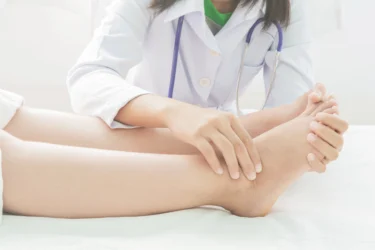
Gulkand may reduce swelling due to the presence of vitamin C, an antioxidant. Studies showed that gulkand might reduce swelling by inhibiting the substances in the body that cause inflammation2. However, further studies are required to check the effect of gulkand on inflammation.
Though studies show the benefits of gulkand in various conditions, these are insufficient, and there is a need for further studies to establish the true extent of the glue and its benefits on human health.
Gulkand is used traditionally to reduce fatigue due to its cooling properties. Gulkand might also be beneficial for conditions like muscular aches, itching, and any conditions where heat is produced4.
Dr. Siddharth Gupta, B.A.M.S, M.D (Ayu)
There are several ways you can use gulkand:
You must consult a qualified doctor before taking gulkand or any herbal supplements. Do not discontinue or replace an ongoing treatment of modern medicine with an ayurvedic/herbal preparation without consulting a qualified doctor.
Also Read: Gudmar (Gymnema Sylvestre): Uses, Benefits, Side Effects, and More!
The side effects of gulkand are as follows:
If you experience any adverse reactions to gulkand, immediately contact a doctor or your Ayurvedic physician who has prescribed it to you. They will be able to guide you appropriately for your symptoms.
Gulkand serves various medical benefits. It is believed to be useful for conditions like menstrual discomfort or dysmenorrhoea, and white discharge issues. Gulkand might also be useful as a digestive tonic that will help in improving digestion, and appetite. Additionally, gulkand is known to have properties that will be useful for cleaning blood that might help to clear complexion and might prevent the appearance of boils, acne, and whiteheads5.
Dr. Rajeev Singh, BAMS
Also Read: Dried Dates: Uses, Benefits, Side Effects By Dr. Rajeev Singh
There is not enough evidence on the interaction of gulkand with other drugs. Further studies on the interaction of gulkand are required. Therefore, you must consult your doctor if you are on any other medication before consuming gulkand.
Also Read: Suji (Semolina): Uses, Benefits, Side Effects By Dr. Rajeev Singh
There are several uses of rose gulkand. Gulkand may be used to relieve pain in case of seizures or cough, to improve heart function, fight HIV and bacterial infections, relieve constipation and reduce swelling1.
Gulkand may cause headaches and early greying of hair3.
Yes, gulkand is good for health and may help to use in brain disorders, improve respiratory function, enhance cardiovascular function, fight against HIV, antimicrobial agent, act as an antioxidant and reduce inflammation1.
If you have catarrh (build-up or discharge of mucous in your nose or throat and swelling in the mucous membrane), you must be cautious before consuming gulkand3. Pregnant and lactating mothers and elderly individuals shall take precautions before having gulkand.
No, studies have not shown the use of gulkand for kidney stones.
Disclaimer: The information provided here is for educational/awareness purposes only and is not intended to be a substitute for medical treatment by a healthcare professional and should not be relied upon to diagnose or treat any medical condition. The reader should consult a registered medical practitioner to determine the appropriateness of the information and before consuming any medication. PharmEasy does not provide any guarantee or warranty (express or implied) regarding the accuracy, adequacy, completeness, legality, reliability or usefulness of the information; and disclaims any liability arising thereof.
Links and product recommendations in the information provided here are advertisements of third-party products available on the website. PharmEasy does not make any representation on the accuracy or suitability of such products/services. Advertisements do not influence the editorial decisions or content. The information in this blog is subject to change without notice. The authors and administrators reserve the right to modify, add, or remove content without notification. It is your responsibility to review this disclaimer regularly for any changes.
8
3
One of the most consumed fruits in the world is bananas and bananas (Musa paradisiaca) are grown in almost every country, especially in the subtropical and tropical regions. It is produced mostly in India, followed by China, which is the second largest producer of bananas. The banana plant is the largest flowering herbaceous plant and a lot of banana flowers are produced in a single collection of bananas1,2.
These flowers are usually considered a waste material while producing bananas, but it has high nutritional value. The flowers of bananas are huge, red, pointed flowers, some of the flowers are yellow or pink in colour. Precisely, the color of the flower can range from orange to purple and it contains pale yellow or white florets inside it. Banana flowers have many bioactive compounds and are nutty, crunchy, and starchy to taste. It might also have the potential to help with certain health conditions like diabetes, diarrhea, and cancer1. Let us discuss the importance and health benefits of the banana flower in detail.
A study conducted by Ramu et al., found in their study that the banana flower contains the following nutrients:
Sheng et al., and Elaveniya et al., found in their study that the following minerals are present in the banana flower:
Other research showed that the following bioactive compounds like alkaloids, saponins, superoxide dismutase, cardiac glycosides, steroids, and phenolic compounds might be present in the banana flower1.
From my experience, banana flowers’ approximate composition is quite astounding since they include a wide range of minerals, such as phosphorus, calcium, potassium, and magnesium. Potassium maintains muscles, and nerves, and regulates heartbeat as a vital component of bodily fluids and cells. Magnesium is a natural anti-depressant that may help lessen sadness and mood swings. It may play a protective role for the heart and may be necessary for healthy bones6.
Dr. Anuja Bodhare, B.A.M.S, M.D (Ayu)
The banana flower might possess the following properties:
As the banana flower is a rich source of various minerals and bioactive compounds. Therefore, it might be helpful for various diseases and disorders1. Some of the possible banana flower health benefits are as follows:
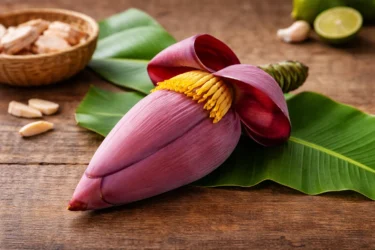
China et al. have reported that the flowers of bananas might have antioxidant properties and may help in reducing oxidative stress. It might neutralise the free radicals by protecting the cells and tissues of the body from damage. This possible antioxidant activity of the banana flower might render its potential against various conditions caused due to oxidative stress like diabetes and cancer. However, more research is required to prove its possible effects2.

Researchers found that the banana flower extract might have a potential activity that inhibits the proliferation of cancer cells. It might also be a safer alternative for the further development of an anticancer drug. However, further animal and human studies are required to ascertain such claims. Moreover, a serious condition like cancer must and should be diagnosed and properly treated by a qualified doctor. Therefore, ensure that you consult a doctor2.

In a study2 conducted by Pari and Uma-Maheshwari, it was seen that the banana flower extract might have the potential to decrease blood glucose levels. It may also help in reducing the level of glycated haemoglobin (glucose attached haemoglobin), which is used as a measure of glucose control over a few months. Therefore, the banana flower might be helpful for diabetes, and more studies are required to claim these properties. Moreover, a serious condition like diabetes must be properly diagnosed and treated by a doctor; kindly consult a doctor and do not self-medicate.
Haemoglobin is an iron-containing protein that is present in the blood and helps in the transportation of oxygen to cells. It was seen in several studies that the banana flower is a rich source of iron and fiber which might help raise the haemoglobin level in the blood. Further studies are required to confirm the rise in haemoglobin levels due to the banana flower1. In case of less haemoglobin content, consult your doctor and don’t self-medicate.
Liyanage et al. found that the banana flower might have a potential hypocholestrolaemic effect (blood cholesterol-lowering). This effect might be exhibited by it, due to the presence of unsaturated fatty acids, saponins, flavonoids, vitamin E and dietary fibre. These substances might also help in protecting the liver from damage and safeguarding it. However, more studies are needed to prove these effects1.
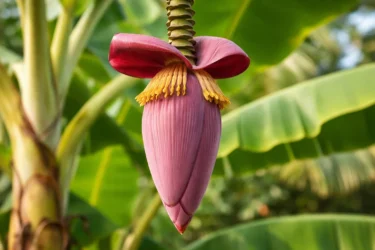
Banana flowers might be potentially used for the following:
More studies are necessary to explore the potentialities of the banana flower.
Though there are studies that show the potential uses of the banana flower in various conditions, these are insufficient and there is a need for further studies to establish the true extent of benefits of the banana flower on human health.
Polyphenols and flavonoids, that are strong antioxidants, are abundant in banana stem and flowers. Melanin production may be reduced by using the banana flower extract. Based on these findings, I suggest banana stems and flowers may both be used as effective depigmenting agents for gums4.
Dr. Siddharth Gupta, B.A.M.S, M.D (Ayu)
The banana flower is used for making curries in the Southern part of India and is eaten with rice and wheat bread3. Apart from this, it is also used for the development of various products due to its high nutrient content1. It is used for the preparation of the following products:
You must consult a qualified doctor before taking the banana flower or many other herbal supplements. Do not discontinue or replace an ongoing treatment of modern medicine with an ayurvedic/herbal preparation without consulting a qualified doctor.
I recently read an article that says banana flower bracts are a rich source of several nutrients and are known for their many therapeutic benefits. Apart from their medicinal benefits, they may be utilised as colouring agents. Banana blossoms are typically utilised in South India to prepare curries, chutneys, and even desserts5.
Dr. Rajeev Singh, BAMS
Also Read: Chicory (Kasani): Uses, Benefits, Side Effects and More By Dr. Smita Barode
There are no specific side effects of banana flowers reported yet. More research is required to render it completely safe for human use. Therefore, if you notice any abnormality in eating banana flowers, you should immediately consult a doctor.
I recently read an article which described a study conducted on rats that says rats who were fed the banana blossom diet gained less weight than those fed the cholesterol-enriched control diet, which may confirm that consumption of banana flowers may aid in weight loss6.
Dr. Smita Barode, B.A.M.S, M.S.
Also Read: Cluster Beans: Uses, Benefits, Side Effects By Dr. Siddharth Gupta
General safety precautions should be taken, and a doctor should be consulted before eating banana flowers. The effects of eating banana flowers during pregnancy and for children have not been reported yet. Therefore, you should consult a doctor before consuming banana flowers.
Also Read: Green Peas: Uses, Benefits, Side Effects and More!
Adverse reactions of banana flowers with any specific drug have not been reported. However, banana flowers may alter the action of certain drugs which has to be explored by further research. Therefore, you should consult a doctor before eating banana flowers especially if you are undergoing any treatment and are on medication.
Also Read: Red Chilli: Uses, Benefits, Side Effects By Dr. Smita Barode
Banana flowers might help in reducing diabetes, fighting against cancer, reducing oxidative stress, reduce cholesterol levels and ulcers. However, more research is required to prove these effects. Therefore, you must consult a doctor before using banana flower for the above-mentioned conditions1,2.
Yes, the banana flower is edible. It is highly nutritious and might be helpful for various health conditions1.
The banana flower can be used to make curries and be eaten with rice or wheat bread. It is used in the production of dried slices, flour, RTC (ready-to-cook) products, humus, and sisig (ginger, onion, banana flower, coconut powder, and salt)1,3.
Various nutrients like protein (19.60%), fibre (70%) and carbohydrates (53.78%) are present in the banana flower. It contains various minerals like iron, sodium, potassium, phosphorous, zinc etc. and several bioactive compounds like saponins, tannins, cardiac glycosides, etc1.
There are no reports regarding the positive effects of banana flowers on skin. Therefore, there is a need for more studies on this subject.
Yes, the banana flower may be eaten by diabetic patients. It might reduce blood sugar levels in them and it is advised to consult a doctor before consuming banana flowers2.
Disclaimer: The information provided here is for educational/awareness purposes only and is not intended to be a substitute for medical treatment by a healthcare professional and should not be relied upon to diagnose or treat any medical condition. The reader should consult a registered medical practitioner to determine the appropriateness of the information and before consuming any medication. PharmEasy does not provide any guarantee or warranty (express or implied) regarding the accuracy, adequacy, completeness, legality, reliability or usefulness of the information; and disclaims any liability arising thereof.
Links and product recommendations in the information provided here are advertisements of third-party products available on the website. PharmEasy does not make any representation on the accuracy or suitability of such products/services. Advertisements do not influence the editorial decisions or content. The information in this blog is subject to change without notice. The authors and administrators reserve the right to modify, add, or remove content without notification. It is your responsibility to review this disclaimer regularly for any changes.
13
1


