



Make Your Periods Less Painful With The Right Food!
By Dr. Charmi Shah +2 more

Medically reviewed by Dr. Charmi Shah
Last updated: Dec 30, 2025 Published on: Mar 14, 2022


Get,

to manage your symptom
Get your,

4 Cr+ families
benefitted

OTP sent to 9988776655



You’ve successfully subscribed to receive
doctor-approved tips on
Whatsapp

Get ready to feel your best.


Register to Avail the Offer
Send OTPBy continuing, you agree with our Privacy Policy and Terms and Conditions
Hi There,
Sign up on PharmEasy now!!


Trusted by 4 crore+ families

OTP sent to 9988776655
You have unlocked 25% off on medicines


Code: NU25

By Dr. Charmi Shah +2 more
Table of Contents
Periods are a monthly affair for women. Although regular periods are a sign of good health, factors like flow pattern, pain, and hormonal balance are also important. Even women who meet these criteria might experience 3 – 5 days of the flow that causes great discomfort, inconvenience, and pain. Sometimes the pain can become intolerable, making it difficult for women to perform their daily chores. But the good news is that there are some simple no-hassle ways to deal with period pain (dysmenorrhea). This includes a healthy diet. There are a few food items that can help to reduce period pain and associated discomfort in women1. Including these foods in your diet can make your next period a little less agonizing. Below is a list of 7 of them.
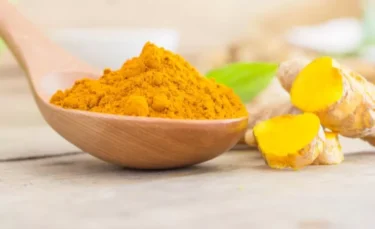
Turmeric is a commonly used spice with medicinal properties. It is well established that turmeric reduces inflammation in the body and hence plays a role in reducing the pain and discomfort due to periods2. Curcumin supplementation shows emerging evidence for this benefit; however, current findings are limited and more research is needed.
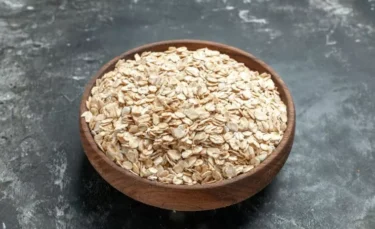
Oats are an excellent breakfast choice as they are easy to cook and extremely nutritious. They are full of fibre thereby keeping you feeling full for longer and eliminating the need to munch on snacks before your next big meal3. Oats also happen to be a good source of zinc and magnesium, which relax blood vessels4,5. If you are wondering what to eat to reduce period pain, a tasty oats poha, oats idli or even some delicious overnight oats or oats porridge with generous toppings of berries should do the trick.

Ginger is a common ingredient found across Indian households in their kitchens. Ginger has natural anti-inflammatory properties that may help relieve period-related muscle aches6. According to a study7 conducted by The Journal of Maternal-Foetal & Neonatal Medicine in 2017, ginger was effectively found to reduce feelings of nausea and vomiting. Whether you want to enjoy some crystallised/candied ginger post your lunch or dinner or want to soothe your mind and bodily senses with some warm ginger tea, ginger is one of those items which will make you feel rejuvenated along with reducing the period pain.
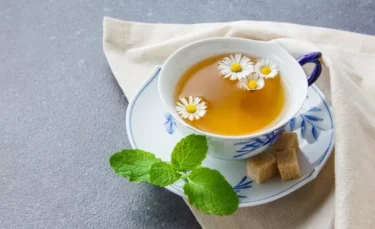
If you are thinking about how to relieve yourself of period cramps fast, chamomile tea is another food item that comes with anti-inflammatory properties8. More of a drink than food, chamomile tea is easy to make and helps ease muscle spasms along with lifting your mood by soothing your nervous system.
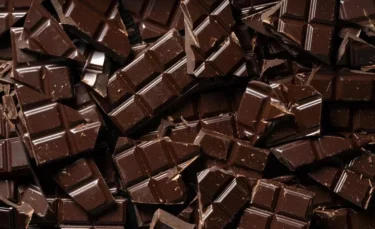
As per a study9 conducted by the Iranian Journal of Nursing and Midwifery Research, magnesium was found to reduce severe symptoms of PMS. Chocolate lovers will be delighted to know that not only is dark chocolate a healthy snack option, but it is also recommended as food that help with easing period- related symptoms.
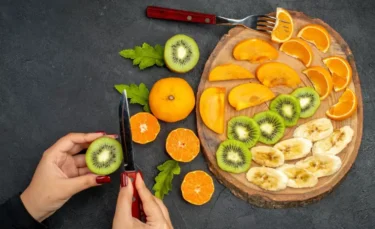
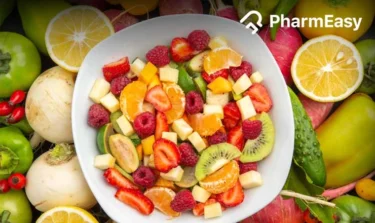
Vitamin C-enriched food items top the chart as foods that help with period cramps. During your menstrual cycle, you end up losing a more significant amount of red blood cells than your body can make up for. This might cause anaemia in some. Iron and vitamin C help reduce this risk in women. A daily dose of vitamin C, such as oranges, can be highly beneficial for better iron absorption into your body from the foods you eat10. Therefore, consuming them regularly while on periods can help in meeting the increased iron needs of the body. Moreover, due to its antioxidant effect Vitamin C supplementation can help in alleviating period pain11.
If you’re looking for natural remedies to ease menstrual pain, I may endorse soy milk. Some women have reported finding possible relief by adding soy milk to their diet. However, it is important to consult with your doctor before making any dietary changes24.
Dr. Anuja Bodhare, B.A.M.S, M.D (Ayu)
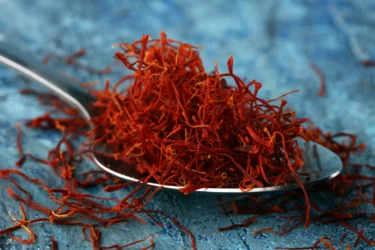
Developing a habit of consuming raisin-soaked (overnight) water and Kesar water (saffron soaked in a glass of water overnight) has been found to reduce period pain, mood swings and the bloating linked to it12. Raisins are rich in iron, which might help in reducing heavy bleeding13.

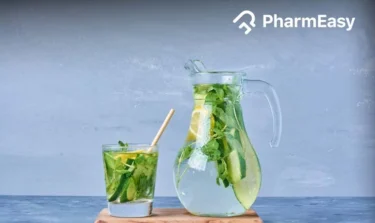
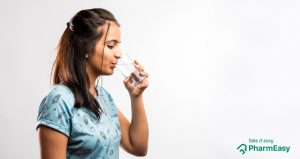
Although it may seem water is the answer to most things, chugging some water prevents your body from retaining water. Some of your period-related bloating might be reduced by consuming a glass full of water. Consuming some water during periods might also help in reducing bleeding and the severity of the pain14. If you are not a fan of drinking water by itself, try eating water-based foods such as lettuce, celery, cucumbers, watermelon, or berries. You can soothe your cramps by keeping your body hydrated with warm or hot liquids.
Note: Adequate hydration helps in reducing period related bloating, but drinking excessive water does not directly prevent fluid retention.
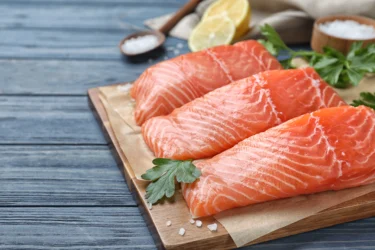
Salmon and other cold-water fish are rich in fatty acids known as omega-3s. Omega-3s supplements also help to reduce inflammation, which makes them good for general pain relief, including the pain of menstrual cramps, according to one small trial15.
While initial studies have shown the benefits of these food items in dealing with period pain, further large-scale trials are needed to confirm these. Also, remember that severe or persistent period pain may indicate underlying medical conditions which need medical evaluation, and only dietary changes may not help.
I would recommend including lean meats like red meat or chicken in your diet if you experience painful periods. These meats might be a great source of iron and protein, which are important nutrients for menstrual health23.
Dr. Siddharth Gupta, B.A.M.S, M.D (Ayu)
While we are most often focused on what things to do or eat during our periods, we often ignore what food items we definitely must avoid. Here are a couple of foods you should be refraining from to keep yourself feeling healthy and happy.
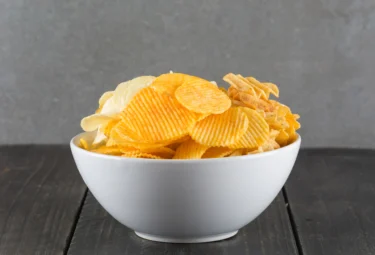
High on preservatives and salt, canned foods make your bloating worse than ever16.
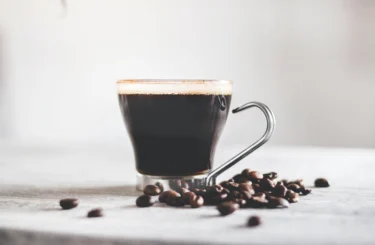
Coffee connoisseurs would be grieved to know that caffeine intake during your periods can trigger stress and anxiety, making you feel irritable and disturbed throughout the day17. In addition, coffee increases water retention in the body thereby promoting bloating, which can be discomforting and counteractive if you are looking for foods that reduce period pain. Although cutting out coffee can cause withdrawal symptoms leading to headaches and migraines, sticking to just one or two cups can be the next best solution.
I would advocate incorporating foods rich in calcium into your diet if you want to manage pain during your period. Some great options may include beans, almonds, and dark green leafy vegetables like spinach and kale. These foods are not only delicious but might also provide a good amount of calcium. By including these calcium-rich foods in your diet, you will possibly be supporting your overall well-being, including your menstrual health.
Dr. Smita Barode, B.A.M.S, M.S.
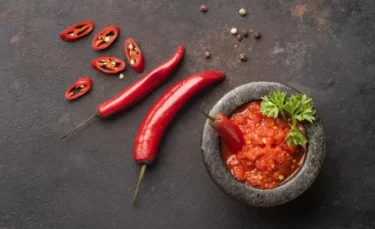
Spicy foods cause stomach upset and acidity18. This can even lead to nausea and diarrhoea. During your periods, it is best to opt for fresh, healthy, unprocessed, less salty, and lightly spiced foods19.
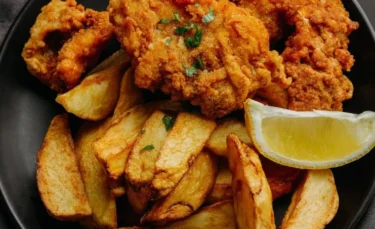
Excess of oily, fried, and fatty food can heighten cramping, and so fatty foods (such as bacon) may not be the right period pain relief food20.
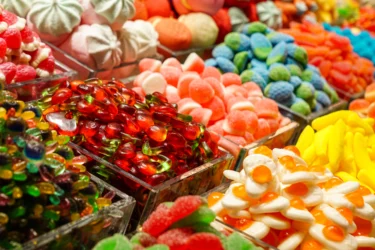
Abstaining from indulging your sweet tooth with candies is recommended during your period as they contain a high amount of sugar that can worsen period pain. Go for fruits and dairy products, which might help you in reducing period pain20.
If you’re looking for other sweet treats during your period, I might have a delicious suggestion for you. How about stocking up on dark berries like blueberries, blackberries, strawberries, raspberries, and cherries? Not only are they naturally sweet and satisfying, but they may also be packed with antioxidants. Antioxidants may support your overall health as well as help you through your period by giving you the energy boost you need24!
Dr. Rajeev Singh, BAMS
Seek immediate medical attention if you have the following:
If you get sudden worse pain21. Severe pain and discomfort might be a sign of underlying conditions such as fibroids, endometriosis, or secondary dysmenorrhea. (Secondary dysmenorrhea is a condition of intensely painful periods caused by underlying health problems such as endometriosis, fibroids, or pelvic inflammatory disease22.)
The best way to get relief from cramps and bloating when you are on your period is to have nutritious and lightly spiced foods. Eat regular healthy meals throughout the day to keep yourself full and free from cramps. Additionally, drink lots of water to avoid dehydration that can increase the intensity of cramping. Along with foods that help with period cramps, engaging in light exercises that are focused on your core and lower half of the body such as yoga and walking might be beneficial for making your periods less painful. But severe pain and discomfort might be a sign of underlying conditions such as fibroids or endometriosis. Such cases just will not heal by dietary changes, but medical attention is needed. Seek your doctor’s help immediately. They can offer proper guidance and may consider prescribing antispasmodic medication for your specific needs.
Disclaimer: The information provided here is for educational/awareness purposes only and is not intended to be a substitute for medical treatment by a healthcare professional and should not be relied upon to diagnose or treat any medical condition. The reader should consult a registered medical practitioner to determine the appropriateness of the information and before consuming any medication. PharmEasy does not provide any guarantee or warranty (express or implied) regarding the accuracy, adequacy, completeness, legality, reliability or usefulness of the information; and disclaims any liability arising thereof.
Links and product recommendations in the information provided here are advertisements of third-party products available on the website. PharmEasy does not make any representation on the accuracy or suitability of such products/services. Advertisements do not influence the editorial decisions or content. The information in this blog is subject to change without notice. The authors and administrators reserve the right to modify, add, or remove content without notification. It is your responsibility to review this disclaimer regularly for any changes.
 41
41  15
15Comments

Leave your comment...
You may also like










Comments