



Juice for Diabetics: What Research Says About Blood Sugar and Beverages
By Dr. Amruta Prabhu +2 more

Medically reviewed by Dr. Amruta Prabhu
Last updated: Mar 2, 2026 Published on: Jan 16, 2024


Get,

to manage your symptom
Get your,

4 Cr+ families
benefitted

OTP sent to 9988776655



You’ve successfully subscribed to receive
doctor-approved tips on
Whatsapp

Get ready to feel your best.


Register to Avail the Offer
Send OTPBy continuing, you agree with our Privacy Policy and Terms and Conditions
Hi There,
Sign up on PharmEasy now!!


Trusted by 4 crore+ families

OTP sent to 9988776655
You have unlocked 25% off on medicines


Code: NU25

By Dr. Amruta Prabhu +2 more
Table of Contents
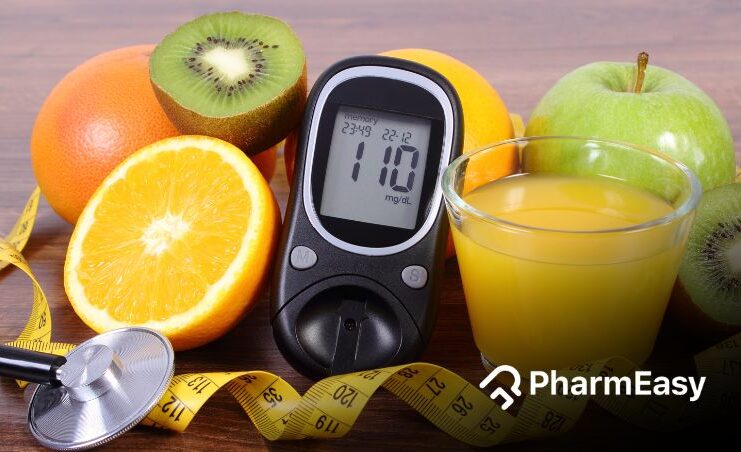
Living with diabetes requires careful management of your diet including both food and drink choices. Selecting the right beverages not only helps maintain stable blood sugar levels but also prevents the risks of health complications associated with diabetes. In this blog, we will discuss the importance of choosing the right beverages for diabetics, the best and worst choices, and understand some common misconceptions related to juices and diabetes. We will also cover special notes for certain drinks. Lastly, we will share tips and recipes for diabetic-safe juices.
Did you know?
For those with diabetes, smart drink choices are key. This section will tackle confusions about juices and diabetes and discuss the pros and cons of drinking natural fruit and vegetable juices.
A common idea is that fruit juices, coming from nature, must be safe and healthy for diabetics. Unfortunately, it’s not that simple. Most fruit juices have added sugars which are definitely bad for your diabetes control. Yes, there’s confusion whether no-sugar fruit juice or 100% fruit juice too should be avoided in individuals with diabetes.
Drinking fruit juice with added sugar is a double punch for diabetics. It ups the risk of both sudden and long-term blood sugar rises, offering only very few perks in return. It can also lead to weight gain, a main factor in type 2 diabetes1.
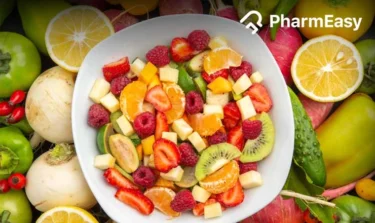
So, what’s the take on natural or 100% fruit juices? Actually, natural fruit and vegetable juices aren’t all bad. They do indeed bring with them antioxidants and vitamins. However, their natural sugar content could also impact blood sugar levels in a negative way2. Having said that, these natural fruit and vegetable juices can be enjoyed in managed portions. It’s important to always consider the juice’s sugar content and their glycaemic ranking.
When taken in small, controlled servings, natural fruit and vegetable juices (unsweetened) can be healthy for diabetics. They deliver nutrients, inflammation-fighting antioxidants, and hydration3. Just remember to select low sugar, low starch juices, watch your portion size, and account for juice sugars in your daily meal planning.
The glycaemic index or GI shows us how fast a food spikes blood sugar levels. Foods with low GI slowly increase blood sugar while high GI foods induce a quick rise. For diabetics, juices made from fruits and vegetables with low GI, like cucumber, carrot, or tomato, are a smarter choice. High GI fruits such as pineapple or orange, on the other hand, can cause sudden jumps in blood sugar levels. Checking juices’ GI values is a helpful guide for your drink picks and blood sugar management4.
Although fruit juices are usually avoided in diabetics, jamun juice is one juice that is actually not just a tasty beverage but actually beneficial for them it aids in blood sugar control along with providing several other health benefits. It’s believed to very good for digestion, heart, strengthens immunity and can have benefits of cancer-protection too. It’s been used in ayurvedic preparations since years for its health benefits.
Dr. Siddharth Gupta, B.A.M.S M.D (Ayu)
Making the best drink picks is vital for diabetes. Here are a few diabetic-friendly options:

For individuals with diabetes, water should be a go-to drink. It doesn’t raise blood sugar and helps cleanse extra glucose from your body through urine. Drinking enough water is essential for good health and for managing blood sugar5.

Seltzer water is a bubbly, no-calorie alternative to other fizzy drinks. Since it doesn’t raise blood sugar levels, it’s a strong choice for diabetics. For added flavour, try a fruit-flavoured seltzer or add a small amount of fruit juice.

For a smart diabetes diet, you can add unsweetened tea. Green, black, or herbal teas can be great options. Tea brings antioxidants and might help lower type 2 diabetes risk based on some studies6. To avoid raising your blood sugar, choose the no-sugar options.

Unsweetened coffee could be a decent choice for diabetics, if drunk in a modest amount7. But be careful about adding milk, cream, or sugar, for they can impact your blood sugar and total calories for the day. Think about sugar substitutes or try flavoured options with low calories.

Low-sugar vegetable juices, like tomato or carrot, can be part of a diabetes-friendly diet8. These juices offer vitamins and minerals without the high sugar present in fruit juices. Make sure they have no added sugar or salt, though.
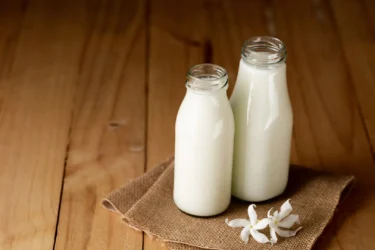
Low-fat milk is a nutritious choice for diabetics, packed with key vitamins, minerals, protein, and calcium. But keep your intake to two to three servings (total 200gm) a day9. Always count milk as part of your daily carbohydrate limit.
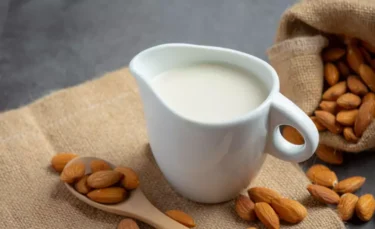
Think about low-sugar, low-carb milk alternatives such as almond, soy, or rice milk. Check the labels for carbs and extra sugars. Consider options fortified with calcium and vitamin D for added nutrients.

Homemade sugar-free lemonade can also make for a refreshing drink without a blood sugar hike. Use sparkling water, fresh lemon juice, and a sugar substitute if needed.
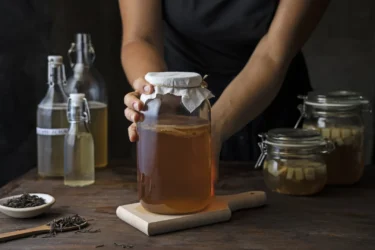
Kombucha, a fermented tea-based drink, could be a good choice for diabetics due to its probiotic content. Some studies show probiotics may aid blood sugar control for people with type 2 diabetes10. Still, be sure to choose a kombucha with lower carbohydrates to avoid risky blood sugar spikes.
While these drinks are generally suitable for all individuals with diabetes, your dietician can suggest the right choice for you based on your needs.
Certain drinks can seriously harm diabetics. They can push blood sugar levels high fast and pose major health risks. It’s important to keep away from or limit these drinks as much as possible.
Soft drinks packed with sugar and offering almost nil nutritional goodness, should be a big no for diabetics. It can boost blood sugar levels and lead to weight gain11. Think fruit water, sugar-free drinks, or tea instead.

Energy drinks possess high sugar and caffeine content. These can cause a rise in blood sugar and may pose risk to heart health12. Try changing to healthier options like water, tea, or coffee to prevent possible health issues.
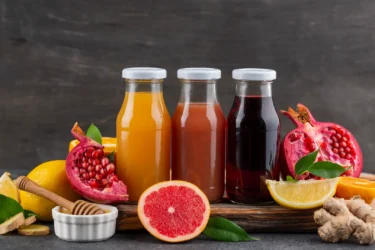
Sweetened fruit juices are a big no for individuals with diabetes. Even juice that’s 100% fruit has high sugar levels that can raise blood sugar fast. Better to pick juices made from low-GI fruits and veggies and to drink them wisely.
Studies have demonstrated the beneficial effects of green tea on overall well-being. A substantial 2021 cohort research with over half a million participants indicates that consuming green tea daily may reduce your chance of developing type 2 diabetes. But more investigation is required. You can choose a tea without added sugars, whether it’s oolong, white, black, or green and make your own iced tea.
Dr. Rajeev Singh, BAMS
For those with diabetes, careful thought and checks should be given to specific drinks. Stay alert for side effects and possible clashes with medications.
For diabetics, smart juice selections can drastically improve health. Keep these tips in mind when picking safe juices for diabetics:
Go for juices made from low-GI fruits and veggies like cucumbers, carrots, or tomatoes. These juices deliver much-needed nutrients but won’t push your blood sugar levels high.
Keep your portions in check when drinking fruit and veggie juices to manage blood sugar levels. Keep servings to 150ml or less and always include the juice in your daily carbohydrate count15.
A balanced diet with plenty of fibre, protein, and healthy fats can help curb blood sugar rises caused by high-carbohydrate drinks like fruit and veggie juices. Rather than solely relying on juices for daily nutrients, include juice in a well-rounded meal.
Enjoy these home-created, diabetes-safe juice recipes and ideas:
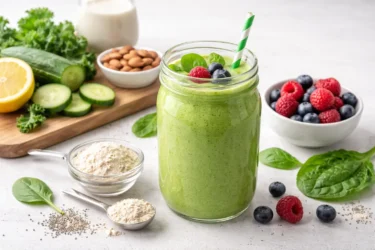
Whip up a tasty, nutritious smoothie using your choice of low-GI fruits and vegetables. You may add protein powder or nut butter for an added punch of protein and healthy fats (only if deemed suitable to be included in your diet by your doctor).

You can try different unsweetened herbal, green, or black teas to find your best flavour. Add lemon juice for a tangy kick or a sprinkle of cinnamon for a hint of spice!

Treat yourself with a diabetes-friendly mocktail, without the extra sugar or alcohol.
If you are a diabetic and want to incorporate juices in your diet, it’s best to consult a nutritionist for a more personalized diabetes diet plan based on your blood sugar control.
Managing diabetes involves a vigilant diet including smart drink choices to prevent harmful blood sugar spikes and potential issues. By knowing the benefits and risks of different juices and choosing hydration-friendly drinks, you can keep your blood sugar levels steady and enjoy better overall health.
Never forget, the best selections for diabetics are water, herbal tea, and low-sugar juices. Limit or avoid high-sugar drinks and always ask your healthcare provider for specific advice concerning beverages that match your unique case and needs.
It’s important to remember that no juice should be taken as the main source of nutrition for someone with diabetes. Still, some vegetable juices, like tomato or carrot, are lower in carbs and sugar and can be taken in moderation.
Diabetics need to avoid soft drink, energy drinks, and sweetened or unsweetened fruit juices. These drinks can make blood sugar suddenly spike.
For someone trying to manage their diabetes, water is best. It doesn’t raise blood sugar and helps filter excess glucose out through urine. Herbal teas and low-sugar vegetable juices are other good alternatives, given they’re drunk in moderation.
Zero-sugar juice may be okay for diabetics, but only in moderation. Remember, it’s still very important to monitor portion sizes and daily carbohydrate totals. It’s also crucial that zero-sugar juice doesn’t contain artificial sweeteners, which may have bad effects on blood sugar control.
Disclaimer: The information provided here is for educational/awareness purposes only and is not intended to be a substitute for medical treatment by a healthcare professional and should not be relied upon to diagnose or treat any medical condition. The reader should consult a registered medical practitioner to determine the appropriateness of the information and before consuming any medication. PharmEasy does not provide any guarantee or warranty (express or implied) regarding the accuracy, adequacy, completeness, legality, reliability or usefulness of the information; and disclaims any liability arising thereof.
Links and product recommendations in the information provided here are advertisements of third-party products available on the website. PharmEasy does not make any representation on the accuracy or suitability of such products/services. Advertisements do not influence the editorial decisions or content. The information in this blog is subject to change without notice. The authors and administrators reserve the right to modify, add, or remove content without notification. It is your responsibility to review this disclaimer regularly for any changes.


Comments

Leave your comment...
You may also like





















Comments