




How To Manage Hyperpigmentation in the Summer?
By Dr. Raina N. Nahar +2 more

Medically reviewed by Dr. Raina N. Nahar
Last updated: Mar 2, 2026 Published on: Apr 18, 2022


Get,

to manage your symptom
Get your,

4 Cr+ families
benefitted

OTP sent to 9988776655



You’ve successfully subscribed to receive
doctor-approved tips on
Whatsapp

Get ready to feel your best.


Register to Avail the Offer
Send OTPBy continuing, you agree with our Privacy Policy and Terms and Conditions
Hi There,
Sign up on PharmEasy now!!


Trusted by 4 crore+ families

OTP sent to 9988776655
You have unlocked 25% off on medicines


Code: NU25

By Dr. Raina N. Nahar +2 more
Table of Contents
Hyperpigmentation is caused when the skin produces excess melanin, a pigment that gives the skin its natural colour. It can be defined as a condition that makes the skin appear darker and may cause dark patches on the skin, usually in areas exposed to the sun1. Hyperpigmentation can occur during any time of the year but is seen to occur more frequently during the summer1. This article explores the probable causes of hyperpigmentation, how to avoid it, and ways to manage it.
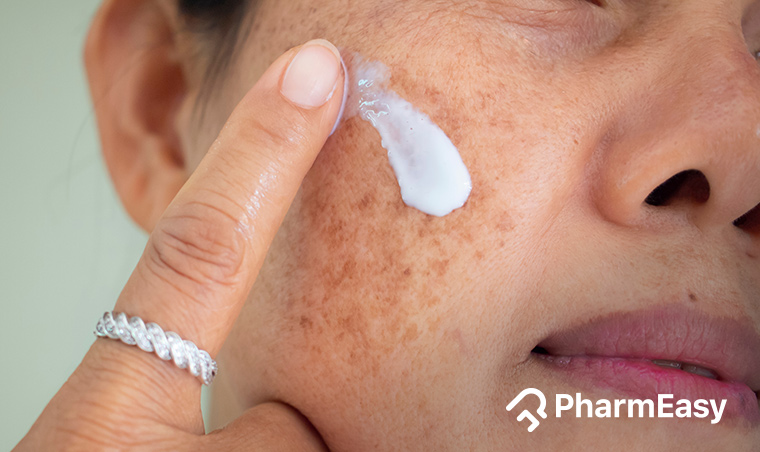
Hyperpigmentation, which often worsens during summer, is not caused by sun exposure and heat alone. Other causes of hyperpigmentation include:
Hyperpigmentation may also be caused by skin injuries or inflammation and some underlying health issues like thyroid conditions and diabetes1.
Hyperpigmentation in summer, while often referred to as “age spots” or “sun spots,” can actually be caused by a number of factors beyond sun damage. Another type of hyperpigmentation, called melasma, can make an appearance due to “environmental stressors” like lack of sleep or hormonal changes like pregnancy and menopause.
Dr. M.G. Kartheeka, MBBS, MD(Pediatrics)
Although hyperpigmentation caused by sun exposure (especially when it worsens during summers) is often harmless and is a quite common condition, it may lead to dissatisfaction about appearance in some individuals. The following measures may help manage hyperpigmentation.
Persistent, unexplained darkening or lightening of the skin, or any skin sore or lesion that changes shape, size, or colour may be a sign of skin cancer. Consult a dermatologist if you experience any such symptoms.
Dr. Ashish Bajaj, M.B.B.S., M.D. in Clinical Pharmacology and Toxicology
The following measures may help manage hyperpigmentation but it is important to consult a dermatologist before you use any of the products.
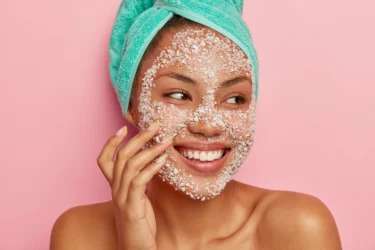
This method helps to remove dead cells and speeds up the healing process. Ingredients such as lactic acid, salicylic acid and glycolic acid work as the best chemical exfoliators and help with hyperpigmentation5. Scrubbing the skin to exfoliate may be harsher than chemical exfoliation.
Consult your dermatologist and choose appropriate products in your skincare regimen. The right ingredients should be looked for in the product and can be chosen based on your skin type.
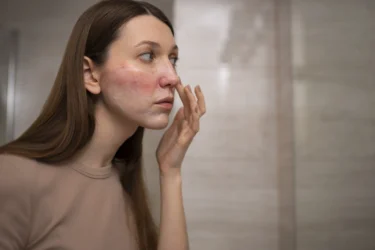
Inflammation is a major cause of hyperpigmentation1. Anti-inflammatory agents, such as vitamin C, resveratrol, and Centella asiatica help in healing of the wound, inhibiting inflammation, and hindering hyperpigmentation occurring after inflammation6,8,7.
Before opting for medical and chemical approaches, you must try a few home care tips to help manage hyperpigmentation. These ingredients found at home might help you manage hyperpigmentation.
If following the home care tips is not helping hyperpigmentation, then you might want to consult a dermatologist and discuss the following options.
Usage of topical creams and other topical agents may help with hyperpigmentation1 as they contain certain ingredients that are believed to address hyperpigmentation, like:
The following cosmetic procedures might help with hyperpigmentation:
Hyperpigmentation is a very common condition that usually is not a cause for concern. Some of the measures discussed above may help manage it; however, it is important to consult a dermatologist before using any new skincare product to avoid worsening the condition.
Also Read: Natural Home Remedies for Hyperpigmentation
Disclaimer: The information provided here is for educational/awareness purposes only and is not intended to be a substitute for medical treatment by a healthcare professional and should not be relied upon to diagnose or treat any medical condition. The reader should consult a registered medical practitioner to determine the appropriateness of the information and before consuming any medication. PharmEasy does not provide any guarantee or warranty (express or implied) regarding the accuracy, adequacy, completeness, legality, reliability or usefulness of the information; and disclaims any liability arising thereof.
Links and product recommendations in the information provided here are advertisements of third-party products available on the website. PharmEasy does not make any representation on the accuracy or suitability of such products/services. Advertisements do not influence the editorial decisions or content. The information in this blog is subject to change without notice. The authors and administrators reserve the right to modify, add, or remove content without notification. It is your responsibility to review this disclaimer regularly for any changes.
 5
5 
Comments

Leave your comment...
You may also like




















Comments