Get,

Free Doctor Tips

to manage your symptom

Get your,

FREE Doctor Tips Now!!

4 Cr+ families

benefitted

Enter your Phone Number

+91

|

Enter a valid mobile number

Send OTP

Verify your mobile number

OTP sent to 9988776655

CONGRATULATIONS!!!

You’ve successfully subscribed to receive

doctor-approved tips on Whatsapp


Get ready to feel your best.

Hi There,

Download the PharmEasy App now!!

AND AVAIL

AD FREE reading experience
Get 25% OFF on medicines
Banner Image

Register to Avail the Offer

Send OTP

By continuing, you agree with our Privacy Policy and Terms and Conditions

Success Banner Image
Verify your mobile number

OTP sent to 9988776655

Comments

Subscribe
Notify of
guest
0 Comments
Inline Feedbacks
View all comments

Leave your comment here

Your email address will not be published. Required fields are marked *

25% OFF on medicines

Collect your coupon before the offer ends!!!

COLLECT

How to Increase Your Metabolism Naturally 

By Dr. Vishesh Bharucha +2 more

Introduction

Have you ever wondered why the same foods you ate effortlessly in your teenage years now seem to “sit” in your stomach a little longer, or why losing even a couple of kilos feels harder than it used to? You are not alone! 

Metabolism (the process your body uses to convert food into energy) naturally slows down with age as the body loses muscle mass and other tissues1,2. In fact, it is believed that the energy you spend in your resting state (known as resting energy expenditure (REE)) begins to decline by 1 to 2% per decade as you grow older2.

metabolism

Adding to this, the load of busy schedules, stress, irregular eating habits, and long hours of sitting! So, it is no surprise that many people feel their digestion and energy levels are not what they used to be1

The good news? A slow or sluggish metabolism is not permanent. In this article, we will answer your queries, such as how to boost metabolism, improve digestion, and feel more energetic with simple, science-backed lifestyle changes. 


What is Metabolism?

Metabolism is the sum of all chemical reactions happening inside our body cells that keeps us alive. These reactions help our body convert the food we eat into energy, support vital functions, and allow growth, repair, movement, and overall development. Metabolism also involves processes that don’t directly produce energy, such as creating DNA, hormones, and other vital components needed for cell function3

All of these metabolic processes rely on enzymes that are special proteins that help carry out chemical reactions in the body through two processes (catabolism and anabolism). Catabolism produces energy and basic building blocks, while anabolism uses that energy to create new molecules3

A key part of metabolism is your metabolic rate, which refers to how quickly your body produces and uses energy3. The basal metabolic rate (BMR) is the minimum amount of energy your body needs to function at rest, just to keep your heart beating, lungs working, and cells alive4

Note: Everyone’s BMR is different because it is influenced by many factors, including age, sex, genetics, body composition, physical activity, and certain medical conditions3. This is the reason why some people naturally burn energy faster than others.

What Makes Your Metabolism Slow?

A slow metabolism does not happen overnight. It is usually the result of several lifestyle, biological, and health-related factors. Here are some of the most common reasons your metabolic rate may decline:

  • Ageing: As we age, lean body mass (which includes muscle, bones, organs, and connective tissue) naturally decreases. And because muscle burns more calories than fat, this shift leads to a lower BMR1,5
  • Genetics: Your genes influence how fast or slow your metabolism naturally is. Some people are born with a higher metabolic rate, while others burn energy more slowly (simply due to genetic differences)5.
  • Loss of Muscle Mass: Sedentary habits, long working hours, or lack of strength training lead to reduced muscle mass. Less muscle means fewer calories burned at rest6.
  • Hormonal Changes: Imbalances in thyroid hormones, insulin, or cortisol can slow down metabolism and affect how the body uses energy3.
  • Skipping Meals or Chronic Dieting: Long-term fasting with severe calorie restriction makes your body conserve energy. This may cause your metabolic rate to drop7. This is a survival mechanism from the body’s perspective.  
  • Lack of Physical Activity: The more inactive you are, the fewer calories your body burns1. Over time, this leads to reduced metabolic efficiency. 
  • Poor Sleep: Irregular or insufficient sleep disrupts hormones that regulate hunger and energy usage8. This slows down how efficiently the body burns calories. 
  • High Stress Levels: Chronic stress increases cortisol, which can encourage fat storage (especially around the belly)9. This may negatively impact metabolic health. 
  • Certain Medical Conditions: Hypothyroidism, insulin resistance, polycystic ovary syndrome (PCOS), and chronic illnesses like sepsis or cancer can significantly slow metabolism10,11

Foods That Boost Metabolism Naturally

If you are wondering how to improve metabolism with natural food items, we are here to help. Certain everyday foods, such as the following, contain natural compounds that can gently boost your metabolism:


1. Coffee (caffeine)

coffee

Caffeine (a key ingredient in coffee) temporarily raises REE. This helps your body use more fat when it needs energy. However, actual fat oxidation is modest and varies based on exercise and individual metabolism. Also, caffeine does not reliably promote significant fat loss on its own, and its effects may diminish with habitual use. Most adults should also avoid excessive intake, with around 400 mg/day considered a common safe upper limit. 

2. Green tea (catechins and caffeine)

green tea

Green tea contains catechins that combine with caffeine and slightly increase fat oxidation. This helps your body burn slightly more calories and fat. However, these benefits are small (and observed in short-term studies) and very high-dose extracts can upset the stomach.

3. Chilli peppers (capsaicin and capsinoids)

chilli

Capsaicin (the compound that makes chillies spicy) can slightly increase heat production and calorie burn. Even small amounts added to meals may help. However, higher doses may be uncomfortably spicy for many, so moderation is the key. 
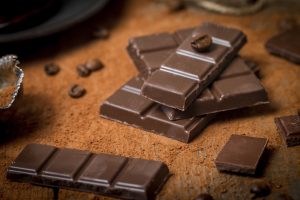
4. Dark chocolate (cocoa in high percentage)

dark

Cocoa contains natural stimulants and antioxidants (such as caffeine and theobromine) that may help your body burn a few extra calories. But try and choose high-cocoa sugarfree dark chocolate and keep portions small because of excess calories.

5. Ginger (gingerols and shogaols)

ginger

Ginger may support metabolism by promoting thermogenesis (heat production) and the breakdown of fat. This suggests it may provide mild metabolic benefits, making it a healthy addition to a balanced diet. However, human evidence is limited, so ginger should not be taken in excess.
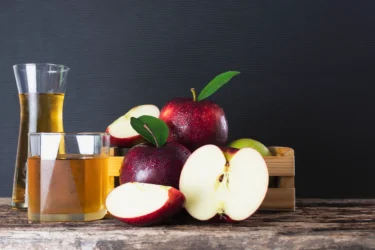
6. Apple Cider Vinegar (acetic acid and polyphenols)

apple cider vinegar

Apple cider vinegar may influence fat metabolism, showing potential benefits on body weight, satiety, and fat oxidation. However, more research is needed before definitive conclusions can be drawn, so it should be taken in moderation.

7. Cinnamon (cinnamaldehyde)

cinnamon

Cinnamaldehyde, a compound that gives flavour to cinnamon, may slightly raise energy expenditure and help control appetite. Small dietary amounts are generally safe (prefer Ceylon cinnamon to avoid excess coumarin from cassia varieties)12.
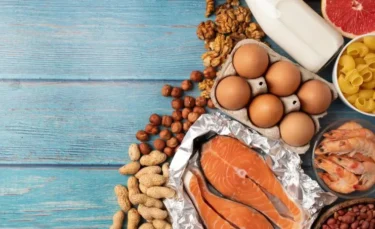
8. Protein rich foods

Protein rich foods

Protein-rich foods play a key role in supporting metabolism because protein has a higher thermic effect of food, meaning the body uses more energy to digest and metabolise it compared to carbohydrates or fats. Protein also helps preserve lean muscle mass, which is important for maintaining resting metabolic rate during weight loss. So, including foods such as eggs, fish, lean meat, poultry, dairy, pulses, legumes, and soy products can help support metabolic function as part of a balanced, calorie-controlled diet13.
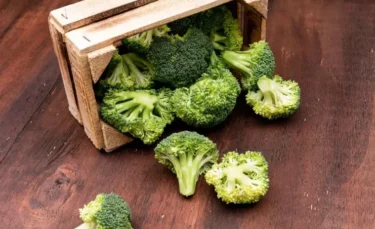
9. Broccoli and Other Cruciferous Veggies (glucosinolates)

broccoli

These vegetables contain unique plant compounds that may support fat burning and overall metabolic health. However, human data is limited, but these veggies are nutrient-dense and safe to include regularly12.
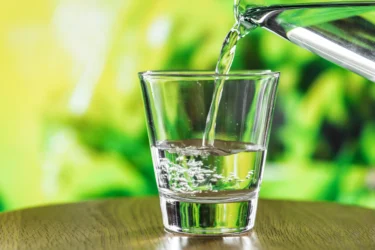
10. Water

Water

Adequate water intake supports metabolism by increasing energy expenditure and promoting fat oxidation. Studies show that drinking water can temporarily boost metabolic rate through heat generation, as the body expends energy to warm and process the fluid14. Thus, regular water consumption can aid metabolic function and support weight management as part of a healthy diet. 

Note: These metabolism boosting foods can gently support your metabolism, but they work best when eaten in moderation. Overconsuming caffeine or spicy foods that increase metabolism can cause discomfort, and relying too heavily on any single food will not lead to major changes. 

Best Exercises to Improve Metabolism

Thinking about how to increase metabolism with exercise? Let us walk you through it.  

Just a few smart exercise choices, such as the ones below, can make a big difference in how your body burns energy:

1. Brisk Walking

brisk walking

Brisk walking increases your heart rate, boosts calorie burn, and helps reduce fat. Plus, it is safe for all fitness levels and easy to maintain long term15.

  • How to do it: Walk at a pace where you can talk but cannot sing (moderate intensity)16
  • Duration: 30 to 45 minutes a day, at least 5 days a week (around 150 minutes/week). 

2. Jogging or Light Running

jogging

Jogging as well as running raises your energy expenditure modestly, which keeps your metabolism elevated for a few hours (even after the workout). It improves insulin sensitivity and supports cardiovascular health17.

  • How to do it: Start with slow jogging and gradually increase speed. You can alternate between jogging and walking if you are a beginner. 
  • Duration: 20 to 30 minutes, 3 to 4 days per week15.

3. High-Intensity Interval Training (HIIT)

hiit

HIIT creates a strong afterburn effect, meaning your body continues burning calories even after the session ends. It improves fat oxidation, endurance, and metabolic markers such as blood pressure and insulin resistance13,16.

  • How to do it: 8 
    • 4 × 4 HIIT: Four rounds of 4 minutes of intense exercise and 4 minutes rest. 
    • 8 × 2 HIIT: Eight rounds of 2 minutes of intense exercise and 2 minutes rest. 
  • Duration: 10 to 20 minutes, 2 to 3 days per week. Suitable for physically fit or clinically stable individuals15.

4. Strength or Resistance Training (Weights or Bodyweight Exercises)

strength

Strength training builds muscle and muscle burns more calories than fat (even at rest). So, increasing lean mass can help raise BMR slightly. Strength training also improves insulin sensitivity, glucose metabolism, and the ability to perform daily physical activities, which is essential for long-term metabolic health15.

  • How to do it: Perform exercises wearing weights (based on your strength and comfort), such as dumbbells. Aim for 8 to 12 repetitions with 1 to 3 sets of each exercise15.
  • Duration: 2 to 3 sessions per week, 30 to 45 minutes each.  

5. Cycling (Outdoor or Indoor)

cycling

Cycling is a great aerobic workout that increases calorie burn and improves lower-body muscle strength15,19.

  • How to do it: Ride at a steady pace or include intervals (with a speed of 15 km/h or more)15.
  • Duration: 30 to 45 minutes, 3 to 5 times a week.

6. Swimming

swimming

Swimming engages almost every major muscle group while providing a full-body calorie burn. It improves cardiorespiratory fitness and enhances flexibility20.

  • How to do it: Swim continuous laps or alternate strokes (freestyle, breaststroke, backstroke)20.
  • Duration: 30 to 40 minutes, 3 times per week. 

Lifestyle Habits That Support a Healthy Metabolism

Your daily habits play a major role in how efficiently your body uses energy, making lifestyle choices key to maintaining a healthy metabolism. Thus, it is important to adopt healthy lifestyle habits, such as the following, to support a well-functioning metabolism and improve overall health. 

  • Maintain a healthy body weight (aim for a BMI under 25 kg/m²) to support efficient metabolic and cardiovascular function21
  • Follow a balanced, nutrient-dense diet that includes vegetables, fruits, legumes, whole grains, and fish21.
  • Limit refined carbohydrates, high-sodium foods, saturated fats, and trans fats to reduce metabolic stress and chronic disease risk21.
  • Adopt consistent meal timing, such as eating at regular intervals and avoiding late-night, high-calorie meals. If appropriate, consider time-restricted eating within a 10 to 12-hour daily window to support circadian rhythms and improve metabolic regulation22
  • Avoid following very low-calorie diets, as they may slow your metabolism and make long-term regulation harder7
  • Maintain adequate hydration, as proper fluid intake supports digestion, nutrient transport, appetite regulation, and overall metabolic efficiency23
  • Engage in regular physical activity, including at least 150 minutes of moderate-intensity exercise per week, to enhance energy expenditure and improve survival outcomes21.
  • Avoid smoking and limit alcohol intake, as both negatively impact metabolic and cardiovascular health21.
  • Prioritise adequate, restful sleep to support hormonal balance, appetite regulation, and weight control21.

Conclusion

Improving metabolism is not about quick fixes but about creating sustainable, health-promoting habits.  

Metabolism boosting foods such as green tea, coffee, chilli peppers, and other options provide small but meaningful boosts in energy expenditure and help regulate appetite and boost metabolism. Building on this foundation, regular physical activity plays an equally essential role. Complementary habits such as consistent meal timing, quality sleep, avoiding smoking, and limiting alcohol further strengthen metabolic balance. 

Together, these nutrition and activity strategies support long-term metabolic efficiency, reduce the risk of chronic disease, and promote overall health and vitality. 

Frequently Asked Questions (FAQs)

How long does it take to boost metabolism? 

Metabolism can begin improving within a few weeks of consistent lifestyle changes such as eating a balanced diet, exercising regularly, staying hydrated, and getting good sleep24. Building muscle through strength training creates more lasting changes, which may take 4 to 8 weeks to show measurable effects25.

Does metabolism slow with age?

Yes,  metabolism naturally slows as you age due to loss of muscle mass, hormonal changes, reduced physical activity, and changes in cellular processes1,2,5. However, strength training, good nutrition, and regular activity can significantly counteract this decline15,21.

Can supplements help improve metabolism?

Some options (like green tea extract, caffeine, or capsaicin) may offer small, temporary metabolic boosts, but their effects are modest. They cannot replace exercise, balanced nutrition, or sleep12. Please keep in mind that many supplements also lack strong long-term evidence, and some may have side effects if consumed in excess.

How can I test my metabolism?

You can assess your metabolism through blood tests like a basic metabolic panel (BMP) or a comprehensive metabolic panel (CMP). These tests measure important markers such as blood glucose, electrolytes, kidney function, liver enzymes, and protein levels, which together show how your body processes energy, handles nutrients, and maintains metabolic balance. They are commonly used to detect metabolic issues or monitor overall metabolic health26,27.

Why is my metabolism so poor?

A slow metabolism can be due to low muscle mass, ageing, hormonal issues (thyroid, insulin resistance, PCOS), sedentary lifestyle, chronic stress, poor sleep, inconsistent eating patterns or genetics1,11. Often, multiple factors combine, but most are modifiable with diet, exercise, and proper medical evaluation.

What is the 2 2 2 method of boosting metabolism?

The 2 2 2 method often refers to a simple habit-building approach for healthier metabolism: 
2 litres of water/day, 2 servings of fruits or vegetables/day, 2 walking sessions/day 
This method is more of a wellness guideline than a scientifically validated metabolic protocol.

References

  1. MedlinePlus. Can you boost your metabolism? [Internet]. U.S. National Library of Medicine; [cited 2025 Dec 9]. Available from: https://medlineplus.gov/ency/patientinstructions/000893.htm 
  2. Geisler C, Braun W, Pourhassan M, Schweitzer L, Glüer CC, Bosy-Westphal A, Müller MJ. Age-Dependent Changes in Resting Energy Expenditure (REE): Insights from Detailed Body Composition Analysis in Normal and Overweight Healthy Caucasians. Nutrients. 2016 Jun 1;8(6):322. Available from: https://pmc.ncbi.nlm.nih.gov/articles/PMC4924163/ 
  3. Sánchez López de Nava A, Raja A. Physiology, Metabolism [Internet]. Treasure Island (FL): StatPearls Publishing; [cited 2025 Dec 9]. Available from: https://www.ncbi.nlm.nih.gov/books/NBK546690/ 
  4. Yang S, Tian C, Yang F, Chen Q, Geng R, Liu C, Wu X, Lam WK. Cardiorespiratory function, resting metabolic rate and heart rate variability in coal miners exposed to hypobaric hypoxia in highland workplace. PeerJ. 2022 Aug 30;10:e13899. Available from: https://pmc.ncbi.nlm.nih.gov/articles/PMC9438770/ 
  5. Weight Management: State of the Science and Opportunities for Military Programs. Chapter 3, Factors That Influence Body Weight [Internet]. Institute of Medicine (US) Subcommittee on Military Weight Management; [cited 2025 Dec 9]. Available from: https://www.ncbi.nlm.nih.gov/books/NBK221834/ 
  6. MedlinePlus. Health risks of an inactive lifestyle [Internet]. U.S. National Library of Medicine; [cited 2025 Dec 9]. Available from: https://medlineplus.gov/healthrisksofaninactivelifestyle.html 
  7. Most J, Redman LM. Impact of calorie restriction on energy metabolism in humans. Exp Gerontol. 2020 May;133:110875. Available from: https://pmc.ncbi.nlm.nih.gov/articles/PMC9036397/ 
  8. Papatriantafyllou E, Efthymiou D, Zoumbaneas E, Popescu CA, Vassilopoulou E. Sleep Deprivation: Effects on Weight Loss and Weight Loss Maintenance. Nutrients. 2022 Apr 8;14(8):1549. Available from: https://pmc.ncbi.nlm.nih.gov/articles/PMC9031614/ 
  9. van der Valk ES, Savas M, van Rossum EFC. Stress and Obesity: Are There More Susceptible Individuals? Curr Obes Rep. 2018 Jun;7(2):193-203. Available from: https://pmc.ncbi.nlm.nih.gov/articles/PMC5958156/ 
  10. Kowalczyk K, Radosz P, Barański K, Pluta D, Kowalczyk D, Franik G, Madej P. The Influence of Treated and Untreated Subclinical Hypothyroidism on Metabolic Profile in Women with Polycystic Ovary Syndrome. Int J Endocrinol. 2021 Nov 29;2021:8427150. Available from: https://pmc.ncbi.nlm.nih.gov/articles/PMC8648474/ 
  11. Pacheco-Navarro AE, Rogers AJ. The Metabolomics of Critical Illness. Handb Exp Pharmacol. 2023;277:367-384. Available from: https://pmc.ncbi.nlm.nih.gov/articles/PMC10031764/ 
  12. Bo S, Fadda M, Fedele D, Pellegrini M, Ghigo E, Pellegrini N. A Critical Review on the Role of Food and Nutrition in the Energy Balance. Nutrients. 2020 Apr 22;12(4):1161. Available from: https://pmc.ncbi.nlm.nih.gov/articles/PMC7231187/ 
  13. Pesta DH, Samuel VT. A high-protein diet for reducing body fat: mechanisms and possible caveats. Nutr Metab (Lond). 2014 Nov 19;11(1):53. Available from: https://pmc.ncbi.nlm.nih.gov/articles/PMC4258944/ 
  14. Vij VA, Joshi AS. Effect of ‘water induced thermogenesis’ on body weight, body mass index and body composition of overweight subjects. J Clin Diagn Res. 2013 Sep;7(9):1894-6. Available from: https://pmc.ncbi.nlm.nih.gov/articles/PMC3809630/ 
  15. Chomiuk T, Niezgoda N, Mamcarz A, Śliż D. Physical activity in metabolic syndrome. Front Physiol. 2024 Feb 19;15:1365761. Available from: https://pmc.ncbi.nlm.nih.gov/articles/PMC10910017/ 
  16. Centers for Disease Control and Prevention. Measuring physical activity intensity [Internet]. CDC; [cited 2025 Dec 9]. Available from: https://www.cdc.gov/physical-activity/basics/measuring/index.html 
  17. Kutac P, Bunc V, Buzga M, Krajcigr M, Sigmund M. The effect of regular running on body weight and fat tissue of individuals aged 18 to 65. J Physiol Anthropol. 2023 Nov 30;42(1):28. Available from: https://pmc.ncbi.nlm.nih.gov/articles/PMC10690982/ 
  18. Lee MC, Chung YC, Thenaka PC, Wang YW, Lin YL, Kan NW. Effects of different HIIT protocols on exercise performance, metabolic adaptation, and fat loss in middle-aged and older adults with overweight. Int J Med Sci. 2024 Jun 24;21(9):1689-1700. Available from: https://pmc.ncbi.nlm.nih.gov/articles/PMC11241097/ 
  19. Chavarrias M, Carlos-Vivas J, Collado-Mateo D, Pérez-Gómez J. Health Benefits of Indoor Cycling: A Systematic Review. Medicina (Kaunas). 2019 Aug 8;55(8):452. Available from: https://pmc.ncbi.nlm.nih.gov/articles/PMC6722762/ 
  20. Lee BA, Oh DJ. Effect of regular swimming exercise on the physical composition, strength, and blood lipid of middle-aged women. J Exerc Rehabil. 2015 Oct 30;11(5):266-71. Available from: https://pmc.ncbi.nlm.nih.gov/articles/PMC4625655/ 
  21. Swarup S, Ahmed I, Grigorova Y, et al. Metabolic Syndrome [Internet]. Treasure Island (FL): StatPearls Publishing; [cited 2025 Dec 9]. Available from: https://www.ncbi.nlm.nih.gov/books/NBK459248/ 
  22. Reytor-González C, Simancas-Racines D, Román-Galeano NM, Annunziata G, Galasso M, Zambrano-Villacres R, et al. Chrononutrition and Energy Balance: How Meal Timing and Circadian Rhythms Shape Weight Regulation and Metabolic Health. Nutrients. 2025 Jun 27;17(13):2135. Available from: https://pmc.ncbi.nlm.nih.gov/articles/PMC12252119/ 
  23. Thornton SN. Increased Hydration Can Be Associated with Weight Loss. Front Nutr. 2016 Jun 10;3:18. Available from: https://pmc.ncbi.nlm.nih.gov/articles/PMC4901052/ 
  24. Andriessen C, Fealy CE, Veelen A, van Beek SMM, Roumans KHM, Connell NJ, Mevenkamp J, Moonen-Kornips E, Havekes B, Schrauwen-Hinderling VB, Hoeks J, Schrauwen P. Three weeks of time-restricted eating improves glucose homeostasis in adults with type 2 diabetes but does not improve insulin sensitivity: a randomised crossover trial. Diabetologia. 2022 Oct;65(10):1710-1720. Available from: https://pmc.ncbi.nlm.nih.gov/articles/PMC9477920/ 
  25. Del Vecchio A, Casolo A, Negro F, Scorcelletti M, Bazzucchi I, Enoka R, et al. The increase in muscle force after 4 weeks of strength training is mediated by adaptations in motor unit recruitment and rate coding. J Physiol. 2019 Apr;597(7):1873-1887. Available from: https://pmc.ncbi.nlm.nih.gov/articles/PMC6441907/ 
  26. MedlinePlus. Basic Metabolic Panel (BMP) [Internet]. U.S. National Library of Medicine; [cited 2025 Dec 9]. Available from: https://medlineplus.gov/lab-tests/basic-metabolic-panel-bmp/ 
  27. MedlinePlus. Comprehensive Metabolic Panel (CMP) [Internet]. U.S. National Library of Medicine; [cited 2025 Dec 9]. Available from: https://medlineplus.gov/lab-tests/comprehensive-metabolic-panel-cmp/ 
Advertisement

Comments

Leave your comment...