




Fruit Diet: What Is It, Benefits, Side Effects & More
By Dr. Mrunal Shirodkar +2 more

Medically reviewed by Dr. Mrunal Shirodkar
Last updated: Mar 17, 2026 Published on: Mar 17, 2026


Get,

to manage your symptom
Get your,

4 Cr+ families
benefitted

OTP sent to 9988776655



You’ve successfully subscribed to receive
doctor-approved tips on
Whatsapp

Get ready to feel your best.


Register to Avail the Offer
Send OTPBy continuing, you agree with our Privacy Policy and Terms and Conditions
Hi There,
Sign up on PharmEasy now!!


Trusted by 4 crore+ families

OTP sent to 9988776655
You have unlocked 25% off on medicines


Code: NU25

By Dr. Mrunal Shirodkar +2 more
Table of Contents
Nowadays many people are looking for more natural and healthy ways to maintain or lose their body weight. In this busy lifestyle, healthy diets that promise results are gaining more attention. One such diet that is becoming popular is the fruit diet.
A fruit diet mainly focuses on eating fruits as the primary source of food. Since fruits are naturally rich in vitamins, minerals, fibre, and antioxidants, many people believe that this diet might help with overall health improvement1.

The popularity of fruit diets is high also because of their cost effectiveness, natural sweetness and easy-to-eat approach. For people trying to reduce processed foods or sugar cravings, fruits may seem like a healthier alternative.
However, despite the several benefits fruits may have, a long-term fruit-based diet can bring some vitamin and mineral deficiencies along with a protein deficiency. Fruits are low in protein content, which is essential to support a healthy growth and body functioning2. It is suggested that a fruit only diet should be monitored carefully and not be taken up as an extreme long-term eating pattern.
This article might help you better understand what a fruit diet is, its potential benefits, possible side effects, and important things to consider before trying it.
As mentioned earlier, a fruit diet is primarily comprised of fruits, which make up a major part of daily food intake. In this diet, people primarily consume fresh fruits such as apples, bananas, berries, oranges, mangoes, and melons1, while other food groups are either limited or avoided. While most people follow the diet by taking fruits alone, some people may prefer to include nuts, seeds, and vegetables as well to provide essential nutrients.
The idea behind a fruit diet is that fruits are natural foods that are rich in vitamins, minerals, fibre, antioxidants, and water, which can support digestion and overall health1. However, eating only fruits for a long time may not provide all the nutrients the body needs, such as protein, healthy fats, and certain vitamins and minerals2.
The fruit diet works by making fruits the main part of daily food intake. Instead of eating a regular mix of grains, proteins, and cooked foods, people following this diet consume mostly fresh fruits throughout the day. The following are the ways by which it really works:
Fruit diets might be good for you in many ways. Following are the fruit diet benefits you may expect.

Rich in fibre and low in calories, fruits can help in feeling fuller for longer1,3,4. This might reduce the overall calorie intake and support short-term weight reduction.

High in fibre content, fruits might support the growth of beneficial bacteria in the gut. This can help improve digestion and reduce inflammation1,3. Certain nutrients like potassium, magnesium and Lutein in fruits also help relax the digestive system1.
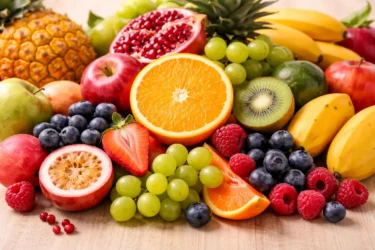
Rich in nutrients, fruits provide essential vitamins like A, C, E (trace amount), folate, etc., and minerals like potassium, magnesium1, zinc, phosphorus3, etc., which are important for maintaining overall health and supporting various body functions.

Rich in nutrients, fruits provide antioxidants like flavonoids, carotenoids, tannins, etc., which help reduce inflammation and oxidative stress caused by harmful molecules, and strengthen the immune system1.

Rich in antioxidants, fruits might reduce inflammation, thereby protecting the heart from related complications1,3,4.

Rich in antioxidants like carotenoids, lycopene, etc., fruits might help improve the skin texture and permeability by reducing oxidative damage. Vitamin C in them helps promote collagen and elastin production, keeping the skin from aging faster. It also helps deal with issues like skin pigmentation1,6.

Rich in water content5, fruits can help maintain hydration levels in the body.

A fruit-based diet reduces the intake of processed foods and added sugars. This may encourage healthier eating habits and a more natural food pattern.
When following a fruit diet, the focus is on consuming a variety of fresh fruits. Choosing different types of fruits helps provide a range of vitamins, minerals, fibre, and antioxidants. Following are the best fruits for diet that you may choose to eat.

Include fresh fruits in the majority, such as apples, bananas, mangoes, papayas, pineapples, and melons. These fruits provide natural sugars, fibre, and essential nutrients1.

Include citrus fruits such as oranges, lemons, limes, and grapefruits. These provide antioxidants like vitamin C and flavonoids, which might support immune health and skin health1,6.

Include berries like strawberries, blueberries and raspberries. These are packed with antioxidants and fibres which might support heart health and digestion1,7.

Include tropical fruits such as pineapple, papaya, guava, etc. These contain several antioxidants and natural enzymes which might support metabolism and digestion1,8.

Include water rich-fruits such as melons1,5. These might help keep the body hydrated.

Include a moderate number of dried fruits such as raisins, dates, or figs. These might provide several phytochemical and other bioactive compounds required for the body9.
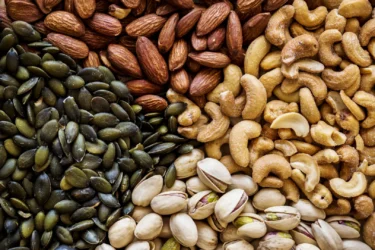
May include nuts and seeds such as almonds, walnuts, chia seeds, or flaxseeds, if needed. These might provide healthy fats along with other essential nutrients10.
A fruit only diet mainly focuses on fruits, so many other food groups are usually limited or avoided. The following are the foods that you may avoid on a fruit diet.
These include chips, instant noodles, processed snacks, and ready-to-eat meals, etc. They may contain added preservatives, trans-fats and excess sodium which are unhealthy11.
These include candies, chocolates, cookies, pastries, cakes, and sugary desserts. These can increase calorie intake and provide little nutritional value12.
These include fries, burgers, pizza and other fast foods. These can contribute to obesity, diabetes and other health problems12.
These include white bread, white rice, and pasta. These are processed, have high sugar and provide unhealthy starch12.
These include soft drinks, energy drinks, and packaged fruit juices. These can lead to excess sugar intake.
Avoid animal products like poultry, meat, fish, eggs, etc., as the diet is particularly based on fruits only.
Starting a fruit diet is suggested to be done gradually and carefully to allow the body to adjust. Following are some tips you may follow while planning to start a fruit diet.
A fruit-based meal plan includes a variety of fruits which can be consumed throughout a day. Following is an example of a fruit diet plan.
Although fruits are highly nutritious and provide many health benefits, relying only on fruits for a long time may lead to several health concerns. Following are some side-effects of a fruit only diet.
Note: A strict fruit-only diet may not be suitable for children, pregnant women, people with diabetes, or individuals with certain medical conditions. Always consult your doctor before planning to take a fruit-only diet, to avoid the unwanted risks and adverse effects.
Following are the symptoms you should not ignore if you are on a fruit diet.
Consult a doctor immediately for these symptoms.
A fruit diet can be a refreshing way to increase the intake of vitamins, minerals, fibre, and antioxidants. It may help improve digestion and hydration, and support short-term weight management. However, relying only on fruits for a long time may lead to nutritional deficiencies. Therefore, it is best to follow this diet in moderation as part of a balanced eating pattern.
Also Read: The Detailed 7 Days GM Diet Plan for Weight Loss
While fruits might help reduce weight due to their fewer calorie content4, it is not recommended as it can cause several nutrient deficiencies and health issues.
A 7-day fruit diet is generally not recommended it might cause protein and fat deficiencies.
An only fruit diet can bring about several side effects, like nutrient deficiencies, lack of energy due to less calorie intake4, stomach discomfort, sudden glucose spike2, etc.
A high fruit diet is very less likely to cause diabetes however, patients with diabetes are recommended to moderate the consumption of fruits or go for less glycaemic fruits to avoid sudden glucose spikes1.
Disclaimer: The information provided here is for educational/awareness purposes only and is not intended to be a substitute for medical treatment by a healthcare professional and should not be relied upon to diagnose or treat any medical condition. The reader should consult a registered medical practitioner to determine the appropriateness of the information and before consuming any medication. PharmEasy does not provide any guarantee or warranty (express or implied) regarding the accuracy, adequacy, completeness, legality, reliability or usefulness of the information and disclaims any liability arising thereof.
Links and product recommendations in the information provided here are advertisements of third-party products available on the website. PharmEasy does not make any representation on the accuracy or suitability of such products/services. Advertisements do not influence the editorial decisions or content. The information in this blog is subject to change without notice. The authors and administrators reserve the right to modify, add, or remove content without notification. It is your responsibility to review this disclaimer regularly for any changes.


Comments

Leave your comment...
You may also like























Comments