
Introduction
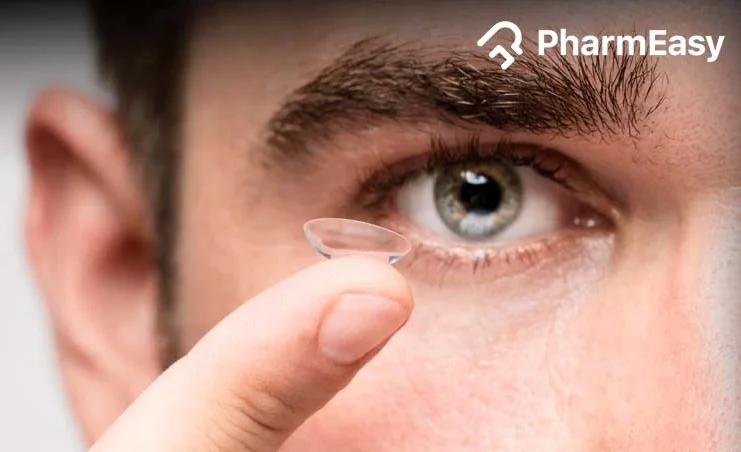
Contact lenses are thin artificial lenses, which are directly placed on the front surface of the eye. They help improve vision in people by covering irregularities or surface problems of the cornea1,2. They may be a convenient alternative choice for spectacles, as they provide a wider field of vision and appear more natural.
In recent years, contact lenses have gained popularity, especially among new users, due to increased comfort, availability of different types, and ease of use. Still, many are doubtful about its safety and worried about its side effects.
In this article, we will discuss contact lenses in detail, including their types, uses, safety, and side effects. This may help you understand whether contact lenses are suitable for you and clear up common misconceptions about their use.
Advertisement
What Are Contact Lenses?
Sometimes, our eyes cannot bend and focus the light properly onto the retina (the part of the eye which forms images). As a result, the image might not form in the right place, making it look blurred or out of focus. This is called a refractive error.
As mentioned earlier, contact lenses are thin artificial lenses placed directly on the eye surface. They work by correcting this refractive error, which might help the light enter the eye in the right way, making the images appear clear and accurate2.
Contact lenses are mainly used to correct vision problems such as myopia (short-sightedness), hyperopia (long-sightedness), astigmatism (blurred/imperfect vision), and presbyopia (difficulty focusing on near objects). There are many types of contact lens available with two major types being hard and soft contact lenses1,2.
Did You Know?
- Around 125 million people worldwide use contact lenses, with the number increasing by 6% every year3.
- In addition to vision correction, contact lenses may also be used for cosmetic purposes, such as changing eye colour or enhancing total appearance2.
- Common age group of users of contact lenses is between 15-25 years with females using them more commonly3.
Types of Contact Lenses
There are different types of contact lenses, based on how they are made and their benefits. Following are some common types.
Advertisement
1. Rigid Gas Permeable (RGP) Contact Lenses
These are hard-type contact lenses made from combining different types of plastics. They maintain their shape while allowing oxygen to reach the cornea2. These are known to correct irregular corneas or in case if soft lenses don’t work. Due to the discomfort caused by these lenses, they are not always considered as an initial choice.
Benefits:
- Provide sharper vision compared to soft lenses2,4
- Stay in shape well and are less prone to buildups4
- Helpful for people with moderate to severe vision issues2
- Though hard, help pass and do not interfere with the corneal oxygen transmission1
2. Daily Disposable Contact Lenses
These are the most widely used contact lenses. They are the soft type, which can be used as daily wear, by replacing with a new lens every day.
Benefits:
- Help pass the oxygen to cornea2
- Help reduce the occurrence of corneal infection (microbial keratitis)3
- Can be more convenient for occasional users
- Do not need cleaning or storage solutions
3. Extended Wear Contact Lenses
These are soft contact lenses made with flexible plastics which can be worn overnight or for several days. They may be used in people with corneal problems to reduce discomfort and relieve symptoms. However, they should be worn only under the supervision of a doctor as they are known to increase the chances of causing infections2.
Benefits:
- Can be worn even while sleeping2,4
- Help pass oxygen to cornea4
- May be useful for people who prefer not to remove lenses daily
- May be convenient for travel or a busy lifestyle
4. Toric Contact Lenses
These are a type of soft contact lenses. They are available as daily wear and for extended use2.
Benefits:
- Effectively manage astigmatism
- Provide clear vision and better visual quality
- Reduce the occurrence of eye fatigue5
5. Hybrid Contact Lenses
These lenses have a firm centre surrounded by a soft outer ring. They give the clear vision of a hard lens and the comfort of a soft lens2.
Benefits:
- Significantly improve visual acuity (clarity of sight)
- Improve vision-related quality of life
- Provide more comfort and stay more centred than RGP lenses
- Effectively fix irregular astigmatism in keratoconus (corn-shaped cornea causing blurred vision) patients, especially when regular lenses do not work (cone shaped)6
6. Scleral Contact Lenses
These are a type of gas permeable lenses which stretch over the cornea and gets fixed over the sclera (white part of the eye)2.
Benefits:
- Helps improve vision in people with irregular corneas (corneal scars, keratoconus, or after eye surgery)2
- Help keep the cornea continuously hydrated
- Reduce symptoms such as irritation, dryness, pain and light sensitivity
- Can be helpful in managing keratopathy due to improper nerve supply to cornea, trauma, surgery, or other causes, astigmatism due to scars, ocular surface disease or conditions such as Steven- Johnsons syndrome (a severe allergic reaction)7.
How to Choose the Right Contact Lenses for Your Eyes?
Choosing the right contact lenses involves considering several factors. While procuring contact lenses needs a valid prescription from an eye specialist and will be based on your vision issue specifically, here are some points to consider while selecting a suitable option.
- Know Your Problem: The selection of your lenses will be based on your needs that is the vision problem that is required to be corrected (myopia, hyperopia, astigmatism, etc.). Having a knowledge of these can help make an informed decision.
- Understand the Type of Lenses Available: Knowing the various types of lenses available and their benefits can help you make an appropriate choice. Options include soft lenses, toric lenses (for astigmatism), RGP lenses, hybrid lenses, scleral lenses, etc.
- Decide Wearing Schedule: Select daily disposable, weekly, or monthly lenses based on your needs and cleaning routine.
- Consider Comfort: Certain lenses such as scleral lenses can give you maximum hydrational benefits. You can select these in case you have issues like eye dryness7.
- Think About Lifestyle: Choose lenses that you can handle properly considering your lifestyle. For instance, daily disposable lenses may be more convenient and hygienic, especially if you into for sports or frequent travel.
- Get A Professional Eye Examination: Always consult an eye doctor before you buy a lens of your choice. This might help you get better results and avoid any unwanted complications and infections2.
Step-by-Step Guide on Applying Contact Lenses
Applying contact lenses is something you should be very careful about, particularly to avoid infections. Following are the steps that might help you understand how to apply contact lenses.
- Wash Your Hands: Wash and dry your hands thoroughly before taking the lens. This will help you avoid contamination.
- Prepare the Lens: Take the lens carefully from its storage box and then place it on your palm.
- Inspect the Lens: Make sure that the lens doesn’t has any tears, scratches, or tiny particles on it.
- Place the Lens on Fingertip: Place the lens carefully on your index finger. Be careful while touching the lens.
- Open the Eyelids: Hold open your eyelids using other fingers to avoid blinking.
- Insert the Lens: Look slightly upward. Gently place the lens on the white of your eyeball. (A rigid lens can be placed directly over the cornea).
- Release the Eyelids: Slowly move your fingers to release the eyelids. Look down and then blink several times to help the lens settle in the right place8.
Repeat the same for your other eye.
Are Contact Lenses Safe?
Yes, contact lenses are generally considered safe when they are used in a proper manner9. Millions of people around the world use them for vision correction or cosmetics without any major complications3. They offer comfort, a wide field of vision, and freedom from glasses, making them a popular choice for many.
However, because lenses are directly placed into the eyes, improper use can cause irritation, dryness or infections, and sometimes, in the most severe cases, it might also affect vision3. Wearing lenses for too long, using unhygienic lenses, wearing lenses overnight, etc., are some of the contributing risks of infection3.
The safety of contact lenses depends largely on hygiene and following professional guidance.
Role of Proper Hygiene
Proper hygiene is very important when you use contact lenses. Here are some hygiene measures you should follow:
- Hand Hygiene: Proper hand washing reduces the chances of getting infections3. It avoids hands from getting contaminated with bacteria and other microbes that can introduce these germs to the eyes, leading to infection.
- Cleaning and Disinfecting: Proper cleaning and disinfecting your lenses using prescribed liquid helps reduce blurred vision and eye infection. Do not use saliva, water, or soaps to clean the lenses8.
- Case Hygiene: Changing or cleaning your lens cases can reduce the risks of cracks or permanent damage to your lenses10. Improper caring might contribute to irritation, dryness, etc.
- Sleeping in Lenses: Removing lenses while you sleep will keep your eyes safe and avoid corneal infections3. Hence, never sleep with your contact lenses on (unless you are advised to wear extended use ones) as it might cause eye irritation or other eye related issues.
Role of Follow-up
Proper follow-up plays a major role in maintaining your vision and eye health. Following are some key reasons.
- Ensures Proper Fit: Eyes can change over time, and follow-ups help make sure the lenses continue to fit correctly and comfortably.
- Monitors Eye Health: Eye examinations can detect early signs of infection, irritation, or other complications.
- Provides Guidance for Lens Care: An eye care professional can remind you to keep your lenses clean and help you know when to replace them or try a different type8.
- Help Avoid Long-Term Damage: Routine check-ups can help avoid eye complications that can lead to eye damage.
Side Effects of Contact Lenses
Although contact lenses are generally considered safe, they can sometimes cause side effects if not used properly. The contact lenses side effects include:
- Dry Eyes: Lenses can reduce the moisture on the eye surface, causing gritty or dry eyes.
- Eye Infections: Lenses can cause the cornea to get infected by microbes, especially while using hydrogel ones.
- Redness: Lenses, if not poorly fitted or used for an extended time, can make eyes red, itchy, or uncomfortable.
- Corneal Abrasion: Lenses can scratch the cornea if they are damaged or placed improperly.
- Allergies: Lenses can develop allergic reactions in some people due to their material or as a result of cleaning solutions.
- Hypoxia: Lenses can sometimes cause poor oxygen flow from blood vessels, forcing the eyes to take the oxygen from air11.
Who Should Avoid Wearing Contact Lenses?
Contact lenses aren’t meant for everyone. It should be avoided by some people. The following describes who all should avoid wearing contact lenses.
- People with Severe Eye Dryness: Avoid wearing contact lenses if your eyes are drier than normal8. Wearing contact lenses might make the dryness severe, causing irritation, allergic reactions or grittiness.
- Individuals Prone to Allergies: Avoid wearing lenses if you suffer from different allergies8. Contact lenses might cause allergies or make you feel uncomfortable.
- People with Particular Diseases: Do not use lenses if you have diseases such as diabetes8. Lenses might make your cornea fragile and dry. You might also face difficulty in wound healing caused by the lens12.
- People with Chronic Eye Infections: Do not use contact lenses if you frequently suffer from eye infections like conjunctivitis13. This might worsen your problem, making it difficult to heal.
- Individuals Exposed to Dust or Chemical Fumes: Avoid using contact lenses if you are someone working in an environment with heavy dust or chemicals. Dust and chemicals can get trapped behind the contact lenses, causing itching, irritation and even damage to the corneas14.
- Younger Children: Avoid choosing contact lenses for your children, as it may be difficult for them to handle it for a long time. Lenses, if not managed properly, can cause injuries or infections to your kid’s cornea15.
- People with Poor Hygiene: Please avoid using contact lenses if you cannot follow proper hygiene or you live in an unhygienic environment. Lenses, if not maintained well, might cause severe infection and allergic reactions.
When to Consult a Doctor?
Contact lenses may bring about some complications. Following are the ones you shouldn’t ignore and immediately consult a doctor.
- If you have persistent pain or discomfort
- If your eyes unusually appear red or inflamed
- If you start feeling discomfort or pain while facing light
- If you start getting sudden blurred vision
- If your eyes unusually get watery
- If your eyes produce unexpected discharges or fluid leakage9
- If you feel difficulty in removing your lens or you feel it is trapped
- If you feel something is stuck in your eyes and doesn’t go away
Also Read: Essential Vitamins That Support Eye Health
Conclusion
There are several types of contact lenes available, and the right choice depends upon your eye issue and needs. Choosing the right type, following proper hygiene, and having regular eye check-ups is important to help avoid complications when using contact lenses. Also, always pay attention to warning signs such as persistent pain, discomfort, blurred vision, etc., and immediately consult a doctor if you think you have it. With correct use, contact lenses can be safe and beneficial for your everyday use.
Also Read: Eye Yoga Exercise for Better Vision and Healthier Eyes
Frequently Asked Questions (FAQs)
Are contact lenses better than glasses? Contact lenses and glasses have the same function , which is vision correction2. Since contact lenses are made with advanced technologies, people now widely use them more than glasses3. The benefit of contact lenses over glasses besides aesthetics is that they can be used while exercising or during vigorous activities8. In addition, the contact lenses don’t fog up like the glasses do9. One major drawback of glasses is that they cannot move with eyeballs, which will reduce their effectiveness when compared to contact lenses5. Hence, we can say that contact lenses may be better than glasses, but they should be used with proper hygiene and under medical supervision to avoid the lens-related complications.
Can you swim with contact lenses? Swimming is not preferred while wearing contact lenses. It can contribute to Acanthamoeba keratitis, a serious eye infection3. Seek your doctor’s advice before you plan for swimming with contact lenses8,9.
Can I shower with contact lenses? Showering while wearing contact lenses is a risk factor for contact-lens-induced infections such as Acanthamoeba keratitis. Therefore, it is preferred not to shower with contact lenses3,10.
Do contact lenses expire? Yes, contact lenses do expire. The FDA suggests not buying contact lenses if they don’t display the expiry date or are about to expire16.
References
- Gurnani B, Kaur K. Contact Lenses [Internet]. PubMed. Treasure Island (FL); 2023. Available from: https://www.ncbi.nlm.nih.gov/books/NBK580554/
- Duran BP. Contact Lenses for Vision Correction [Internet]. American Academy of Ophthalmology. 2025. Available from: https://www.aao.org/eye-health/glasses-contacts/contact-lens-102
- Waghmare SV, Jeria S. A Review of Contact Lens-Related Risk Factors and Complications. Cureus [Internet]. 2022;14(10). Available from: https://pmc.ncbi.nlm.nih.gov/articles/PMC9644230/
- Types of Contact Lenses [Internet]. U.S. Food and Drug Administration. 2018. Available from: https://www.fda.gov/medical-devices/contact-lenses/types-contact-lenses
- Zhang GY, Wang WJ, Guo YM, Wei JH, Ren MX. Effectiveness of Toric Soft Contact Lenses for Vision Correction in Patients with Different Degrees of astigmatism: a real-world Study. International Journal of Ophthalmology [Internet]. 2023;16(11):1845–53. Available from: https://www.ncbi.nlm.nih.gov/pmc/articles/PMC10626351/
- Ozcan SC, Ozcan DO. Effects of a new-generation Hybrid Contact Lens on Visual Performance and vision-related Quality of Life in Patients with Keratoconus. Arquivos Brasileiros De Oftalmologia [Internet]. 2023 [cited 2023];86(1). Available from: https://pmc.ncbi.nlm.nih.gov/articles/PMC11826662/
- Harthan JS, Shorter E. Therapeutic Uses of Scleral Contact Lenses for Ocular Surface disease: Patient Selection and Special Considerations. Clinical Optometry [Internet]. 2018 Jul;65–74. Available from: https://pmc.ncbi.nlm.nih.gov/articles/PMC6181806/
- Eyes – Contact Lenses [Internet]. Better Health Channel. Available from: https://www.betterhealth.vic.gov.au/health/conditionsandtreatments/eyes-contact-lenses
- Contact Lenses [Internet]. National Eye Institute. 2024. Available from: https://www.nei.nih.gov/eye-health-information/healthy-vision/contact-lenses
- Huffman JM, editor. How to Take Care of Contact Lenses [Internet]. American Academy of Ophthalmology. 2022. Available from: https://www.aao.org/eye-health/glasses-contacts/contact-lens-care
- Adverse Effects of Contact Lenses [Internet]. National Academies Press (US); Available from: https://www.ncbi.nlm.nih.gov/books/NBK234044/
- Bussan KA, Robertson DM. Contact Lens Wear and the Diabetic Corneal epithelium: a Happy or Disastrous marriage? Journal of Diabetes and Its Complications [Internet]. 2018 Jan [cited 2020 Jul 30];33(1):75–83. Available from: https://pmc.ncbi.nlm.nih.gov/articles/PMC7364814/
- How to Treat Pink Eye [Internet]. CDC. 2024. Available from: https://www.cdc.gov/conjunctivitis/treatment/index.html
- Contact Lenses at Work [Internet]. Government of Canada. Available from: https://www.ccohs.ca/oshanswers/prevention/contact_len.html
- What to Know If Your Child Wants Contact Lenses. FDA [Internet]. Available from: https://www.fda.gov/consumers/consumer-updates/what-know-if-your-child-wants-contact-lenses
- Buying Contact Lenses. FDA [Internet]. 2020; Available from: https://www.fda.gov/medical-devices/contact-lenses/buying-contact-lenses
Disclaimer: The information provided here is for educational/awareness purposes only and is not intended to be a substitute for medical treatment by a healthcare professional and should not be relied upon to diagnose or treat any medical condition. The reader should consult a registered medical practitioner to determine the appropriateness of the information and before consuming any medication. PharmEasy does not provide any guarantee or warranty (express or implied) regarding the accuracy, adequacy, completeness, legality, reliability or usefulness of the information; and disclaims any liability arising thereof.
Links and product recommendations in the information provided here are advertisements of third-party products available on the website. PharmEasy does not make any representation on the accuracy or suitability of such products/services. Advertisements do not influence the editorial decisions or content. The information in this blog is subject to change without notice. The authors and administrators reserve the right to modify, add, or remove content without notification. It is your responsibility to review this disclaimer regularly for any changes.


































Comments