




Dandelion Root Tea: Benefits, Uses, Side Effects and More!
By Dr. Malavika Athavale +2 more

Medically reviewed by Dr. Malavika Athavale
Last updated: Feb 25, 2026 Published on: Jul 5, 2024


Get,

to manage your symptom
Get your,

4 Cr+ families
benefitted

OTP sent to 9988776655



You’ve successfully subscribed to receive
doctor-approved tips on
Whatsapp

Get ready to feel your best.


Register to Avail the Offer
Send OTPBy continuing, you agree with our Privacy Policy and Terms and Conditions
Hi There,
Sign up on PharmEasy now!!


Trusted by 4 crore+ families

OTP sent to 9988776655
You have unlocked 25% off on medicines


Code: NU25

By Dr. Malavika Athavale +2 more
Table of Contents
Dandelion root tea has been used for generations in traditional wellness practices and has recently gained attention among researchers exploring plant-based health remedies. Made by drying and steeping the root of the dandelion plant (Taraxacum officinale), this herbal infusion is valued for its earthy flavour and naturally occurring plant compounds. While many people consume it as part of their daily routine, scientific interest has grown around its potential effects on digestion, liver function, metabolism, and overall well-being1,2.
In the sections that follow, we will explore what dandelion root tea contains, how it is prepared, the potential health benefits suggested by current research, and important safety considerations.

Dandelion root tea is prepared from the dried roots of the common dandelion plant. The roots may be used raw or roasted before brewing, producing a beverage that is often described as slightly bitter and similar to coffee in taste. In traditional systems of medicine, the root has been used to support digestion and liver health, while modern research has begun examining its bioactive compounds and physiological effects2,4.
Unlike caffeinated beverages, dandelion root tea is naturally caffeine-free, making it an option for individuals seeking herbal alternatives to coffee or black tea.
Did you know?
Dandelion root contains several plant-based compounds that have drawn scientific interest. The nutritional contribution of the brewed tea itself may vary depending on preparation methods and concentration, however the plant is known to contain3:
Although the whole plant contains vitamins and minerals, brewed root tea generally provides only modest nutritional quantities compared to consuming the plant itself.
Dandelion root tea has traditionally been used for generations for its potential health benefits. Although current findings suggest these benefits are worth exploring, more human studies are still needed.
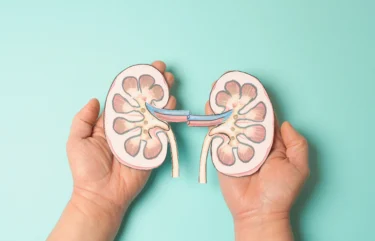
For ages, dandelion root tea has been believed to have diuretic properties, potentially helping reduce excess body water and maintaining healthy kidneys.
Dandelion root tea, known for its traditional use in managing urinary symptoms, may offer benefits similar to dandelion extract in supporting prostate health and reducing symptoms of benign prostatic hyperplasia (BPH).The extract when tested on rats reduced prostate size and weight, lowered hormone levels related to BPH, and improved prostate tissue health.
Dr. Siddharth Gupta, BAMS, M.D (Ayu)

Local medicine practices have long used this tea as it is believed to help protect liver health and improve it.

Dandelion root tea is also used as a natural coffee replacement because of its earthy taste, slight bitterness, and the gentle lift2.

Dandelion root tea is believed to help in weight management curb appetite and promote digestion.
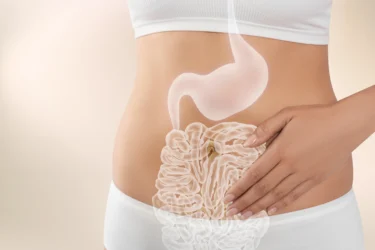
Traditionally, dandelion root tea is believed to support a healthier digestive tract, possibly due to its fibre and prebiotic content.
Traditional Chinese medicine used dandelion tonics to treat fatigue. In animal studies, dandelion has been shown to help reduce fatigue in mice. It also boosted their energy levels and reduced signs of muscle damage and waste in the blood. This suggests dandelion root tea might be a beneficial addition to your routine for boosting energy and reducing fatigue.
Dr Smita Barode, B.A.M.S, M.S.

Some early research suggests that the antioxidants, coumarins, and other compounds found in dandelion root tea may help fight cancer.

Dandelion root tea might help heart health by helping manage blood sugar, helping keep cholesterol in check, and helping control blood pressure.

Dandelion root tea may support the immune system through its anti-inflammatory and antiviral properties.

Dandelion root tea may support skin and hair health by helping manage acne and promoting a healthy scalp.
Although dandelion tea has traditionally been used for various health benefits, long-term human studies are still needed to confirm these effects.
Dandelion has strong antibacterial properties that may help fight germs causing dental problems like cavities and infections. Hence dandelion root tea might be a good option to use alongside regular treatments to improve oral health.
Dr Rajeev Singh, BAMS
Roasted dandelion root may produce a deeper, coffee-like flavour, while the raw root creates a lighter herbal taste.
While it is generally considered safe, some individuals may have adverse effects from drinking dandelion root tea. These include:

Some individuals may have an allergic response to dandelion root tea. It is more likely if you’re allergic to related plants like ragweed, chrysanthemums, marigolds, and daisies. Symptoms may include rash, itchy skin, and swelling6,9.

Dandelion root tea might react with certain drugs, such as antibiotics, blood-thinning drugs, and blood sugar-lowering medicines10. If you’re on prescription medicines, check with your healthcare professional before you drink dandelion root tea.

Limited data is available on the safety of dandelion root tea during pregnancy and breastfeeding. It is advisable to check with your healthcare professional before drinking dandelion root tea during pregnancy and breastfeeding.
Individuals who may benefit from dandelion root tea as part of a balanced lifestyle include those who:
Dandelion root tea should not replace medical treatments or balanced nutrition and should be consumed thoughtfully within an overall healthy diet.
Also Read: Chamomile Tea: Benefits, Uses, Side Effects & More!
Dandelion root tea is a traditional herbal beverage that continues to attract modern scientific interest. Rich in plant compounds and naturally caffeine-free, it may offer supportive benefits for digestion, antioxidant activity, and general well-being. However, most available research remains preliminary, and further human studies are needed to fully understand its clinical potential.
For individuals interested in herbal wellness, dandelion root tea may be enjoyed as part of a balanced lifestyle when consumed mindfully and after consulting a healthcare professional.
Also Read: Green Tea: Uses, Benefits, Side Effects By Dr. Smita Barode
There’s no concrete rule for how much dandelion root tea to have every day. However, 1-2 cups a day may be a good start as part of a balanced diet and an active lifestyle.
Children might consume dandelion root tea in moderation as part of a balanced diet. However, it is essential to discuss with your child’s healthcare professional before starting your child on this tea.
Individuals on medicines such as antibiotics, blood-thinners, and blood sugar-lowering medicines should check with their doctor before consuming dandelion root tea as it may react with these medicines. Individuals who are allergic to plants in the dandelion family, e.g., ragweed, chrysanthemums, marigolds, and daisies, should consume dandelion tea with caution to avoid an allergic reaction9,10.
Dandelion root tea may cause nausea in some individuals, particularly if consumed in large amounts. Starting with a small quantity and adjusting as needed can help minimise the risk of digestive discomfort.
Dandelion root tea is generally considered non-caloric and unlikely to break a fast. However, if you’re following a strict fasting regimen, it is best to consult with a healthcare provider or nutritionist to ensure it aligns with your specific fasting goals.
Disclaimer: The information provided here is for educational/awareness purposes only and is not intended to be a substitute for medical treatment by a healthcare professional and should not be relied upon to diagnose or treat any medical condition. The reader should consult a registered medical practitioner to determine the appropriateness of the information and before consuming any medication. PharmEasy does not provide any guarantee or warranty (express or implied) regarding the accuracy, adequacy, completeness, legality, reliability or usefulness of the information; and disclaims any liability arising thereof.
Links and product recommendations in the information provided here are advertisements of third-party products available on the website. PharmEasy does not make any representation on the accuracy or suitability of such products/services. Advertisements do not influence the editorial decisions or content. The information in this blog is subject to change without notice. The authors and administrators reserve the right to modify, add, or remove content without notification. It is your responsibility to review this disclaimer regularly for any changes.
 2
2 
Comments

Leave your comment...
You may also like



















Comments