




Weaning for Babies: Meaning, Foods to Eat & When to Start
By Dr. Sarthak Soni +2 more

Medically reviewed by Dr. Sarthak Soni
Last updated: Mar 2, 2026 Published on: Feb 11, 2026


Get,

to manage your symptom
Get your,

4 Cr+ families
benefitted

OTP sent to 9988776655



You’ve successfully subscribed to receive
doctor-approved tips on
Whatsapp

Get ready to feel your best.


Register to Avail the Offer
Send OTPBy continuing, you agree with our Privacy Policy and Terms and Conditions
Hi There,
Sign up on PharmEasy now!!


Trusted by 4 crore+ families

OTP sent to 9988776655
You have unlocked 25% off on medicines


Code: NU25


By Dr. Sarthak Soni +2 more
Table of Contents
As a pivotal developmental milestone, weaning transitions an infant from exclusive milk feeding to a varied diet of solids. It is not an abrupt conclusion to breastfeeding or bottle-feeding, but rather a progressive phase of sensory exploration. This journey allows babies to gradually integrate new foods into their routine while still receiving necessary nutrition.
Generally recommended to commence once the child reaches six months of age, weaning is a gradual process that helps parents enable their children to build a healthy relationship with food lasting a lifetime1.

For mothers, weaning marks a change in the caregiving routine that provides greater flexibility and the chance to include the baby in family meals. This transition also gives the mother’s body the necessary time to naturally and safely reduce milk production.
Ready to master the transition? Let’s break down exactly what is weaning and cover all the essential details right here.
In simple terms, weaning usually describes the whole journey of a baby moving from drinking only breast milk to eating solid foods like the rest of the family. However, the term is used by people in different ways. Some use it to describe the additional solid meals the infant takes alongside milk, while others refer to it as replacing breast milk with formula or, most commonly, the moment a child stops breastfeeding altogether2.
Rather than happening overnight, weaning is a journey that usually begins around six months of age. It starts with simple purees or soft finger foods and slowly progresses as the baby learns how to chew, swallow, and experience new flavours and textures. The goal isn’t to stop milk feeding immediately; instead, solids and milk work together to provide the extra nutrients that a growing baby needs. Over time, as the child eats more solid meals, milk becomes a smaller part of their diet until they are eventually fully weaned3.
Deciding when to wean is a highly personal choice often guided by factors like returning to the workplace, health considerations for either parent or child, or simply a sense that the timing is appropriate.
To ensure a smooth transition, the process should be gradual. Experts, including the American Academy of Paediatrics (AAP), suggest the following timeline:
While all children are different, you can also look at your baby’s physical development which is also an indicator of readiness. Look for these specific developmental milestones to know if they are ready for solids:
Weaning is a journey of discovery for your baby as they explore new tastes and textures. Trust your instincts as a parent and remember that moving at a pace that feels comfortable for your family is the best way to ensure a happy, healthy transition to solid foods.
When transitioning a baby to solids, parents generally choose from these three types of weaning diet:
Whichever method you choose, ensure the focus remains on responsive feeding, paying attention to your baby’s hunger and fullness cues to support healthy development and a positive relationship with eating.
Introducing solids is a vital milestone to supplement breast milk or formula. While liquid nutrition remains essential during the first year, weaning foods help meet your baby’s increasing demands for key nutrients like iron and zinc.
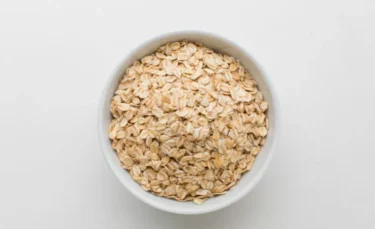
Whole-grain oats are a nutrient-dense powerhouse for a baby’s growth, providing essential proteins, healthy fats, and fibre alongside vital micronutrients like iron, zinc, vitamins, and antioxidants that support overall development6.
Nutritional Value (30 gm)
You can introduce oats to your baby starting at 6 months. Begin with a thin, liquid consistency by mixing finely ground oats with breast milk or formula8. Once your baby becomes comfortable swallowing, gradually increase the thickness.
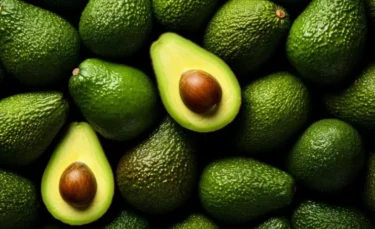
Avocados stand out from other fruits because they are low in sugar but rich in fibre and healthy monounsaturated fats. Their creamy texture and mild flavour make them an ideal “first food” for babies. Because they efficiently meet the specific nutritional needs of growing infants9.
Nutritional Value (230 g or 1 cup pureed raw California avocado)
For beginners (6 months), it should be silky smooth and pureed. Once the baby starts chewing, it can be served as chunky mashes or small, soft cubes that they can pick up as finger food.

Sweet potatoes earned their “superfood” status primarily due to their exceptionally high beta-carotene content. They are also packed with essential vitamins (C and B6), potassium, fibre, and protective antioxidants, making them one of the most nutrient-dense vegetables available10.
Nutritional Value (100 g)
After steaming or baking the food until tender, begin by serving it as a smooth, strained puree.
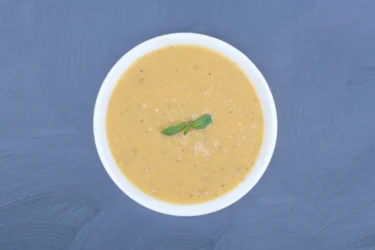
Meat is often recommended as an early weaning food because it is rich in essential amino acids, vitamins and minerals, particularly iron, needed by a baby’s developing body11.
Nutritional Value (Beef 100 g)
Initially, meat must be blended into a smooth puree with a little water or broth to prevent choking and improve digestibility. This can be given from 6 months.

According to the Food and agriculture organization (FAO), bananas are nutrient-dense, fibre-rich fruits that serve as an ideal supplementary food for infants. India is the world’s leading producer of bananas, with the Nendran or plantain variety standing out for its superior carbohydrate and micronutrient profile. Bananas are often used as weaning food to support healthy weight gain and development in babies12.
Nutritional Value (100 g)
From the age of 6 months, bananas can be served to babies as a smooth puree, either by steaming or mashing them.
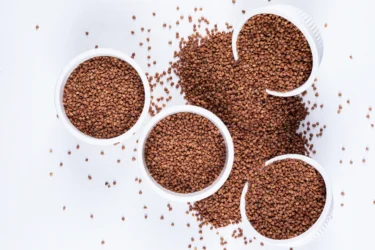
Compared to rice and wheat, ragi is superior in mineral profile, particularly in calcium and iron. Its calcium content is unmatched by any other cereal, making it a natural alternative to supplements for supporting healthy bone growth and development in children12.
Nutritional Value (20 g)
To prepare baby porridge, sprout the finger millet, dry it, and then grind it into a fine powder13.
You can also introduce a wide variety of fruits and vegetables into your infant weaning diet, such as carrots, broccoli, and apples. It is best to offer these alternately to keep their meals interesting. Remember, when you are introducing a new food, always pay close attention to the texture, ensuring it is soft and appropriately mashed.
Note: These food items are all appropriate starting at 6 months, though it is important to ensure your baby is showing signs of readiness first. Since every child develops at their own pace, you can gradually increase the thickness of the texture once they become more confident with swallowing and chewing. Always stay with your baby while they are eating to ensure their safety and prevent choking.
To keep your baby safe during the early stages of weaning, it’s best to stay away from the following food items:

Avoid giving honey to babies under 12 months. Honey may contain bacteria that can cause infant botulism (a condition caused by a toxin that attacks the body’s nerves). Honey can be safely introduced after 1 year of age14.

Do not add salt to your baby’s food during the first year of life. A baby’s kidneys are immature and may not be able to handle excess sodium14. Added salt (in moderation) may be introduced gradually after 2 years of age15.

Avoid adding sugar to foods or drinks in infancy and early childhood. Excess sugar can increase the risk of tooth decay and unhealthy eating habits14. You may gradually introduce sugar after 2 years of age, but it is best to limit added sugar even after that age (especially in beverages)15.
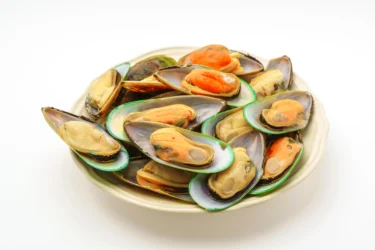
Raw or undercooked shellfish should be avoided due to the risk of food poisoning14. Well-cooked shellfish may be introduced after 6 months, provided there is no family history of food allergies16.

Avoid giving cow’s milk as a main drink to babies under 12 months. Their digestive systems are not mature enough to process it, and it may even interfere with iron absorption. Cow’s milk may be introduced after 1 year, while breast milk or formula should remain the primary milk source before that17,18.
Note: To avoid certain allergic reactions, try one new food at a time and wait 2 to 3 days before adding another. This helps you spot any reactions, such as a rash, diarrhoea, or vomiting.
Weaning is a major developmental milestone, but it often comes with a steep learning curve for both babies and parents. It is a transition from a 100% liquid diet to a world of new textures, flavours, and physical sensations.
Here are the most common challenges parents face during this process:
While the weaning journey is rarely a linear path, it is important to remember that these challenges are a normal part of your baby’s development. Every “no” to a new vegetable and every messy tray is simply a step toward them becoming a confident, independent eater.
Also Read: Baby Crawling Guide: Stages, Types & How to Encourage Crawling
Weaning is a transformative journey that marks your baby’s first steps toward independence and a lifelong relationship with food. By starting around six months, focusing on nutrient-dense staples like oats, avocados, and bananas, and choosing a feeding method that suits your family, you can navigate this milestone with confidence. While challenges like messy meals, food refusal, or gagging are common, patience and a gradual approach will ensure a safe and happy transition from milk to solids.
Also Read: How to Burp a Baby Safely
The time it takes to wean depends on your baby’s age and readiness; for a smooth transition, gradually eliminate one feeding every few days, which may take several weeks to complete18.
Experts, including the World Health Organization, recommend exclusively breastfeeding for the first 6 months. After 6 months, you should introduce solid foods while continuing to breastfeed for up to 2 years or beyond. Ongoing breastfeeding helps your baby digest new foods, provides essential nutrients, and protects them from infections21.
To wean comfortably, slowly replace one feeding every 3 to 7 days to give your body and your child time to adjust. Use distractions like new activities, snacks, or routine changes to shift their focus away from breastfeeding during usual feeding times22.
Natural weaning happens when a child gradually eats more solid foods while still nursing whenever they want. Under this approach, the process typically finishes on its own between the ages of two to four years23.
While every child develops at their own pace, the general recommendation is to introduce solid foods around 6 months of age. It is important to avoid starting solids before 4 months4. It is always better to take an opinion form paediatrician before starting.
Let your baby lead the way when it comes to mealtime. Since they are the best judge of their own hunger, it is important never to force them to finish a bottle or a portion of food. Pushing a child to overeat can disrupt their natural fullness cues and potentially lead to weight issues later on24.
Disclaimer: The information provided here is for educational/awareness purposes only and is not intended to be a substitute for medical treatment by a healthcare professional and should not be relied upon to diagnose or treat any medical condition. The reader should consult a registered medical practitioner to determine the appropriateness of the information and before consuming any medication. PharmEasy does not provide any guarantee or warranty (express or implied) regarding the accuracy, adequacy, completeness, legality, reliability or usefulness of the information; and disclaims any liability arising thereof.
Links and product recommendations in the information provided here are advertisements of third-party products available on the website. PharmEasy does not make any representation on the accuracy or suitability of such products/services. Advertisements do not influence the editorial decisions or content. The information in this blog is subject to change without notice. The authors and administrators reserve the right to modify, add, or remove content without notification. It is your responsibility to review this disclaimer regularly for any changes.


Comments

Leave your comment...
You may also like





















Comments