Last updated: Mar 2, 2026Published on: Dec 16, 2025
Table of Contents
Introduction
Black spots (hyperpigmentation) on the skin is a very common issue1. A majority of individuals experience this at some point in their life. It could be a faint mark after a pimple or a more dark/persistent patch that gradually fades over time.
Pigmentary disorders are actually the third most common reason for dermatology consultations, accounting for about 8.5% of visits in our country. Their impact also varies by region. In places with warm climates and high year-round sun exposure, these concerns tend to be more noticeable and distressing2. Even some skin tones (particularly common in Asia and India) are more prone to developing pigmentation issues3.
Understanding why dark spots or dark dots on skin appear, their different types, and how they can be managed, can help achieve a clear and even skin tome that everyone longs for.
Advertisement
What are Black Spots on Skin?
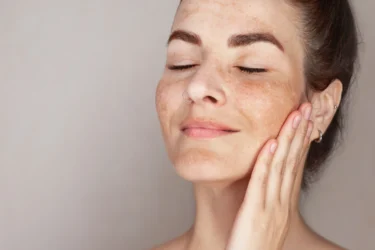
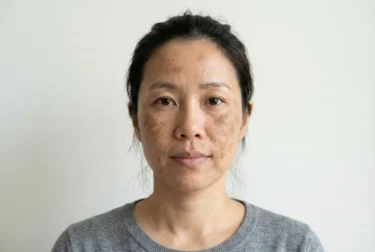
Black spots (often referred to as dark spots, pigmentation marks, or hyperpigmented patches) are areas of skin where melanin (the pigment that gives skin its colour) is produced in excess4.
These black spots on skin may appear as flat, tan, brown, or black marks. They can even vary in size from tiny freckles to larger patches3,4. They typically develop on areas exposed to sunlight, such as the face, hands, arms, chest, and back, but can appear anywhere on the body2.
Causes of Black Spots on Skin
Black spots (or areas of increased pigmentation) can develop due to several internal and external factors. While they are usually harmless, understanding what causes them is key to choosing the right treatment and preventing them from worsening. The most common causes include:
Genetics: Your genes play a major role in how your skin produces pigment. More than 125 genes influence melanin production. This determines your natural skin tone and your tendency to develop pigmentation. Also, people with naturally darker skin tones have more active melanocytes, which makes them more prone to dark spots when exposed to the sun, inflammation, or injury5.
Sun Exposure: Of all causes, sun exposure is the most common trigger for black spots. When the skin is exposed to ultraviolet (UV) rays, it produces more melanin in an attempt to protect itself. Over time, repeated or prolonged sun exposure can lead to uneven pigment deposits, which are commonly seen as sunspots, tanning, freckles, or age spots5.
Skin Inflammation or Injury: Any skin injury (such as acne, eczema, cuts, burns, or even aggressive cosmetic procedures) can leave behind dark marks known as post-inflammatory hyperpigmentation (PIH). This is one of the most common causes of dark spots in darker skin tones6.
Hormonal Changes: Hormonal fluctuations (pregnancy, birth control pills, endocrine issues) can also trigger a patterned form of pigmentation often seen on the cheeks, forehead, and upper lip2.
Medications: Certain medications can trigger or worsen pigmentation by stimulating melanin production, while others cause the skin to react more strongly to sunlight5. Common medication-related triggers include:
Note: Anyone noticing new dark spots or black dots on skin after starting a medication should consult their doctor to understand whether the drug could be contributing.
Risk Factors
Some individuals may be at a higher risk of developing black spots. These include:
People With High Sun Exposure: UV rays stimulate excess melanin production. High sun exposure, especially without sunscreen, is one of the strongest risk factors3,5.
Indiviuals With Pre-existing Skin Conditions: Acne, eczema, insect bites, burns, or picking the skin can trigger PIH, particularly in darker skin tones3,6.
People With Darker Skin Tones: Skin of colour has more active melanocytes and is therefore more prone to PIH, melasma, uneven tone, and persistent dark marks3.
Women: Hormonal fluctuations as in pregnancy or use of oral contraceptives can trigger melasma or worsen pigmentation in women3.
Individuals With a Genetic Predisposition: A strong family history of melasma or pigmentation disorders increases susceptibility5.
Types of Black Spots on Skin
Black spots on skin can appear in different forms, each with its own cause, appearance, and pattern. In India, pigmentation issues are especially common due to diverse skin tones and high sun exposure. Studies show that over 80% of Indians have facial skin-tone irregularities, often due to dark spots, melasma, and patchy pigmentation3. Below are the most common types of black spots seen in the Indian population:
Advertisement
1. Melasma
Melasma is a common acquired pigmentation disorder that appears as brown to grey-brown patches, usually on the cheeks, forehead, upper lip, and nose.
Affects around 50% of Indian women, increasing with age.
Causes include genetics, skin thinning, vascular congestion, post-inflammatory pigmentation, and sun exposure.
The pigmentation may result from increased melanin or visible underlying blood vessels, causing a shadowed appearance.
It can appear as brown, bluish, or purple discolouration around the eyes.
Dark circles often result from a combination of factors rather than a single cause.
Home Remedies For Black Spots
Many plant-based products have been traditionally used to lighten pigmentation, and some have been studied scientifically for their effect on dark spots on skin. These natural ingredients can be applied on the skin by mixing with a gentle base ingredient (such as water) that does not irritate your skin to help lighten dark areas.
So, if you are wondering how to remove dark spots on skin naturally, here are some options you may try:
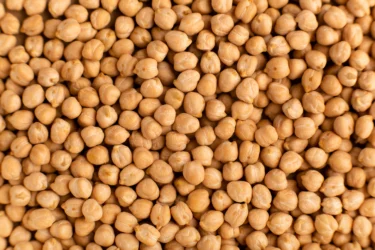
1. Chickpea
It is traditionally considered a natural skin-lightener. Chickpea works by inhibiting tyrosinase (the enzyme responsible for melanin production) and reducing free radicals7. A study8 revealed chickpea and melon seed combination showed signification skin lightening, comparable to 4% hydroquinone (a medical topical treatment option) when used for a period of 12 weeks, suggesting it may be a gentle but effective option.
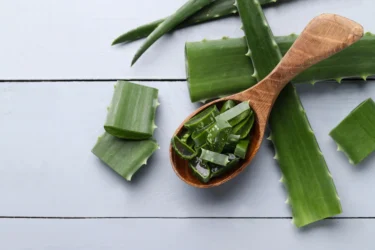
2. Aloe Vera
It may help lighten pigmentation through more than just its soothing effects. A study has shown that Aloe vera extract and its active ingredient aloin can cause melanin aggregation, a process that may contribute to lighter skin appearance. This suggests9 Aloe vera could act as a gentle, non-toxic melanin-reducing agent.
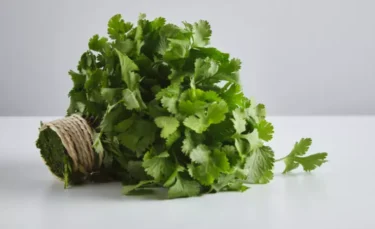
3. Parsley
It has long been used as a natural skin-lightening remedy. Studies7 show that parsley is comparable to hydroquinone in reducing hyperpigmentation. This effect may be due to its active components (vitamin C and flavonoids) that help lower melanin production10. This makes it a promising plant-based option for lightening dark spots on skin.
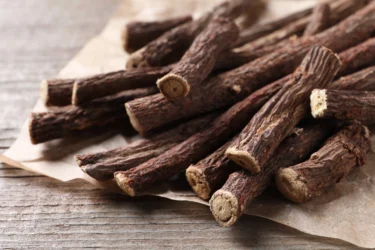
4. Liquorice
It is one of the most effective plant-based skin-lightening ingredients (mainly due to glabridin content). Research11 shows that liquorice’s key component (glabridin) inhibits tyrosinase, reduces UVB-induced pigmentation and redness, and has strong anti-inflammatory and antioxidant effects.
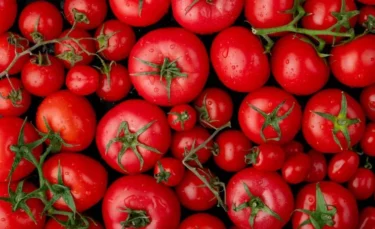
5. Tomato
Lycopene, a strong antioxidant from tomatoes, may help reduce pigmentation by neutralising oxidative stress. Tomato lycopene and wheat bran extract based cream has been shown to reduce melasma size significantly and with no recurrence12. This suggests lycopene is a safe and promising option for improving dark spots.
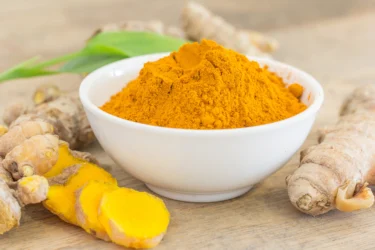
6. Turmeric
Curcumin, the active compound in turmeric, is a potent natural skin-lightening agent. Curcumin significantly reduces melanin production and inhibits tyrosinase activity, thereby contributing to skin lightening13. Thus, turmeric has strong potential as a natural agent for reducing pigmentation.
While these remedies may offer mild improvement, it is important to understand that they generally work more slowly and less effectively than medical treatments. These ingredients should not replace medical advice/treatments for persistent or severe pigmentation.
Note: Natural remedies may support skin-lightening, but results vary widely from person to person. Also, its important to always patch-test new products and consult a dermatologist, especially if you have sensitive skin, allergies, or underlying skin conditions.
Over-the-Counter Options to Manage Black Spots
To deal with dark spots on skin, an effective approach is to combine daily sun protection with some targeted over-the-counter ingredients. Commonly available options include:
Hydroquinone and Combination Creams:Hydroquinone is one of the most effective remedies for dark spots. It works by inhibiting tyrosinase, reducing melanin production, and promoting melanocyte damage1.
Vitamin C (Ascorbic Acid): It is a powerful antioxidant that brightens skin and reduces melanin formation5.
Vitamin B3 (Niacinamide): It reduces melanin formation in skin cells, leading to a more even tone5.
Vitamin A (Retinoids/Retinol/Retinaldehyde): It boosts cell turnover and reduces melanin buildup1. Retinol is one of the most researched ingredients for pigmentation, but it may cause mild irritation initially.
Azelaic Acid: A gentle multitasking ingredient that brightens and reduces inflammation on the skin1.
Kojic Acid: It works by inhibiting tyrosinase and is commonly found in creams and serums for skin brightening1,5.
Alpha Arbutin: It is a gentler derivative of hydroquinone that suppresses melanin production14.
Chemical Peels: Peels such as glycolic acid, salicylic acid, etc., lighten dark spots by controlled removal of superficial skin layers and increasing keratinocyte turnover, helping pigmented cells shed faster1.
Important: Creams or serums containing the above-mentioned ingredients are commonly available at all pharmacy stores.However, it is important to remember that, even though these are over-the-counter options, the right concentration and frequency of use should ideally be guided by a dermatologist, especially for sensitive skin, darker skin tones, or persistent pigmentation, as misuse may lead to irritation or worsening of dark spots.
Medical Treatments to Manage Black Spots
Professionally guided medical treatments and procedures may be recommended by your doctor when black spots are stubborn, widespread, or unresponsive to home remedies and other products. Common options include1:
Ablative Lasers (CO2): Remove upper skin layers but carry a high PIH risk, especially in darker skin. Therefore, it is generally not preferred.
Non-Ablative Fractional Lasers: Create controlled dermal injury with lower PIH risk and are effective when settings are carefully optimised.
Low-Fluence Q-Switched Lasers (LFQSL): Gently break down pigment and can outperform 2% hydroquinone. However, recurrence and risk of hypo/PIH remain.
Picosecond Lasers: Offer promising results with minimal thermal damage, but data in darker skin is limited. Thus, caution should be exercised.
Precaution: Laser treatments should be selected carefully based on skin type, pigment depth, and history of PIH. Dermatologist supervision is essential to minimise complications and recurrence.
How to Prevent Black Spots?
Avoiding black spots requires consistent skincare habits and proper photoprotection. The following steps can help protect you skin:
Daily Sun Protection: Sun exposure is the biggest trigger for pigmentation. Thus, use broad-spectrum SPF 30 to 50+ and reapply every 2 hours1.
Avoid Picking the Skin: Picking acne, rashes, or insect bites increases inflammation and leads to dark marks6.
Gentle Skincare Routine: Avoid harsh or irritating products. Use mild cleansers, moisturisers, and introduce active ingredients slowly to manage inflammation that can worsen pigmentation6.
Patient Education: Understanding sun protection, triggers, medication effects, and proper skincare greatly reduces risk. Many people with skin-of-colour receive less sunscreen counselling, making education especially important6.
Seek Dermatology Advice When Needed: A dermatologist can guide treatments (especially for melasma, PIH, or darker skin tones) and help reduce risks like hypopigmentation or worsening discolouration.
While the majority of dark spots are harmless, certain changes may require medical attention. You should consider seeing a dermatologist for15:
Skin discolouration that worries you or affects your quality of life
Dark spots that persist, worsen, or appear without a clear cause
Any spot, mole, or lesion that changes in shape, size, or colour (as this may indicate a more serious condition, including skin cancer)
These warning signs help differentiate benign pigmentation from more serious conditions like atypical moles or, rarely, skin cancer. Keep in mind that seeking professional advice in such cases will ensure proper diagnosis and timely treatment.
Black spots are common and often harmless, but can be persistent and distressing, especially in darker skin tones. A wide range of management options, from home remedies and over-the-counter products to medical procedures, can help, but the best results come from choosing options suited to your skin type and underlying cause.
Remember, consistent sun protection, gentle skincare, and early management of inflammation are key to avoiding dark spots. However, for stubborn or changing pigmentation, only a dermatologist can provide safe, effective guidance.
Vitamin B12 deficiency is most commonly linked to dark spots or hyperpigmentation16.
Can liver problems cause black spots on the skin?
Severe or chronic liver disease can sometimes lead to skin changes, but black spots are usually not a direct sign of liver problems17. Most dark spots are caused by sun exposure, ageing, or inflammation rather than liver dysfunction3.
Do black spots go away naturally?
Some black spots (especially those from acne or minor inflammation) may fade naturally over months18. However, deeper pigmentation (like melasma or sunspots) usually does not go away on its own and may require treatment and strict sun protection.
Are black spots on the skin cancerous?
Most black spots are harmless. However, a spot may be concerning if it changes in size, shape, or colour, or looks very different from your other spots15. In such cases, it should be evaluated by a dermatologist to rule out skin cancer.
References
Moolla S, Miller-Monthrope Y. Dermatology: how to manage facial hyperpigmentation in skin of colour. Drugs Context. 2022 May 31;11:2021-11-2. Available from: https://pmc.ncbi.nlm.nih.gov/articles/PMC9165630/
Nouveau S, Agrawal D, Kohli M, Bernerd F, Misra N, Nayak CS. Skin Hyperpigmentation in Indian Population: Insights and Best Practice. Indian J Dermatol. 2016 Sep-Oct;61(5):487-95. Available from: https://pmc.ncbi.nlm.nih.gov/articles/PMC5029232/
Thawabteh AM, Jibreen A, Karaman D, Thawabteh A, Karaman R. Skin Pigmentation Types, Causes and Treatment-A Review. Molecules. 2023 Jun 18;28(12):4839. Available from: https://pmc.ncbi.nlm.nih.gov/articles/PMC10304091/
Lawrence E, Syed HA, Al Aboud KM. Postinflammatory hyperpigmentation [Internet]. Treasure Island (FL): StatPearls Publishing; [cited 2025 Dec 03]. Available from: https://www.ncbi.nlm.nih.gov/books/NBK559150/
Parvizi MM, Hekmat M, Yousefi N, Javaheri R, Mehrzadeh A, Saki N. Clinical Trials Conducted on Herbal Remedies for the Treatment of Melasma: A Scoping Review. J Cosmet Dermatol. 2025 Feb;24(2):e16741. Available from: https://pmc.ncbi.nlm.nih.gov/articles/PMC11837239/
Mahjour M, Banihashemi M, Rakhshandeh H, Vakili V, Khoushabi A, Tavakkoli Kakhki M. A triple-blind, randomized trial of a traditional compound as compared to 4% hydroquinone in melasma. J Herb Med. 2020;19:100308. Available from: https://www.sciencedirect.com/science/article/abs/pii/S2210803319300557
Ali SA, Galgut JM, Choudhary RK. On the novel action of melanolysis by a leaf extract of Aloe vera and its active ingredient aloin, potent skin depigmenting agents. Planta Med. 2012 May;78(8):767-71. Available from: https://pubmed.ncbi.nlm.nih.gov/22495441/
Khosravan S, Alami A, Mohammadzadeh-Moghadam H, Ramezani V. The Effect of Topical Use of Petroselinum Crispum (Parsley) Versus That of Hydroquinone Cream on Reduction of Epidermal Melasma: A Randomized Clinical Trial. Holist Nurs Pract. 2017 Jan/Feb;31(1):16-20. Available from: https://pubmed.ncbi.nlm.nih.gov/27902522/
Yokota T, Nishio H, Kubota Y, Mizoguchi M. The inhibitory effect of glabridin from licorice extracts on melanogenesis and inflammation. Pigment Cell Res. 1998 Dec;11(6):355-61. Available from: https://pubmed.ncbi.nlm.nih.gov/9870547/
Bavarsad N, Mapar MA, Safaezadeh M, Latifi SM. A double-blind, placebo-controlled randomized trial of skin-lightening cream containing lycopene and wheat bran extract on melasma. J Cosmet Dermatol. 2021 Jun;20(6):1795-1800. Available from: https://pubmed.ncbi.nlm.nih.gov/33151615/
Tu CX, Lin M, Lu SS, Qi XY, Zhang RX, Zhang YY. Curcumin inhibits melanogenesis in human melanocytes. Phytother Res. 2012 Feb;26(2):174-9. Available from: https://pubmed.ncbi.nlm.nih.gov/21584871/
Boo YC. Arbutin as a Skin Depigmenting Agent with Antimelanogenic and Antioxidant Properties. Antioxidants (Basel). 2021 Jul 15;10(7):1129. Available from: https://pmc.ncbi.nlm.nih.gov/articles/PMC8301119/
Jangda A, Voloshyna D, Ramesh K, Bseiso A, Shaik TA, Al Barznji S, Usama M, Saleem F, Ghaffari MAZ. Hyperpigmentation as a Primary Symptom of Vitamin B12 Deficiency: A Case Report. Cureus. 2022 Sep 10;14(9):e29008. Available from: https://pmc.ncbi.nlm.nih.gov/articles/PMC9551622/
Disclaimer: The information provided here is for educational/awareness purposes only and is not intended to be a substitute for medical treatment by a healthcare professional and should not be relied upon to diagnose or treat any medical condition. The reader should consult a registered medical practitioner to determine the appropriateness of the information and before consuming any medication. PharmEasy does not provide any guarantee or warranty (express or implied) regarding the accuracy, adequacy, completeness, legality, reliability or usefulness of the information; and disclaims any liability arising thereof.
Links and product recommendations in the informationprovided here are advertisements of third-party products available on the website. PharmEasy does not make any representation on the accuracy or suitability of such products/services. Advertisements do not influence the editorial decisions or content. The information in this blog is subject to change without notice. The authors and administrators reserve the right to modify, add, or remove content without notification. It is your responsibility to review this disclaimer regularly for any changes.







































Comments