



Best and Worst Foods for Erectile Dysfunction
By Dr. Vishesh Bharucha +2 more

Medically reviewed by Dr. Vishesh Bharucha
Last updated: Jan 28, 2026 Published on: Dec 16, 2025


Get,

to manage your symptom
Get your,

4 Cr+ families
benefitted

OTP sent to 9988776655



You’ve successfully subscribed to receive
doctor-approved tips on
Whatsapp

Get ready to feel your best.


Register to Avail the Offer
Send OTPBy continuing, you agree with our Privacy Policy and Terms and Conditions
Hi There,
Sign up on PharmEasy now!!


Trusted by 4 crore+ families

OTP sent to 9988776655
You have unlocked 25% off on medicines


Code: NU25

By Dr. Vishesh Bharucha +2 more
Table of Contents
Sexual health is an essential component of overall well-being, but many individuals face challenges that can significantly impact their quality of life. These common sexual health problems are quite diverse, ranging from issues like sexually transmitted infections (STIs), and difficulties with sexual function. One such male sexual dysfunction is Erectile Dysfunction, a most common issue particularly prevalent as men age.
Erectile dysfunction means, persistent inability to achieve or maintain a penile erection rigid enough for satisfactory sexual intercourse. It can affect men at any age but becomes more prevalent as age increases; it affects about 40% of men at age 40, and this rate rises to 70% by age 701. The good news is that lifestyle choices like diet, play a crucial role in managing this condition. Interestingly, the same foods that support a healthy heart also promote healthy blood flow to all parts of the body, including the penis1,2.

In the following sections, we will explore the best and worst foods for this condition based on scientific evidence, helping you understand how simple dietary adjustments can potentially improve vascular health and, consequently, your erectile function, and when to consult a doctor for the same.
The causes of erectile dysfunction are often multifactorial, involving psychological and physical issues:
These causes often involve mental and emotional factors, and they can exist even when physical causes are present:
While psychological issues like depression or the medications used to treat them, such as antidepressants can certainly trigger erectile problems, even vice-a-versa can happen. Erectile Dysfunction itself can, in turn become a significant cause of depression, anxiety, and performance related stress1,3.
These are physical conditions that directly affect the systems responsible for achieving and maintaining an erection:
Yes, just as healthy food is crucial for your overall health, it also plays a vital role in your sexual function. Research suggests that adopting a healthy diet can lower the risk of erectile dysfunction to a certain extent and also lead to improvement in symptoms for those already affected4. Healthy diet benefits erectile dysfunction by optimizing fat and sugar metabolism, increasing antioxidants, and raising nitric oxide, which are essential for erections5.
Note: A variety of factors contribute to erectile dysfunction, including neurological problems, hormonal imbalances, psychological distress, medication side effects, or structural abnormalities. Thus, although a good diet may be helpful, it cannot prevent the condition from occurring completely.
Diet plays a supporting role in dealing with erectile dysfunction, especially that is vascular-related. It aids in improving blood flow and boosting cardiovascular and sexual health. The foods listed below are rich in nutrients that help relax blood vessels, reduce inflammation, and improve circulation throughout the body including the blood vessels vital for an erection.

Foods like beets and dark leafy greens are great because they contain natural nitrates. These nitrates are converted by mouth bacteria into nitrite, which your body then uses to create nitric oxide (NO). Nitric oxide (NO) triggers the widening of blood vessels (vasodilation) in the penis by initiating a chemical chain reaction inside the muscle cells, specifically, it activates a pathway that ultimately lowers calcium levels, causing the smooth muscles to relax and allowing increased blood flow necessary for an erection7,8.

These fruits are rich with flavonoids. Research suggests that certain plant compounds called flavonoids can help with penile erection by restoring the balance between signals that widen blood vessels and signals that constrict them. They act by reducing oxidative stress, improving vessel wall function and increasing nitric oxide availability6,9.
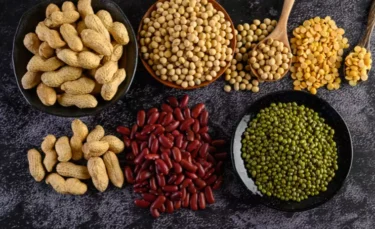
Legumes are rich in flavonoids and minerals like magnesium, zinc and copper that offer antioxidant support, help improve blood circulation, maintain testosterone levels and boost overall sexual health, thereby improving erectile dysfunction6,10.
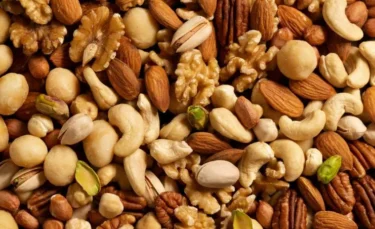
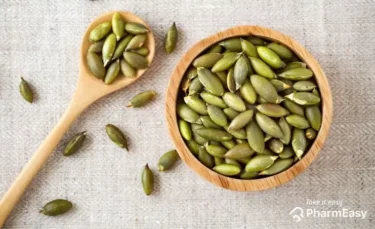
Nuts are rich in the nonessential amino acid arginine, which the body uses to produce Nitric Oxide (NO). By consuming foods rich in arginine, you provide the body with the building blocks it needs to produce more nitric oxide, further supporting the vasodilation effect needed for erections6,11.
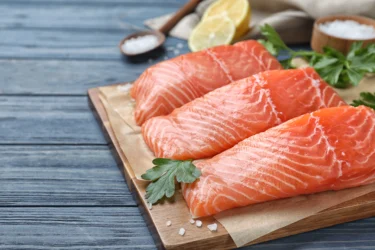
These are a rich source of Omega-3 fatty acids, which contribute to lowering triglyceride levels and reducing clotting risks. They also help in reducing inflammation and improve endothelial function. By promoting a healthy blood lipid profile, they help improve health of your arteries, facilitating unrestricted blood flow12.
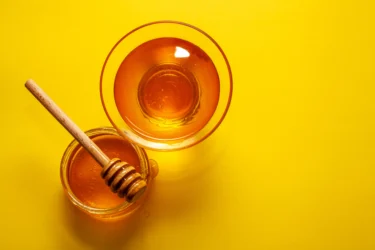
Honey is a rich source of natural antioxidants including flavonoids which are beneficial in erectile dysfunction. Moreover, studies13 in male rats have shown that consuming a honey solution can lead to increased testosterone levels. Since, erectile dysfunction may be linked to low testosterone levels that often come with aging, this may be a potentially active natural remedy.
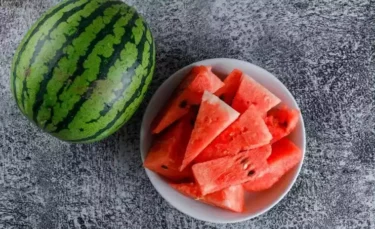
When you eat watermelon, your body produces more nitric oxide. This nitric oxide helps relax and widen the blood vessels, resulting in improved blood circulation to the testes13.
While these foods have shown to contain compounds that are beneficial for blood vessel health, studies assessing their direct relationship with erectile dysfunction are limited. Thus, further large-scale human trials are needed to confirm their benefits in this condition.
While some foods can support sexual health, certain food items can also cause harm to your blood vessels or disrupt hormone balance, which are key to healthy erectile function, and thus, potentially worsen the condition. These include:

Red meat contains high amount of saturated fat. High intake of saturated fats leads to increased cholesterol and plaque build-up in the arteries (atherosclerosis). This clogging restricts blood flow throughout the body, including to the penis, which can contribute to erectile dysfunction14.

Excessive sugary drinks can spike up your blood glucose levels, promoting insulin resistance and increasing the risk of developing diabetes. Diabetes is one of the major risk factors for erectile dysfunction because high blood sugar damages blood vessels and nerves, impairing the ability to achieve and maintain an erection14.

Fried items are often high in fat oils, leading to high levels of saturated and trans fats. These fats contribute to developing high cholesterol and certain heart diseases. High levels of cholesterol can accumulate within the artery walls causing atherosclerosis, leading to arterial narrowing and reduced blood flow to vital organs16.
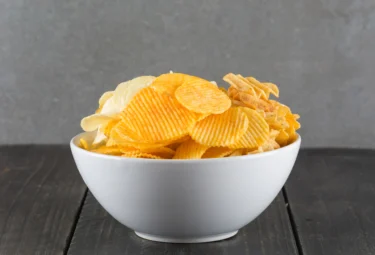
High sodium content food can lead to high blood pressure, which is a significant risk factor of erectile dysfunction. Hypertension damages the artery walls, reducing the blood vessel’s ability to expand and properly supply blood16.

Excessive alcohol consumption can elevate blood pressure and increase the risk of heart disease, it also raises level of triglycerides, a type of fat found in the blood, which can narrow blood vessel further leading to reduced blood supply16.
Here, we’ll bust some common myths about food and erectile dysfunction.
Myth 1: A specific miracle food will instantly cure erectile dysfunction.
Fact: Certain food can help to reduce the symptoms of erectile dysfunction, like berries, watermelon, nuts, legumes etc. But it does not provide an instant cure from erectile dysfunction.
Myth 2: Lifestyle factors are the only contributors to the development of erectile dysfunction.
Fact: While lifestyle choices are key contributors to erectile dysfunction, the condition is not solely responsible, medical issues such as diabetes, hypertension, and hormonal fluctuations also play significant roles1.
Myth 3: For boosting erections, a low-fat diet is the best.
Fact: Low-fat diets are generally good for heart health and improving circulation, but a very low-fat diet may be associated with low testosterone. Consuming a balanced diet containing omega-3 fats such as the Mediterranean diet is usually more heart heathy and aids in improving erectile dysfunction6.

Apart from making dietary changes, certain other lifestyle modifications can also help reduce the impact of erectile dysfunction. These include:
Also Read: Does Low Testosterone Cause Weight Gain?
If you experience any of the following situations, a consultation with your healthcare provider is necessary to determine the underlying cause and explore effective treatment options21:
Also Read: Worst Foods for Oedema You Should Be Aware Of
We know that talking about Erectile Dysfunction can be difficult, but please understand that it’s a common, treatable condition often rooted in vascular health. The path to better sexual health and erections is the same good habits that lead to a healthy heart. By prioritizing a diet rich in nitrates, flavonoids, and omega-3s (found in vegetables, fruits, nuts, and fish) and limiting foods high in saturated fats, sugar, and sodium, you can directly improve your blood flow and sexual function. Take these manageable steps today and remember that when diet and lifestyle changes aren’t enough, professional medical help is available and highly effective. You are not alone in this, and positive change is absolutely within your reach.
Foods that are rich in compounds and nutrients which naturally enhance blood flow, such as nitrate-rich foods like beetroot and green leafy vegetables, flavonoid- rich fruits like berries, apple and orange, omega-3 sources like fishes (salmon, mackerel, sardines), all these foods can increase the overall blood flow in the body, including penis7,9,12.
A specific timeframe for how long a healthy diet takes to improve erectile dysfunction symptoms cannot be exactly determined. However, a lot of research indicates that adopting a healthy eating pattern offers supportive benefits in lowering the risk of erectile dysfunction and managing its symptoms6.
Erection problems are a very common issue, affecting nearly every adult male at some point. While these temporary difficulties often resolve on their own without much intervention, for some men, the condition can become a persistent or ongoing concern. If one has trouble to keep an erection for more than 25% of the time, it means you need to consult a health care provider21.
Following are the symptoms that characterize an erection problem, which may include trouble getting an erection, difficulty keeping an erection, and having an erection that isn’t firm enough for intercourse. Additionally, men experiencing erection problems may also report less interest in sex21.
Yes, even though erectile dysfunction can affect you at any age, if it occurs at an early age, it could be a warning sign of blood vessel problem like diabetes, hypertension or any other cardiovascular disease. Thus, it is important to keep a watch on your symptoms and report it to your health care provider15.
The effect of these oral medicines is most often seen within 15 to 45 minutes. And yes, there are certain risks associated with erectile dysfunction medications. Specifically, men who take nitrates for heart disease should consult their doctor before taking any erectile dysfunction medicines. Common side effects may include headache, upset stomach, nasal congestion, back pain, and dizziness19.
Disclaimer: The information provided here is for educational/awareness purposes only and is not intended to be a substitute for medical treatment by a healthcare professional and should not be relied upon to diagnose or treat any medical condition. The reader should consult a registered medical practitioner to determine the appropriateness of the information and before consuming any medication. PharmEasy does not provide any guarantee or warranty (express or implied) regarding the accuracy, adequacy, completeness, legality, reliability or usefulness of the information; and disclaims any liability arising thereof.
Links and product recommendations in the information provided here are advertisements of third-party products available on the website. PharmEasy does not make any representation on the accuracy or suitability of such products/services. Advertisements do not influence the editorial decisions or content. The information in this blog is subject to change without notice. The authors and administrators reserve the right to modify, add, or remove content without notification. It is your responsibility to review this disclaimer regularly for any changes.


Comments

Leave your comment...
You may also like



















Comments