
Introduction
Have you ever experienced a sudden painful cramp in your muscle that makes it hard to move? This is called a muscle spasm. It occurs when a muscle contracts unexpectedly but does not relax properly1. Muscle spasms are very common and may occur to anybody despite their age. They can occur during exercise, while resting, or even during sleep, like the familiar leg cramps many people experience at night1,2. In most of the cases, these spasms are harmless and may resolve themselves. However, they can cause discomfort or pain and may interrupt daily activities.
While most of the muscle cramps are harmless, some can indicate certain underlying health conditions1. Understanding the causes, symptoms, and ways to manage muscle spasms can help you manage them better and stay comfortable. This article may help you understand all of this.
What is a Muscle Spasm?
A muscle spasm is an involuntary contraction of a muscle a muscle suddenly tightens on its own without you trying to control it. Normally, the muscles contract and relax smoothly, which gives a smooth movement. But during a spasm, the affected muscle contracts unexpectedly and does not relax properly. It can cause sudden, tight and intense pain1.
Advertisement
This can happen in a single muscle or a group of muscles. It can last from a few seconds to several minutes3 and may occur once in a while or repeatedly. It is often triggered by factors such as overuse, dehydration, poor circulation, or electrolyte imbalance3.
What Does a Muscle Spasm Feel Like?
A muscle spasm can feel different from person to person, but it is usually sudden and noticeable. It often begins without warning and may last for a few seconds to several minutes. The common muscle spasm symptoms include:
- Sudden Tightening or Knotting4: The muscle tightens on its own, feeling like a hard, painful knot under the skin.
- Stiffness or Rigid5: The affected area becomes stiff and difficult to move.
- Sharp, Intense Pain1: The pain may be sudden and strong, feeling severe and hard to ignore.
- Distorted or Twitched4: The muscles suddenly move on their own in small jerks.
- Soreness4: The muscles become tender, or uncomfortable, especially when you move or touch it.
- Lingering Discomfort4: The muscles retain mild pain or tightness for some time even after.
Causes of Muscle Spasm
Muscle spasm can occur due to several reasons. The following are some common muscle spasm causes.
- Dehydration1,6: Lack of water can disturb the muscle function, making muscles more likely to tighten, cramp, or spasm.
- Electrolyte Imbalance: Loss of electrolytes such as sodium, potassium, magnesium, calcium etc., from the body causes electrolyte imbalance leading, to muscle cramps3,6.
- Vitamin Deficiencies: Deficiencies of certain vitamins, such as vitamin B and D, can cause muscle spasms, especially during pregnancy4.
- Overuse/Muscle Fatigue: Repetitive physical activity or over usage of the same muscles makes it feel tired or stressed, causing cramps. This is usually the most common cause3,6.
- Nerve Compression: Nerve compression due to a spinal cord injury or a pinched nerve in the neck or back can interfere with normal nerve signals, causing muscle pain, weakness, tingling, or spasms3.
- Poor Circulation: Poor blood circulation or inadequate blood flow towards muscles during pregnancy can deprive them of oxygen or nutrients, resulting in muscle spasm3,6.
- Pregnancy: Pregnancy weight gain and nerve pressure can hurt the leg and muscles, causing them to get cramps7 usually during the second and third trimester4.
- Medicines: Muscle cramps can occur as the side effects of certain medicines. These include diuretics, long-acting beta agonists (LABA), cholesterol-lowering statins, etc1,6.
- Poor Posture: Not moving from a particular position during work or while sleeping can contribute to muscle spasm4.
- Stress and Anxiety: Being stressed or anxious causes the muscles to get tightened, especially in the neck and shoulders, which may lead to pain or spasms8.
- Underlying Health Conditions: Certain underlying health conditions such as anaemia, diabetes, congestive cardiac failure, thyroid issues, neuromuscular disorders, liver diseases6 etc. can also cause muscle spasms.
Types of Muscle Spasms
Muscle spasms can happen in different parts of the body due to reasons like poor posture, exercise, dehydration, or health issues. The feeling may vary depending on the muscle affected. They include the following:
- Neck and Shoulder Spasms (Torticollis): Stiffness and pain around the neck and shoulders, causing difficulty in turning the head and stretching the neck. Often caused by poor posture or sudden trauma to the neck10.
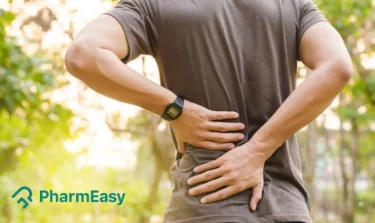
- Back Muscle Spasms: Sudden upper or lower back pain, causing stiffness and reduced movement. Often triggered by lifting heavy objects or poor posture11.
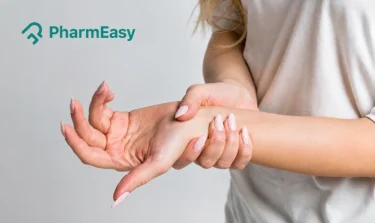
- Hand Muscle Spasm (Writer’s Cramp): Affects hand movements, especially in adults, especially during writing or other fine tasks. May not have pain, but it can cause the fingers or wrist to bend or twist abnormally4.
- Calf, Foot and Thigh Spasms: Forceful stretching of the muscles around the legs, where the symptoms last up to 10 minutes. The cramps often occur at night but can anytime, especially during winter4,12.
- Abdominal Muscle Spasm: Pain in the abdomen or stomach (sometimes very bad), usually caused by gas and bloating or as a result of menstruation13.
Are Muscle Spasms Serious?
Most muscle spasms are harmless and temporary. They usually happen due to common causes like dehydration, stress, muscle fatigue or overuse and often go away on their own within a few seconds to minutes. In many cases, simple measures such as rest, gentle stretching, hydration, and applying heat or cold may help relieve the discomfort1,3,8.
However, sometimes they can also indicate some underlying conditions, such as nerve disorders, organ-related problems or electrolyte imbalance leading to severe health problems6. Monitor symptoms and frequency and try improving hydration along with other simple techniques that may help relieve muscle spasm1. If all these do not reduce the spasm issues, then it is good to consult a doctor to identify the cause.
Advertisement
Thus, occasional muscle spasms can be considered normal, but persistent or severe symptoms, and those which interfere with day-to-day activities, could indicate an underlying issue and should be evaluated by a doctor.
Diagnosis of Muscle Spasm
Muscle spasm has different diagnostic procedures to identify the causes. They include the following. This might help in deciding which muscle spasm treatment to take.
- Medical History: The doctor may undergo a detailed check regarding the following:
- Symptoms and frequency of spasms
- Lifestyle habits, physical activity, diet and hydration
- Any existing medical conditions or medications4
- Physical and Neurological Examination: The affected muscle is examined for the following:
- Physical symptoms: Tightness, tenderness, swelling, restricted posture and muscle strength
- Neurological assessment: Weakness, tingling, numbness, abnormal reflexes, etc. This might help determine muscle strength and sensation, which in turn help understand whether it is a nerve-related condition or possibly due to an underlying condition4,6.
- Laboratory Tests (if needed): The doctor may recommend lab tests only if the physical exam suggests another condition or the patient does not improve with basic treatment4. These may help detect or monitor conditions like electrolyte imbalance, underlying diseases, etc6. The common tests prescribed include:
- Serum ferritin and total iron-binding capacity: For people with leg syndrome, anaemia, or who are pregnant
- Blood electrolytes: Patients taking diuretics, on dialysis, pregnant, or with cirrhosis
- Thyroid-stimulating hormone: Patients with signs of hypothyroidism, such as tiredness, dry skin, swelling, missed periods, and constipation
- Blood glucose level and haemoglobin A1C: Patients who may have or already have diabetes
- Antiganglioside (GM1) antibody testing: Patients who may have a condition where the immune system affects the nerves that control movement4
Note: These are just a few examples; there may be more tests prescribed based on the medical history and symptoms.
- Imaging Tests: The doctor may suggest scans like magnetic resonance imaging (MRI), ultrasound (US) or computed tomography (CT) scans, which undergo imaging of bones and muscles and help check muscle injuries or muscle damage.
- MRI: Helps detect muscle injuries. It gives very clear and detailed images of muscles, ligaments, and tendons. It helps doctors find small injuries and understand if the muscle damage is partial or complete.
- US: Uses sound waves to look at muscles and soft tissues. It helps show muscle structure and movement in real time. However, it may not detect very small or mild injuries as well as MRI.
- CT scan: Uses X-rays to create detailed images of bones and muscles. It is usually used when MRI is not available or suitable. It shows multiple views of the body6.
Treatment of Muscle Spasm
The cause of muscle spasm can range from mild to severe. Therefore, your doctor would suggest treatment based on the cause. The following are some treatment options which help to understand how to cure muscle spasm. These are for spasms which are frequent, severe, or linked to underlying conditions:
- Pain-Relieving Tablets: The doctor might prescribe medicines like paracetamol or NSAIDs may help reduce pain and inflammation.
- Muscle Relaxants: The doctor might prescribe medications such as gabapentin, or baclofen, which may be used for severe or recurrent spasms4.
- Supplementation: The doctor might provide supplements, such as magnesium supplements in pregnant women, to reduce cramps2. Other supplements like vitamin D and calcium might also help to reduce symptoms14.
- Epidural Injection: The doctor might suggest pain-reliever injections to reduce swelling and inflammation11.
- Topical Treatment: The doctor might prescribe topical creams like capsaicin, which help reduce the sense of pain by suppressing the activity of nerve cells that cause pain15.
- Physiotherapy: The doctor might perform physiotherapy, which can reduce pain and stiffness in the muscles10.
- Treating Underlying Conditions: The doctor may check the electrolyte levels in the body or look for signs of underlying health conditions. Once the cause is confirmed, he may start treatment for the specific condition, which might help reduce muscle spasms6.
Note: The treatment methods described in this section are only to be performed under the guidance of a doctor. Avoid buying the medicines over the counter; instead seek medical attention for proper treatment.
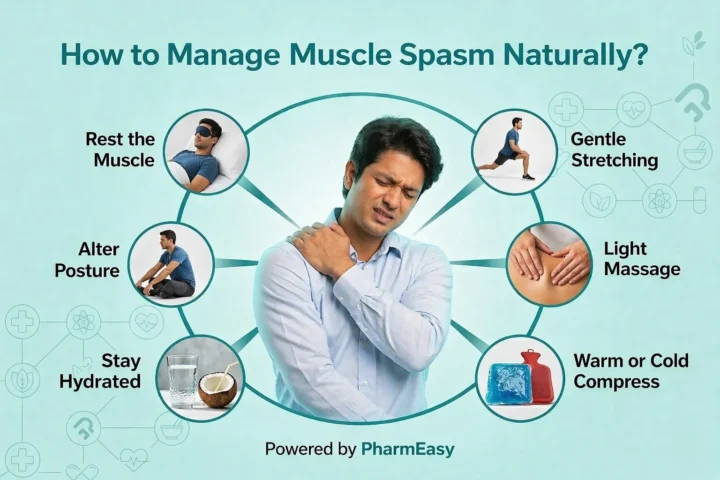
How to Manage Muscle Spasm Naturally?
The following are some natural ways you may try to manage muscle spasm:
- Rest the Affected Muscle: Avoiding the activity that triggered the spasm and avoiding overusing1 the muscle might reduce symptoms.
- Perform Gentle Stretches: Slowly stretching the cramped muscle1 might help it loosen and relax.
- Give a Gentle Massage: Lightly massaging the area improves blood circulation and reduces tightness and other symptoms4.
- Give a Warm or Cold Compress: Applying a heating pad or an ice pack might relax muscles and reduce pain and soreness3.
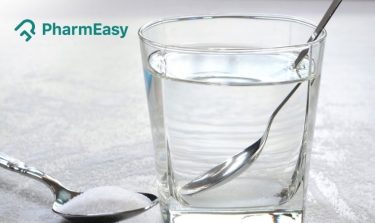
- Improve Hydration: Drinking enough fluids with electrolytes might help replace lost electrolytes and reduce the intensity of cramps4. Natural fluids with high electrolytes include coconut water, milk, orange juice, etc16.
- Alter Posture: Changing posture during sleeping or while working might help4,6 reduce the cramp and discomfort.
Note: The above-mentioned methods are for temporary problems only. These alone may not resolve the problem completely. If you think spasm is not reducing and is still getting worse, please consult a doctor as soon as possible, as this can also indicate severe conditions.
Prevention Tips for Muscle Spasms
The following are some tips that might help avoid muscle spasm:
- Stay well hydrated by drinking enough water
- Include electrolyte-rich foods like bananas, lentils, leafy greens, yogurt, etc
- Avoiding exercising in intense heat
- Do regular stretching exercises, especially before and after physical activity1
- Maintain proper posture while sleeping, sitting, and standing6
- Avoid prolonged and intense exercises1
- Practice relaxation techniques such as yoga and breathing exercises to calm the mind17
- Avoid wearing tight clothes
- Get proper sleep at night5
- Wear well-fitted shoes and avoid high heels18
- Reduce alcohol consumption and caffeine intake4
When to See a Doctor?
Consult a doctor immediately if you have muscle spasms, which are:
- Severe and frequent
- Not getting better with simple treatments or changes1
- Lasting for a longer period
- Occurring along with swelling, redness, a warm sensation, or weakness3
- Causing difficulty in moving joints and worsening pain5
- Causing infection10
- Severely disturbing the night sleep4
- Accompanied by severe dehydration, vomiting and diarrhea18
- Occurring along with pain, numbness, and reduced sensation that comes and goes6
Conclusion
So, now you might be clear on muscle spasm meaning. They are common and usually harmless, often caused by factors like dehydration, overuse, or electrolyte imbalance. In most cases, they resolve with simple measures such as rest, hydration, and stretching. However, persistent or severe spasms may indicate an underlying health condition and should not be ignored. Early medical evaluation and proper management might help reduce recurrence and improve quality of life.
Also Read: Food Allergies: Symptoms, Types, Diagnosis & Home Remedies
Frequently Asked Questions (FAQs)
Are muscle spasms dangerous?Muscle spasms are usually harmless, caused as a result of dehydration, overusing of muscles or poor posture. However, sometimes they can also indicate serious conditions such as nerve problems, organ-related conditions, infections, etc1. Therefore, it is important to analyse the symptoms and its frequency for a proper treatment.
What triggers a muscle spasm?The factors which trigger muscle spasm include dehydration, electrolyte imbalance, nerve compression, overstraining, poor blood circulation, pregnancy, certain medications and certain underlying conditions4.
How long do muscle spasms normally last?A muscle spasm can last for a few seconds to 10-15 minutes. However, sometimes, it can extend up to several hours1,4.
What to drink to stop muscle spasms?If the muscle spasm is due to electrolyte imbalance and dehydration, drinking electrolyte-rich fluids may help replenish the body and replace lost electrolytes4. These include coconut water, orange juice, milk, sports drinks, etc4,16.
What can be mistaken for a muscle spasm?Many conditions, such as muscle twitching as in tetany, movement disorders like dystonia, or continuous muscle stiffness in myotonia or hypothyroidism etc can be mistaken for a muscle spasm9.
What vitamin deficiency causes muscle spasm?The deficiencies of vitamin B and D are known to cause muscle spasms4.
References
- Muscle Cramps. doi: Available from: https://orthoinfo.aaos.org/en/diseases–conditions/muscle-cramps
- Blyton F, Chuter V, Burns J. Unknotting night‐time muscle cramp: a survey of patient experience, help‐seeking behaviour and perceived treatment effectiveness. Journal of Foot and Ankle Research. 2012;5(1):7. doi:10.1186/1757-1146-5-7. Available from: https://pmc.ncbi.nlm.nih.gov/articles/PMC3361473/
- Muscle Cramps. 2025. doi: Available from: https://medlineplus.gov/musclecramps.html
- Goldin J, Sugumar K. Muscle Cramps. 2025. doi: Available from: https://www.ncbi.nlm.nih.gov/books/NBK499895/
- Caring for muscle spasticity or spasms. 2024. doi: Available from: https://medlineplus.gov/ency/patientinstructions/000063.htm
- J Lespasio M. Muscle Spasm: A Primer. IJCMCR. 2024;44(4). doi:10.46998/IJCMCR.2024.44.001091. Available from: https://ijclinmedcasereports.com/pdf/IJCMCR-RW-01091.pdf
- Aches and pains during pregnancy. 2024. doi: Available from: https://medlineplus.gov/ency/patientinstructions/000580.htm
- Parasa M, Saheb S, Vemuri N. Cramps and tingling: A diagnostic conundrum. Anesth Essays Res. 2014;8(2):247. doi:10.4103/0259-1162.134524. Available from: https://pmc.ncbi.nlm.nih.gov/articles/PMC4173627/
- Stern LZ, Bernick C. Chapter 53: Muscle Cramps. doi: Available from: https://www.ncbi.nlm.nih.gov/books/NBK376/
- Torticollis. 2024. doi: Available from: https://www.healthdirect.gov.au/torticollis
- Low back pain – acute. 2024. doi: Available from: https://medlineplus.gov/ency/article/007425.htm
- Leg Cramps. 2006. Available from: https://www.nhsinform.scot/illnesses-and-conditions/muscle-bone-and-joints/leg-and-foot-problems-and-conditions/leg-cramps/
- Abdominal pain. 2024. doi: Available from: https://medlineplus.gov/ency/article/003120.htm
- Hand or foot spasms. 2024. doi: Available from: https://medlineplus.gov/ency/article/003194.htm
- Capsaicin Topical. 2020. doi: Available from: https://medlineplus.gov/druginfo/meds/a620055.html
- Electrolyte Drinks. 2025. doi: Available from: https://nutritionsource.hsph.harvard.edu/electrolyte-drinks/
- Relaxation techniques for stress. 2024. doi: Available from: https://medlineplus.gov/ency/patientinstructions/000874.htm
- Muscle cramp. 2013. doi: Available from: https://www.betterhealth.vic.gov.au/health/conditionsandtreatments/muscle-cramp
Disclaimer: The information provided here is for educational/awareness purposes only and is not intended to be a substitute for medical treatment by a healthcare professional and should not be relied upon to diagnose or treat any medical condition. The reader should consult a registered medical practitioner to determine the appropriateness of the information and before consuming any medication. PharmEasy does not provide any guarantee or warranty (express or implied) regarding the accuracy, adequacy, completeness, legality, reliability or usefulness of the information and disclaims any liability arising thereof.
Links and product recommendations in the information provided here are advertisements of third-party products available on the website. PharmEasy does not make any representation on the accuracy or suitability of such products/services. Advertisements do not influence the editorial decisions or content. The information in this blog is subject to change without notice. The authors and administrators reserve the right to modify, add, or remove content without notification. It is your responsibility to review this disclaimer regularly for any changes.
 2
2 































Comments