




Sunken Eyes: Causes, Symptoms, Home Remedies & More
By Dr. Poonam Rai +2 more

Medically reviewed by Dr. Poonam Rai
Last updated: Apr 28, 2026 Published on: Mar 10, 2026


Get,

to manage your symptom
Get your,

4 Cr+ families
benefitted

OTP sent to 9988776655



You’ve successfully subscribed to receive
doctor-approved tips on
Whatsapp

Get ready to feel your best.


Register to Avail the Offer
Send OTPBy continuing, you agree with our Privacy Policy and Terms and Conditions
Hi There,
Sign up on PharmEasy now!!


Trusted by 4 crore+ families

OTP sent to 9988776655
You have unlocked 25% off on medicines


Code: NU25

By Dr. Poonam Rai +2 more
Table of Contents
Sunken eyes is a condition in which the eye socket looks sunken. It may occur due to enophthalmos, a condition in which the eyeball moves posteriorly, giving the appearance of a sunken eye1 or common causes like lack of sleep, dehydration2, ageing3, stress, poor nutrition, and sudden weight reduction. Sunken eyes may make a person look tired, dull, or older than their age and may impact their self-confidence.
Sunken eyes may also indicate underlying health conditions, such as sinus problems, chronic allergies, tumours, or injuries1. Therefore, understanding the causes of sunken eyes, their management options, and protective measures is important for better management.
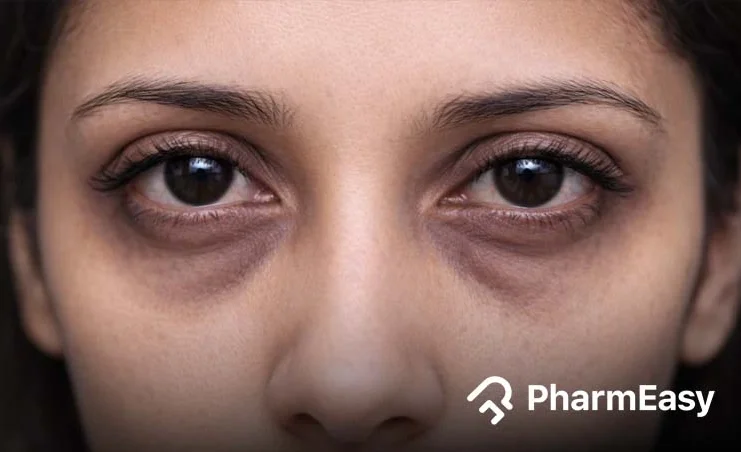
Sunken eyes meaning is that the eyeballs appear to move backward into the eye socket more than normal. Eyes may also look sunken or hollow due to conditions like dehydration when the tissue surrounding the eyes loses elasticity. This may cause the upper eyelid area or the bone underneath the eyes to look more prominent.
Sunken eyes are commonly caused by loss of the fat around the eyes, a fracture of the eye socket, and tightening of the tissues around the eyes, which pulls the eyeball backward1. Let’s look at the causes of sunken eyes in detail.
Reasons for sunken eyes include the following:
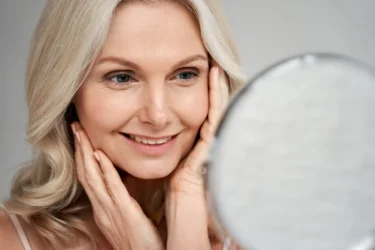
Ageing can cause the fat around the eyelids to move deep into the eye socket, making the eyes look more sunken4. Loss of body fat, including facial fat, can also contribute to sunken eyes3.
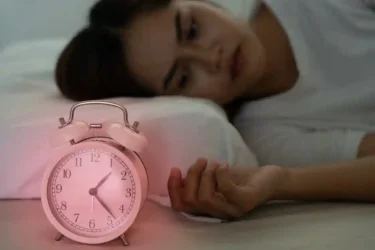
An unhealthy lifestyle may lead to sunken eyes. Lifestyle factors associated with sunken eyes may include:

Sunken eye causes can sometimes include certain underlying conditions such as:
Symptoms you may observe along with sunken eyes include:
Sunken eyes may be diagnosed as follows:
Various approaches may be used to manage sunken eyes depending on their cause. Sunken eyes treatment methods include:
These include:
If you have any underlying conditions that have caused sunken eyes, managing them may help improve sunken eyes. Such conditions and potential management options include:
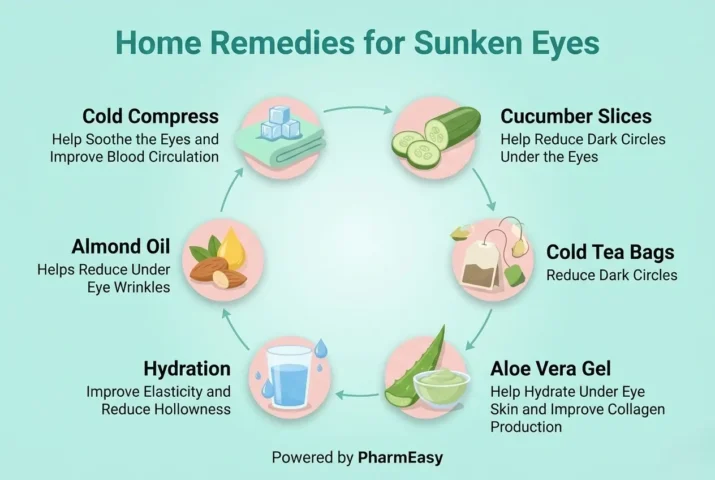
Certain home care tips may be helpful in managing sunken eyes and related symptoms, as follows:
Note: If your symptoms are not relieved or are worsening after using the sunken eyes remedy methods given above, consult a doctor immediately.
To avoid sunken eyes and related symptoms, you may:
Medical attention is recommended if sunken eyes occur along with any of the following:
Sunken eyes may often be seen as a harmless cosmetic concern, but they may sometimes reflect the need for lifestyle changes or treatment of underlying health issues. Poor sleep, dehydration, ageing, and nutritional deficiencies are some common causes of sunken eyes, while certain medical conditions may also contribute. Early attention to health habits and appropriate management may help improve your appearance and eye health. If sunken eyes develop suddenly or persist despite lifestyle changes, medical evaluation is recommended to rule out underlying problems.
Also Read: Burning Eyes: What Causes the Burning Sensation and How to Manage It
Sunken eyes are mainly known to indicate dehydration, nutrient deficiencies1, poor sleep or ageing3, however, sometimes they may also be caused by underlying health conditions1,8,9,15.
You may manage sunken eyes and their associated symptoms by staying hydrated, consuming nutritious food1, improving sleep patterns5, maintaining a healthy body weight1, trying out home management tips16, or managing underlying health conditions. However, severe cases may require immediate medical attention.
You may have sunken eyes if you have any of the following:
Dehydration
Nutrient deficiencies
Sudden weight reduction1
Ageing3
Lack of sleep
Underlying health conditions1
You may be able to manage sunken eyes by making lifestyle modifications and managing underlying health conditions that cause sunken eyes. You may also check yourself for any underlying health conditions that need to be managed1.
Nutrient deficiencies associated with severe malnutrition (e.g., protein deficiency), anaemia (e.g., B12 deficiency), damage to collagen (e.g., vitamin C deficiency), and dehydration (e.g., potassium or magnesium deficiency) may lead to sunken eyes.
1. Shah SS, Patel BC. Herpetic whitlow. In: StatPearls [Internet]. Treasure Island (FL): StatPearls Publishing; 2025 Dec 13. Available from: https://www.ncbi.nlm.nih.gov/books/NBK563300/
2. Hoxha T, Xhelili L, Azemi M, et al. Performance of Clinical Signs in the Diagnosis of Dehydration in Children with Acute Gastroenteritis. Med Arh. 2015;69(1):10. doi:10.5455/medarh.2015.69.10-12. Available from: https://pubmed.ncbi.nlm.nih.gov/25870468/
3. Athanasiov PA, Prabhakaran VC, Selva D. Non‐traumatic enophthalmos: a review. Acta Ophthalmologica. 2008;86(4):356-364. doi:10.1111/j.1755-3768.2007.01152.x. Available from: https://pubmed.ncbi.nlm.nih.gov/18462475/
4. Aging Changes in the Face. 2024. Available from: https://medlineplus.gov/ency/article/004004.htm
5. Sundelin T, Lekander M, Kecklund G, Van Someren EJW, Olsson A, Axelsson J. Cues of Fatigue: Effects of Sleep Deprivation on Facial Appearance. Sleep. 2013;36(9):1355-1360. doi:10.5665/sleep.2964. Available from: https://pmc.ncbi.nlm.nih.gov/articles/PMC3738045/
6. Bobok N, Taskesen T. Stress-Induced Changes of the Skin: A Narrative Review. Cureus. Published online November 7, 2025. doi:10.7759/cureus.96285. Available from: https://assets.cureus.com/uploads/review_article/pdf/429743/20251207-371204-2imigj.pdf
7. National Health Service (NHS). Dehydration [Internet]. NHS; 2022 Nov 14. Available from: https://www.nhs.uk/conditions/dehydration/
8. Hwang TN, Rofagha S, McDermott MW, Hoyt WF, Horton JC, McCulley TJ. Sunken Eyes, Sagging Brain Syndrome: Bilateral Enophthalmos from Chronic Intracranial Hypotension. Ophthalmology. 2011;118(11):2286-2295. doi:10.1016/j.ophtha.2011.04.031. Available from: https://pubmed.ncbi.nlm.nih.gov/21788080/
9. Symptoms and Causes of Chronic Diarrhoea in Children. 2017. Availabe from: https://www.niddk.nih.gov/health-information/digestive-diseases/chronic-diarrhea-children/symptoms-causes
10. Joo SP, Kim SH, Park HJ, Jung S, Han JJ, Kim TS. Sunken Eye Induced by Superior Orbital Wall Defect After Craniofacial Surgery. Journal of Craniofacial Surgery. 2016;27(7):1789-1791. doi:10.1097/SCS.0000000000002956. Available from: https://pubmed.ncbi.nlm.nih.gov/27483101/
11. Swift A, Liew S, Weinkle S, Garcia JK, Silberberg MB. The Facial Aging Process From the “Inside Out.” Aesthetic Surgery Journal. 2021;41(10):1107-1119. doi:10.1093/asj/sjaa339. Available from: https://pmc.ncbi.nlm.nih.gov/articles/PMC8438644/
12. Vrcek I, Ozgur O, Nakra T. Infraorbital dark circles: A review of the pathogenesis, evaluation and treatment. J Cutan Aesthet Surg. 2016;9(2):65. doi:10.4103/0974-2077.184046. Available from: https://pubmed.ncbi.nlm.nih.gov/27398005/
13. Park KY, Kwon HJ, Youn CS, Seo SJ, Kim MN. Treatments of Infra-Orbital Dark Circles by Various Etiologies. Ann Dermatol. 2018;30(5):522. doi:10.5021/ad.2018.30.5.522. Available from: https://pubmed.ncbi.nlm.nih.gov/33911473/
14. Sinusitis. 2024. Available from: https://medlineplus.gov/ency/article/000647.htm
15. Massey TH, Robertson NP. Spontaneous intracranial hypotension: features, diagnosis and management. J Neurol. 2021;268(4):1555-1557. doi:10.1007/s00415-021-10500-1. Available from: https://link.springer.com/article/10.1007/s00415-021-10500-1
16. Joshi M, Perera PS, Korrapati NH. Effective Home Remedies that Provide Quick Relief for Puffy Eyes. International Journal of Progressive Sciences and Technologies. 2021;28:43-51. Available from: https://www.researchgate.net/publication/354871368_Effective_Home_Remedies_that_Provide_Quick_Relief_for_Puffy_Eyes
17. Surjushe A, Vasani R, Saple D. Aloe vera: A short review. Indian J Dermatol. 2008;53(4):163. doi:10.4103/0019-5154.44785. Available from: https://pmc.ncbi.nlm.nih.gov/articles/PMC2763764/
Disclaimer: The information provided here is for educational/awareness purposes only and is not intended to be a substitute for medical treatment by a healthcare professional and should not be relied upon to diagnose or treat any medical condition. The reader should consult a registered medical practitioner to determine the appropriateness of the information and before consuming any medication. PharmEasy does not provide any guarantee or warranty (express or implied) regarding the accuracy, adequacy, completeness, legality, reliability or usefulness of the information; and disclaims any liability arising thereof.
Links and product recommendations in the information provided here are advertisements of third-party products available on the website. PharmEasy does not make any representation on the accuracy or suitability of such products/services. Advertisements do not influence the editorial decisions or content. The information in this blog is subject to change without notice. The authors and administrators reserve the right to modify, add, or remove content without notification. It is your responsibility to review this disclaimer regularly for any changes.


Comments

Leave your comment...
You may also like






















Comments