




Protein Powder Side Effects: Risks, Safe Use & Healthier Alternatives
By Dr. Mrunal Shirodkar +2 more

Medically reviewed by Dr. Mrunal Shirodkar
Last updated: Apr 29, 2026 Published on: Mar 9, 2026


Get,

to manage your symptom
Get your,

4 Cr+ families
benefitted

OTP sent to 9988776655



You’ve successfully subscribed to receive
doctor-approved tips on
Whatsapp

Get ready to feel your best.


Register to Avail the Offer
Send OTPBy continuing, you agree with our Privacy Policy and Terms and Conditions
Hi There,
Sign up on PharmEasy now!!


Trusted by 4 crore+ families

OTP sent to 9988776655
You have unlocked 25% off on medicines


Code: NU25

By Dr. Mrunal Shirodkar +2 more
Table of Contents
Ever noticed how almost everyone at the gym seems to carry a protein shaker today? Protein supplements have become popular among young people, gym-goers, and athletes. In India, the protein market is growing rapidly and is valued at around USD 1.4 billion in 2024, with projections suggesting it could reach nearly USD 1.88 billion by 2029. This steady growth shows that more people are choosing protein products every year1. These supplements are used to support muscle growth, recovery, and physical performance and are available as powders, bars, gummies, and ready-to-drink shakes2.
While they can help meet daily protein needs, using them too much or without proper guidance may put strain on the kidneys, affect heart health, and increase the risk of exposure to harmful substances such as heavy metals3. This blog discusses on protein powder side effects, safety concerns, and healthier alternatives for balanced nutrition.

Protein powder is a protein supplement made from processed protein sources and is commonly used to support daily protein needs when regular food intake is not enough. It is usually mixed with water or milk and can also be added to foods for convenience. Protein powders are classified based on their source, including whey, casein, egg albumin, beef, and plant-based options such as soy and pea2.
Here are some facts about protein powders everyone should know:
These protein types will be discussed in detail in the next section.
The composition of commercial protein powders varies and typically includes a protein source along with several additional ingredients. Below are the common ingredients usually found on protein powder ingredient lists:
Protein powders contain a mix of protein sources and added ingredients that affect taste, mixing, and digestion. If you planning to include a protein powder supplement in your routine, you must look at its ingredients to ensure getting the most suitable and safe option for yourself. Your health care provider can guide you best on this based on your needs and overall health.
When considering protein powder supplementation, a frequent question that comes to mind is “Does protein powder have side effects?”
Well, it’s important to know that excessive or improper use of protein powder may cause some side effects, especially when protein supplements are taken without a balanced diet or proper medical guidance. The common protein powder side effects include:

Digestive discomfort is one of the common side effects of taking protein powder. Many protein powders, especially those made from milk, contain lactose. Individuals who have difficulty digesting lactose may experience bloating, stomach pain, gas, or diarrhoea. In addition, artificial sweeteners and flavouring agents present in some protein powders may irritate the digestive system and cause discomfort3,8.
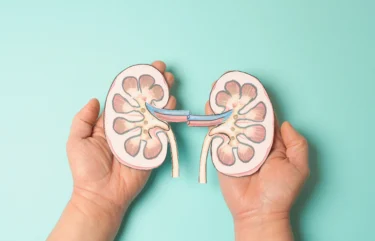
When protein is broken down in the body, waste products are formed and removed by the kidneys. The workload on the kidneys increases when more protein is consumed. Healthy individuals usually tolerate this well, but people with kidney problems may experience increased strain. Drinking enough water helps the kidneys remove waste more efficiently3.
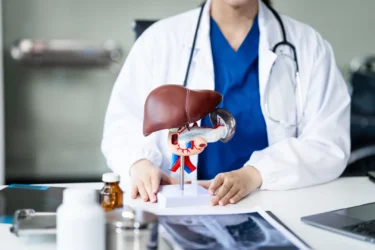
The liver plays a key role in processing protein by breaking down amino acids and converting waste into urea. Excessive or long-term protein powder use, especially without regular physical activity, may increase liver workload and raise liver enzyme levels, which can indicate liver stress. This risk appears higher in sedentary individuals9.

Some protein powders may contain small amounts of harmful substances like heavy metals due to raw materials or manufacturing processes. Long-term exposure to these substances may affect heart health3,5. Additionally, protein powders with added sugars and fats can increase triglyceride levels and body weight, which may increase the risk of heart-related problems3,10.

High protein intake may increase the loss of calcium in urine. Calcium is important for strong bones, and continuous loss may affect bone strength over time. However, protein is also necessary for bone structure. A balanced diet with enough calcium and vitamin D helps protect bone health3,8.

Relying heavily on protein powder may reduce the intake of other important nutrients found in whole foods. Fruits, vegetables, and grains provide vitamins, minerals, and fibre that are essential for good digestion and overall health. Lack of fibre may cause constipation and digestive discomfort.

Some protein powders are high in added sugars and calories. A single scoop can add up to 23 grams of sugar, and mixing with milk may create a drink exceeding 1,200 calories. This can lead to weight gain and spikes in blood sugar11.

Some individuals may be allergic to milk-based or soy-based protein powders. Allergic reactions may include skin rashes, stomach upset, or breathing difficulties in severe cases. Reading ingredient labels helps prevent allergic reactions3.
Although more research is needed to confirm these, by knowing what the side effects of protein powder are or potentially may occur, you can make informed choices and use protein powder more carefully.
While protein powders have various benefits such as muscle growth, recovery, and support for joint and skin health, certain groups should limit or avoid them unless prescribed by a healthcare professional. These include:
These groups should avoid or carefully limit protein powder intake unless recommended by a healthcare professional.
Protein requirements vary depending on age, activity level, and individual health status. The following are the recommended daily protein intakes for different age and activity groups:
Eat protein evenly across meals and include a mix of animal and plant sources. Following these recommendations ensures adequate daily protein intake for your needs8.
Protein supplements are processed and may lack essential nutrients needed for a healthy lifestyle. Protein intake should primarily come from natural foods, with supplements considered only if daily meals do not provide enough12.
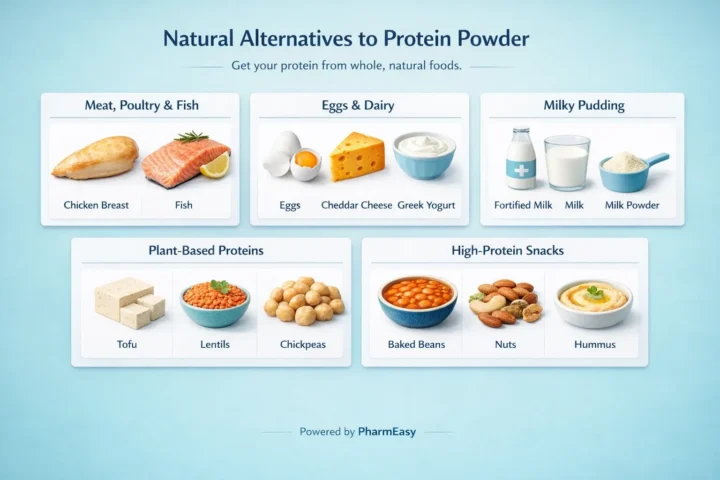
Combining these foods in meals and snacks ensures adequate daily protein intake without relying solely on supplements13.
Protein powders are less strictly regulated than pharmaceuticals, which can lead to differences in safety, quality, and labelling. Therefore, consumers must choose carefully and consider the following:
Carefully reading labels, checking certifications, and sticking to trusted brands can help ensure protein supplements are safe and effective.
Protein powders can cause health problems if not used carefully. Seek medical help if you notice:
Stop using the protein powder and see a doctor if any of these happen.
Protein powders can help build muscles and support recovery, but they should not replace regular, healthy meals. Eating a mix of natural protein foods like eggs, milk, beans, and lean meat is the best way to meet daily needs. Using protein powders carefully and choosing high-quality products can reduce protein powder side effects and keep the body safe. Always avoid too much protein, and remember that a strong, healthy body starts with real food, not just supplements.
Also Read: What Is Biotin and Why Does Your Body Need It?
Most healthy adults can safely use protein powder every day as long as total protein intake, including that from diet, stays within recommended limits. For people with normal activity, about 0.8 g per kg of body weight per day is enough. More active adults or athletes may safely consume 1.2–2.5 g per kg per day without harm8.
Protein powder can be beneficial for muscle growth and recovery, but overuse or improper consumption may cause kidney strain, cardiovascular effects, or exposure to contaminants. Using it carefully, in moderation, and choosing high-quality products is recommended3.
Protein powders are generally not needed for most children and adolescents because their protein needs are best met through normal foods. They may be considered only for adolescent athletes or vegetarians who cannot meet protein requirements through diet and should be used only with professional guidance14.
Protein is not harmful to the liver on its own. People with liver problems often need enough protein to prevent muscle loss. However, the amount and type of protein need to be adjusted under medical guidance, especially in liver complications like hepatic encephalopathy15.
Protein powder may be used by some gym-goers, but most people can meet their protein needs through regular foods. Supplements may help only when daily diet does not provide enough protein, and they should be used carefully as they do not replace balanced meals or ensure better performance16.
Protein powder usually stays usable when stored properly. Heat and humidity can slowly change colour or structure, but it often still mixes well. Kept cool, dry, and sealed, it does not easily spoil within its best-before period for most users17.
Yes, protein powder can be mixed with water. Whey and other protein powders absorb water easily, which helps them dissolve and form a drink. Mixing with water makes the shake lighter and still allows your body to take in the protein properly18.
Yes, protein powder can be added to coffee. It is usually well tolerated and does not appear to affect the protein’s nutritional value. However, very hot coffee may cause clumping, so letting it cool slightly or mixing separately can improve texture19.
Disclaimer: The information provided here is for educational/awareness purposes only and is not intended to be a substitute for medical treatment by a healthcare professional and should not be relied upon to diagnose or treat any medical condition. The reader should consult a registered medical practitioner to determine the appropriateness of the information and before consuming any medication. PharmEasy does not provide any guarantee or warranty (express or implied) regarding the accuracy, adequacy, completeness, legality, reliability or usefulness of the information; and disclaims any liability arising thereof.
Links and product recommendations in the information provided here are advertisements of third-party products available on the website. PharmEasy does not make any representation on the accuracy or suitability of such products/services. Advertisements do not influence the editorial decisions or content. The information in this blog is subject to change without notice. The authors and administrators reserve the right to modify, add, or remove content without notification. It is your responsibility to review this disclaimer regularly for any changes.


Comments

Leave your comment...
You may also like























Comments